
Kundalini Energy: The Fire Serpent and Spiritual Awakening
- Introduction – What if the power was already there, coiled within you? ```
- What is Kundalini energy? A clear and useful definition
- Why the serpent? The snake symbol as a key to interpretation
- The serpent across civilizations: cultural foundations of Kundalini
- Kundalini and chakras: the serpent’s rise, step by step
- How to awaken Kundalini energy… without skipping steps
- Benefits, risks and golden rules: the serpent’s wisdom
- The serpent as talisman: jewelry and energetic protection
- A modern reading: neuroscience, breath and nerves… without betraying the poetry
- Myths, misconceptions… and clarifications
- Suggested weekly routine (beginner to intermediate)
- Case studies (anonymized): when the serpent becomes an ally
- Practical tips for a mature approach to Kundalini
- Conclusion – The serpent within us, sentinel and guide
- Continue exploring and anchor it in your daily life
Introduction – What if the power was already there, coiled within you?
What if your deepest potential were just waiting for a signal to awaken, like a serpent slowly uncoiling in the sun? Kundalini energy, sometimes called the “fire serpent,” has fascinated yogis, mystics, and seekers of spiritual awakening for centuries. But what exactly does this concept encompass? Exotic myth, psychological metaphor, or a truly transformative force?
In this article, we dive into traditions, symbols, and practices to understand what Kundalini is, why the serpent symbol is closely associated with it, how this energy moves through the chakras, and how to approach it safely, clearly… and usefully in daily life. Along the way, we’ll connect this exploration to the cultural roots of the serpent in myths and religions, and to its presence in our modern lives, right down to jewelry and talismans.
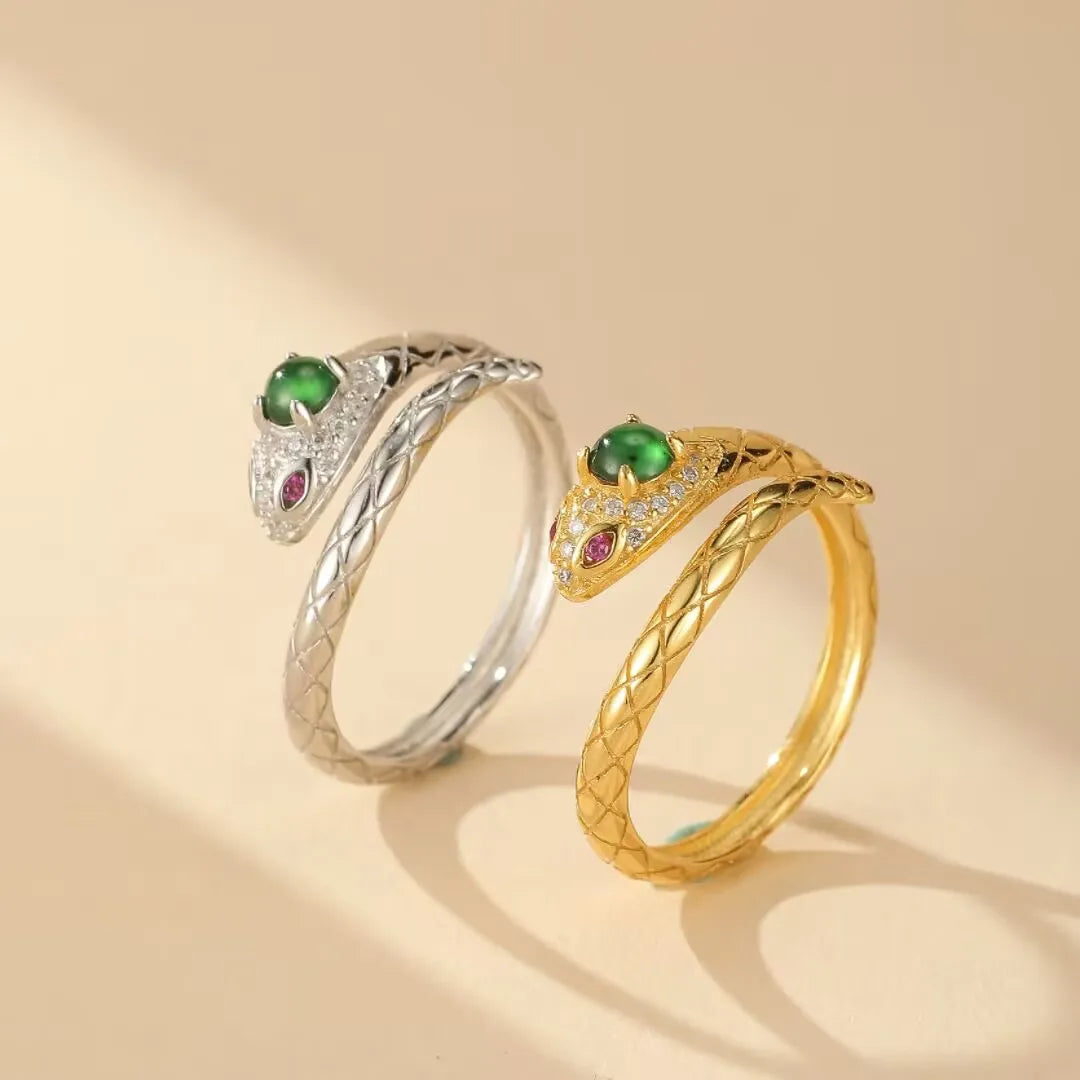
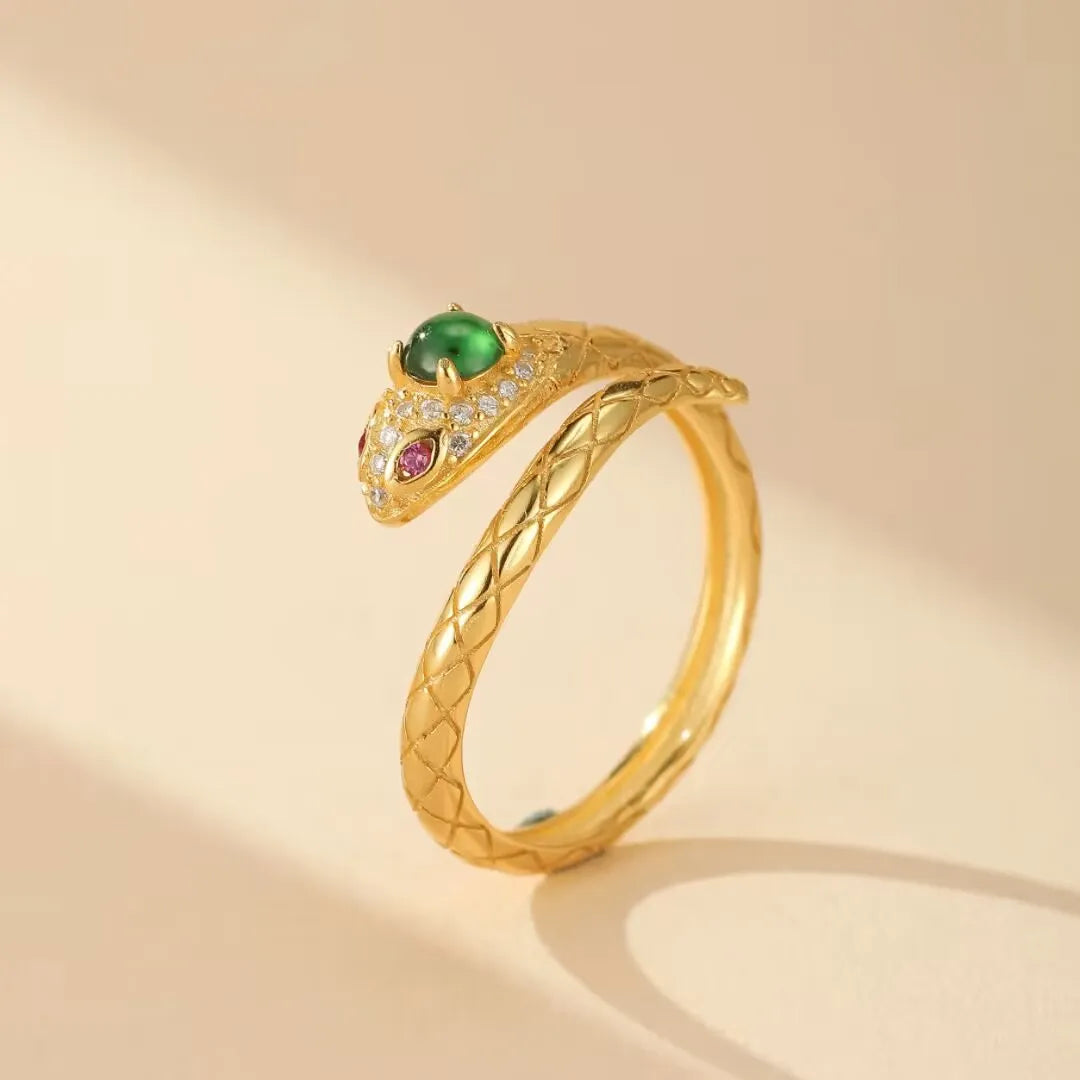
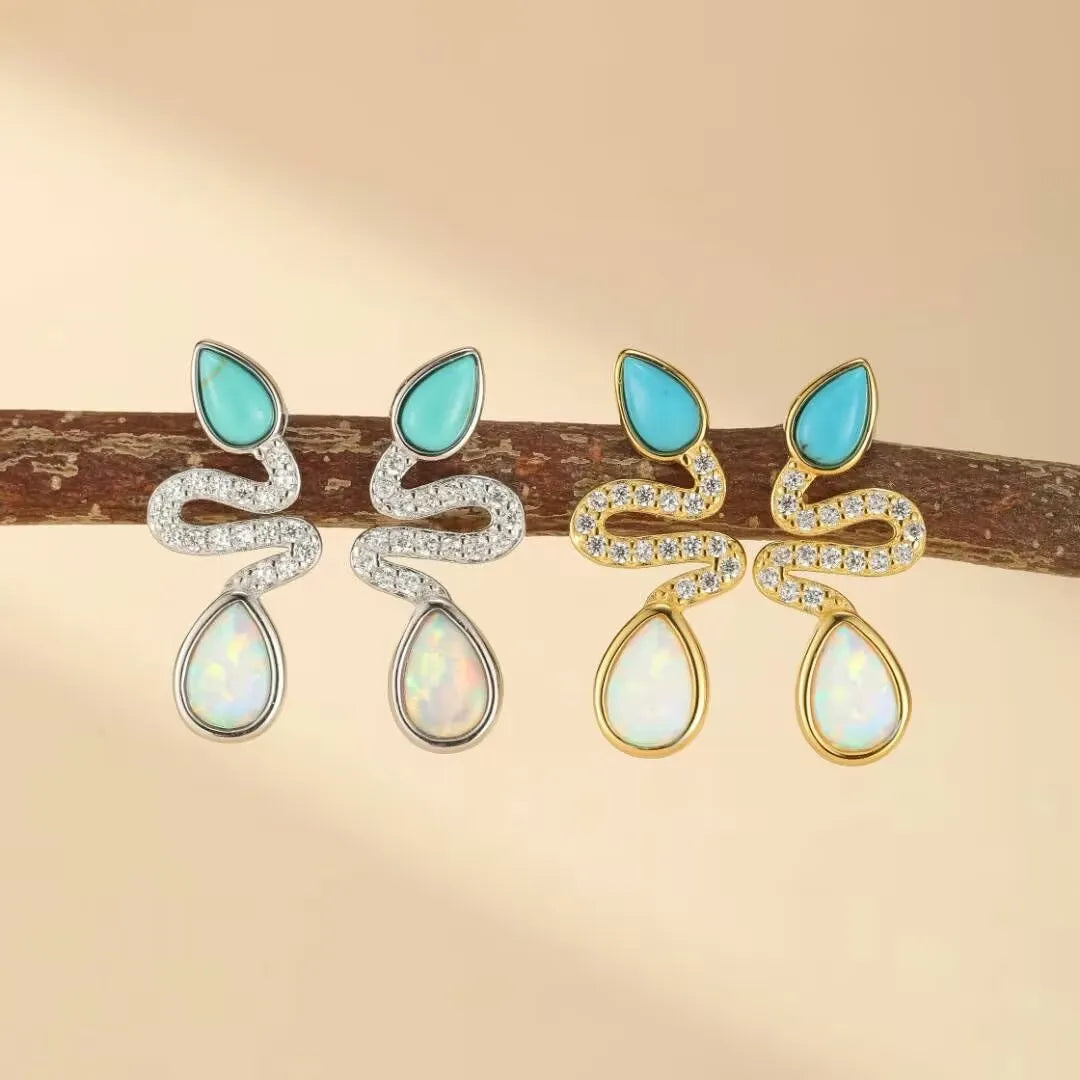
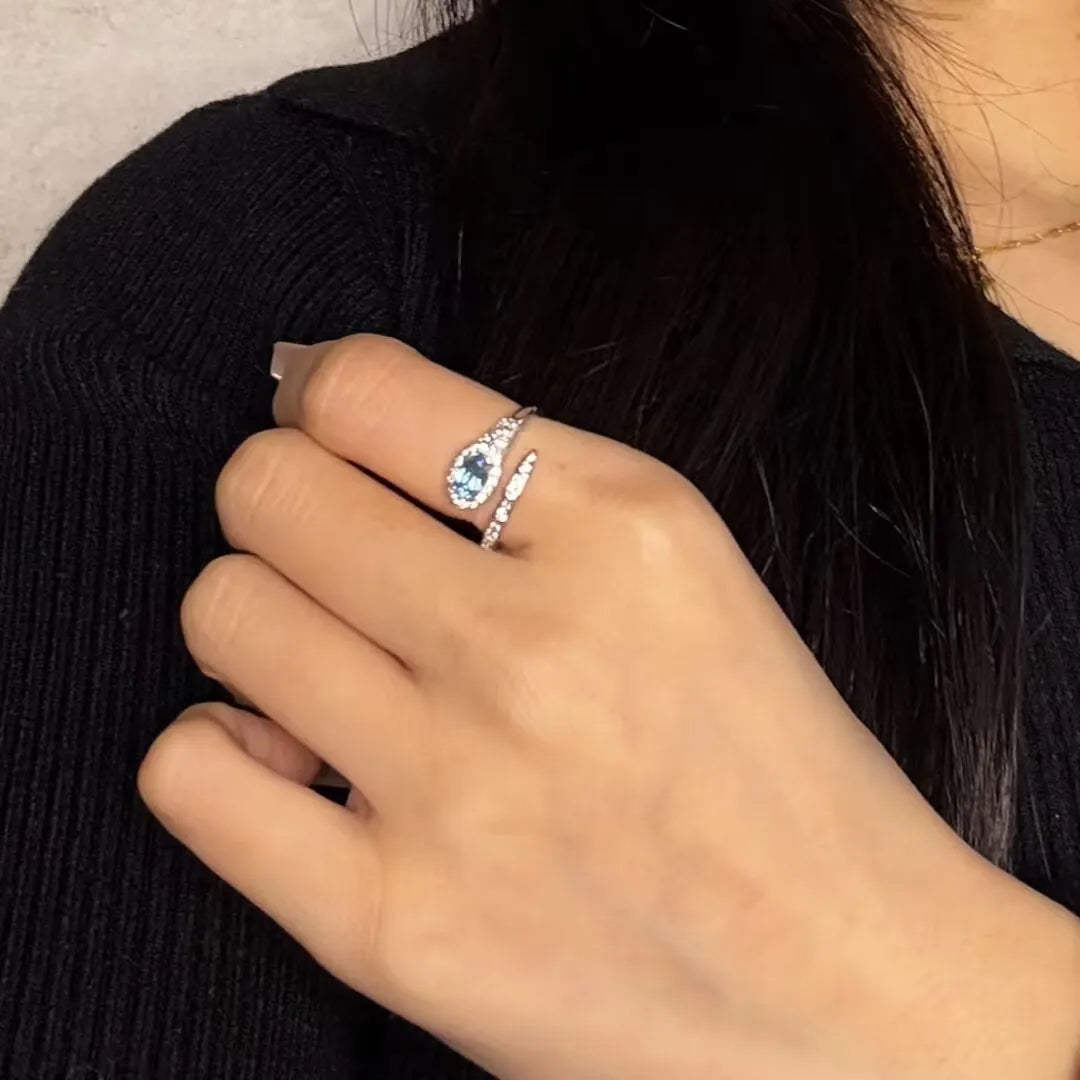
Our Snake Jewelry
What is Kundalini energy? A clear and useful definition
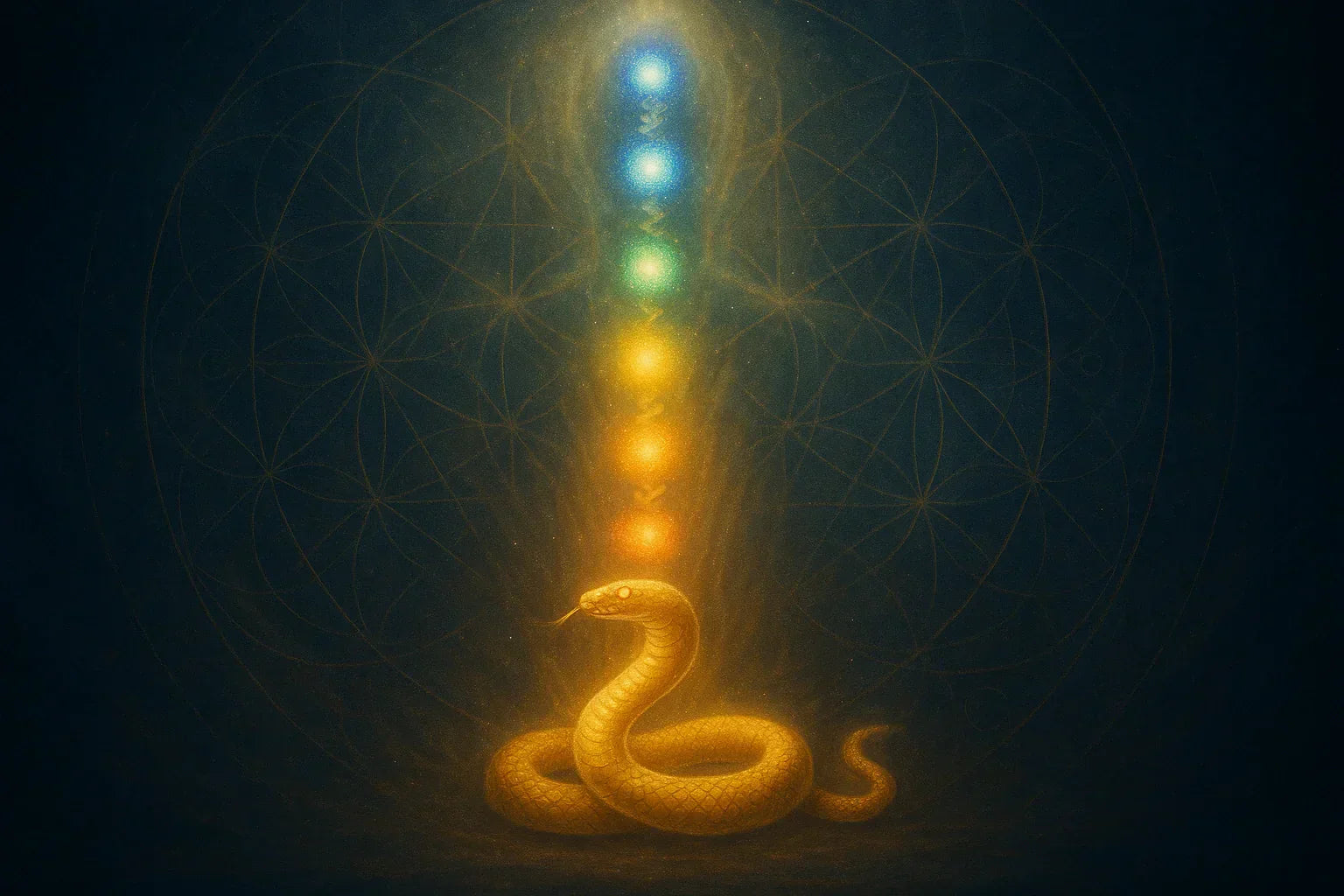
In the yogic and tantric traditions of India, Kundalini is described as a primordial life force, potentially asleep at the base of the spine (at the level of the perineum). Its iconography often depicts it as a coiled serpent, ready to rise. When this Kundalini energy activates, it ascends along the spine, passing through the chakras (energy centers) up to the crown of the head, bringing about expanded states of consciousness, deep reorganization of our psychic patterns, and sometimes unusual subtle perceptions.
Three key ideas to understand it—without unnecessary esotericism:
- Structuring metaphor: the “serpent” is an image of life force and regeneration.
- Gradual process: awakening is often progressive, alternating plateaus and qualitative leaps.
- Integrative transformation: the goal isn’t a one-off ecstasy, but lasting integration in daily life.
Note: In Kundalini Yoga, postures (asanas), breaths (pranayamas), meditations, mantras, and bandhas (energy locks) are combined to awaken, guide, and stabilize this energy.

Why the serpent? The snake symbol as a key to interpretation
The serpent symbol is universally linked to transformation, healing and rebirth—think of the molt, a prime process of regeneration. This symbolism strikingly mirrors what the Kundalini tradition describes: an energy that, as it rises, can “shed” our conditioning, allowing us to leave the old and welcome the new.
Other notable correspondences:
- Ambivalent wisdom: the serpent represents both protection and danger, like inner energy which, poorly channeled, can unbalance us.
- “Earthly” and “celestial” knowledge: an animal close to the ground yet associated with medicine (caduceus), it bridges body and mind.
For a deeper exploration, see:
Complete Guide to the Serpent Symbol: Rebirth, Wisdom, and Protection
The serpent across civilizations: cultural foundations of Kundalini
It’s impossible to grasp Kundalini energy without visiting the collective memory that shaped the serpent symbol:
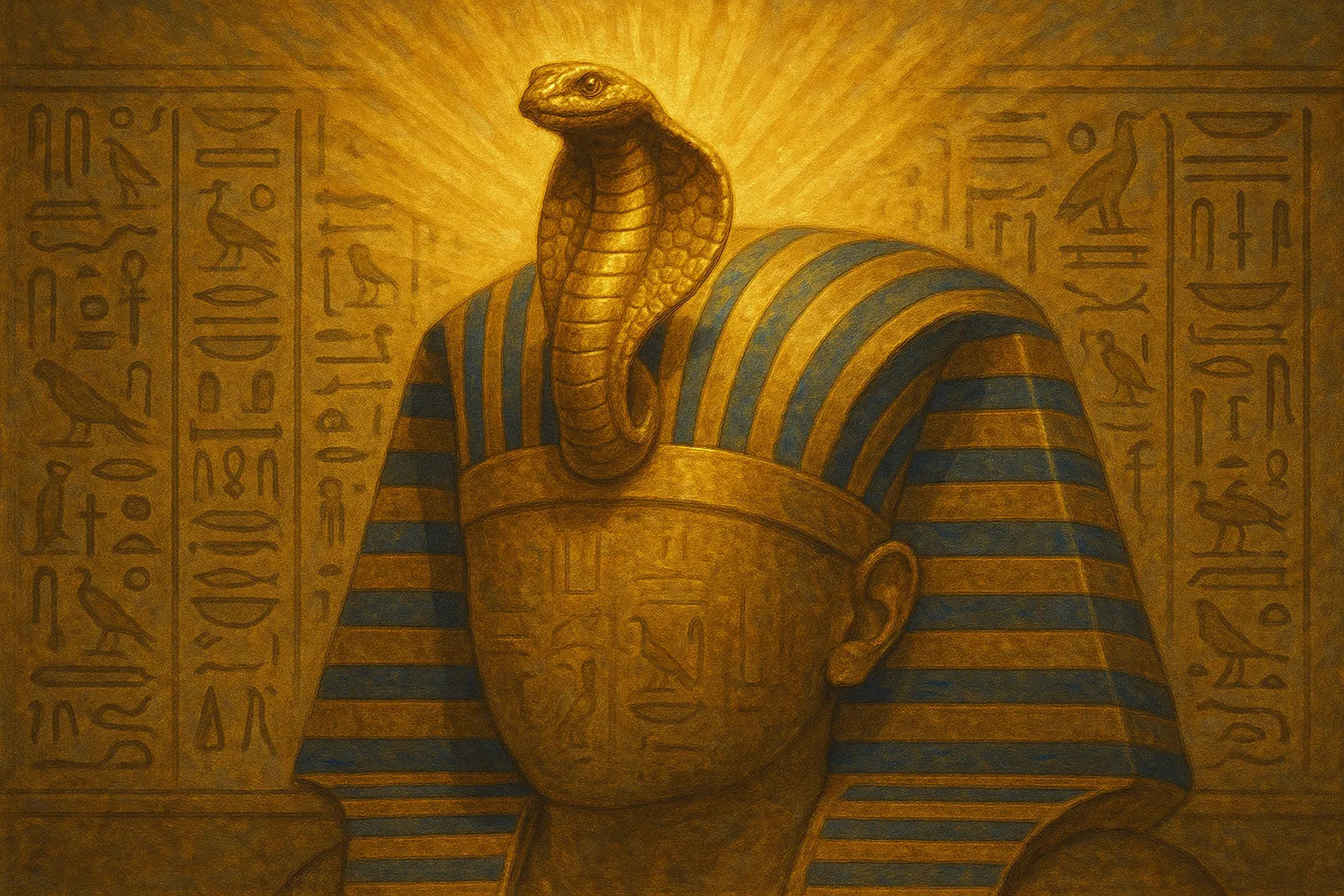
- Egypt: the raised cobra (uraeus) represents royal protection and awakened consciousness.
- Ancient Greece: Asclepius, god of medicine, holds a staff entwined with a serpent: healing and transmission of therapeutic knowledge.
- India: the Nagas embody forces of nature and knowledge. The serpent is also inseparable from Shiva and tantric narratives.
- The Americas: Quetzalcoatl, the feathered serpent, unites earth and sky, matter and spirit.
- Abrahamic traditions: in Genesis, the serpent of Eden—often perceived negatively—also symbolizes knowledge and the transgression of a fixed order.
To place these images in a nuanced context:
The Symbolism of the Serpent: From Eden to Indigenous Traditions
The Serpent in Myths and Religions: A Universal Archetype
Kundalini and chakras: the serpent’s rise, step by step
Tradition describes seven main chakras along the spinal axis. Here is a practical map with possible effects when “the serpent rises.”
- Muladhara (root) – Safety, grounding, instincts. Signs of activation: feeling of heaviness/solidity, warmth at the perineum, need to order one’s material life.
- Svadhisthana (sacral) – Creativity, emotions, pleasure. Signs: surge of creativity, vivid dreams, emotional memory surfacing for release.
- Manipura (solar plexus) – Will, identity, digestion (physical and psychic). Signs: renewed confidence, abdominal warmth, clarification of personal boundaries.
- Anahata (heart) – Compassion, love, emotional coherence. Signs: waves of empathy, releasing tears, fuller breathing.
- Vishuddha (throat) – Expression, truth, listening. Signs: need to speak clearly, to write, to say no.
- Ajna (third eye) – Intuition, inner vision, synthesis. Signs: lucid dreams, synchronicities, heightened mental clarity.
- Sahasrara (crown) – Transcendence, inner silence, connection. Signs: moments of deep silence, unity, objectless peace.
Important: the rise is not linear. It oscillates, descends again, reworks areas. The goal isn’t to reach “the top” once and for all, but to harmonize the centers.









How to awaken Kundalini energy… without skipping steps
Kundalini awakening is less a “performance” than a spiritual hygiene of life. The following practices are reputed effective—provided they’re progressive and supervised.
Preparatory practices (essential)
- Grounding: mindful walking, contact with nature, stable routines (sleep, diet).
- Breath: cardiac coherence, nadi shodhana (alternate nostril breathing) to balance ida/pingala (lunar/solar).
- Postures: adapted sun salutations, gentle heart and hip openers.
- Ethics: yamas/niyamas (non-violence, truthfulness, moderation, contentment, discipline) – this framework prevents many pitfalls.
Specific techniques (to approach with caution)
- Bandhas (locks): mula bandha (root), uddiyana bandha (abdomen), jalandhara bandha (throat) – synchronized with targeted breathing.
- Bhastrika / Kapalabhati: dynamic, stimulating breaths; practice only if in good health and properly guided.
- Mantras: repetition (japa) to stabilize attention and raise vibration.
- Meditation: slow body scans, observing sensations linked to the “serpent” moving (tingling, warmth, micro-impulses).
Common signs—interpret with discernment
- Physical: chills, warmth, heightened sensitivity along the spine.
- Emotional: releases, resurfacing memories, mood fluctuations.
- Mental: symbolic visions (including serpents), rising intuition, sense of meaning.
These signs are not an end: what matters is your capacity to integrate them into everyday life.
Benefits, risks and golden rules: the serpent’s wisdom
Possible benefits
- Mental clarity and creativity: bolder, more structured ideas.
- Inner coherence: values, words, and actions progressively align.
- Heightened presence: refined perception of body and emotions.
- Meaning: a deep sense of orientation, of spiritual awakening underway.
Risks if you push too hard
- Overheating: agitation, insomnia, irritability (the “fire serpent” bites when provoked).
- Emotional imbalances: anxiety, hypersensitivity, confusion.
- Spiritual bypassing: using spirituality to avoid responsibilities… instead of embracing them.
Golden rules
- Progressiveness: one step at a time.
- Supervision: qualified teachers, solid traditions.
- Grounding: life hygiene, healthy relationships, personal work (journaling, therapy if needed).
- Listening: if the body says “stop,” slow down. The serpent loves patience.
The serpent as talisman: jewelry and energetic protection
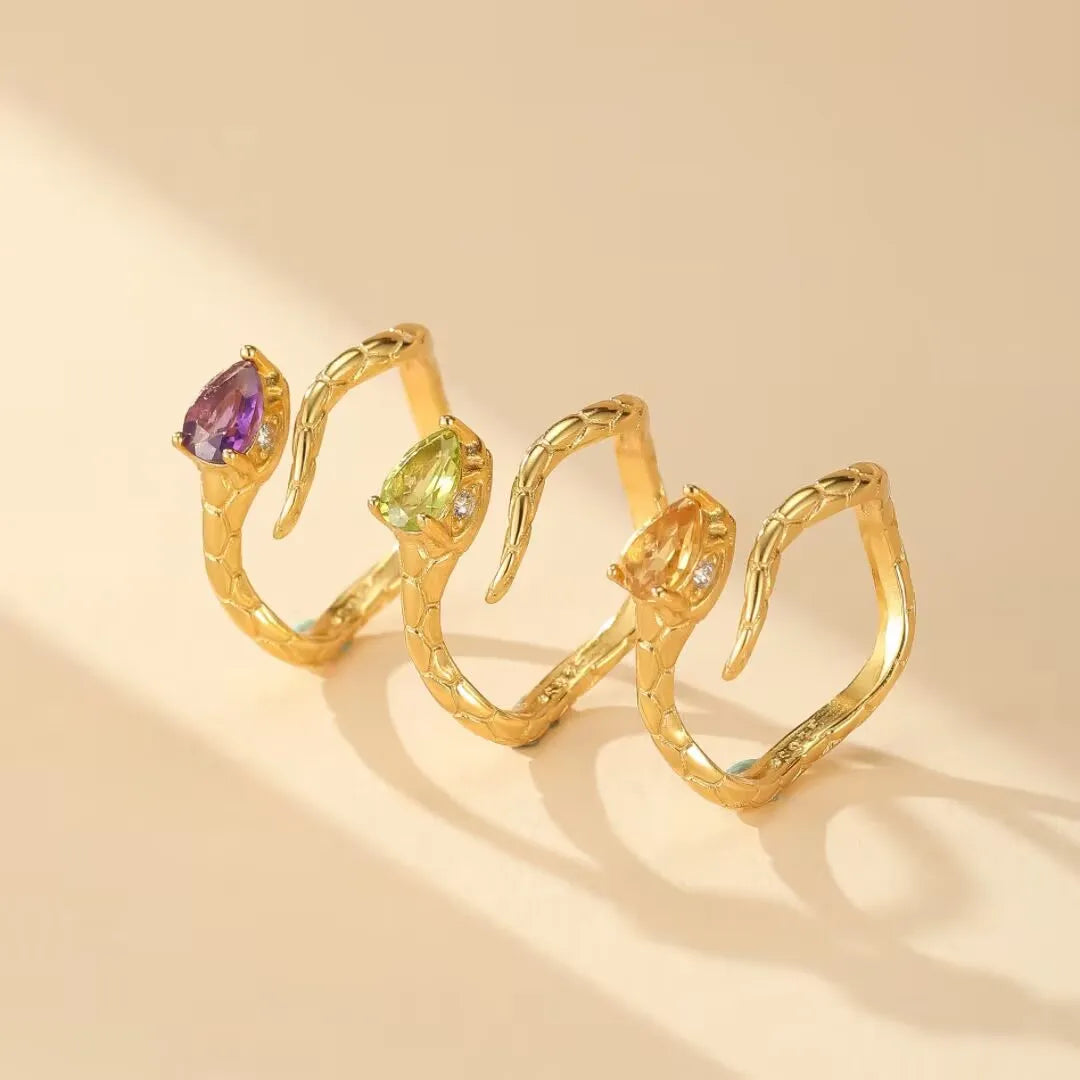
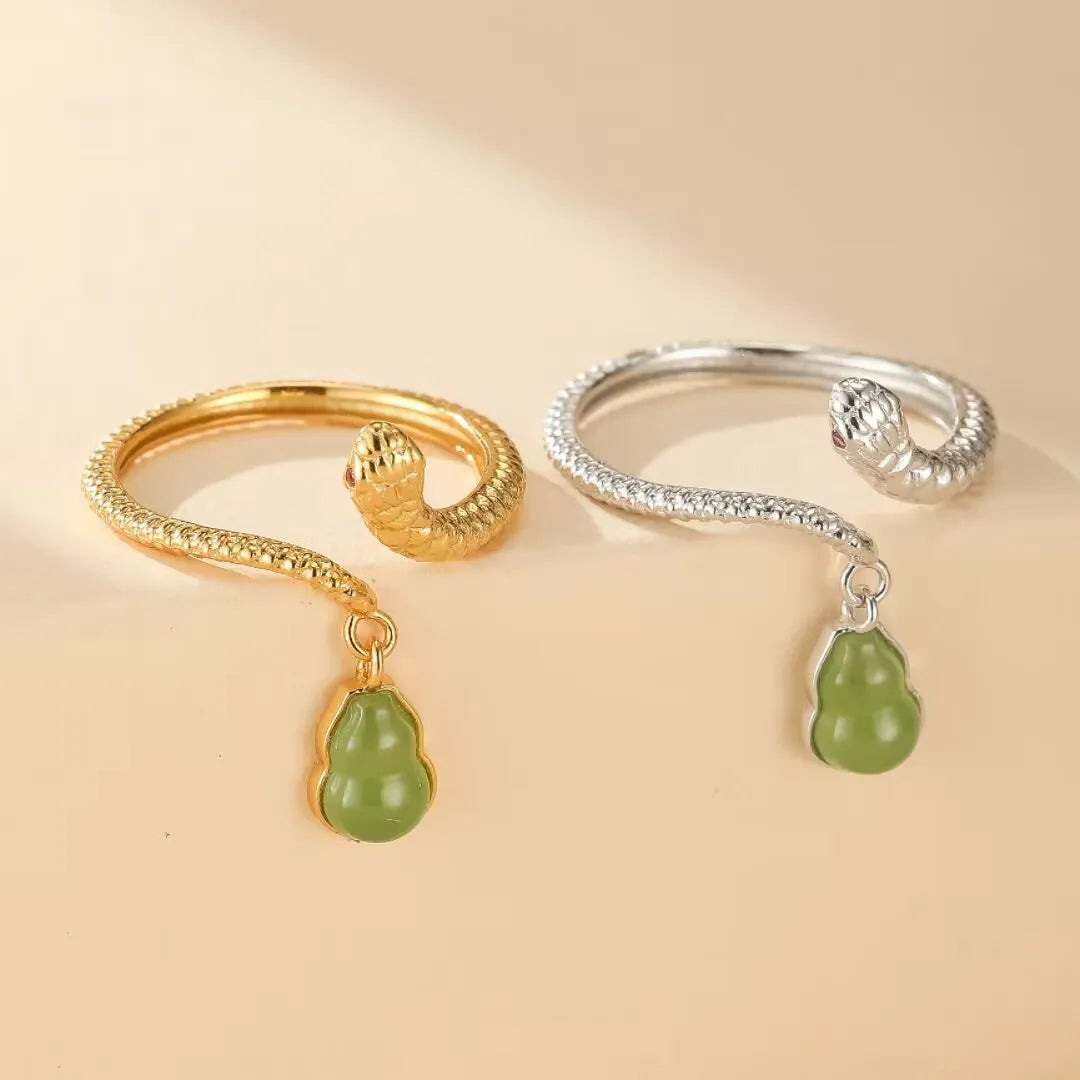
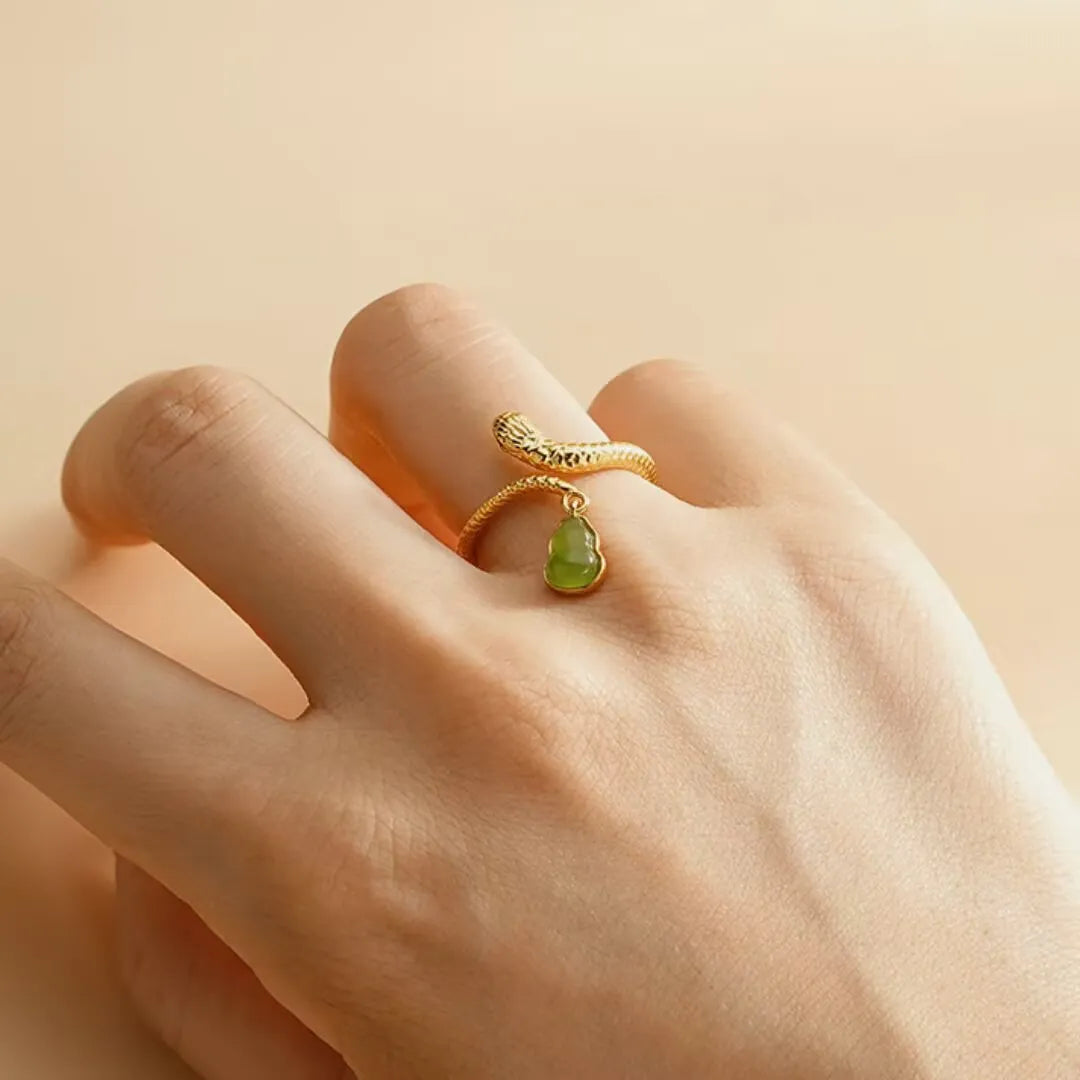
If the serpent symbol is a map for understanding Kundalini, it can also become a talisman for the journey. Wearing serpent jewelry is a reminder of the capacity to shed, to be resilient, and of Kundalini energy in the making.
- Symbolic memory: a serpent bracelet or pendant can serve as a mental anchor during practice.
- Aesthetics and intention: the motif’s elegance reinforces a sense of personal dignity—key to transformation.
- Traditions: many cultures linked serpent amulets to protection and healing.
To discover meanings and inspiration:
Serpent Jewelry: Power, Elegance, and Protection: https://luuckk.com/en-en/blogs/articles/serpent-jewelry-power-elegance-protection

A modern reading: neuroscience, breath and nerves… without betraying the poetry
Can we speak about Kundalini in contemporary terms without disfiguring its heart? Yes—humbly.
- ``` Breath and the nervous system: pranayamas influence the autonomic nervous system (sympathetic/parasympathetic balance), partly explaining sensations of warmth, relaxation, or energy.
- Focused attention: meditation shifts attentional networks, fostering metacognition and finer perception of bodily signals.
- Symbolic imagery: the figure of the serpent acts as a powerful mnemonic anchor, useful for stabilizing experience and giving it meaning.
This reading does not replace the spiritual approach; it offers a bridge for modern practitioners who value mystical poetry as much as rigor.
Myths, misconceptions… and clarifications
- “Kundalini awakening = paranormal powers”: tradition mentions siddhis, but the heart of the path is ethics and awareness.
- “The more intense, the better”: false. The quietest phases are often the most fertile.
-
“The serpent is a negative symbol”: a partial view. The symbolism of the serpent is ambivalent and fertile, as explored in our dossiers:
– The Symbolism of the Serpent: From Eden to Indigenous Traditions: https://luuckk.com/en-en/blogs/articles/symbolism-serpent-eden-indigenous-traditions
– The Serpent in Myths and Religions: A Universal Archetype: https://luuckk.com/en-en/blogs/articles/serpent-myths-religions-universal-archetype
Suggested weekly routine (beginner to intermediate)
Three sessions of 30–45 minutes, plus daily grounding.
Every day (5–10 min)
- 3 minutes of slow breathing (5–5)
- 2 minutes observing pelvis/spine
- Simple intention: “Today, I align.”
Session A – Grounding
- Gentle leg/hip postures
- Nadi shodhana 7 cycles
- Meditation on Muladhara (red, stability)
Session B – Creativity
- Slow vinyasa, hip openers
- Moderate kapalabhati (if suitable)
- Meditation on Svadhisthana (orange, flow), then Manipura (yellow, clarity)
Session C – Heart & Voice
- Heart openers (supported)
- Simple mantra chanting (Om or Sat Nam)
- Meditation on Anahata and Vishuddha
Monthly close: 20 minutes of silent listening to the inner “serpent,” notebook in hand to capture sensations and insights.

Case studies (anonymized): when the serpent becomes an ally
Case 1 – The stressed engineer
Daily breathing practices + mindful walking = fewer sleep issues after 6 weeks, renewed creative drive at work. Interpretation: gentle activation of Manipura and Ajna without overheating.
Case 2 – The highly sensitive creative
Alternating gentle yoga/mantra. Result: steadier emotions, calmer speech. The “serpent” rose to the heart, then learned to descend again to integrate.
Case 3 – The “too fast, too hard” profile
Intense pranayamas without supervision → agitation. Correction: back to basics (sleep, diet, walks), reducing heating techniques. Two weeks later, stability restored.
Moral: Kundalini isn’t a race; it’s a personal ecology.
Practical tips for a mature approach to Kundalini
- Set a container: dedicated days/times, a calm space.
- Keep a journal: note sensations, dreams, intuitions; spot your cycles.
- Stay relational: share the experience with a serious practice group.
- Include the body: simple nutrition, hydration, gentle mobility.
- Dare to go slow: the serpent moves unhurriedly—yet with determination.
Conclusion – The serpent within us, sentinel and guide
Kundalini is neither a spectacular phenomenon reserved for a select few nor a mere metaphor. It’s a way of ordering human experience, where the serpent symbol reminds us: life knows how to shed, stand tall, and rise. Kundalini energy then becomes a pedagogy of presence: breathe, feel, integrate, act.
The real question may not be “how do I reach awakening?” but “how do I honor, over time, the serpent’s wisdom that lives within me?”
Continue exploring and anchor it in your daily life
- Dive into our complementary articles to enrich your view of the serpent and its symbolism:
• Complete Guide to the Serpent Symbol: Rebirth, Wisdom, and Protection: https://luuckk.com/en-en/blogs/articles/complete-guide-serpent-symbol-rebirth-wisdom-protection
• The Symbolism of the Serpent: From Eden to Indigenous Traditions: https://luuckk.com/en-en/blogs/articles/symbolism-serpent-eden-indigenous-traditions
• The Serpent in Myths and Religions: A Universal Archetype: https://luuckk.com/en-en/blogs/articles/serpent-myths-religions-universal-archetype
• Serpent Jewelry: Power, Elegance, and Protection: https://luuckk.com/en-en/blogs/articles/serpent-jewelry-power-elegance-protection - Anchor the intention in matter by discovering serpent jewelry rich with meaning and style.
What is Kundalini energy and where is it located in the body?
Kundalini energy is described as a primordial life force resting at the base of the spine. When it activates, it “rises” along the spine, passes through the main chakras, and can trigger profound inner transformation.
What are common signs of Kundalini awakening?
Signs can be physical (warmth, chills, sensations along the spine), emotional (release or mood fluctuations), or mental (symbolic visions, heightened intuition). They should be interpreted with patience and discernment.
What precautions should I take before starting Kundalini practices?
Advance progressively, ground yourself in routine, practice breathing and gentle postures, and adopt an ethical lifestyle. Guidance from qualified teachers is recommended to limit risks and integrate experiences.
Is the serpent a negative symbol in Kundalini?
No. The serpent symbolizes transformation, healing, and wisdom. Its symbolism is ambivalent: it represents both protection and danger—like inner energy, which must be channeled with respect and care.
How can I integrate Kundalini energy into daily life?
Through self-listening, a practice journal, bodily grounding (walks, breathing), and a regular routine adapted to your rhythm. The main goal is lasting harmony—not the pursuit of intense experiences.
Read more
From the temptation of Eden to Indigenous traditions, the serpent is a universal symbol filled with mystery. At times a guardian, at others a tempter, it embodies wisdom, transformation, and power....
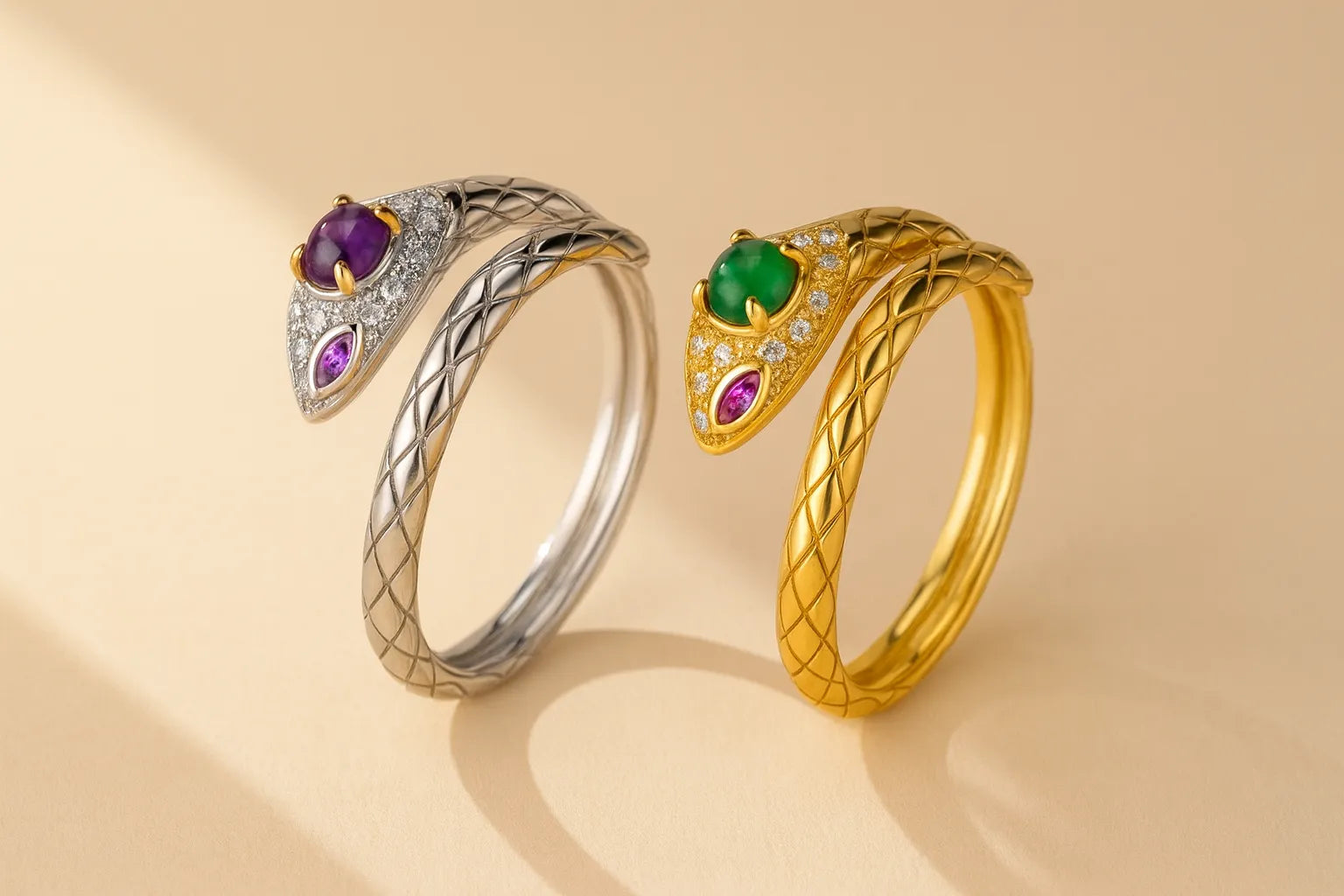
Discover the fascinating symbolism of snake jewelry through history, spirituality, and traditions. More than just an accessory, it embodies transformation, wisdom, and protection. A captivating jou...


