
Genuine or Fake Lapis Lazuli: How to Tell Natural from Imitation Stones
- Introduction
- What is Lapis Lazuli? Origin and characteristics of this natural stone
- Why are there so many fake Lapis Lazuli?
- How to recognize genuine Lapis Lazuli: the essential criteria
- Simple tests to check the authenticity of Lapis Lazuli
- Lapis Lazuli in lithotherapy: why choose an authentic stone?
- Lapis Lazuli Jewelry: elegance and energy
- Tips for buying genuine Lapis Lazuli
- Conclusion: recognizing genuine Lapis Lazuli
- FAQ: Genuine or Fake Lapis Lazuli
Introduction
For thousands of years, Lapis Lazuli has fascinated civilizations. This deep blue stone, speckled with golden flashes, already adorned the jewelry of pharaohs, Renaissance frescoes, and sacred objects in many cultures. Even today, it holds an important place in the world of natural stones, artisan jewelry, and lithotherapy.
But with the growing popularity of natural stones, one question often comes up: how can you recognize genuine Lapis Lazuli and avoid imitations? On the market, many dyed or reconstructed stones imitate the appearance of this prestigious gem. To an untrained eye, the difference can be difficult to spot.
However, several clues make it possible to distinguish authentic Lapis Lazuli from an imitation. In this article, we will explore in depth the characteristics of the natural lapis lazuli stone, the types of fakes found on the market, and reliable methods for identifying a genuine stone.
Our Lapis Lazuli Jewelry
What is Lapis Lazuli? Origin and characteristics of this natural stone
Before being able to recognize fake Lapis Lazuli, it is essential to understand what characterizes the natural lapis lazuli stone.
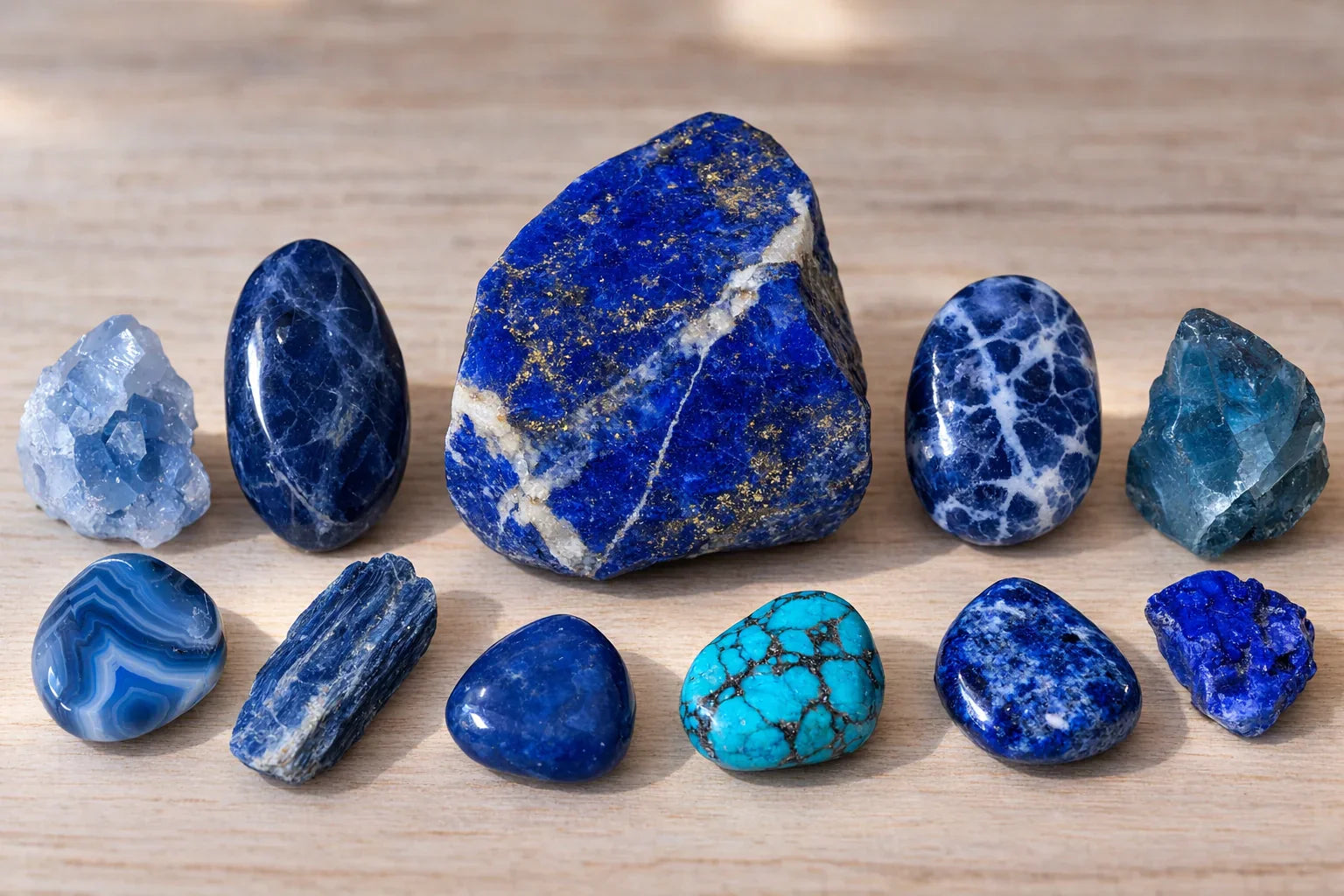
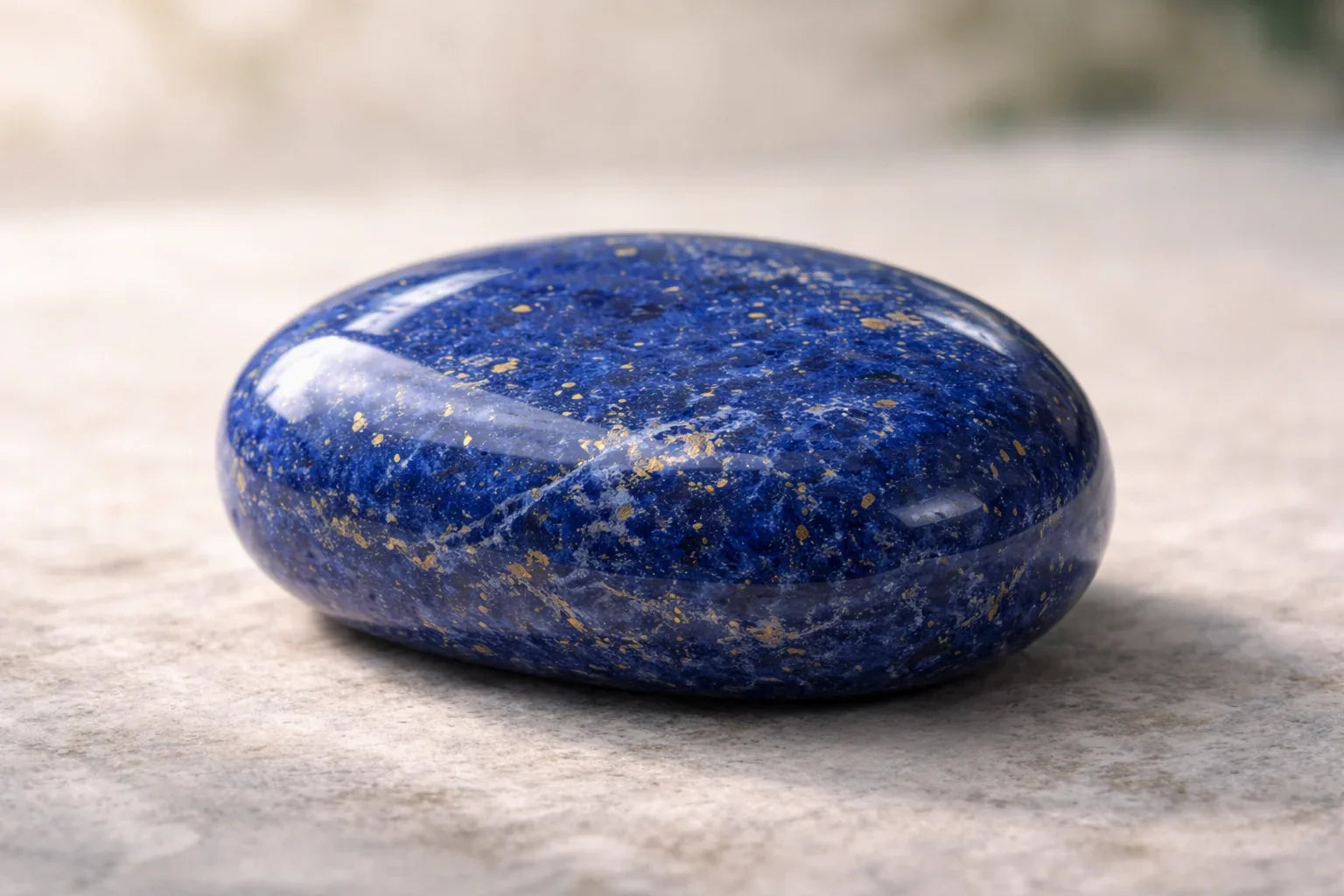
Lapis Lazuli is not a single mineral but a metamorphic rock composed mainly of lazurite, along with calcite and pyrite. This composition gives it its distinctive appearance: a deep blue often dotted with small golden flecks.
A stone used since Antiquity
Lapis Lazuli is one of the oldest decorative stones in human history. The earliest known mining sites date back more than 6,000 years in the mines of Badakhshan in Afghanistan, a region still famous today for producing the finest stones.
In ancient Egypt, this stone was considered sacred. It was used to make:
- protective amulets
- royal jewelry
- ritual objects
- pigments for frescoes and paintings
The famous ultramarine blue pigment, used by Renaissance painters, was in fact made from ground Lapis Lazuli.
The main sources of Lapis Lazuli
Today, several countries produce Lapis Lazuli:
- Afghanistan (the most renowned quality)
- Chile
- Russia
- Pakistan
- Myanmar
Each origin has slightly different characteristics in terms of color and composition.
The visual characteristics of genuine Lapis Lazuli
Genuine Lapis Lazuli generally has several distinctive features:
- A deep blue to royal blue color
- Inclusions of golden pyrite
- Sometimes white veins of calcite
- A slightly grainy structure
Unlike some imitations, the color of a natural stone is never perfectly uniform.
To learn more about the history and symbolism of this stone, you can read the article:
Lapis Lazuli: Stone of Truth and Communication

Why are there so many fake Lapis Lazuli?
The popularity of Lapis Lazuli in jewelry and lithotherapy has encouraged the appearance of many imitations on the market.
Some look very similar to the natural stone and are sometimes sold as authentic.
A highly demanded stone
Lapis Lazuli is especially appreciated for:
- its intense color
- its spiritual symbolism
- its benefits in lithotherapy
- its elegance in jewelry
This strong demand pushes some manufacturers to produce less expensive alternatives.
The main imitations of Lapis Lazuli
Several materials can imitate the appearance of Lapis Lazuli.
Dyed howlite
Howlite is a naturally white veined stone. It is often dyed blue to imitate Lapis Lazuli.
Sodalite
Sodalite is a blue natural stone that resembles Lapis Lazuli but generally contains no golden pyrite.
Colored glass
Some imitations are made of blue glass with metallic glitter to reproduce the golden inclusions.
Reconstituted Lapis Lazuli
This is a mixture of crushed stone fragments and resin. This material is molded to form beads or cabochons.
These alternatives are sometimes sold as genuine Lapis Lazuli, which is why it is important to know how to identify an authentic stone.
How to recognize genuine Lapis Lazuli: the essential criteria
Several visual and physical clues make it possible to recognize a natural lapis lazuli stone.
The color of the stone
Genuine Lapis Lazuli has a color that is:
- deep blue
- slightly uneven
- sometimes shaded with violet blue
Imitations often have a color that is too uniform or too bright.
A fully electric blue stone may indicate artificial dyeing.
The presence of golden pyrite
Pyrite is one of the best-known distinguishing signs of Lapis Lazuli.
These small golden metallic flecks look like tiny stars inside the stone.
However, a stone completely filled with pyrite may be of lower quality.
The ideal balance is a subtle presence of pyrite in the deep blue.
The white calcite veins
Calcite appears in the form of white or light gray veins.
Some high-quality stones contain very little calcite, but its presence remains natural in many Lapis Lazuli stones.
A perfectly blue stone with no variation at all can sometimes be suspicious.
The texture
A natural stone often has a slightly grainy texture visible under a magnifying glass.
Glass imitations are generally too smooth and uniform.
The weight of the stone
Lapis Lazuli has a relatively high density.
Plastic or resin imitations are generally lighter.

Simple tests to check the authenticity of Lapis Lazuli
Some simple methods make it possible to identify a dyed or artificial stone.
The cotton and alcohol test
This test helps check whether the stone has been dyed.
You simply need to:
- moisten a piece of cotton with a little alcohol
- gently rub the stone
If the cotton turns blue, the stone was probably dyed.
This test should be carried out carefully to avoid damaging the stone.
Observation with a magnifying glass
A jeweler’s loupe helps spot:
- natural pyrite
- crystalline structures
- traces of artificial coloring
Reaction to light
Under strong light, genuine Lapis Lazuli often reveals natural color variations.
Glass imitations generally have a more uniform and artificial appearance.

Lapis Lazuli in lithotherapy: why choose an authentic stone?
In the field of lithotherapy, the authenticity of the stone is essential.
According to energetic traditions, natural stones have specific vibrations linked to their geological formation.
Artificial or dyed stones do not have these properties.
The benefits attributed to Lapis Lazuli
In lithotherapy, Lapis Lazuli is associated with several virtues:
- improved communication
- stimulation of intuition
- development of mental clarity
- strengthening self-confidence
It is often used to work on:
- the throat chakra
- the third eye
To learn more about this topic, you can read the article:
Benefits and Properties of Lapis Lazuli
And to understand its connection with the energy centers:
Lapis Lazuli and Chakras: How to Harmonize Your Energies




Lapis Lazuli Jewelry: elegance and energy
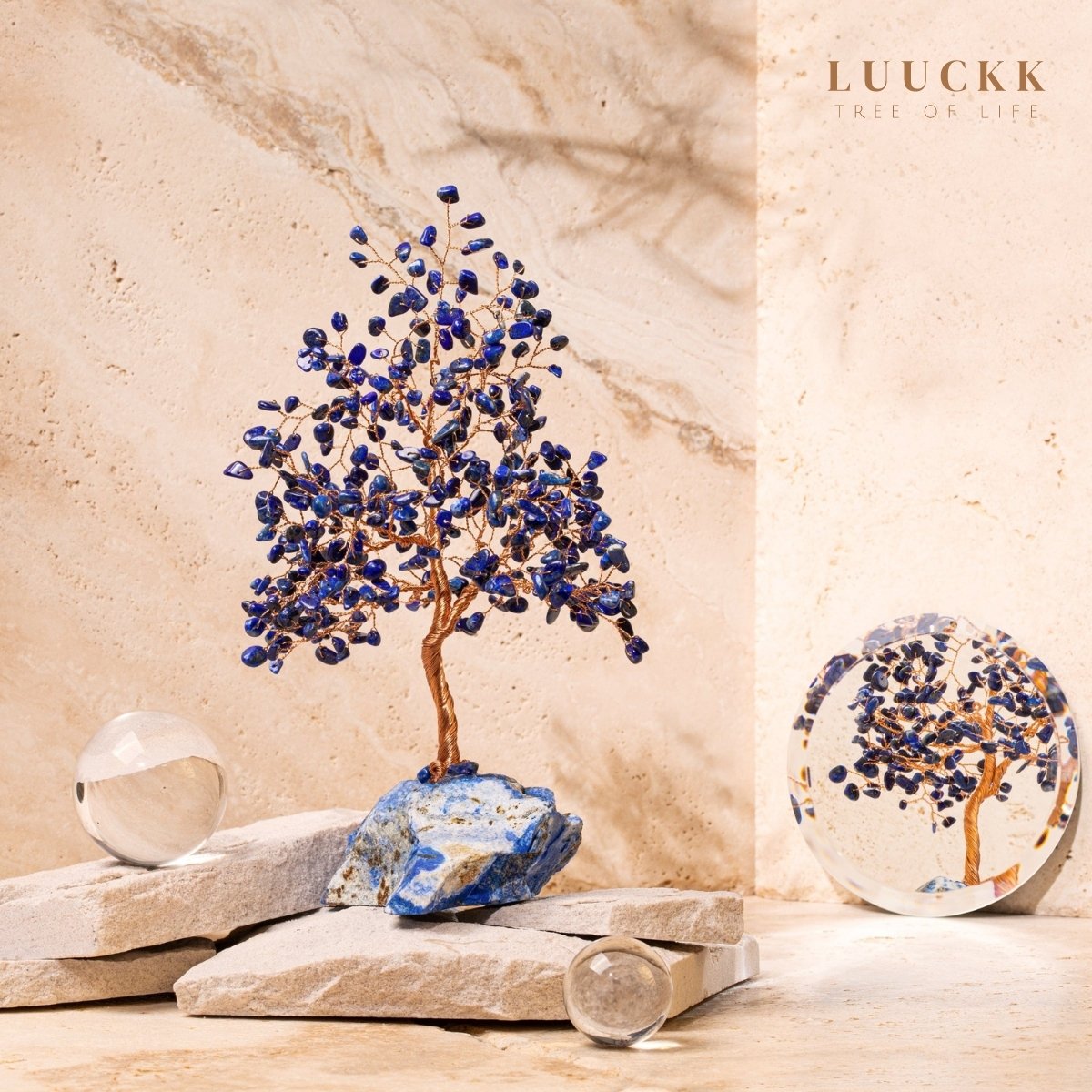
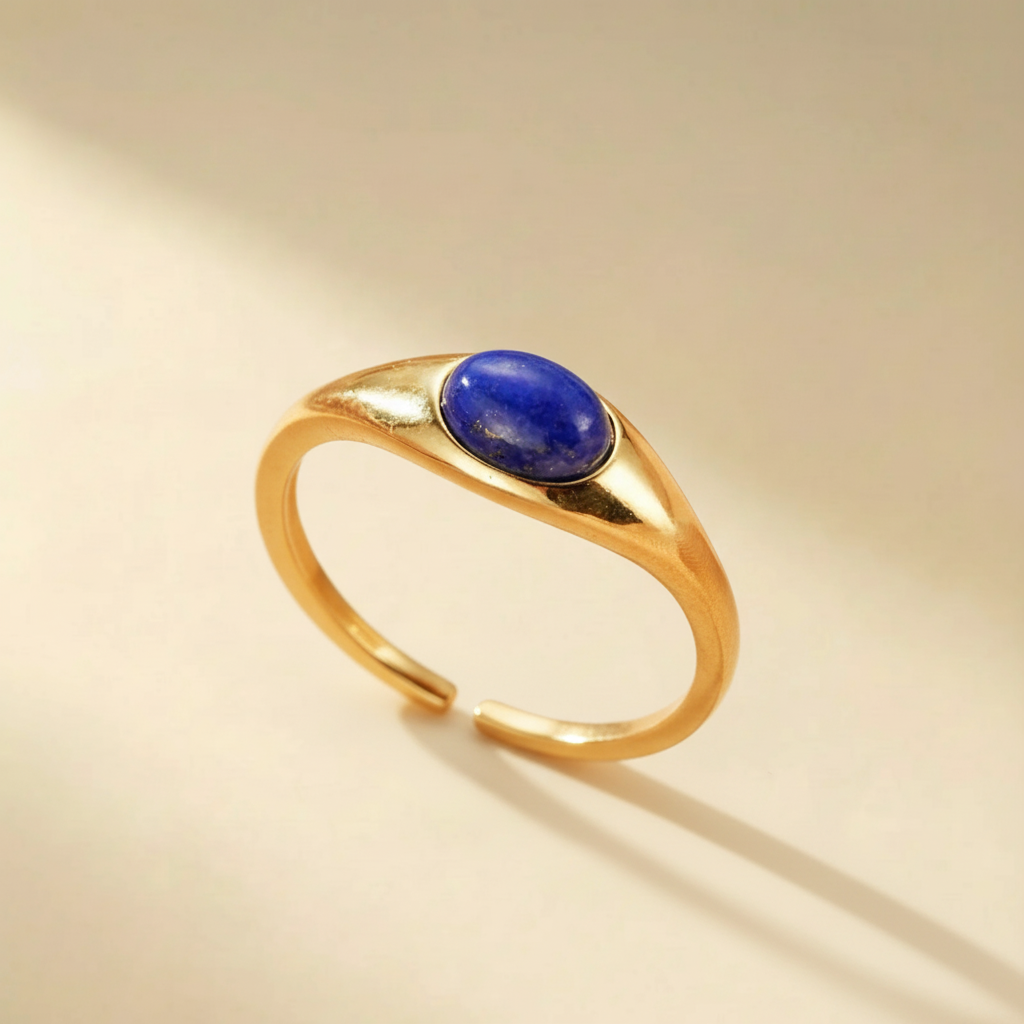
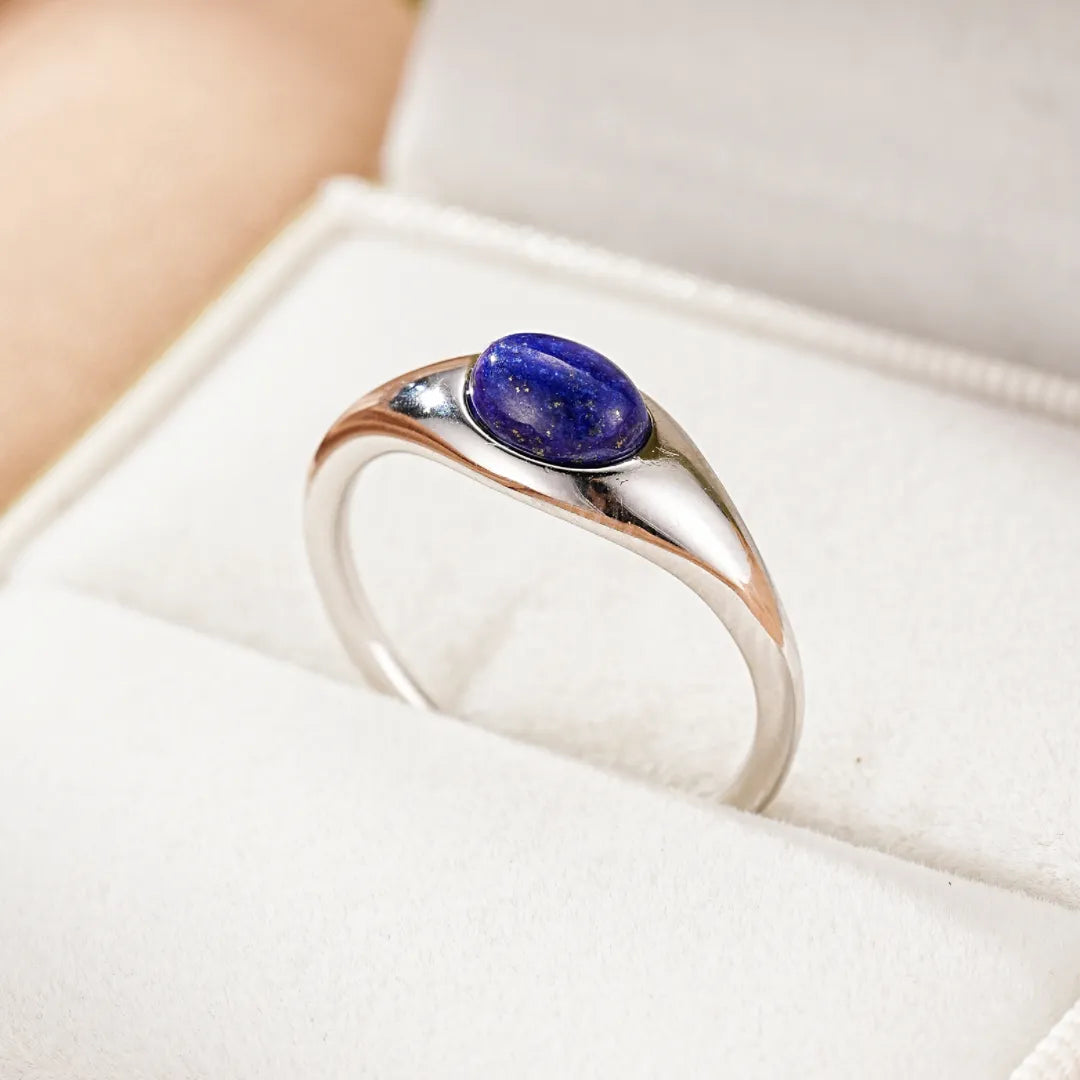
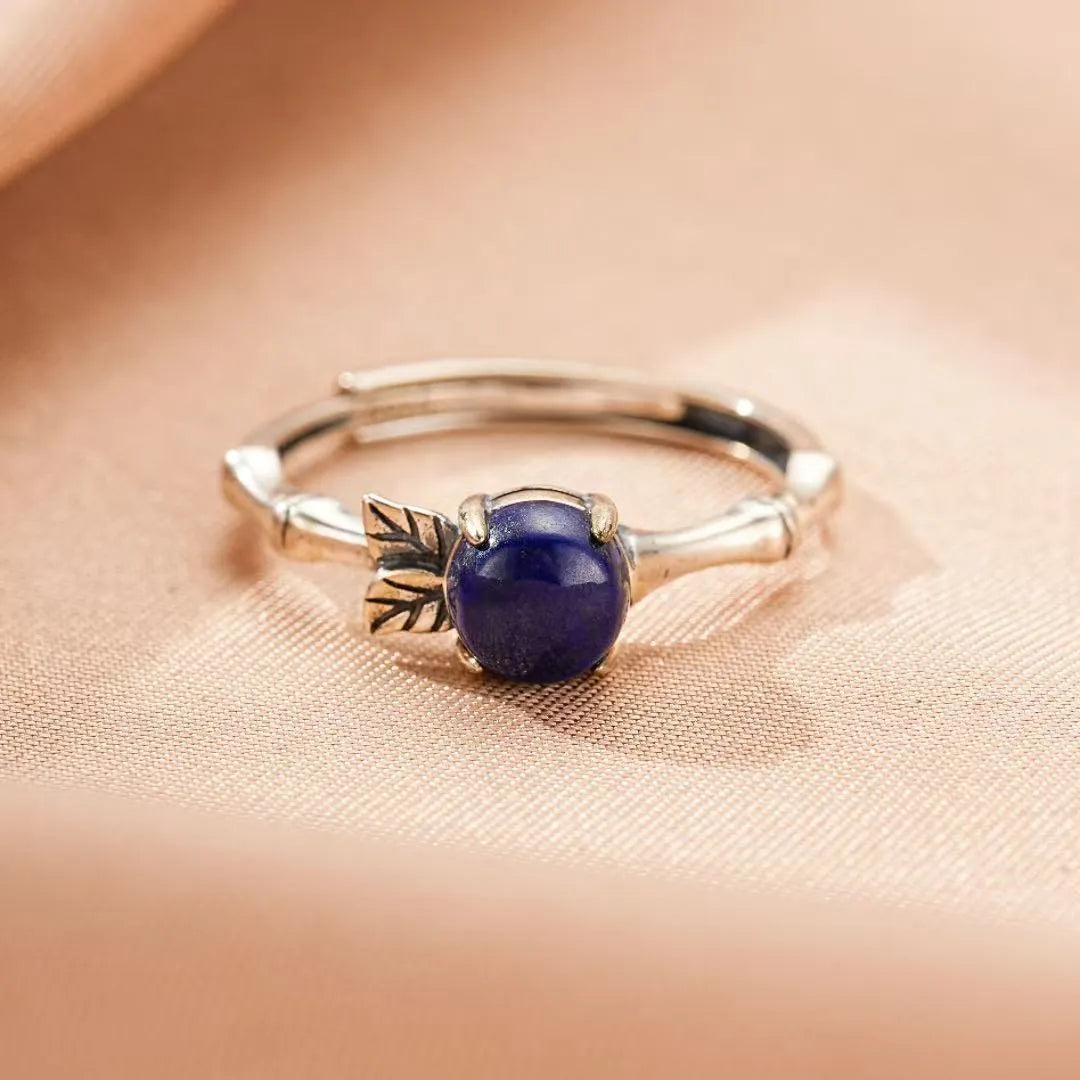
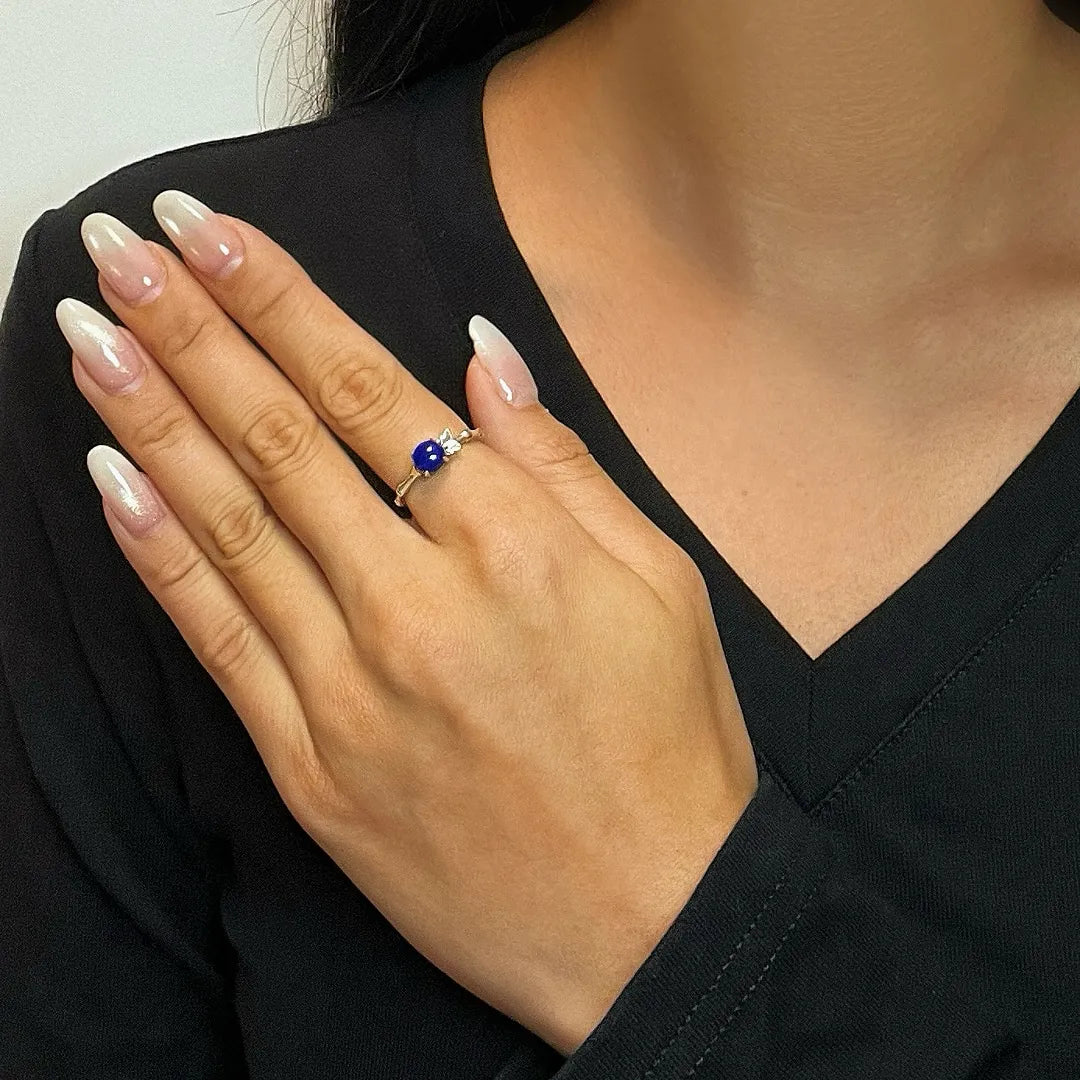
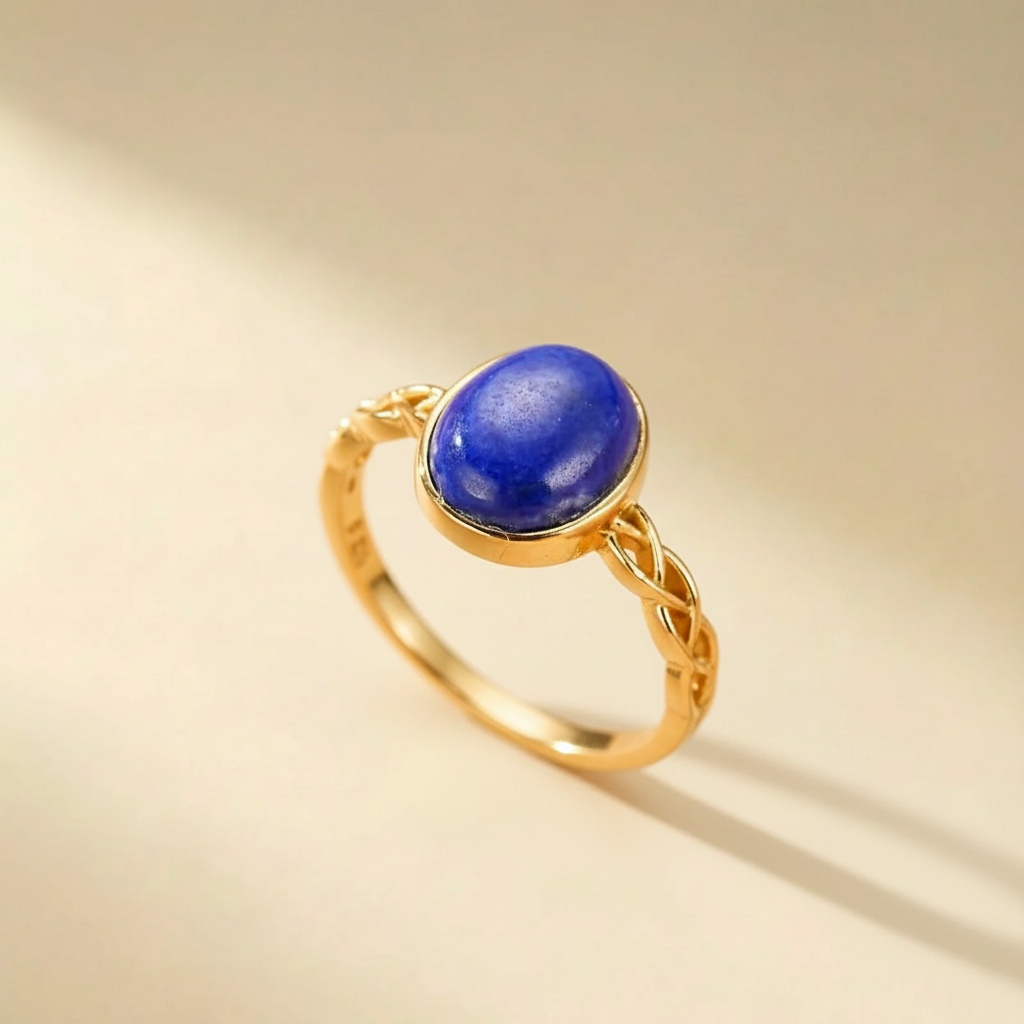
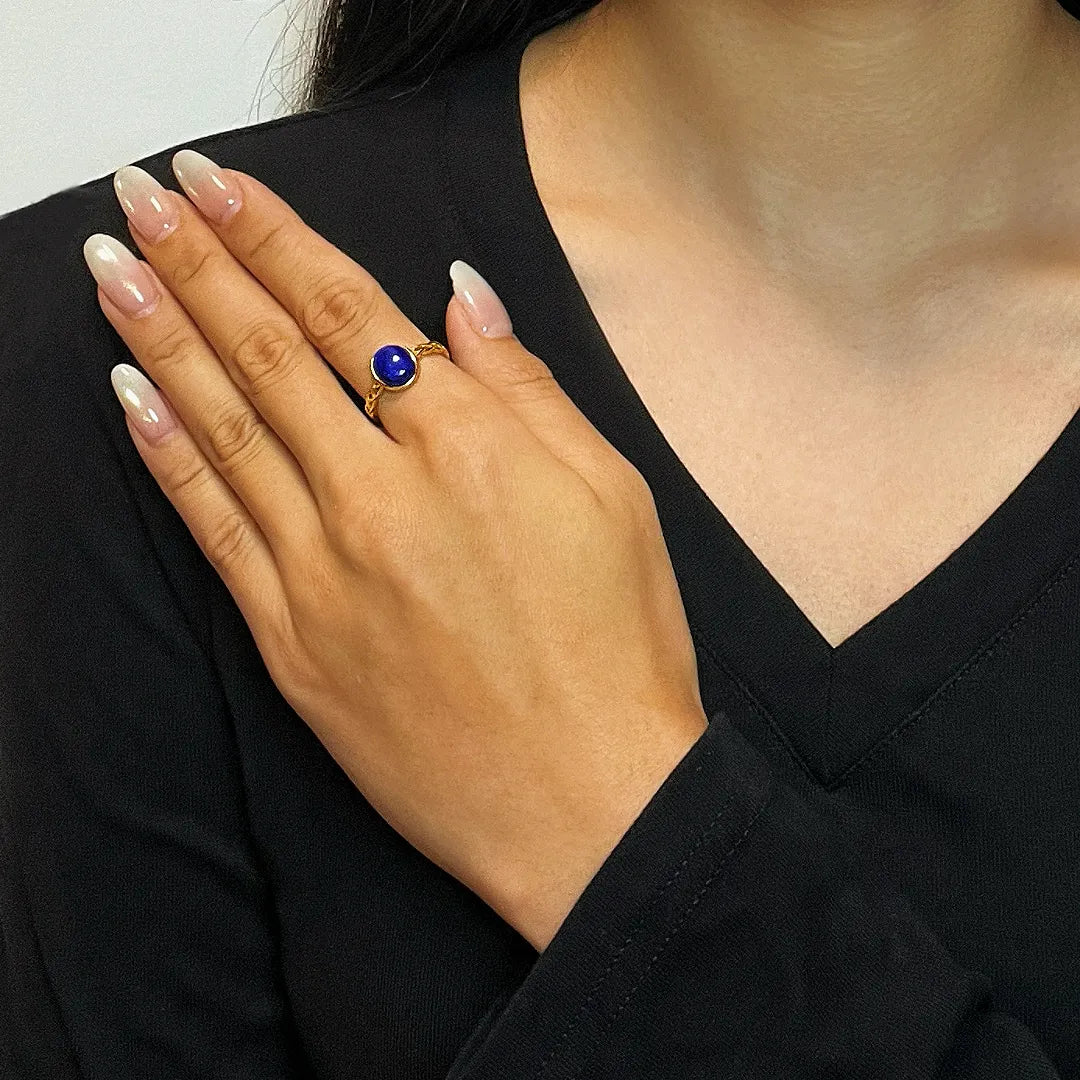
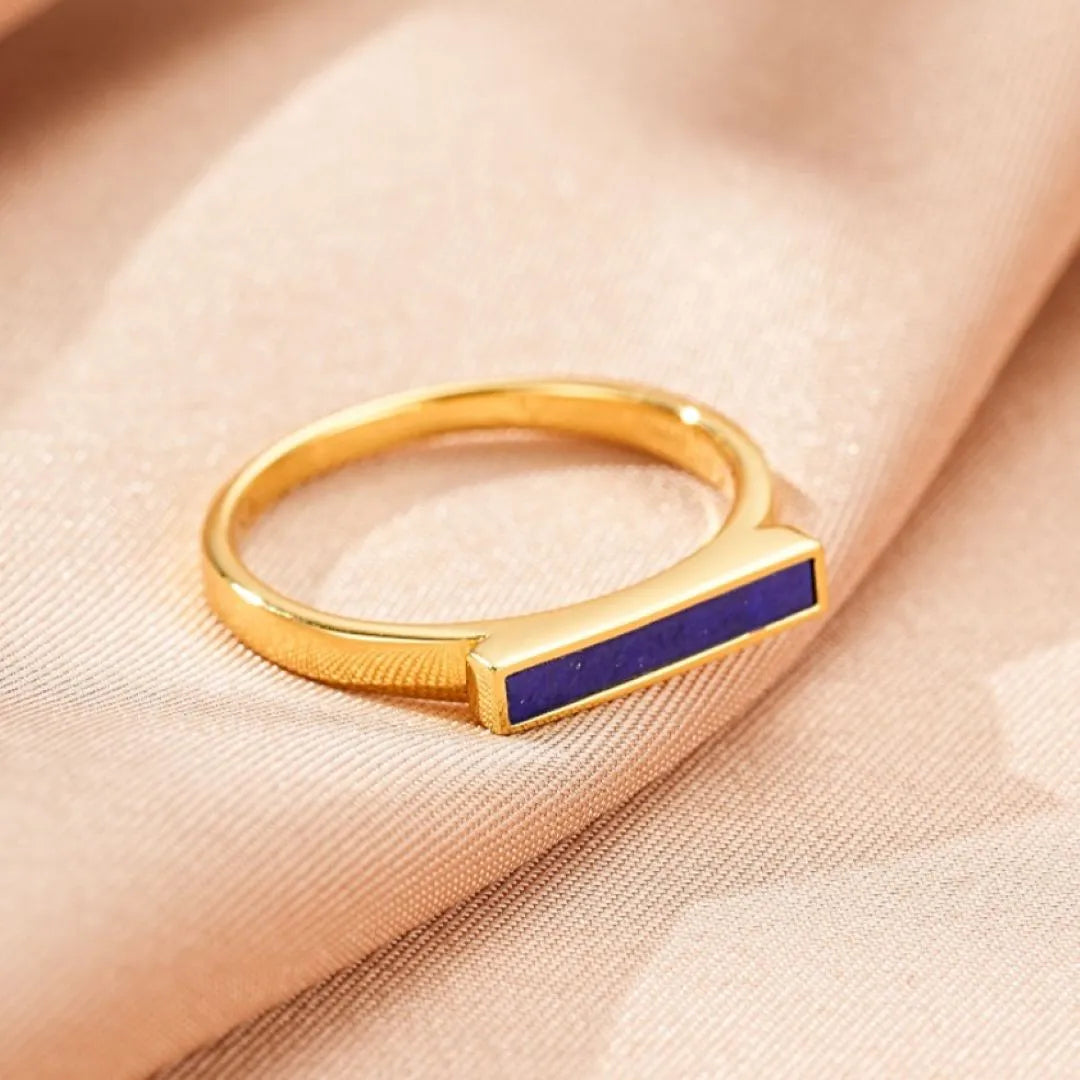
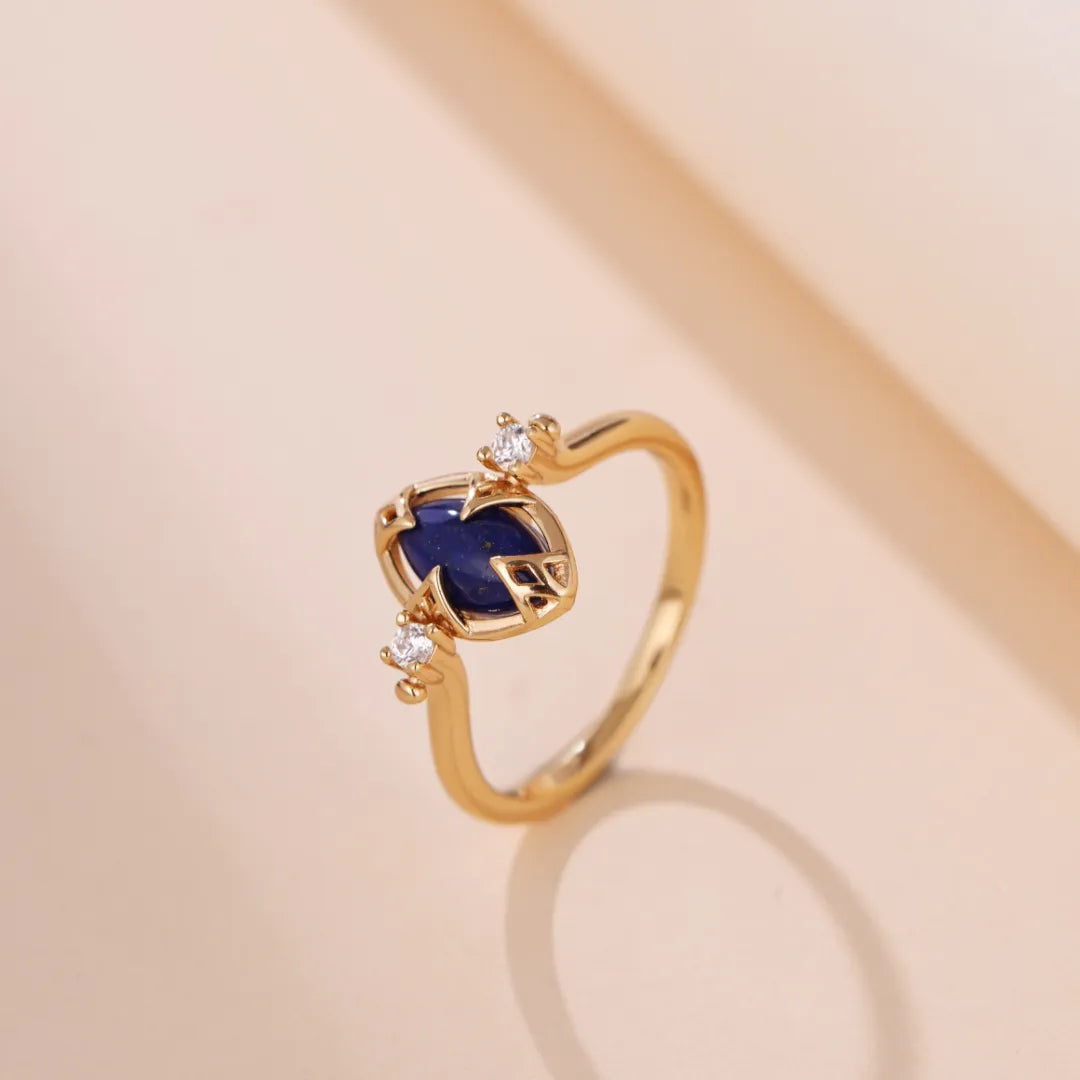
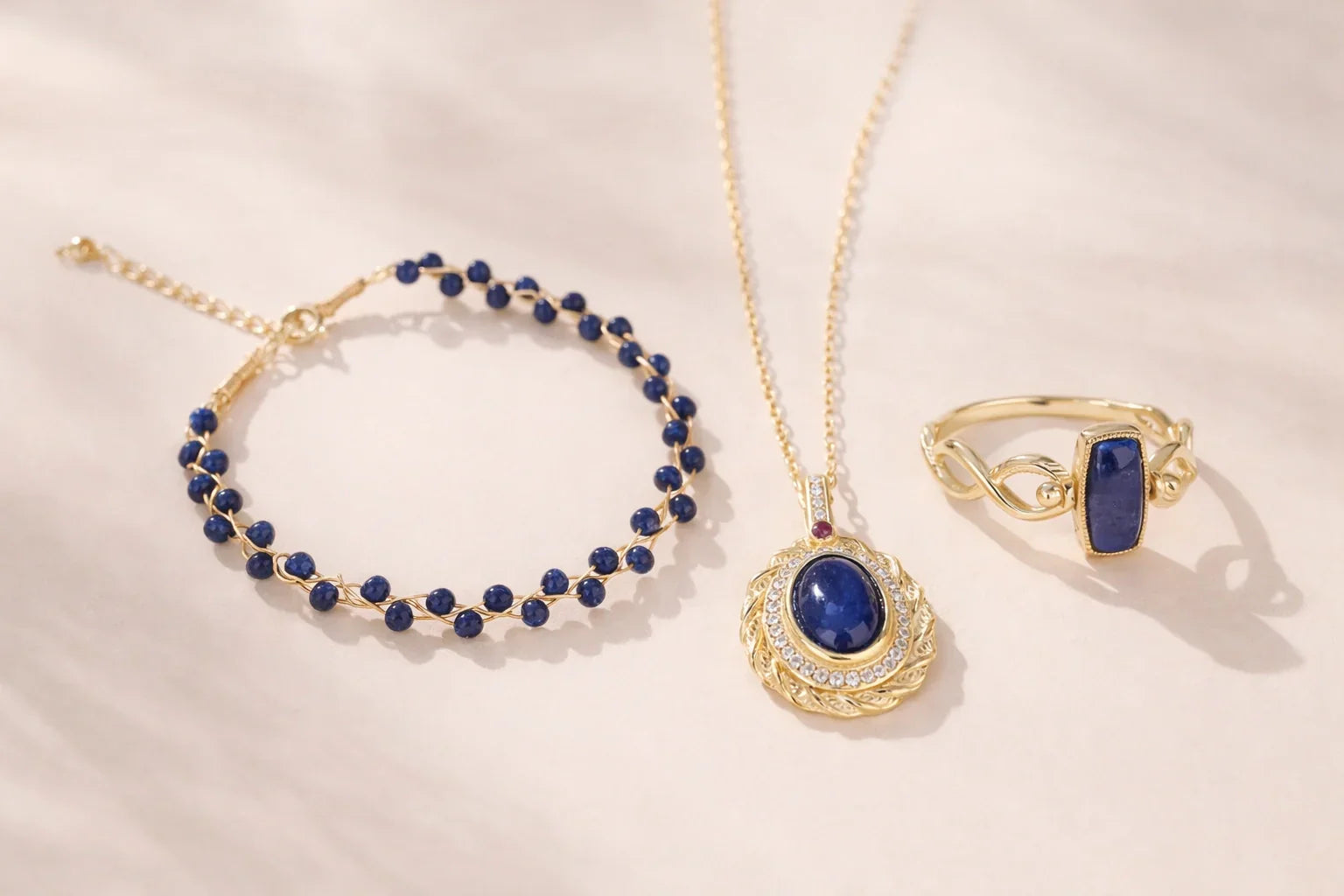
Lapis Lazuli is highly appreciated in jewelry creation.
Its deep color and natural shine make it an ideal stone for:
- bracelets
- necklaces
- rings
- pendants
Lapis Lazuli jewelry is often chosen both for its aesthetic appeal and its spiritual symbolism.
Artisans generally use polished stones that highlight the depth of the blue and the golden inclusions.
To learn more about the use of this stone in jewelry, you can read:
Lapis Lazuli Jewelry: Elegance and Energy






Tips for buying genuine Lapis Lazuli
To avoid imitations, a few good practices can be useful.
Choose specialized stores
Sellers specializing in natural stones generally offer:
- more transparency about the origin
- better stone quality
- a more rigorous selection
Carefully observe the stone
Before buying, examine:
- the color
- the presence of pyrite
- the natural variations
Beware of prices that are too low
A quality Lapis Lazuli has a certain value.
Very low prices may indicate:
- a dyed stone
- an imitation
- a reconstituted stone
Conclusion: recognizing genuine Lapis Lazuli
Lapis Lazuli remains one of the most fascinating and sought-after natural stones. Its deep blue color and golden inclusions give it a unique beauty that has endured through the centuries.
However, the popularity of this stone has led to the appearance of many imitations. Learning how to recognize genuine Lapis Lazuli helps avoid unpleasant surprises and fully enjoy the beauty and benefits of lapis lazuli.
By carefully observing the color, the presence of pyrite, the texture, and the structure of the stone, it becomes easier to distinguish a natural lapis lazuli stone from an imitation.
Whether for collecting, jewelry creation, or lithotherapy, choosing an authentic stone guarantees a richer and more lasting experience.
How can you recognize genuine Lapis Lazuli?
Genuine Lapis Lazuli has a deep blue color with golden pyrite flecks and sometimes white calcite veins.
How do you know if Lapis Lazuli is fake?
Fake Lapis Lazuli often has a color that is too uniform, an artificial blue, or lacks natural pyrite.
Can Lapis Lazuli be dyed?
Yes. Some stones such as howlite are dyed blue to imitate the natural lapis lazuli stone.
Why does Lapis Lazuli have golden flecks?
These flecks are natural inclusions of pyrite, typical of genuine Lapis Lazuli.
Is Lapis Lazuli without pyrite fake?
Not necessarily. Some natural stones contain little pyrite, but a stone that is too uniform can be suspicious.
Read more
Lapis Lazuli is a fascinating natural stone, renowned in crystal healing for promoting communication, mental clarity, and intuition. Discover its benefits, its energetic properties, its connection ...
Discover the fascinating world of Lapis Lazuli jewelry, a natural stone appreciated since Antiquity for its deep blue color and strong symbolism. Combining timeless elegance with the benefits of li...


