

Genuine or Synthetic Green Aventurine: How to Know if Your Stone Is Natural
- Introduction
- Green aventurine: what exactly is it?
- Genuine or synthetic aventurine: what are the differences?
- How do experts certify an aventurine?
- Why is authenticity essential in lithotherapy?
- What types of imitations can be found on the market?
- Where to buy natural green aventurine with confidence?
- The authentic energy of an aventurine jewelry piece
- Conclusion: choose transparency, choose natural
- FAQ – Green aventurine: real or fake, how to tell the difference?
Introduction
Natural stones are more popular than ever. Used both for lithotherapy and for creating jewelry and decorative objects, they captivate with their beauty and the virtues attributed to them. Among them, green aventurine holds a special place. But as its popularity grows, one question becomes unavoidable: how can you know whether your stone is truly a genuine aventurine... or a synthetic imitation?
This is a crucial issue, especially for those looking for a stone that can support personal development, attract luck, or balance energy. In this article, we’ll help you sort the authentic from the counterfeit. We offer a complete exploration, from visual identification to simple tests, along with expert methods to guide you toward an informed purchase that respects the world of natural stones.
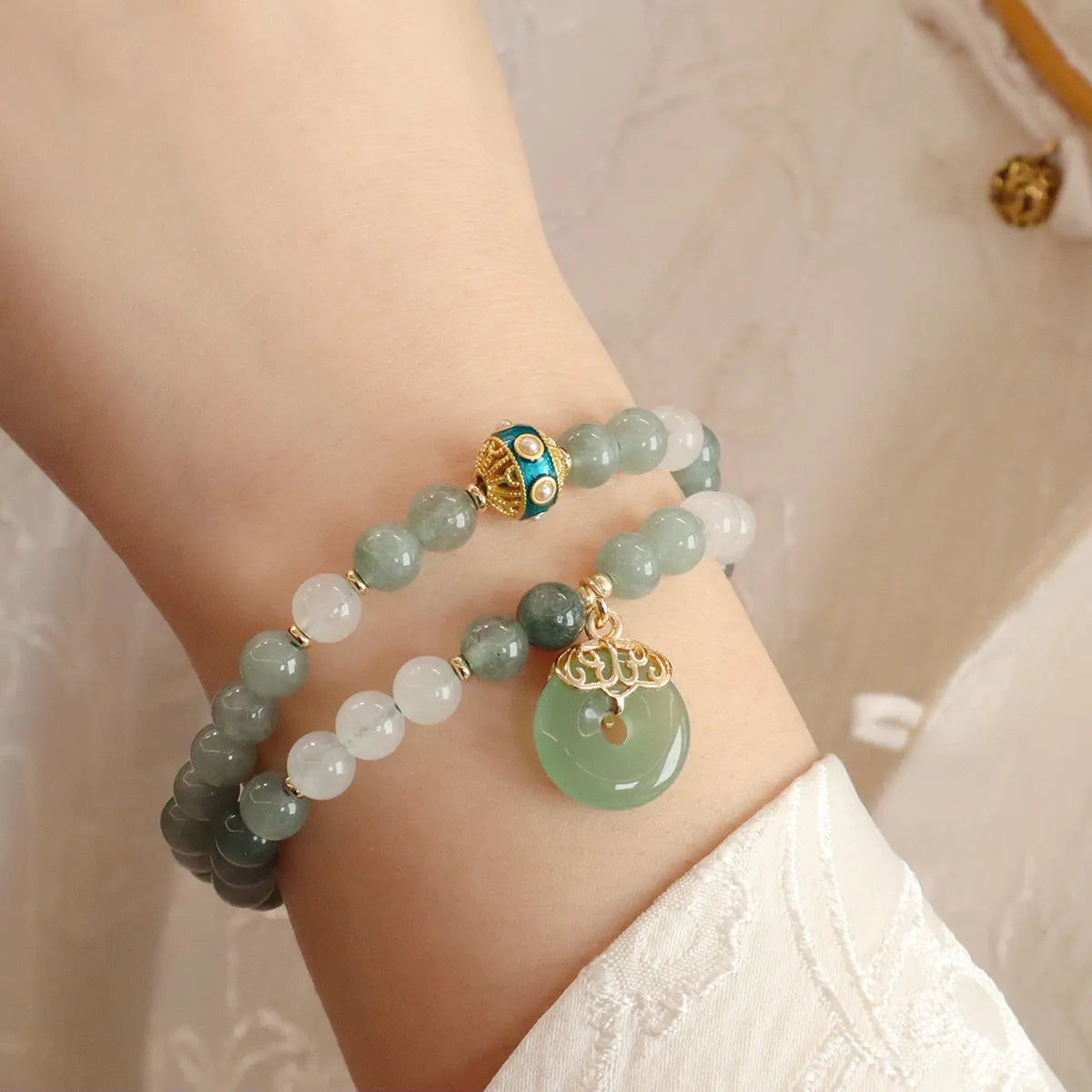
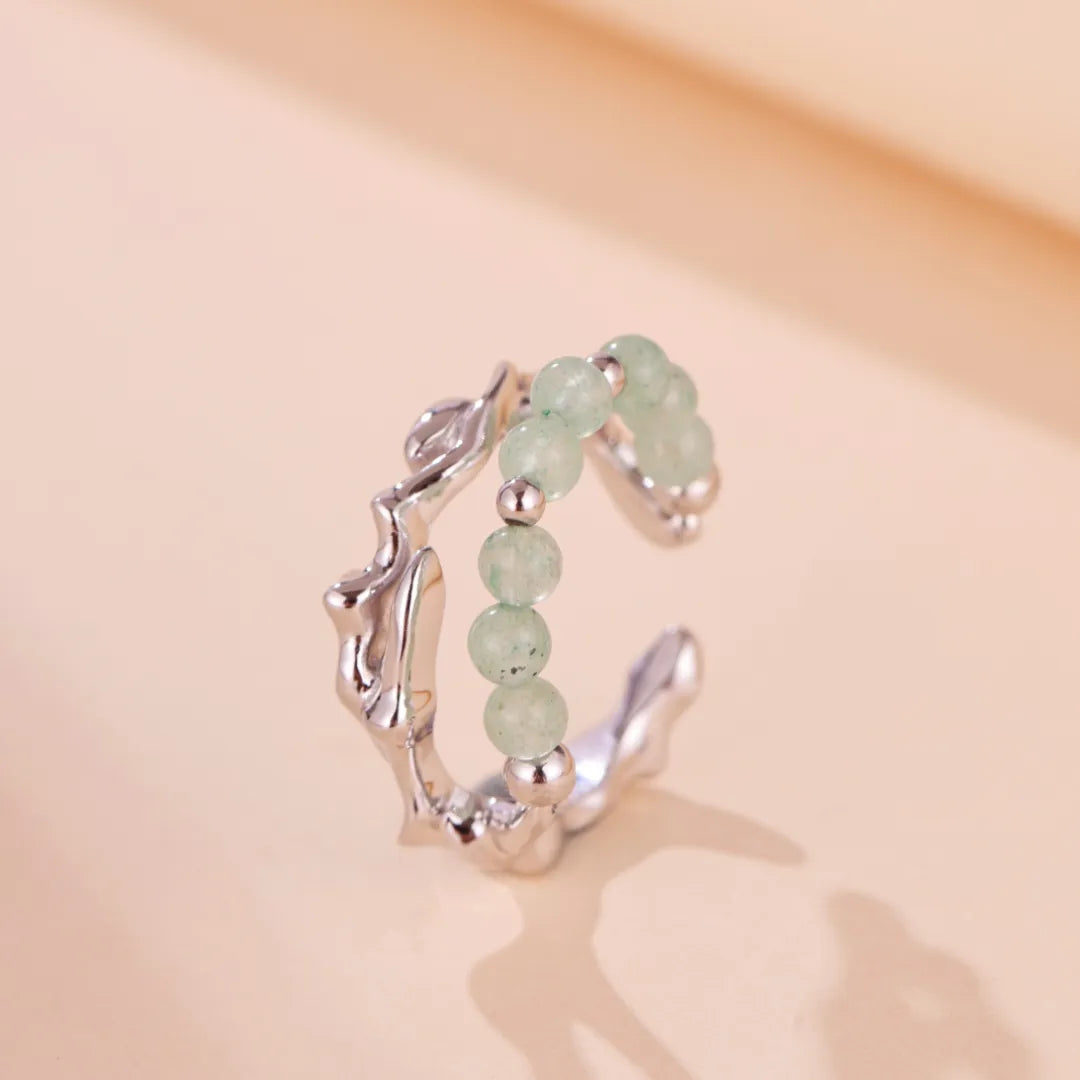
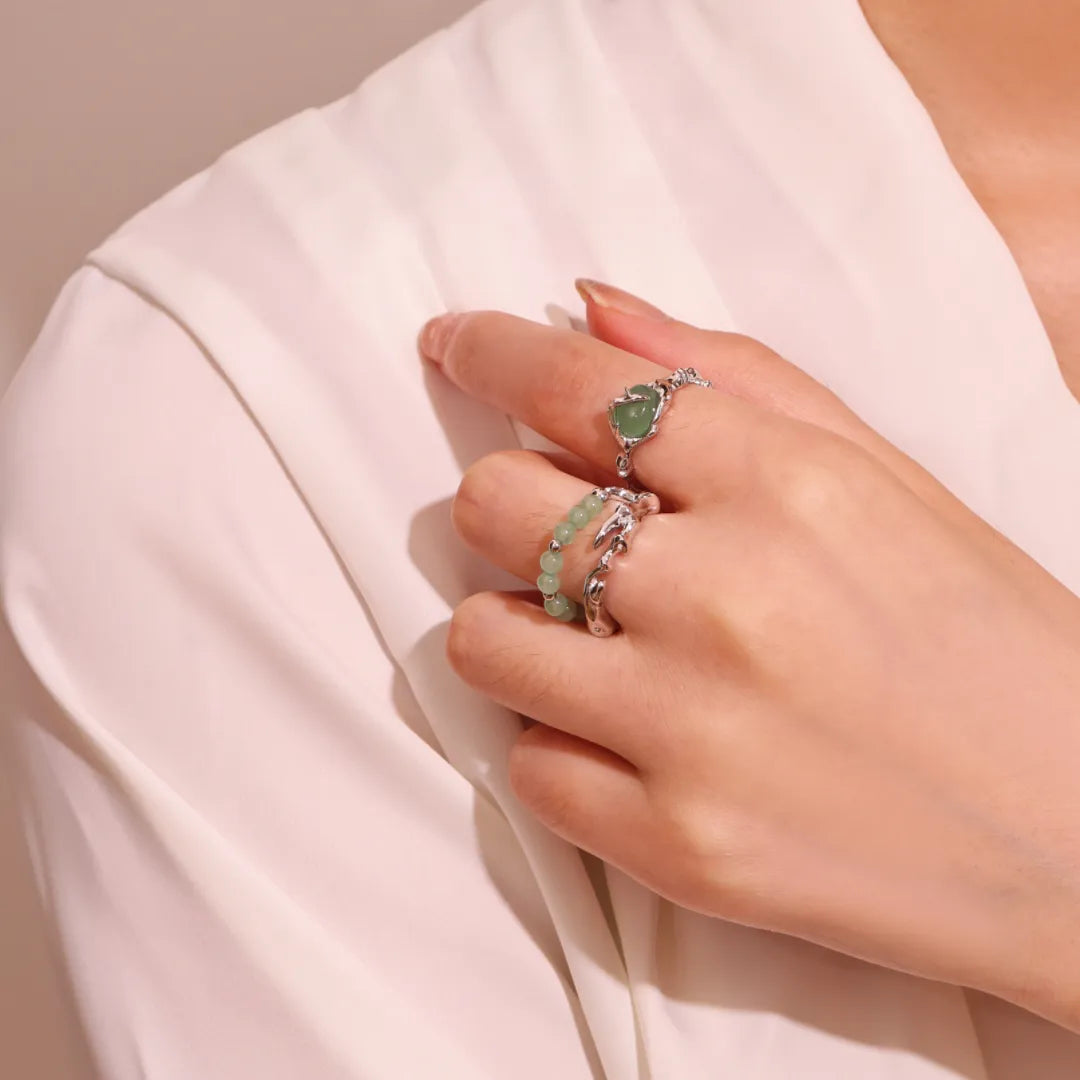
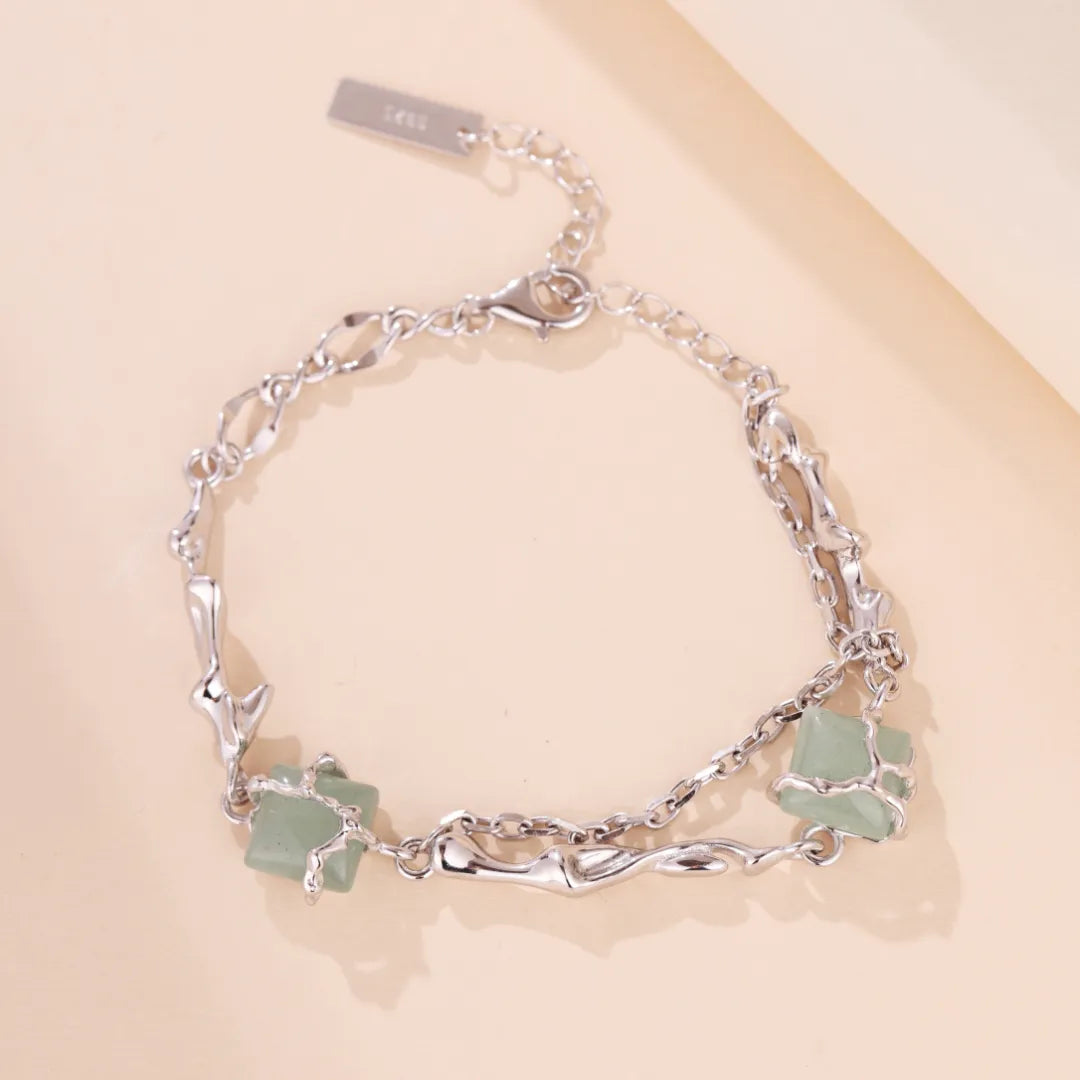
Our Green Aventurine Jewelry
Green aventurine: what exactly is it?
Before trying to identify a synthetic stone, you first need to understand what a genuine aventurine is.
Aventurine is a variety of quartz containing mineral inclusions that give it its unique glittery appearance. In the case of green aventurine, these inclusions are often fuchsite, a green mica, which gives it its characteristic hue and iridescent reflections. This sparkle phenomenon is called “aventurescence,” and that’s precisely where its name comes from.
It naturally forms in deposits located in India, Brazil, Russia, or Tanzania. The intensity of the color can vary depending on the amount of fuchsite present. The more concentrated it is, the more intense the color and the more visible the reflections.
Contrary to what people think, not all green aventurines are a bright green. Natural stones can display a range of greens, from the palest to the deepest, with inclusions visible to the naked eye.
Green aventurine is especially appreciated in lithotherapy for its calming, balancing, and luck-enhancing properties. It is often used to make bracelets, pendants, tumbled stones, or even decorative Tree of Life pieces.
To learn more about the origins and spiritual energy of this stone, see Green Aventurine: Stone of Luck and Personal Growth.

Genuine or synthetic aventurine: what are the differences?
Imitations are now numerous and sometimes hard to detect. Some are made of colored glass, others of resin, and some stones are even chemically dyed to imitate green aventurine. So how can you tell a natural stone from a synthetic version?
a) Color: an often revealing clue
Genuine aventurine has a shade that varies, even within the same stone. You may notice nuances, subtle reflections, or even darker areas. A stone that is too uniform, with a very vivid, almost fluorescent green, is often suspicious.
Synthetic stones, produced in laboratories, often have a perfectly homogeneous and artificial color. They lack natural fuchsite inclusions and do not have aventurine’s characteristic reflections.
b) Inclusions and texture
Natural stones have imperfections—and that’s a good thing! The shiny fuchsite flecks, often visible at certain angles, are clues of authenticity. These inclusions create a discreet, irregular sparkle effect.
A stone that looks too smooth, too shiny, with no inclusions at all is probably an imitation.
c) Weight and temperature
A simple but effective test: hold the stone in your hand. A natural aventurine is generally cooler to the touch and heavier than a counterfeit made of plastic or resin. If the stone is light and warms up quickly, it is probably synthetic.
d) At-home tests
A few tips to identify a real stone at home:
- Hardness test : Natural aventurine has a hardness of 6.5 to 7 on the Mohs scale. It can scratch glass.
- Light test : Look at your stone in natural light. The reflections should be subtle and internal, not on the surface.
- Transparency test : Green aventurine is slightly translucent but never fully transparent.
These methods do not replace professional expertise, but they do provide a first opinion.
How do experts certify an aventurine?
If you want an absolute guarantee, you can have your stone analyzed by a professional. Here are a few methods used by gemologists:
- Microscopic observation : It allows you to see inclusions, bubbles (typical of glass), or patterns characteristic of synthetic stones.
- Light polarization analysis : A tool helps detect the birefringence typical of natural quartz.
- Refractometer : It measures the stone’s refractive index, which is specific to each mineral.
- Spectroscopy : Used to analyze the exact chemical composition.
Even if these tests are more advanced, the best guarantee is still buying from a serious, transparent seller who clearly specifies the origin of their stones and their natural nature.

Why is authenticity essential in lithotherapy?
You might think it’s not a big deal—a green glass bracelet is just as pretty. But if you’re interested in lithotherapy, authenticity becomes essential.
Natural stones are believed to emit a specific vibrational energy that interacts with our own energy field. A genuine aventurine, for example, is known to:
- Bring luck and prosperity
- Encourage personal growth and decision-making
- Soothe stress and balance emotions
- Stimulate the heart chakra
These benefits are linked to the molecular and energetic structure of the natural stone. An imitation made of glass or resin, even if it is beautiful, will have no energetic effect.
To go deeper into this topic, you can read Benefits and Properties of Green Aventurine, an article that details this stone’s effects on the body and mind.
What types of imitations can be found on the market?
Fake aventurines are often the result of advanced manufacturing techniques. Here are the most common:
a) Tinted glass
Colored glass is the most common counterfeit. You can recognize it by its perfectly smooth texture and uniform color. It may sometimes contain small air bubbles visible with a magnifying glass.
b) Resin
Less used than glass, resin is a plastic material that poorly imitates the appearance of natural stones, but can visually deceive if the finish is careful. It is very light and warms up quickly in the hand.
c) Dyed stones
Some lower-quality stones (such as calcite or white quartz) are dyed green to imitate aventurine. A clue? A color that fades over time, especially if you wear the stone often.
It is therefore crucial to stay vigilant and get well informed before making a purchase.

Where to buy natural green aventurine with confidence?
To avoid unpleasant surprises, always choose a seller specialized in natural stones, who guarantees traceability and authenticity of their products.
At Luuckk, the stone selection follows strict criteria, with special attention to origin, quality, and aesthetics. The creations—whether jewelry or decorative Tree of Life pieces—are made with carefully chosen stones for their energetic purity and natural beauty.
If you’d like to explore original and authentic creations, you can discover the following collections:
The authentic energy of an aventurine jewelry piece
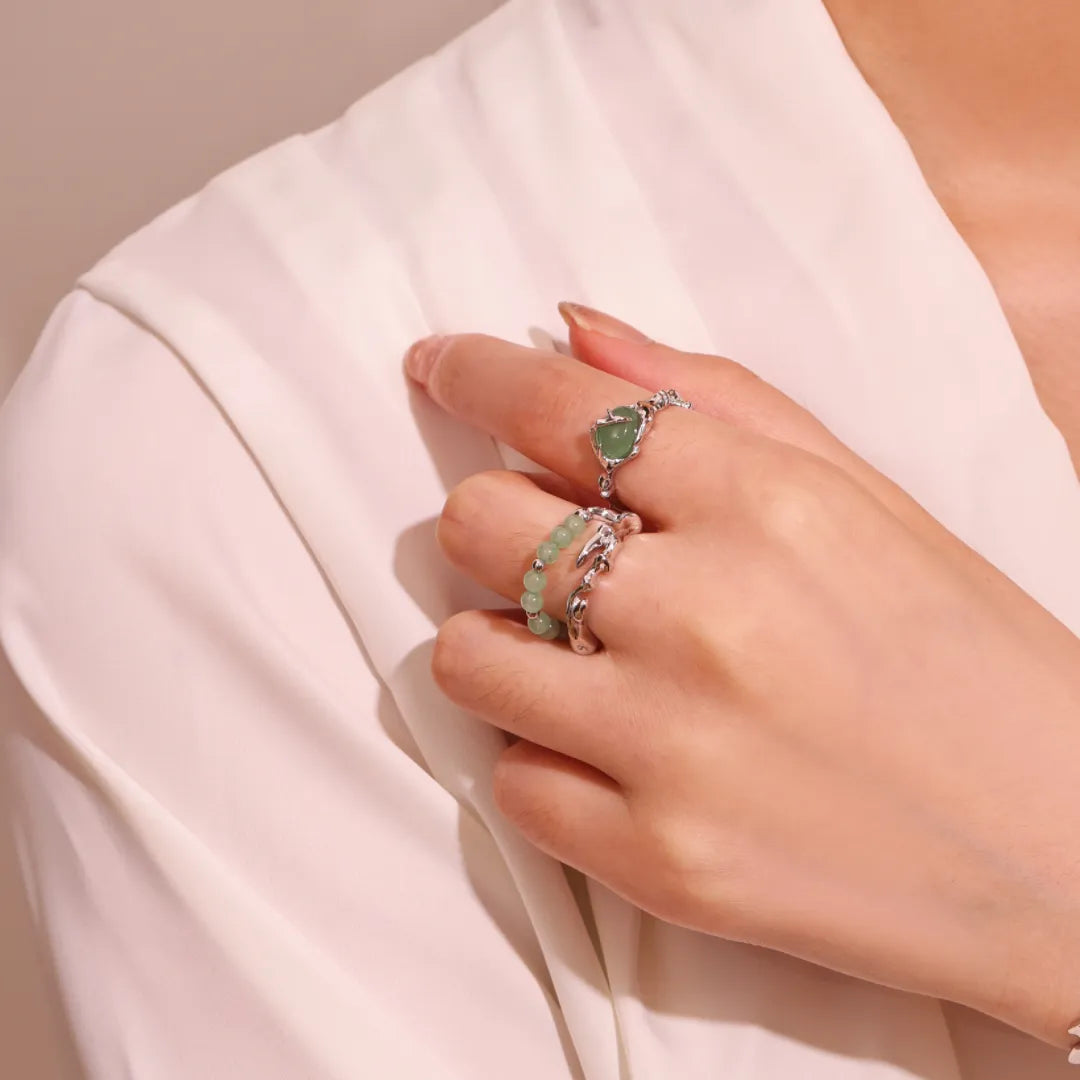
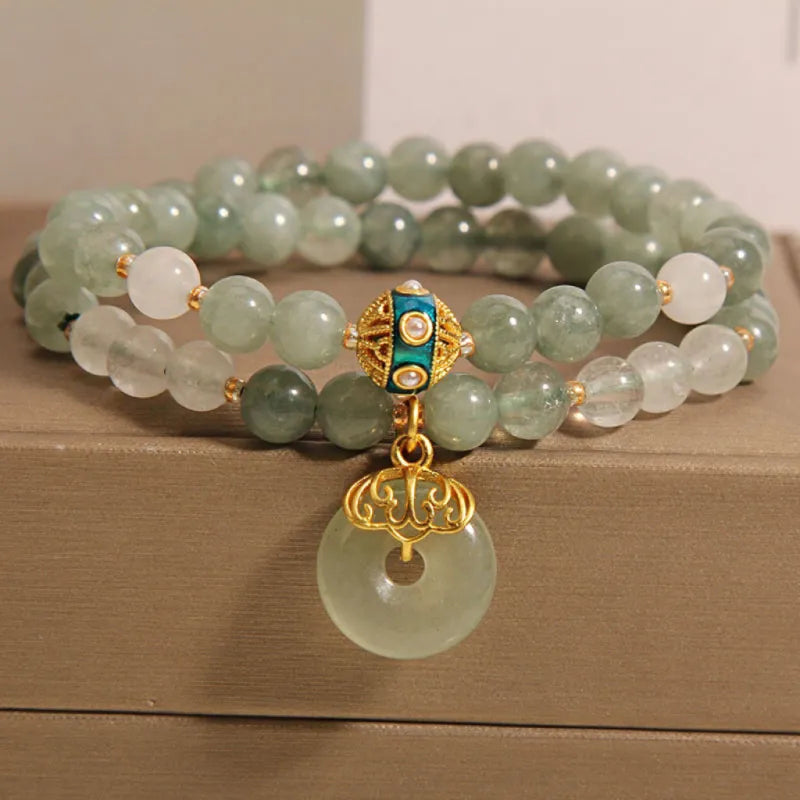
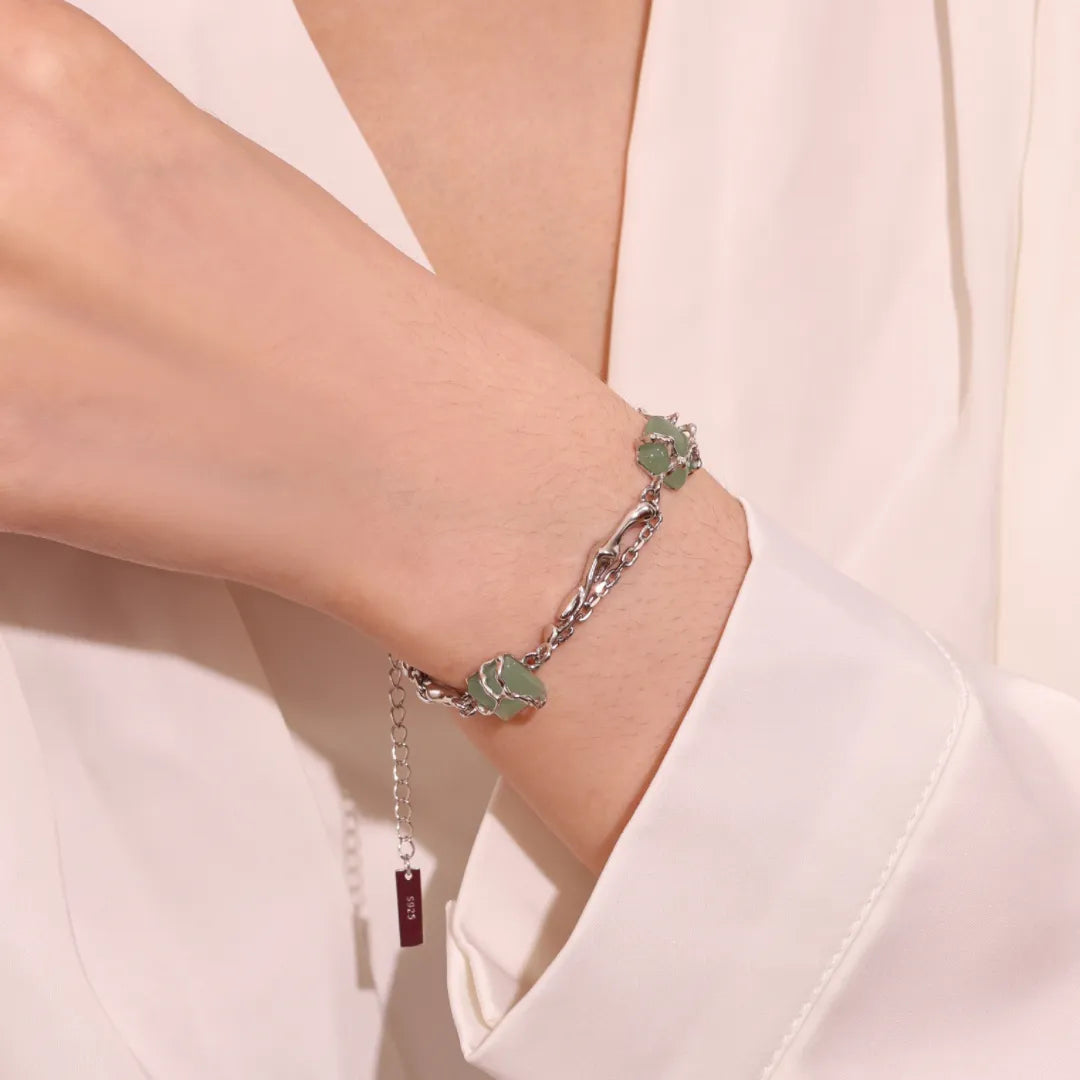
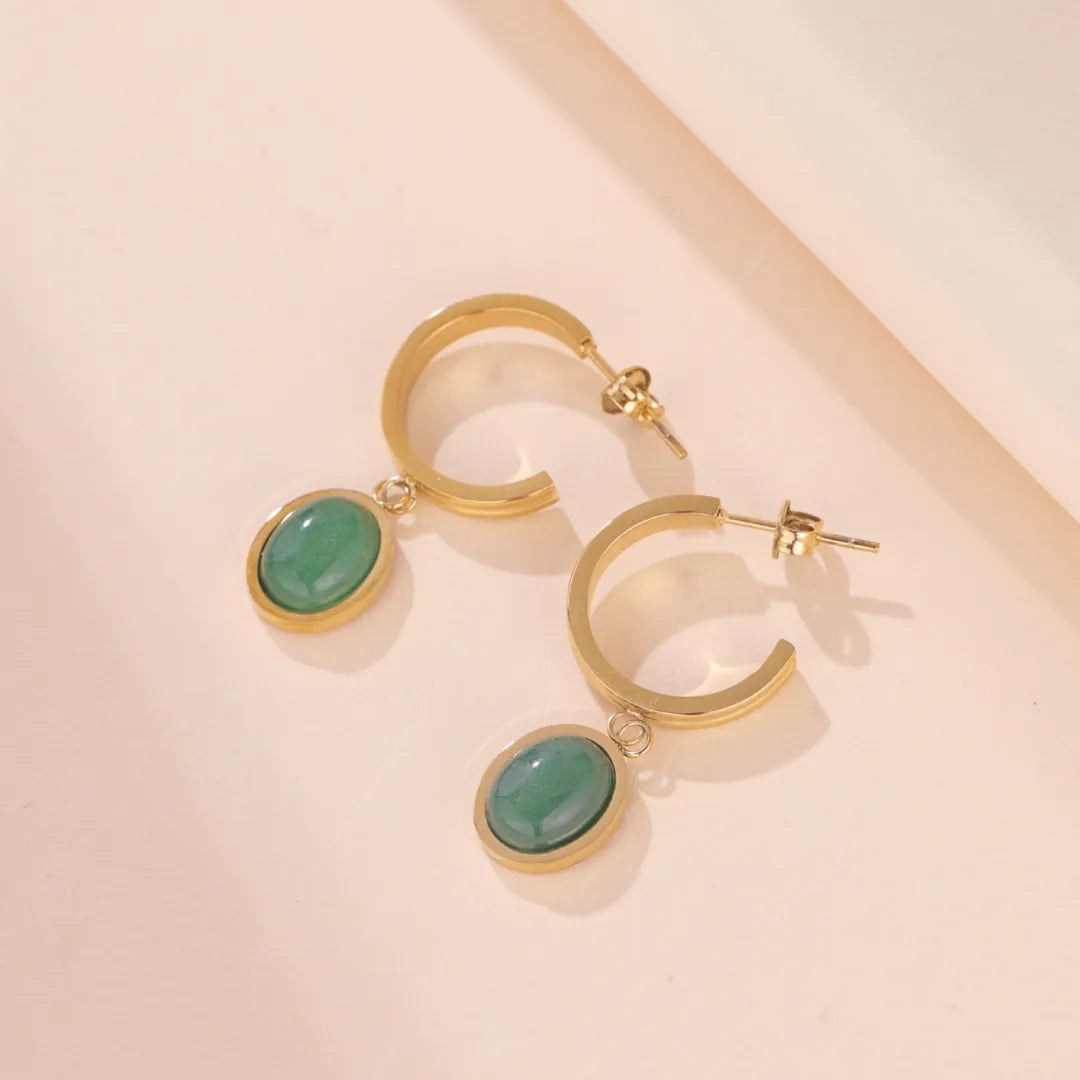
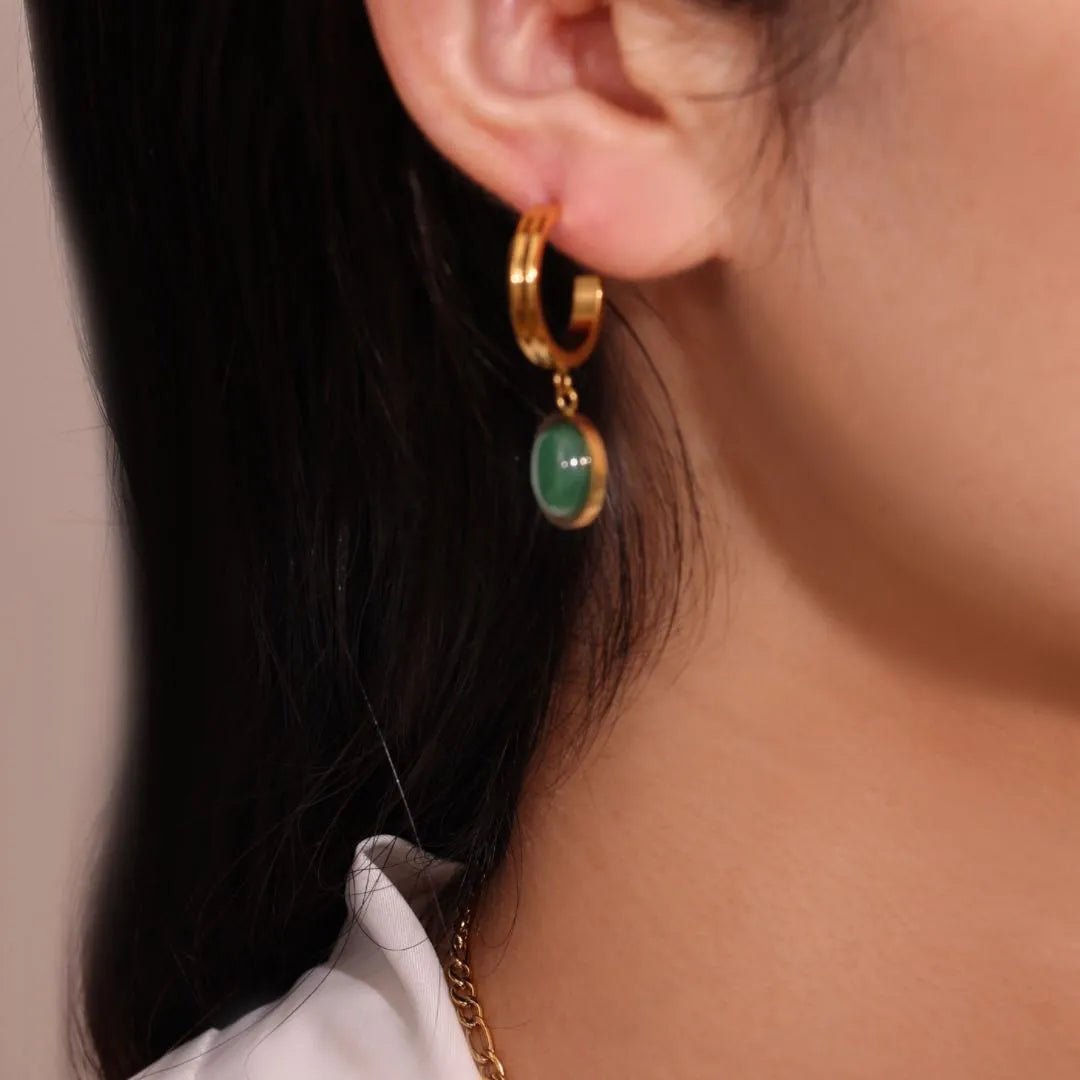
Wearing jewelry made of genuine green aventurine is a very different experience from a simple fashion accessory. Beyond aesthetics, it’s an energetic link you create with the stone.
A necklace, a bracelet, or even a Tree of Life made of natural stones works continuously on your energy field, supporting you daily in your emotions, decisions, and inner well-being.
This is also one of the points covered in Green Aventurine Jewelry: Elegance and Energy, which shows how aventurine jewelry can combine beauty and spiritual function.





Conclusion: choose transparency, choose natural
Green aventurine is a magnificent stone, precious both for its virtues and sought after for its unique appearance. But you still need to be sure you own a genuine one, not an imitation.
By learning to observe details, practicing a few simple tests, and buying your stones from a serious seller, you ensure you benefit from the true advantages of lithotherapy.
And if you already have a piece of jewelry or a stone at home, why not (re)discover it with fresh eyes?
To go further, discover:
- Green Aventurine: Stone of Luck and Personal Growth
- Benefits and Properties of Green Aventurine
- Green Aventurine Jewelry: Elegance and Energy
How can you recognize natural green aventurine?
Natural aventurine shows irregular glittery reflections due to fuchsite, a non-uniform green color, and a slightly granular texture. It is also heavier and cooler than an imitation.
What are the differences between natural aventurine and tinted glass?
Glass is more uniform, smoother, and often too shiny. It can contain small bubbles and lacks the natural inclusions visible in genuine aventurine.
Is there a simple test you can do at home to check the stone?
You can test hardness (aventurine can scratch glass), observe the stone in the light (internal reflections), or check its weight and temperature to the touch.
Where can you buy genuine green aventurine?
Choose sellers specialized in natural stones, transparent about the origin of their products, like those offered on Luuckk.com.
Can you find dyed green aventurine?
Yes, some inexpensive stones are artificially colored. These stones often lose their color over time or when in contact with water.
Read more

Green aventurine is a natural stone renowned in lithotherapy for its beneficial properties, associated with luck, emotional balance, and personal growth. Appreciated for its gentle and soothing ene...
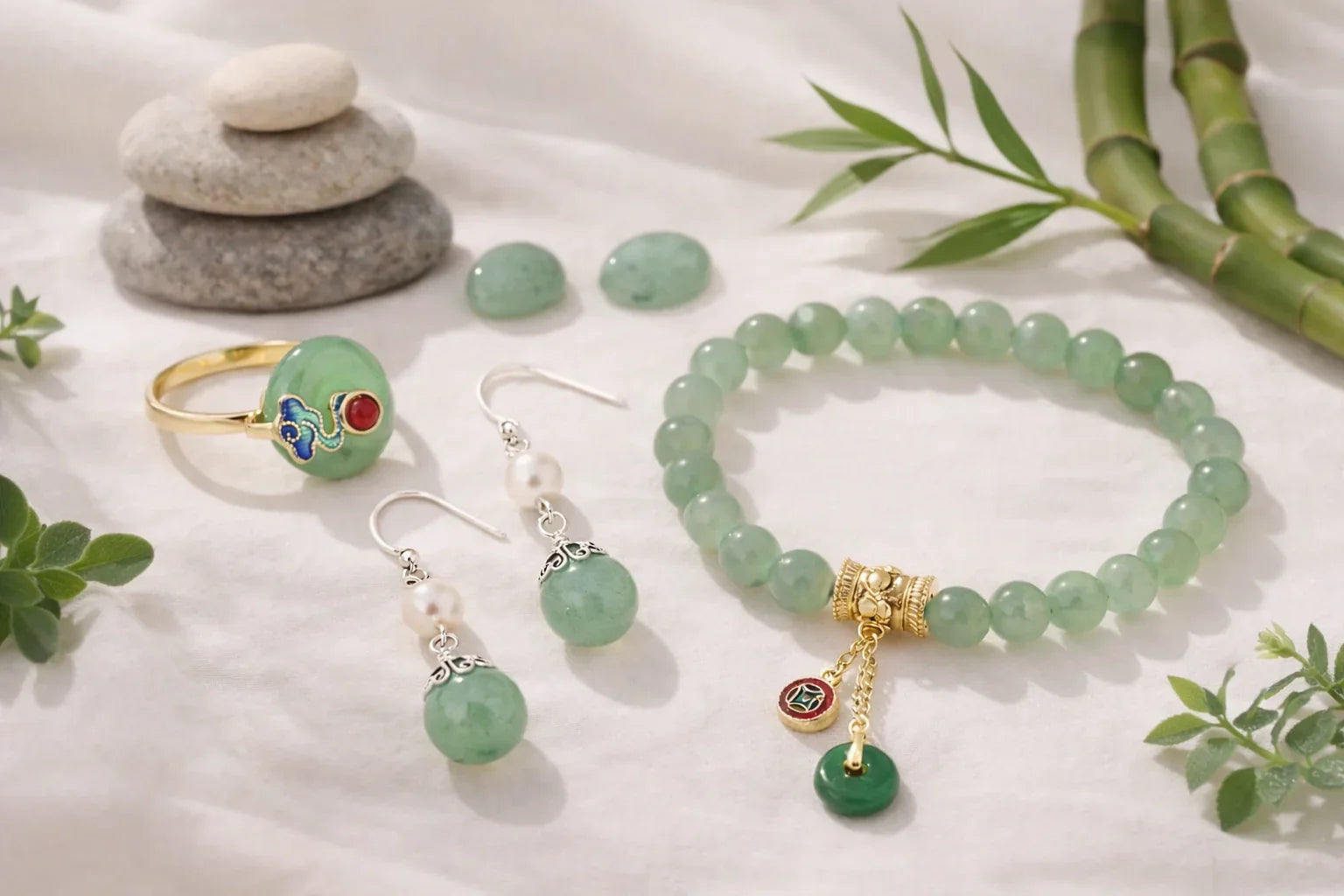
Discover how green aventurine jewelry combines elegance with energetic properties. Learn how to recognize this natural stone, explore its benefits in lithotherapy, and find the piece of jewelry tha...


