
Genuine or Synthetic Peridot: How to Recognize an Authentic Natural Stone
- Introduction:
- What exactly is peridot?
- Natural, synthetic, or imitation peridot: what’s the difference?
- How to recognize a genuine peridot stone?
- Common mistakes when buying peridot jewelry
- Why choose a natural peridot over a synthetic stone?
- Practical tips for choosing your peridot jewelry well
- Conclusion
- FAQ: Everything you need to know about authentic peridot
Introduction:
Peridot fascinates with its luminous green color, at once fresh, sunlit, and elegant. But when buying a piece of jewelry, one question often comes up: how can you be sure you are dealing with a natural peridot stone and not an imitation or a synthetic version? This doubt is legitimate. To the naked eye, some green stones can look alike, and not all consumers have the knowledge of a gemologist to tell the difference.
Yet there are several reliable clues to recognize a genuine peridot stone. Color, transparency, inclusions, price, origin, quality of the setting: everything matters. This article helps you see more clearly with simple, practical, and useful reference points, whether you are looking for a stone for its beauty, for its use in jewelry, or for the benefits of peridot often highlighted in the world of natural stones.
Our Peridot Jewelry
What exactly is peridot?
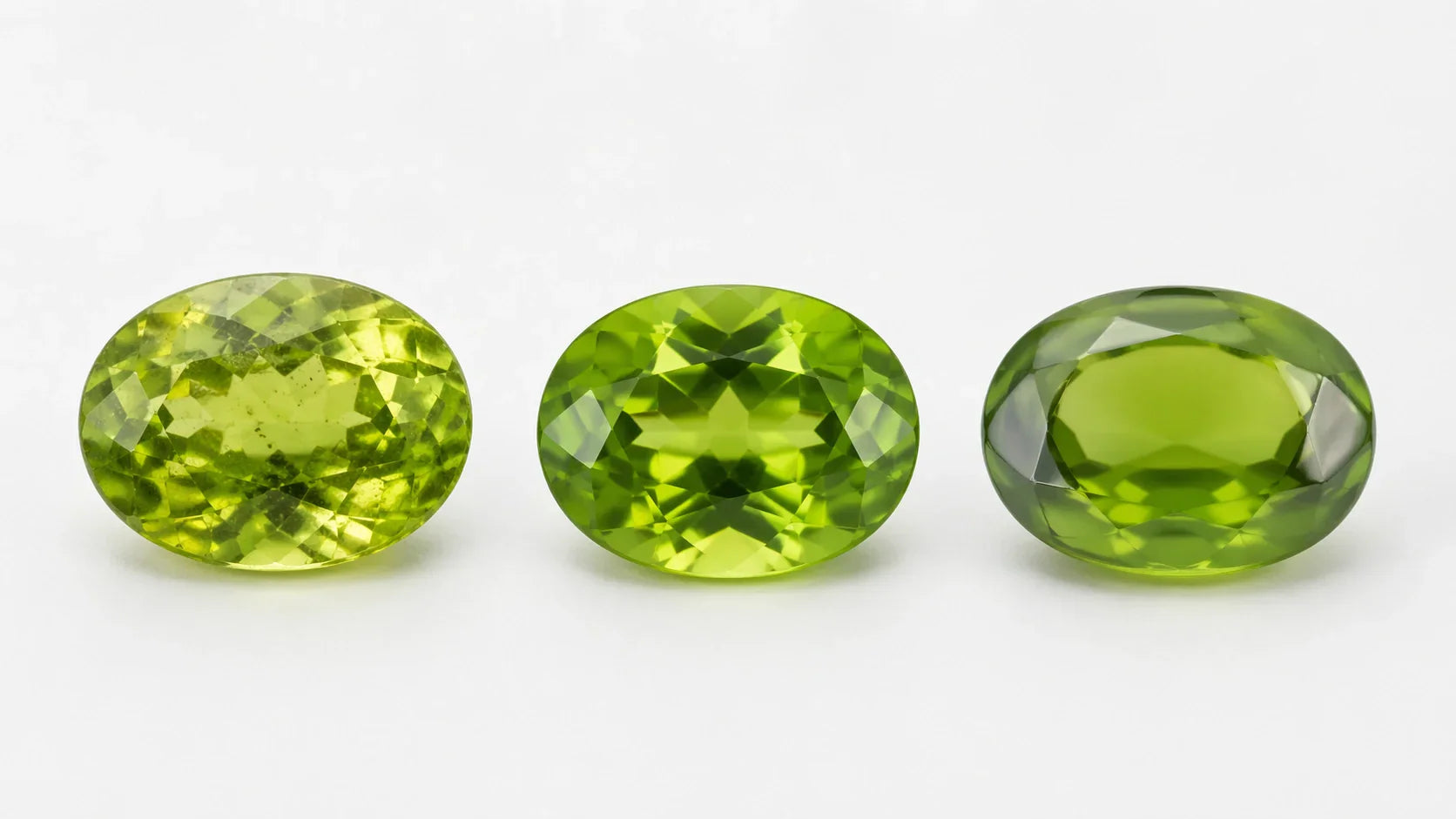
Peridot is a gemstone derived from olivine, a mineral naturally found in certain volcanic and magmatic rocks. Its distinctive green color comes mainly from its iron-rich composition. Unlike other stones that may display a wide variety of shades, peridot remains within a clearly defined palette: yellow-green, olive green, golden green, or pure green.
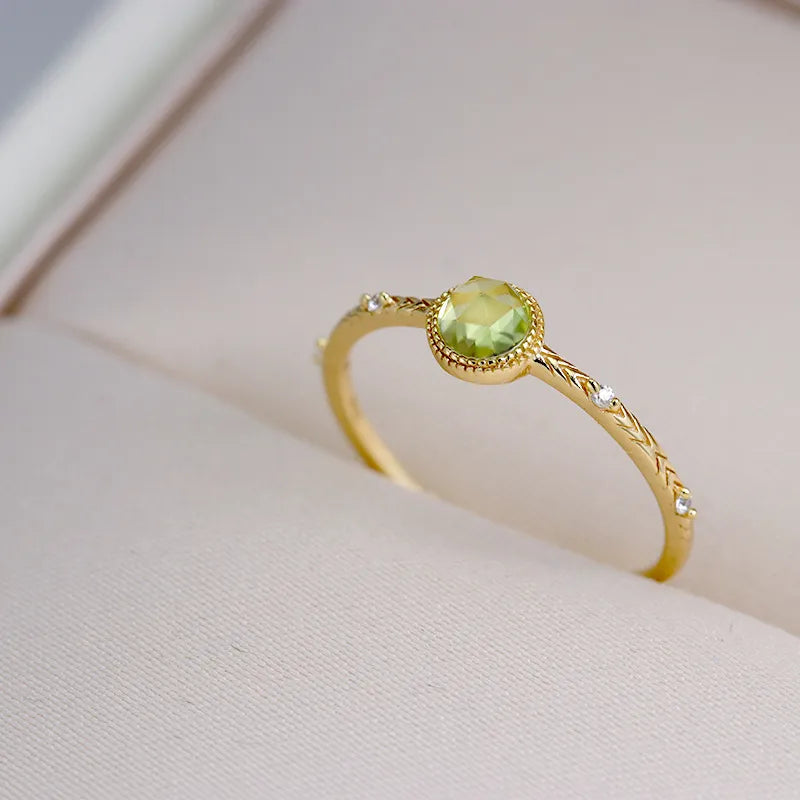
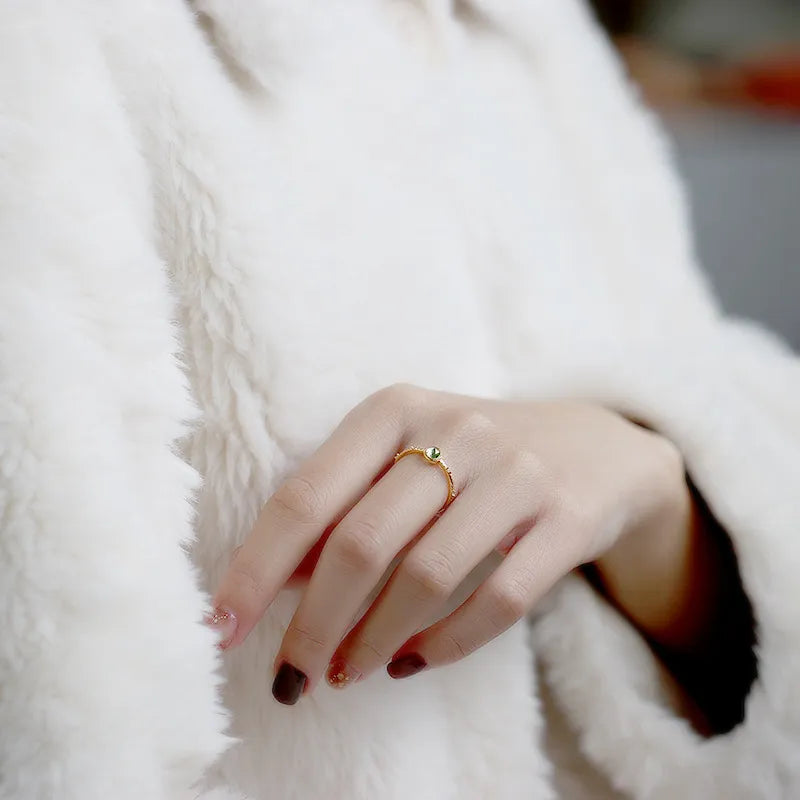
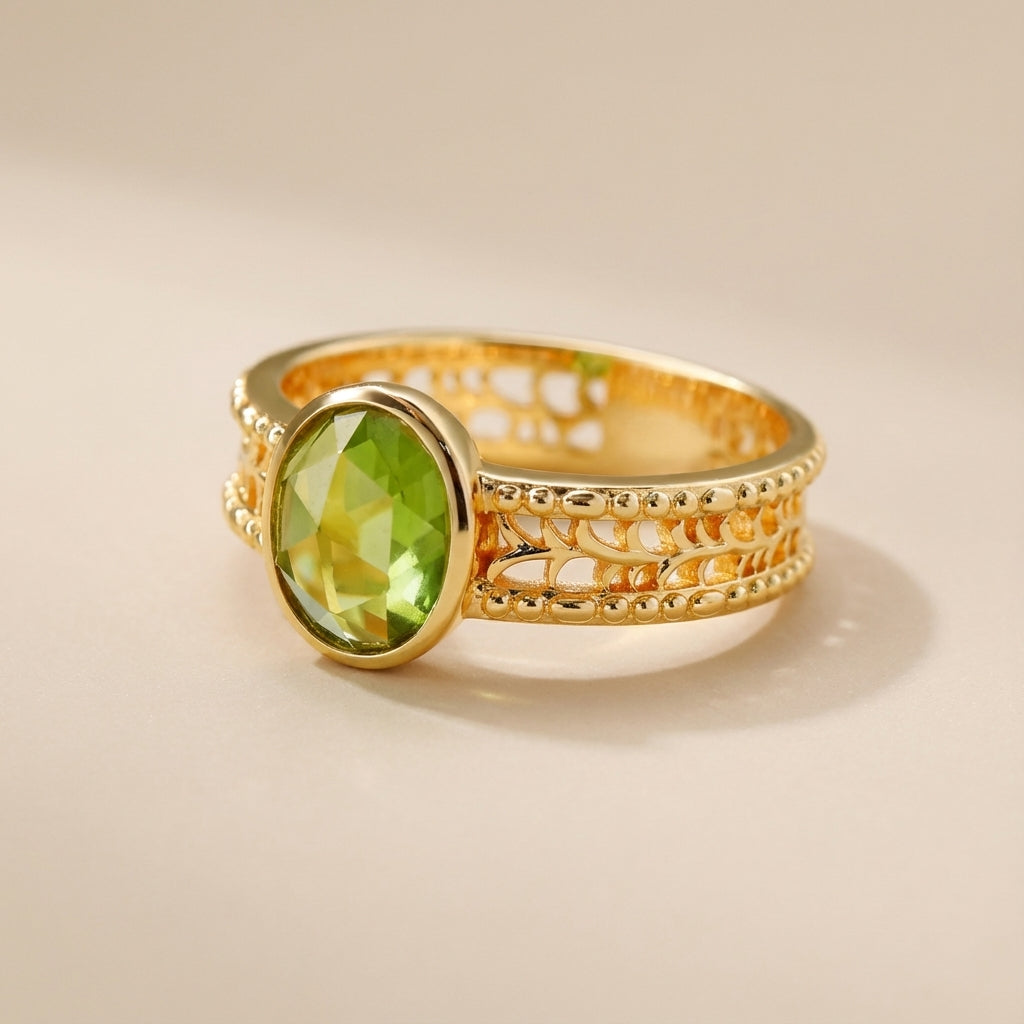
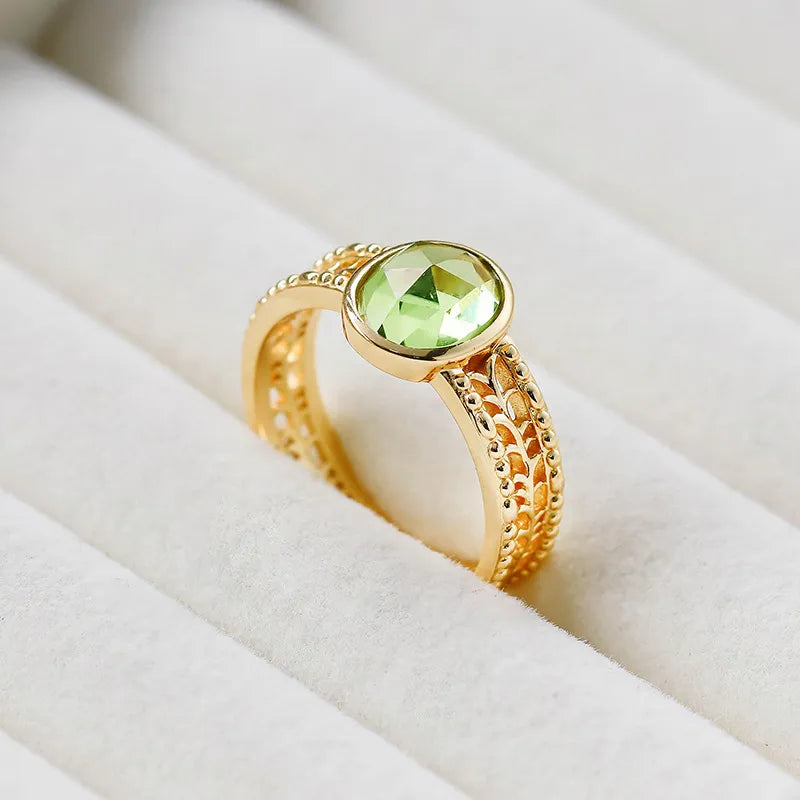
It is precisely this visual identity that gives it all its charm. Peridot catches the eye without being aggressive, with a natural light that gives it a lively appearance. In the world of jewelry, it appeals just as much in delicate creations as in more statement pieces. Lovers of Peridot Jewelry often appreciate its ability to brighten a style without overloading it.
Peridot also holds a special place in the world of characterful stones. It is not chosen only for its shade, but also for what it evokes: renewal, clarity, vitality. This explains why it regularly appears in collections of peridot jewelry and in content devoted to authentic minerals.
In addition, you can discover the world of this gemstone in the article Peridot: Stone of Light and Renewal.

Natural, synthetic, or imitation peridot: what’s the difference?
Before trying to identify an authentic stone, you need to understand what you are actually comparing.
Natural peridot
A natural peridot stone is a gemstone formed in nature. It developed through long, complex, and unique geological processes. This means that no two stones are exactly alike. Even when they look very similar, they almost always have internal details or nuances that distinguish them.
Synthetic peridot
A synthetic stone is produced in a laboratory to reproduce the characteristics of a natural gemstone. It can imitate the appearance, color, and sometimes even certain physical properties. The problem is not its existence, but the lack of transparency when it is presented as natural. A synthetic stone does not have the same rarity or the same geological history.
Peridot imitations
There are also imitations that are not even peridot. They may be colored glass, tinted crystal, or other green stones sold under a misleading name. This is often where purchasing mistakes begin. A beautiful color alone is not enough to guarantee authenticity.
For the reader, the real question is therefore not just “is it pretty?”, but rather: is it truly natural peridot?
How to recognize a genuine peridot stone?
To recognize a genuine peridot stone, you do not need to have a laboratory at home. However, you do need to know how to observe the right details.
Observe the color carefully
Natural peridot displays a luminous green color, often warmed by yellow or golden reflections. It does not have the dark green of some emeralds, nor the cool, uniform green of certain imitations.
A few useful reference points:
- an olive green to golden green shade is common in a natural stone
- a color that is too uniform may raise doubts
- a very artificial, almost fluorescent shade is not typical of natural peridot
- the stone should retain depth, rather than giving the simple effect of tinted glass
Authentic peridot often has this particular quality: it captures light subtly, without appearing fixed or flat.
Examine inclusions
Inclusions are small internal elements visible under a magnifying glass, and sometimes to the naked eye depending on the quality of the stone. Many buyers think that a perfect stone is necessarily better. In reality, in the world of natural gemstones, a slight irregularity can be an excellent sign.
A stone that is too smooth, too homogeneous, too perfect, especially at a low price, deserves a closer inspection. A natural peridot stone may show small natural inclusions, whereas a glass imitation will often have a more uniform appearance.
Look at transparency and shine
Peridot has a vivid but natural shine. It does not have the coldness of certain imitations. An authentic stone lets light pass through while retaining a rich visual texture. If the shine seems flat, excessively glassy, or artificial, caution is advised.
Evaluate the price with common sense
A natural peridot of good quality, well cut and set in a carefully crafted piece of jewelry, comes at a certain price. An abnormally low offer should always make you think twice. Of course, not all jewelry is sold at the same price, but a stone presented as rare, large, very pure, and very inexpensive is enough to raise a few questions.
Check the origin and the quality of information
A serious seller should be able to provide:
- a clear description of the stone
- information about its nature
- details about the setting
- sharp visuals
- a policy of transparency
When the product page remains vague, doubt is understandable. On the other hand, a site that takes the time to explain its stones inspires greater confidence.
To go further into the world of the stone and its symbolic properties, you can read Benefits and Properties of Peridot.

Common mistakes when buying peridot jewelry
Buying jewelry with a natural stone requires a minimum of attention. Certain mistakes come up often, especially during an online purchase.
Relying only on the photo
A beautiful photo does not guarantee authenticity. Lighting, retouching, and viewing angle can transform the appearance of a stone. You should always read the full description and verify the details provided by the seller.
Confusing peridot with another green stone
Peridot can be confused with other gemstones or with colored glass. This is why the commercial name alone is not enough. You need to look at the consistency between the visual, the description, and the product positioning.
Neglecting the quality of the jewelry as a whole
An authentic stone set on a poor-quality support loses much of its appeal. To choose Peridot Jewelry well, you need to observe the whole: stone, setting, finishes, style, and reliability of the store.
Buying too quickly because of a promotion
A major discount can be interesting, but it should never replace analysis. When it comes to peridot jewelry, the best purchase is not always the cheapest one; it is often the most transparent one.
To discover creations that showcase this gemstone, you can browse the Peridot Jewelry Collections.

Why choose a natural peridot over a synthetic stone?
Choosing a natural stone means choosing authenticity. This applies just as much to the material as to the emotion it conveys. A natural peridot carries within it a real geological history. It formed under unique conditions, which gives it a personality impossible to reproduce perfectly.
This uniqueness particularly appeals to people looking for more than just a simple accessory. A peridot jewel can become a personal, almost intimate object. You are no longer choosing only a color, you are choosing a stone with character.
This attachment also explains why searches around the benefits of peridot are so common. Many readers want to understand what this stone represents, what it inspires, and why it attracts so much attention. Even beyond symbolism, one thing is obvious: a natural stone has a different visual presence. It seems less standardized, more alive, more nuanced.
To explore further the relationship between style and energy in the world of jewelry, the article Peridot Jewelry: Elegance and Energy offers a good continuation.

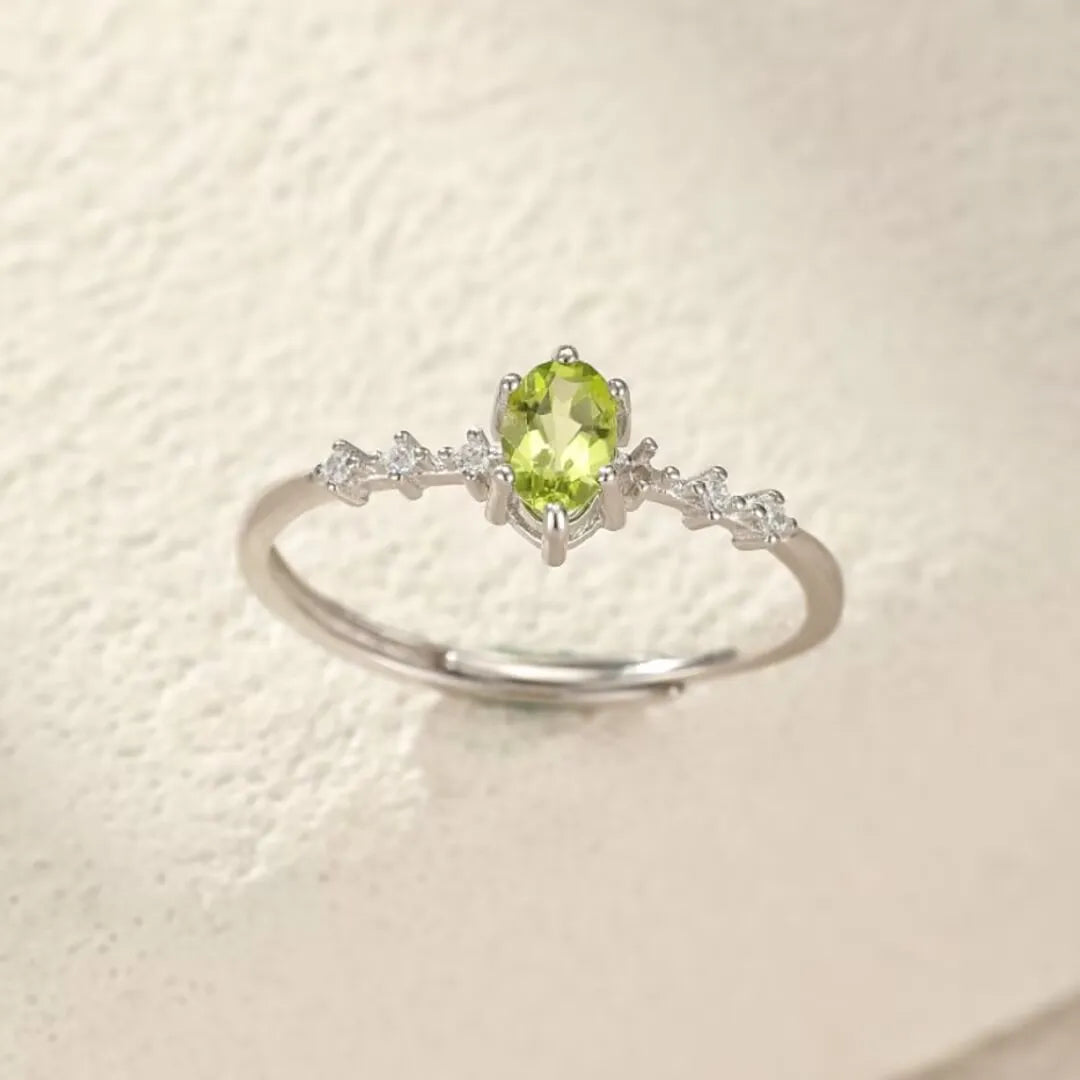
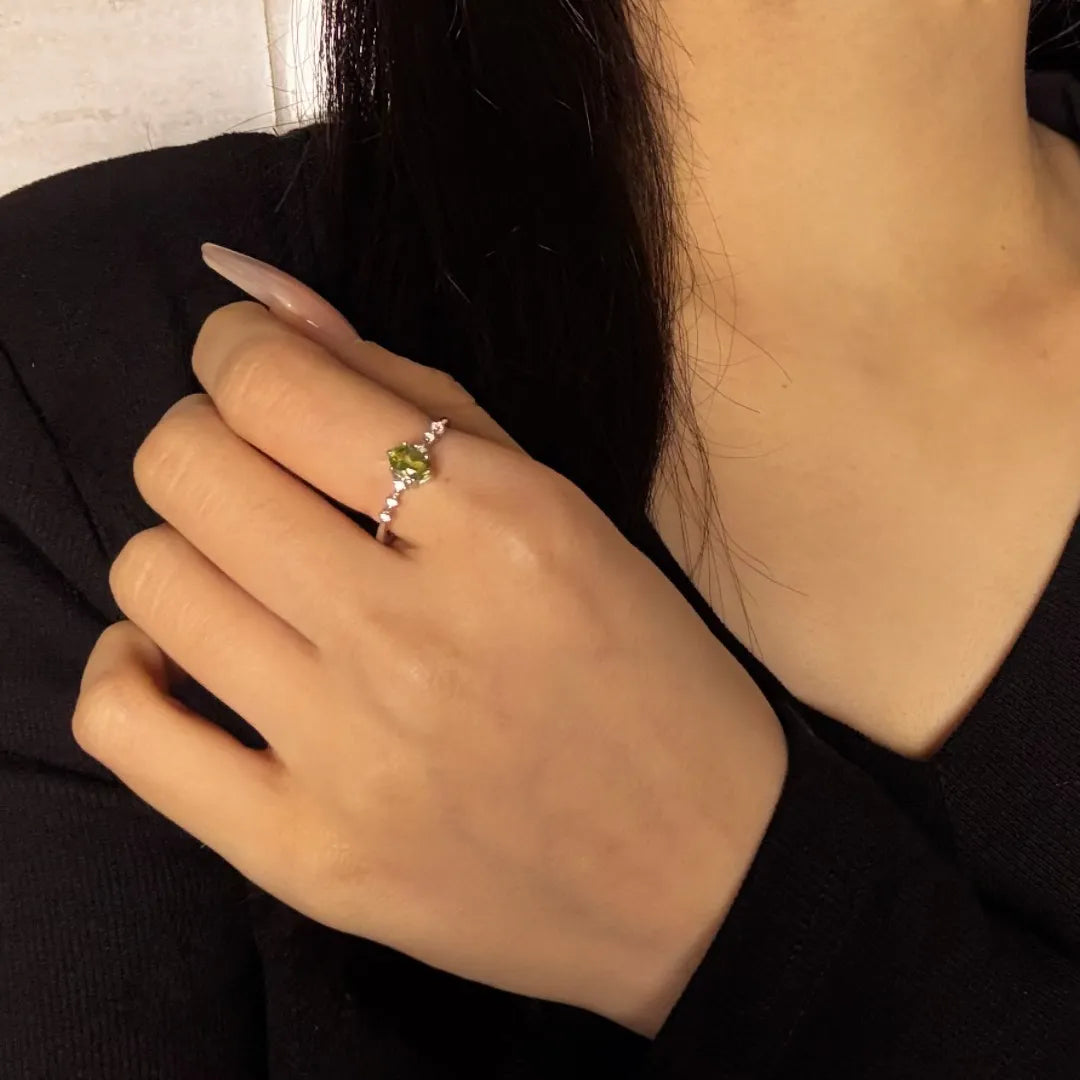
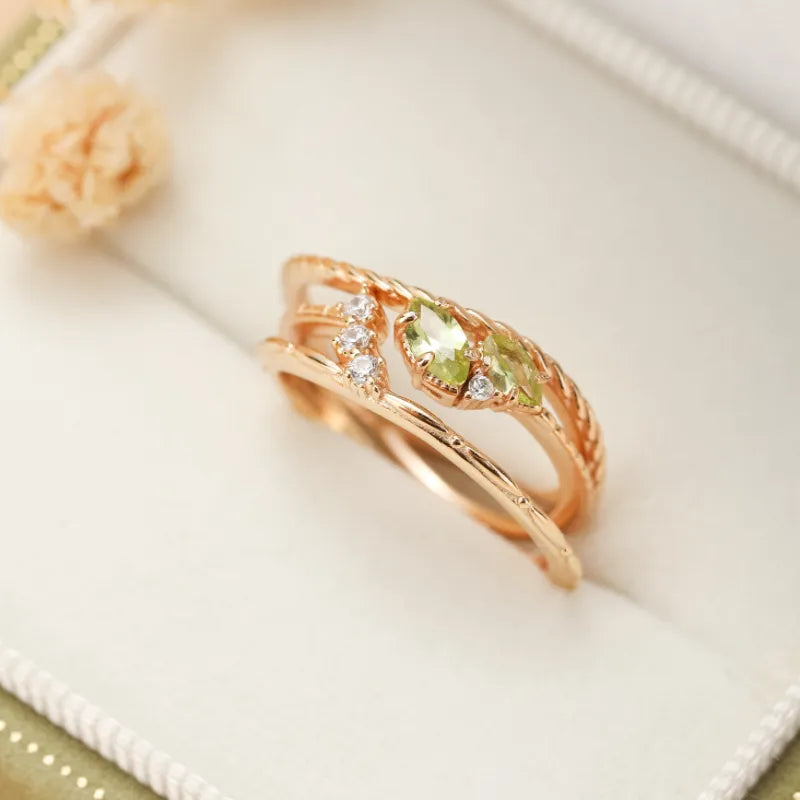
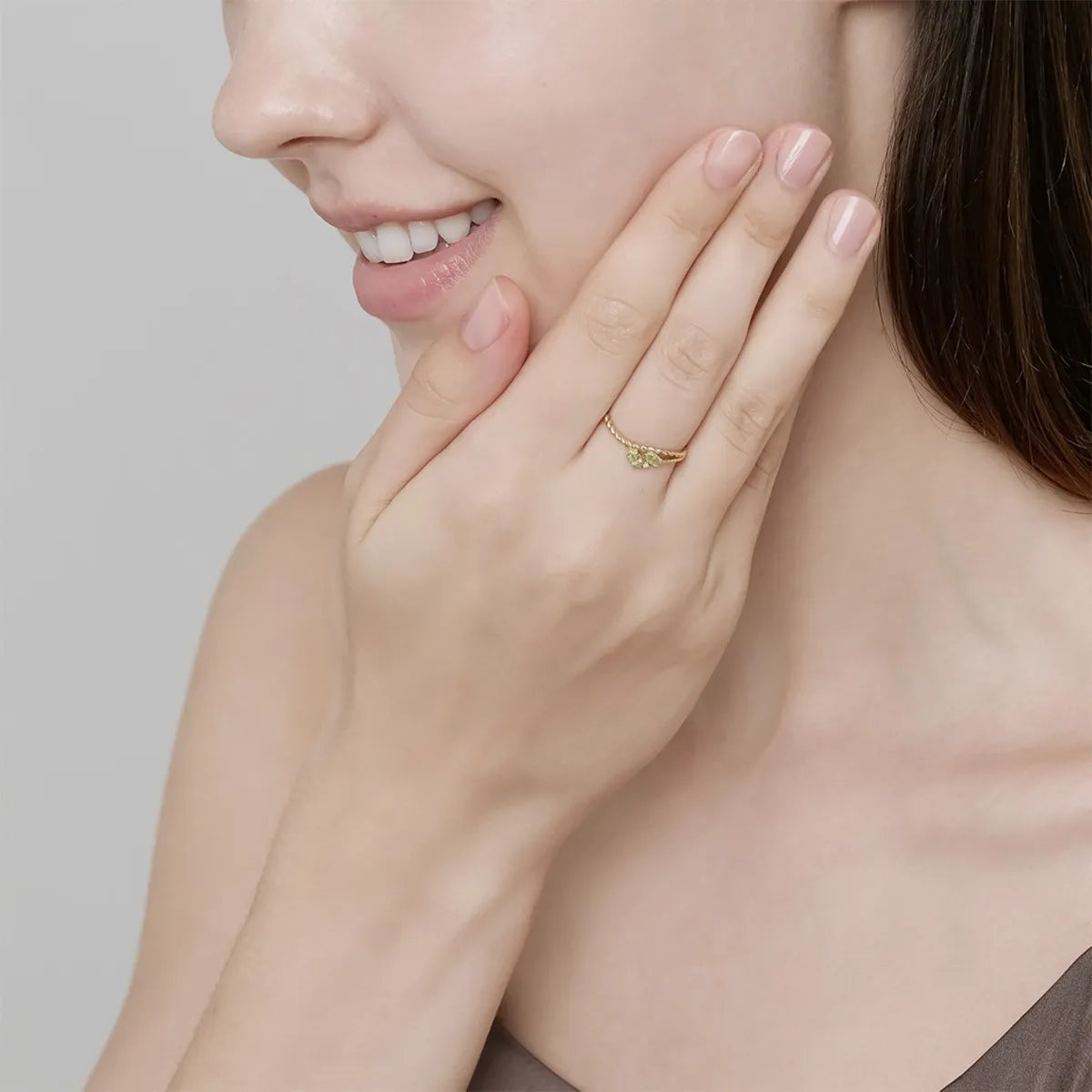
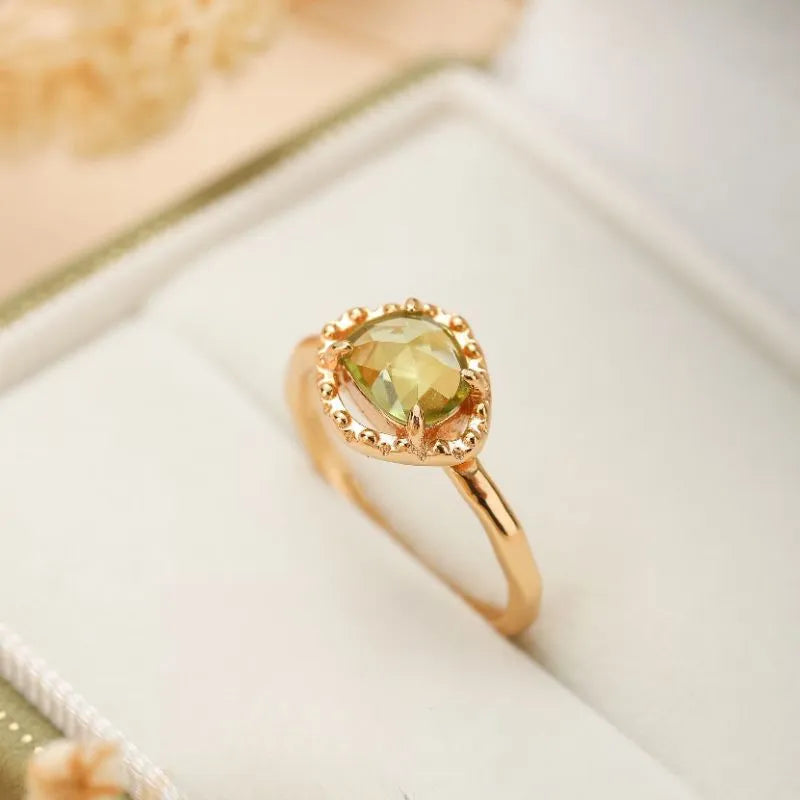
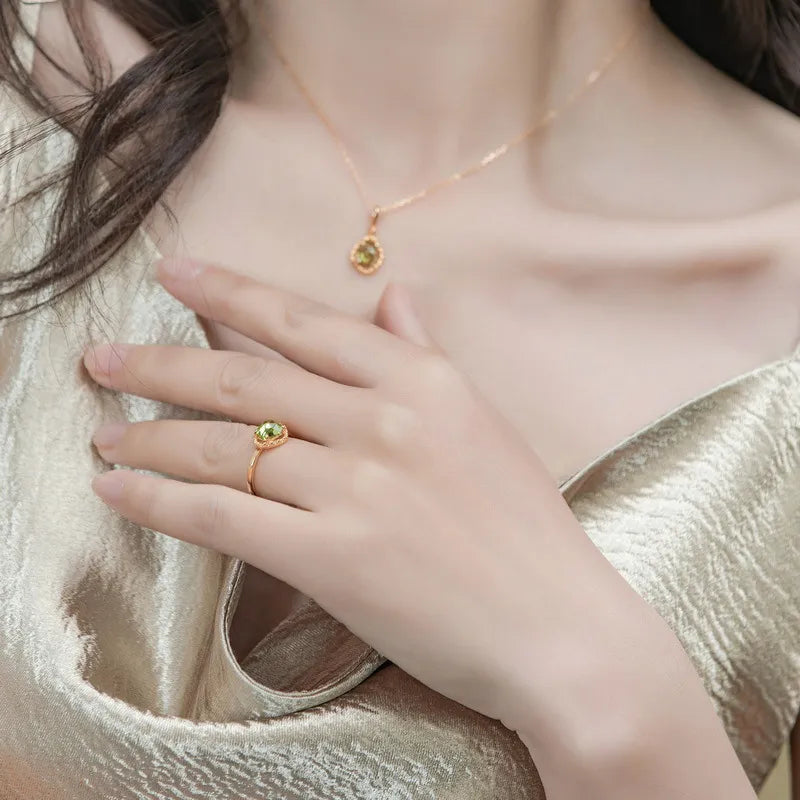
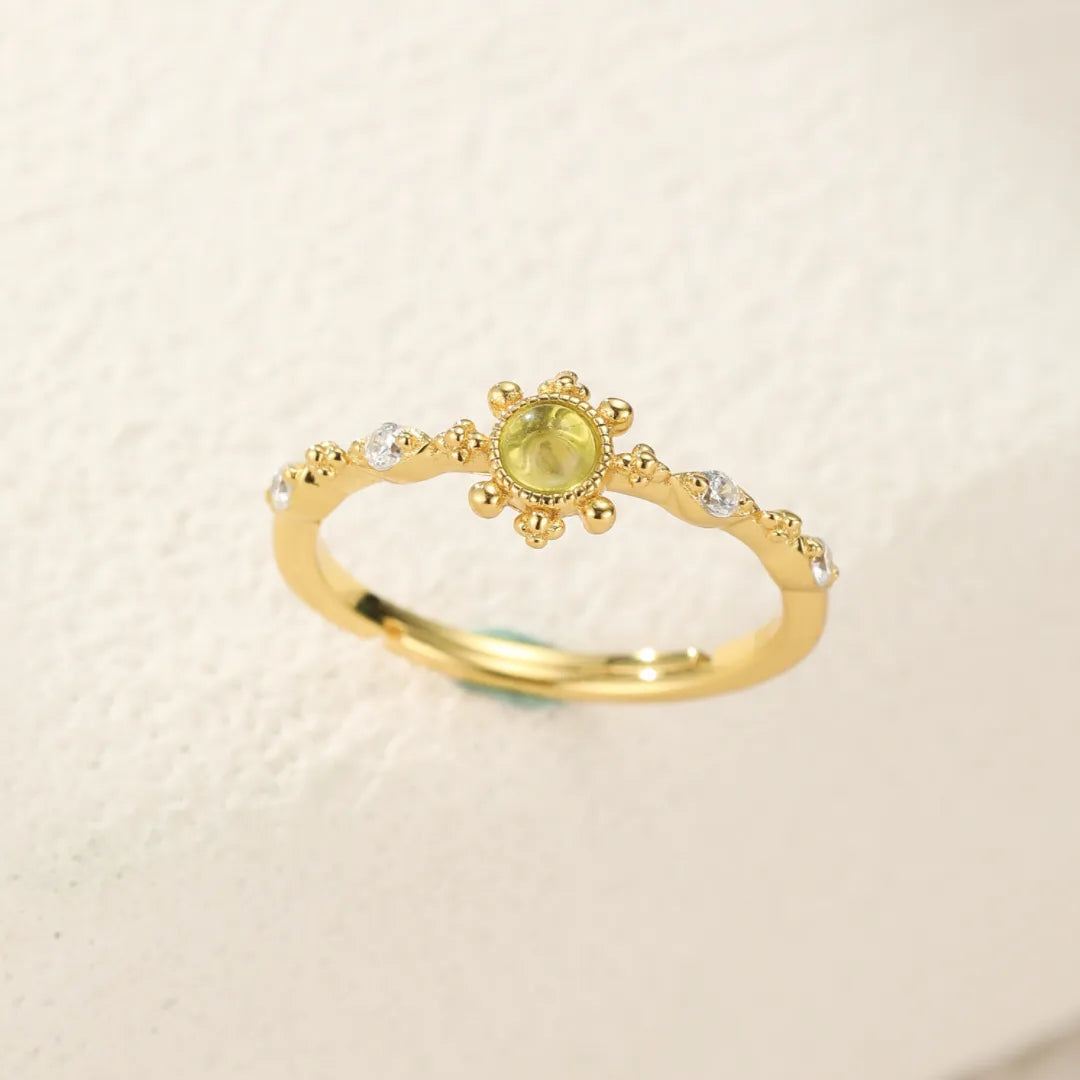
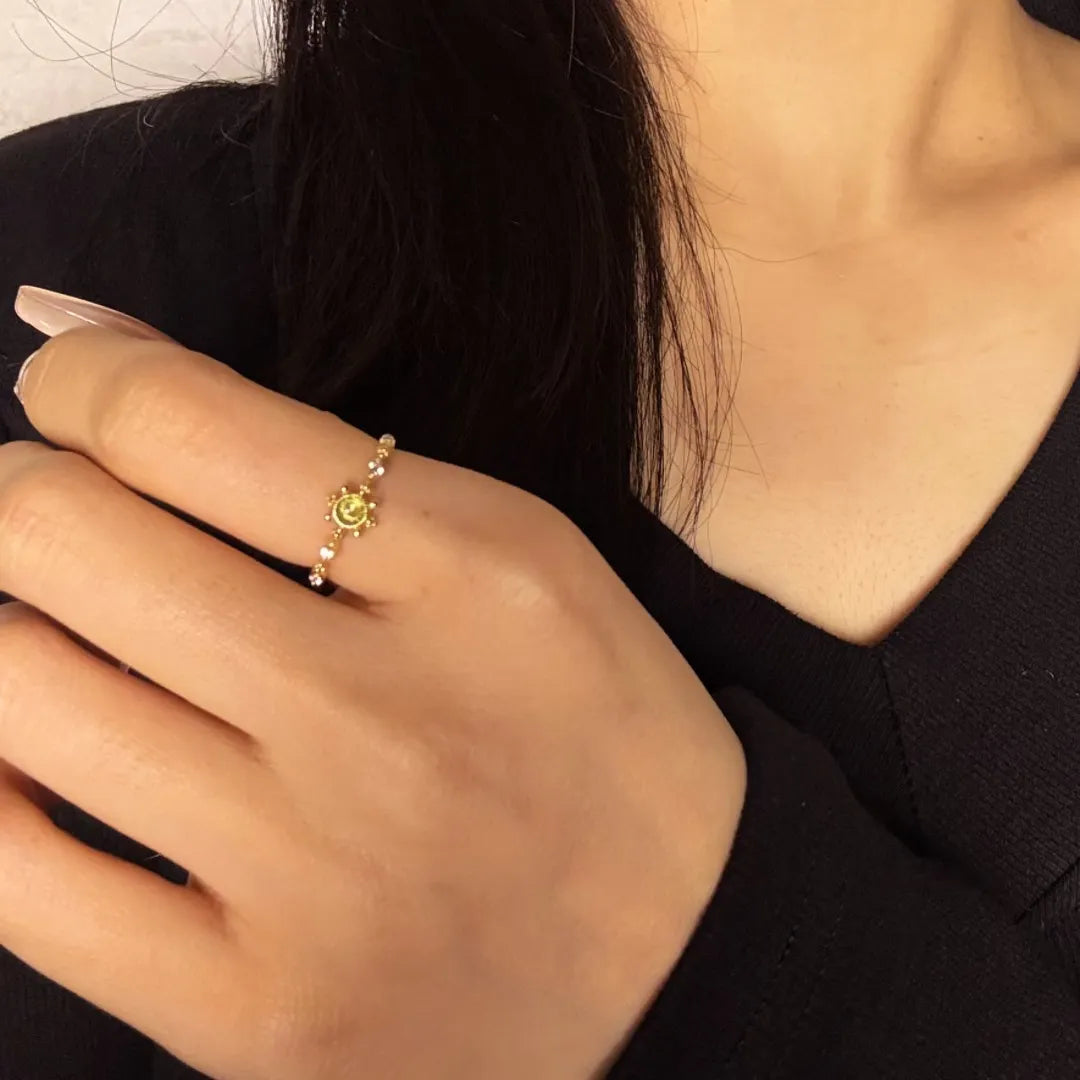
Practical tips for choosing your peridot jewelry well
Before buying, keep a few simple habits in mind. They help reduce mistakes and guide your choice toward a more authentic stone that is better showcased.
Points to check
- the color should be luminous and natural
- the product page should clearly mention the nature of the stone
- the price should remain consistent with the advertised quality
- the site should present detailed and reassuring information
- the setting should enhance the stone without weakening it
- the photos should show the jewelry from several angles
The most sought-after types of jewelry
Peridot is particularly well suited to several creations:
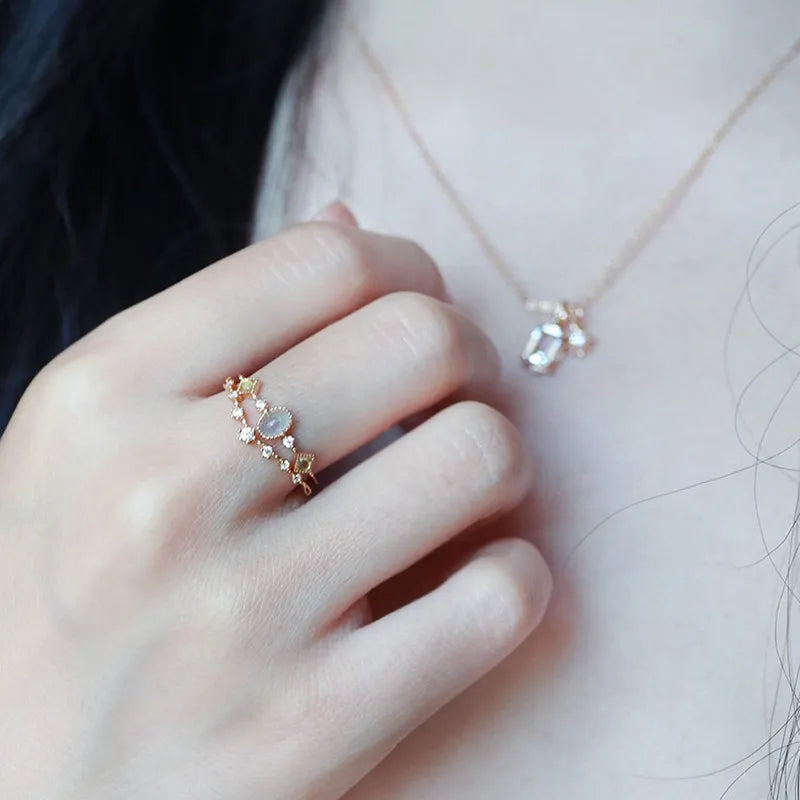
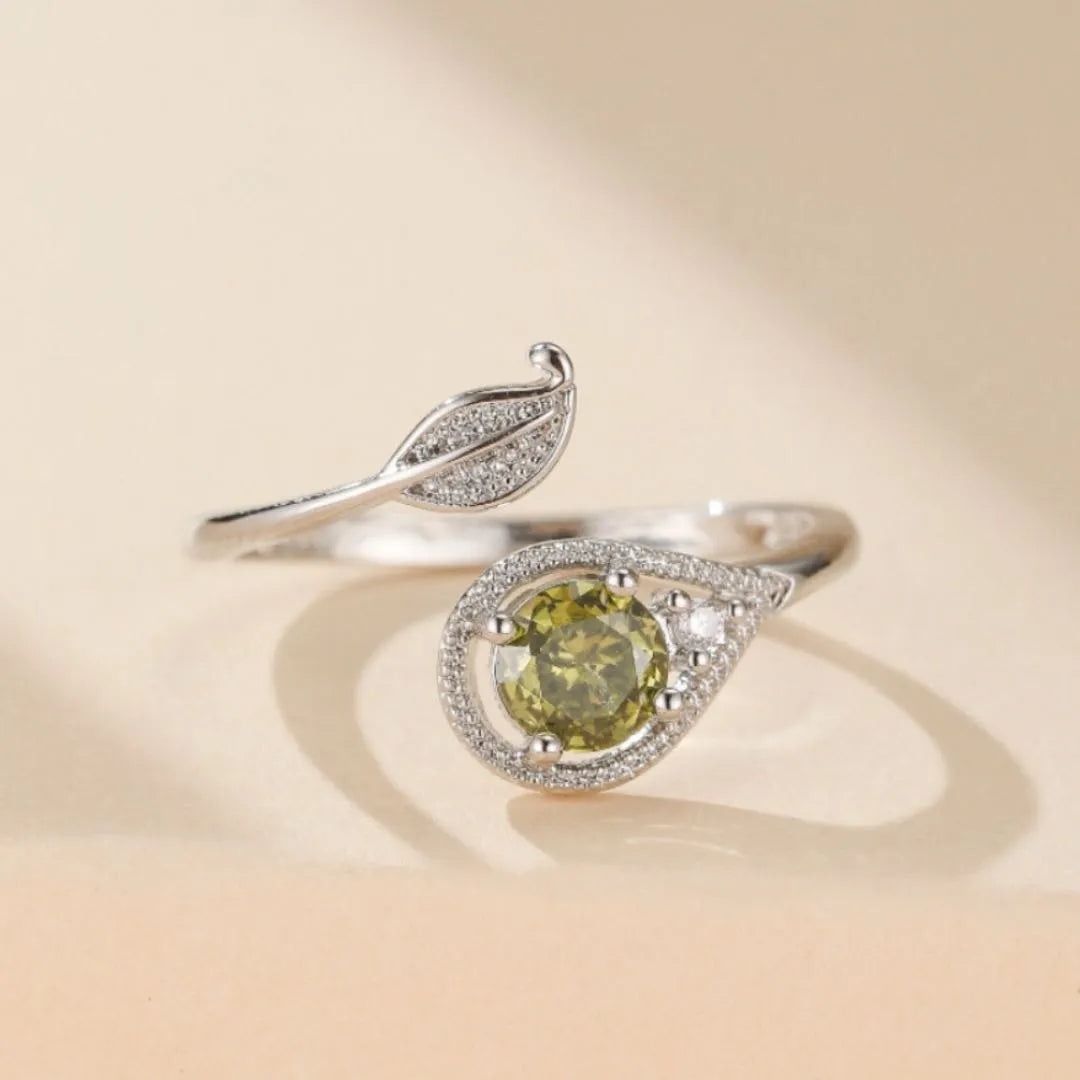
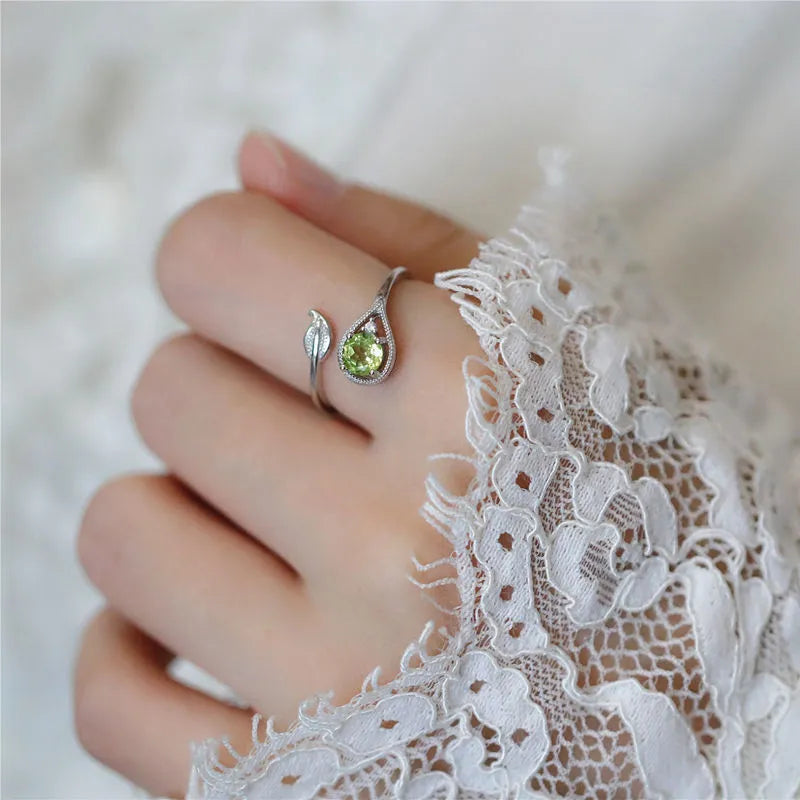
- refined rings to highlight the stone’s brilliance
- luminous pendants that are easy to wear every day
- delicate bracelets for a touch of natural color
- elegant earrings, discreet or more statement-making
The choice then depends on the style you are looking for, but also on the quality of the stone used. A beautiful gemstone, even if modest in size, can offer more elegance than an imposing but questionable stone.
Finally, to find all the information related to this topic, you can also consult Genuine or Synthetic Peridot: How to Recognize an Authentic Natural Stone.
Conclusion
Knowing how to recognize a genuine peridot stone relies above all on observation and common sense. A natural peridot stone stands out for its vibrant green color, natural shine, sometimes a few inclusions, and a coherent presentation by the seller. Conversely, a stone that is too perfect, too uniform, or too cheap should call for caution.
To choose real Peridot Jewelry, it is better to prioritize transparency, the quality of descriptions, and consistency between the stone, the setting, and the price. It is this attention to detail that helps avoid imitations and fully enjoy the unique charm of peridot.
At its core, a beautiful piece of jewelry is not limited to its appearance. It also tells something about the material it is made from. And when it comes to peridot, that authenticity makes all the difference.
FAQ: Everything you need to know about authentic peridot
How can you recognize a genuine peridot stone?
A genuine peridot stone can be recognized by its luminous green color, its natural shine, and sometimes the presence of small inclusions. A stone that is too perfect or too uniform may be synthetic or imitated.
Does a natural peridot always have inclusions?
Not always, but slight inclusions can be present in a natural stone. They are not necessarily a flaw; they can even be a sign of authenticity.
What color is an authentic peridot?
An authentic peridot generally shows a luminous green shade with olive, golden, or slightly yellow nuances. A color that is too vivid or artificial may be suspicious.
Can peridot be worn as jewelry every day?
Yes, peridot can be worn daily, especially as a pendant, bracelet, or earrings. You simply need to take care of it to preserve its shine.
What are the best-known benefits of peridot?
Peridot is often associated with mental clarity, renewal, and positive energy. In the world of natural stones, it is appreciated for its luminous and soothing symbolism.
Read more

Discover the benefits and virtues of peridot, a luminous natural stone associated with renewal, emotional balance, and positive energy. This article also helps you better understand its symbolism, ...

Discover why peridot jewelry is so appealing for its natural elegance, luminous shine, and positive symbolism. This article explores the benefits of peridot, the different types of jewelry availabl...


