









Genuine vs. Fake Aquamarine: How to Identify a Real Blue Stone?
Table of Contents
- Introduction:
- Aquamarine: Natural Beauty Meets Symbolic Power
- Why Distinguishing Real Aquamarine Has Become Essential
- 1. Color: Clue Number One… But Beware of Appearances
- 2. Transparency and Inclusions: Imperfect Yet Authentic
- 3. Hardness: A Simple Test You Can Do at Home
- 4. Temperature and Touch: A Stone That "Lives"
- 5. Weight: Aquamarine Possesses Real Density
- 6. Price: Too Good to Be True?
- 7. Buying from a Trusted Seller: Your Best Guarantee
- Aquamarine in Crystal Healing: A Gem That Deserves Authenticity
- The Benefits of Aquamarine: Far Beyond a Mere Blue Hue
- The Elegance of Genuine Aquamarine Jewelry
- Summary: Key Criteria to Identify Genuine Aquamarine
- Conclusion: Better an Authentic Stone Than Deceptive Beauty
- Crystal Healing Comparison Table: Properties, Chakras & Care Guide
- To Explore Further:
- Frequently Asked Questions: Genuine vs. Fake Aquamarine
Introduction:
Aquamarine, with its mesmerizing ocean-blue shade and soothing energy, has captivated humanity for centuries. Associated with the sea, mental clarity, and deep serenity, it is today one of the most coveted Healing Crystals, revered both for its healing properties in crystal healing and for its luminous beauty in fine jewelry.
Yet here lies the challenge: as its popularity surges, so do imitations. How can you distinguish a genuine aquamarine from a clever counterfeit? What visual, physical, and energetic clues allow you to spot a real blue gem? That is precisely what we will explore in detail in this guide.
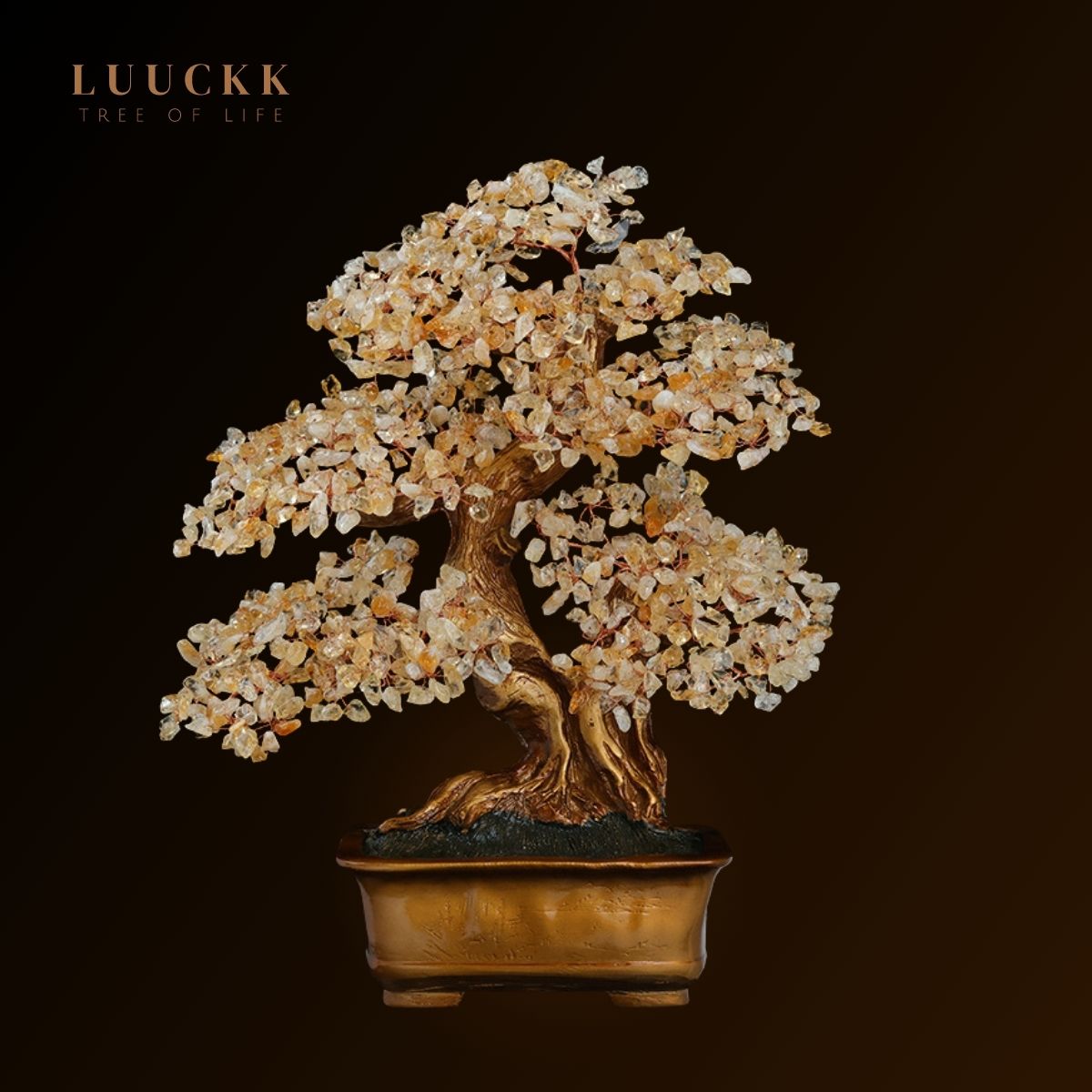
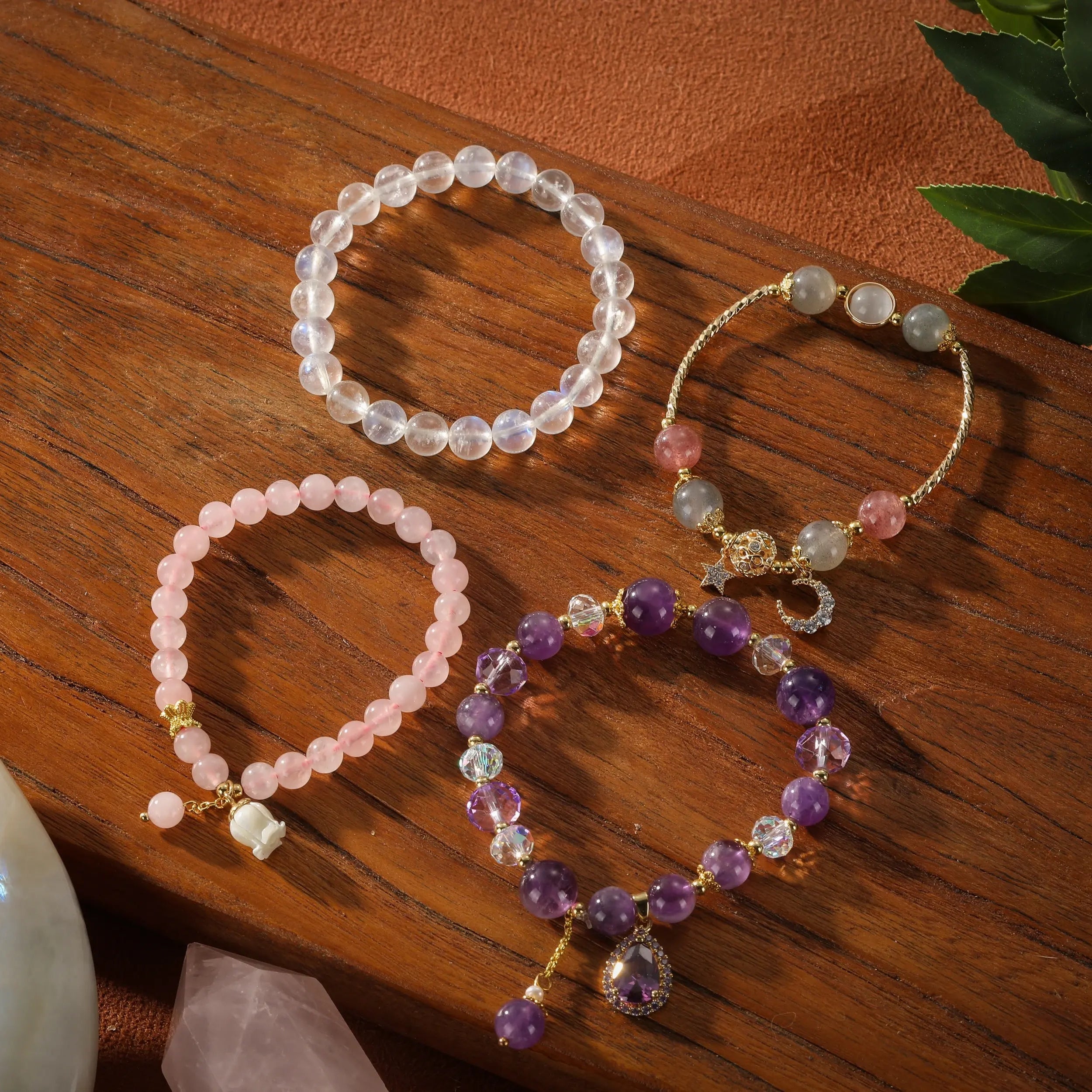
Luuckk Crystal Selection: Genuine vs. Fake Aquamarine


Aquamarine: Natural Beauty Meets Symbolic Power
Before learning to separate the genuine from the faux, it is essential to understand what makes aquamarine so extraordinary.
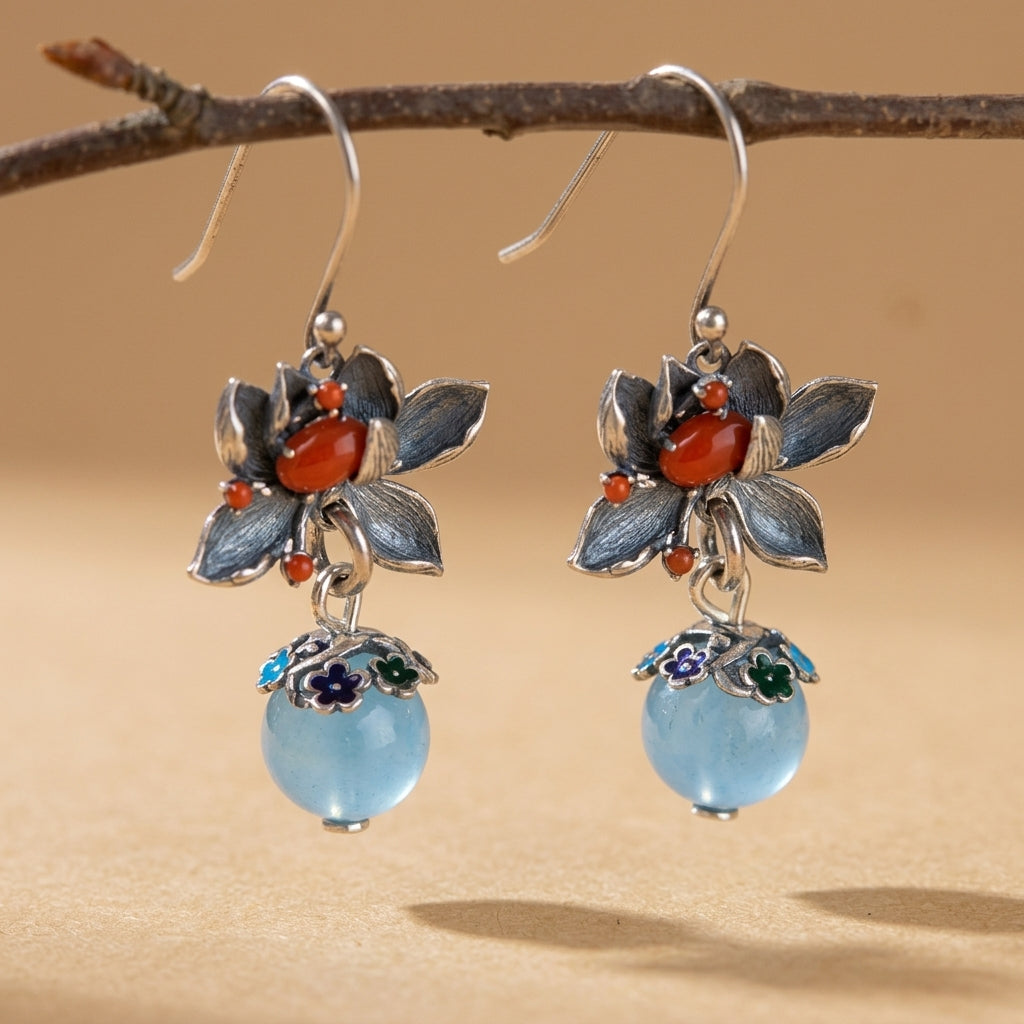
Aquamarine is a semi-precious gemstone belonging to the beryl mineral family, just like emerald. Its palette ranges from pale sky-blue to soft blue-green, evocative of the crystalline waters of tropical lagoons. Its name originates from the Latin aqua marina, which translates directly to "sea water"—an elegant tribute to its enchanting color.
Beyond its aesthetic allure, aquamarine is steeped in esoteric traditions and spiritual lore. It has long been associated with inner peace, clear communication, and the protection of voyagers. In numerous cultures, sailors carried it as a protective talisman to calm stormy seas and ensure safe passage.
This crystal is equally treasured in holistic Crystal Healing for its gentle effect on the mind and emotions, nurturing serenity, mental focus, and heartfelt self-expression.
To learn more about the origins, history, and symbolism of this gemstone, we invite you to explore our article Aquamarine: The Stone of Serenity and Communication.

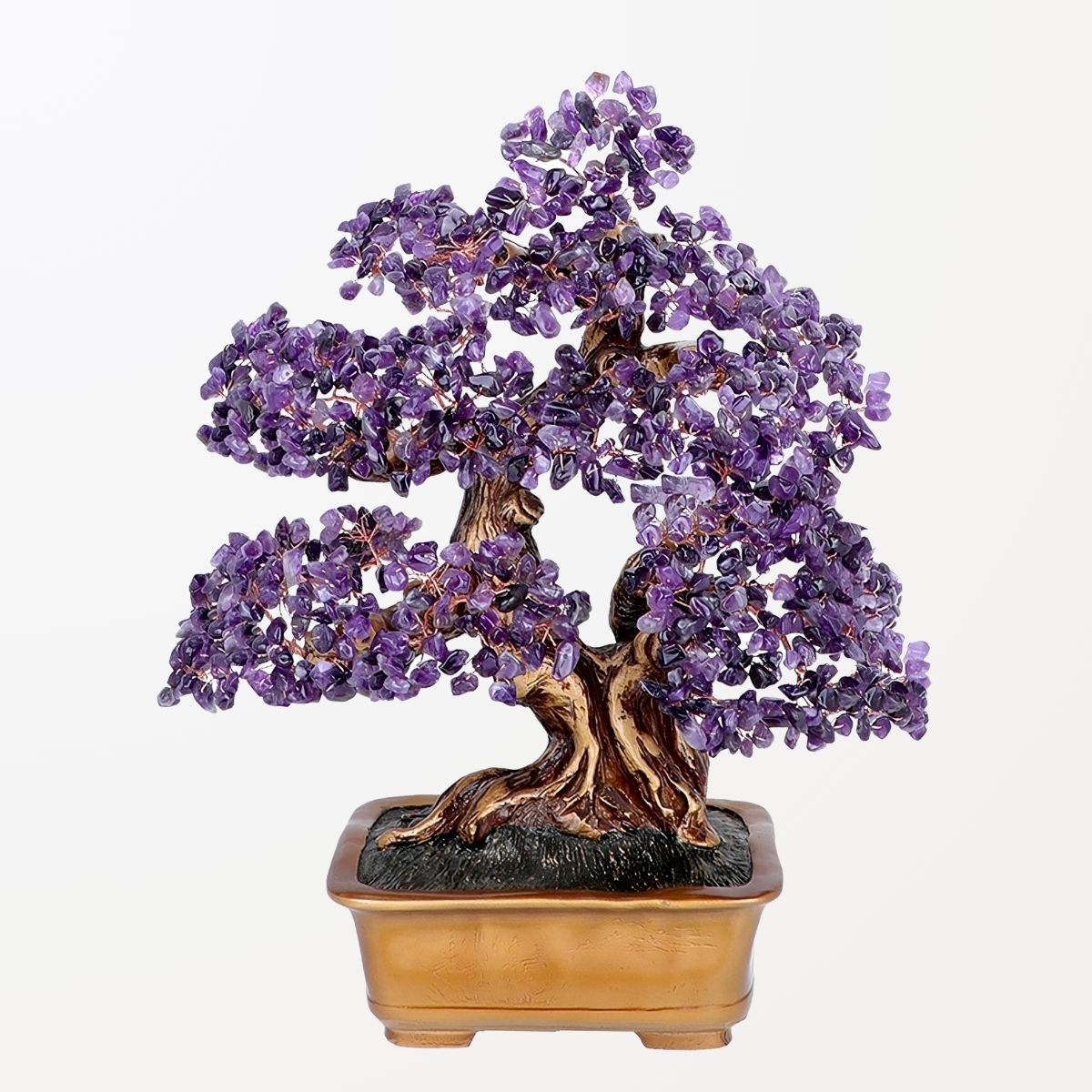
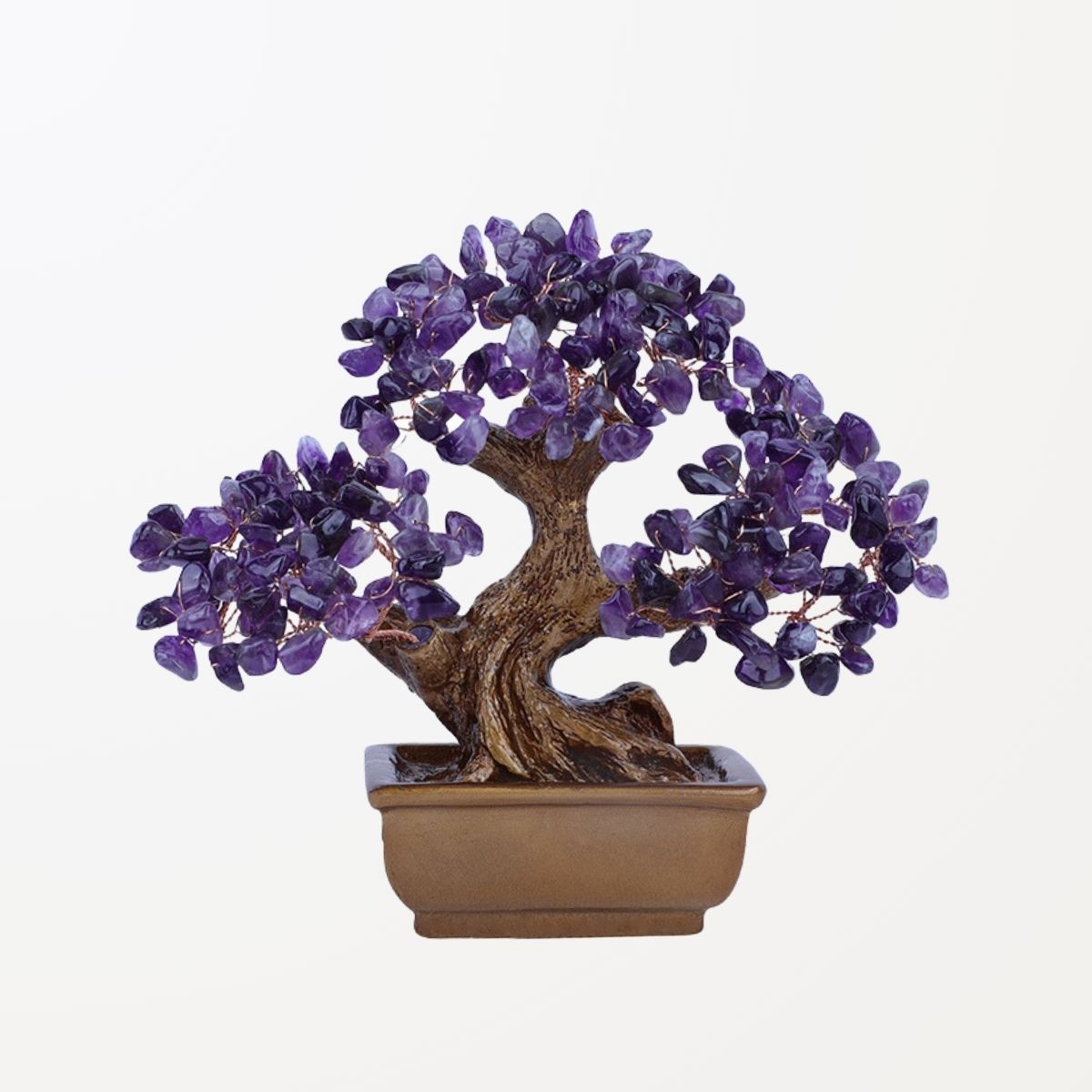
Handcrafted Healing Crystal Creations & Tree of Life Collection


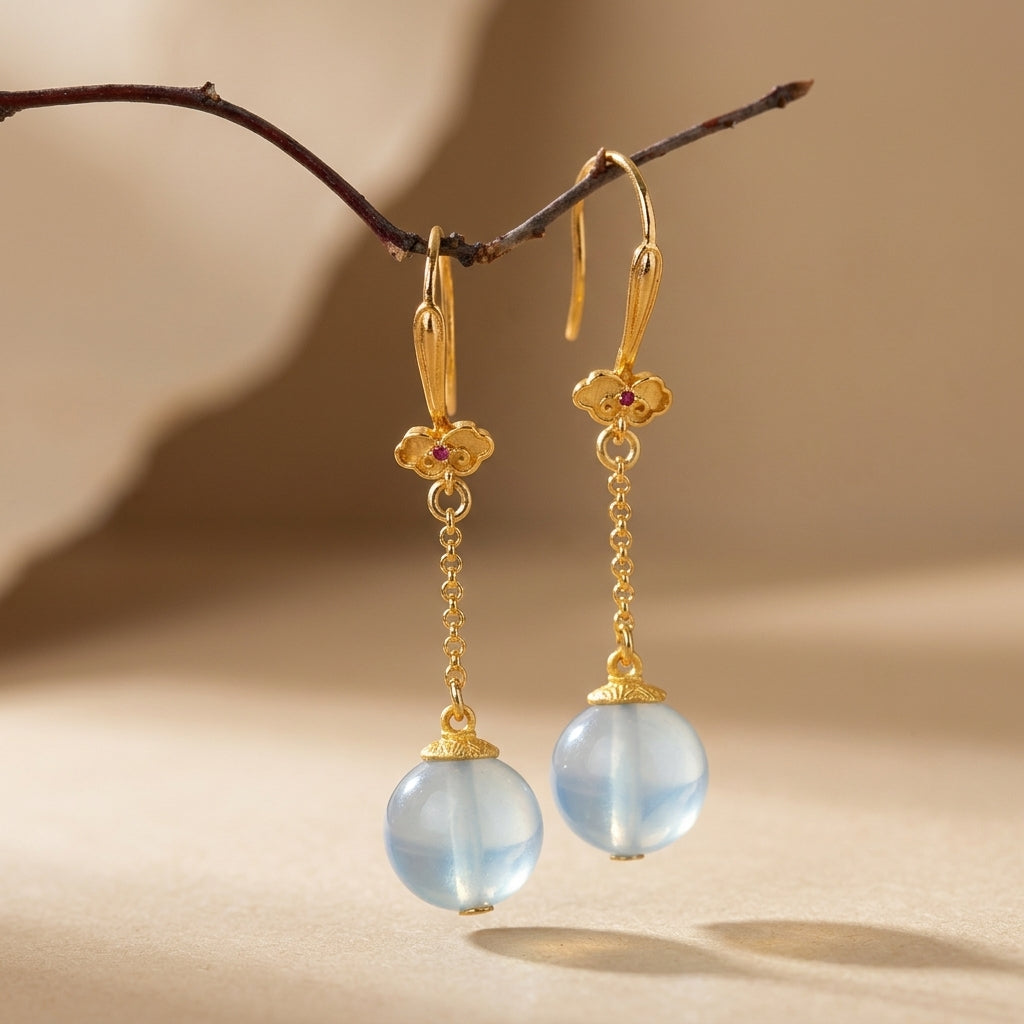

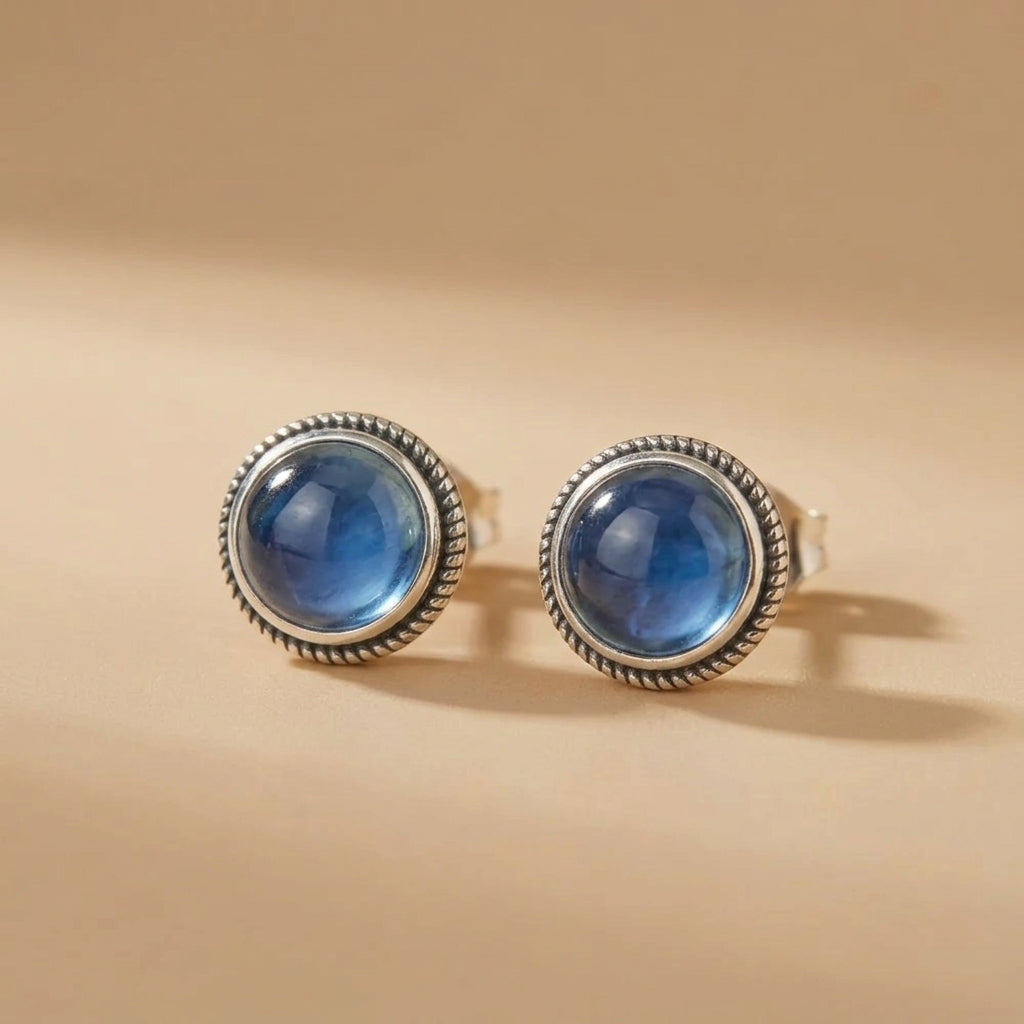

Why Distinguishing Real Aquamarine Has Become Essential
With the skyrocketing demand for Healing Crystals and the rise of crystal healing, the gemstone market has been flooded with replicas. Unfortunately, not all copies are easy to identify with the naked eye.
Certain counterfeits are crafted from tinted glass, heat-treated beryls, or composite minerals engineered chemically to mimic the serene blue of natural aquamarine.
The issue? While visually appealing, these synthetic imitations lack any energetic frequency. They carry no therapeutic vibration, impart no true serenity, and remain mere decorative artifacts. For those seeking an authentic connection with the crystal or investing in timeless jewelry, knowing how to identify a genuine aquamarine is crucial.
1. Color: Clue Number One… But Beware of Appearances
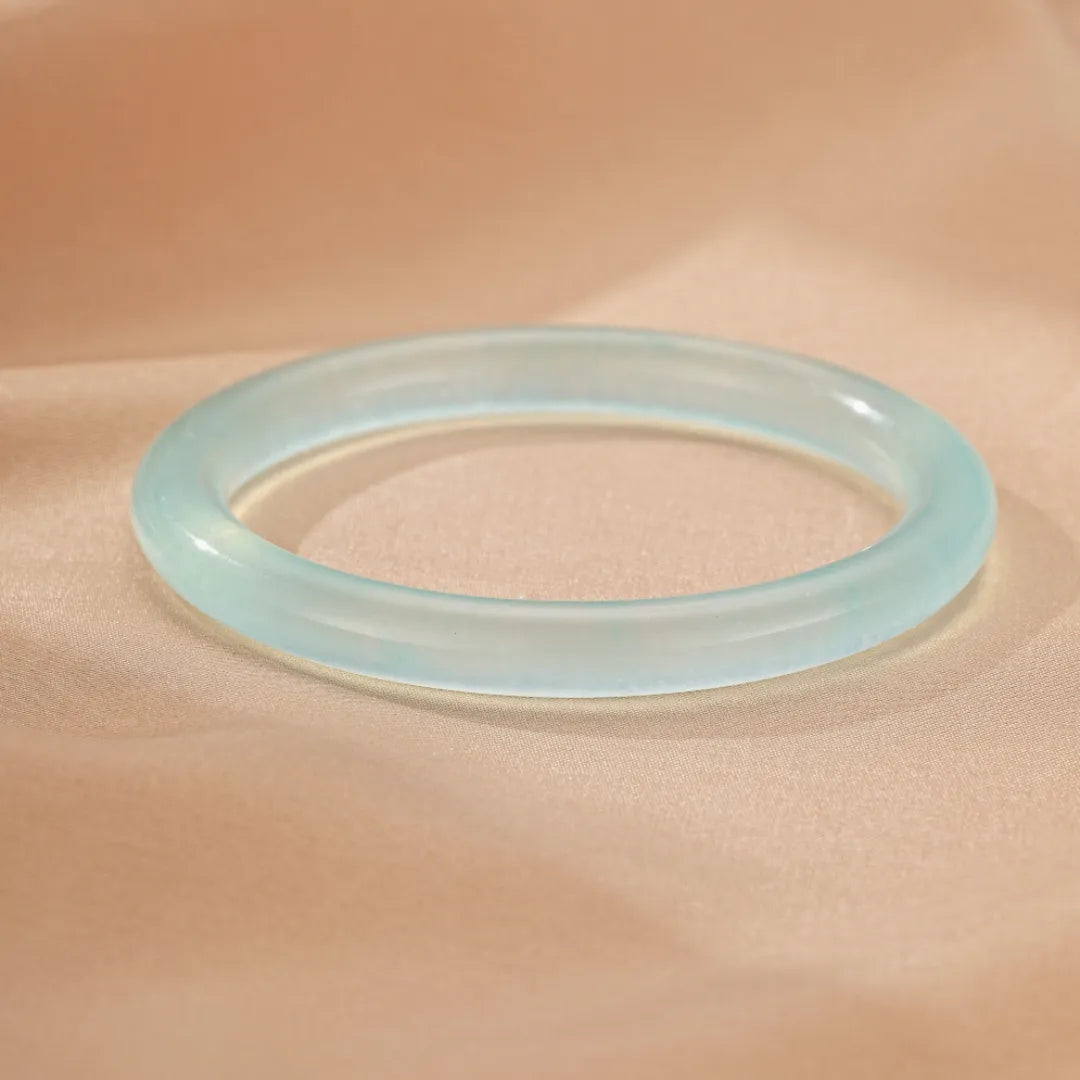
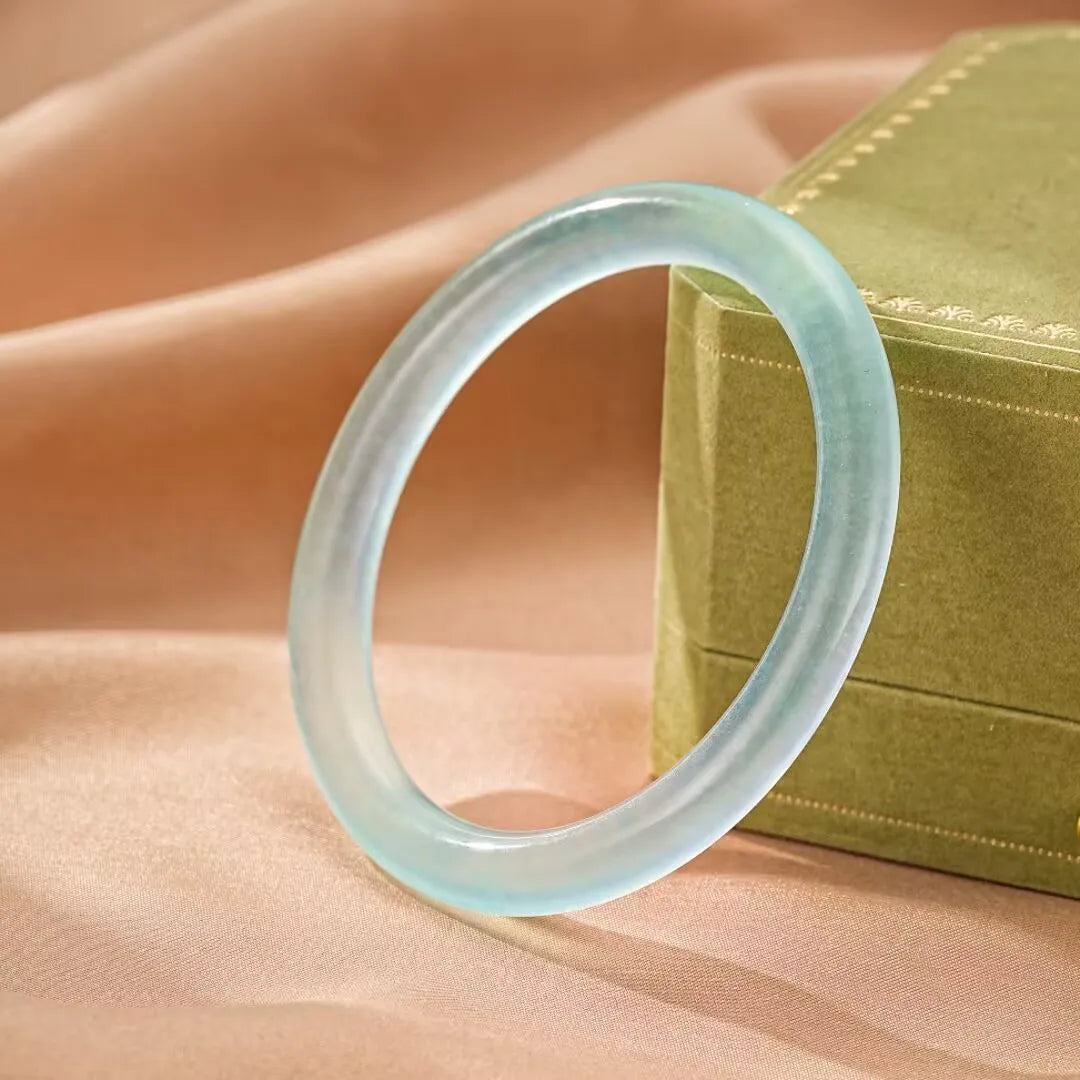
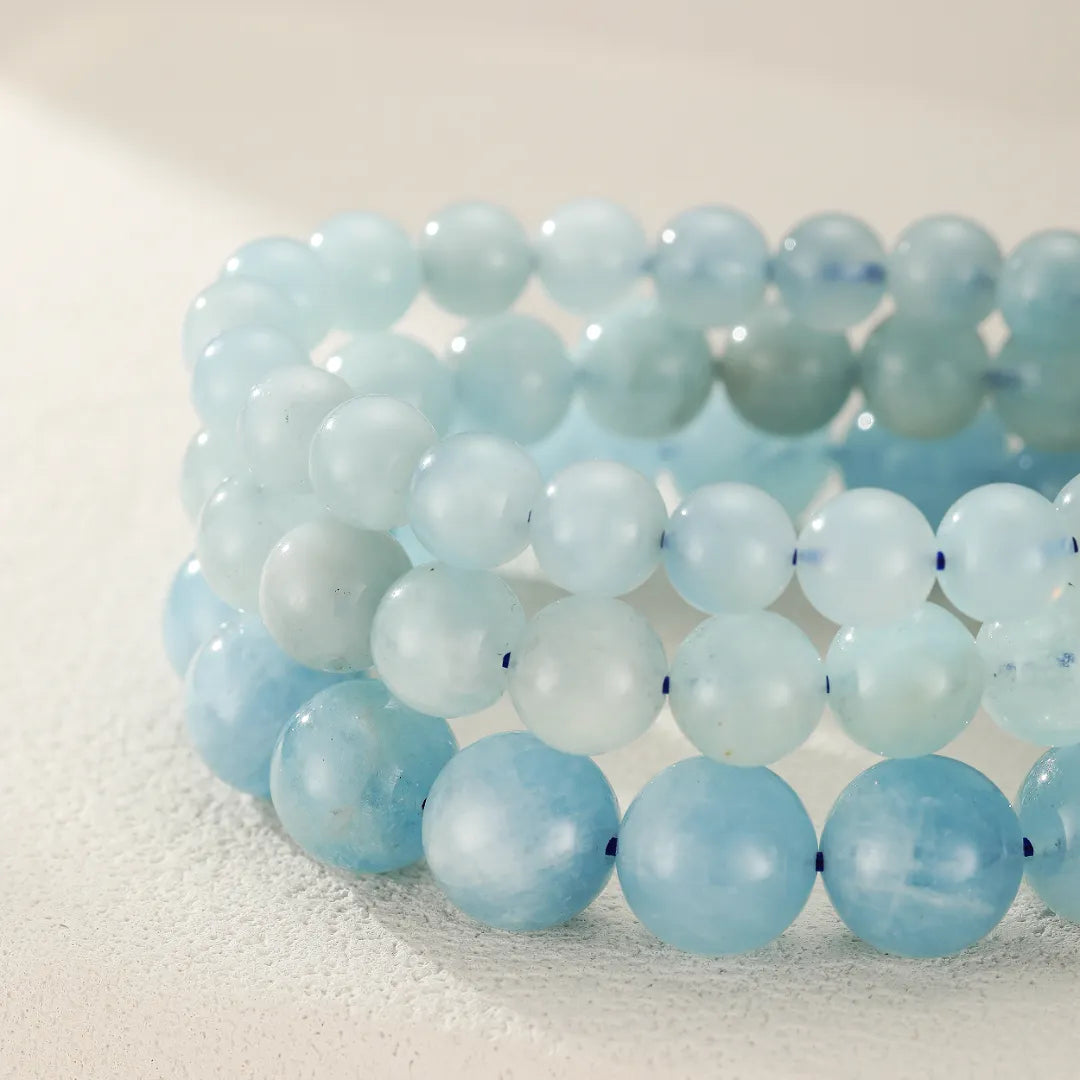
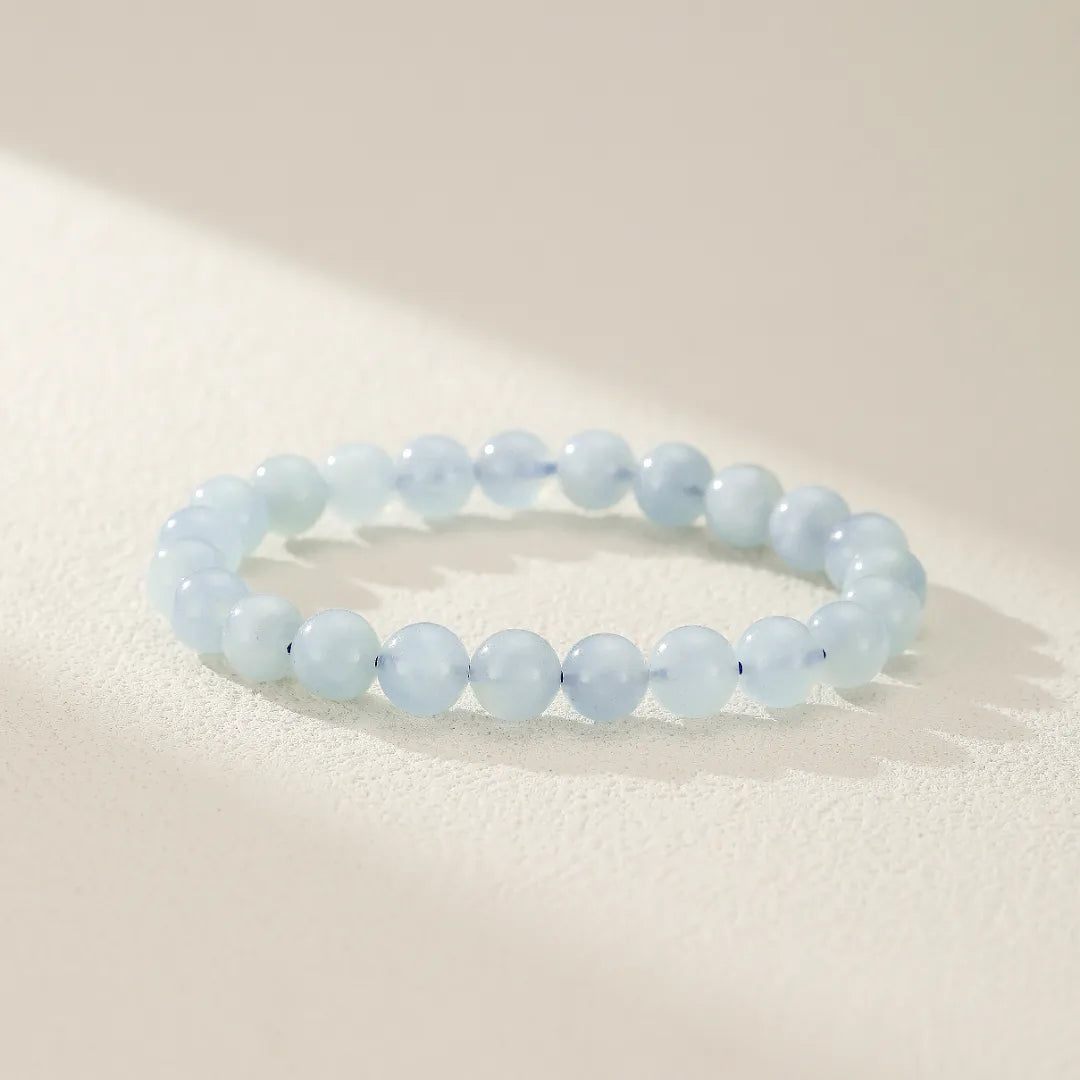
A genuine aquamarine typically exhibits a soft, limpid light blue to pastel blue-green hue. This shade can be exquisitely subtle, at times almost transparent with a gentle hint of azure.
Imitations, by contrast, are often overly saturated, unnaturally vivid, or possess an electric blue tone rarely found in raw nature. Such artificial brilliance is usually the result of dye injection or synthetic glass manufacturing.
Another telltale sign is color consistency. In a natural crystal, color depth subtly fluctuates, displaying lighter and deeper zones throughout the stone. An overly uniform, flawless tint is often a giveaway of synthetic material.
2. Transparency and Inclusions: Imperfect Yet Authentic
Contrary to popular assumption, a real aquamarine is rarely completely pristine. It often reveals natural inclusions: microscopic fissures, internal growth veils, or delicate crystalline marks that testify to its geological origin deep within the Earth.
Glass and synthetic stones, on the other hand, often appear unnaturally sterile and without character. It is these gentle, organic imperfections that create the true soul, beauty, and authenticity of a natural gem.
3. Hardness: A Simple Test You Can Do at Home
Aquamarine boasts a Mohs hardness rating of 7.5 to 8. This indicates that it is noticeably harder than glass and capable of scratching it.
If you are in doubt, you can perform a gentle test: attempt to scratch an inconspicuous piece of glass with an edge of the stone. If it leaves a clear scratch mark, chances are you are holding a genuine aquamarine. Proceed carefully, however, to avoid scratching or chipping your stone or setting.

4. Temperature and Touch: A Stone That "Lives"
Authentic Healing Crystals feature a distinctive tactile property: they are naturally cool to the touch. Even in a warm room, genuine crystals retain a noticeable chill and warm up slowly when held against the skin.
Plastic or cheap glass substitutes warm up almost instantly to body temperature, lacking that grounding, revitalizing mineral coolness.
5. Weight: Aquamarine Possesses Real Density
A genuine aquamarine has a higher specific gravity than plastic or lightweight glass alternatives. Given identical proportions, natural aquamarine will feel noticeably substantial and balanced in the palm of your hand.
While this test is subjective, comparing the weight against a known authentic gem or glass bead offers a valuable confirmation.
6. Price: Too Good to Be True?
Fine-grade natural aquamarine commands fair value due to its rarity and careful extraction. If a piece of aquamarine jewelry is offered at an unbelievably low price, exercise caution. While high prices do not automatically guarantee quality, rock-bottom pricing almost invariably signals treated, composite, or synthetic material.
7. Buying from a Trusted Seller: Your Best Guarantee
In an expansive mineral and jewelry marketplace, selecting an established, transparent brand committed to ethical sourcing is paramount. A reputable jeweler will happily offer clarity regarding provenance, natural gemstone credentials, and expert guidance.
At LUUCKK, for instance, each piece of aquamarine jewelry undergoes a meticulous hand-selection process to guarantee pure authenticity, exceptional radiance, and enduring quality.
Aquamarine in Crystal Healing: A Gem That Deserves Authenticity
In crystal healing, only an authentic, genuine aquamarine carries the subtle vibrational resonance capable of harmonizing mind and body. It is never simply an adornment, but a conduit for mindful balance and well-being.
Aquamarine is celebrated for dispelling anxiety, facilitating lucid communication, deepening intuitive wisdom, and easing emotional tension. It aligns intimately with the Throat Chakra, promoting authentic self-expression and compassionate listening.
These therapeutic benefits can only be activated by an unadulterated gem forged over millions of years within the Earth's crust.
To dive deeper into this topic, read our article Why Is Aquamarine Treasured in Crystal Healing?
The Benefits of Aquamarine: Far Beyond a Mere Blue Hue
Aquamarine is uniquely suited for periods of emotional stress, mental fog, or communication barriers. It fosters centered calm, intellectual clarity, and authentic, peaceful expression.
Holistic traditions also attribute restorative bodily virtues to it, noting its soothing relationship with the throat, respiratory pathways, and general immune vitality.
To learn more about its energetic properties, read our dedicated article The Benefits and Virtues of Aquamarine.

The Elegance of Genuine Aquamarine Jewelry
Beyond its spiritual and emotional virtues, aquamarine possesses an undeniable, graceful sophistication. Worn as fine jewelry, it catches natural light effortlessly, evoking the gentle movement of ocean tides and turning heads with subtle glamour.
Whether set into a bracelet, pendant necklace, or ring, aquamarine harmonizes flawlessly with sterling silver, white gold, or warm gold tones to create designs that feel simultaneously modern and organic.
Choosing an aquamarine jewelry piece is an expression of refined style while staying rooted in tranquil, clarifying energies.
To discover more, explore our article Aquamarine Jewelry: Elegance and Energy.
Summary: Key Criteria to Identify Genuine Aquamarine
To help you remember the crucial indicators, here is a quick checklist to verify:
- Color: Soft, pastel, organic blue to blue-green
- Transparency: Natural internal inclusions and veils are typical
- Hardness: Scratches standard glass (7.5 – 8 on the Mohs scale)
- Temperature: Cold to the touch, slow to absorb body heat
- Weight: Noticeably dense and substantial
- Price: Reflective of genuine gemstone value, not suspiciously cheap
- Seller: Professional, transparent, offering authenticity credentials
Conclusion: Better an Authentic Stone Than Deceptive Beauty
In a world where appearance can easily be simulated, authenticity becomes the ultimate luxury. This applies as much to human connections as it does to the Healing Crystals we welcome into our everyday lives.
Aquamarine, a genuine treasure of mother nature, deserves to be cherished for what it truly is. Whether worn as meaningful jewelry, displayed in your living space, or utilized in crystal healing, ensure it is genuine. Only then can you fully receive its radiant light, serene peace, and authentic energy.
Crystal Healing Comparison Table: Properties, Chakras & Care Guide
This comparison chart summarizes the key crystal properties, Mohs hardness ratings, chakra alignments, and cleansing rituals recommended by Lina.
Crystal Family & Intention | Chakra Alignment & Mohs Hardness | Cleansing, Charging & Feng Shui Placement |
Love, Compassion & Emotional Harmony | Heart Chakra (Anahata) — Mohs hardness 6 to 7/10; nurtures inner peace and emotional balance. | Place in the Southwest Bagua sector or bedroom; cleanse with white sage smudge and recharge under full moonlight. |
Grounding, Shielding & Confidence | Root & Solar Plexus Chakras — Mohs hardness 7/10; anchors energy and wards off negativity. | Position near the front entryway or workspace; smudge weekly with Palo Santo and recharge on a Clear Quartz cluster. |
Abundance, Clarity & 7-Chakra Balance | Crown, Third Eye & Full 7 Chakras — Mohs hardness 7/10; elevates focus and spiritual vitality. | Ideal for the living room or meditation corner (Southeast wealth sector); recharge on an Amethyst geode or Selenite plate. |
To Explore Further:
Discover more inspiring guides and collections:
- Aquamarine: The Stone of Serenity and Communication
- Aquamarine Jewelry Collection
- Aquamarine Tree of Life Collection
- The Benefits and Virtues of Aquamarine
- Aquamarine Jewelry: Elegance and Energy
- Why Is Aquamarine Treasured in Crystal Healing?
- Genuine vs. Fake Aquamarine: How to Identify a Real Blue Stone?
Daily Energy, Protection & Harmony: Lina’s Favorites


Explore our handcrafted crystal collections: Tree of Life Crystal Collection, Healing Crystal Jewelry, and Natural Crystal Bracelets. Read our related crystal guides: Significance And Benefits Of The Tree Of Life, The Tree Of Life In Natural Stone The Perfect Gift For Every Occasion, and Which Natural Stone To Choose For Your Tree Of Life.
Frequently Asked Questions: Genuine vs. Fake Aquamarine
How can I tell if the healing crystals in Genuine vs. Fake Aquamarine are 100% genuine?
Genuine healing crystals stay naturally cool to the touch, exhibit subtle internal mineral inclusions, and match their gemological Mohs hardness (7/10 for quartz varieties like amethyst, rose quartz, and citrine), unlike dyed glass or synthetic resins.
Where should I place a crystal Tree of Life or wear crystal jewelry for the best energy?
In Feng Shui, place your crystal Tree of Life at eye level in the room aligned with your intention: the bedroom (Southwest) with Rose Quartz for love, the entryway with Tiger’s Eye for protection, or the living room with Citrine and 7-Chakra crystals for abundance.
How do I safely cleanse and recharge my healing crystals without damaging them?
Smoke cleansing with white sage or Palo Santo for two minutes is the safest universal method, especially for softer or porous crystals like Selenite, Malachite, and Lapis Lazuli. Recharge your crystals overnight under moonlight or on an Amethyst geode.
Can I combine multiple healing crystals together in the same space or on my wrist?
Yes—crystals that share complementary chakra frequencies harmonize effortlessly. Clear Quartz amplifies all surrounding crystals, while Rose Quartz and Amethyst pair beautifully for emotional calm and restful sleep.
How often should I cleanse my Luuckk crystal jewelry or Tree of Life?
We recommend a gentle energetic smudging every two weeks for decorative crystal trees and once a week for crystal bracelets, rings, or necklaces worn directly against the skin.
Read more
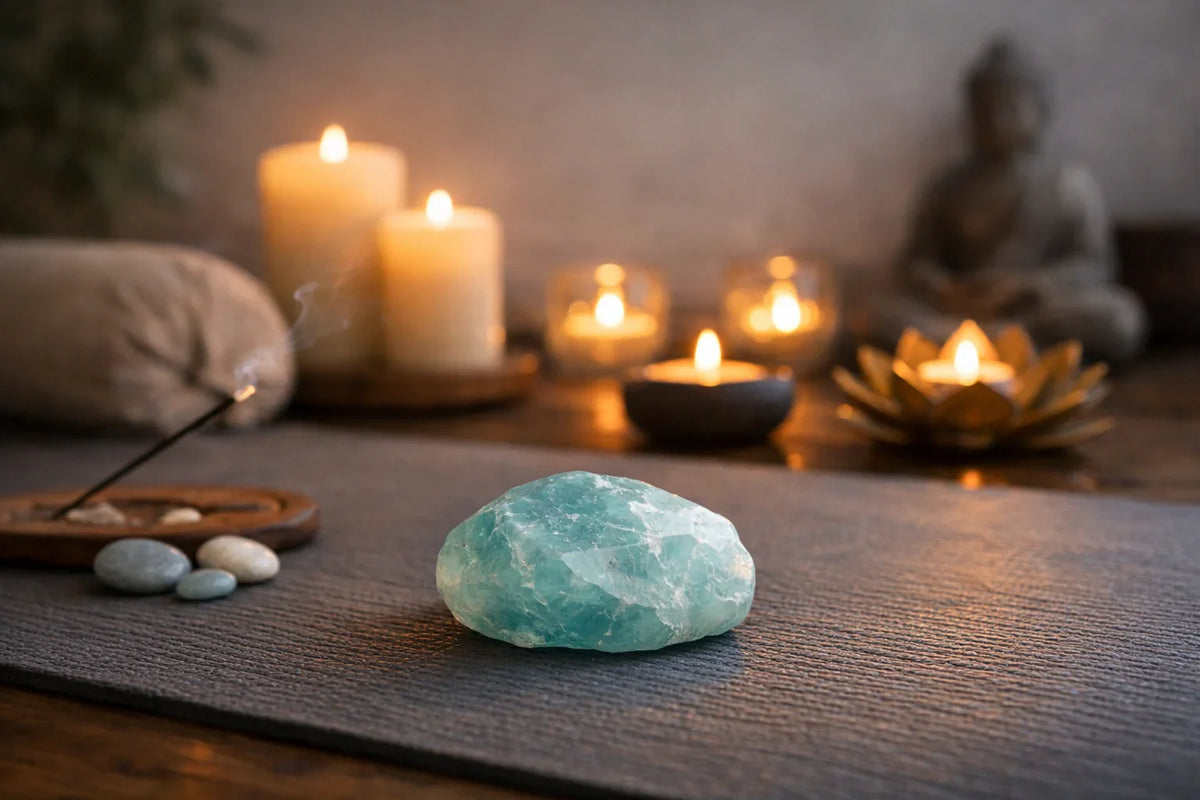
Natural gemstones have always captivated us with their beauty and energy. Among them, Aquamarine stands out with its crystalline blue hue reminiscent of the sea, as well as its many virtues in crys...
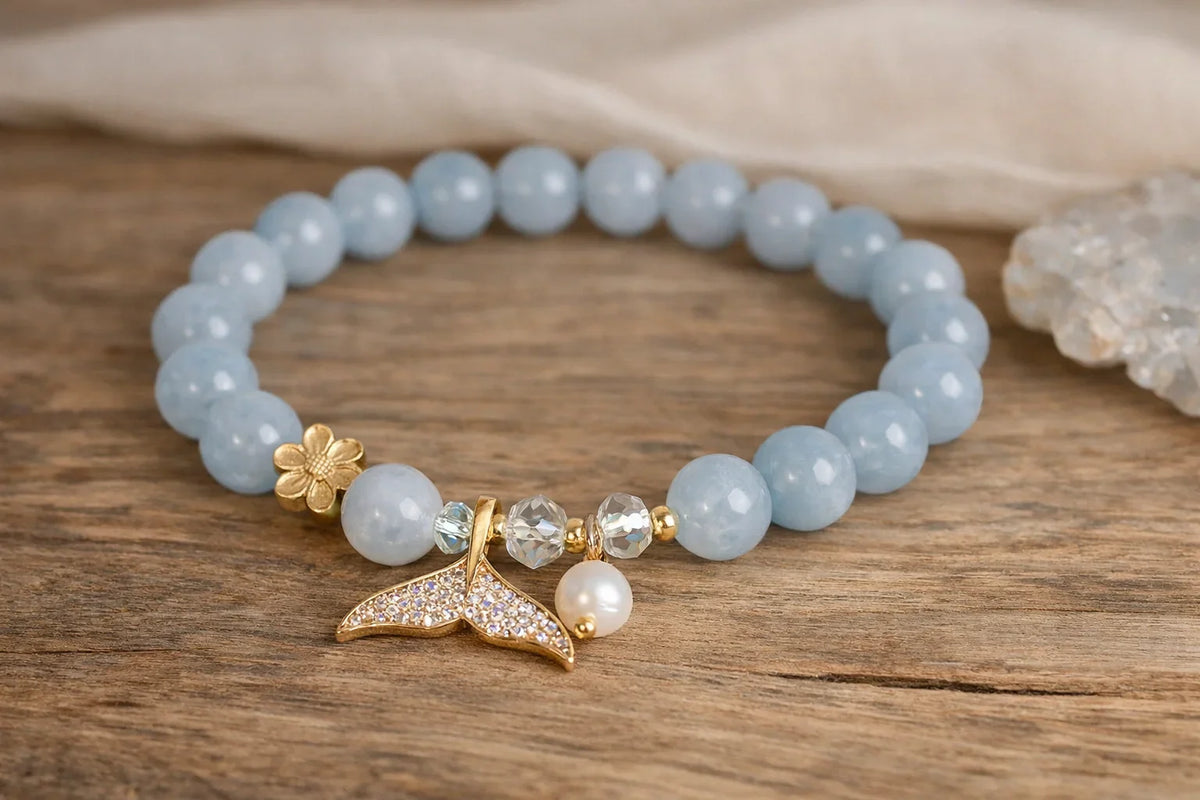
Among all the Healing Crystals used in jewelry, aquamarine holds a unique place. With its light blue hue reminiscent of the sea, it inspires calm, clarity, and elegance. This semi-precious gem, oft...

Perfect for Gifting
Gift meaningful creations that bring joy and harmony.

Secure Payment
Payments are securely processed via Shopify & PayPal.

Money-Back Guarantee
Easy returns within 14 days of receiving your order.
Rated Excellent by our customers on Trustpilot
