







Real vs. Fake Green Aventurine: How to Tell if Your Stone is Genuine
Table of Contents
- Green Aventurine: What Exactly Is It?
- Real vs. Synthetic Aventurine: What Are the Differences?
- How Do Experts Authenticate Aventurine?
- Why Is Authenticity Essential in Crystal Healing?
- What Types of Imitations Are Found on the Market?
- Where to Buy Genuine Green Aventurine with Confidence
- The Authentic Energy of Green Aventurine Jewelry
- Crystal Healing Comparison Table: Properties, Chakras & Care Guide
- Conclusion: Choose Transparency, Choose the Natural
- Frequently Asked Questions: Real vs. Fake Green Aventurine
Natural gemstones are more popular than ever. Cherished for both crystal healing and the creation of fine jewelry and decorative pieces, they captivate through their beauty and revered energies. Among them, green aventurine holds a place of honor. Yet as its popularity continues to soar, an essential question arises: how can you be sure your stone is a genuine aventurine... or merely a synthetic imitation?
This is a vital distinction, especially for those seeking a stone to foster personal growth, attract good fortune, or harmonize their energy. In this guide, we will help you effortlessly distinguish authentic stones from counterfeits. From visual identification and simple at-home tests to expert gemological methods, here is everything you need to make an informed, confident choice in the world of natural gemstones.
Green Aventurine: What Exactly Is It?
Before seeking to identify synthetic stones, it is essential to understand the true nature of genuine aventurine.
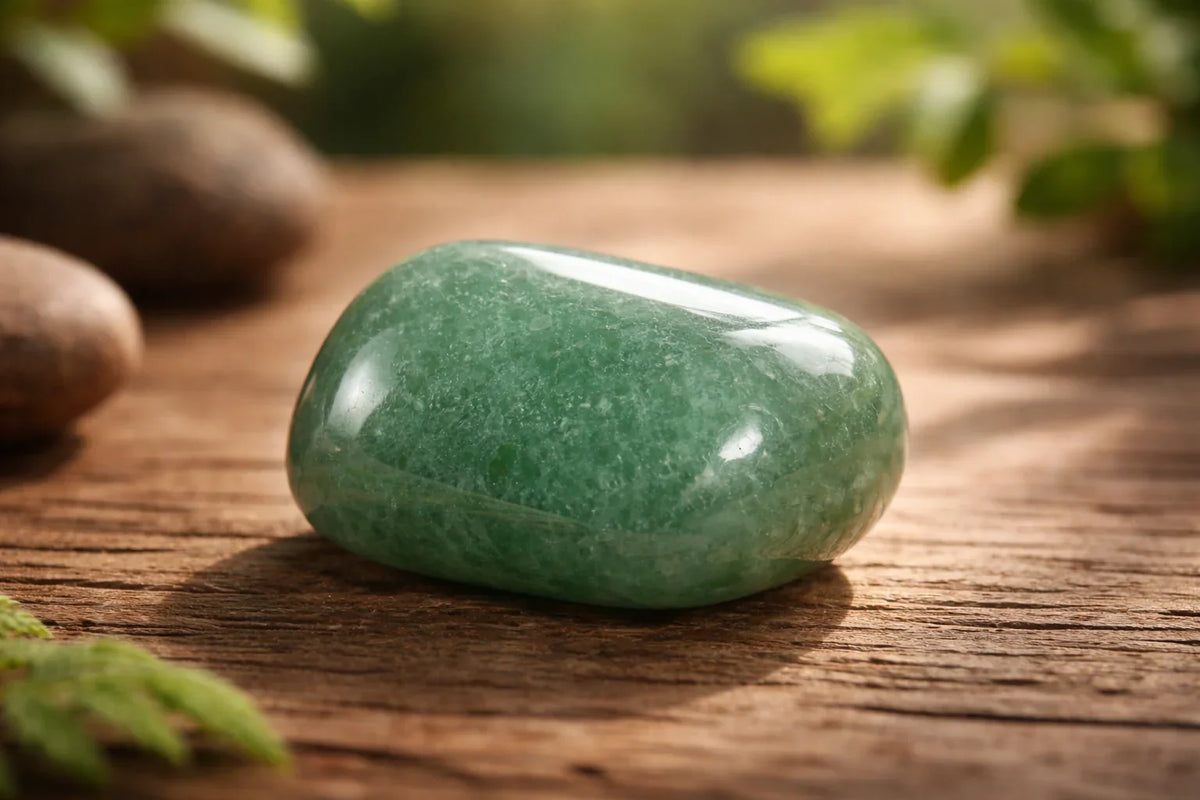
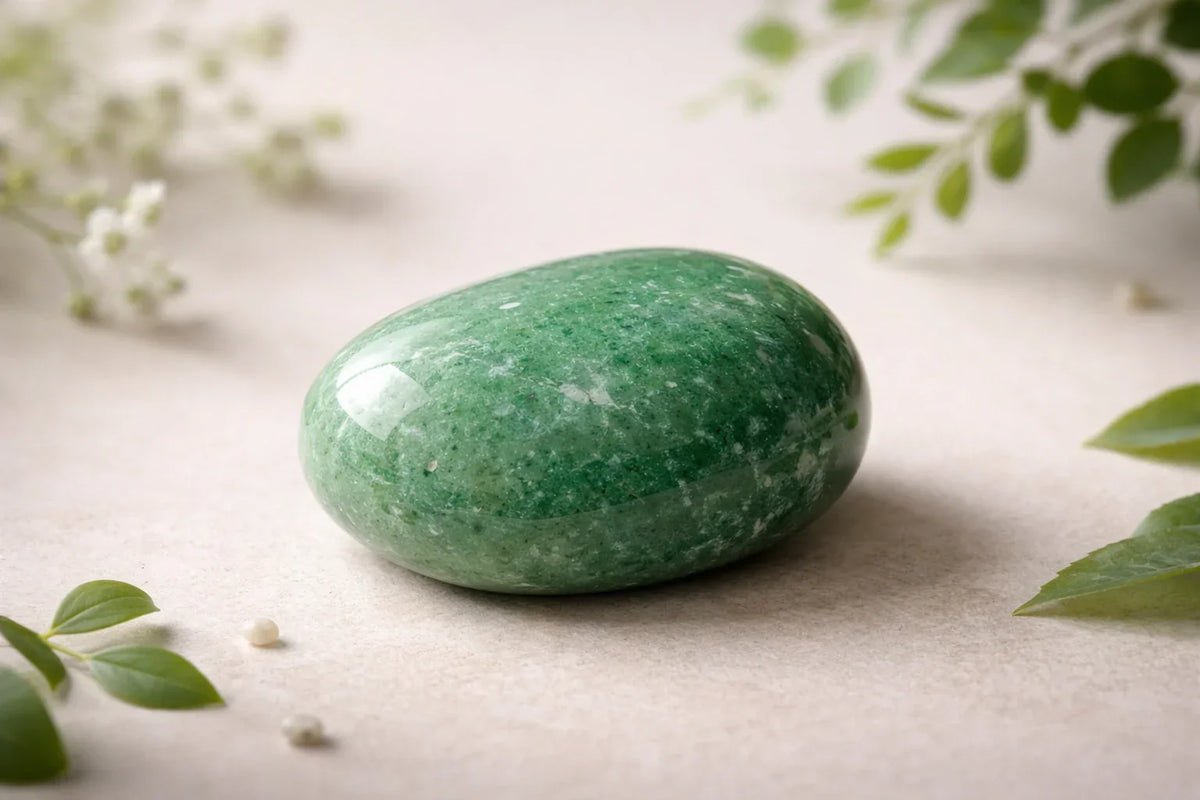
Aventurine is a form of quartz characterized by mineral inclusions that give it a unique, shimmering brilliance. In the case of green aventurine, these inclusions are predominantly fuchsite, a chrome-rich green mica that bestows its signature hue and iridescent sparkle. This shimmering optical effect is known as "aventurescence," which gives the mineral its name.
It forms naturally within deposits located in India, Brazil, Russia, and Tanzania. The intensity of its color varies with the concentration of fuchsite: the denser the inclusions, the richer the green and the more luminous the reflections.
Contrary to common belief, not all green aventurines display a uniform, vibrant emerald tone. Authentic natural gemstones present a rich spectrum of greens—from soft, milky celadon to deep forest hues—often revealing visible natural inclusions to the naked eye.
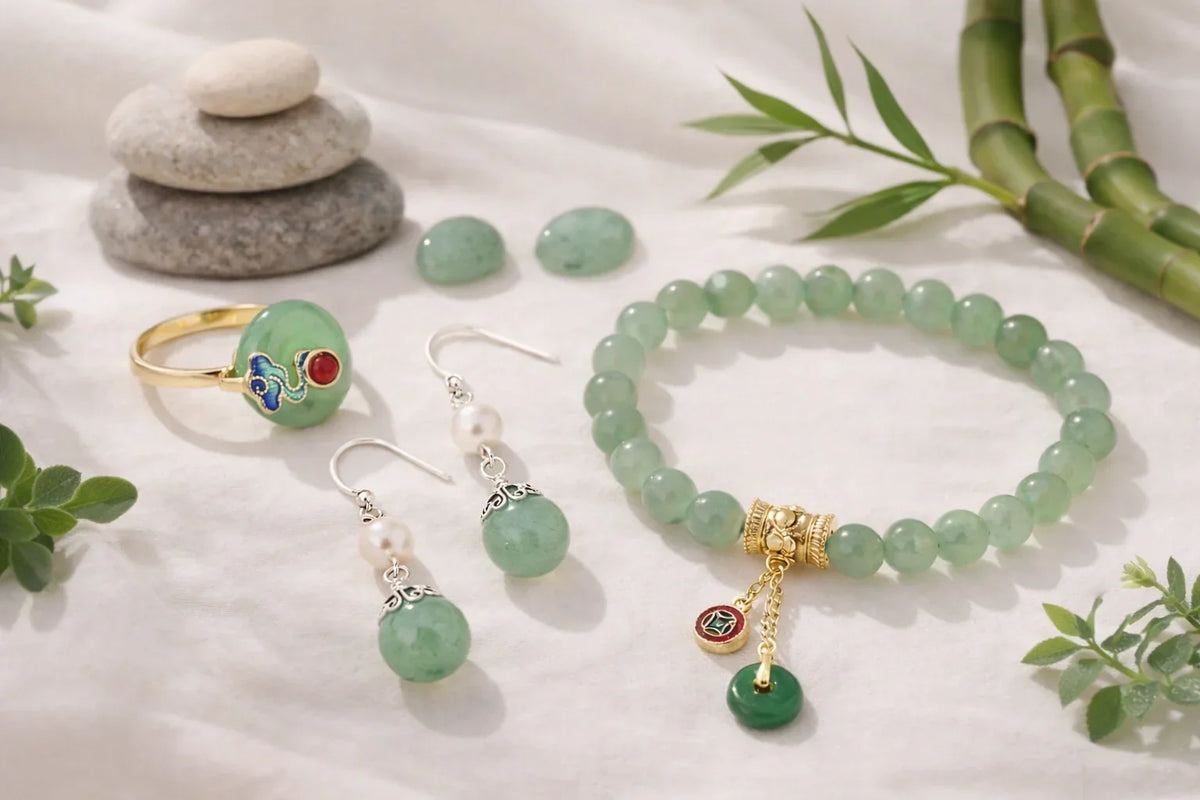
Green aventurine is revered in crystal healing for its soothing, harmonizing energy and its power to attract opportunity and abundance. It is featured extensively in handcrafted bracelets, pendants, tumbled stones, and decorative Tree of Life ornaments.
To learn more about the origins and spiritual power of this stone, explore our guide: Green Aventurine: Stone of Luck and Personal Growth.

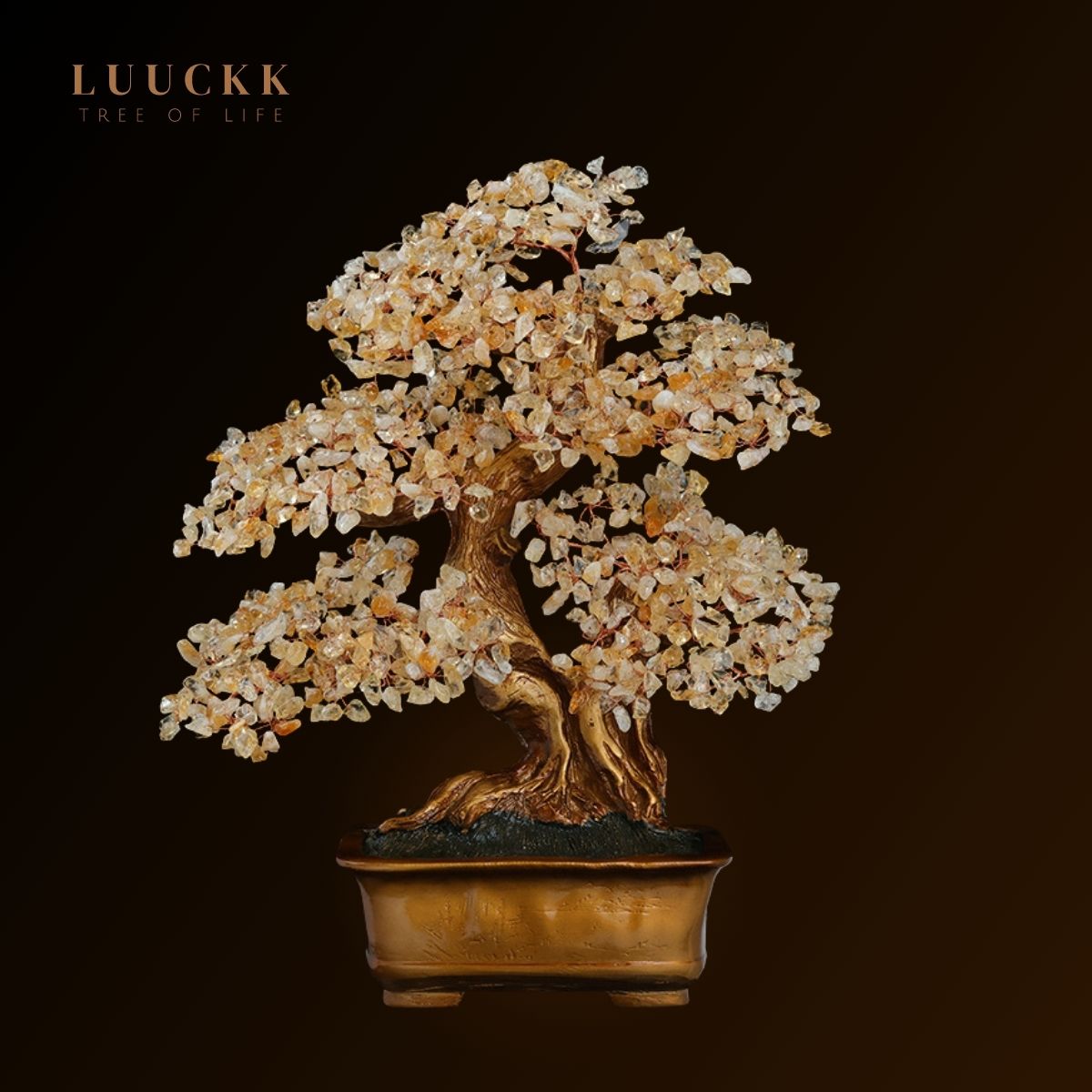
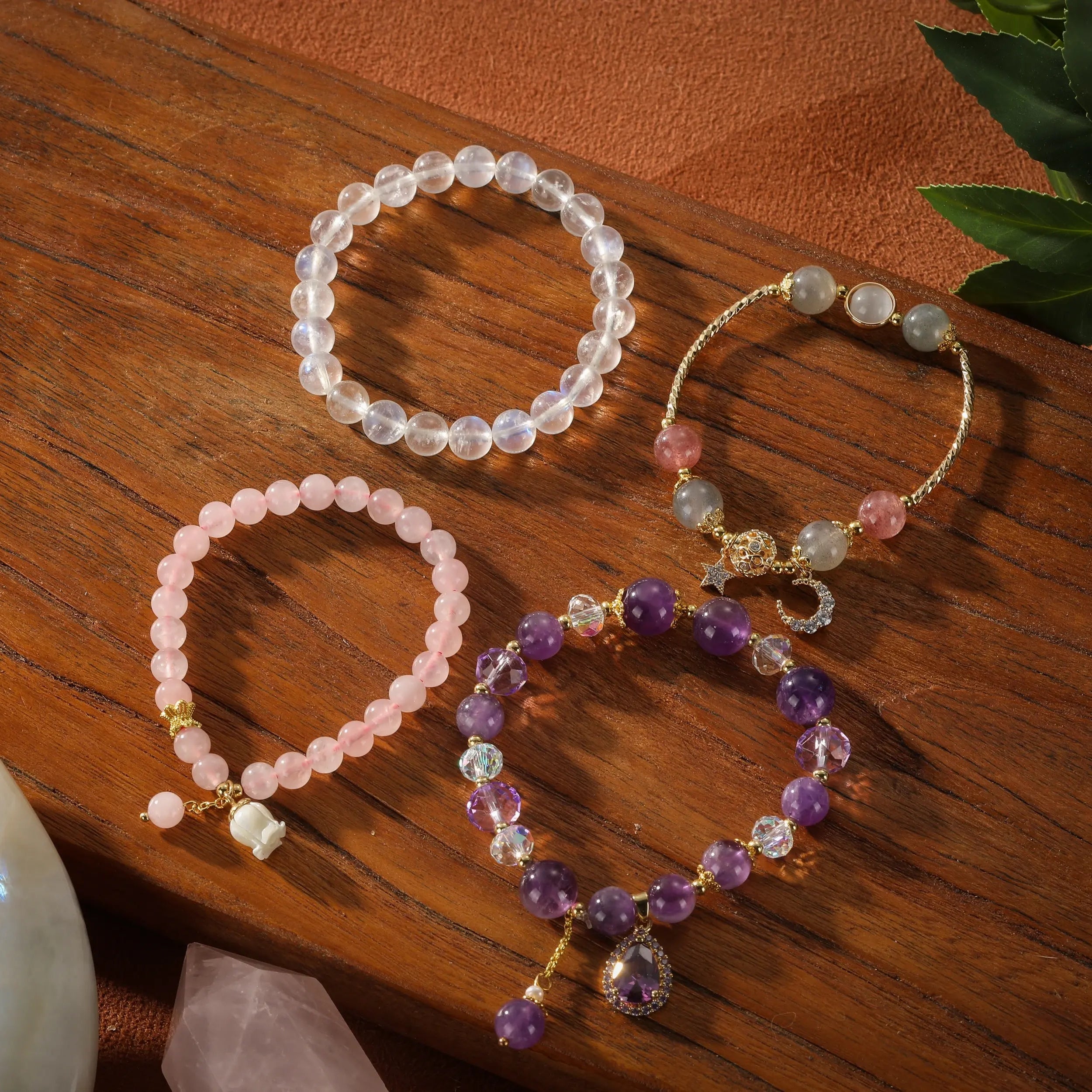
Luuckk Crystal Selection: Real vs. Fake Green Aventurine


Real vs. Synthetic Aventurine: What Are the Differences?
Today's marketplace contains numerous imitations, some of which are remarkably deceptive. Certain replicas are crafted from colored glass, others from resin, while some inferior minerals are artificially dyed to imitate green aventurine. How, then, can you tell a genuine natural gemstone apart from a synthetic copy?
a) Color: A Telling Indicator
A genuine aventurine displays organic variations in tone, even within a single bead or tumbled stone. You will notice gentle color gradients, delicate undertones, and occasional darker mineral clusters. A stone that is unnaturally uniform, exhibiting a flat, fluorescent, or hyper-saturated neon green, should immediately raise suspicion.
Factory-produced synthetic stones typically feature an overly homogenized, artificial color palette. They lack authentic mineral inclusions of fuchsite and cannot replicate the organic shimmering reflections of true aventurescence.
b) Inclusions and Texture
Natural gemstones are graced with natural imperfections—which is precisely what makes them unique. The shimmering flecks of fuchsite, catching the light from within, are hallmarks of authenticity. These inclusions create a subtle, irregular, and elegant play of light.
A stone that looks glassy, mirror-smooth, and entirely devoid of internal texture or inclusions is almost certainly an imitation.
c) Weight and Temperature
A simple sensory test: hold the stone in your palm. A natural aventurine feels distinctly cool to the touch and possesses a substantial, reassuring density compared to lightweight plastic or resin counterfeits. If the piece warms up almost instantaneously in your hand and feels feather-light, it is synthetic.
d) At-Home Tests
Practical checks you can perform at home to evaluate authenticity:
- Hardness Test: Natural aventurine rates between 6.5 and 7 on the Mohs hardness scale. It can easily scratch common glass, whereas plastic or resin will be easily scratched itself.
- Light Inspection: Examine your stone under natural sunlight. True aventurescent shimmer emanates from deep within the crystal matrix, rather than sitting on a painted exterior surface.
- Translucency Test: Green aventurine is subtly translucent to opaque; it should never be crystal-clear or completely transparent like colored glass.
While these tests offer valuable initial guidance, they do not replace formal gemological evaluation when absolute certainty is required.
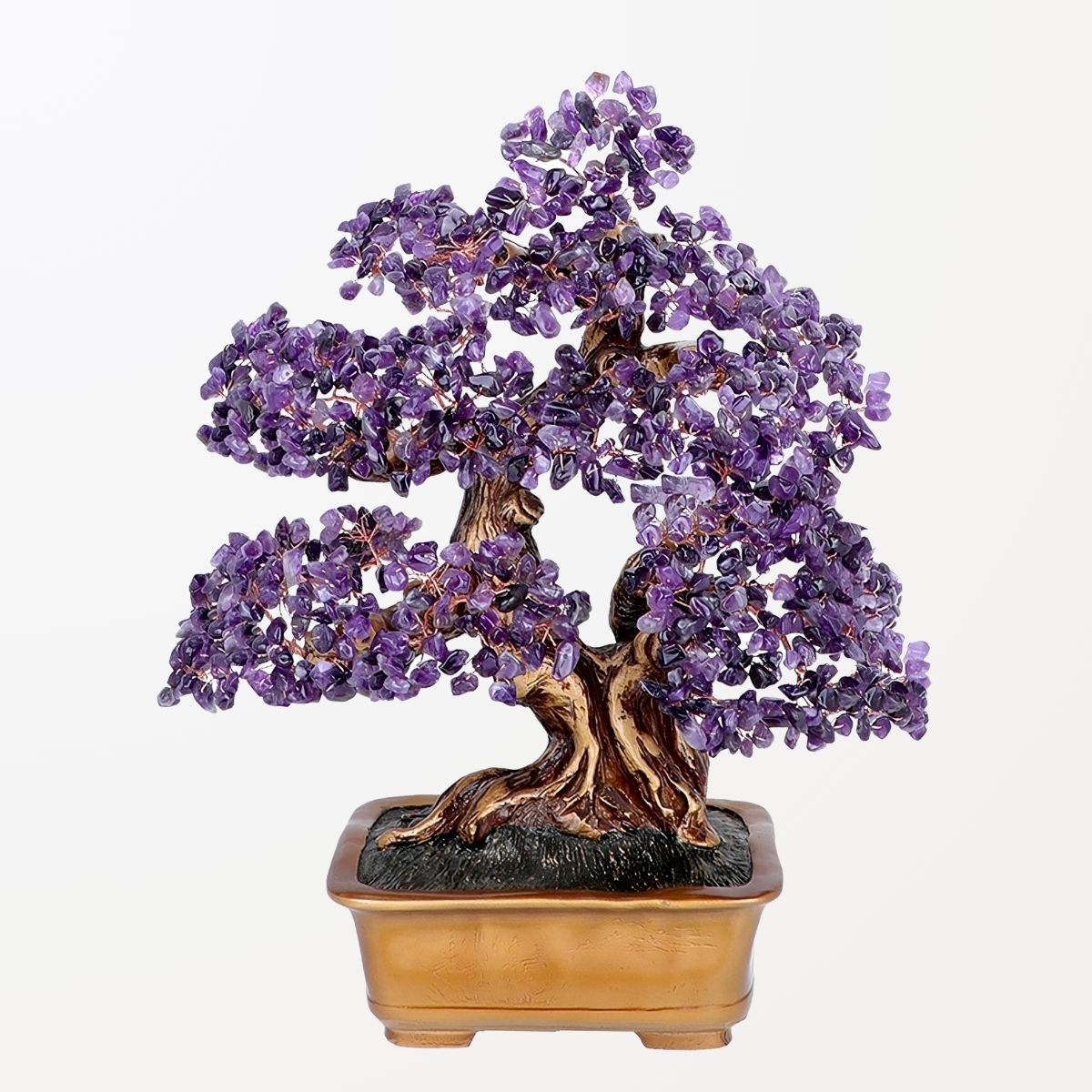
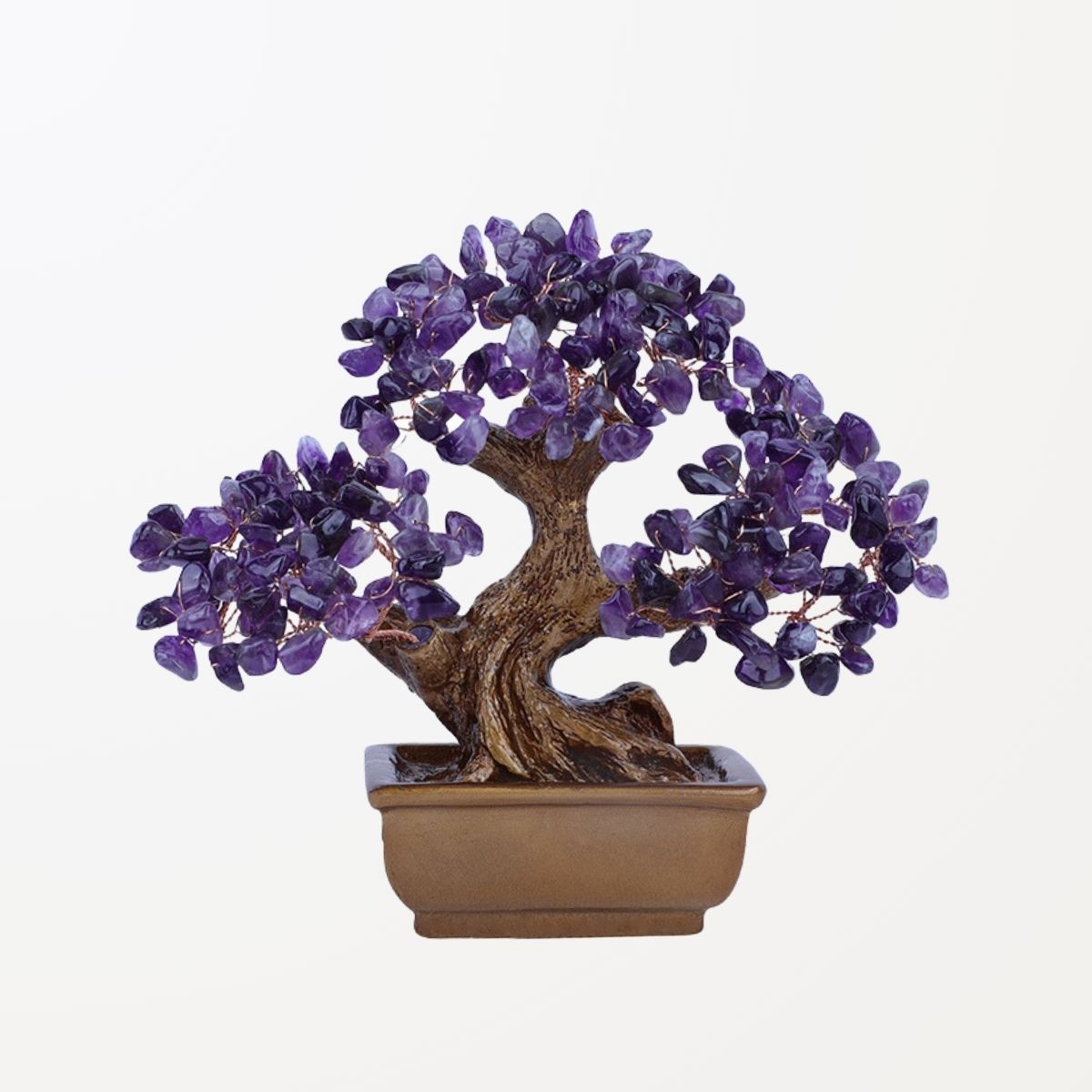
Handcrafted Healing Crystal Creations & Tree of Life Collection


How Do Experts Authenticate Aventurine?
For definitive certification, gemologists employ advanced laboratory instruments. Standard methods include:
- Microscopic Examination: Reveals authentic mica platelet structures, air bubbles (telltale signs of glass), or dye concentrations along microscopic fractures.
- Polariscopic Analysis: Tests the optical properties and birefringence characteristic of natural crystalline quartz.
- Refractometry: Measures the precise refractive index of the specimen, identifying mineral composition with scientific precision.
- Spectroscopy: Analyzes light absorption and chemical composition to confirm mineral identity.
While laboratory verification is comprehensive, your best safeguard is always choosing an established, transparent jeweler that explicitly guarantees the natural origin and authenticity of their gemstones.

Why Is Authenticity Essential in Crystal Healing?
One might think a green glass bracelet looks just as pretty. But if you value crystal healing, authenticity is of paramount importance.
Natural gemstones carry specific crystalline vibrational frequencies formed over millions of years, interacting harmoniously with our own energy fields. A genuine aventurine is celebrated for its ability to:
- Attract good fortune and prosperity
- Support personal growth and decisive confidence
- Soothe stress and restore emotional equilibrium
- Stimulate and unblock the heart chakra
These therapeutic qualities stem from the atomic structure and geological birth of natural quartz. An imitation made of glass or polymer resin, however visually pleasing, carries no metaphysical or energetic resonance.
To delve deeper into its energetic qualities, explore our dedicated article: Benefits and Healing Properties of Green Aventurine.
What Types of Imitations Are Found on the Market?
Fake aventurines often emerge from industrial manufacturing processes. The most prevalent varieties include:
a) Dyed Glass
Colored glass is the most widespread imitation. It is distinguished by its glassy smoothness and homogeneous color. Under magnification, tiny spherical gas bubbles are often visible within the material.
b) Resin and Plastic
While less common than glass, resin is an artificial polymer that can mimic Crystal from a distance if molded carefully. However, it feels warm almost instantly, lacks natural heft, and scratches with minimal pressure.
c) Dyed Inexpensive Stones
Lower-grade minerals like porous white quartz or calcite are frequently dyed green to simulate natural aventurine. A key telltale sign: color concentration along fine surface fissures, as well as dyes that bleed or fade with daily wear and exposure to water.
Exercising discerning vigilance and selecting reputable jewelers is vital to protecting your investment.

Where to Buy Genuine Green Aventurine with Confidence
To ensure genuine quality, always purchase from a maison specializing in natural gemstones that provides full transparency and authenticity guarantees.
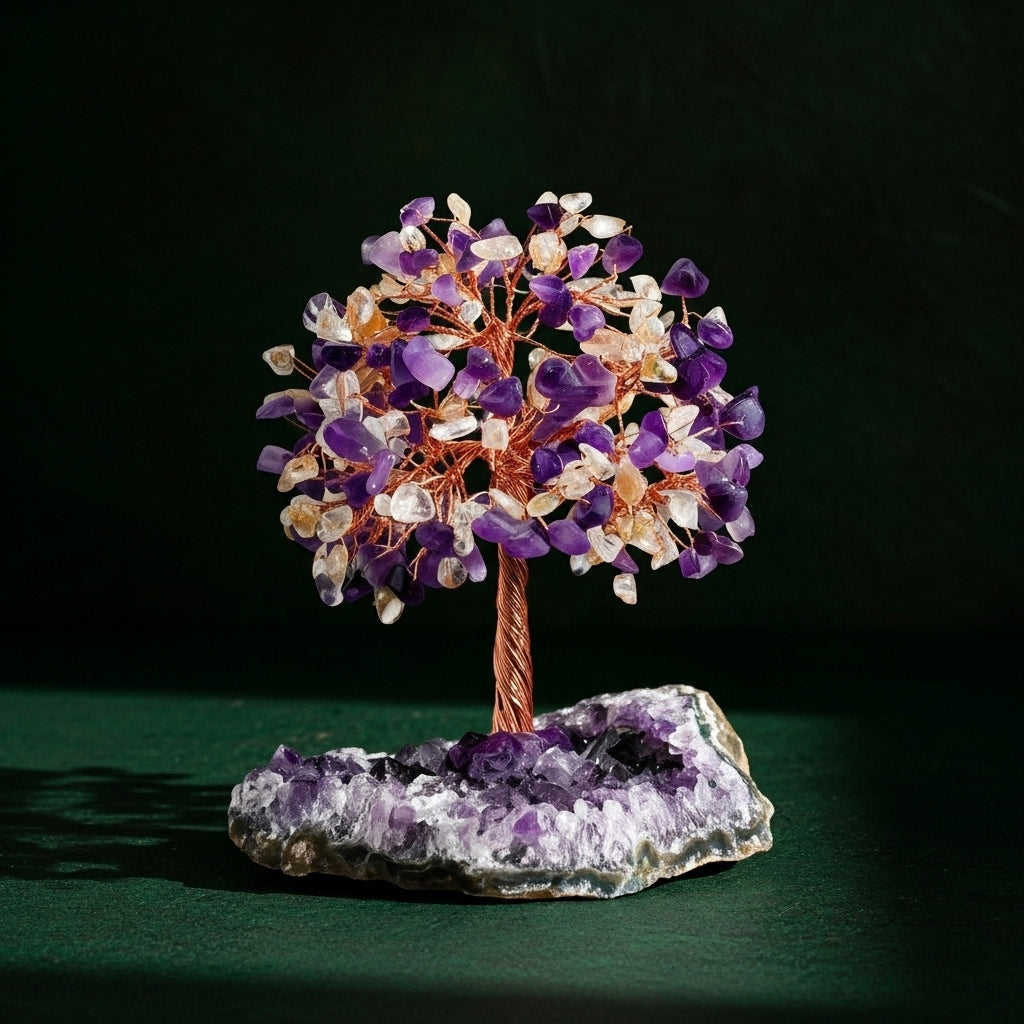
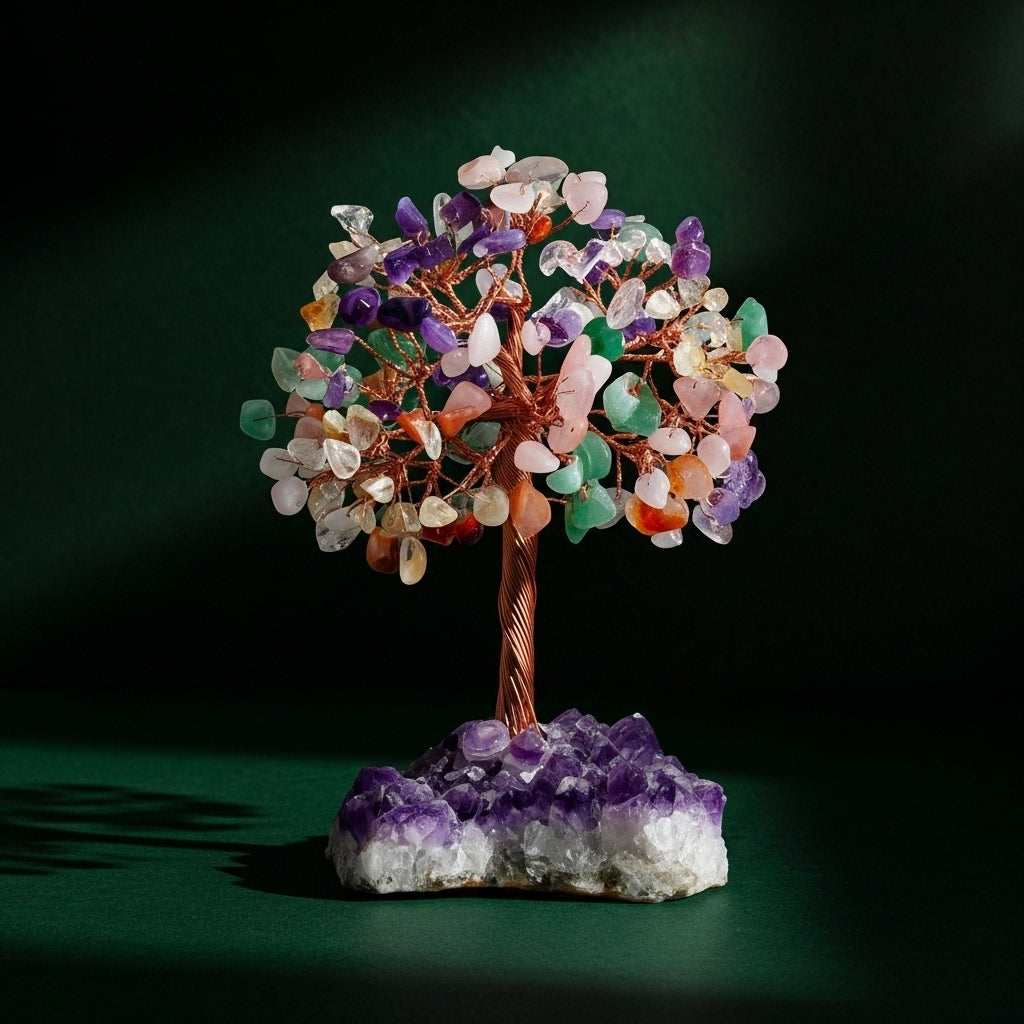
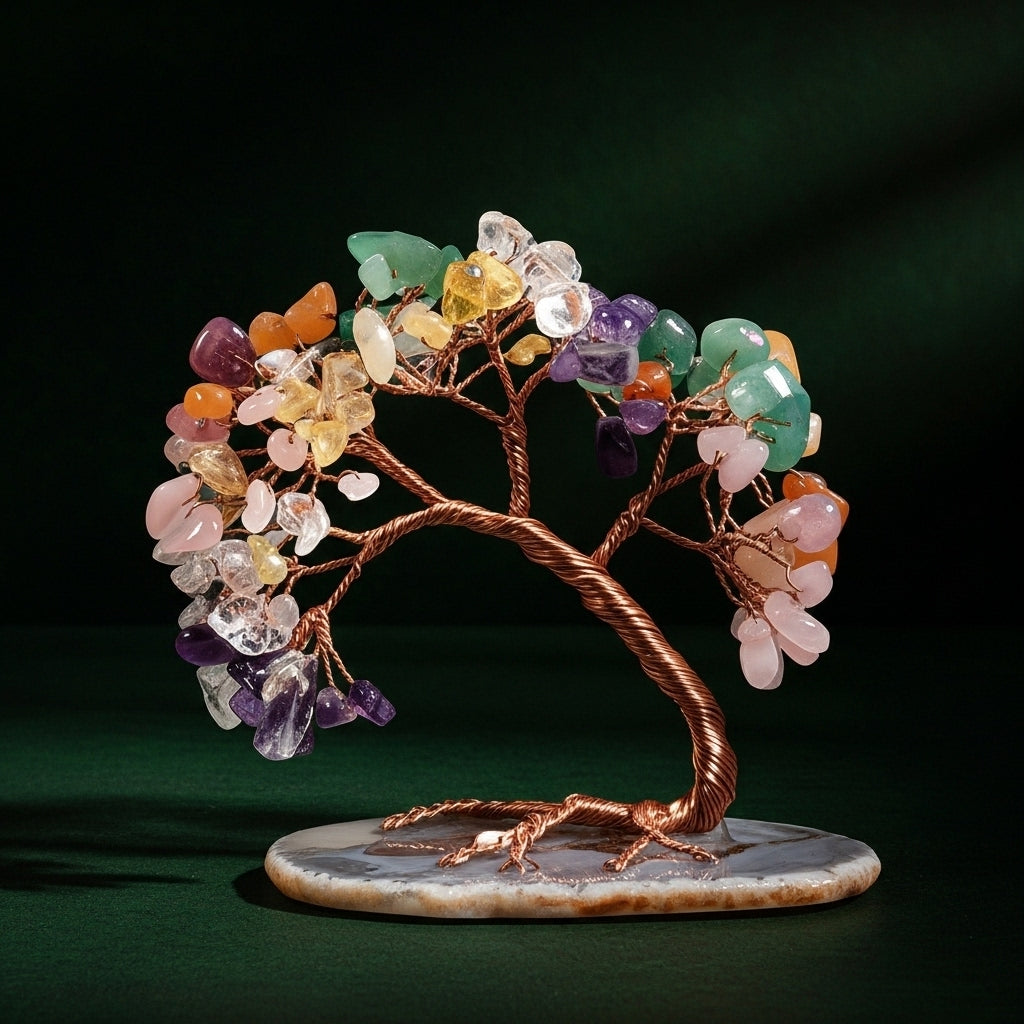
At Luuckk, every gemstone is selected according to uncompromising standards of geological provenance, aesthetic grade, and energetic purity. Whether handcrafted into fine jewelry or exquisite Tree of Life crystal trees, our creations honor the innate vitality and raw elegance of nature.
Explore our authentic artisanal designs in our featured collections:
The Authentic Energy of Green Aventurine Jewelry
Adorning yourself with genuine green aventurine jewelry transcends conventional accessorizing. Beyond aesthetic refinement, it establishes a deep energetic bond between you and the Earth.
A necklace, bracelet, or Tree of Life made with natural gemstones works continuously with your subtle energy field, supporting serenity, grounded intuition, and everyday inner balance.
For more insights on pairing style with crystal intentions, read our editorial: Green Aventurine Jewelry: Elegance and Energy.
Crystal Healing Comparison Table: Properties, Chakras & Care Guide
This comparison chart summarizes the key crystal properties, Mohs hardness ratings, chakra alignments, and cleansing rituals recommended by Lina.
Crystal Family & Intention | Chakra Alignment & Mohs Hardness | Cleansing, Charging & Feng Shui Placement |
Love, Compassion & Emotional Harmony | Heart Chakra (Anahata) — Mohs hardness 6 to 7/10; nurtures inner peace and emotional balance. | Place in the Southwest Bagua sector or bedroom; cleanse with white sage smudge and recharge under full moonlight. |
Grounding, Shielding & Confidence | Root & Solar Plexus Chakras — Mohs hardness 7/10; anchors energy and wards off negativity. | Position near the front entryway or workspace; smudge weekly with Palo Santo and recharge on a Clear Quartz cluster. |
Abundance, Clarity & 7-Chakra Balance | Crown, Third Eye & Full 7 Chakras — Mohs hardness 7/10; elevates focus and spiritual vitality. | Ideal for the living room or meditation corner (Southeast wealth sector); recharge on an Amethyst geode or Selenite plate. |
Conclusion: Choose Transparency, Choose the Natural
Green aventurine is a wondrous mineral, celebrated both for its benevolent metaphysical qualities and its distinctive glistening beauty. However, unlocking its true essence requires possessing a genuine gemstone, free from synthetic compromise.
By learning to inspect internal inclusions, performing straightforward authenticity checks, and acquiring your treasures from trusted artisans, you ensure that you receive the pure vibrational benefits of crystal healing.
If you already hold an aventurine piece in your collection, why not rediscover it today through a discerning new lens?
To expand your crystal journey, explore:
- Green Aventurine: Stone of Luck and Personal Growth
- Benefits and Healing Properties of Green Aventurine
- Green Aventurine Jewelry: Elegance and Energy
Daily Energy, Protection & Harmony: Lina’s Favorites


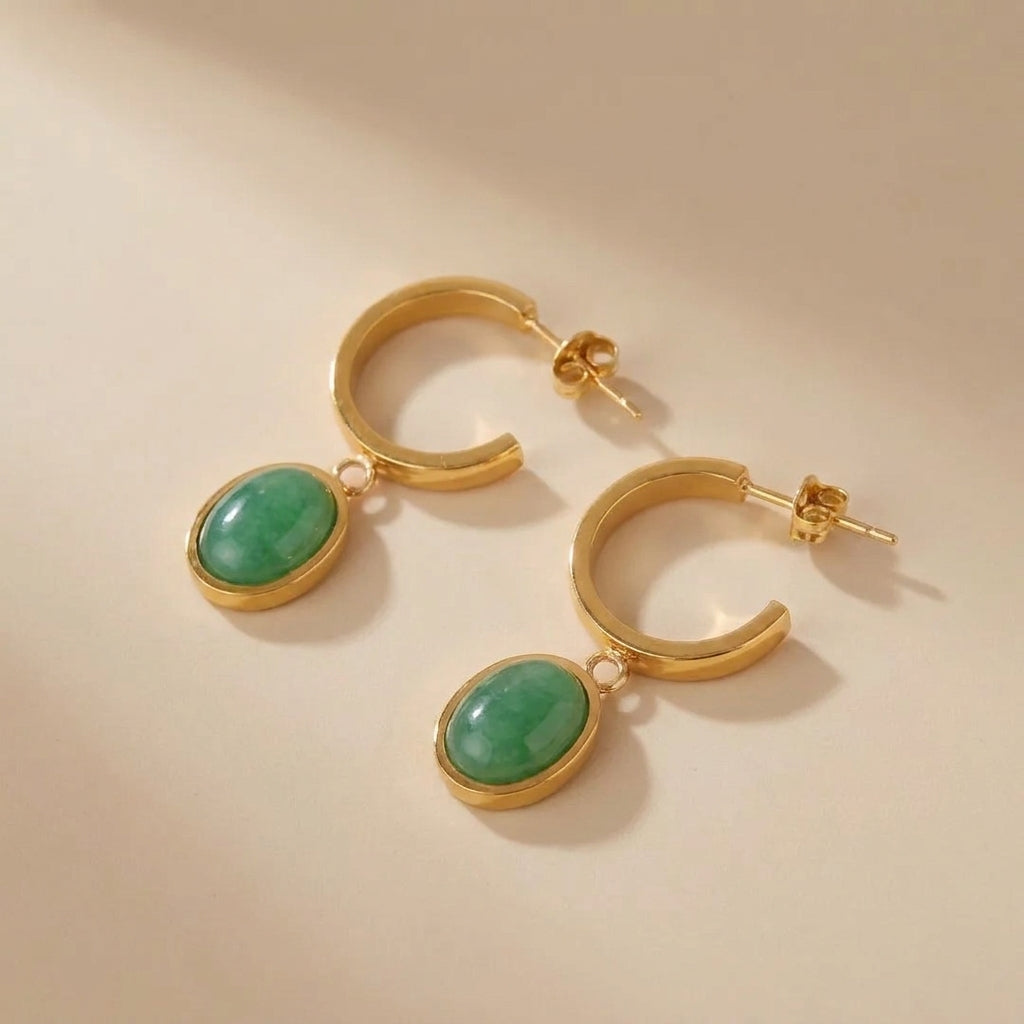
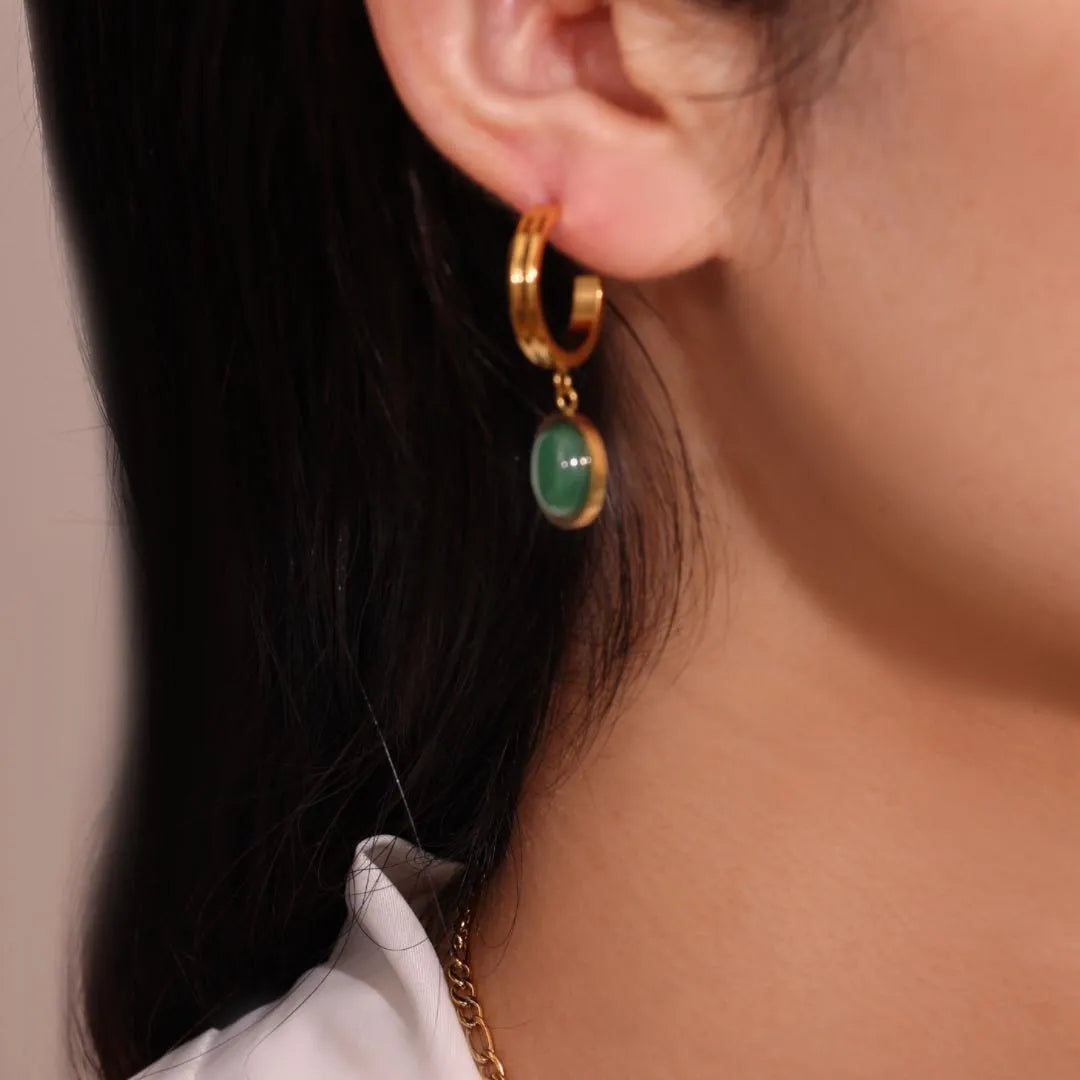
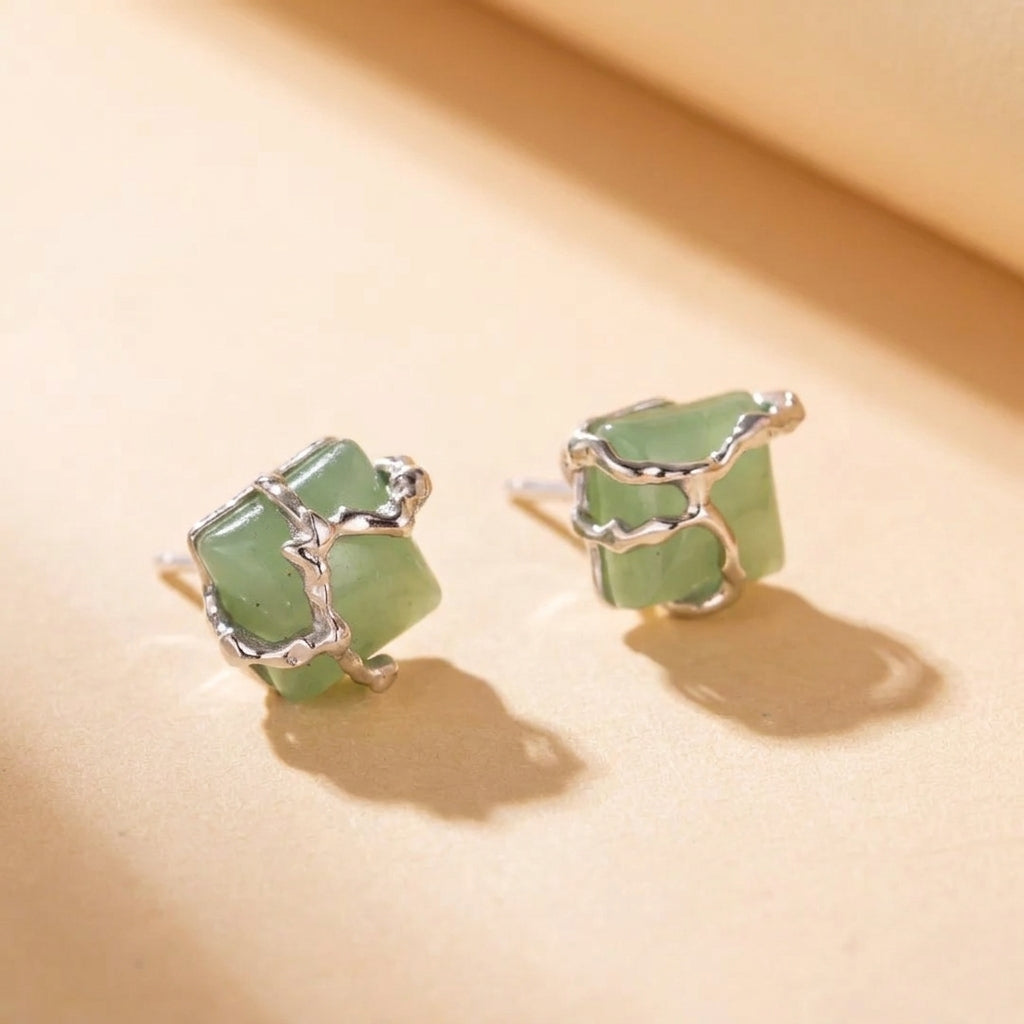


Explore our handcrafted crystal collections: Tree of Life Crystal Collection, Healing Crystal Jewelry, and Natural Crystal Bracelets. Read our related crystal guides: Significance And Benefits Of The Tree Of Life, The Tree Of Life In Natural Stone The Perfect Gift For Every Occasion, and Which Natural Stone To Choose For Your Tree Of Life.
Frequently Asked Questions: Real vs. Fake Green Aventurine
How can I tell if the healing crystals in Real vs. Fake Green Aventurine are 100% genuine?
Genuine healing crystals stay naturally cool to the touch, exhibit subtle internal mineral inclusions, and match their gemological Mohs hardness (7/10 for quartz varieties like amethyst, rose quartz, and citrine), unlike dyed glass or synthetic resins.
Where should I place a crystal Tree of Life or wear crystal jewelry for the best energy?
In Feng Shui, place your crystal Tree of Life at eye level in the room aligned with your intention: the bedroom (Southwest) with Rose Quartz for love, the entryway with Tiger’s Eye for protection, or the living room with Citrine and 7-Chakra crystals for abundance.
How do I safely cleanse and recharge my healing crystals without damaging them?
Smoke cleansing with white sage or Palo Santo for two minutes is the safest universal method, especially for softer or porous crystals like Selenite, Malachite, and Lapis Lazuli. Recharge your crystals overnight under moonlight or on an Amethyst geode.
Can I combine multiple healing crystals together in the same space or on my wrist?
Yes—crystals that share complementary chakra frequencies harmonize effortlessly. Clear Quartz amplifies all surrounding crystals, while Rose Quartz and Amethyst pair beautifully for emotional calm and restful sleep.
How often should I cleanse my Luuckk crystal jewelry or Tree of Life?
We recommend a gentle energetic smudging every two weeks for decorative crystal trees and once a week for crystal bracelets, rings, or necklaces worn directly against the skin.
Read more
In recent years, fascination with natural gemstones has reached unprecedented heights. Whether cherished for their raw beauty, rich symbolism, or roles in holistic crystal healing, crystals occupy ...
Jewelry is no longer just a simple fashion accessory. Today, it embodies personal values, tells stories, and, in many cases, brings well-being and equilibrium. That is precisely the promise of gree...

Perfect for Gifting
Gift meaningful creations that bring joy and harmony.

Secure Payment
Payments are securely processed via Shopify & PayPal.

Money-Back Guarantee
Easy returns within 14 days of receiving your order.
Rated Excellent by our customers on Trustpilot
