


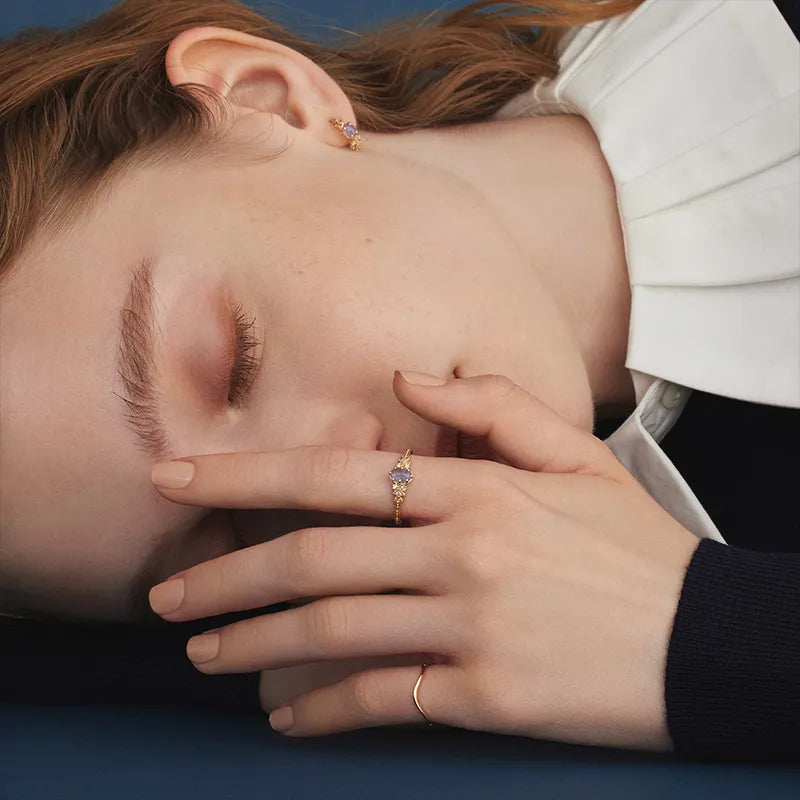






Real Rose Quartz or Fake Stone: Signs to Identify Authenticity
Table of Contents
- Why Is Rose Quartz So Frequently Imitated?
- What Does Genuine Rose Quartz Look Like?
- How to Identify Authentic Natural Rose Quartz?
- Real Rose Quartz vs. Fake Stone: Comparison Table
- Rose Quartz and Crystal Healing: Why Authenticity Matters
- How to Recognize Authentic Rose Quartz Jewelry?
- Can You Test Rose Quartz at Home?
- Where to Buy Genuine Rose Quartz?
- Crystal Healing Comparison Table: Properties, Chakras & Care Guide
- Conclusion: Real Rose Quartz Is Recognized in the Details
- Frequently Asked Questions: Real Rose Quartz or Fake Stone
Rose quartz is one of the most cherished Healing Crystals in the world of jewelry, home decor, and crystal healing. With its tender hue, delicate allure, and timeless symbolic association with love, it effortlessly captures hearts. Yet, this immense popularity comes with a drawback: imitations have become increasingly widespread.
Have you purchased a bracelet, pendant, tumbled stone, or rose quartz tree of life and found yourself wondering whether it is truly a natural rose quartz stone? You are certainly not alone. Today, discerning collectors and lovers of fine gems want to know how to identify authentic natural rose quartz before buying or after receiving their order.
In this guide, we explore simple, tangible, and practical methods to distinguish genuine rose quartz from a fake stone. You do not need to be a certified gemologist to spot the right details. All it takes is a keen eye, good natural light, and an appreciation for nature's authentic craftsmanship.
To delve deeper into the gentle world of this symbolic mineral, you can also explore our complete feature: Rose Quartz: Stone of Love and Gentleness.
Why Is Rose Quartz So Frequently Imitated?
Rose quartz is a highly sought-after stone. It is featured in luxury bracelets, necklaces, pendants, rings, tumbled stones, palm stones, spheres, Tree of Life sculptures, and artistic home accents. Its soft pink tint instantly evokes harmony, warmth, and unconditional love.
When a gemstone experiences such sustained popularity, the market naturally expands—sometimes compromising on integrity. As a result, synthetic substitutes and treated materials are frequently marketed as authentic Healing Crystals.
The Most Common Imitations
Counterfeit stones can be manufactured from a variety of artificial materials:
- Pink-tinted glass;
- Colored resin;
- Plastic;
- Artificially dyed white stone or quartz;
- Low-grade quartz chemically treated or dyed to enhance its color;
- Synthetic ceramic beads mimicking the look of rose quartz.
Some imitations are effortless to detect, particularly those with an obvious plastic sheen or an overly vibrant tone. Others are subtle and misleading, particularly in online photographs. This is why careful visual inspection is essential.
Rose quartz also holds a prominent position in holistic practices. To explore this dimension further, read: Why Is Rose Quartz an Essential Stone in Crystal Healing?.
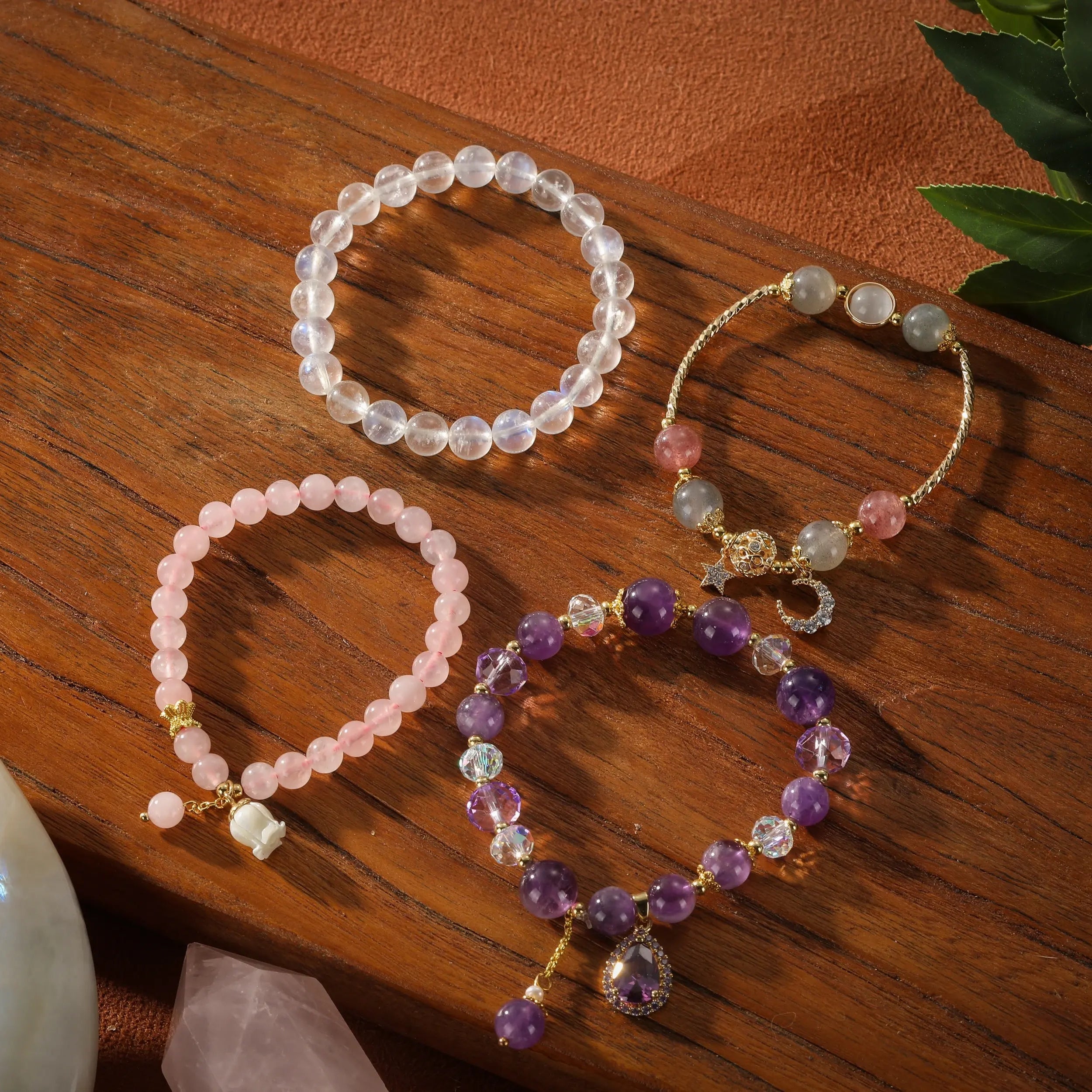
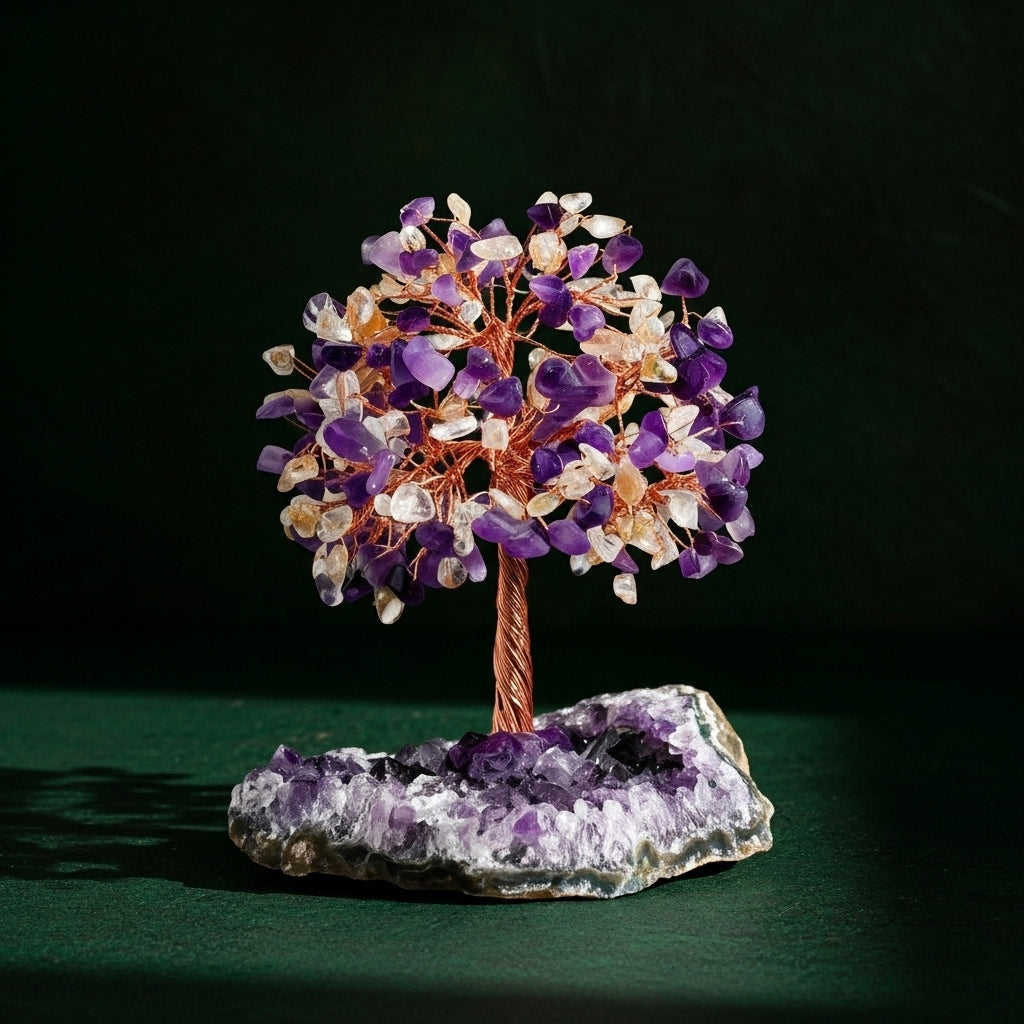
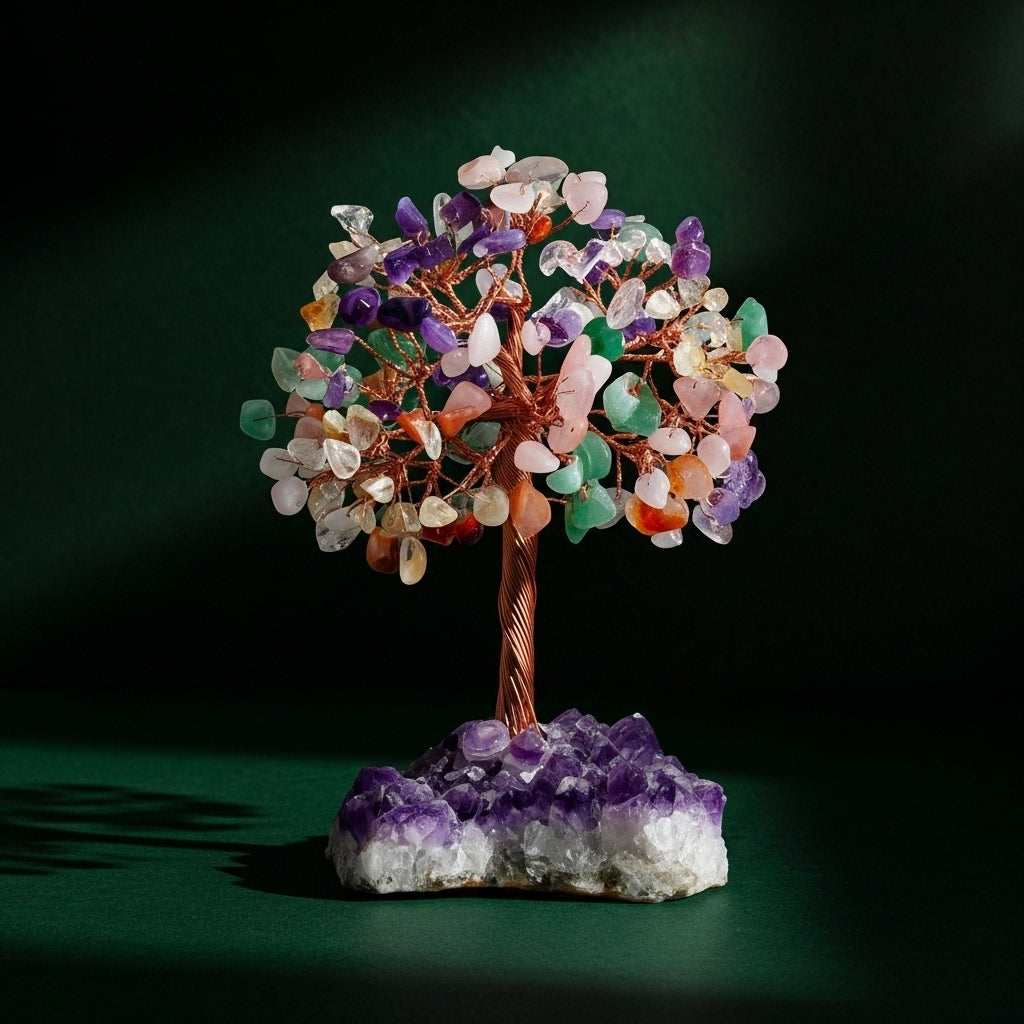
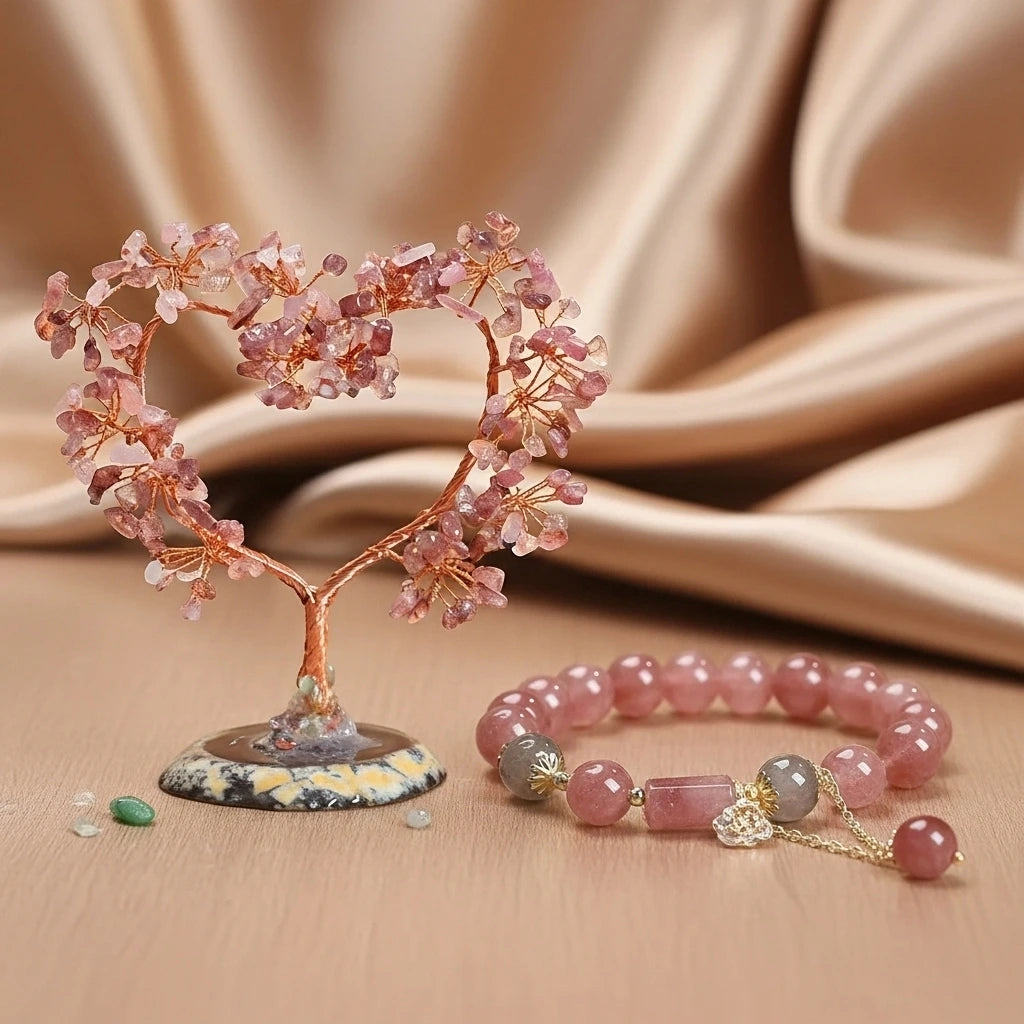
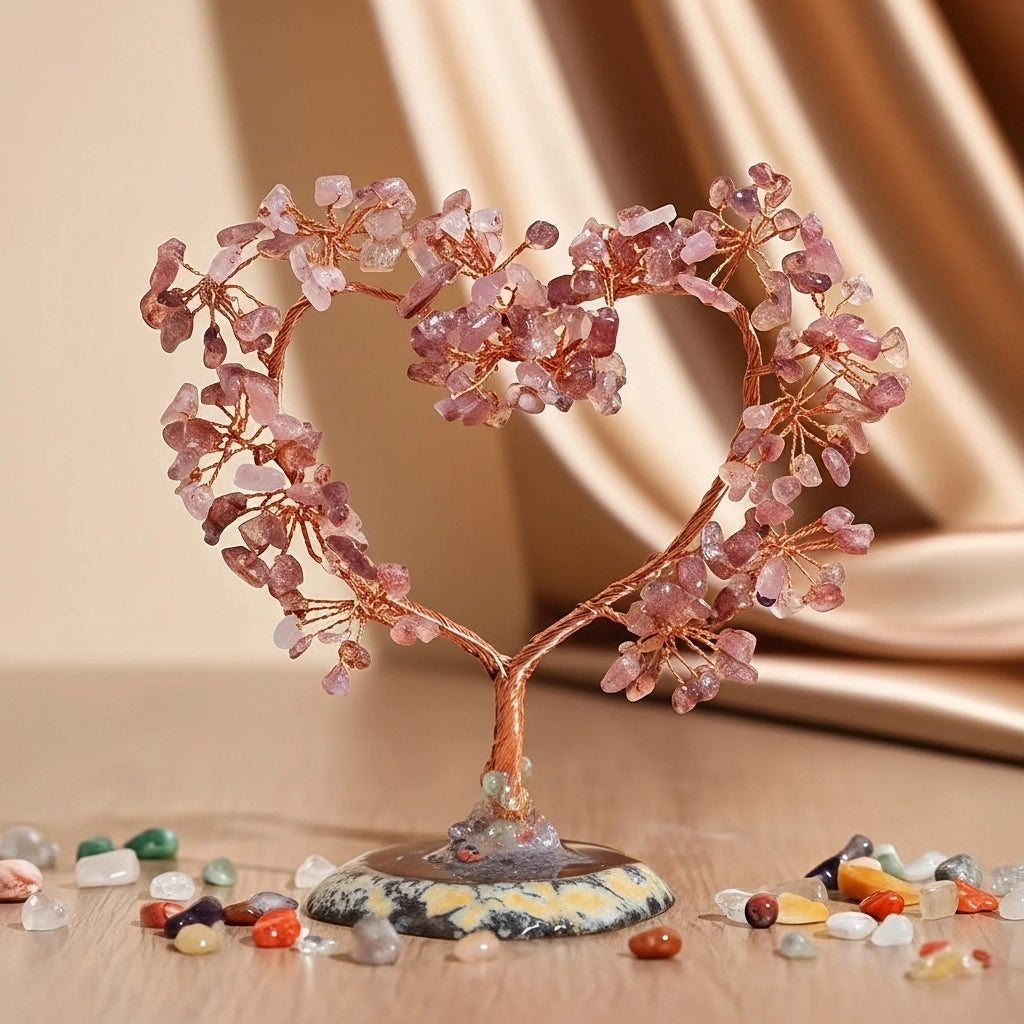
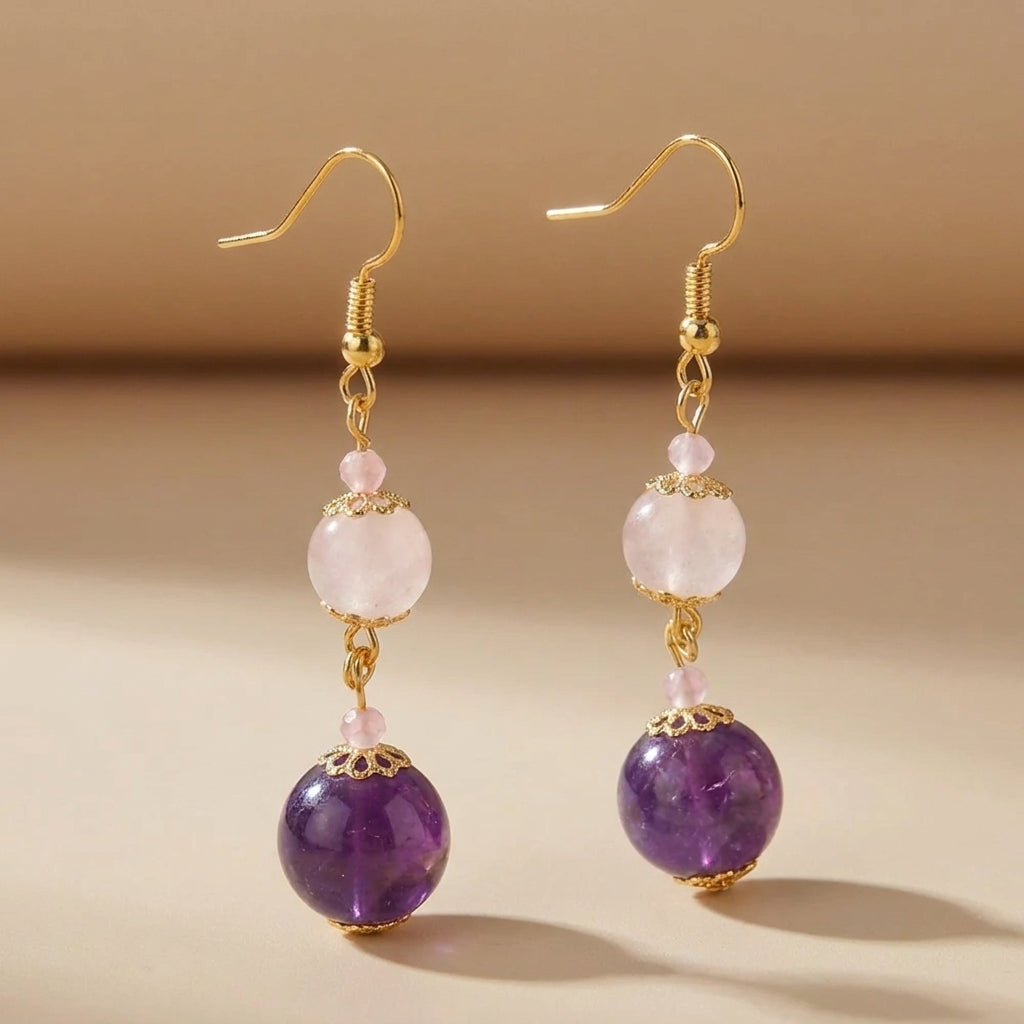
Luuckk Crystal Selection: Real Rose Quartz or Fake Stone




What Does Genuine Rose Quartz Look Like?
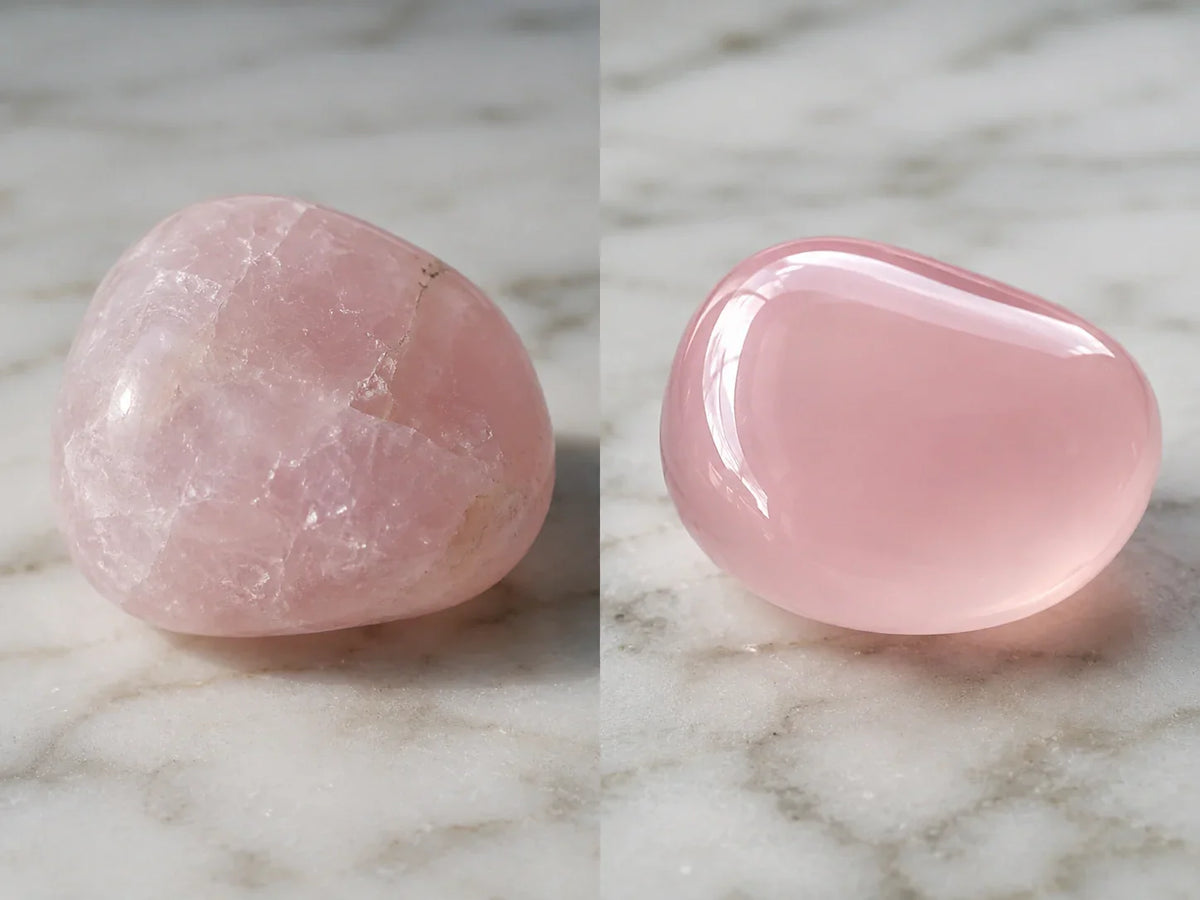
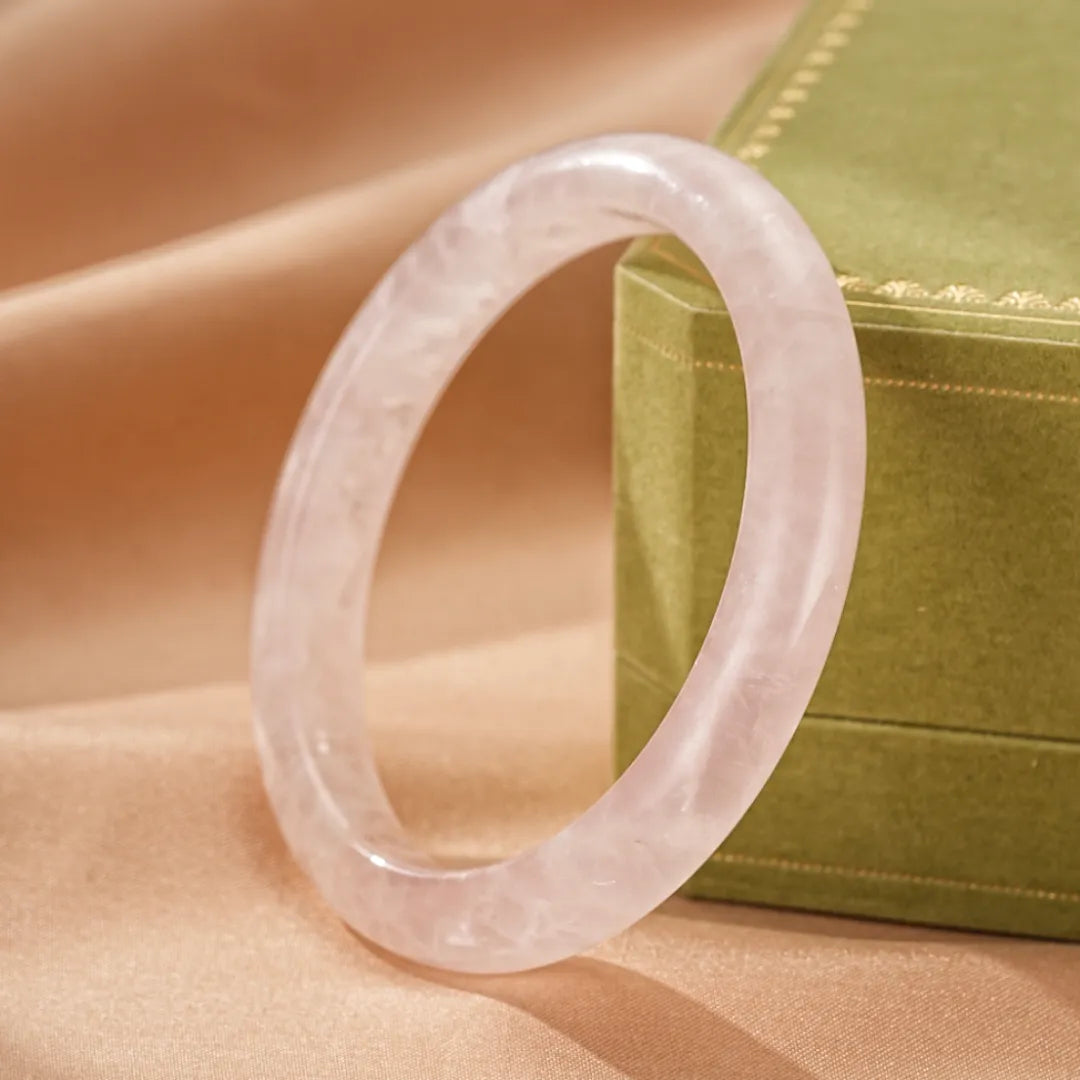
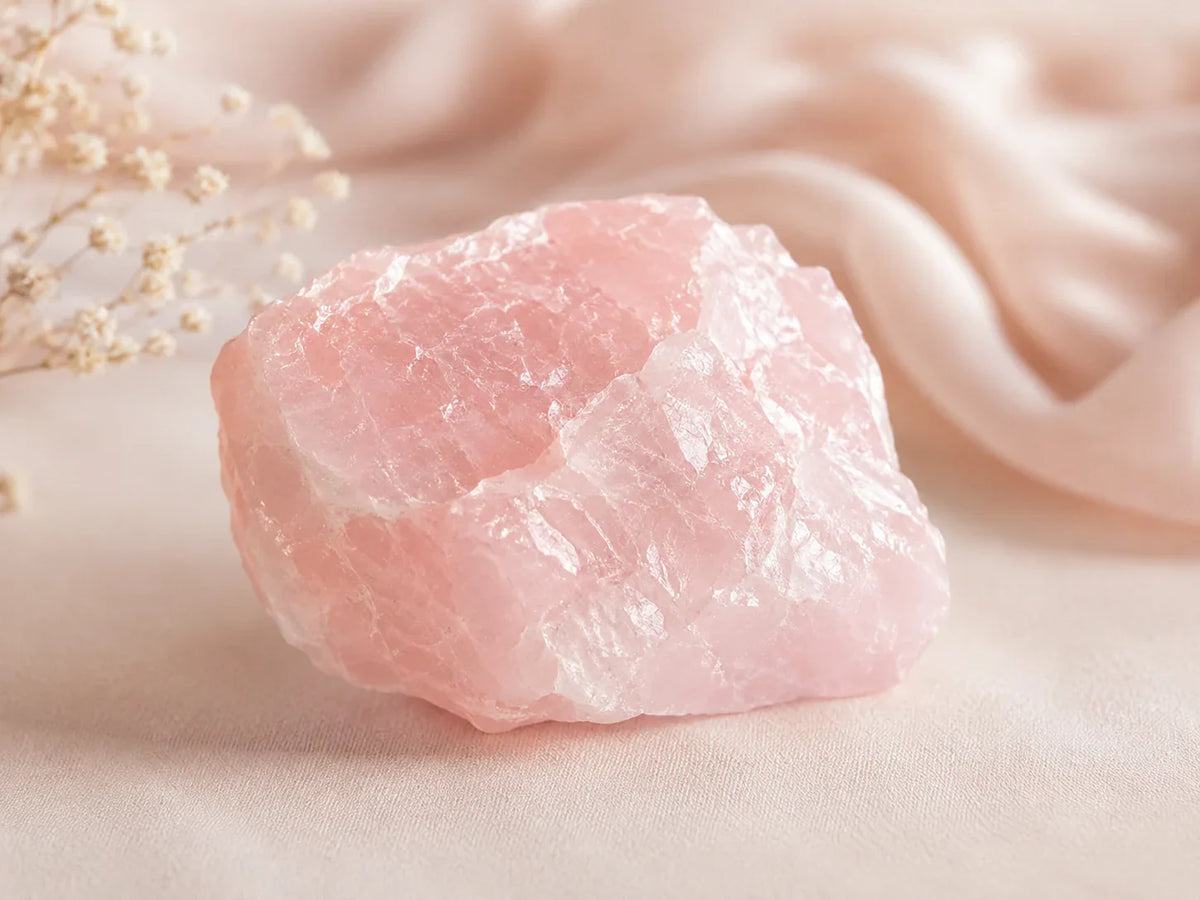
Before spotting a counterfeit, one must understand what an authentic rose quartz actually looks like. Contrary to common belief, a genuine stone is rarely flawless, hyper-glossy, or perfectly uniform. In fact, true beauty lies in its natural imperfections.
A Gentle, Natural Color Palette
Authentic rose quartz typically displays a subtle range of hues:
- Pale, powdery pink;
- Milky or cloudy pink;
- Softly translucent white-pink;
- Occasionally semi-translucent;
- Sometimes more opaque and dense.
Coloration naturally varies from one specimen to the next. Some stones are very pale and delicate, while others present deeper blush nuances. However, genuine natural rose quartz is almost never candy pink, neon magenta, or completely monotone. If a stone appears too uniform, hyper-saturated, or simply “too perfect to be true,” caution is warranted.
Natural gemstones inherently showcase gentle gradations. They reveal lighter areas, soft veils, or internal luminescence. Far from being flaws, these organic variations are the unmistakable hallmark of nature’s artistry.
Visible Inclusions and Organic Textures
In authentic Healing Crystals, inclusions are not only common—they are expected. Real rose quartz often reveals:
- Fine internal fissures or natural fractures;
- Milky veils and cloudy clouds;
- Subtle shifts in internal opacity;
- Natural growth striations;
- Minute mineral flecks and organic variations.
These features can often be observed with the naked eye, particularly under soft daylight. A stone that is glass-smooth, completely see-through, and devoid of any internal structure strongly points to manufactured glass or resin.

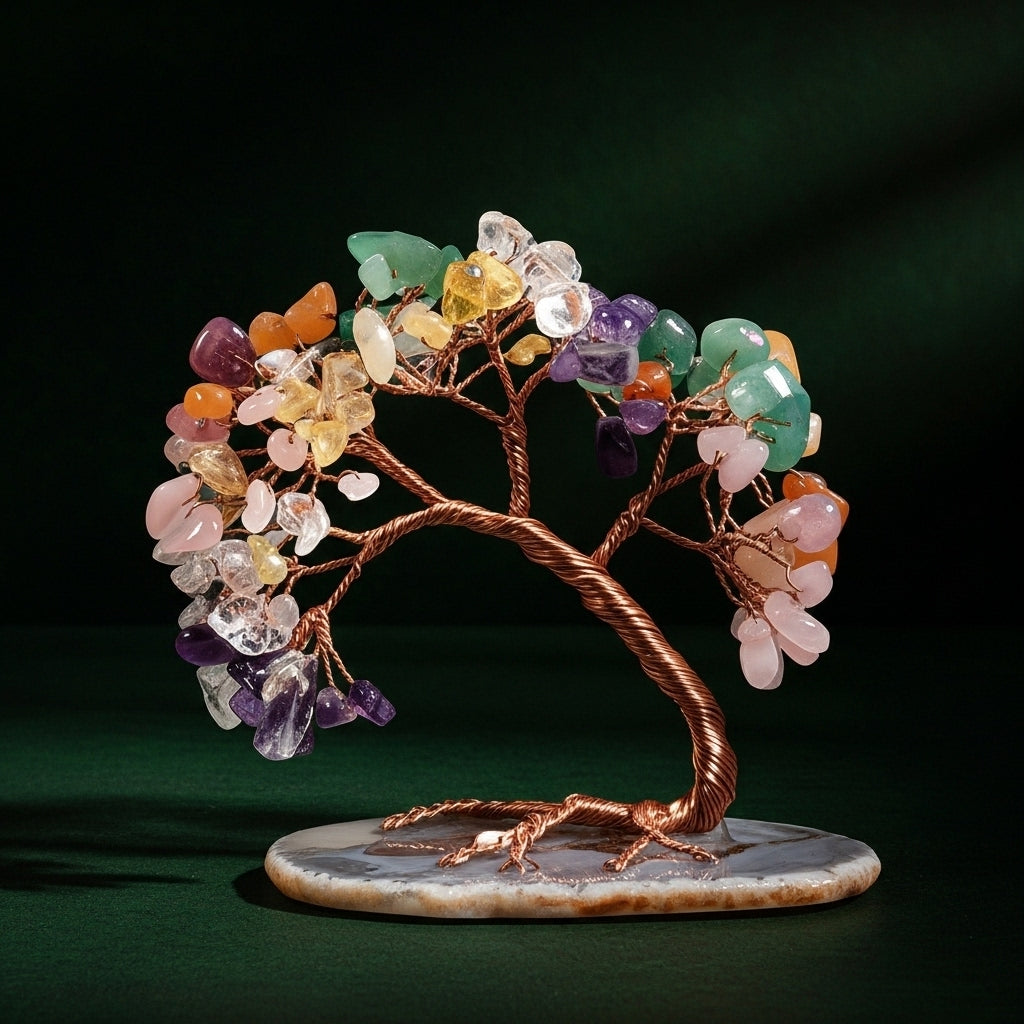
Handcrafted Healing Crystal Creations & Tree of Life Collection




How to Identify Authentic Natural Rose Quartz?
To successfully identify authentic natural rose quartz, avoid relying on a single indicator. The gold standard is to evaluate several criteria harmoniously: color, temperature, clarity, inclusions, heft, and market price.
1. Inspect Color Under Natural Daylight
The first step is to examine your stone near an open window or outdoors under diffuse natural light, away from aggressive yellow or stark blue artificial bulbs.
Authentic rose quartz exhibits a soft, gently nuanced shade. It leans pale, milky, or subtly translucent. In contrast, an imitation frequently appears flat, chemically saturated, or hyper-pigmented.
A discerning insider tip: if every single bead on a bracelet appears 100% clone-identical—sharing the exact same opacity, color saturation, and lack of internal life—you are likely looking at synthetic glass. In nature, stones are never carbon copies.
2. Touch the Stone to Feel Its Cool Sensation
Natural gemstones have high thermal conductivity and remain inherently cool to the touch. When you pick up genuine rose quartz, you should feel an immediate, soothing coolness that only gradually warms against skin contact.
Imitations made of plastic or resin feel lukewarm or neutral from the very first touch and warm up almost instantly. While not definitive on its own, this tactile test provides a valuable first clue.
3. Examine Transparency and Clarity
Depending on grade and origin, rose quartz ranges from opaque to semi-translucent. However, it rarely if ever resembles crystal-clear, pristine glass.
If a specimen is completely see-through, ultra-glossy like laboratory crystal, and entirely devoid of cloudiness, it is very likely tinted glass. Genuine rose quartz possesses a soft, diffused visual texture that softly scatters light through its crystalline matrix.
4. Scrutinize Internal Inclusions
Internal inclusions serve as nature's fingerprint. To view them, hold the stone up to natural light and gently rotate it. Look for delicate crystalline veils, internal micro-cleavages, and subtle variations in mineral density.
In finely crafted jewelry, individual rose quartz beads will each reveal unique characteristics. This is a sign of authenticity. Natural rose quartz does not need to be sterile or uniform to be exceptionally beautiful.
5. Feel the Natural Heft
True minerals have a substantial density and feel satisfyingly heavy in the palm of your hand compared to lightweight plastics or lightweight resins. While glass can also feel relatively heavy, lightweight hollow beads are an immediate giveaway of synthetic materials.
An authentic rose quartz bracelet should convey a cool, grounded mineral presence. If it feels featherlight and insubstantial, it is almost certainly synthetic.
6. Beware of Suspiciously Low Prices
Price is a reliable indicator of reality. While rose quartz is an accessible gemstone, artisan craftsmanship, ethical sourcing, meticulous lapidary polishing, and genuine precious metal settings cannot be offered for a mere few pennies.
An excessively low price tag for a large, intensely pink, immaculate stone claiming to be natural should immediately trigger skepticism. Sourcing quality, precise cutting, fine assembly, and brand reputation inevitably reflect in genuine valuation.
Real Rose Quartz vs. Fake Stone: Comparison Table
Here is an essential comparison table to help you identify key distinguishing characteristics at a glance:
| Criterion | Genuine Rose Quartz | Fake Stone or Imitation |
| Color | Pale, milky, soft, natural blush | Vivid pink, neon, or unnaturally uniform |
| Appearance | Subtle nuances, natural inclusions, veils | Flawless, glass-smooth, sterile |
| Touch & Temp | Instantly cool to the touch | Tepid or warms up in seconds |
| Transparency | Opaque to semi-translucent with soft depth | Overly transparent, clear glass appearance |
| Weight | Dense, satisfying mineral weight | Noticeably lightweight (plastic or resin) |
| Price | Consistent with ethical quality & artistry | Unrealistically cheap for a "flawless" stone |
| Bead Consistency | Delicate organic variations across beads | 100% identical, machine-stamped uniformity |
Rose Quartz and Crystal Healing: Why Authenticity Matters
The connection between rose quartz and crystal healing runs deep. This stone is celebrated for its deep resonance with self-love, emotional harmony, comfort, and soothing the heart space. It is also intimately associated with the heart chakra (Anahata).
Naturally, crystal practices complement rather than replace qualified professional health guidance. They embody an intentional path of self-care, poetic mindfulness, and an intimate connection with the Earth's natural treasures.
For those choosing a gemstone for its energetic aura and mindfulness value, authenticity is paramount. While a colored glass or resin ornament can be visually pleasing as decor, it lacks the geological heritage, vibrational presence, and soulful symbolism of an authentic rose quartz formed over millennia.
To expand your knowledge of this stone's symbolic properties, discover: Benefits and Virtues of Rose Quartz.
How to Recognize Authentic Rose Quartz Jewelry?
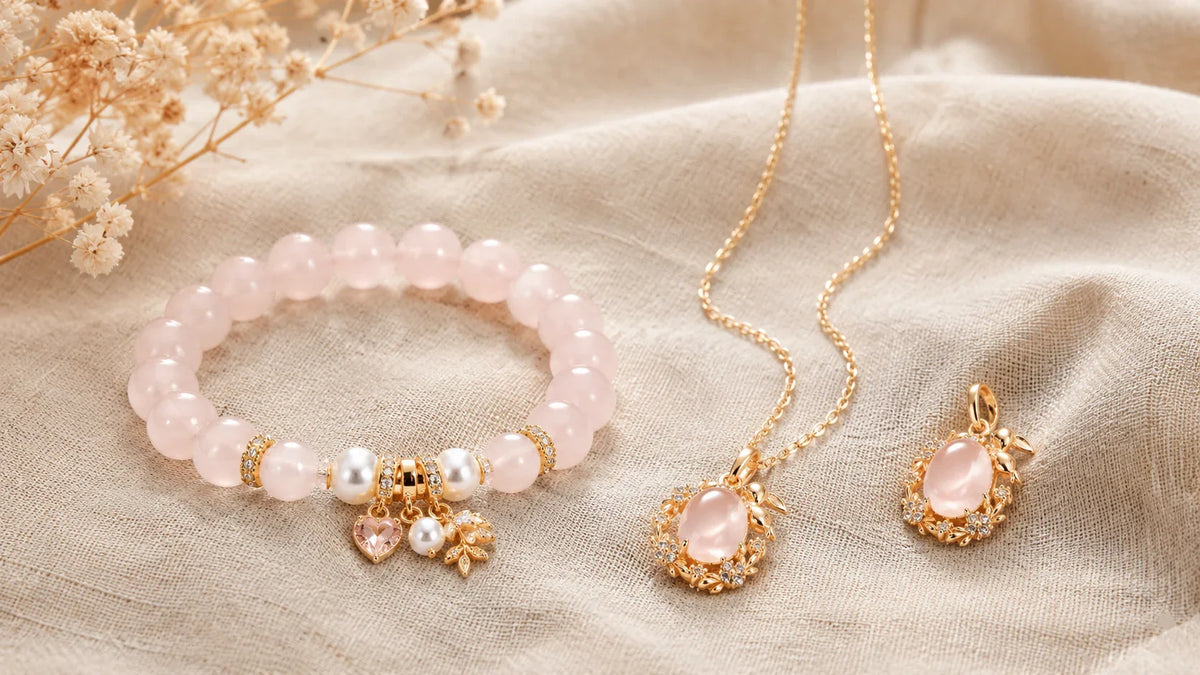
Rose quartz jewelry is beloved worldwide, especially in handcrafted beaded bracelets, rings, and refined pendants. But how can you be certain that your piece is set with genuine Crystal?
Inspect the Beads Individually
Across a Crystal bracelet, individual beads should showcase subtle organic distinctions. Look for:
- Delicate gradations in pink tone;
- Subtle internal veiling and micro-fractures;
- Some beads appearing slightly milkier or clearer than others;
- Organic textures revealed under direct light.
If all beads share an identical high-gloss bubblegum tint and lack any interior character, they are likely synthetic glass or mass-produced dye.
Evaluate the Jewelry's Craftsmanship
Authenticity also manifests through the jewelry's overall build and fine metalwork. Consider:
- The strength and resilience of the threading cord or wire;
- The security and durability of settings and clasps;
- The nobility of the metalwork (such as 925 sterling silver or gold-plated silver);
- Ergonomic comfort against the skin;
- The finesse of lapidary bead polishing.
A high-grade natural gemstone jewelry piece feels comfortable, gracefully balanced, and is backed by transparent disclosures from the designer.
If you appreciate uniting modern elegance with mineral serenity, read our inspiration guide: Rose Quartz Jewelry: Elegance and Energy.
Can You Test Rose Quartz at Home?
Yes, several non-destructive checks can easily be conducted at home. While they do not replace gemological lab diagnostics, they help you eliminate obvious counterfeits.
Simple Tests to Perform
Follow this quick checklist:
- Examine the stone under clear daylight;
- Check whether the pink hue is soft or garishly artificial;
- Touch the stone to assess initial cooling temperature;
- Observe organic internal inclusions;
- Compare with high-resolution reference images of raw and polished quartz;
- Carefully read the brand's materials description;
- Review genuine customer feedback and verified reviews;
- Be mindful of bargains that appear too good to be true.
Tests to Avoid
Some online guides suggest scratching the stone to verify hardness. While quartz possesses a Mohs hardness of 7, destructive scratch tests can permanently damage a beloved jewelry design or ornamental sculpture. We strongly advise against abrasive methods.
The most discerning assessment remains holistic observation. No single detail proves authenticity on its own; it is the harmonious convergence of color, coolness, inclusions, and weight that confirms genuine mineral character.

Where to Buy Genuine Rose Quartz?
To safeguard your collection, select a brand specialized in natural gemstones and authentic mineral jewelry. A trusted house provides clear descriptions, authentic unfiltered photography, and detailed specifications on all materials.
Essential Checks Before Purchasing
Before placing your order, take a moment to evaluate:
- Product description transparency and gemstone details;
- Explicit stone origin and composition details;
- High-definition, realistic photography;
- Independent client reviews and ratings;
- Fair, clear return and guarantee policies;
- The brand's expertise and curation in natural crystals.
A serious atelier never relies on hollow promises. Instead, it honors authenticity, organic elegance, and the singular character of each mineral creation.
Crystal Healing Comparison Table: Properties, Chakras & Care Guide
This comparison chart summarizes the key crystal properties, Mohs hardness ratings, chakra alignments, and cleansing rituals recommended by Lina.
Crystal Family & Intention | Chakra Alignment & Mohs Hardness | Cleansing, Charging & Feng Shui Placement |
Love, Compassion & Emotional Harmony | Heart Chakra (Anahata) — Mohs hardness 6 to 7/10; nurtures inner peace and emotional balance. | Place in the Southwest Bagua sector or bedroom; cleanse with white sage smudge and recharge under full moonlight. |
Grounding, Shielding & Confidence | Root & Solar Plexus Chakras — Mohs hardness 7/10; anchors energy and wards off negativity. | Position near the front entryway or workspace; smudge weekly with Palo Santo and recharge on a Clear Quartz cluster. |
Abundance, Clarity & 7-Chakra Balance | Crown, Third Eye & Full 7 Chakras — Mohs hardness 7/10; elevates focus and spiritual vitality. | Ideal for the living room or meditation corner (Southeast wealth sector); recharge on an Amethyst geode or Selenite plate. |
Conclusion: Real Rose Quartz Is Recognized in the Details
Recognizing authentic rose quartz requires a mindful glance, but it is far from complicated. Genuine Crystal is defined by its gentle blushing color, natural nuances, organic inclusions, and soothing coolness against the skin. It embraces subtle imperfections—and that is precisely where its rare beauty resides.
To steer clear of synthetics, be wary of stones that are excessively bright, perfectly monotone, unnaturally glassy, or priced suspiciously low. Choose a house dedicated to Healing Crystals that transparently showcases its curated jewelry, gemstones, and artisanal home accents.
Rose quartz is a stone of boundless tenderness. To experience the fullness of its elegance and symbolism, genuine mineral quality makes all the difference. When inviting a stone of love into your life, start with a foundation of trust.
Daily Energy, Protection & Harmony: Lina’s Favorites


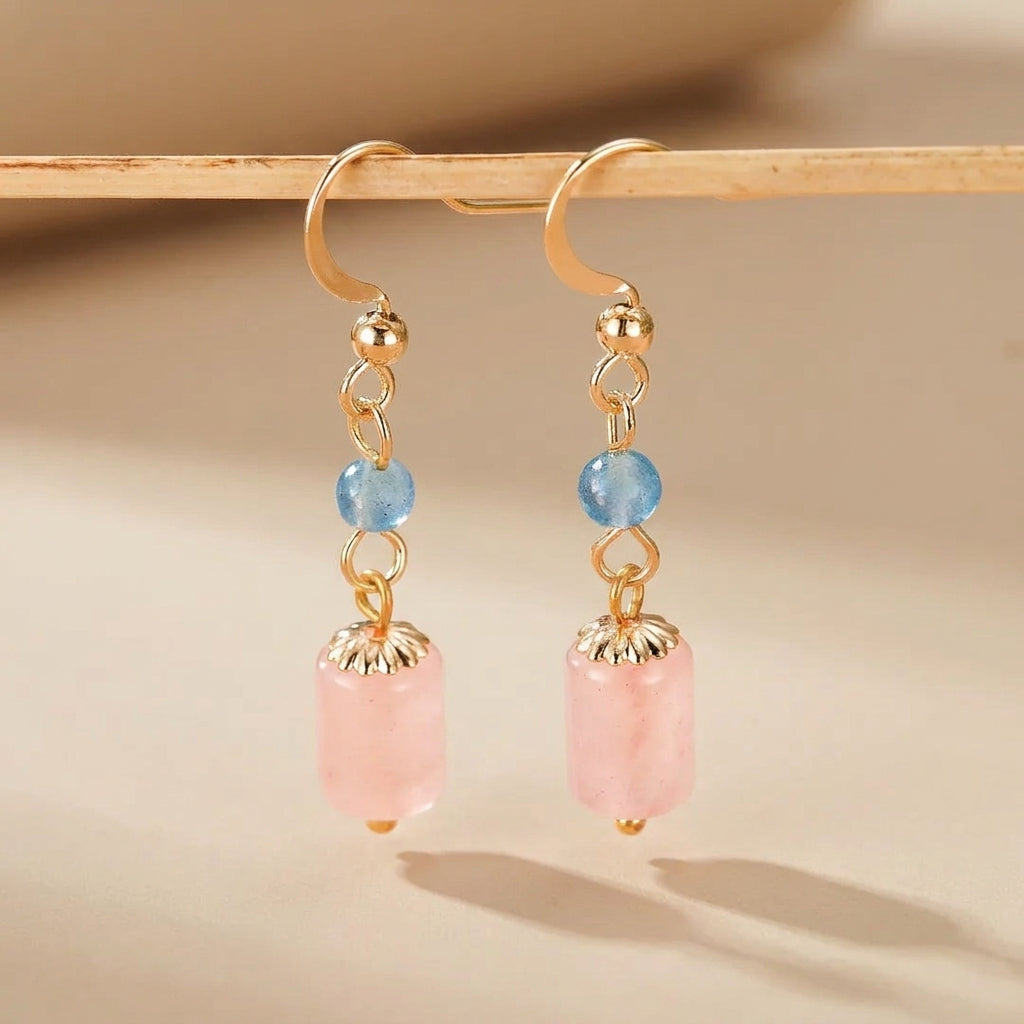

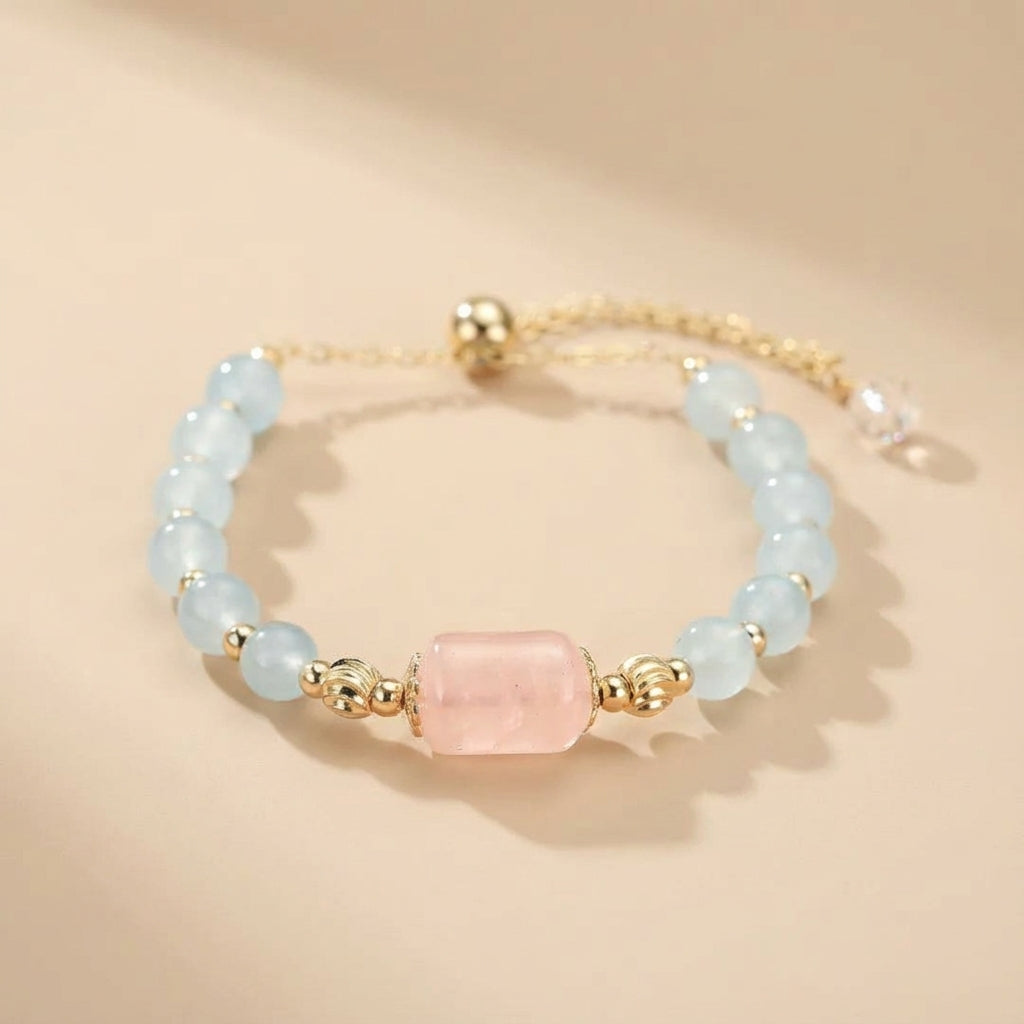
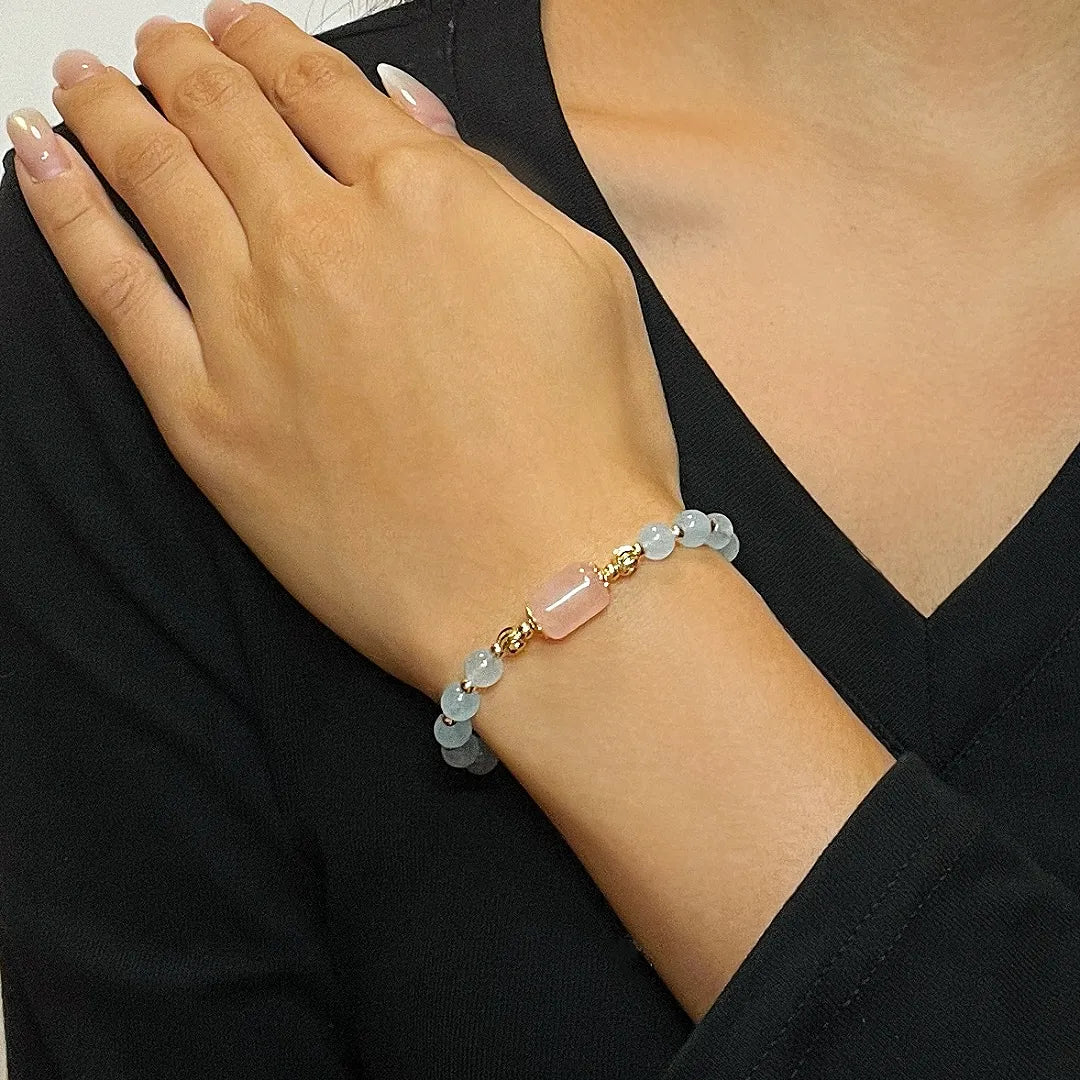
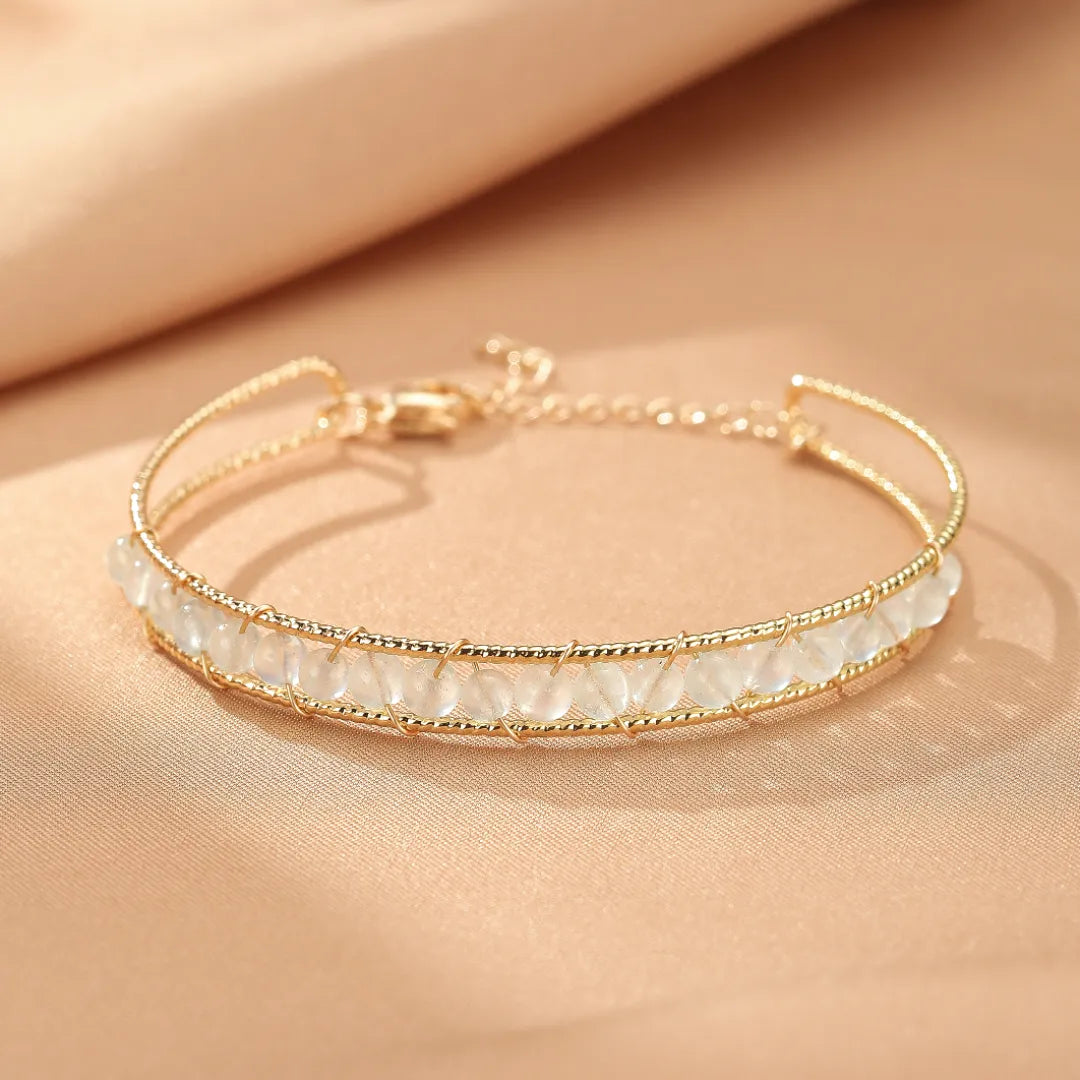
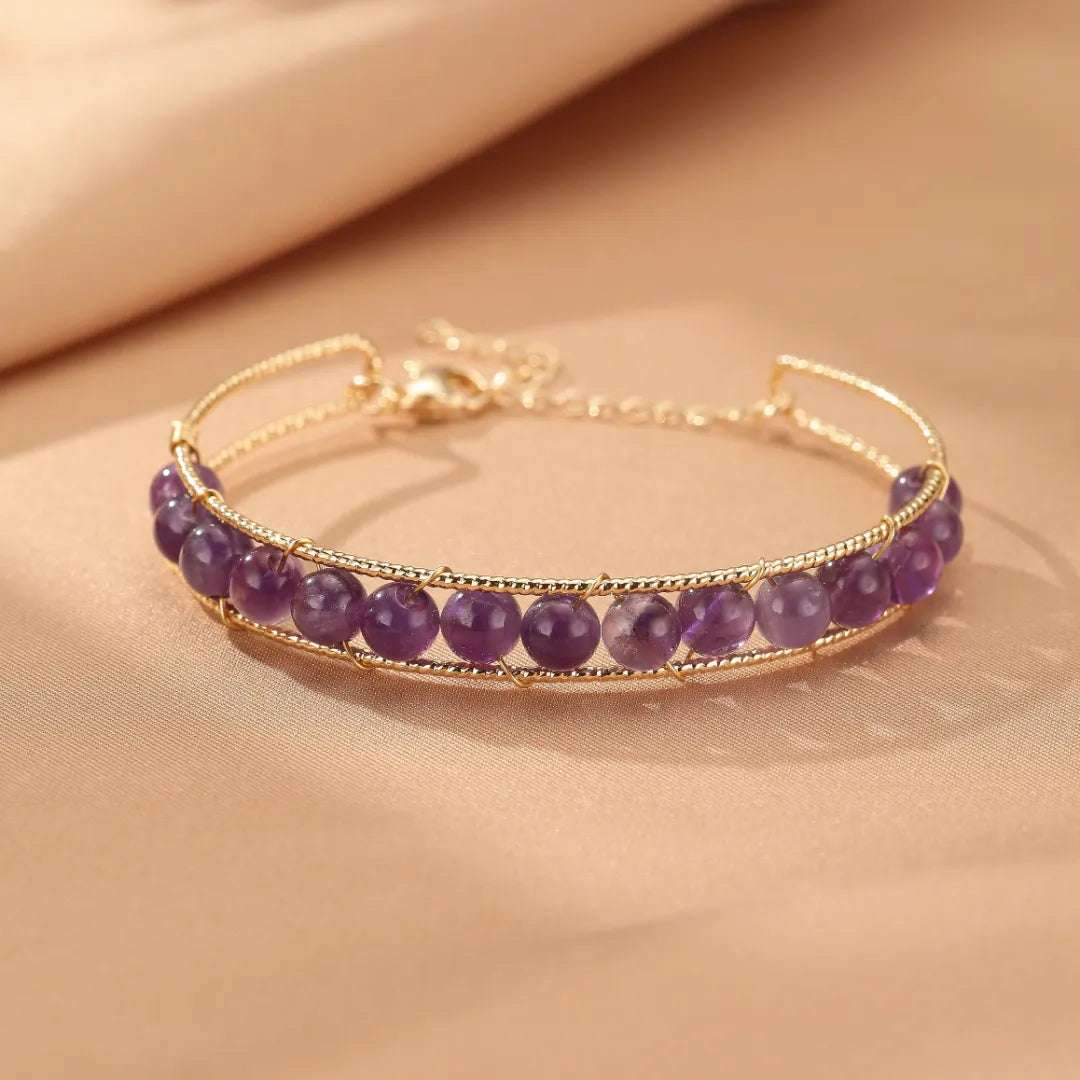
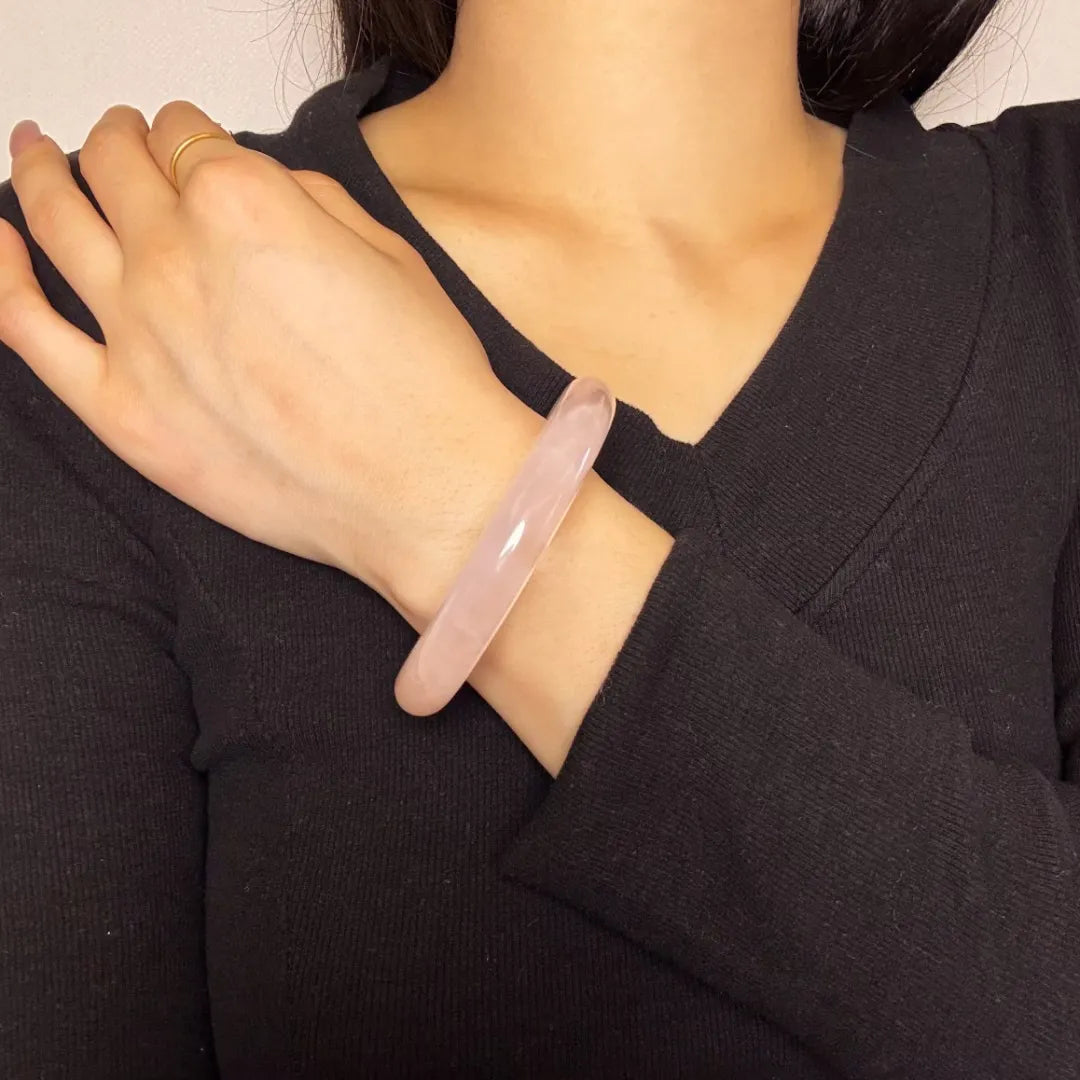
Explore our handcrafted crystal collections: Tree of Life Crystal Collection, Healing Crystal Jewelry, and Natural Crystal Bracelets. Read our related crystal guides: Significance And Benefits Of The Tree Of Life, The Tree Of Life In Natural Stone The Perfect Gift For Every Occasion, and Which Natural Stone To Choose For Your Tree Of Life.
Frequently Asked Questions: Real Rose Quartz or Fake Stone
How do I know if my rose quartz is real?
To identify genuine rose quartz, examine its color, natural coolness to the touch, internal inclusions, and soft transparency. An authentic stone displays delicate, milky, and slightly varied blush hues, and feels immediately cool in the hand.
Is very pink rose quartz always fake?
Not necessarily, but an overly intense, candy-like, or completely uniform tone should raise suspicion. Natural rose quartz generally displays a softer, more nuanced, and subtly cloudy pink.
Can rose quartz have internal fractures or fissures?
Yes. Fine internal fissures, milky veils, and inclusions are natural occurrences in genuine minerals. They are hallmarks of authentic geological formation rather than defects.
Can a fake stone still look beautiful?
Yes, glass or resin imitations can look attractive as costume accessories. However, they lack the geological rarity, energetic presence, and symbolic authenticity of genuine natural rose quartz.
Is rose quartz beneficial in crystal healing?
In holistic traditions and crystal healing, rose quartz is celebrated for encouraging self-love, emotional peace, tenderness, and heart chakra alignment. Its practice serves as a meaningful personal wellness ritual.
Read more
Among the most cherished Natural Gemstones, rose quartz holds a truly exceptional place. Its delicate hue, luminous radiance, and timeless connection to love make it an essential treasure in fine j...
Among the most cherished Healing Crystals, rose quartz holds a truly special place. Its gentle hue, delicate radiance, and profound symbolism tied to love make it an essential gemstone in the world...

Perfect for Gifting
Gift meaningful creations that bring joy and harmony.

Secure Payment
Payments are securely processed via Shopify & PayPal.

Money-Back Guarantee
Easy returns within 14 days of receiving your order.
Rated Excellent by our customers on Trustpilot
