

Natural or Reconstructed Malachite: How to Know if Your Stone Is Real
- Introduction
- Why Is Malachite Imitated So Often?
- What Is Natural Malachite?
- What Is Reconstructed Malachite?
- How to Recognize Real Malachite?
- Natural or Reconstructed Malachite: The Essential Differences
- Can the Price Reveal Fake Malachite?
- Can You Recognize Real Malachite in a Photo?
- Why Authenticity Matters in Crystal Healing
- The Most Common Mistakes When Buying Malachite
- Our Tips for Buying Real Malachite with Confidence
- Key Takeaways
- Conclusion
- FAQ: Your Questions About Natural Malachite
Introduction
Malachite is one of the easiest stones to recognize in the world of natural stones. Its deep green color, concentric bands, and almost hypnotic appearance make it a highly prized stone in jewelry, decoration, and crystal healing. But behind this very unique beauty lies an essential question: is your stone a natural malachite, or is it a reconstructed malachite?
This question is far from insignificant. Today, the stone market has grown considerably, and with it have come agglomerated, reworked, dyed, or synthetic versions. At first glance, some imitations are very convincing. But by carefully observing the patterns, the color, the weight, and also the quality of the information provided by the seller, it becomes possible to distinguish a genuine natural malachite stone from a stone that has simply been made to resemble one.
In this article, you will discover:
- how to recognize natural malachite
- what a reconstructed malachite really is
- which visual and practical clues to check before buying
- why authenticity matters in the world of natural stones
- the role malachite plays in crystal healing
- the mistakes to avoid in order to buy a real stone with confidence
Because let’s be honest: buying a supposedly natural stone only to realize that most of its charm comes from a blend of resin, mineral powder, and clever marketing is not exactly the experience you were looking for.
Our Malachite Jewelry
Why Is Malachite Imitated So Often?
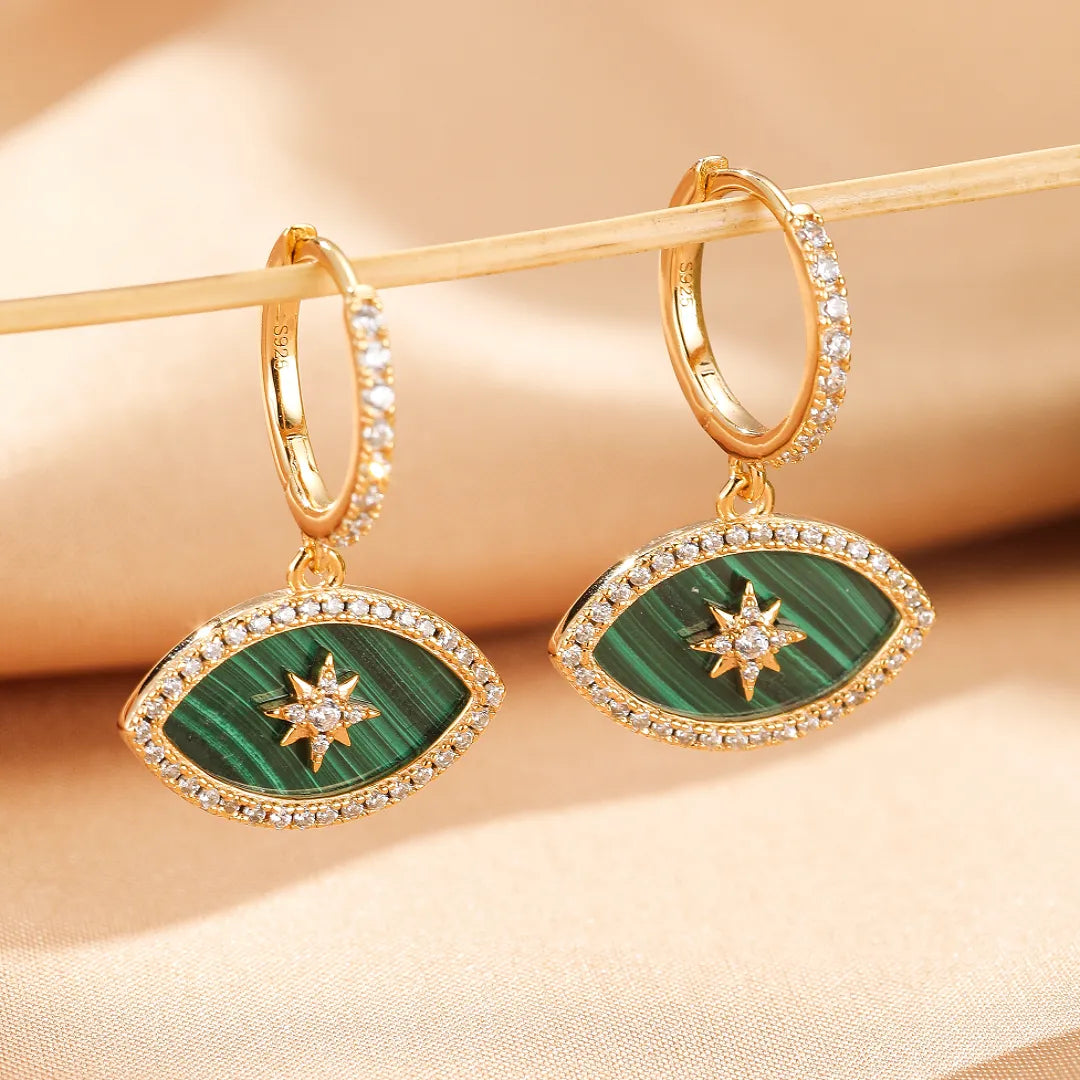
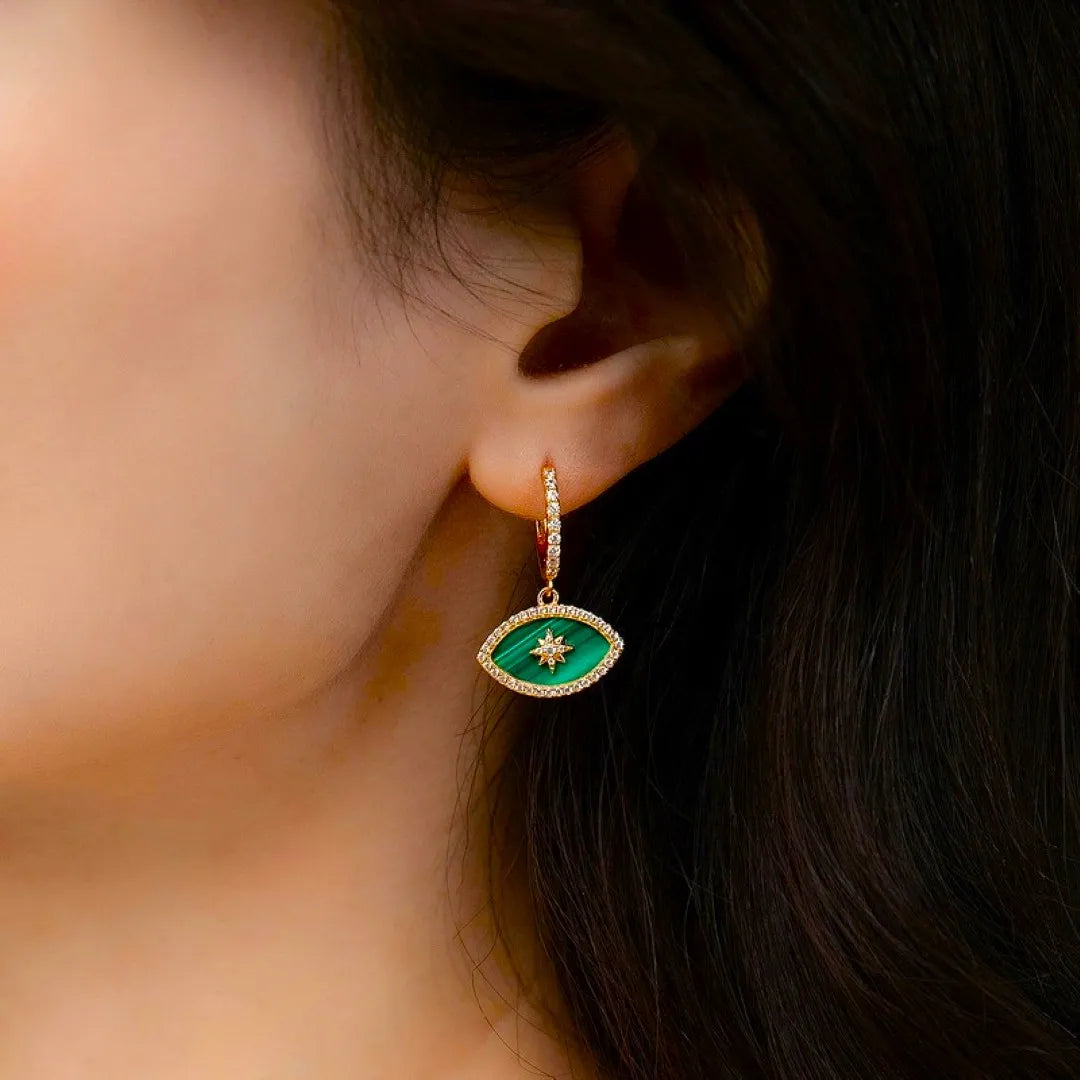
Malachite immediately catches the eye. Unlike some more discreet stones, it has a strong visual identity. Its curves, green bands, and circular patterns give it an almost artistic character. Each stone seems to form a miniature landscape. This uniqueness is precisely what explains its success.
But this success also has a logical consequence: the more sought-after a stone is, the more often it gets copied. Malachite is one of the minerals most frequently imitated or reconstructed because it is very easy to identify and highly desirable. In jewelry, it adds a touch that is both elegant, original, and deep. In decoration, it attracts attention through its visual presence. In crystal healing, it sparks interest because of the meanings attributed to it.
Several reasons explain why malachite is so often reproduced:
- it is instantly recognizable
- its green color is very appealing
- its patterns create an impression of luxury and authenticity
- demand for jewelry and decorative objects is high
- reconstructed versions are cheaper to produce
The problem is not that reconstructed malachites exist. The real problem appears when the information is not clear. A processed stone may be perfectly suitable for decorative use, but it should not be presented as an untouched natural stone. The buyer needs to know exactly what they are purchasing.
In the world of natural stones, this transparency is essential. Someone looking for a genuine malachite for its mineral beauty, rarity, or use in crystal healing does not expect the same thing as someone buying a simple decorative object. That is exactly why it is so important to learn how to recognize the differences.
To explore the symbolism of this stone further, you can read Malachite: Stone of Transformation and Emotional Healing.
What Is Natural Malachite?
A natural malachite is a stone that formed naturally under precise geological conditions, without its internal structure being recreated or reassembled by humans. From a mineralogical point of view, malachite is a copper carbonate. This composition gives it its characteristic green color.
What makes a natural malachite stone unique is not only its color. Above all, it is the way that color is organized inside the stone. The bands are not decorative in an artificial sense. They are the result of slow natural processes linked to mineral deposits, copper oxidation, and the formation conditions of the mineral.
A real malachite often shows:
- irregular bands
- more or less concentric circles
- several shades of green
- a deep visual structure
- unique patterns from one stone to another
In other words, no two natural malachites are ever completely identical. That is precisely one of the clearest signs of their authenticity. Nature does not produce identical copies in series.
It should also be noted that a natural stone may display small irregularities, darker areas, unexpected transitions, or less symmetrical lines. These are not flaws. They are traces of its natural formation. On the other hand, a stone that looks too uniform or too “perfectly drawn” may raise doubts.
Natural malachite is especially appreciated by lovers of authentic minerals, by people looking for jewelry with character, and by those interested in crystal healing. In every case, its value lies in its natural origin, uniqueness, and visual richness.
To learn more about its traditional properties, you can read Benefits and Properties of Malachite.

What Is Reconstructed Malachite?
The term “reconstructed” deserves clarification, because it often creates confusion. A reconstructed malachite is not an intact natural malachite. It is generally a material made from malachite fragments, mineral powder, or leftover pieces, mixed with resin or a binder, then compressed to create beads, cabochons, or slabs.
In some cases, the stone does indeed contain a portion of real malachite. But that material has been crushed, mixed, and then restructured. It is therefore no longer a natural stone in the strict sense. The result can be visually appealing, sometimes even very close to the original, but the mineral structure has been altered.
It is also useful to distinguish between several situations:
- natural malachite : intact stone shaped by nature
- reconstructed malachite : assembled fragments or stone powder
- imitation malachite : resin, plastic, glass, or synthetic material with no real malachite
This distinction matters because many buyers think that a “reconstructed” stone is equivalent to a natural stone. In reality, it is not the same. For purely decorative use, it may be perfectly suitable. But for a search for authenticity, for collecting, or for crystal healing, the difference is essential.
A reconstructed malachite often shows some recurring characteristics:
- very regular bands
- patterns that are almost too perfect
- an unusual visual uniformity
- a series of almost identical beads
- sometimes a lighter weight or a less mineral texture
So the most important thing remains the clarity of the description. A reconstructed stone is not necessarily “bad,” but it should never be confused with a true natural malachite stone.

How to Recognize Real Malachite?
To recognize natural malachite, you should not rely on a single criterion. It is the combination of clues that allows for a reliable assessment. A stone may look beautiful and still be reconstructed. Another may seem slightly irregular and still be completely authentic.
Here are the main elements to pay attention to.
Patterns: real malachite is never too perfect
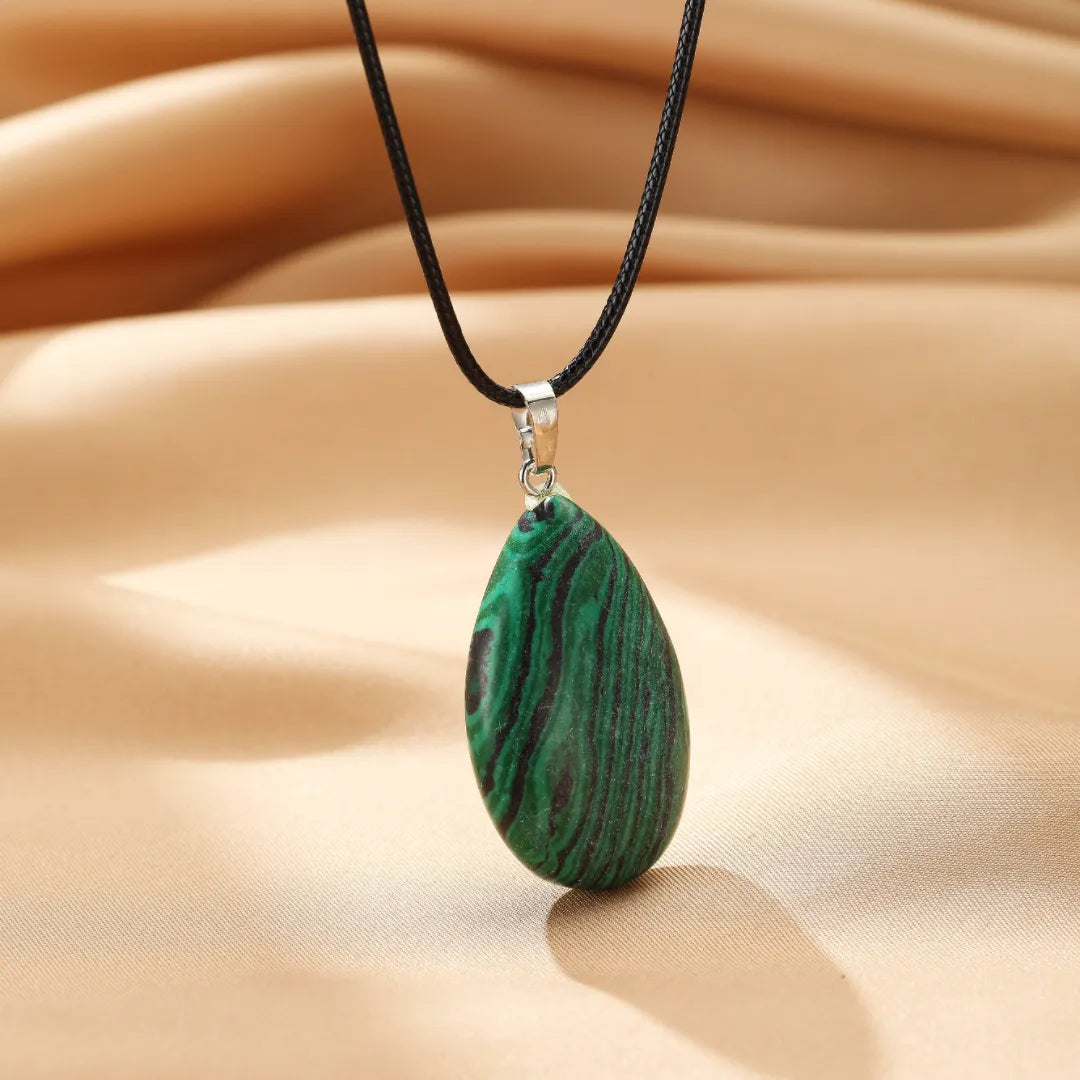
Patterns are the first clue to examine. Natural malachite usually shows lively, irregular, flowing, and organic bands. The lines are not all symmetrical. The circles are not all perfectly drawn. There is movement, nuance, and sometimes even a surprising effect in the pattern.
By contrast, reconstructed or synthetic malachite often shows:
- bands that are too regular
- circles that are too clear
- repetition of visual patterns
- very similar designs from one stone to another
If one bead seems to be reproduced identically across several pieces of jewelry, doubt is justified. In nature, such repetition is extremely unlikely.
Color: a deep green, but nuanced
Malachite is naturally green, but not in a flat or monotonous green. A real stone usually displays several intensities:
- dark green
- fir green
- moss green
- lighter green in certain areas
- contrasts between light and dark bands
A color that is too flat, too bright, or too artificial may suggest an imitation. Some copies rely on a very saturated, almost decorative green that catches the eye but lacks natural depth.
Weight and density
Natural malachite has a certain density. In the hand, it gives a noticeable sense of presence. An imitation made of resin or plastic often feels lighter than expected.
This criterion is especially useful for:
- tumbled stones
- pendants
- decorative objects
- large beads
For very small elements, the difference is sometimes subtler, but it remains useful when combined with other observations.
Touch and texture
Like many natural stones, malachite often feels cool when held in the hand. Its surface can be very smooth when polished, but the overall sensation should still preserve a mineral quality.
An imitation or heavily reconstructed stone may:
- be lighter
- feel less cool
- give a more “plastic-like” sensation
- seem too uniform in texture
Seller information
A real stone often begins with an honest description. A transparent seller clearly states the nature of the product. They mention whether the stone is natural, reconstructed, stabilized, or synthetic.
Be cautious with vague wording such as:
- “malachite style”
- “malachite effect”
- “malachite type”
- “natural appearance”
- “inspired by malachite”
This vocabulary is not necessarily misleading, but it is sometimes used to maintain ambiguity.
Warning signs to watch for
- patterns that are too perfect
- color that is too uniform
- surprisingly light stone
- series of identical beads
- unusually low price
- unclear product description
- photos that are overly smoothed or lacking detail
Signs of a real natural malachite stone
- irregular and organic bands
- several shades of green
- visual depth
- satisfying density
- unique pattern on each stone
- clear and honest description
In short, recognizing real malachite means looking at the stone as a whole. Nature leaves behind details, irregularities, and nuances. Imitation, on the other hand, often tries to create an appealing effect but appears too clean to be fully convincing.

Natural or Reconstructed Malachite: The Essential Differences
To make things clearer, here is a simple comparison table between natural malachite and reconstructed malachite.
| Criterion | Natural Malachite | Reconstructed Malachite |
| Origin | Natural geological formation | Assembled fragments or powder |
| Structure | Intact, mineral | Recreated through processing |
| Patterns | Irregular, unique | More regular, sometimes repetitive |
| Color | Nuanced, deep | Often more uniform |
| Density | Good density | May feel lighter |
| Mineral value | Higher | Lower |
| Decorative use | Yes | Yes |
| Use in crystal healing | Often preferred | More debated depending on personal perception |
| Authenticity | Natural stone | Processed stone |
This table highlights a fundamental point: reconstructed malachite is not necessarily useless or lacking aesthetic value, but it does not fulfill the same expectation as a natural malachite stone. Everything depends on the buyer’s objective.
Can the Price Reveal Fake Malachite?
Price is a useful clue, but it should never be the only one. A real high-quality malachite has a cost. It must be extracted, sorted, cut, polished, and sometimes made into jewelry. A natural stone with beautiful patterns, good density, and careful finishing cannot be sold at a ridiculously low price for no reason.
Here is what a very low price may sometimes indicate:
- a reconstructed stone
- an imitation made of resin or plastic
- very poor quality
- a misleading description
- a standardized industrial product
But be careful: the opposite also exists. A high price is not absolute proof of authenticity. Some sellers rely on a premium image, spiritual vocabulary, or supposed rarity to justify inflated prices without providing enough concrete information.
The right reflex is therefore to compare several elements:
- the price
- the photos
- the description
- the seller’s reputation
- the consistency of the patterns
- the clearly stated nature of the stone
In the field of natural stones, “too good to be true” always deserves at least a minimum level of caution. A beautiful malachite at a tiny price is tempting. But that is exactly when you should look more closely.
Can You Recognize Real Malachite in a Photo?
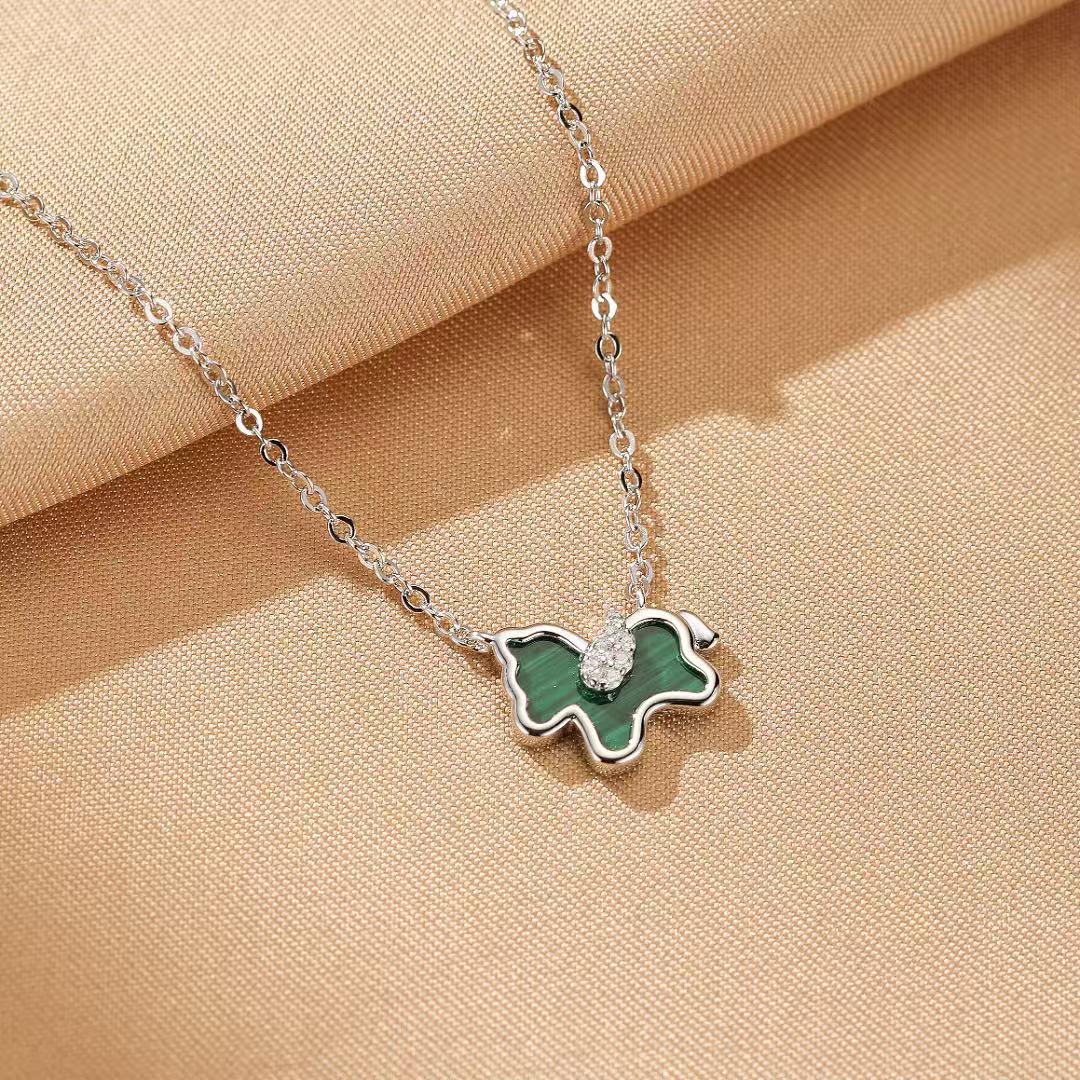
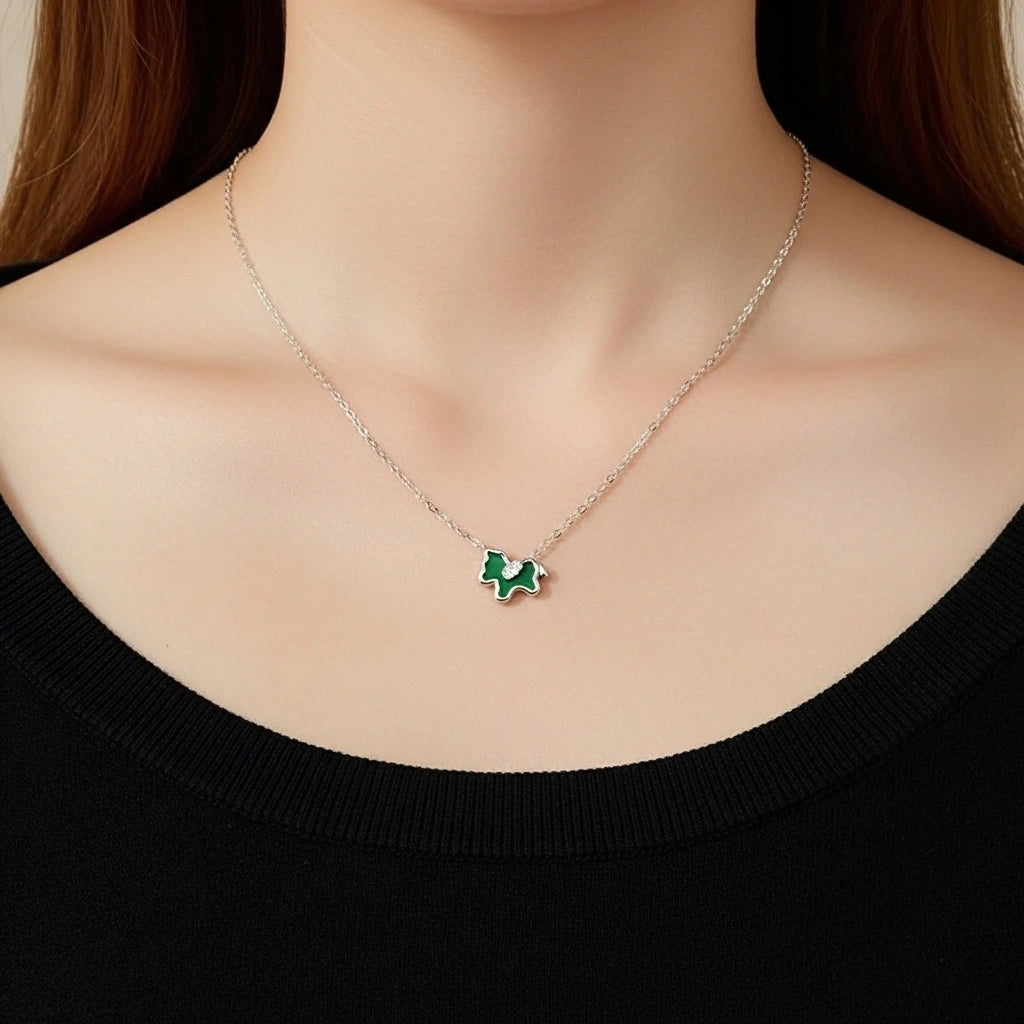
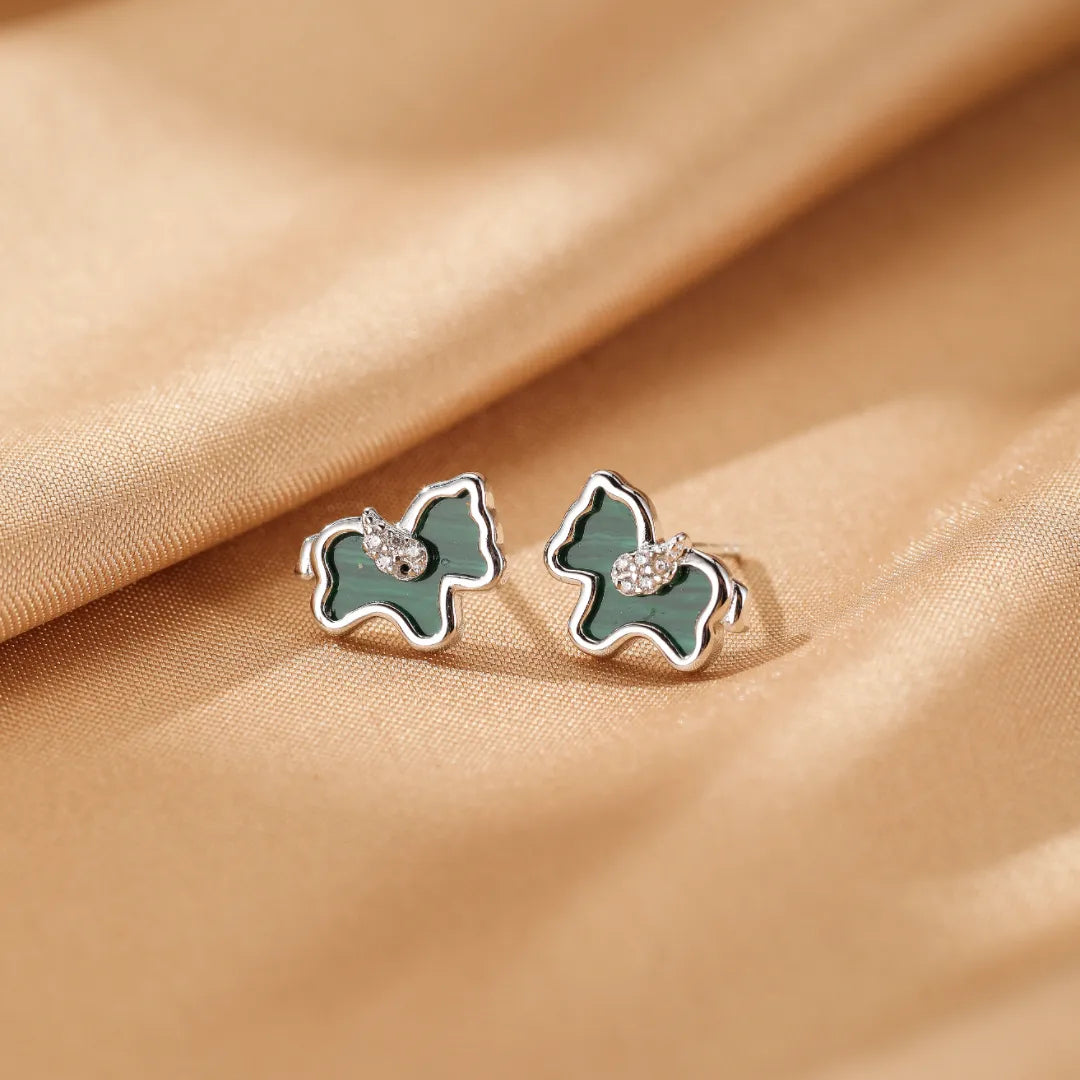
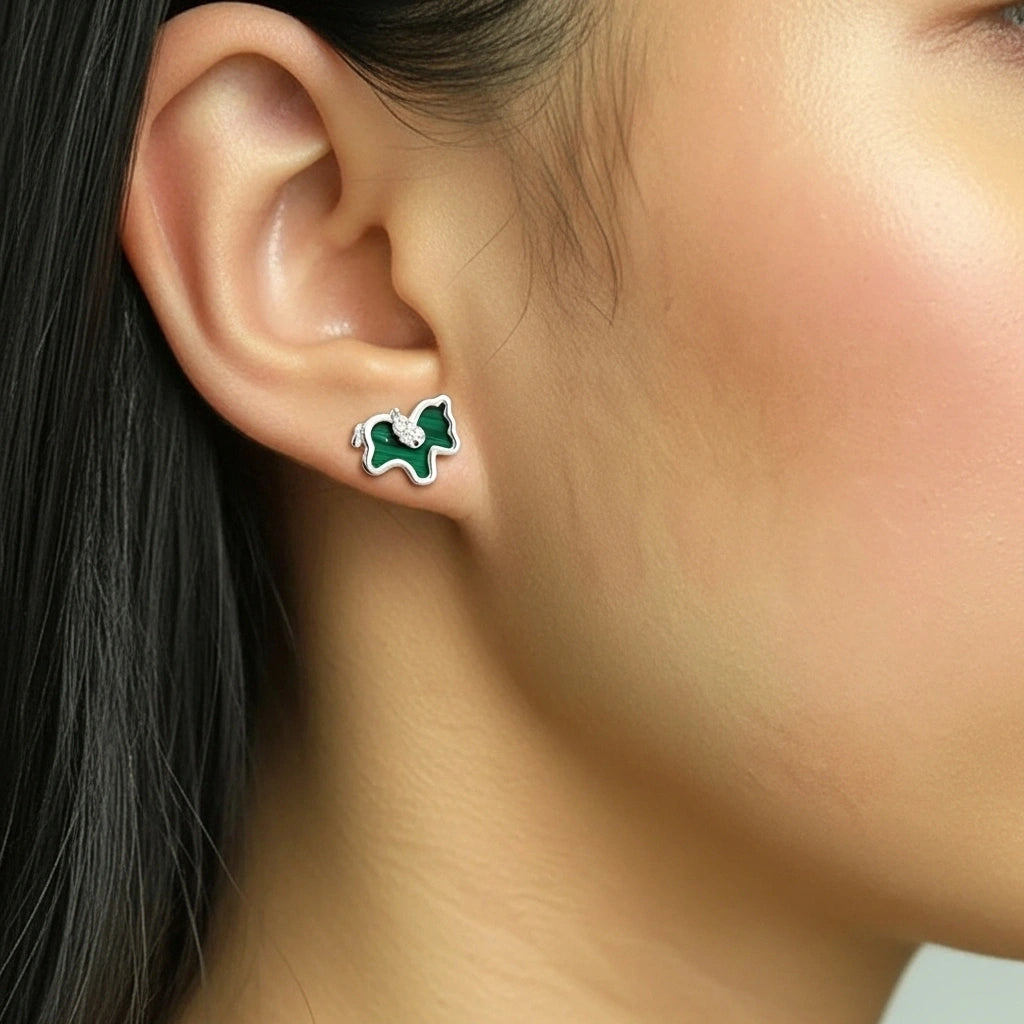
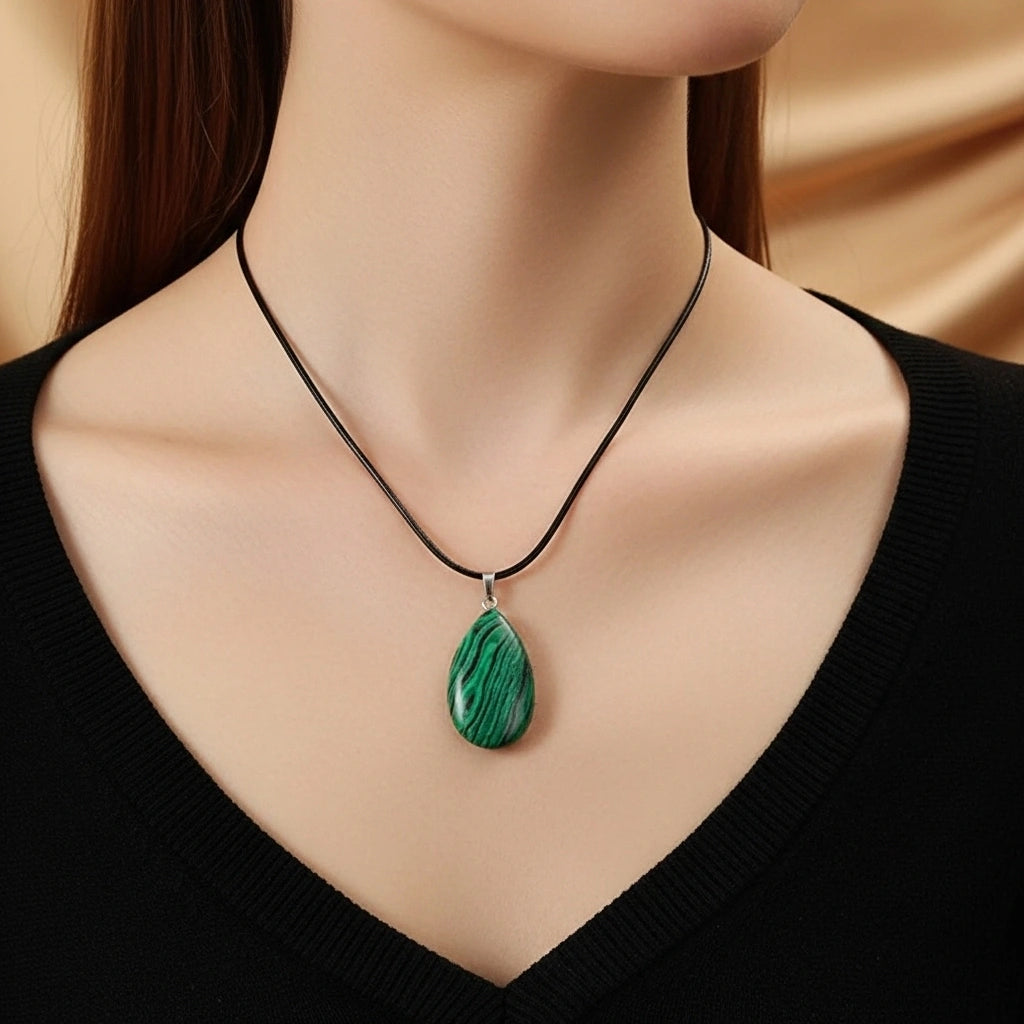
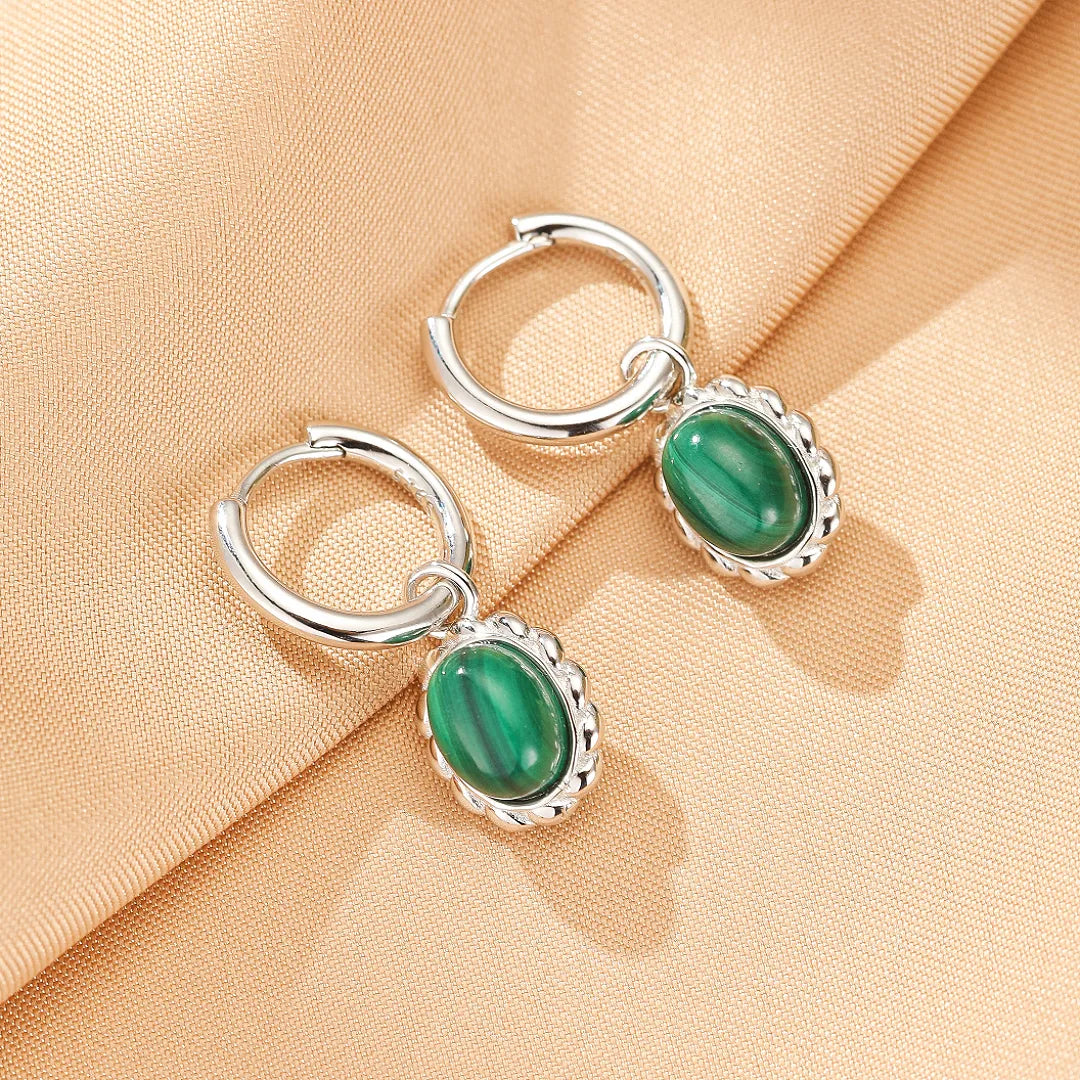
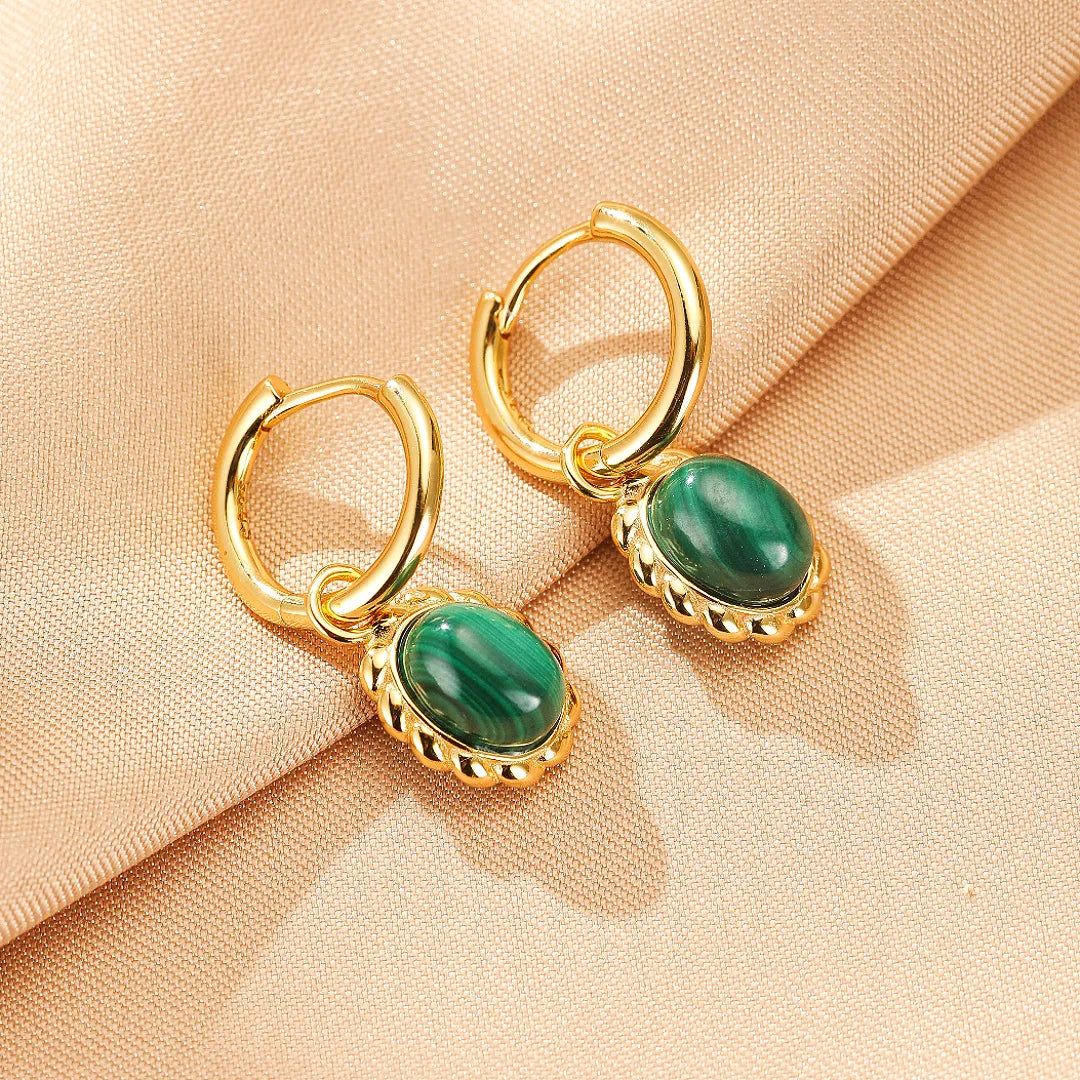
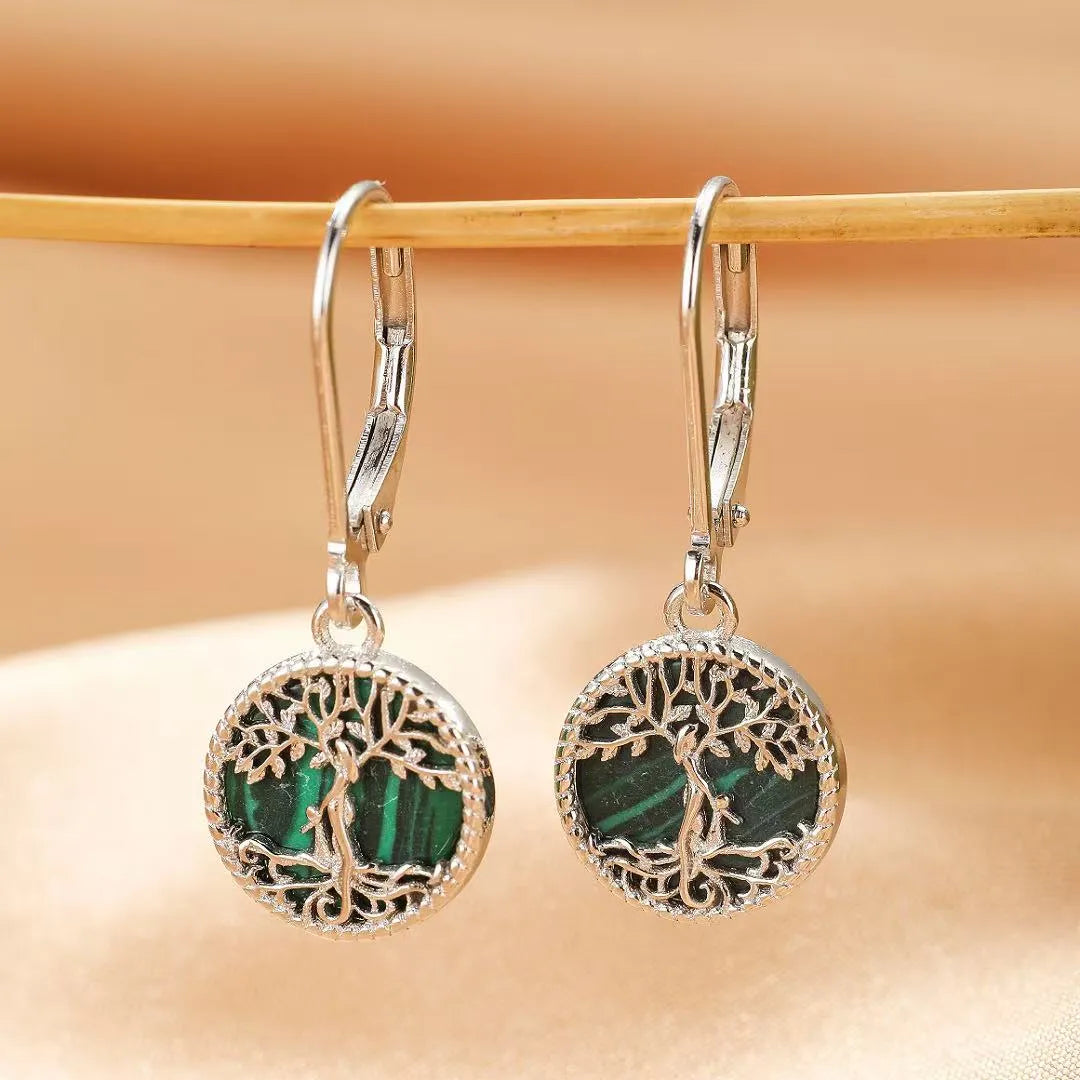
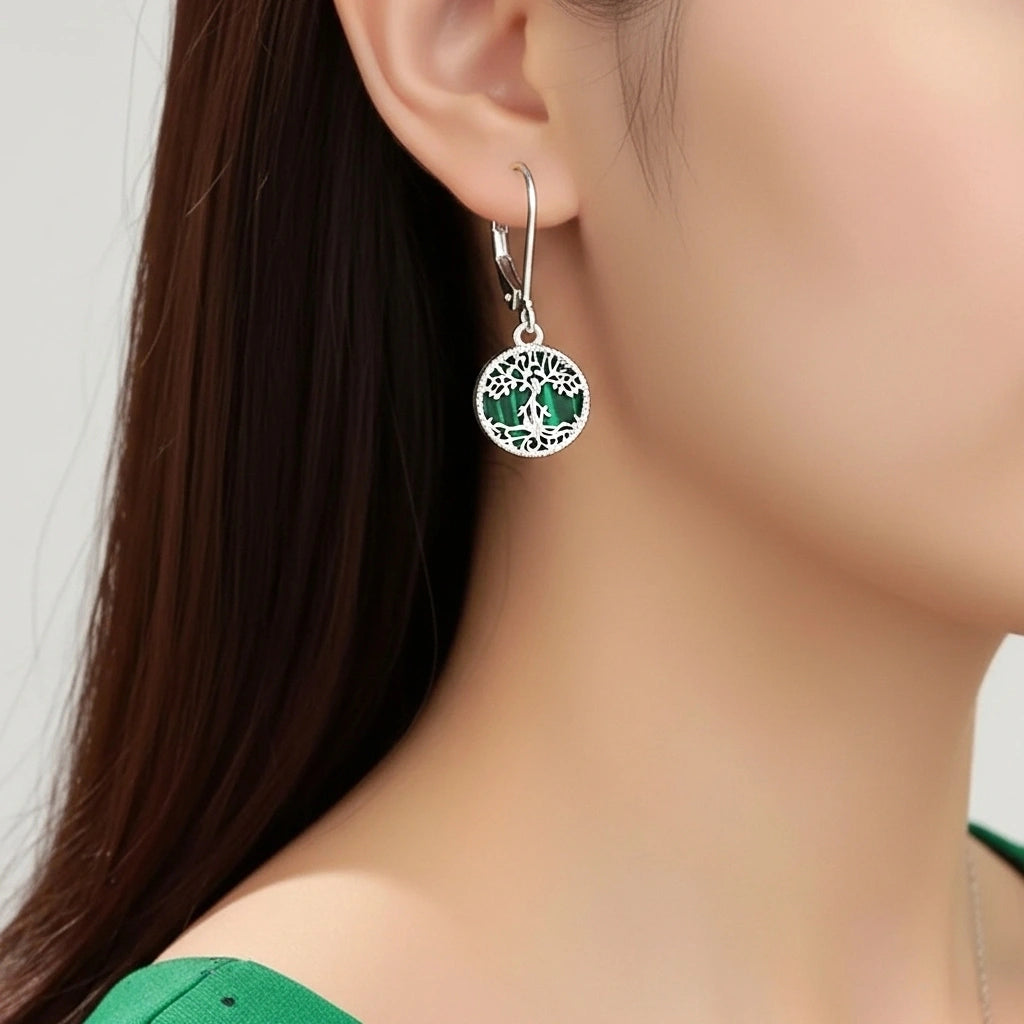
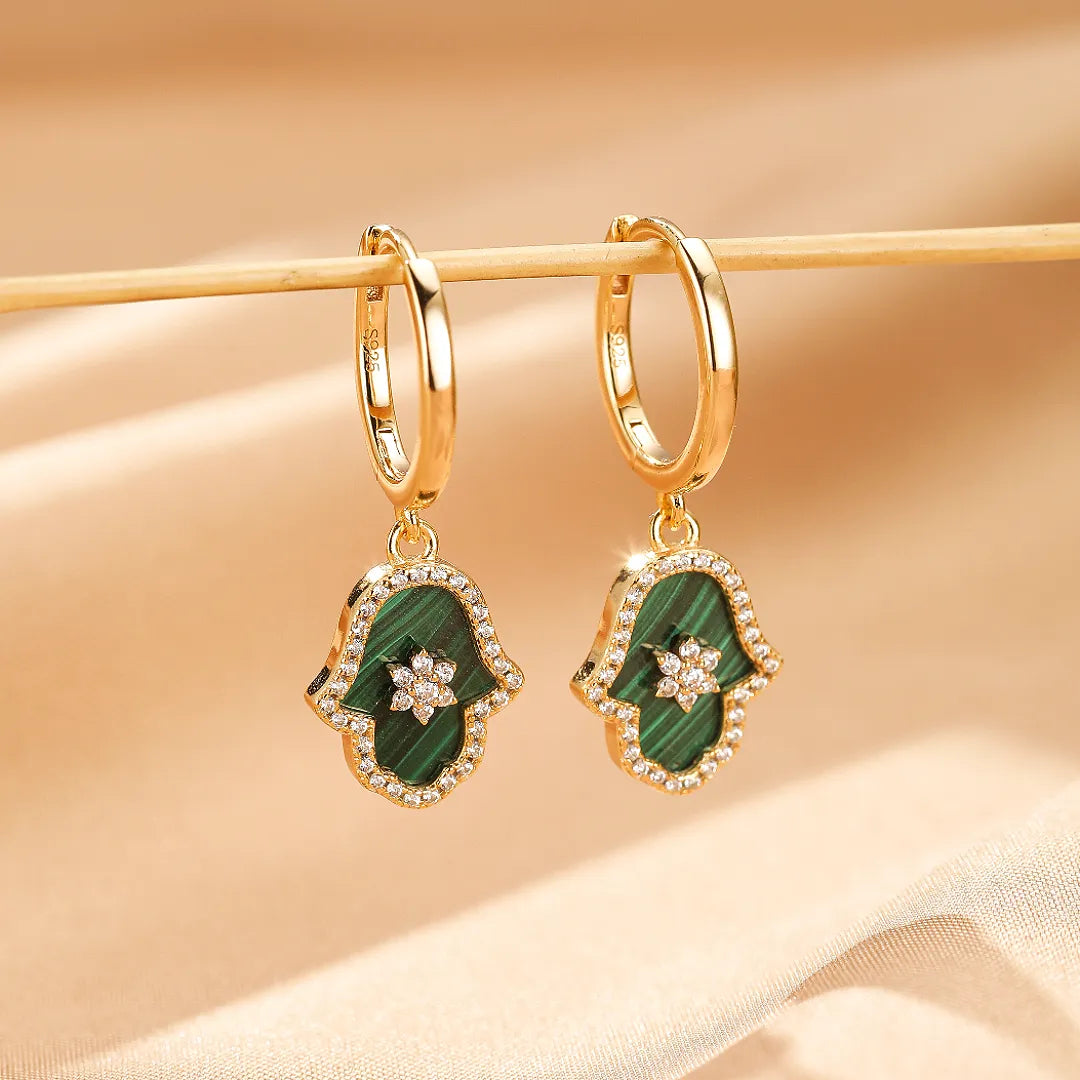
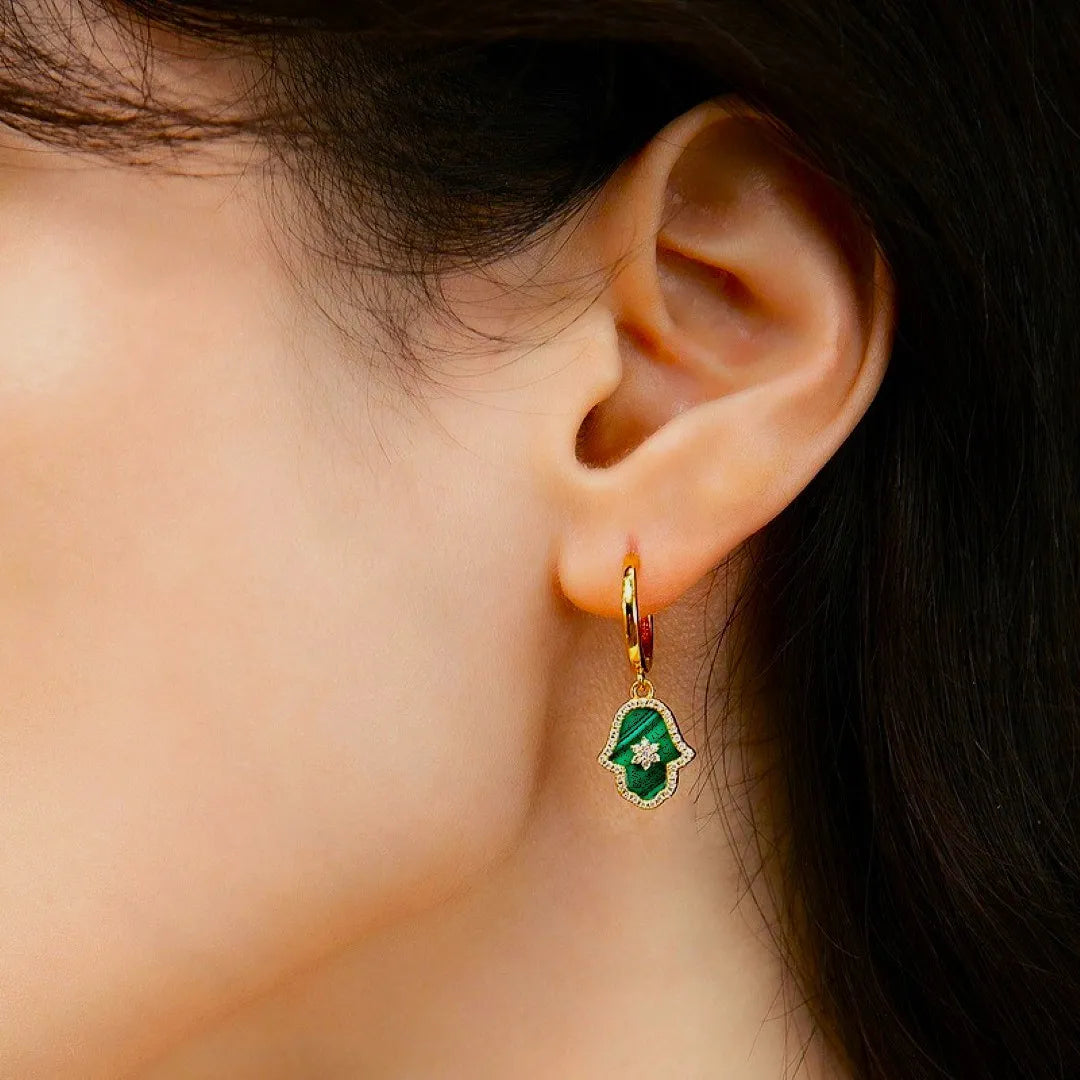
Yes, to a certain extent. When buying online, photos become an essential tool. They do not replace direct contact with the stone, but they can already reveal many clues.
Here is what to observe in the images:
- the variety of patterns
- the visual depth of the bands
- the absence of excessive repetition
- the differences between beads or cabochons
- the quality of the zoom
- the consistency between the photo and the description
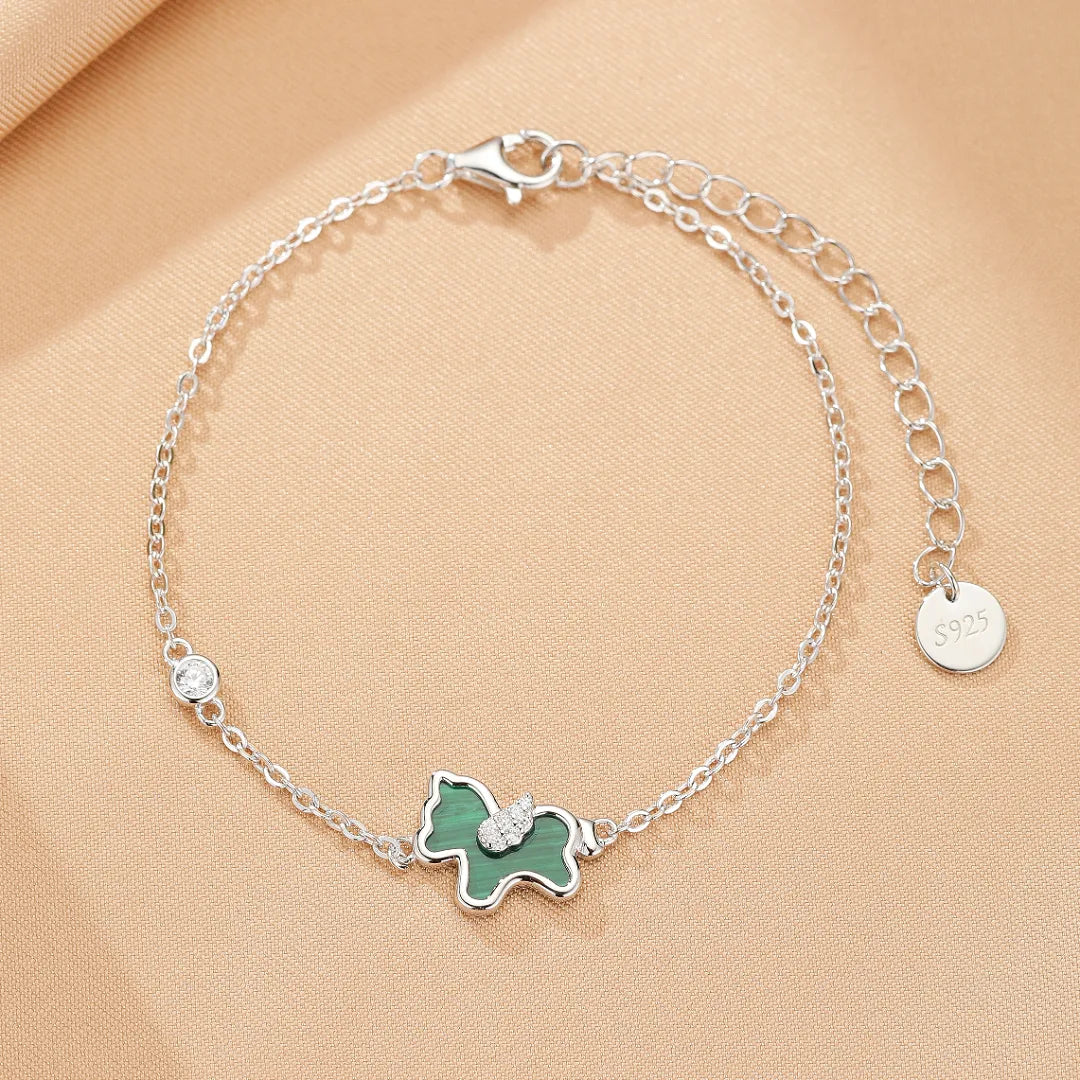
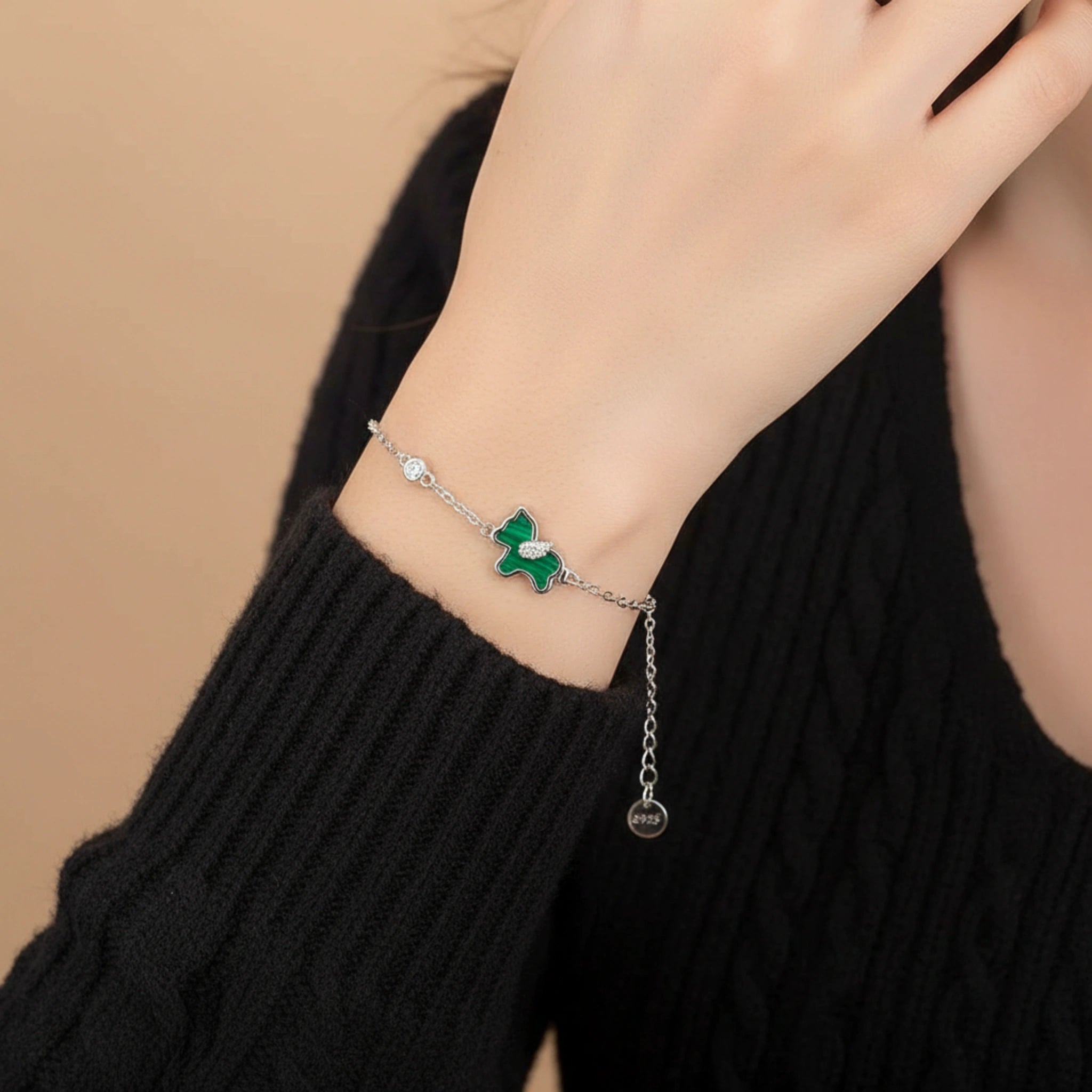
A real natural malachite usually shows differences from one stone to another. If all the beads look almost perfectly identical, caution is needed. Likewise, images that are too heavily retouched, too shiny, or too smooth may hide the true nature of the material.
Also remember to read the product description carefully. An attractive photo alone is not enough. A serious seller clearly states what they are offering. The combination of sharp images and a precise description remains one of the best indicators of trust.
To discover creations that showcase this stone, you can explore Malachite Jewelry Collections.
Why Authenticity Matters in Crystal Healing
In the field of crystal healing, the authenticity of a stone takes on special importance. Many people choose malachite not only for its appearance. They also choose it for the meanings associated with it: transformation, protection, emotional release, awareness, inner growth.
From this perspective, a natural malachite is generally preferred. Why? Because it is perceived as an authentic mineral, shaped by nature, carrying its own structure and geological history. By contrast, a reconstructed malachite may contain a portion of real material, but it has been altered, mixed, and reshaped.
Depending on personal sensitivity, this changes the way the stone is perceived. Some people believe that a reconstructed stone retains part of the properties of the original mineral. Others prefer to use only unaltered natural stones in their crystal healing practices.
This is why many people prefer a genuine natural stone:
- it preserves its intact mineral structure
- it inspires more confidence
- it better aligns with a search for authenticity
- it is seen as more coherent for energetic use
- it has higher mineral value
This does not mean that a reconstructed stone has no interest at all. It may be suitable for style, decoration, or a first purchase on a smaller budget. But when the main intention is related to crystal healing, it is better to pay attention to the actual nature of the stone.
To discover how this stone also fits into the world of jewelry, you can read Malachite Jewelry: Elegance and Energy.

The Most Common Mistakes When Buying Malachite
Buying malachite may seem simple at first glance. Yet some mistakes happen very often. Knowing them already helps you avoid many unpleasant surprises.
The most common traps
- believing that a green veined stone is automatically malachite
- relying only on color
- ignoring the quality of the patterns
- not reading the product description in detail
- assuming that a high price guarantees authenticity
- confusing “contains malachite” with “is natural malachite”
- buying too quickly based on spontaneous excitement
One of the most common mistakes is believing that a reconstructed stone is equivalent to a natural stone. It is not. A reconstructed malachite may be beautiful, but it does not have the same structure, the same mineral value, or necessarily the same place in crystal healing.
Another mistake is trusting commercial presentation entirely. Some products are presented with very beautiful photos, poetic language, and flattering words, but without real precision about the nature of the material. Yet in the world of natural stones, accuracy is more valuable than a flow of seductive adjectives.
Our Tips for Buying Real Malachite with Confidence
To choose a real natural malachite stone, it helps to adopt a few good habits. Nothing complicated, but a bit of attention makes all the difference.
Good habits to adopt
- observe the patterns carefully
- check the shades of green
- compare several pieces
- read the product description to the end
- look for a precise mention of the nature of the stone
- favor transparent sellers
- be wary of prices that are too low
- check whether the photos are sharp enough
- avoid descriptions that are too vague
What a good seller should ideally specify
- whether the stone is natural or reconstructed
- the type of product being offered
- the visual quality of the stone
- the specific features of the patterns
- possible differences from one piece to another
Buying with confidence does not only mean buying a beautiful stone. It also means buying clear information. A real relationship of trust begins when the seller allows you to understand what you are buying, without ambiguity or exaggeration.
Key Takeaways
Before choosing malachite, here are the essential points to remember:
- a natural malachite shows irregular and lively patterns
- a reconstructed malachite often appears more uniform
- color alone is never enough to identify a stone
- density, touch, and patterns matter a great deal
- price is a useful clue, but not absolute proof
- in crystal healing, many people prefer natural stones
- a clear product description is an excellent sign of seriousness
In other words, real malachite is not appealing because it is perfect, but because it is authentic. It is this share of irregularity, depth, and uniqueness that gives it all its value.
Conclusion
Malachite is one of the most fascinating stones in the world of natural stones, but also one of the easiest to confuse. Between natural malachite, reconstructed malachite, and decorative imitation, the difference is not always obvious to an untrained eye. But by observing the patterns, color, weight, touch, and the quality of the information provided, it becomes much easier to identify an authentic stone.
Choosing a real natural malachite stone means choosing a unique, naturally formed stone, rich in nuance and character. It also means making a more coherent choice if authenticity, mineral quality, and use in crystal healing matter to you.
Ultimately, real malachite is not recognized because it is too perfect. It is recognized because it is alive, nuanced, and deeply unique. And that is exactly what makes it so valuable.
How do you recognize real malachite?
Real natural malachite usually shows irregular bands, several shades of green, good density, and a deep visual structure. A stone that is too uniform or too light may be suspicious.
Is reconstructed malachite a real stone?
It may contain real malachite fragments, but it is not considered an intact natural stone. Its structure has been altered by a reconstruction process.
Does natural malachite always have bands?
Yes, malachite usually shows characteristic bands, lines, or circles. However, their shape varies greatly from one stone to another, and that variation is often a sign of authenticity.
Why are some malachites cheaper?
The price depends on several criteria: the quality of the stone, its size, the type of workmanship, the origin, the finish, and above all the true nature of the material. Reconstructed malachite is often cheaper than natural malachite.
Can you buy real malachite online?
Yes, provided that you carefully examine the photos, the product descriptions, and the seller’s transparency. Good visual clues remain visible even from a distance, especially when the images are high quality.
Read more

Discover the benefits and properties of malachite, a natural stone renowned for its protective, transformative, and emotionally balancing qualities. This article explores its origin, its meaning in...

Discover why malachite jewelry is so appealing to lovers of natural stones. Combining elegance, symbolism, and crystal healing, natural malachite stands out for its unique beauty and the energies a...


