
Genuine or Fake Citrine: How to Recognize an Authentic Quality Stone
- Introduction
- What is Citrine? A sunny and joyful natural stone
- Why are there so many fake citrines on the market?
- How to recognize a genuine citrine? The 6 key criteria
- What about heat-treated citrine? Is it completely fake?
- Citrine and crystal healing: why authenticity matters
- How to choose a piece of jewelry or a creation in authentic citrine?
- Final words: between aesthetics and energy, quality makes all the difference
- Key takeaways
- Frequently asked questions (FAQs)
Introduction
Citrine, this luminous stone with golden highlights, continues to captivate lovers of natural stones, fans of crystal healing, and enthusiasts of energy jewelry. But as this sunny stone grows in popularity, one question comes up again and again: how to recognize a genuine citrine?
In a market flooded with heat-treated stones, dyed quartz, or simple glass imitations, it becomes essential to know the difference between a real citrine and a counterfeit.
In this article, we explain everything: origin, characteristics of an authentic citrine, recognition tips, risks linked to fake stones… A complete guide to help you make an informed choice, whether you are a beginner or a connoisseur.
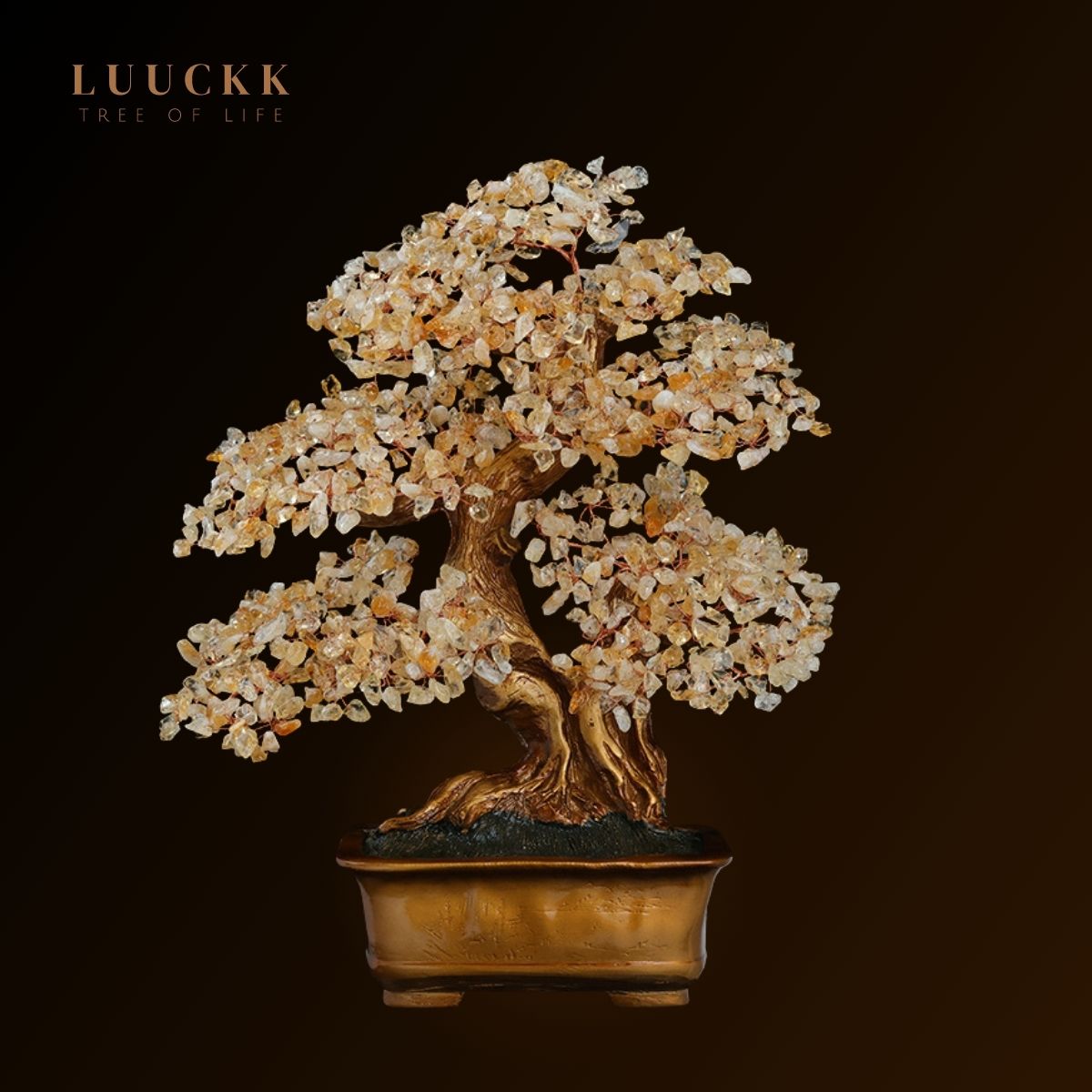
Our Citrine Tree of Life
What is Citrine? A sunny and joyful natural stone
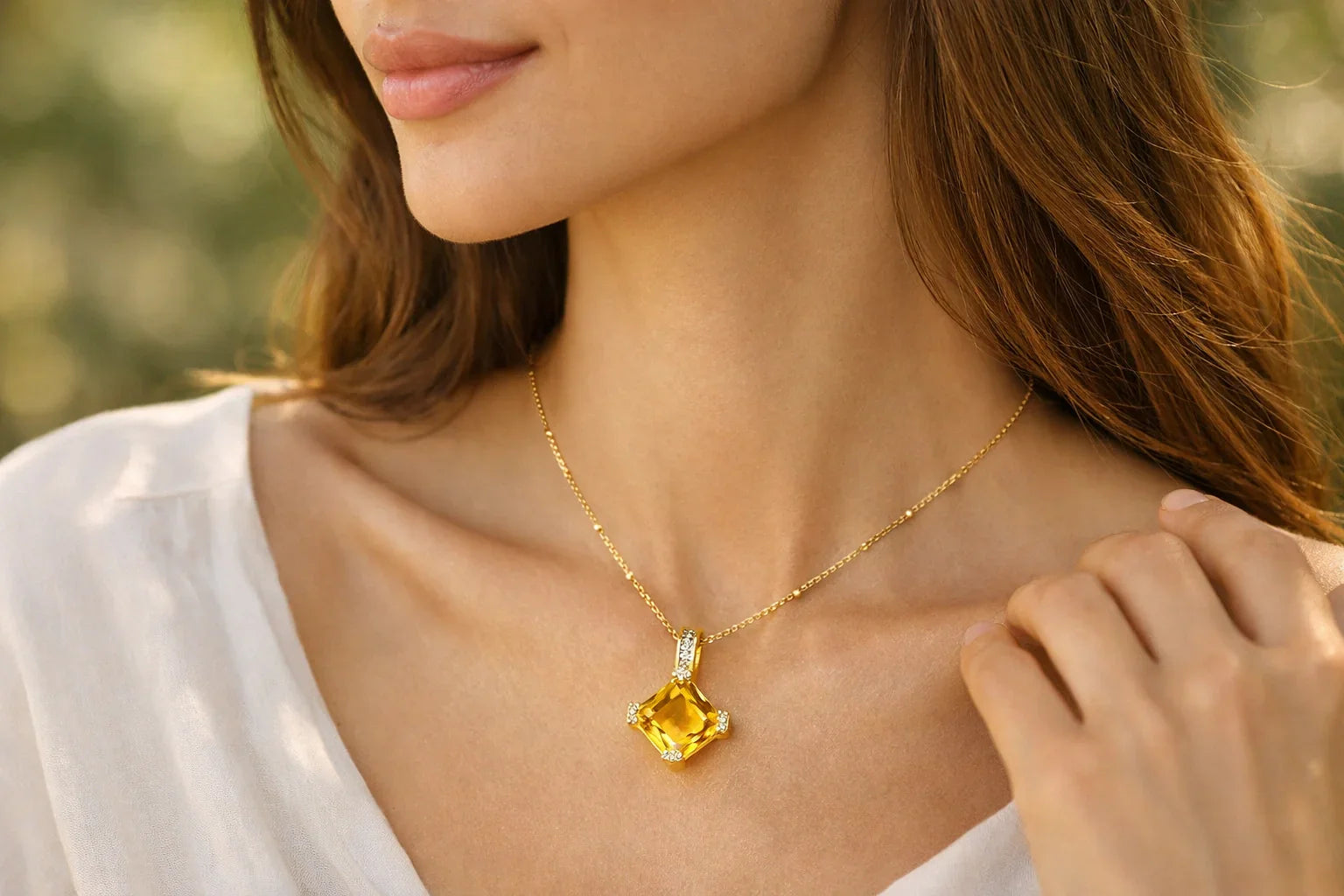
Citrine is a variety of quartz, whose color ranges from pale yellow to deep gold, sometimes with honey-like reflections. Its name comes from the word “lemon,” referring to its warm, luminous hue. This stone is among the most used natural stones in crystal healing, but also in the making of jewelry, tree of life creations, and decorative objects.
Geological origin
Citrine forms naturally in silica-rich igneous rocks. It is mainly found in deposits located in Brazil, Madagascar, Russia, and in a few regions of Africa.
But there are several types of citrine on the market:
- Natural citrine : sourced directly from nature, without heat treatment. It is relatively rare.
- Heat-treated citrine : often an amethyst or smoky quartz that is artificially heated to obtain a yellow color. Although it comes from a natural stone, it does not have the same energy as genuine citrine.
- Imitation : synthetic stone, colored glass, or resin with no energetic value.
In crystal healing, citrine is associated with the solar plexus chakra; it encourages joy, abundance, mental clarity, and self-confidence. It’s a radiant stone, for both the mind and the aura.
To learn more about the origins and symbolism of this stone, read the article Citrine: Stone of Joy and Abundance.

Why are there so many fake citrines on the market?
With the rising popularity of natural stones and energy jewelry, citrine has become a highly sought-after stone. Its beautiful color, sunny symbolism, and virtues in crystal healing make it a top choice for creators and enthusiasts. But the real citrine is relatively rare… and expensive.
Cheaper alternatives… but misleading
To meet demand, many suppliers offer stones that are:
- Artificially heated : the most common case. An amethyst (purple) or smoky quartz is heated at high temperatures, and the stone turns yellow. The result is misleading.
- Chemically colored : some white quartz is soaked in chemical baths to obtain a yellow color. This is a complete imitation, with no energetic value.
- Glass or plastic : the worst scenario. These materials have nothing to do with a genuine citrine, neither aesthetically nor vibrationally.
Why is this a problem?
Beyond the commercial deception, using a non-authentic stone in crystal healing completely distorts the energetic work. An imitation does not capture energy, does not transmit it, and does not help balance the chakras. For those who wear citrine for its virtues (abundance, energy, motivation), this can be disappointing—or even frustrating.
How to recognize a genuine citrine? The 6 key criteria
You’re holding a yellow stone in your hands… but is it really authentic citrine? Here are the main criteria to observe to tell the difference.
1. Color
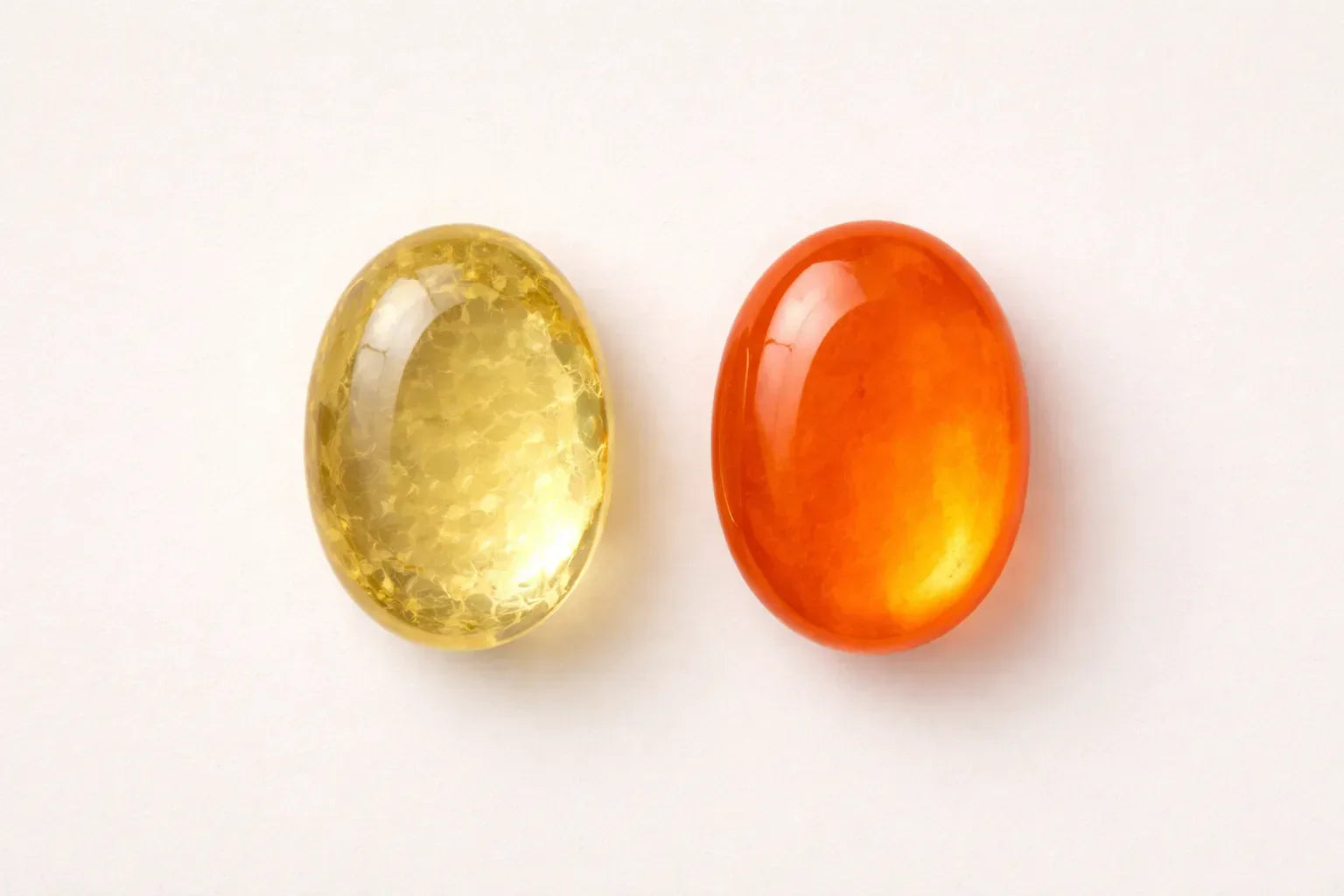
Real citrine naturally displays a pale yellow to golden hue, often even but soft. If the stone leans toward dark orange or brown, there is a strong chance it is a heat-treated amethyst.
Heat-treated citrines also tend to show darker ends and an unnatural, almost artificial color.
2. Transparency
A natural citrine is generally transparent to semi-transparent. It may contain a few inclusions or bubbles, but remains clear. Cloudy, milky, or overly perfect stones (with no imperfections) may be glass imitations.
3. Temperature to the touch
Natural stones are always cool to the touch, unlike plastic or glass, which warm up quickly in the hand.
4. Origin
Always ask for the stone’s geographical origin. The most reputable deposits for genuine citrine are Brazil, Madagascar, and Uruguay. A seller who cannot provide this information deserves extra caution.
5. Price
Since natural citrine is rarer, its price is higher. If a yellow stone is offered to you at a very low price, be wary. A genuine, quality citrine cannot be sold for just a few euros.
6. The seller
Always prioritize specialized shops in natural stones, working with serious suppliers and offering certified products. General marketplace sites are full of fake stones.
To go further into the physical and energetic properties of citrine, the article Benefits and Properties of Citrine will offer you complementary and enriching reading.

What about heat-treated citrine? Is it completely fake?
The question comes up often: is heat-treated citrine really fake? Technically, no. It is indeed a natural stone, often an amethyst, that has been heated. But the thermal process alters the stone’s energetic structure.
- In crystal healing, heat-treated citrine does not have the same properties vibrationally as natural citrine.
- It is often used for its aesthetic appeal, especially in jewelry, but it is important that the seller clearly states that the stone is heat-treated.
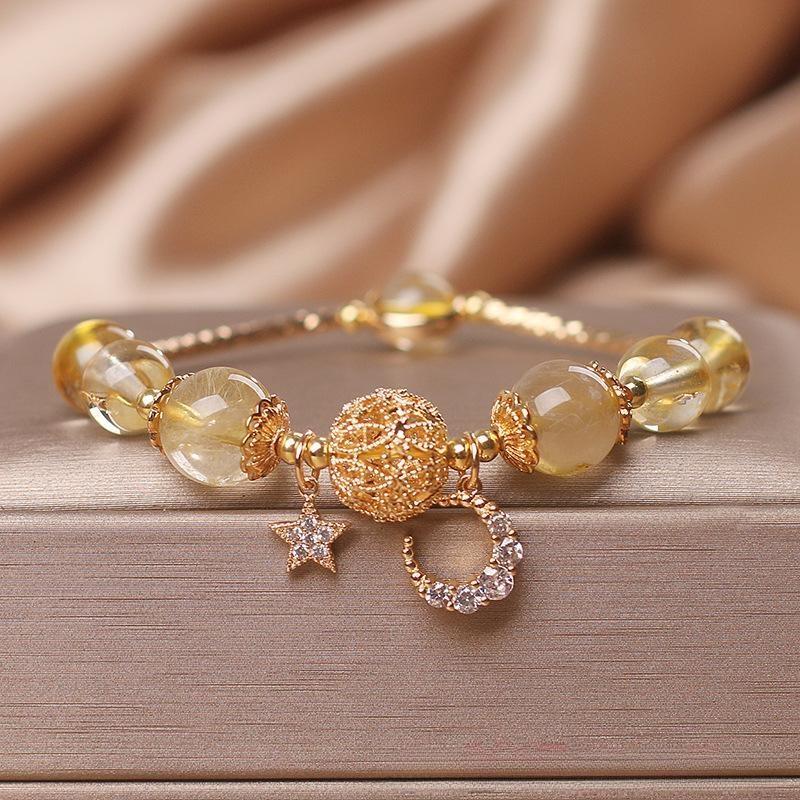
When in doubt, it’s better to choose authentic creations, like those available in the Citrine Jewelry & Tree of Life Collections, where each stone is carefully selected for its quality and origin.
Citrine and crystal healing: why authenticity matters
In crystal healing, every natural stone vibrates at its own frequency, interacting with our energy centers. Citrine, connected to the solar plexus, is a stone of expansion, joy, and inner light. It helps to:
- Boost motivation and concentration
- Attract abundance and success
- Strengthen self-confidence
- Dispel negative energies
But the stone must be authentic, otherwise… no effect. Crystal healing relies on a relationship of trust between you and the stone. Wearing an imitation will have no energetic impact.
The article Citrine and Chakras: How This Stone Activates Your Solar Energy explains this interaction between genuine citrine and energetic work very well.

How to choose a piece of jewelry or a creation in authentic citrine?
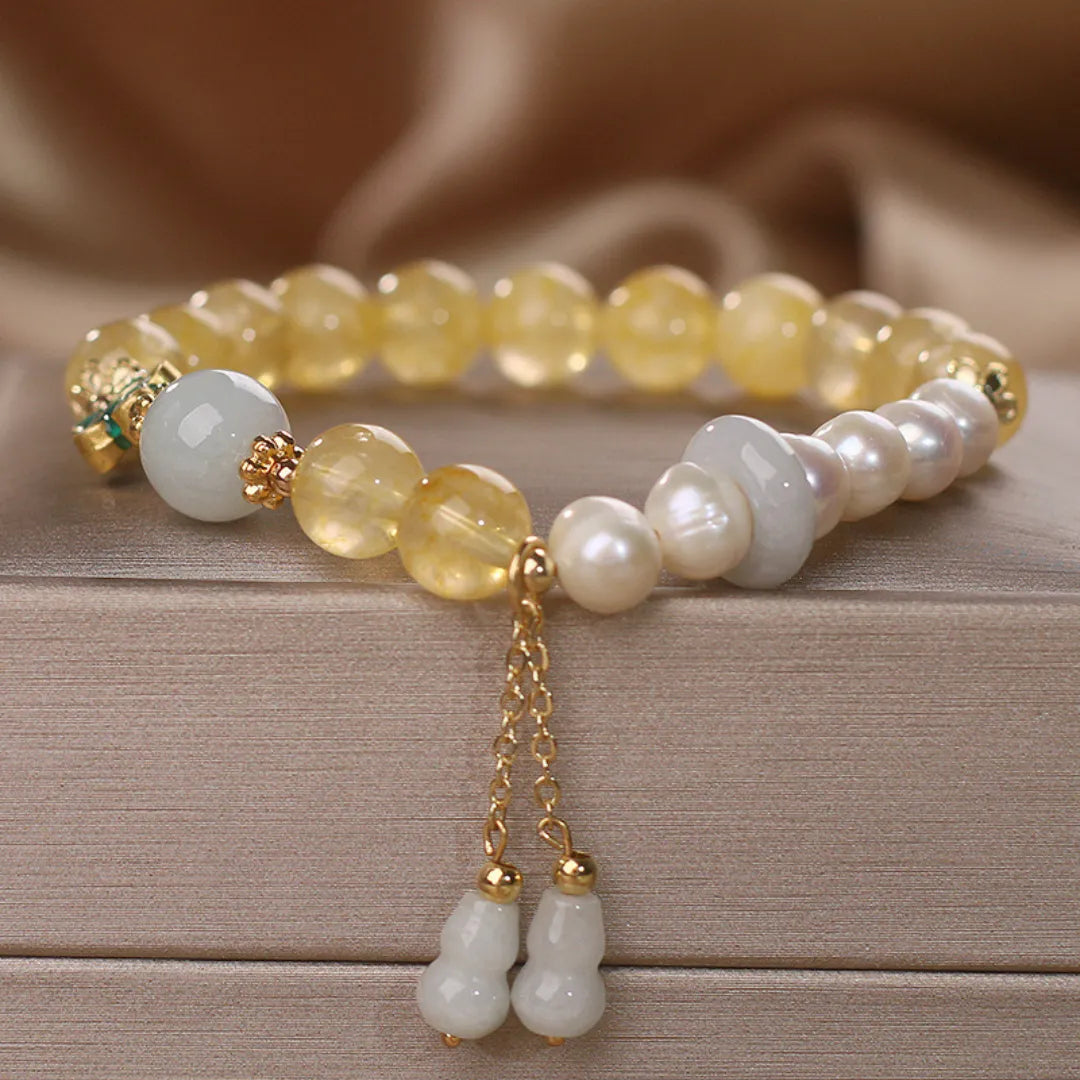
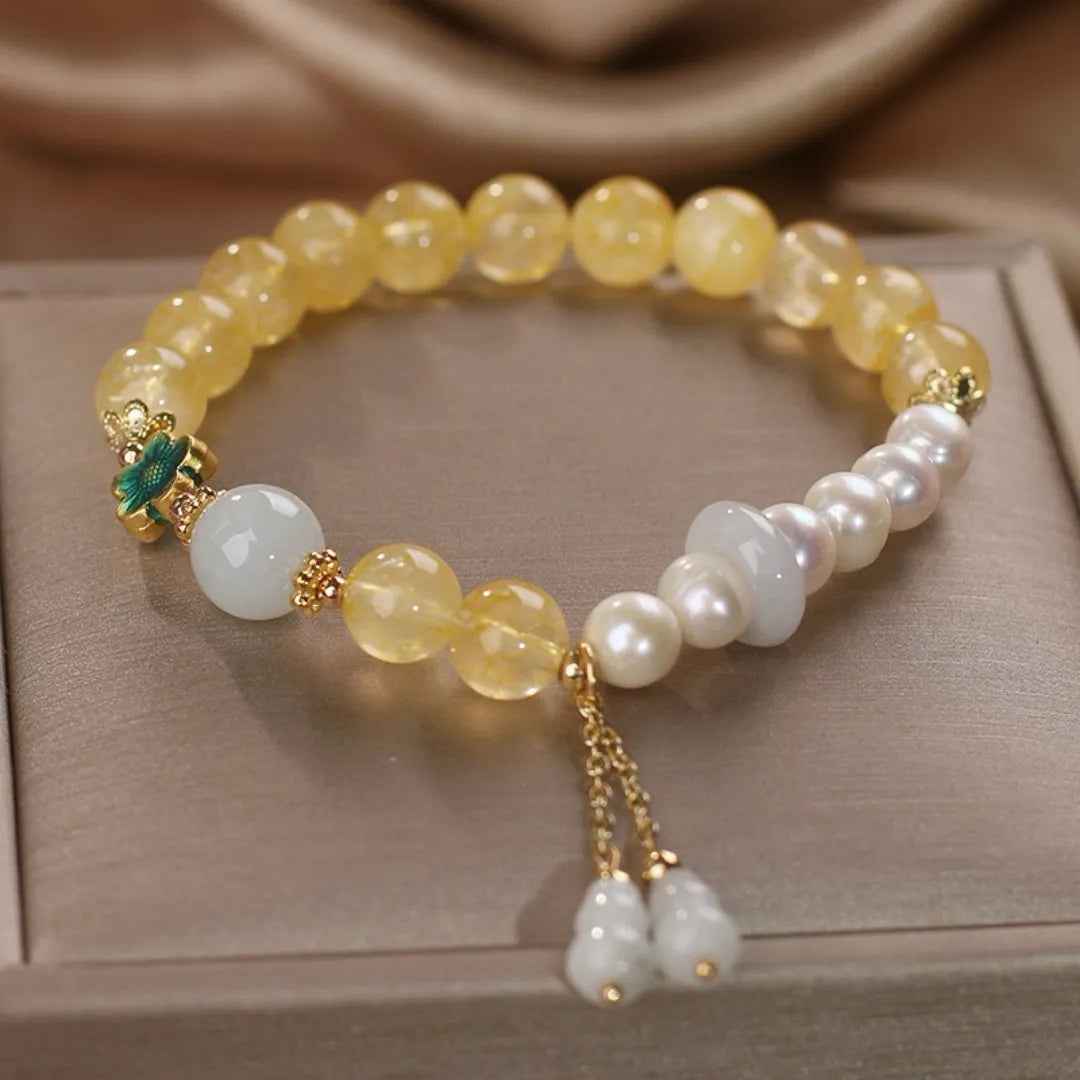
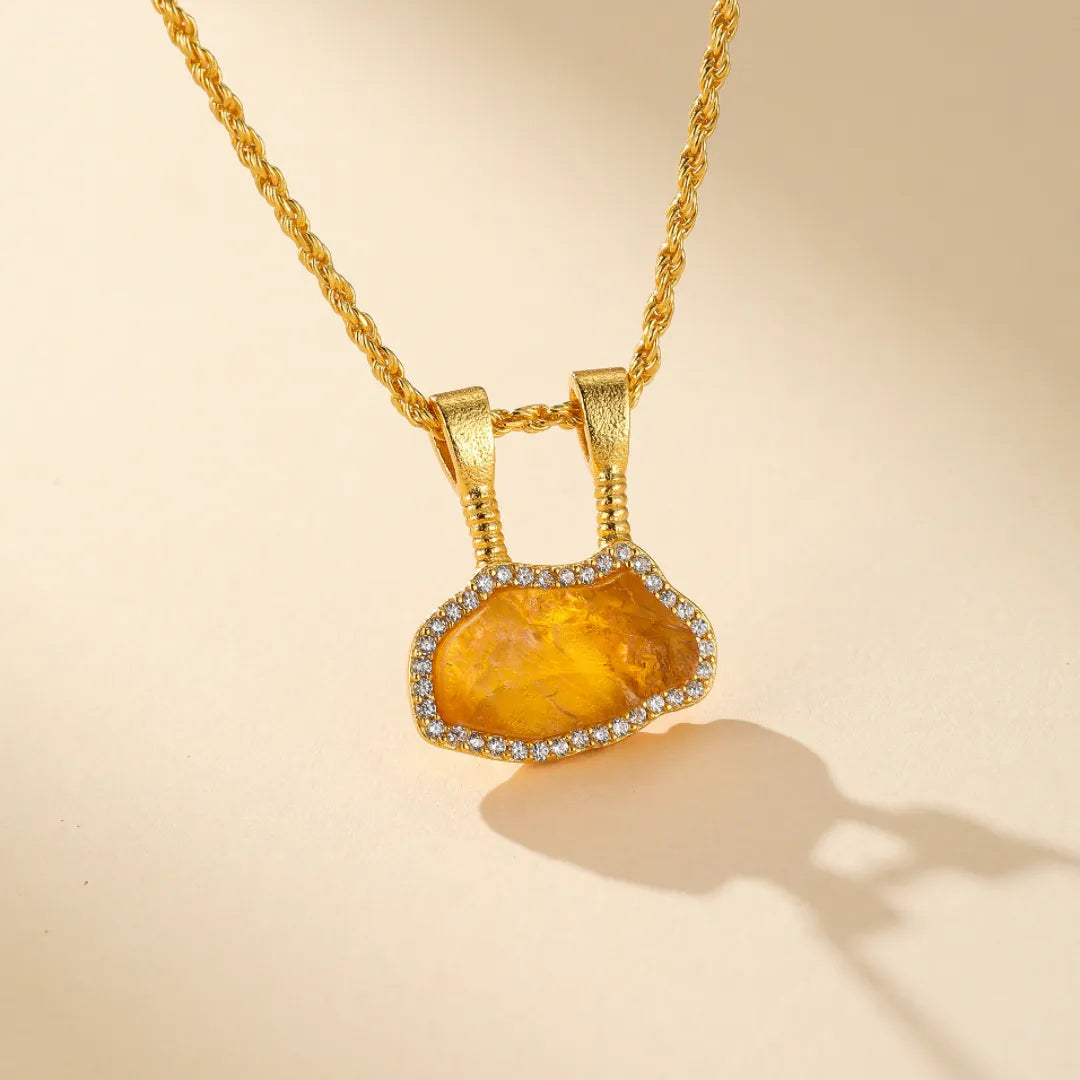
If you want to integrate citrine into your daily life—whether through a bracelet, a necklace, or a tree of life—here are a few tips to help you choose well:
- Check the origin and description : a good seller clearly states whether it is natural or heat-treated citrine.
- Observe the color and clarity : avoid dark orange, overly saturated, or opaque stones.
- Choose handcrafted creations : they are often made with carefully selected stones.
- Trust specialized websites in natural stones.
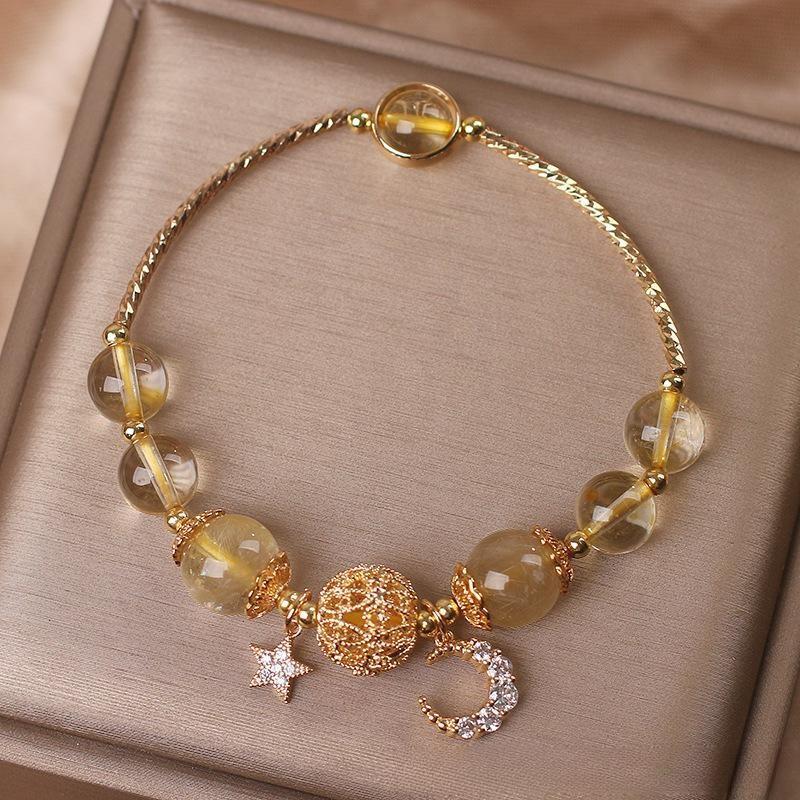
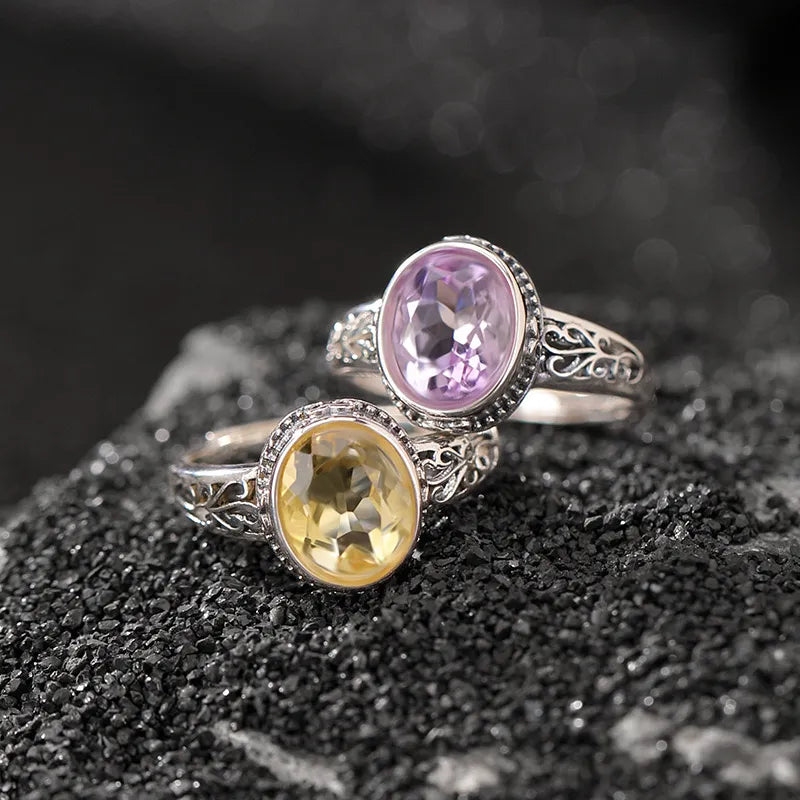
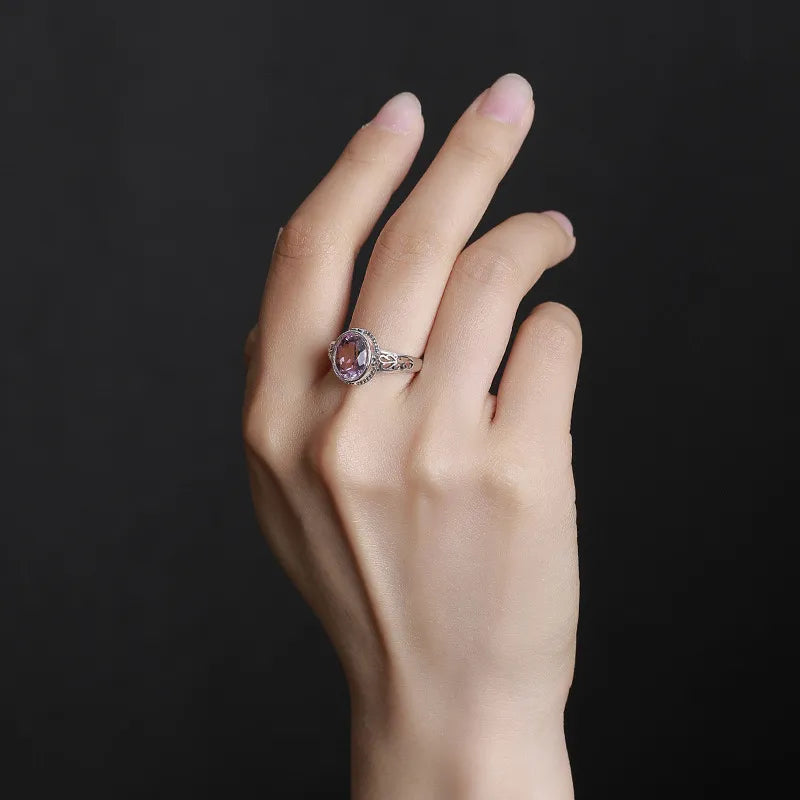
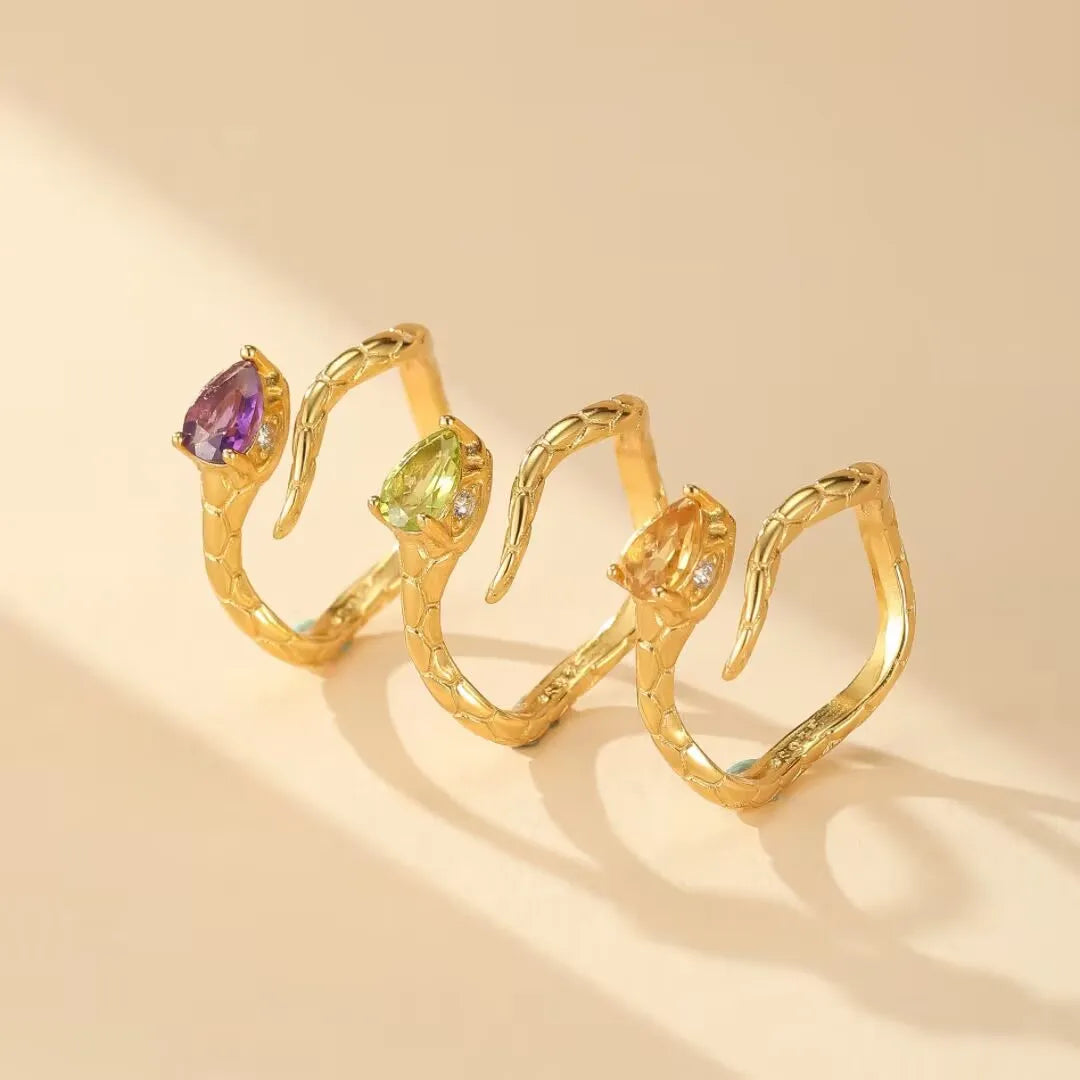
Discover, for example, the Citrine Jewelry & Tree of Life Collections, where the stones are chosen for their vibrational virtues as much as for their beauty.








Final words: between aesthetics and energy, quality makes all the difference
Citrine is a sunny, powerful, joyful, and generous stone. It deserves to be chosen with care, because its quality determines its energetic value as much as its aesthetic value. At a time when counterfeits flood the market, learning how to recognize a genuine citrine is a true act of awareness.
Don’t forget: a real stone speaks, vibrates, transmits. An imitation, even if pretty, remains silent.
To go further, explore our article Citrine Jewelry: Elegance and Energy to understand how to integrate this stone into your everyday style.
Key takeaways
- Genuine citrine is rare, pale yellow to golden, and comes from known deposits.
- Imitations are common: heat-treated stones, dyed quartz, glass.
- In crystal healing, only a natural stone retains real energetic value.
- Choose specialized sellers and handcrafted creations to guarantee the authenticity of your stone.
And now, all that’s left is to explore our selection of citrine jewelry or tree of life creations in natural stones to feel the full power of this sunny stone.
What is the difference between natural citrine and heat-treated citrine?
Natural citrine is extracted as-is from the earth, while heat-treated citrine is often an amethyst or quartz that has been artificially heated to obtain a yellow color. Natural citrine is rarer and more valuable, especially in crystal healing.
How can I tell if my citrine is real?
Observe the color (pale yellow to golden), transparency, temperature to the touch (cool), and ask for the stone’s origin. A genuine citrine should not be dark orange or opaque.
Do fake citrines have an effect in crystal healing?
No. Only natural stones have a vibrational action. A fake citrine (glass or dyed quartz) has none of the virtues associated with this sunny stone.
Where can you find the best natural citrines?
The most reputable deposits are in Brazil, Madagascar, and Uruguay. That’s where most high-quality genuine citrines come from.
Does a dark orange color indicate a fake citrine?
Very often, yes. A dark orange color usually indicates a heat-treated amethyst rather than a natural citrine. Genuine citrine has a lighter, more golden color.
Read more
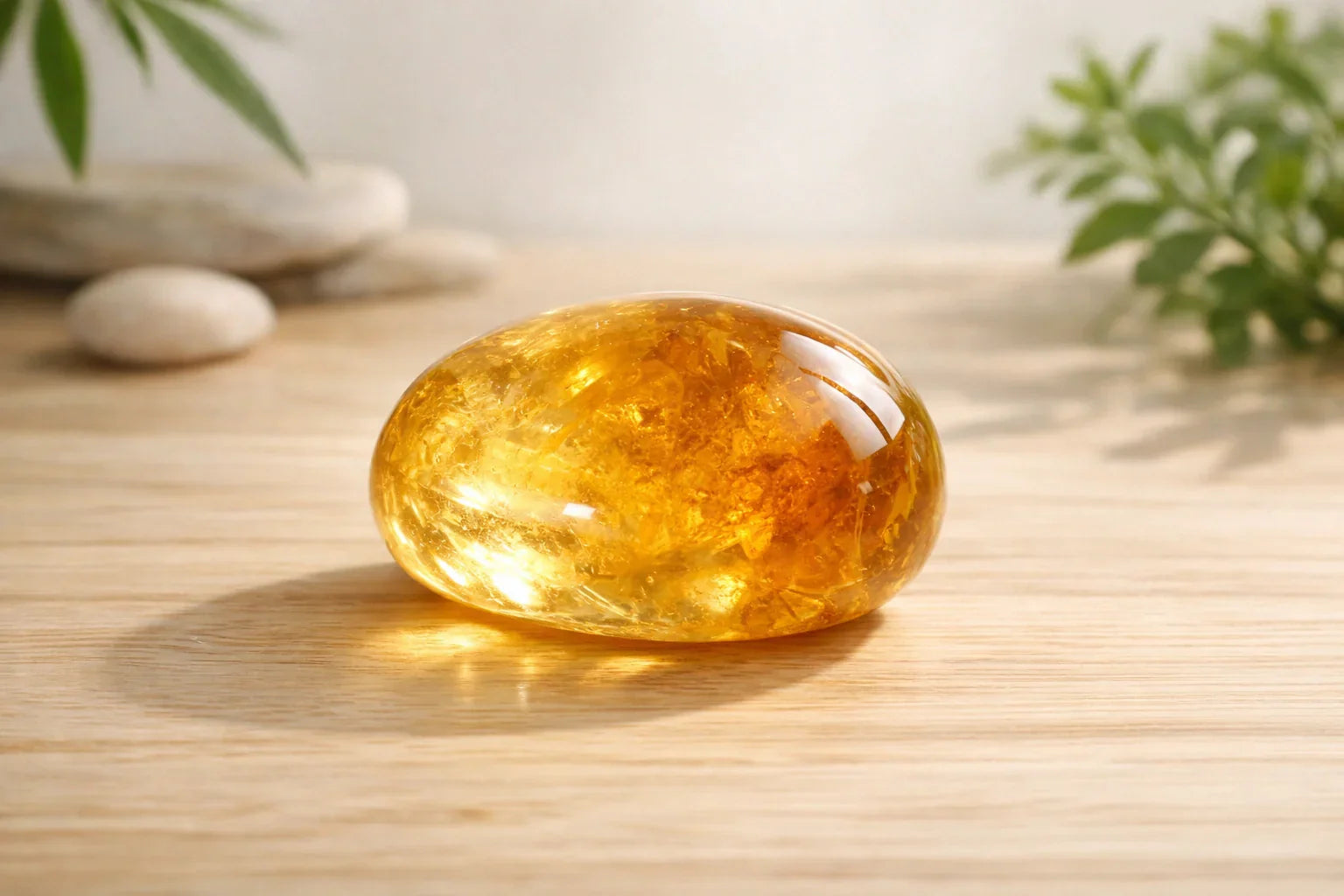
Citrine is one of the most appreciated natural stones in lithotherapy, valued for its qualities of joy, abundance, and positive energy. In this article, discover the emotional and energetic benefit...
Explore the solar power of citrine through its uses in crystal healing, its energetic properties, and its stunning jewelry variations. Discover how this natural stone combines elegance, well-being,...


