









The Tree of Life Across Religions: Symbols and Interpretations
Table of Contents
- A Universal Symbol with Ancient Roots
- The Tree of Life & Universal Spirituality: Rooted Across Civilizations
- The Tree of Life in Judaism: Mysticism and Creation
- Christianity: A Symbol of Resurrection and Salvation
- The Tree of Life in Islam: Divine Knowledge and Heavenly Mystery
- Buddhism and Hinduism: A Pathway to Enlightenment
- Feng Shui & The Tree of Life: Harmonizing Universal Energy
- Comparative Religious Overview: A Bridge Between Sacred Traditions
- Crystal Healing Comparison Table: Properties, Chakras & Care Guide
- Conclusion: A Living Emblem at the Heart of Our Spiritual Journey
- Frequently Asked Questions: The Tree of Life Across Religions
A Universal Symbol with Ancient Roots
Since the dawn of time, trees have captivated humanity. Rooted deep within the earth while reaching gracefully toward the heavens, they offer shelter, nourishment, and inspiration. Among them, the Tree of Life holds a truly sacred place. Cherished across myths, religious scriptures, and spiritual traditions worldwide, it embodies creation, divine wisdom, immortality, and cosmic balance.
Yet, what is the true spiritual meaning of the Tree of Life across different religions? Why does this potent emblem continually resurface—often in distinct and fascinating forms—in civilizations as varied as ancient Mesopotamia, the Abrahamic faiths, and Eastern philosophies?
In this article, we delve deep into this timeless mystery, exploring the sacred symbolism of the Tree of Life across world faiths and revealing little-known spiritual insights along the way.
Looking for a complete overview before exploring its religious dimension? Discover the Meaning of the Tree of Life and Its Spiritual Benefits.
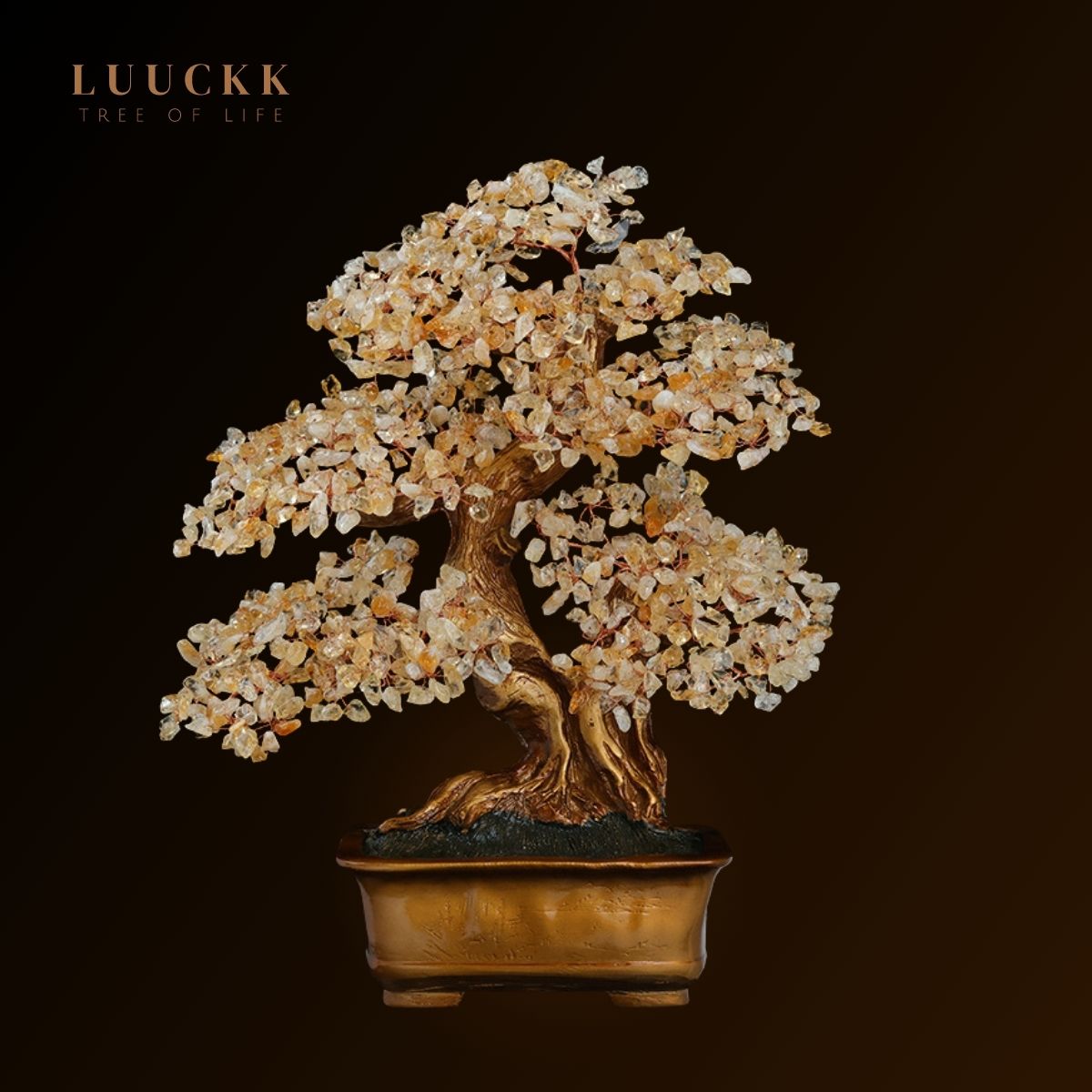
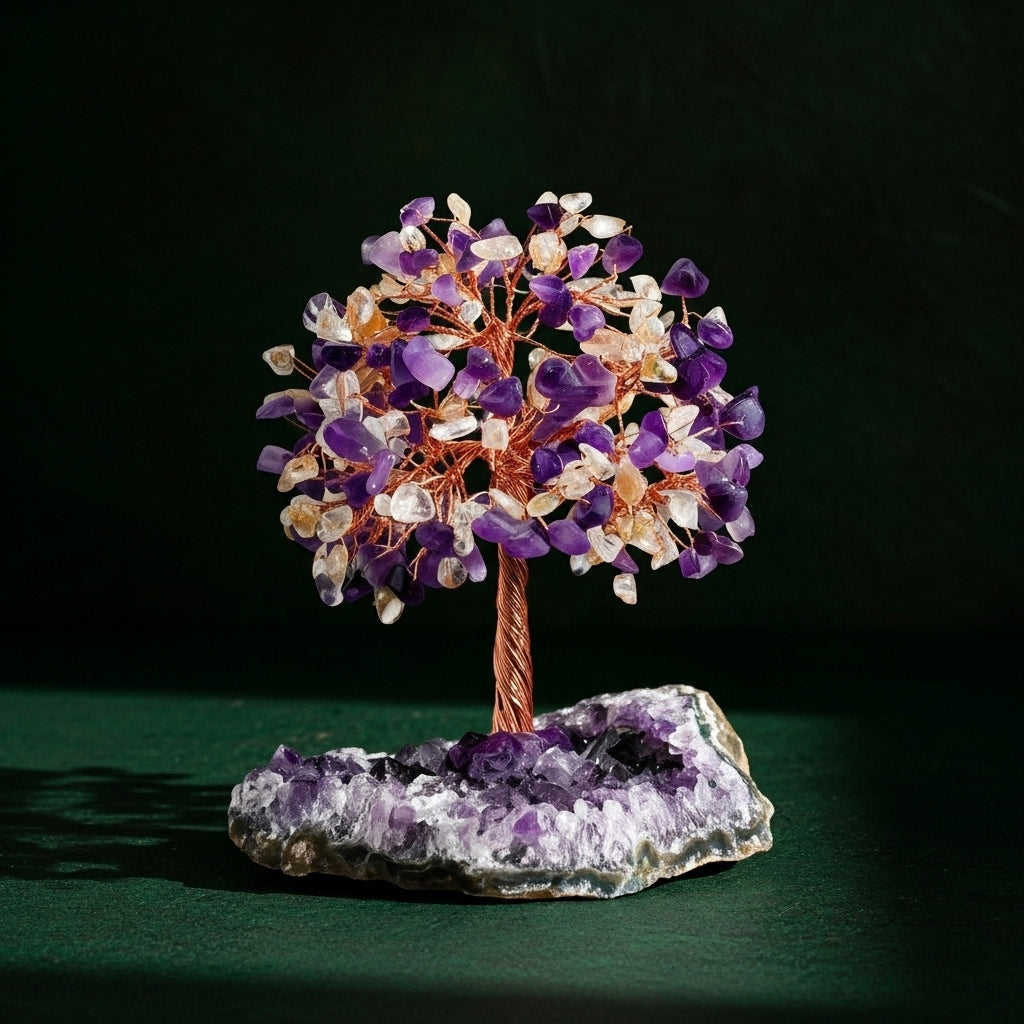
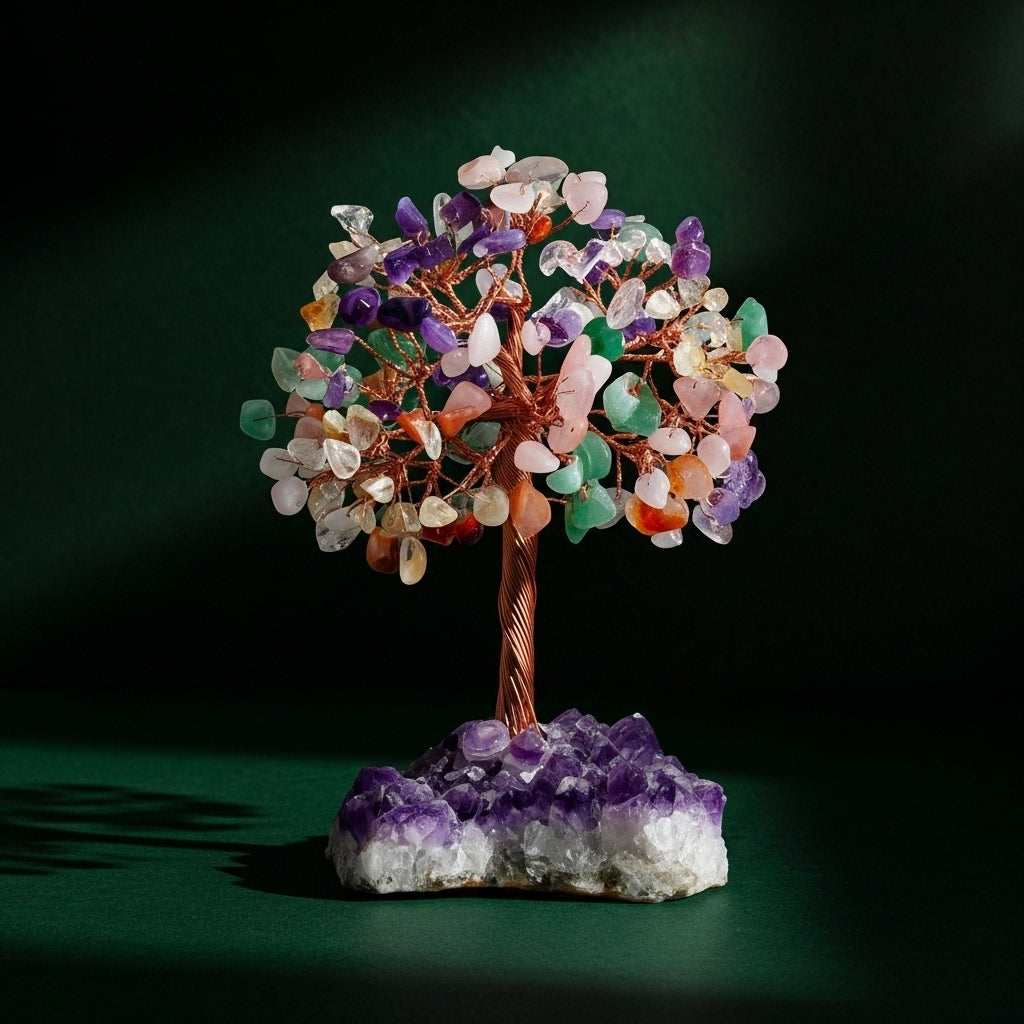
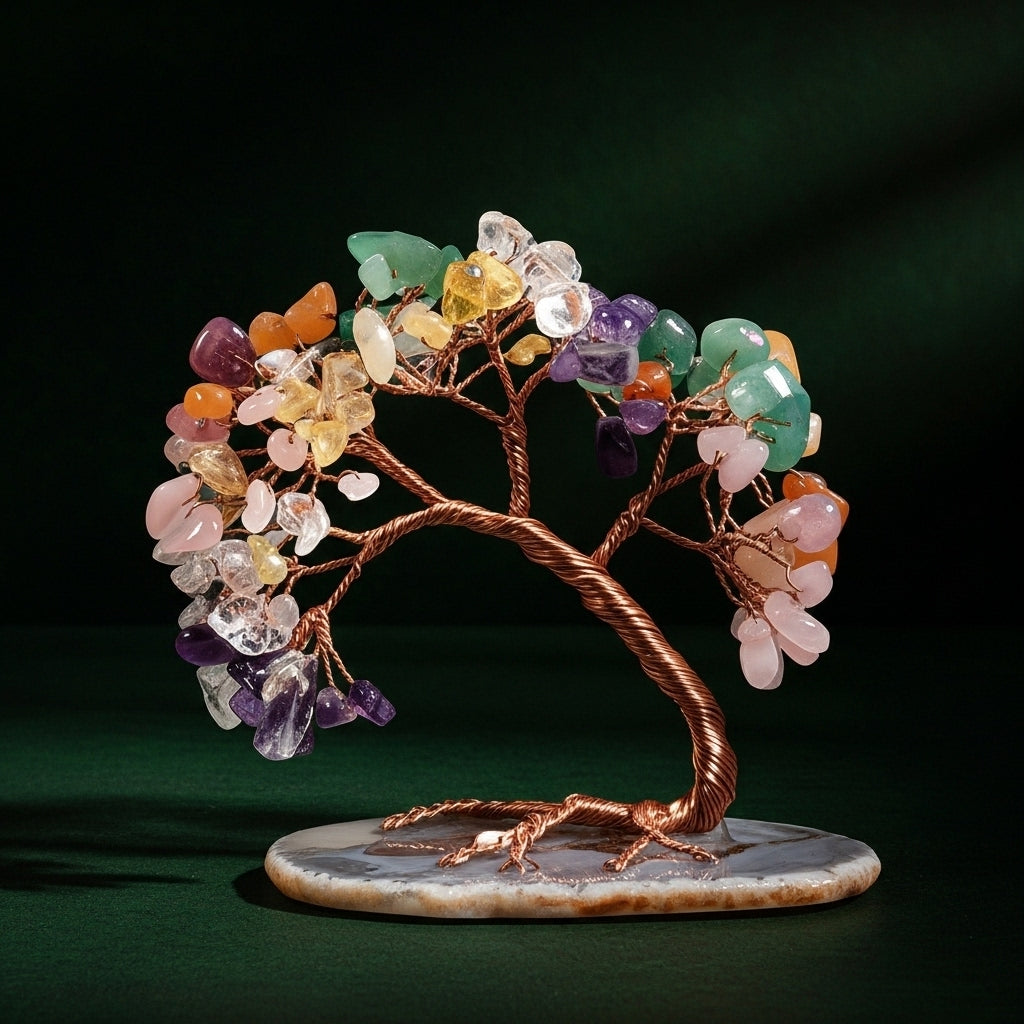
Luuckk Crystal Selection: The Tree of Life Across Religions


The Tree of Life & Universal Spirituality: Rooted Across Civilizations
Before exploring specific theological interpretations, it is essential to understand that the Tree of Life did not originate solely within monotheistic religions. Its roots reach far deeper, drawing life from the foundational creation myths of humanity's earliest civilizations.
In ancient Mesopotamia, for example, the sacred tree served as an enduring bridge between the divine realms and mankind. The Sumerians revered a cosmic tree uniting heaven and earth, echoed by the ancient Egyptians, who regarded it as the central axis mundi upholding the universe.
For the Celts, the sacred tree—most often a noble oak—stood at the heart of the community as a spiritual conduit to the ancestors. It embodied the eternal cycle of life and the interconnectedness of all living things.
To explore the deeper origins of this sacred icon, our article on the Origins and Spiritual Meaning of the Tree of Life Across Beliefs offers a rich and comprehensive guide.
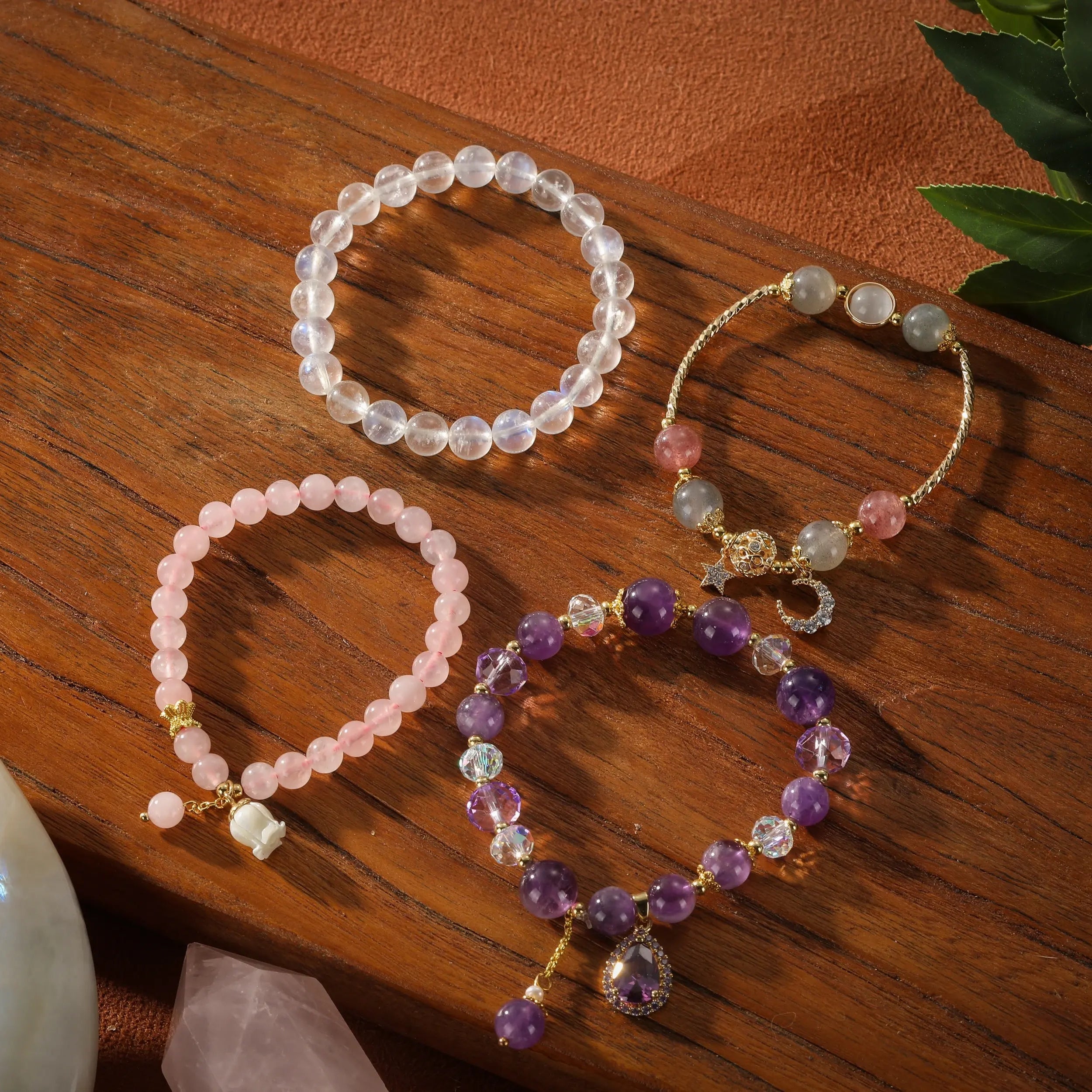
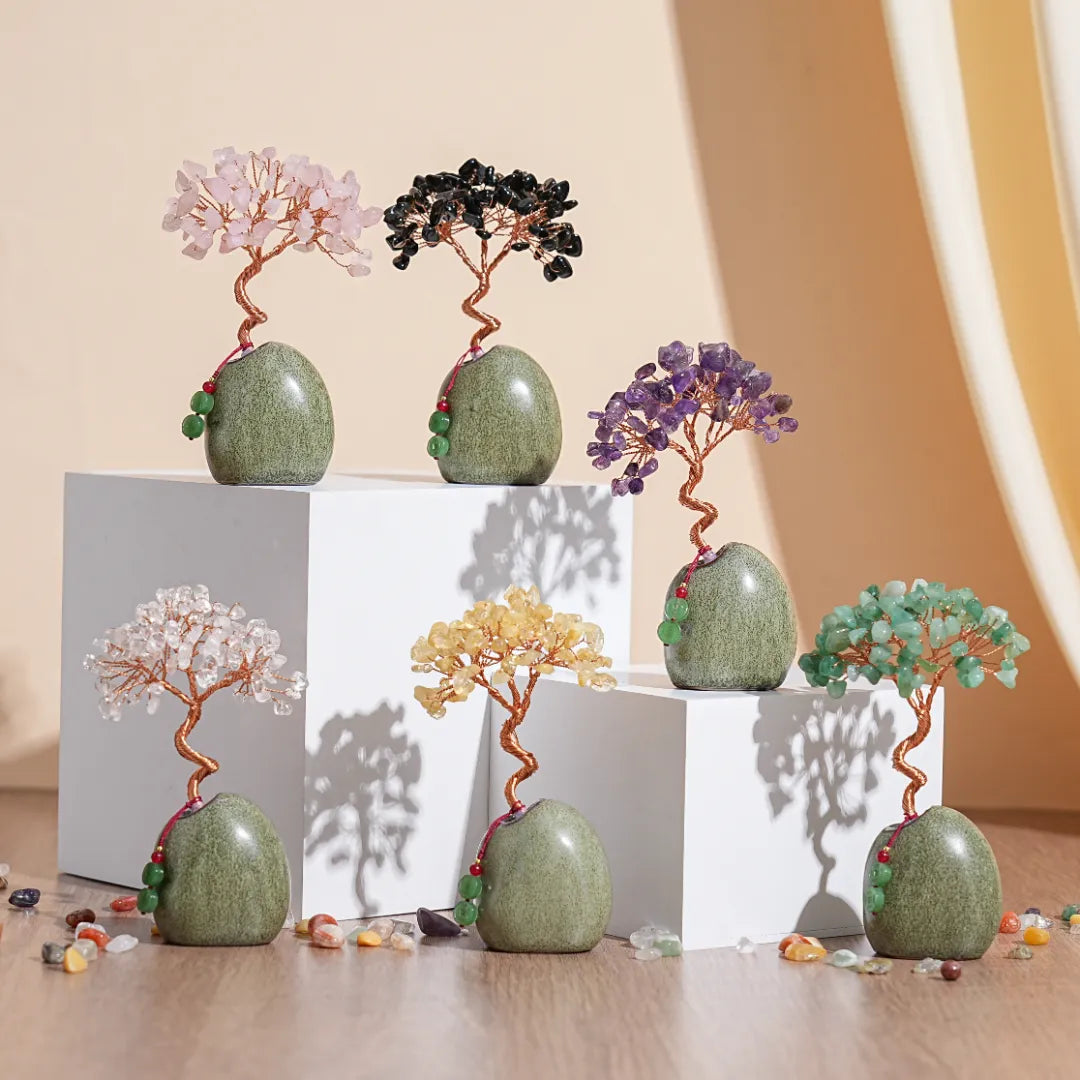
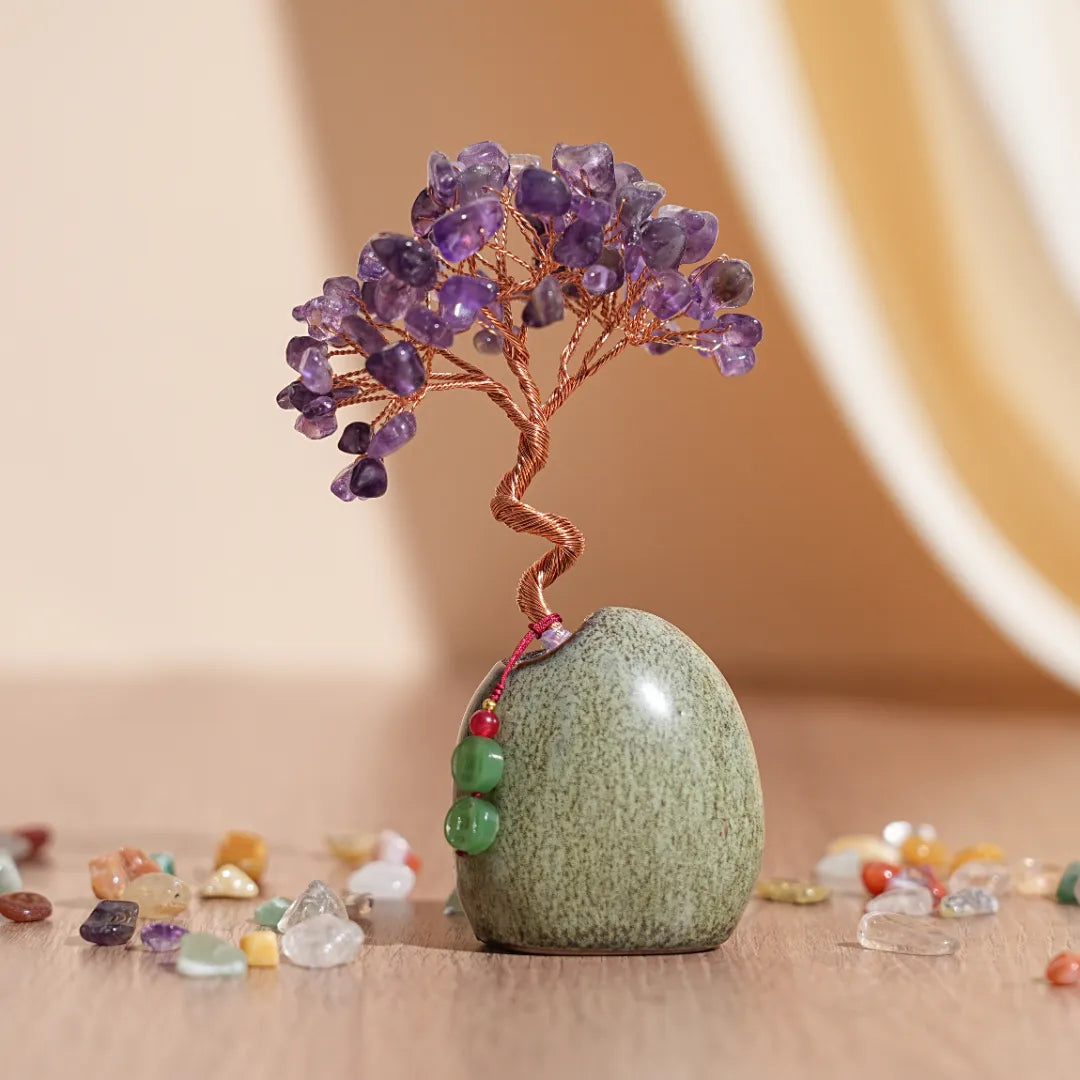
Handcrafted Healing Crystal Creations & Tree of Life Collection




The Tree of Life in Judaism: Mysticism and Creation
Within the Jewish tradition, the Tree of Life appears across foundational scriptures. Most famously situated in the Garden of Eden, it flourishes alongside the Tree of Knowledge of Good and Evil, representing eternity, primordial purity, and the promise of everlasting divine life.
However, it is within Kabbalah—the mystical heart of Judaism—that the Tree of Life takes on its most profound metaphysical meaning. Here, it manifests as the sacred blueprint of creation: a cosmic map composed of ten divine emanations known as the Sephiroth, representing the divine energies through which the universe was formed.
Known as "Etz Chaim", this sacred tree is a true cosmic framework. Each Sephirah corresponds to an attribute of the Divine (such as wisdom, strength, beauty, and compassion), while the pathways connecting them map the soul's spiritual ascent toward intimate union with the divine source.
Far more than a decorative symbol, this sacred geometry is an esoteric map of human consciousness and spiritual evolution.

Christianity: A Symbol of Resurrection and Salvation
Christian theology inherits the Tree of Life from Genesis, infusing it with renewed spiritual significance through the figure of Christ. In this tradition, the Tree of Life becomes an enduring emblem of resurrection, salvation, and eternal life.
In theological symbolism, the Tree of Life is frequently viewed as a prefiguration of the Cross—itself an instrument of redemption and renewed spiritual vitality. It transcends its earthly garden origins to become the Tree of Faith, firmly planted in the hearts of devotees.
Medieval Christian art often depicts the Tree of Life as a sacred tree bearing the fruits of wisdom, righteousness, and unconditional love. It bridges heaven and earth, symbolizing divine presence that dwells within and yet transcends creation.
Explore this sacred tradition further in our dedicated article: Meaning of the Tree of Life in Christianity

The Tree of Life in Islam: Divine Knowledge and Heavenly Mystery
The Tree of Life holds an equally revered place within Islamic spirituality, embodying distinct metaphysical dimensions. In traditional Islamic texts and oral traditions, scriptures describe a celestial tree at the boundary of the highest heavens (Sidrat al-Muntaha), marking the utmost limits of mortal understanding and celestial insight.
This emblem symbolizes the ultimate connection between creation and the Creator, harmonizing what is revealed with what lies in the realm of sacred mystery. Many spiritual scholars view it as the Tree of Divine Knowledge—infinitely vast, with each leaf whispering secrets of the cosmos.
In Sufi mysticism, the Tree of Life also represents the inner growth of the seeker, reflecting their conscious elevation through divine and self-realization. It stands as a poetic metaphor for the spiritual quest, marking the soul's ascent toward absolute divine illumination.
To learn more about this sacred perspective, discover our article: What Does the Tree of Life Mean in Islam?
Buddhism and Hinduism: A Pathway to Enlightenment
Across Dharmic traditions such as Buddhism and Hinduism, sacred trees play a vital role, embodying spiritual transcendence and universal life force.
In Buddhism, it was beneath a sacred fig tree—the revered Bodhi Tree—that Siddhartha Gautama attained supreme Enlightenment. Ever since, this sacred tree has stood as the quintessential symbol of inner liberation, marking victory over ignorance, illusion, and earthly suffering.
Here, the tree is revered not merely as an axis between worlds, but as a sanctuary of direct spiritual realization—a living temple inspiring mindfulness, enduring inner peace, and the timeless pursuit of truth.
In Hinduism, the cosmic tree—often celebrated as the mythical Kalpavriksha—is the celestial wish-fulfilling tree gracing the heavenly realm of Indra. It is intrinsically tied to cosmic manifestation and the energetic circulation of prana through the chakras.
Within this rich heritage, the sacred tree radiates limitless abundance, immortality, and the foundation of universal balance.
Feng Shui & The Tree of Life: Harmonizing Universal Energy
In traditional Chinese metaphysics and Feng Shui, the Tree of Life is celebrated as an exceptional energy activator. It is widely placed to attract wealth and prosperity, protect the sanctuary of home, nurture loving relationships, and restore tranquil harmony.
Each dimension of the tree resonates with an essential facet of human existence: the roots anchor ancestral bonds and family, the trunk fosters vitality and health, and the branches expand toward prosperity and social harmony. Placing a crystal tree in your living space or office helps harmonize Chi energy flow, revitalizing key areas of life.
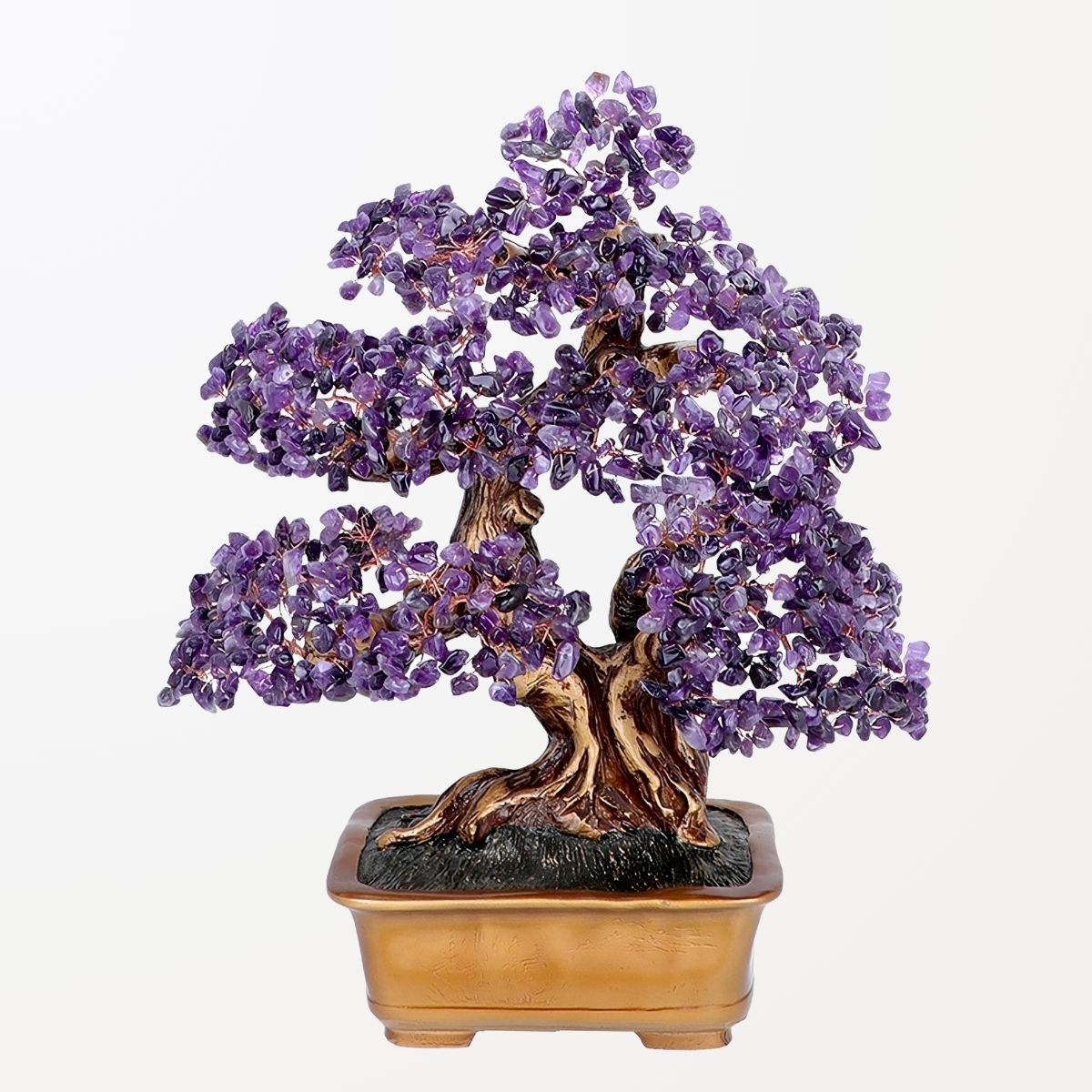
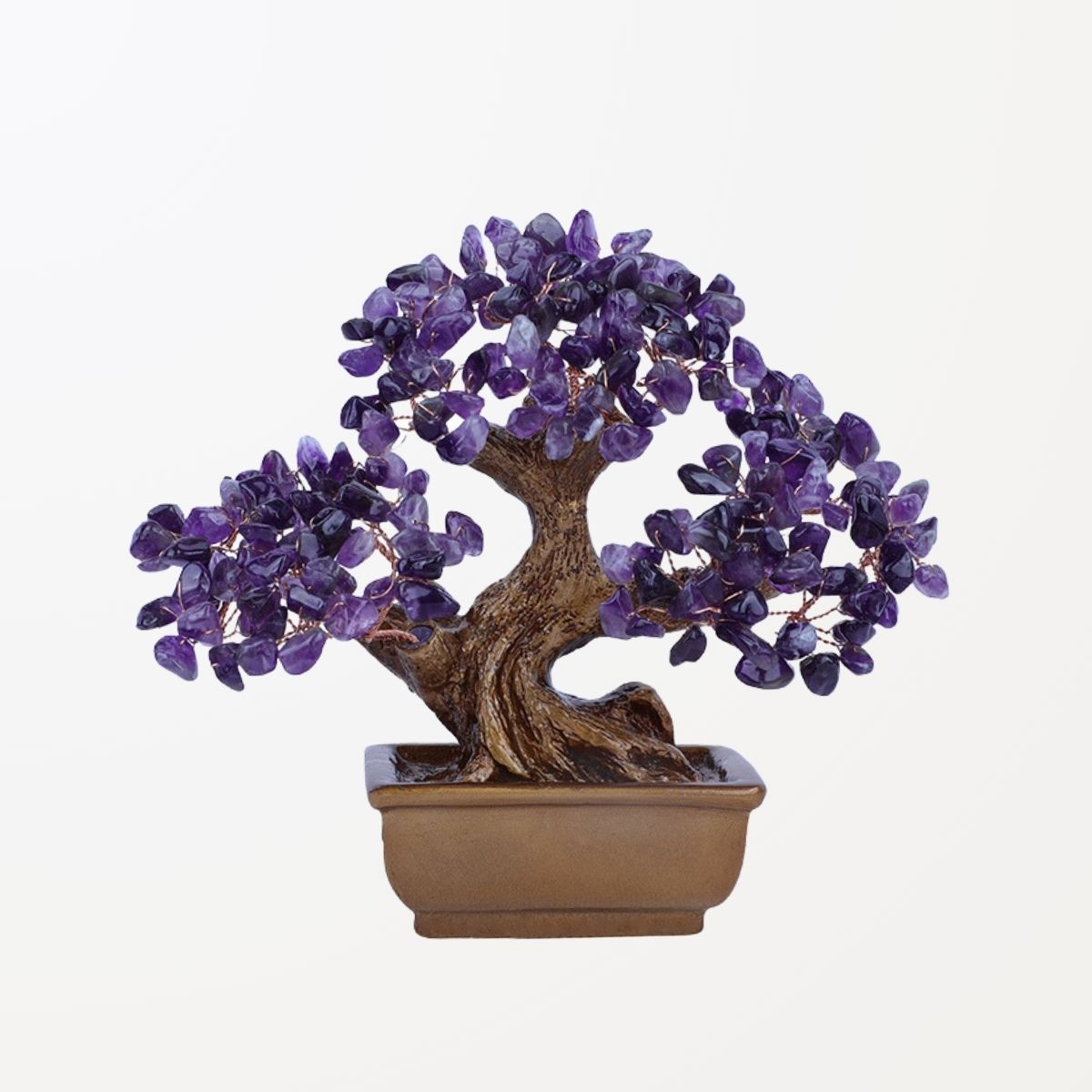
Tree of Life sculptures handcrafted with genuine natural gemstones—like those in our Luuckk collection—unite the sacred geometry of Feng Shui with the high-vibrational properties of authentic crystals.
To learn more about these timeless rituals and applications, read our article: Tree of Life and Feng Shui: Meaning, Uses, and Sacred Practices

Comparative Religious Overview: A Bridge Between Sacred Traditions
| Tradition | Core Meaning of the Tree of Life | Symbolic Function |
|---|---|---|
| Judaism | Blueprint of divine creation (Kabbalah) | Mystical, cosmic map |
| Christianity | Eternal life, resurrection, faith | Salvation, redemption |
| Islam | Divine mystery, celestial boundary, spiritual wisdom | Connection to the Creator |
| Buddhism | Enlightenment, inner liberation | Illumination, inner peace |
| Hinduism | Cosmic tree, abundance, chakras | Creation, vital life energy |
| Feng Shui | Balance, vital energy, home harmony | Prosperity & well-being |
Across varying cultural contexts and theological doctrines, one unifying truth shines through: the Tree of Life seamlessly bridges the terrestrial with the celestial, unites humanity with the divine, and illuminates the visible world and the unseen realm.
Crystal Healing Comparison Table: Properties, Chakras & Care Guide
This comparison chart summarizes the key crystal properties, Mohs hardness ratings, chakra alignments, and cleansing rituals recommended by Lina.
Crystal Family & Intention | Chakra Alignment & Mohs Hardness | Cleansing, Charging & Feng Shui Placement |
Love, Compassion & Emotional Harmony | Heart Chakra (Anahata) — Mohs hardness 6 to 7/10; nurtures inner peace and emotional balance. | Place in the Southwest Bagua sector or bedroom; cleanse with white sage smudge and recharge under full moonlight. |
Grounding, Shielding & Confidence | Root & Solar Plexus Chakras — Mohs hardness 7/10; anchors energy and wards off negativity. | Position near the front entryway or workspace; smudge weekly with Palo Santo and recharge on a Clear Quartz cluster. |
Abundance, Clarity & 7-Chakra Balance | Crown, Third Eye & Full 7 Chakras — Mohs hardness 7/10; elevates focus and spiritual vitality. | Ideal for the living room or meditation corner (Southeast wealth sector); recharge on an Amethyst geode or Selenite plate. |
Conclusion: A Living Emblem at the Heart of Our Spiritual Journey
Whether depicted as an enlightened sacred fig, a celestial kabbalistic tree, or an energetic cosmic diagram, the Tree of Life is far more than an ornamental motif. It is a mirror reflecting our own sacred journey, celebrating self-evolution, conscious alignment, and our longing for wholeness.
Across all spiritual traditions, it evokes the majesty of a higher cosmic order, timeless wisdom, and a vital force that endlessly flourishes. A timeless symbol that, across all its sacred iterations, gently reminds us that we are all rooted in one shared tree—blessed with infinite, reaching branches.
👉 To continue your journey of discovery, explore our guide: Meaning of the Tree of Life in Different Cultures
Continue Exploring:
- Meaning of the Tree of Life and Its Spiritual Benefits
- Origins and Spiritual Meaning of the Tree of Life Across Beliefs
- Tree of Life and Feng Shui: Meaning, Uses, and Sacred Practices
Daily Energy, Protection & Harmony: Lina’s Favorites


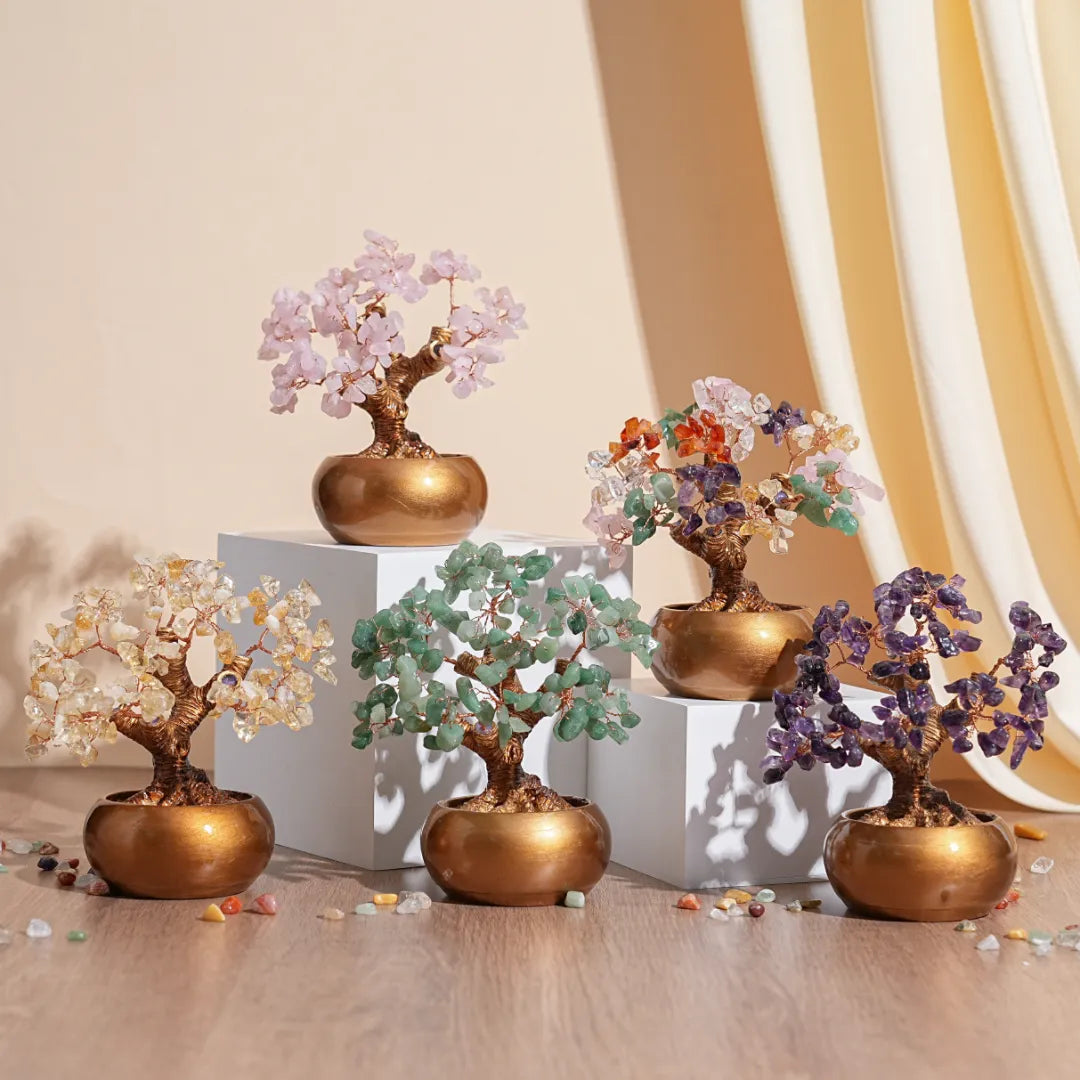
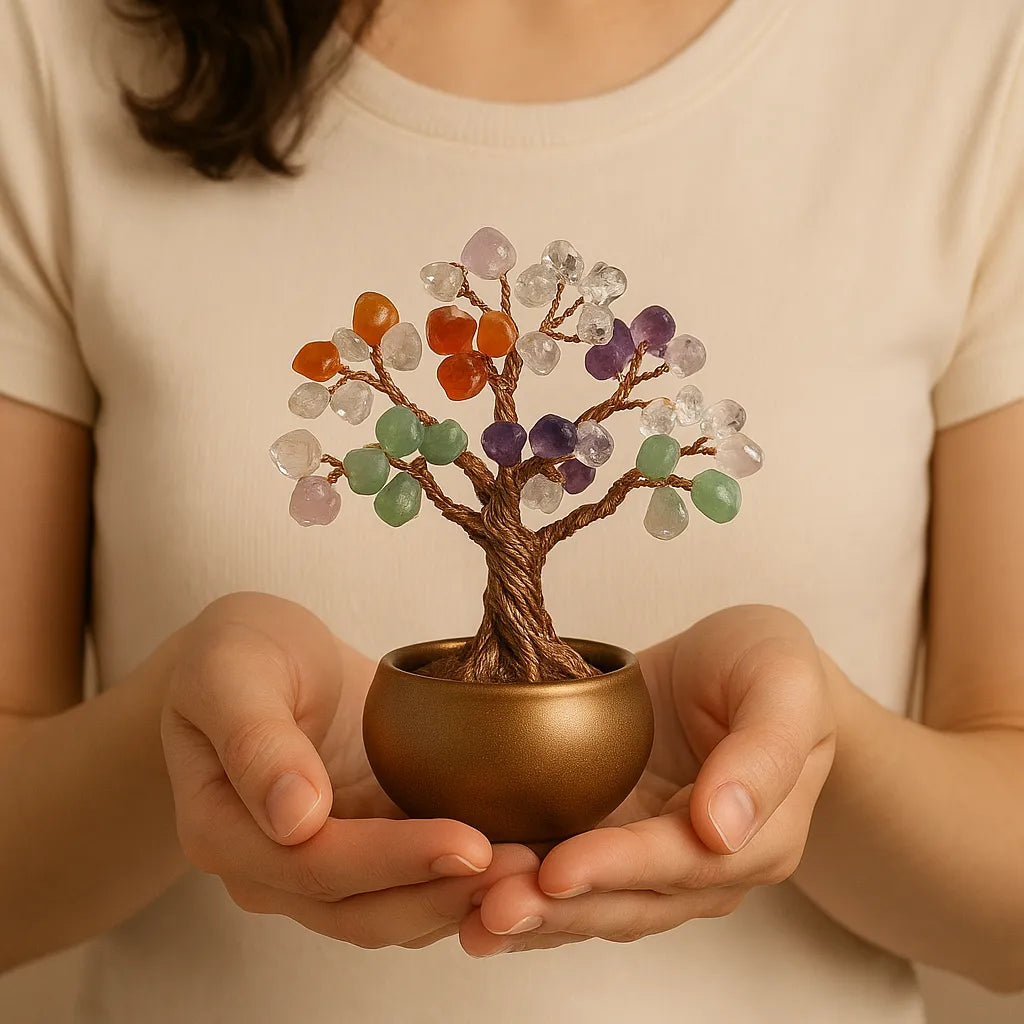


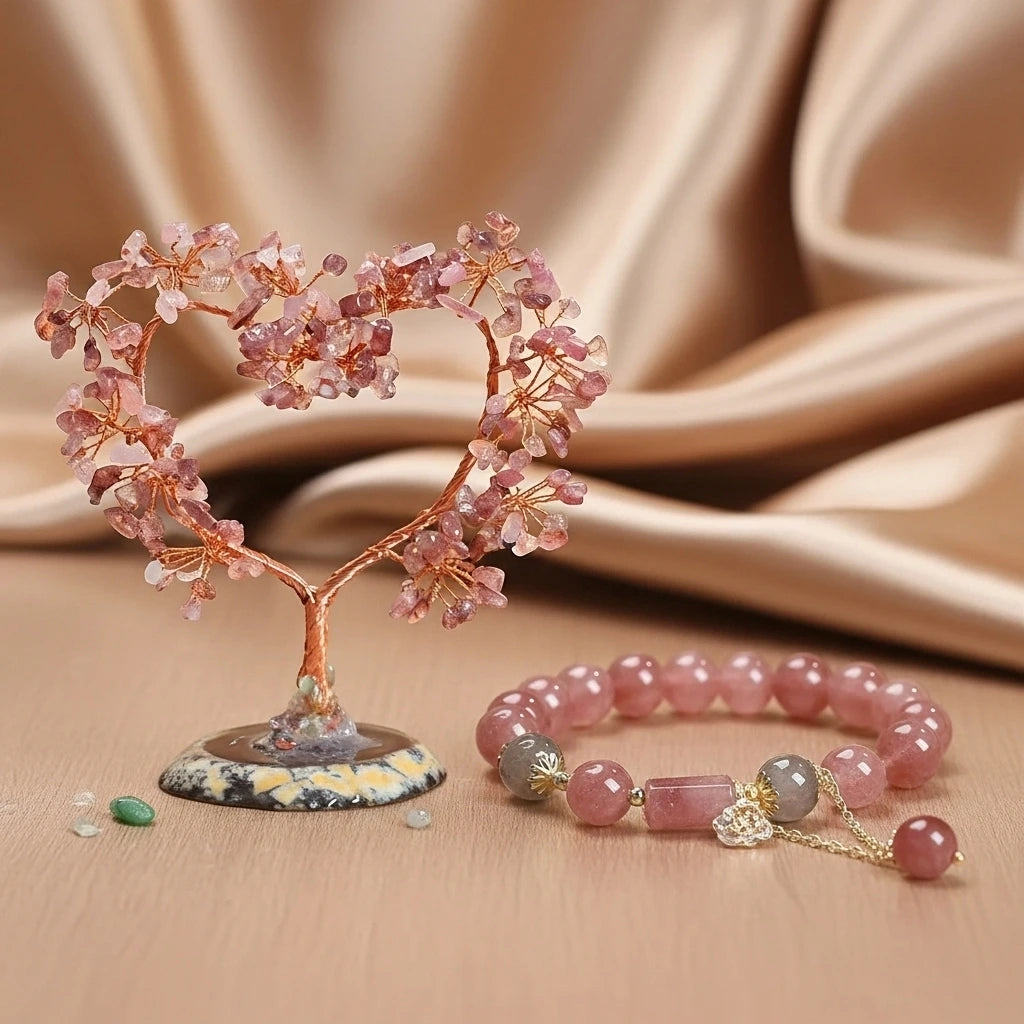
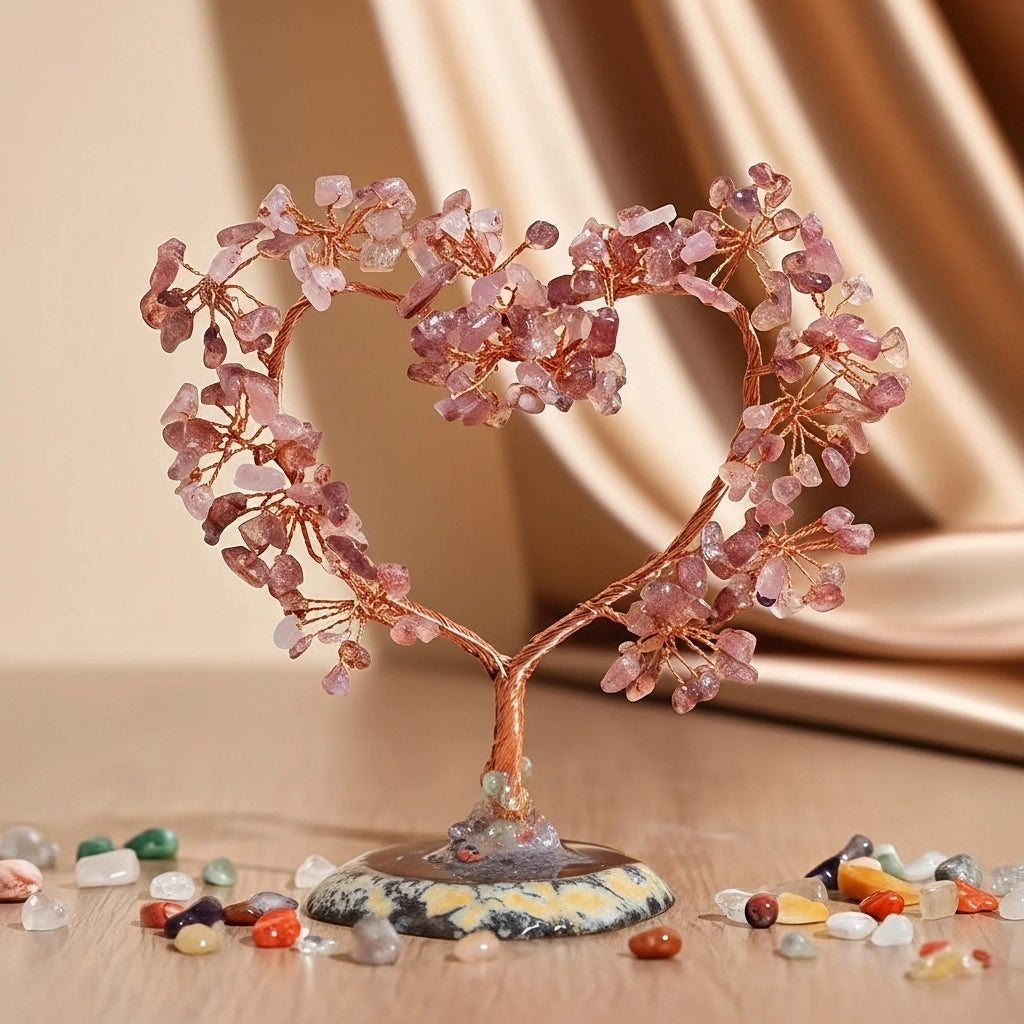
Explore our handcrafted crystal collections: Tree of Life Crystal Collection, Healing Crystal Jewelry, and Natural Crystal Bracelets. Read our related crystal guides: Significance And Benefits Of The Tree Of Life, The Tree Of Life In Natural Stone The Perfect Gift For Every Occasion, and Which Natural Stone To Choose For Your Tree Of Life.
Frequently Asked Questions: The Tree of Life Across Religions
1. What is the spiritual meaning of the Tree of Life across major world religions?
The Tree of Life symbolizes divine creation, the sacred bond between heaven and earth, and eternal life. Each spiritual path reflects this symbol through its own sacred lens and spiritual principles.
2. Is the Tree of Life mentioned in the Bible?
Yes, it is introduced in Genesis as the Tree of Life in the Garden of Eden, symbolizing eternal life and communion with the Divine.
3. What does the Tree of Life represent in Jewish Kabbalah?
In Kabbalah, the Tree of Life is a mystical blueprint composed of ten divine emanations (the Sephiroth), mapping out the creation of the cosmos and the soul’s path to enlightenment.
4. Does the Tree of Life have significance in Islam?
Yes, it represents divine wisdom, the highest boundaries of human knowledge (such as Sidrat al-Muntaha), and the eternal bond connecting creation to its spiritual Origin.
5. Why is Buddha associated with a sacred tree?
The Buddha attained supreme Enlightenment while meditating beneath the sacred Bodhi Tree, making it an eternal Buddhist emblem of spiritual liberation, awakening, and peace.
6. What does the Tree of Life mean in Feng Shui?
In Feng Shui, it serves as an energy activator to attract abundance, safeguard the home, and maintain harmonious energy balance throughout your space.
Read more
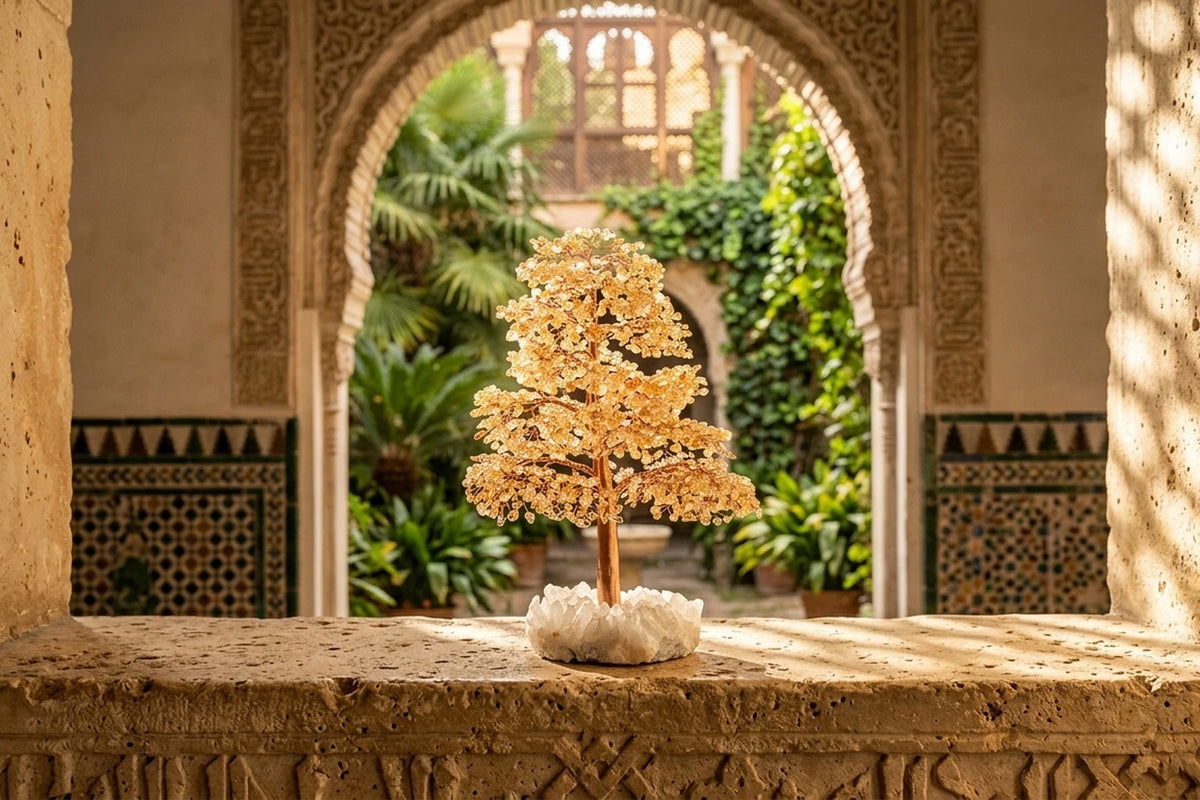
For millennia, the Tree of Life has held a cherished place in the collective imagination of countless civilizations. From Ancient Egypt to Native American traditions, through Jewish Kabbalah to Chr...

The Tree of Life. Four simple words, yet imbued with universal symbolism. Woven into mythologies, spiritual paths, and sacred traditions across the globe, the Tree of Life is far more than a decora...

Perfect for Gifting
Gift meaningful creations that bring joy and harmony.

Secure Payment
Payments are securely processed via Shopify & PayPal.

Money-Back Guarantee
Easy returns within 14 days of receiving your order.
Rated Excellent by our customers on Trustpilot
