









Natural or Reconstituted Malachite: How to Tell if Your Stone is Real?
Table of Contents
- Why Is Malachite So Widely Imitated?
- What Is Natural Malachite?
- What Is Meant by Reconstituted Malachite?
- How to Identify Real Malachite?
- Natural vs. Reconstituted Malachite: The Key Differences
- Can Price Reveal Fake Malachite?
- Can You Identify Real Malachite from a Photo?
- Why Authenticity Matters in Crystal Healing
- The Most Common Mistakes When Buying Malachite
- Our Tips for Buying Real Malachite with Confidence
- Crystal Healing Comparison Table: Properties, Chakras & Care Guide
- Key Takeaways
- Frequently Asked Questions: Natural or Reconstituted Malachite
Malachite is one of the most recognizable gems in the world of Healing Crystals. Its deep green hue, concentric banding, and almost hypnotic allure make it a cherished gemstone in fine jewelry, interior decor, and crystal healing. Yet, behind this striking beauty lies an essential question: is your stone a natural malachite, or is it a reconstituted malachite?
This distinction is far from trivial. Today, the gemstone market has grown exponentially, and with it, an influx of agglomerated, reworked, dyed, and synthetic stones. At first glance, some imitations are remarkably convincing. However, by closely examining patterns, coloration, heft, and the transparency of the jeweler, it becomes easy to distinguish an authentic Natural Malachite Stone from a piece simply manufactured to mimic its look.
In this guide, you will discover:
- How to recognize natural malachite
- What reconstituted malachite truly is
- The visual and tactile clues to look for before purchasing
- Why authenticity matters in the world of Healing Crystals
- The unique role malachite plays in crystal healing
- Common pitfalls to avoid so you can invest in an authentic gemstone with complete peace of mind
Because let’s be honest: purchasing what you believe to be a genuine earth-born stone, only to realize its charm comes from resin, powdered minerals, and clever marketing, is hardly the luxury experience you deserve.
Why Is Malachite So Widely Imitated?
Malachite commands attention instantly. Unlike understated gems, it possesses a captivating, unmistakable visual signature. Its fluid curves, verdant ribbons, and swirling rings give it an artisanal, almost painterly presence. Each Crystal forms its own miniature, breathtaking landscape. It is precisely this singularity that drives its immense allure.
Yet desirability naturally breeds imitation: the more coveted a gemstone, the more frequently it is replicated. Malachite ranks among the most commonly counterfeited and reconstituted minerals, thanks to its high visual recognizability and prestige. In fine jewelry, it imparts a timeless blend of elegance, originality, and depth. In home decor, its presence is magnetic. In crystal healing, its revered metaphysical properties continue to fascinate enthusiasts worldwide.
Several factors explain why malachite is so frequently reproduced:
- Its visual identity is iconic and instantly recognizable
- Its rich, vibrant emerald-green spectrum is universally enchanting
- Its distinctive banding conveys an innate sense of luxury and refinement
- Demand is perpetually high across designer jewelry and art objects
- Reconstituted and synthetic iterations are remarkably cheap to mass-produce
The presence of reconstituted malachite on the market is not inherently problematic. The real issue arises from a lack of transparency. A manufactured composite may serve casual aesthetic purposes, but it should never be presented or sold as an authentic, untreated Crystal. A discerning buyer deserves to know precisely what they are acquiring.
In the realm of Healing Crystals, this clarity is paramount. Someone seeking genuine malachite for its mineral rarity, geological heritage, or holistic crystal healing energy seeks something infinitely deeper than an artificial decorative piece. That is why learning how to spot the differences is so essential.
To delve deeper into the rich symbolism of this gemstone, explore our guide on Malachite: Stone of Transformation and Emotional Healing.
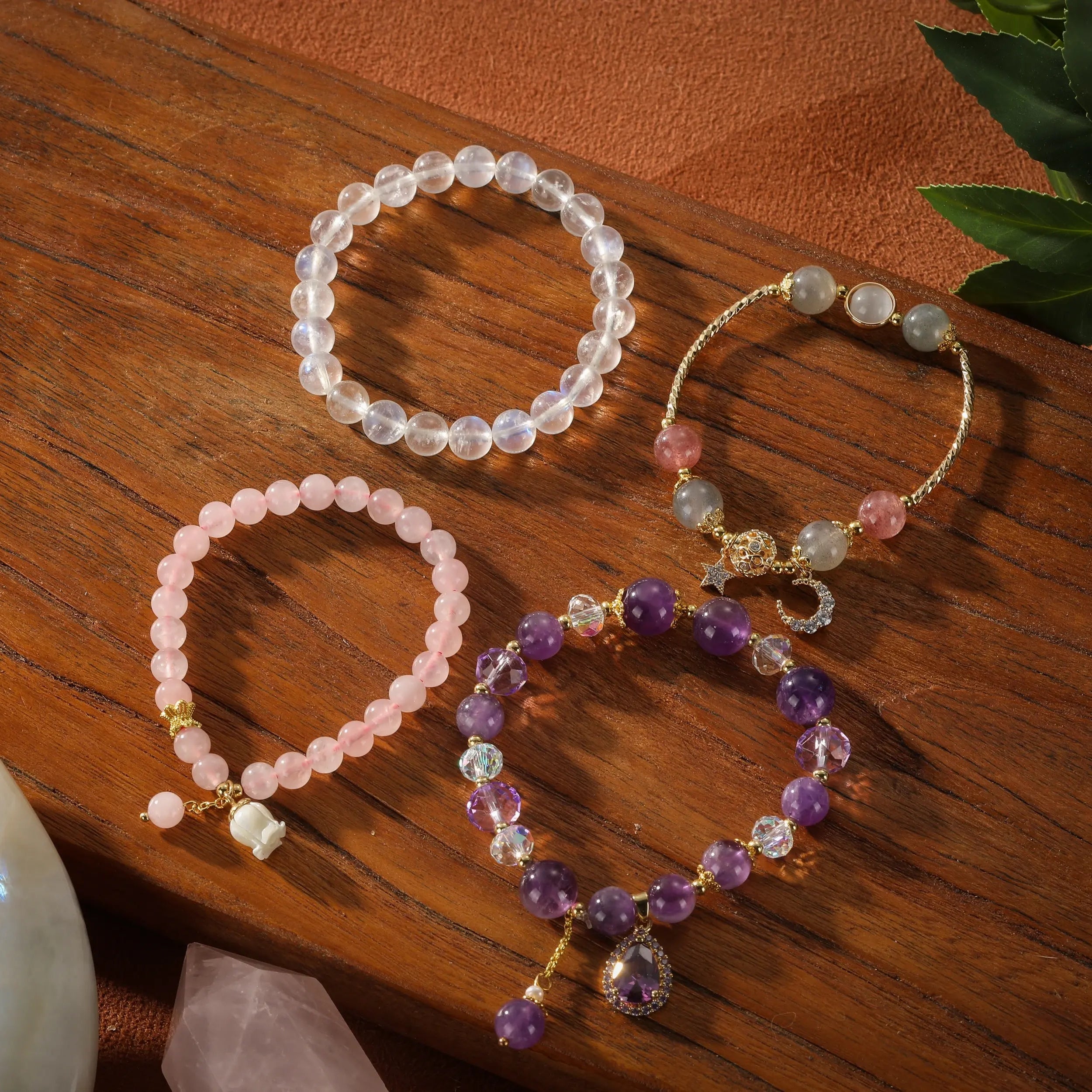
Luuckk Crystal Selection: Natural or Reconstituted Malachite


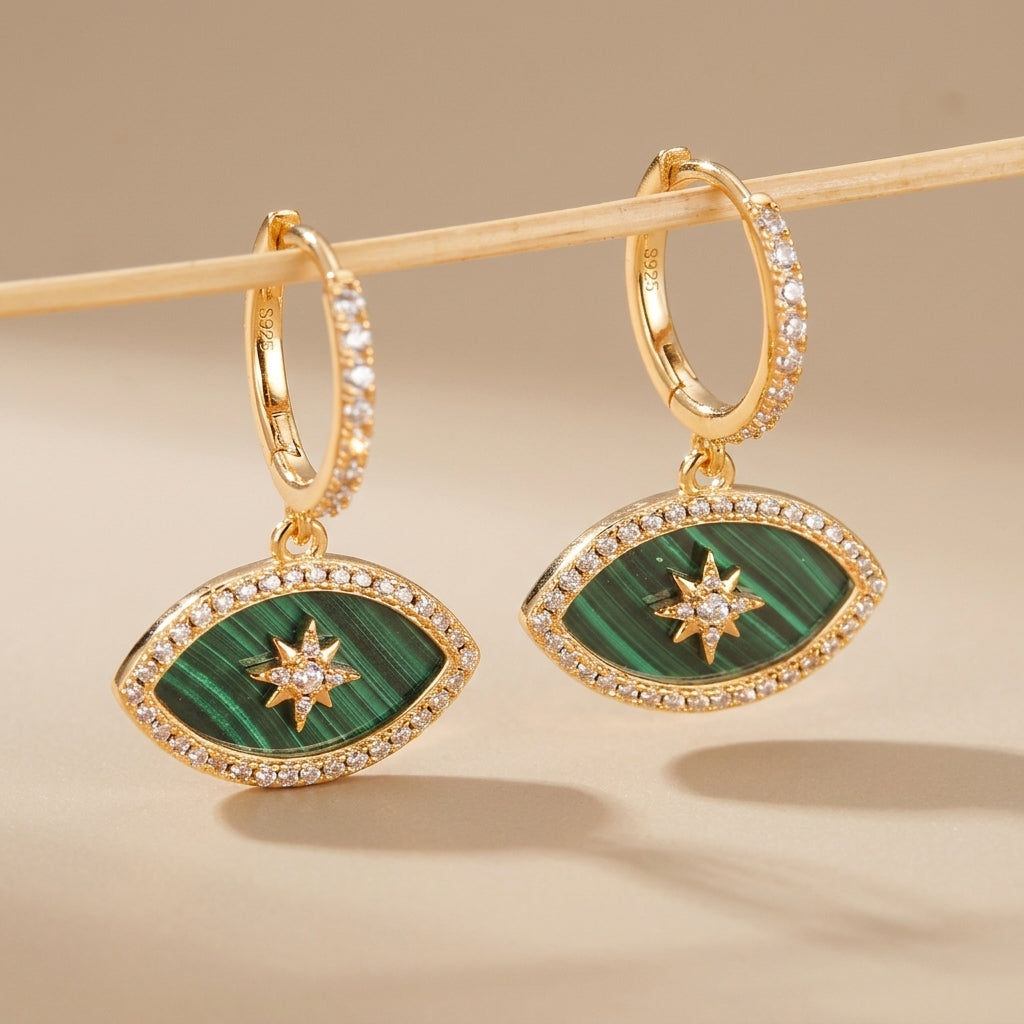
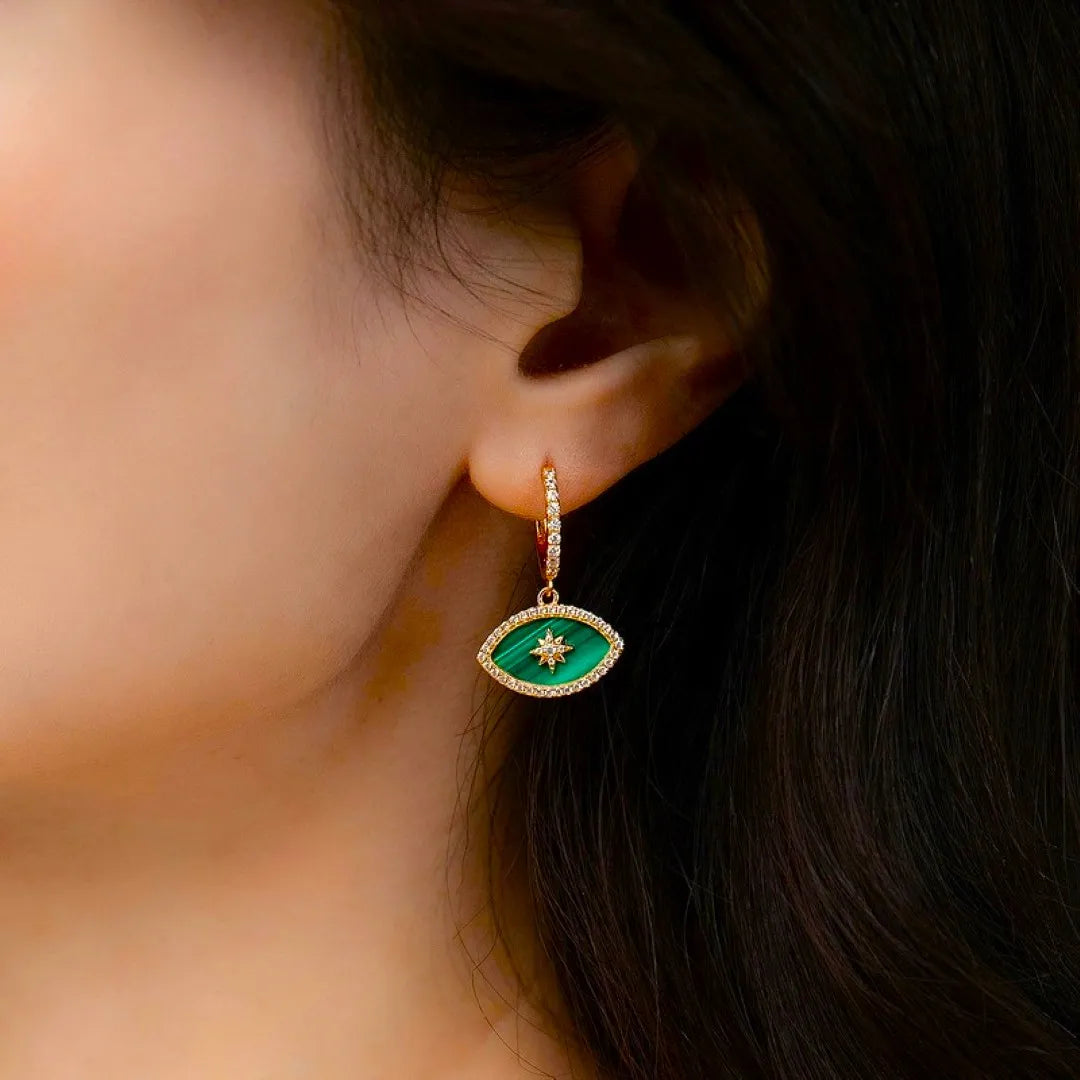
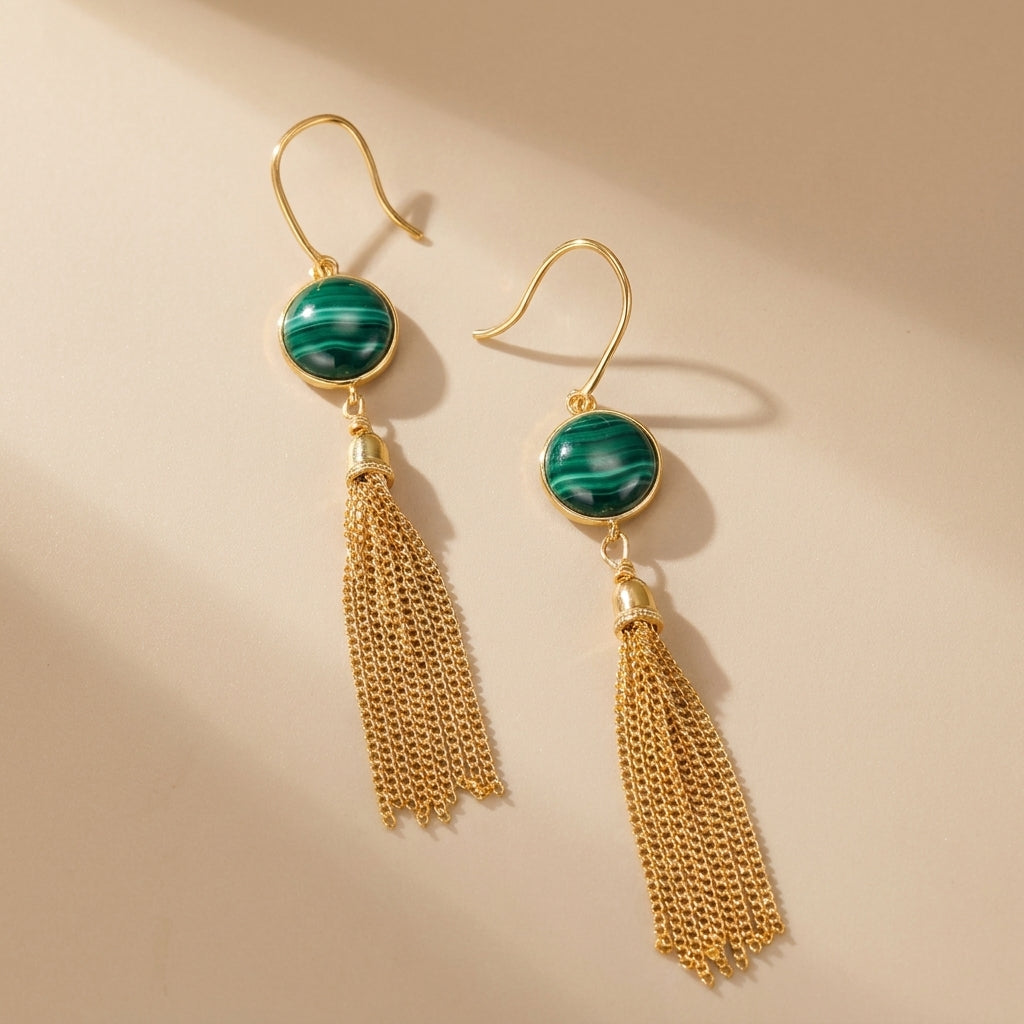


What Is Natural Malachite?
Natural malachite is an authentic mineral formed over millions of years under specific geological conditions, completely free from human alteration or synthetic restructuring. Mineralogically, malachite is a basic copper carbonate hydroxide. It is this natural concentration of copper that yields its breathtaking, saturated green palette.
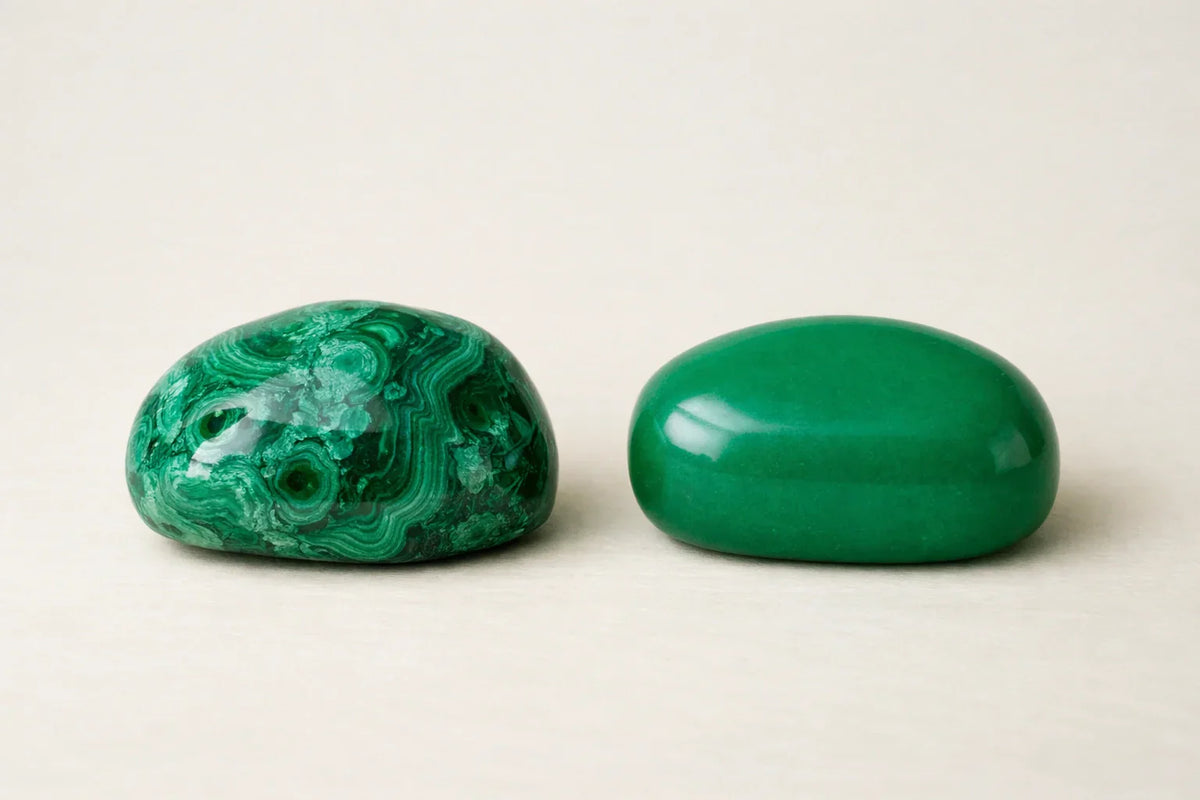
What makes Natural Malachite Stone truly extraordinary is not just its vibrant hue, but how that color is organically sculpted throughout its structure. The bands are not decorative in an artificial sense; they are the natural consequence of slow, rhythmic sedimentation, copper oxidation, and evolving hydrothermal crystallization.
Genuine malachite typically exhibits:
- Organic, delightfully asymmetrical bands
- Natural concentric rings and swirling eyes
- Multiple harmonious shades of green within a single piece
- Rich visual depth that draws the eye inward
- Completely unique patterns with no two stones alike
In other words, no two natural malachite stones are ever completely identical. This natural individuality is the hallmark of genuine authenticity. The earth simply does not produce mass-market duplicates.
It is also worth noting that Healing Crystals often showcase subtle organic inclusions, darker mineral veining, or asymmetric transitions. These are not flaws—they are the authentic signatures of its geological birth. Conversely, a stone that appears overly uniform, stiff, or mechanically patterned should immediately invite scrutiny.
Natural malachite is especially prized by fine gemstone collectors, lovers of statement jewelry with soul, and dedicated practitioners of crystal healing. Across the board, its enduring value lies in its natural origin, organic uniqueness, and visual splendor.
To learn more about its historical virtues and energetic resonance, read our feature on The Benefits and Metaphysical Properties of Malachite.

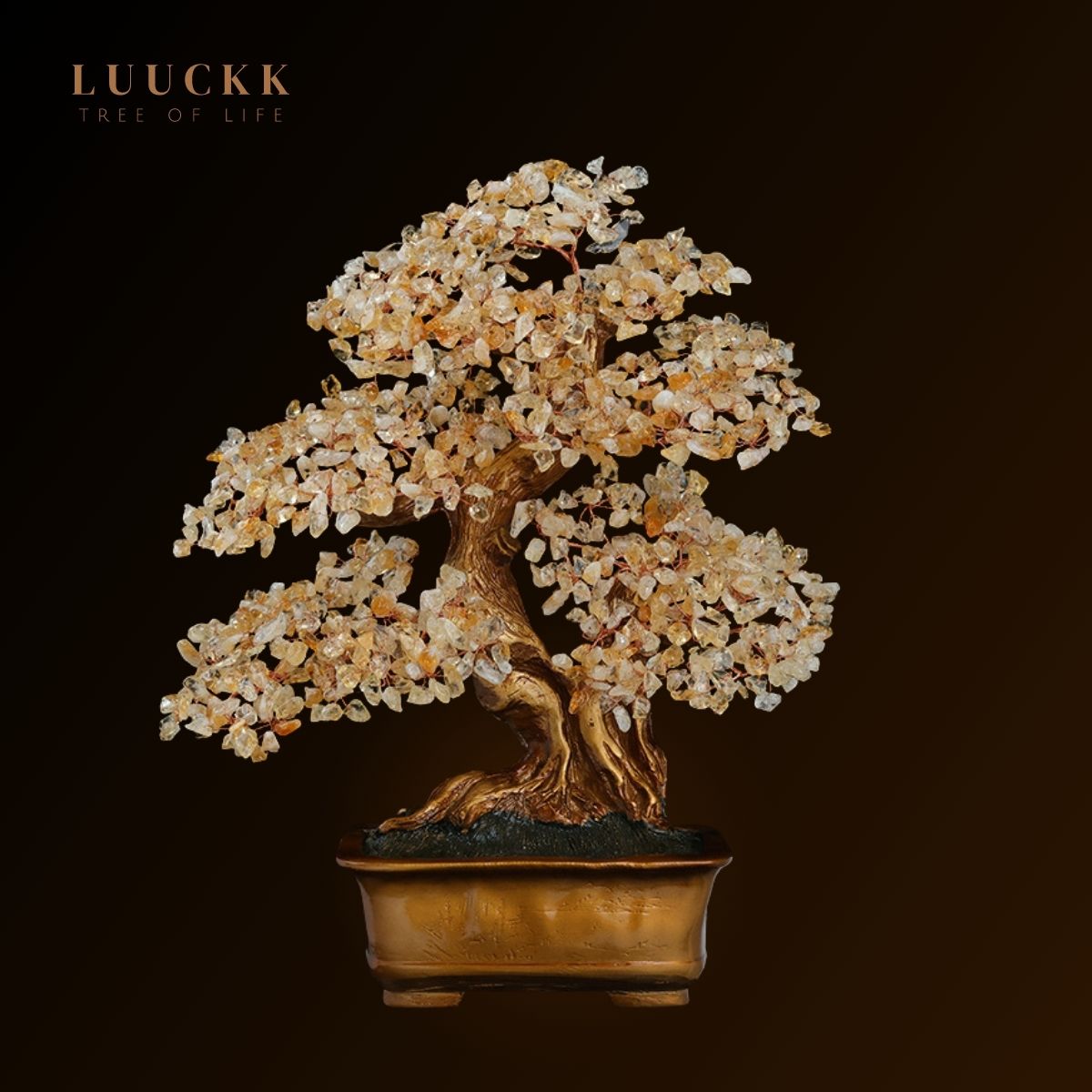
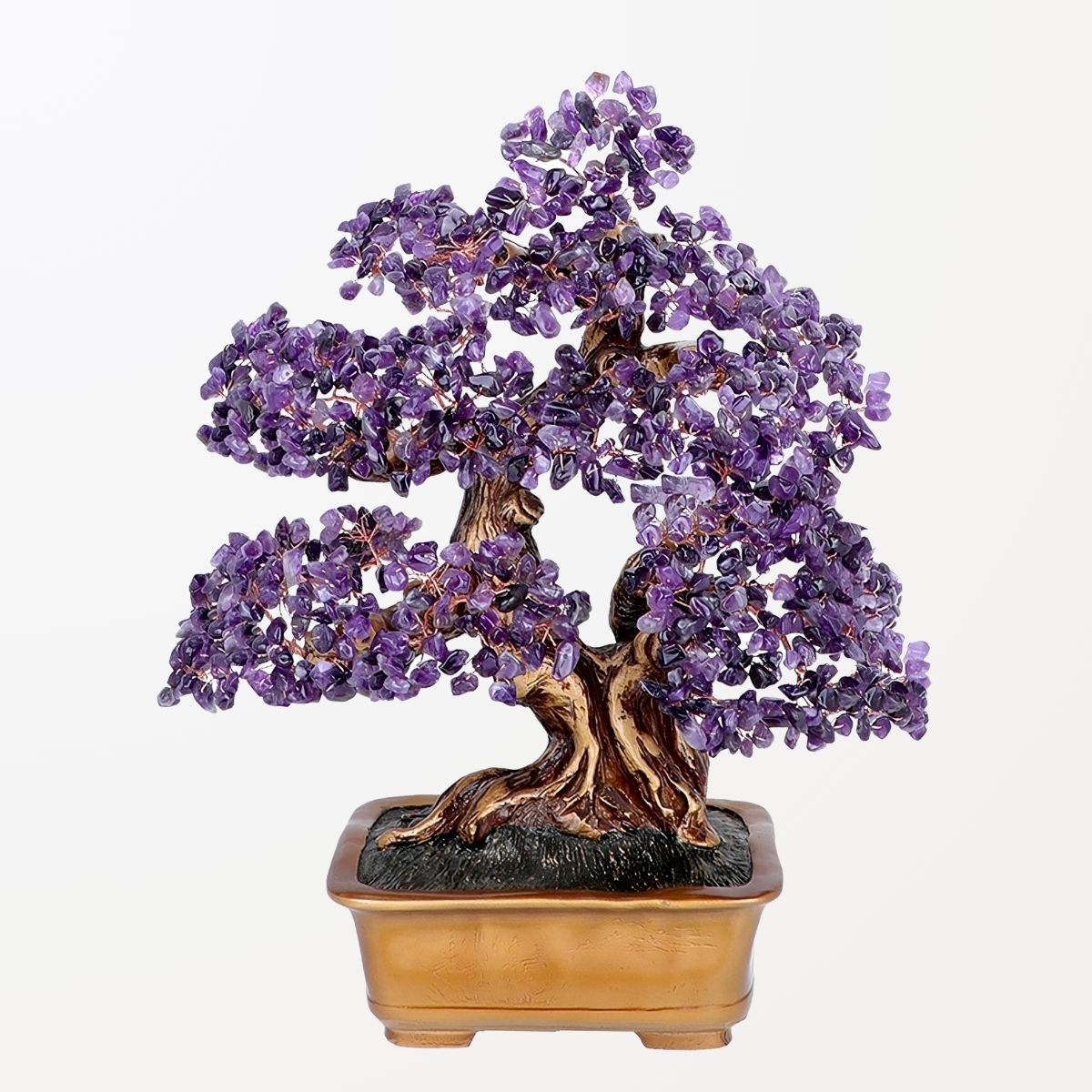
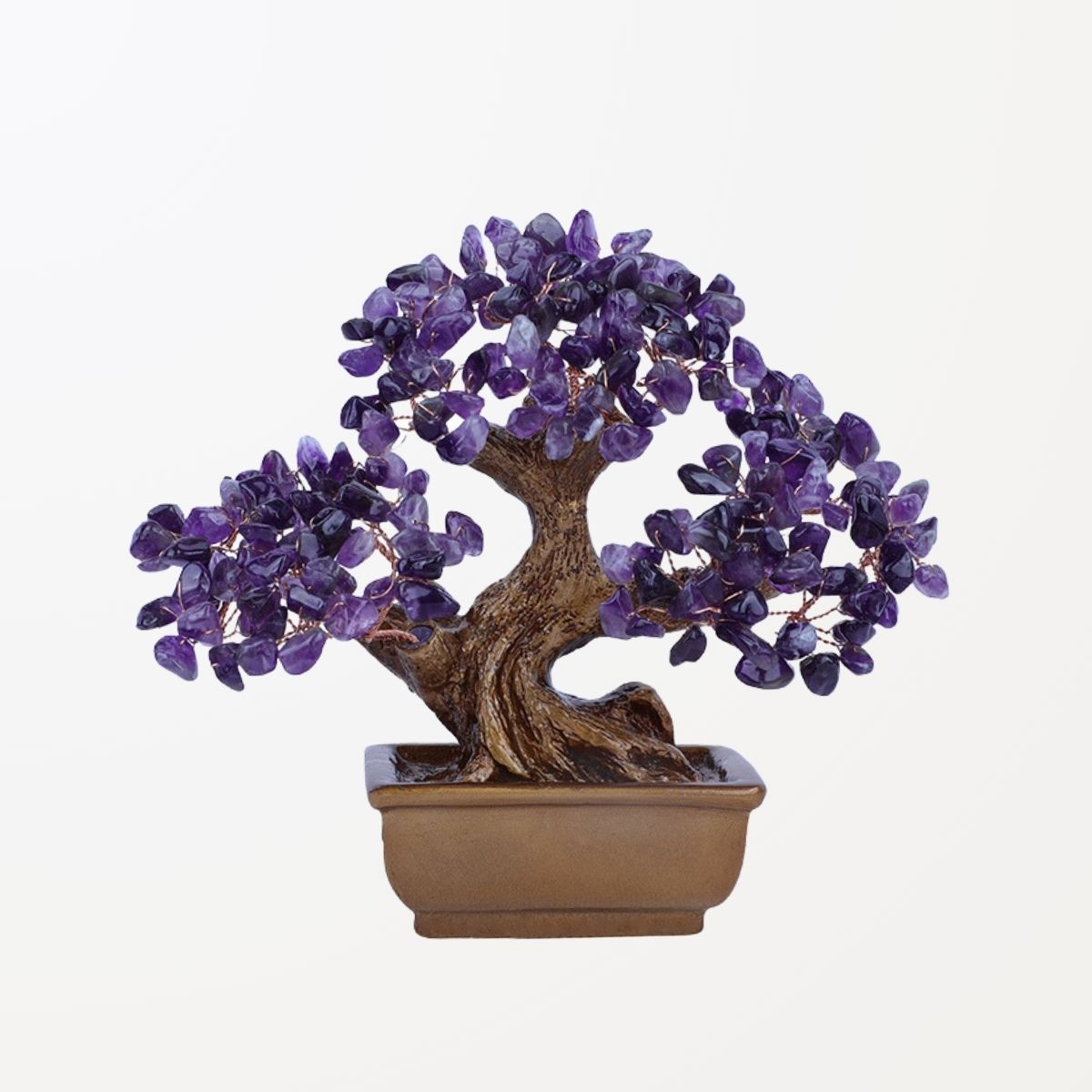
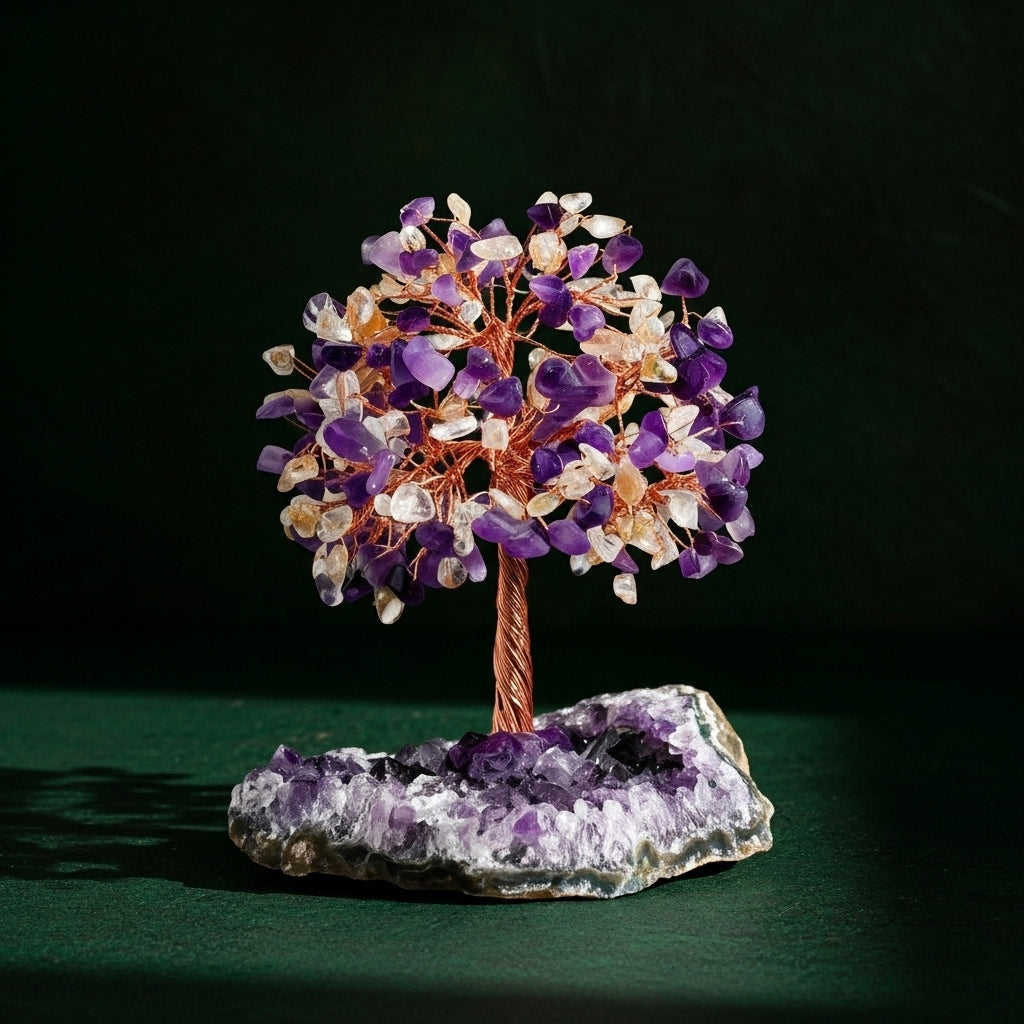
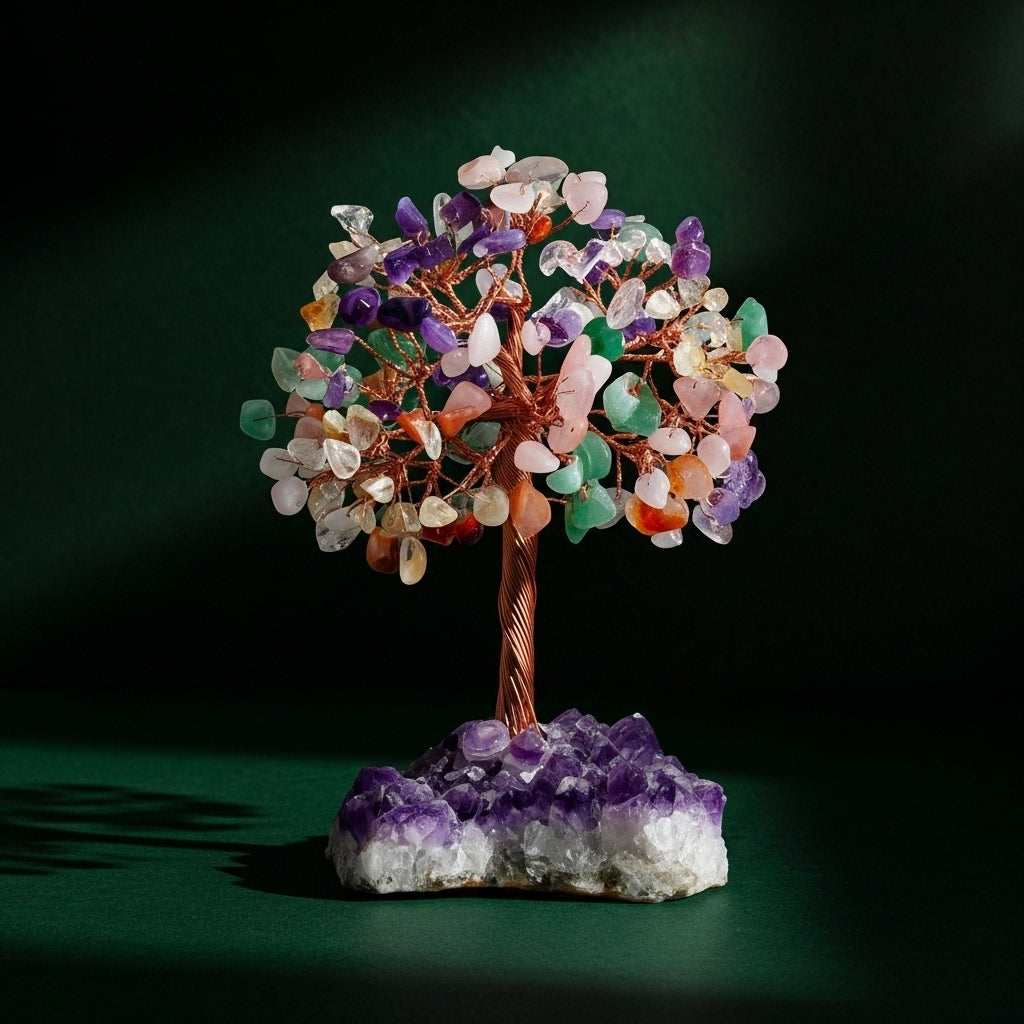
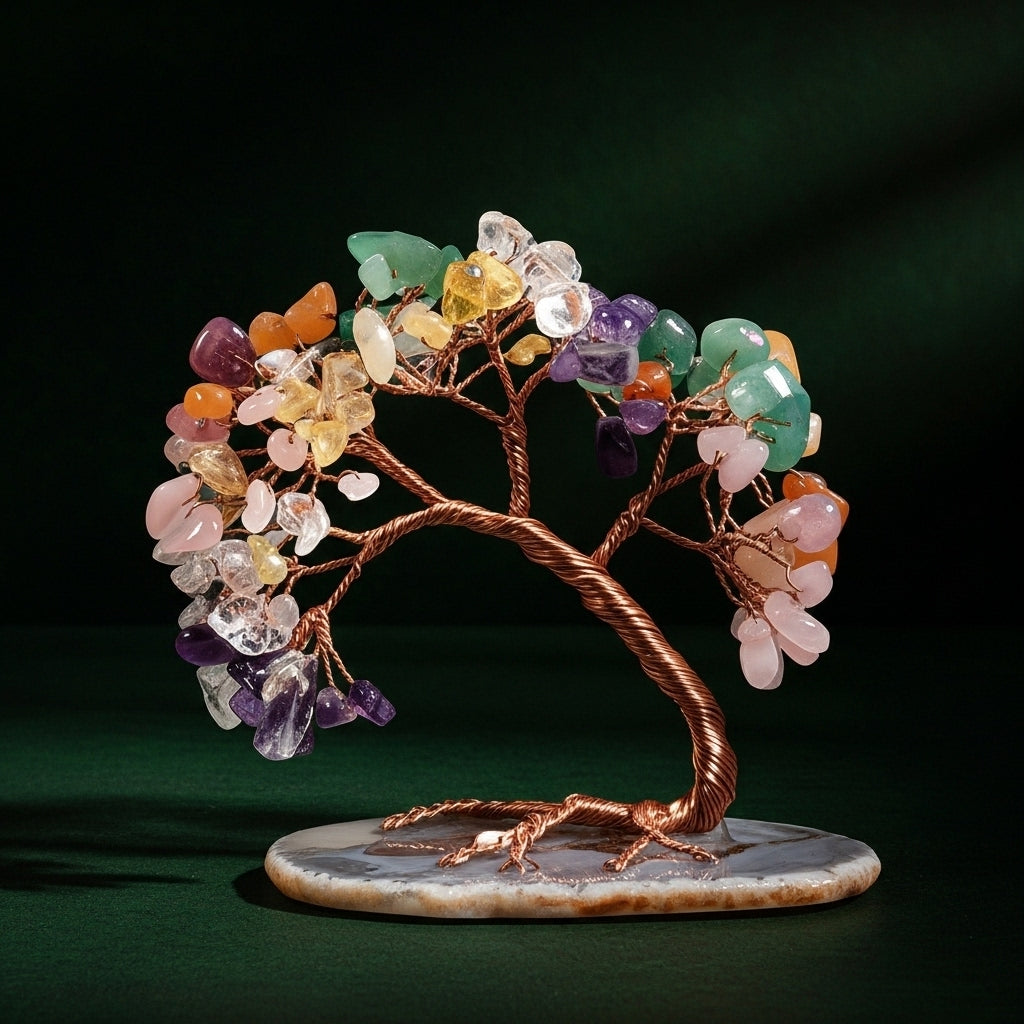
Handcrafted Healing Crystal Creations & Tree of Life Collection


What Is Meant by Reconstituted Malachite?
The designation “reconstituted” deserves clarity, as it frequently causes consumer confusion. Reconstituted malachite is not an intact Crystal. It is typically a composite crafted from crushed malachite fragments, mineral powder, or industrial offcuts mixed with resin or epoxy binders, then compressed under high pressure into blocks, beads, cabochons, or slabs.
In some instances, the piece does contain real malachite dust or chips. However, because this material has been crushed, bound with synthetic resins, and molded, it ceases to be a natural gemstone in the strict geological sense. While the aesthetic result can appear pleasant and mimic the genuine article, its internal crystalline structure has been permanently disrupted.
It is helpful to distinguish between the three primary categories found on the market:
- Natural Malachite: Untouched, authentic gemstone created solely by nature
- Reconstituted Malachite: Mineral fragments or gemstone powder bound together with synthetic resin
- Malachite Imitation: Pure plastic, resin, glass, or clay containing zero real malachite
This distinction is vital, as many buyers mistakenly assume a “reconstituted” gem is equivalent to an untreated natural one. For costume jewelry or quick decor, composites may suffice. But when seeking authentic luxury, heirloom value, or holistic crystal healing benefits, the difference is night and day.
Reconstituted malachite often displays telltale, repetitive characteristics:
- Overly uniform, parallel, or computerized banding
- Patterns that look unnaturally geometric or printed
- Unusual visual homogeneity across different pieces
- Bead bracelets where every bead displays identical striping
- A lightweight, synthetic warmth rather than cool mineral heft
Transparency in labeling is everything. While reconstituted stone has its place in fast fashion, it should never masquerade as a genuine Natural Malachite Stone.

How to Identify Real Malachite?
To identify genuine natural malachite, you should never rely on a single feature. Evaluating multiple sensory and structural clues together provides a foolproof assessment. A stone can look superficially attractive while being composite, while a genuine natural specimen might showcase organic imperfections.
Here are the primary characteristics to inspect.
Patterns: Real Malachite Is Never Overly Perfect
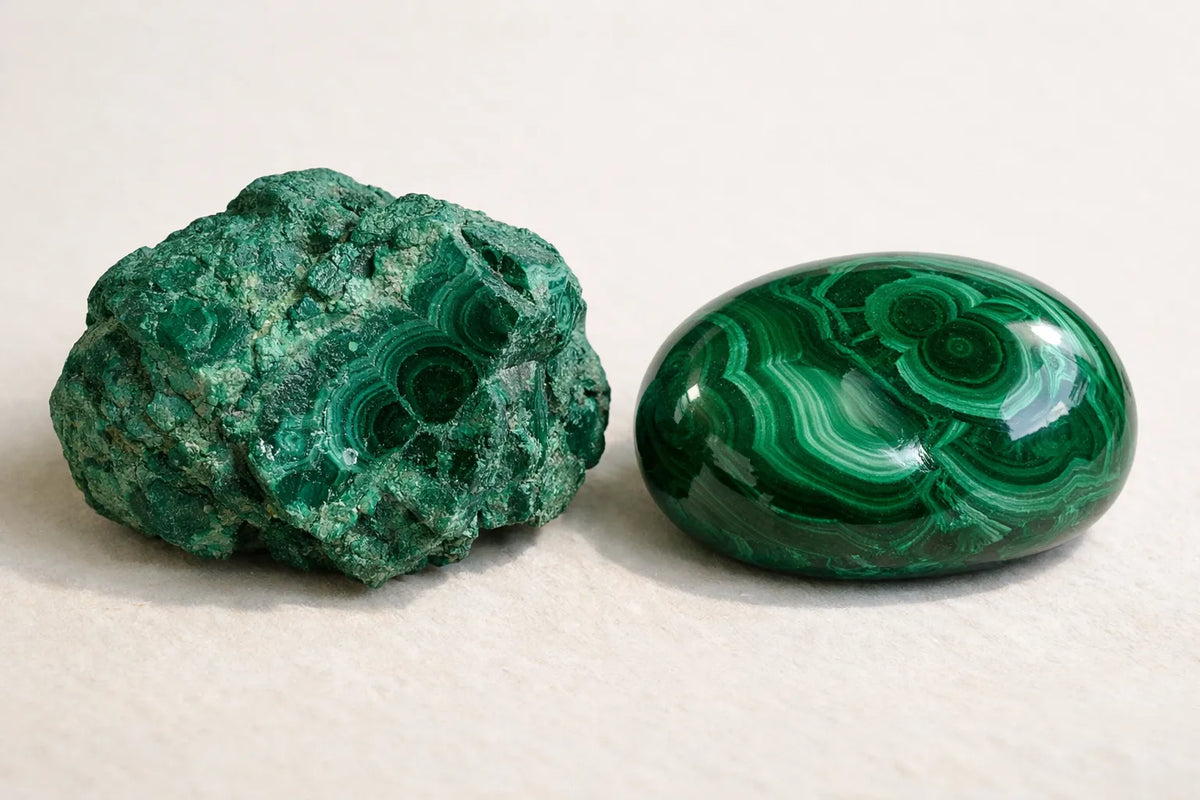
Surface patterns are your first line of evaluation. Natural malachite displays organic, dynamic, and gracefully irregular bands. Its undulating lines are rarely symmetrical. Swirls and bullseye circles expand organically, revealing delicate gradations and unexpected mineral flow throughout the stone.
Conversely, reconstituted or synthetic malachite consistently displays:
- Stiff, overly parallel, or rigid striping
- Harsh, cookie-cutter circular markings
- Predictable repetition of decorative motifs
- Identical markings repeated across multiple pieces or beads
When consecutive beads in a bracelet look identical or show identical stripes, it is almost certainly synthetic. Nature never repeats the exact same canvas.
Color: A Deep, Layered Palette of Greens
Malachite is famously green, but never in a flat, monotone way. A genuine piece displays a rich spectrum of green nuances:
- Deep forest green
- Lush pine green
- Soft moss green
- Light minty accents between dark layers
- Striking natural contrast between pale and midnight-green ribbons
A flat, electric, or excessively saturated green with harsh black stripes is a classic sign of cheap resin or clay imitation. It catches the eye at first glance but lacks the luminous depth of authentic copper minerals.
Weight and Density
Thanks to its rich copper content, natural malachite has substantial density. It feels noticeably substantial and grounding in the palm. Resin, plastic, or acrylic fakes feel surprisingly featherweight in comparison.
This density test is especially reliable for evaluating:
- Palm stones and tumbled gems
- Statement pendants
- Carvings and decorative objects
- Substantial beads
While very delicate jewelry settings can make judging weight subtle, heft remains a valuable diagnostic alongside visual clues.
Touch and Texture
Like many high-grade Healing Crystals, genuine malachite is cool to the touch upon first contact. When expertly polished, its surface is silky smooth yet preserves an authentic, dense mineral tactile quality.
In contrast, an imitation or resin composite often feels:
- Warm or room-temperature to the touch
- Noticeably lightweight
- Plasticky or wax-like in hand
- Superficially coated or artificially slick
Seller Information and Transparency
An authentic gemstone starts with transparent disclosure. A reputable jeweler explicitly details the exact origin and nature of the stone—clearly stating whether it is 100% natural, reconstituted, stabilized, or synthetic.
Be wary of ambiguous or evasive phrasing such as:
- “Malachite-style”
- “Malachite effect”
- “Malachite look”
- “Natural appearance”
- “Malachite-inspired”
Such wording may not always be an outright lie, but it is deliberately crafted to blur lines and mislead unguided buyers.
Warning Signs to Watch For
- Overly geometric, uniform, or stamped stripes
- Flat, monochromatic green coloration
- Unusually light weight in the hand
- Bead strands where every piece is an exact copy
- Abnormally low, “bargain-bin” pricing
- Vague or incomplete product specifications
- Overly filtered, low-resolution, or generic stock photography
Hallmarks of a Genuine Natural Malachite Stone
- Organic, fluid, and beautifully asymmetrical banding
- Rich layering of multiple green tones
- Captivating visual depth and luster
- Substantial, reassuring mineral heft
- A completely unique fingerprint on every piece
- Clear, authentic, and honest gemstone specifications
In summary, identifying genuine malachite means appreciating the stone as an organic whole. Nature leaves behind delicate variations, depth, and character. Imitations prioritize clean, cheap aesthetic repetition—often appearing too sterile to be truly authentic.

Natural vs. Reconstituted Malachite: The Key Differences
For an immediate overview, here is a comparative breakdown between natural malachite and reconstituted malachite.
| Criterion | Natural Malachite | Reconstituted Malachite |
| Origin | Natural geological formation | Bonded fragments or mineral dust |
| Structure | Intact, natural crystalline structure | Artificially bound and pressed |
| Patterns | Organic, fluid, one-of-a-kind | Uniform, geometric, often repetitive |
| Color | Deep, layered, multi-tonal green | Monochromatic or artificially saturated |
| Density | Substantial, dense copper mineral weight | Lighter weight due to resin binders |
| Mineral Value | Precious & highly collectible | Low commercial value |
| Decorative Use | Yes, timeless luxury | Yes, fashion craft |
| Crystal Healing | Highly favored for genuine vibrational energy | Disputed due to disrupted mineral matrix |
| Authenticity | Genuine natural gemstone | Man-made composite material |
This comparison underscores a fundamental reality: reconstituted malachite may have its place in costume accessories, but it cannot deliver the same prestige, tactile richness, or soul as an authentic Natural Malachite Stone. It all depends on what you value.
Can Price Reveal Fake Malachite?
Price is a telling indicator, though it should never be relied on in isolation. High-grade natural malachite has genuine value. It must be carefully mined, selected, carved, hand-polished, and set into jewelry. A genuine gemstone with rich banding, excellent density, and expert lapidary finishing simply cannot be retailed for pennies.
An unusually low price often indicates:
- A reconstituted or composite material
- A synthetic imitation made of resin or polymer clay
- Low-grade, chalky, or brittle mineral offcuts
- Misleading product labeling
- A mass-produced industrial duplicate
However, the reverse is also true: a high price tag alone does not guarantee authenticity. Some unscrupulous retailers inflate prices using spiritual jargon or artificial exclusivity claims while offering the exact same resin imitations.
The smartest approach is to cross-reference multiple factors:
- Realistic, fair luxury pricing
- High-definition product photography
- Detailed, transparent descriptions
- The brand's reputation and customer reviews
- Organic variation in stone banding
- Explicit disclosure of whether the stone is natural or treated
When collecting Healing Crystals, the rule of thumb remains: if an offer looks too good to be true, it pays to look closer. A flawless-looking “malachite” offered for pocket change is almost certainly a synthetic reproduction.
Can You Identify Real Malachite from a Photo?
Yes, to a substantial degree. When shopping online, photographs are your window into quality. While they cannot replace holding the cool mineral in your palm, high-definition imagery provides reliable clues.
Here is what to look for when reviewing product photos:
- Natural variation across patterns and bands
- Visual depth within the green mineral strata
- The absence of stamped or identical repetition
- Subtle organic differences between beads or cabochons
- Sharp, high-resolution zoom capabilities
- Consistency between the product imagery and the written specifications
Authentic natural malachite showcases natural personality from one gem to the next. If every bead in a strand looks carbon-copied, proceed with caution. Furthermore, overly smoothed, heavily filtered, or flat 3D renders often conceal artificial textures.
Always read the product specifications with care. Stunning photography must be paired with genuine transparency. A trusted jeweler provides crisp visuals backed by precise gemstone descriptions.
To explore handcrafted creations highlighting this magnificent gemstone, browse our Malachite Jewelry Collection.
Why Authenticity Matters in Crystal Healing
In the practice of crystal healing, stone authenticity takes on profound importance. Most enthusiasts do not choose malachite solely for its aesthetic elegance—they seek it for its revered metaphysical symbolism: personal transformation, protective energy, emotional release, heightened intuition, and heart chakra alignment.
From this energetic perspective, natural malachite is universally preferred. Formed in the womb of the earth over millennia, it carries an intact crystalline lattice and rich geological memory. Conversely, reconstituted malachite has had its crystalline matrix crushed, disrupted, and sealed in synthetic polymer.
Depending on personal practice, this distinction is fundamental. While some may appreciate reconstituted stone for light decorative presence, true holistic practitioners seek exclusively untreated Healing Crystals for intentional crystal healing.
Here is why conscious collectors insist on authentic natural gemstones:
- They preserve their pure, undisturbed crystalline lattice
- They foster genuine trust and emotional connection
- They honor a dedication to earthly authenticity
- They resonate with true energetic harmony
- They possess lasting mineral and sentimental value
This does not mean reconstituted stone serves no purpose—it can serve as playful costume wear. But when your focus is genuine crystal healing and vibrational well-being, prioritizing untreated Crystal is essential.
To discover how this mesmerizing gem is woven into luxury designs, explore our feature on Malachite Jewelry: Elegance and Energy.

The Most Common Mistakes When Buying Malachite
Selecting a malachite piece seems simple at first glance. Yet certain missteps happen repeatedly. Understanding them in advance protects you from disappointing surprises.
The Most Frequent Traps
- Assuming any green banded stone is genuine malachite
- Relying solely on green color rather than pattern depth
- Ignoring rigid, unnatural striping patterns
- Failing to read product descriptions and gemstone specifications thoroughly
- Assuming an elevated price tag automatically guarantees authenticity
- Confusing “contains malachite” with “100% natural malachite gemstone”
- Purchasing impulsively without verifying the retailer
One of the most widespread misunderstandings is believing reconstituted stone is essentially the same as a natural gem. It is not. Reconstituted malachite may have visual appeal, but it lacks the natural mineral structure, durability, and energetic value essential for genuine crystal healing.
Another common mistake is placing blind trust in theatrical sales pitches. Some retailers use poetic storytelling and grand vocabulary while omitting any precise information regarding mineral origin. In the world of fine Healing Crystals, factual precision and transparency are worth far more than decorative adjectives.
Our Tips for Buying Real Malachite with Confidence
To select an authentic Natural Malachite Stone, follow a few simple, discerning habits. A little mindfulness makes all the difference.
Smart Habits to Adopt
- Inspect the banding closely for organic, non-linear flow
- Check for rich, varied nuances of green
- Compare several pieces to ensure they are not identical copies
- Read product specifications and gemstone details in full
- Look for clear verification of whether the stone is natural or treated
- Choose transparent, specialized gemstone jewelers
- Be skeptical of unrealistically low prices
- Ensure images are high-definition, showing genuine stone texture
- Avoid listings that use vague or evasive naming conventions
What a Trusted Jeweler Should Always Disclose
- Whether the gemstone is 100% natural, reconstituted, or synthetic
- The exact metal and gemstone materials used
- The visual grade and character of the stone
- The unique characteristics of the stone's banding
- Potential natural variations between individual pieces
Shopping with confidence is not merely about finding a pretty piece—it is about receiving honest information. A true relationship of trust is built when your jeweler empowers you to understand exactly what you are investing in, without ambiguity or pretense.
Crystal Healing Comparison Table: Properties, Chakras & Care Guide
This comparison chart summarizes the key crystal properties, Mohs hardness ratings, chakra alignments, and cleansing rituals recommended by Lina.
Crystal Family & Intention | Chakra Alignment & Mohs Hardness | Cleansing, Charging & Feng Shui Placement |
Love, Compassion & Emotional Harmony | Heart Chakra (Anahata) — Mohs hardness 6 to 7/10; nurtures inner peace and emotional balance. | Place in the Southwest Bagua sector or bedroom; cleanse with white sage smudge and recharge under full moonlight. |
Grounding, Shielding & Confidence | Root & Solar Plexus Chakras — Mohs hardness 7/10; anchors energy and wards off negativity. | Position near the front entryway or workspace; smudge weekly with Palo Santo and recharge on a Clear Quartz cluster. |
Abundance, Clarity & 7-Chakra Balance | Crown, Third Eye & Full 7 Chakras — Mohs hardness 7/10; elevates focus and spiritual vitality. | Ideal for the living room or meditation corner (Southeast wealth sector); recharge on an Amethyst geode or Selenite plate. |
Key Takeaways
Before selecting your malachite piece, keep these vital points in mind:
- Natural malachite displays organic, asymmetrical, and lively banding
- Reconstituted malachite appears overly uniform, mechanical, and rigid
- Color alone is never enough to verify an authentic mineral
- Density, cool tactile touch, and pattern flow are crucial clues
- Price is a helpful guideline, but never absolute proof on its own
- In crystal healing, authentic Healing Crystals are essential for true energetic synergy
- Transparent, detailed product specifications reflect a reputable jeweler
In short: true malachite does not captivate because it is mathematically perfect, but because it is authentically alive. It is this natural irregularity, rich depth, and singular character that creates its lasting prestige.
Malachite is among the most fascinating treasures in the realm of Healing Crystals, yet also one of the easiest to misidentify. Navigating between natural malachite, reconstituted malachite, and decorative resin fakes can be challenging to the untrained eye. However, by observing pattern fluidity, color depth, weight, tactile coolness, and seller transparency, spotting an authentic gemstone becomes effortless.
Choosing an authentic Natural Malachite Stone means investing in a one-of-a-kind jewel sculpted by the earth, bursting with organic beauty and soulful character. It is an elevated choice for anyone who values genuine craftsmanship, mineral authenticity, and true resonance in crystal healing.
Ultimately, real malachite does not shine through flawless manufactured symmetry. It shines because it is vibrant, nuanced, and completely individual. That natural soul is precisely what makes it so precious.
Daily Energy, Protection & Harmony: Lina’s Favorites


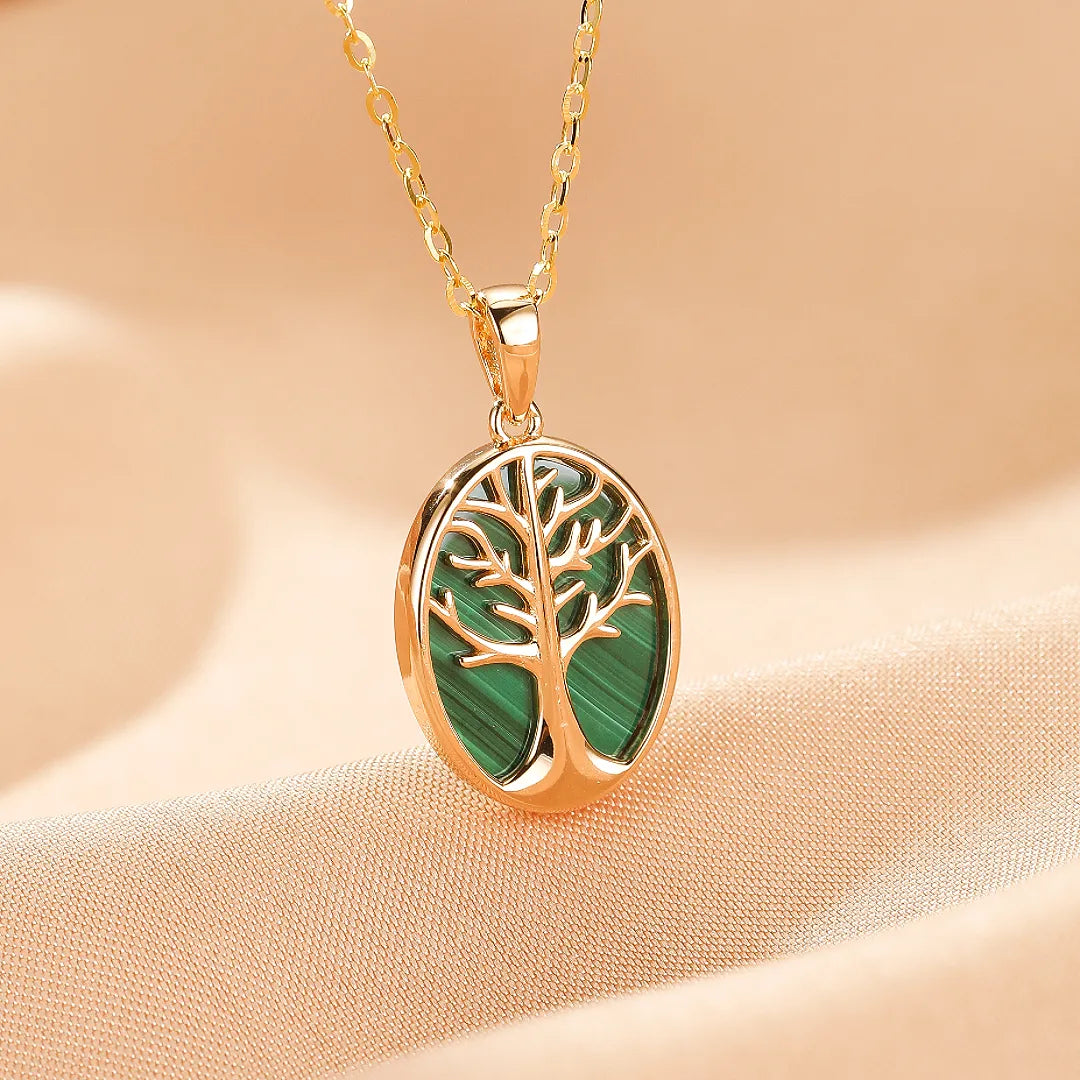
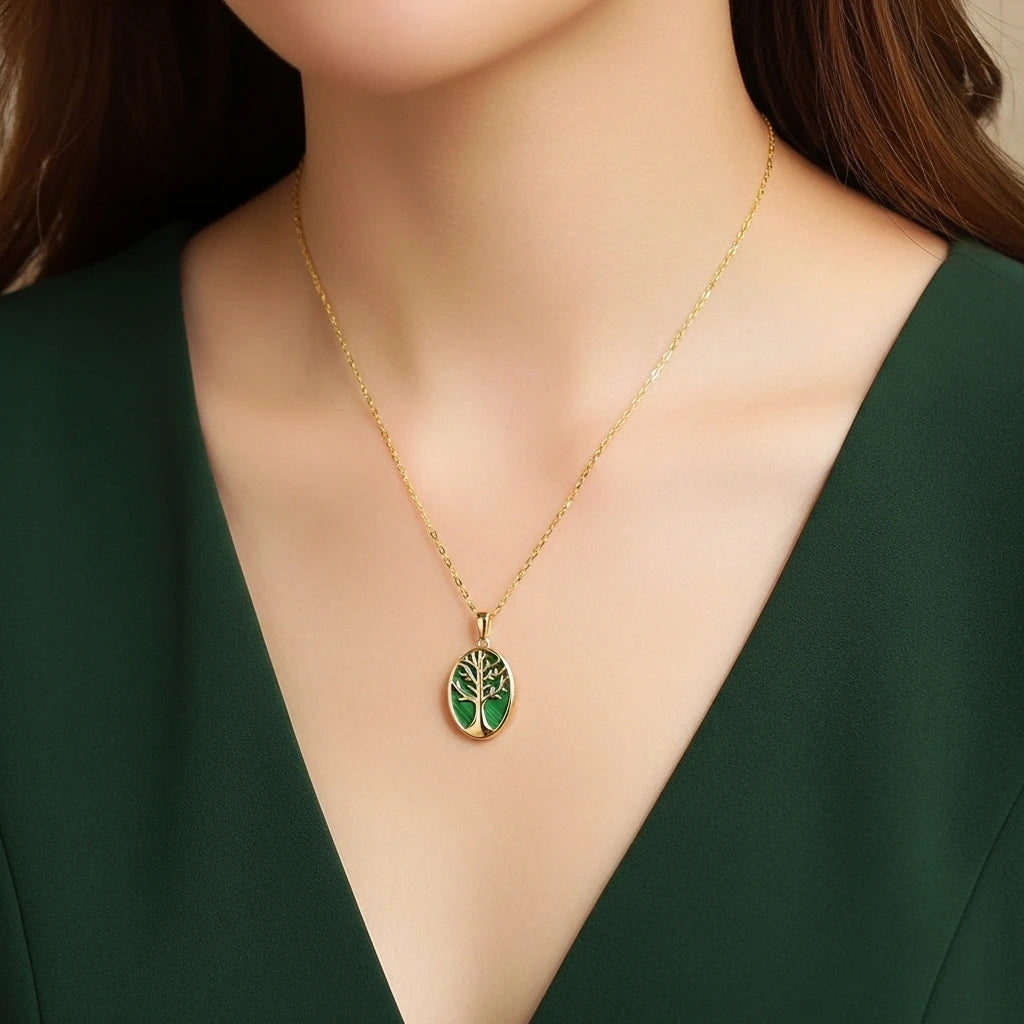
Explore our handcrafted crystal collections: Tree of Life Crystal Collection, Healing Crystal Jewelry, and Natural Crystal Bracelets. Read our related crystal guides: Significance And Benefits Of The Tree Of Life, The Tree Of Life In Natural Stone The Perfect Gift For Every Occasion, and Which Natural Stone To Choose For Your Tree Of Life.
Frequently Asked Questions: Natural or Reconstituted Malachite
How can I tell if the healing crystals in Natural or Reconstituted Malachite are 100% genuine?
Genuine healing crystals stay naturally cool to the touch, exhibit subtle internal mineral inclusions, and match their gemological Mohs hardness (7/10 for quartz varieties like amethyst, rose quartz, and citrine), unlike dyed glass or synthetic resins.
Where should I place a crystal Tree of Life or wear crystal jewelry for the best energy?
In Feng Shui, place your crystal Tree of Life at eye level in the room aligned with your intention: the bedroom (Southwest) with Rose Quartz for love, the entryway with Tiger’s Eye for protection, or the living room with Citrine and 7-Chakra crystals for abundance.
How do I safely cleanse and recharge my healing crystals without damaging them?
Smoke cleansing with white sage or Palo Santo for two minutes is the safest universal method, especially for softer or porous crystals like Selenite, Malachite, and Lapis Lazuli. Recharge your crystals overnight under moonlight or on an Amethyst geode.
Can I combine multiple healing crystals together in the same space or on my wrist?
Yes—crystals that share complementary chakra frequencies harmonize effortlessly. Clear Quartz amplifies all surrounding crystals, while Rose Quartz and Amethyst pair beautifully for emotional calm and restful sleep.
How often should I cleanse my Luuckk crystal jewelry or Tree of Life?
We recommend a gentle energetic smudging every two weeks for decorative crystal trees and once a week for crystal bracelets, rings, or necklaces worn directly against the skin.
Read more
Malachite captivates at first glance. With its deep green hues, concentric bands, and almost hypnotic allure, it is among the most instantly recognizable Healing Crystals. Yet beyond its striking a...

Malachite never goes unnoticed. With its rich, deep green hues, mesmerizing natural patterns, and distinct aura, it captivates both connoisseurs of exquisite materials and crystal healing enthusias...

Perfect for Gifting
Gift meaningful creations that bring joy and harmony.

Secure Payment
Payments are securely processed via Shopify & PayPal.

Money-Back Guarantee
Easy returns within 14 days of receiving your order.
Rated Excellent by our customers on Trustpilot
