







What Does the Tree of Life Mean in Islam?
Table of Contents
- The Tree of Life: An Ancestral, Universal Emblem
- The Tree of Life in Islam: An Implicit Yet Profound Motif
- Islamic Botanical Symbolism: A Tapestry of Metaphor
- The Tree of Life Across World Cultures and Traditions
- Sufism and the Tree: Mystical Ascent
- The Tree of Life in Feng Shui and Contemporary Living
- Why Does the Tree of Life Resonate So Deeply Today?
- The Tree of Life in Home Decor & Fine Jewelry: Elegance Meets Intention
- Crystal Healing Comparison Table: Properties, Chakras & Care Guide
- Conclusion: What Does the Tree of Life Represent in Islam?
- Frequently Asked Questions: What Does the Tree of Life Mean in Islam?
For millennia, the Tree of Life has held a cherished place in the collective imagination of countless civilizations. From Ancient Egypt to Native American traditions, through Jewish Kabbalah to Christianity, this emblem has never ceased to inspire fascination, reverence, and wonder. It is revered as a profound representation of life, the universe, and the delicate equilibrium between visible and unseen forces.
Yet, what significance does it hold in Islam? Does this sacred emblem have a place within Muslim tradition, even indirectly? And if so, what does it truly embody?
In this article, we explore in depth the meaning of the Tree of Life in Islam—free from dogma, viewed through an enriching cultural and spiritual lens. It is an exploration connecting human roots to the quest for illumination, in a timeless journey of knowledge and higher consciousness.
The Tree of Life: An Ancestral, Universal Emblem
Long before it became an exquisite decorative motif or an energetic talisman, the Tree of Life established itself across nearly every human culture. It serves simultaneously as myth, symbol, cosmic archetype, and a sacred vehicle for spiritual transmission.
While its specific symbolism varies across traditions, several core tenets endure:
- The source and origin of all life
- The sacred interconnectedness of all living beings
- Spiritual elevation and awakening
- The bridge linking the heavens (the Divine), the earth (the physical realm), and roots (heritage and the subconscious)
It is easy to appreciate why it evokes such profound resonance: it unites in a single visual essence the ideals of wisdom, balance, resilience, rebirth, and transcendence.
In modern holistic spirituality, it is equally celebrated for its harmonizing energetic properties and connection to inner growth. Explore our dedicated guide, Tree of Life Meaning and Benefits, to complement this exploration.
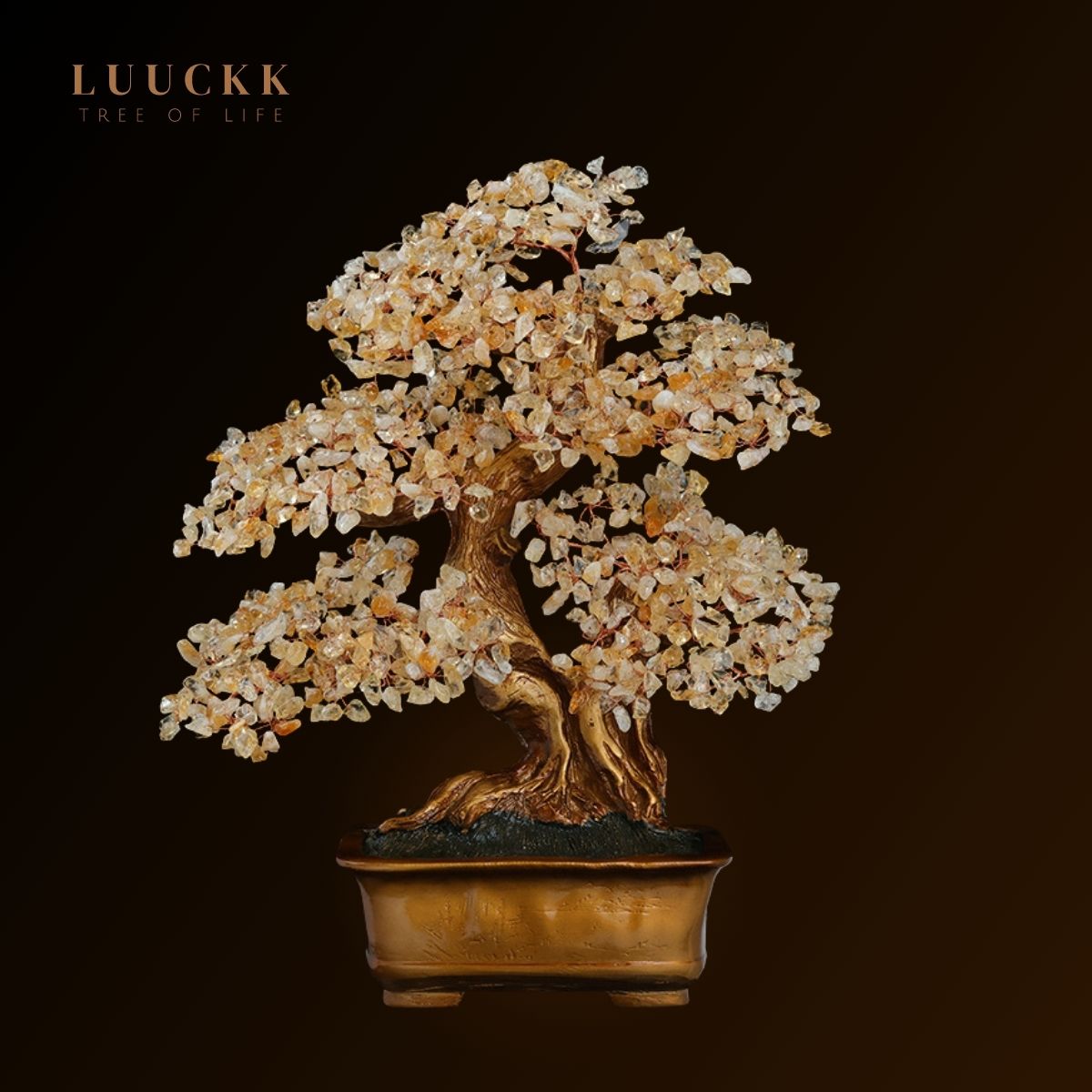
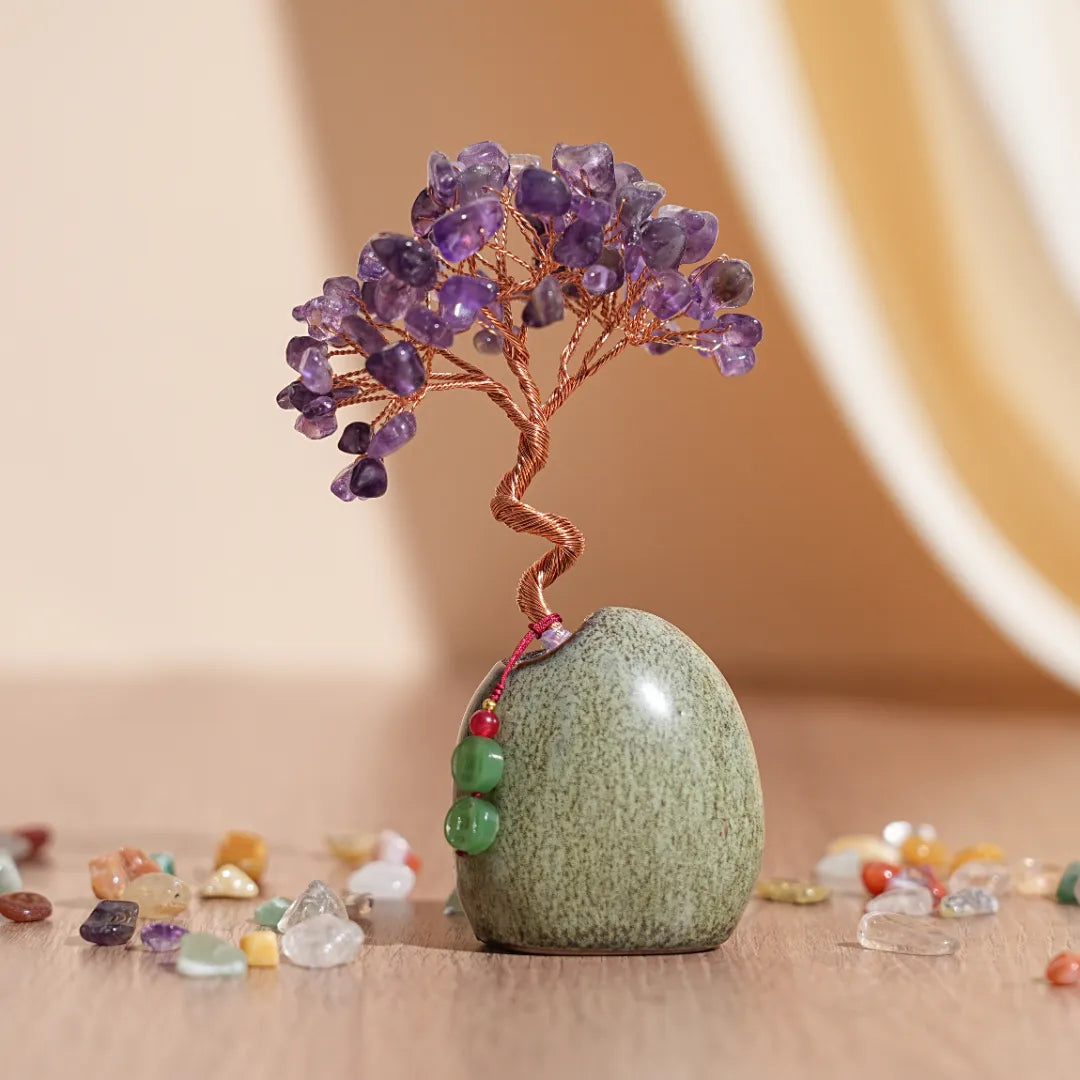
Luuckk Crystal Selection: What Does the Tree of Life Mean in Islam?




The Tree of Life in Islam: An Implicit Yet Profound Motif
Within classical Islamic doctrine, the literal phrase "Tree of Life" does not appear as a formal theological construct. Nonetheless, the tree as an archetype is woven throughout Islamic spiritual vocabulary and mystical art, most vividly within the rich traditions of Sufism.
With its poetic depth and contemplative philosophy, Islamic thought offers an elevated vision of existence and human consciousness, wherein the imagery of the sacred tree effortlessly unfolds.
A Reflection of Soulful Growth
The tree serves as a compelling allegory for internal evolution. It mirrors the cultivation of the soul: anchored deeply in the earth (faith, humility, human nature) while stretching gracefully toward the heavens (divine light, wisdom, transcendence), embodying the spiritual journey of humanity.
A tree flourishes, sheds, and regenerates. It gracefully weathers shifting seasons just as the spirit navigates trials. It yields exquisite fruit, mirroring the noble virtues and righteous actions of the soul. From this viewpoint, the Tree of Life stands as a dynamic testament to spiritual awakening in Islam.
The Tree and Fitra: Returning to Pure Primordial Nature
A cornerstone of Islamic philosophy is fitra, often translated as "primordial disposition" or innate spiritual intuition. It reflects the truth that every individual is born with an intrinsic alignment toward virtue, authenticity, and divine connection.
Through this prism, the tree can be regarded as the living visualization of fitra: firmly rooted in its authentic self, nourished by divine radiance, and in perpetual ascension toward grace.

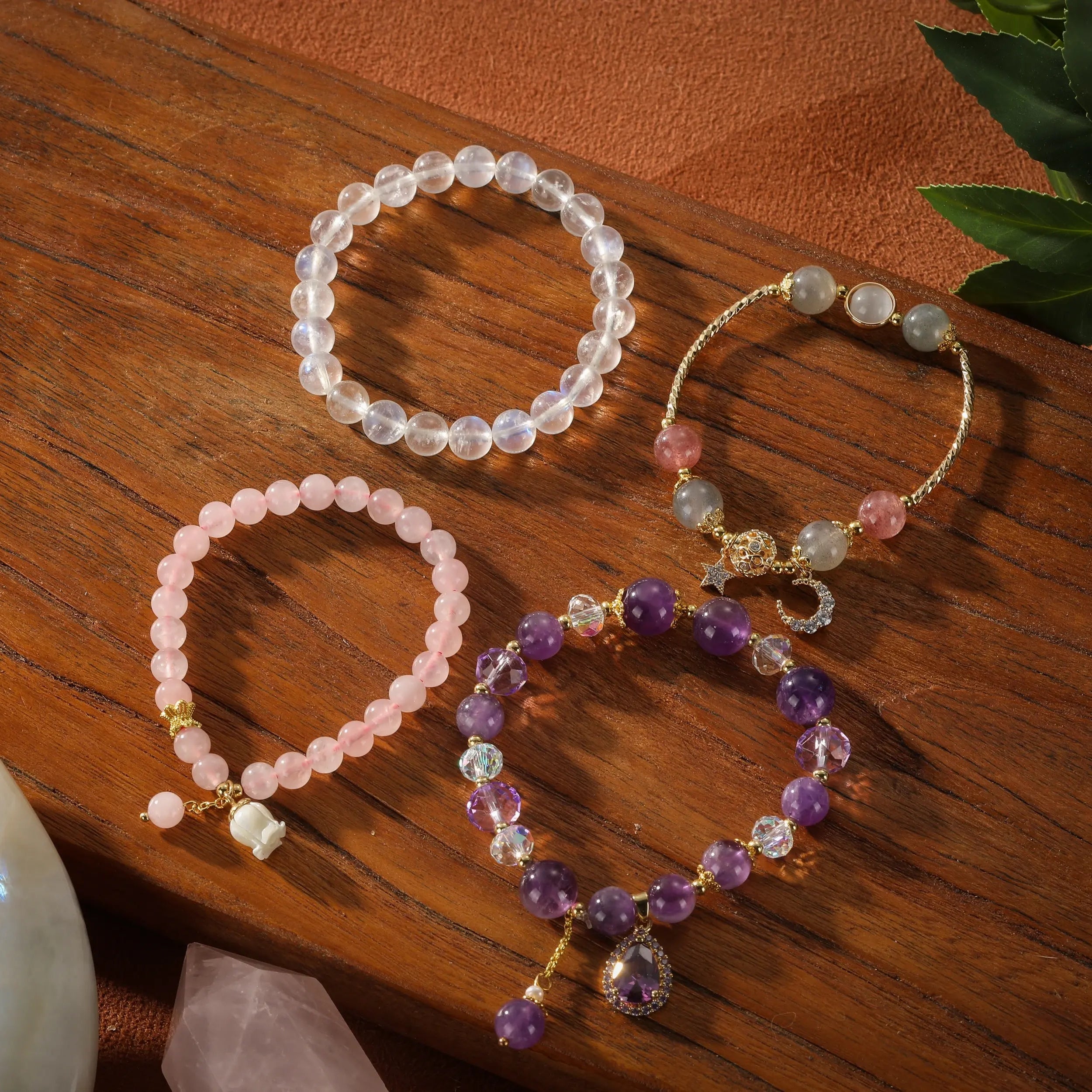
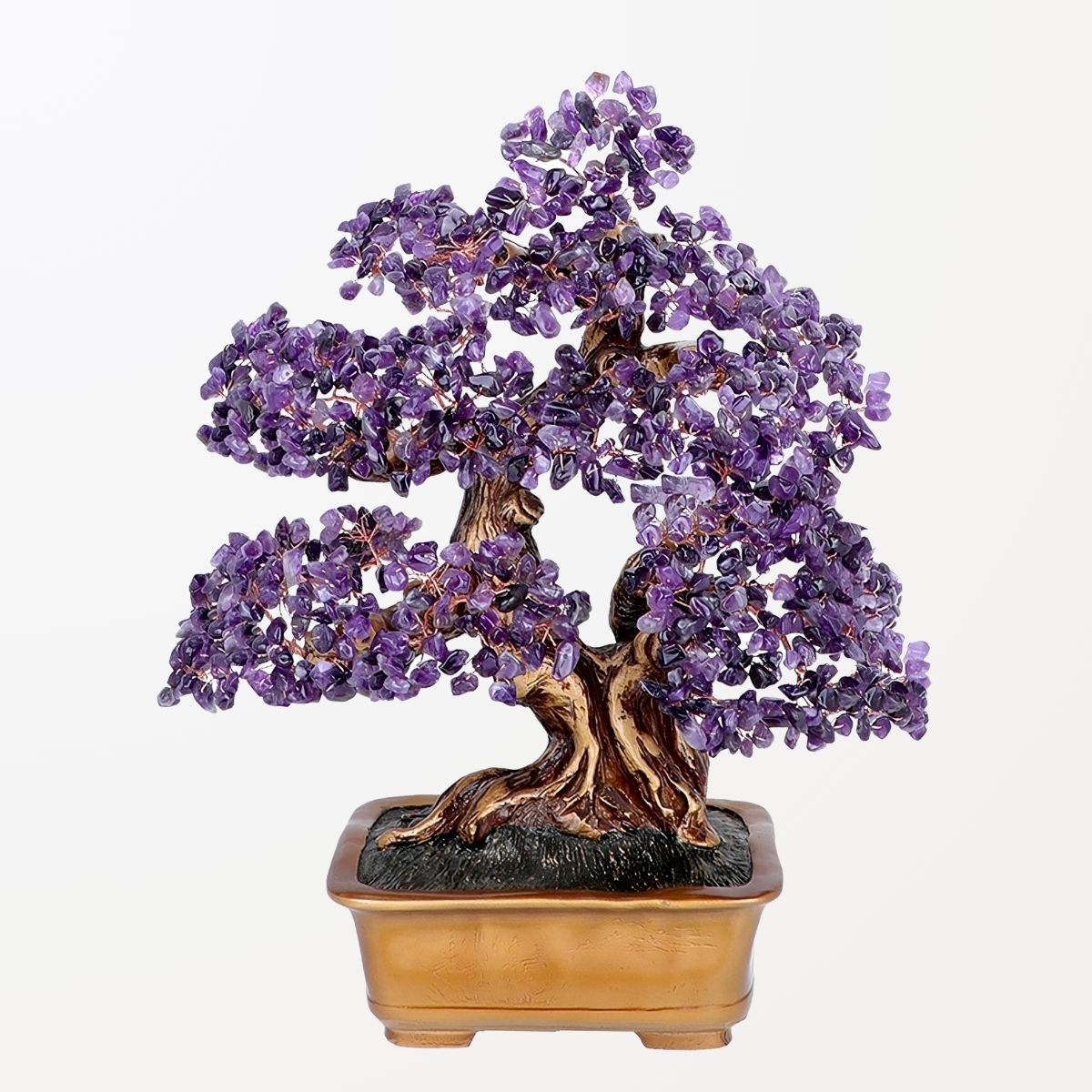
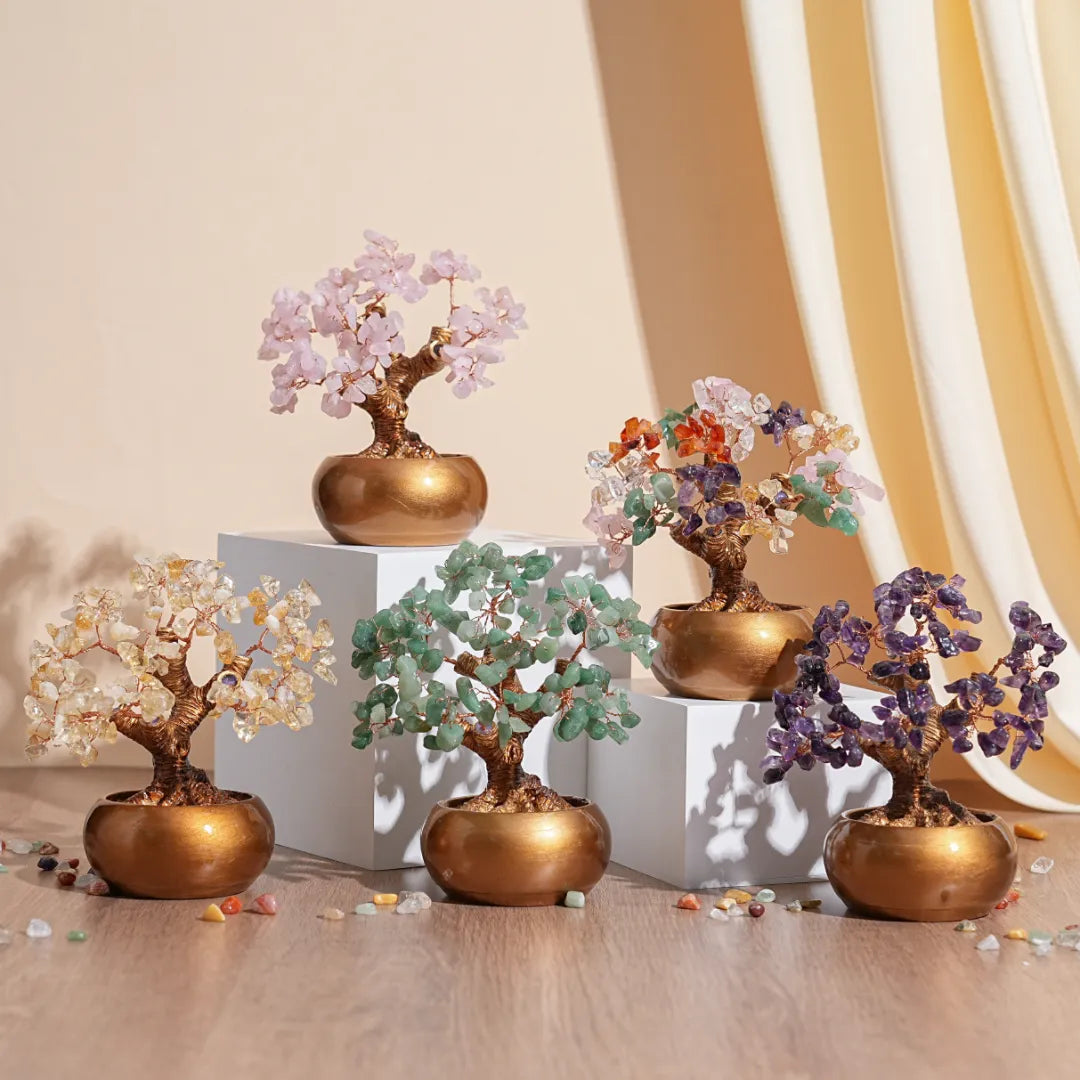
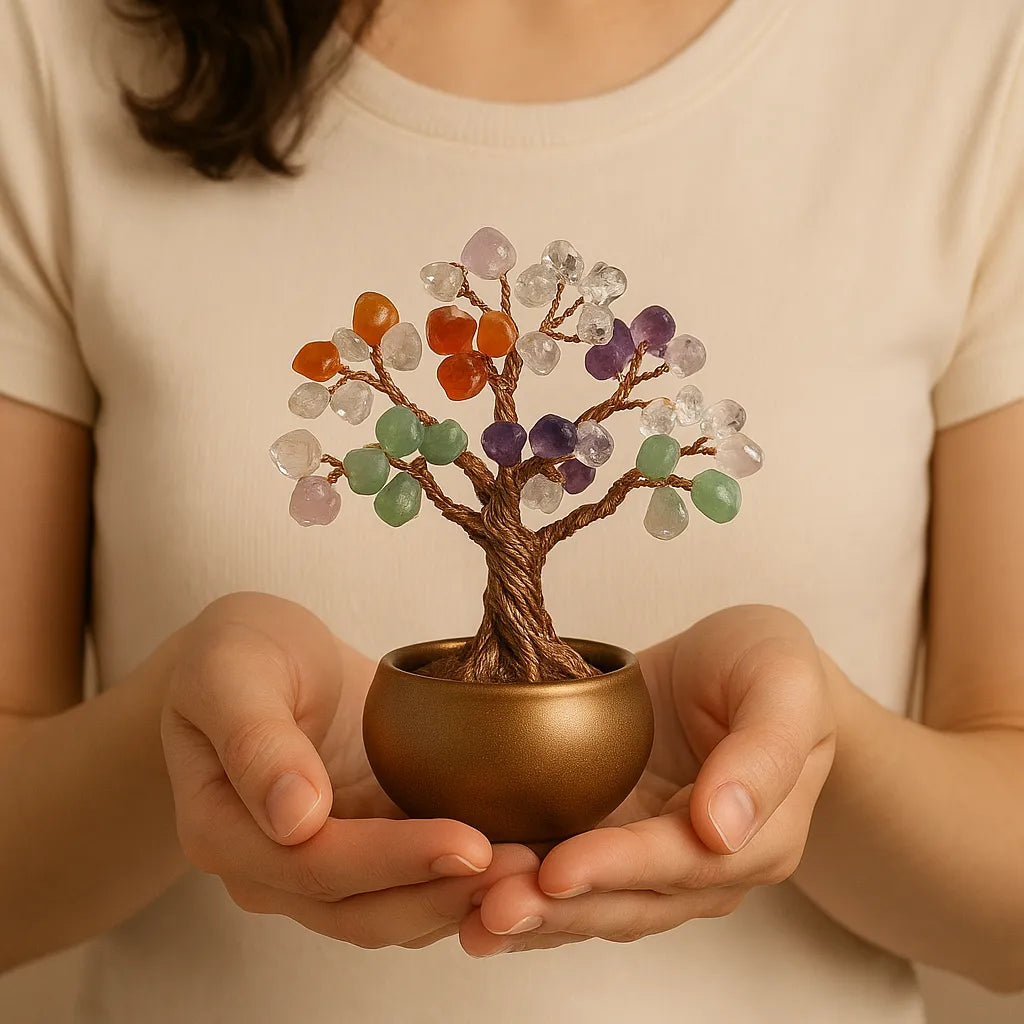
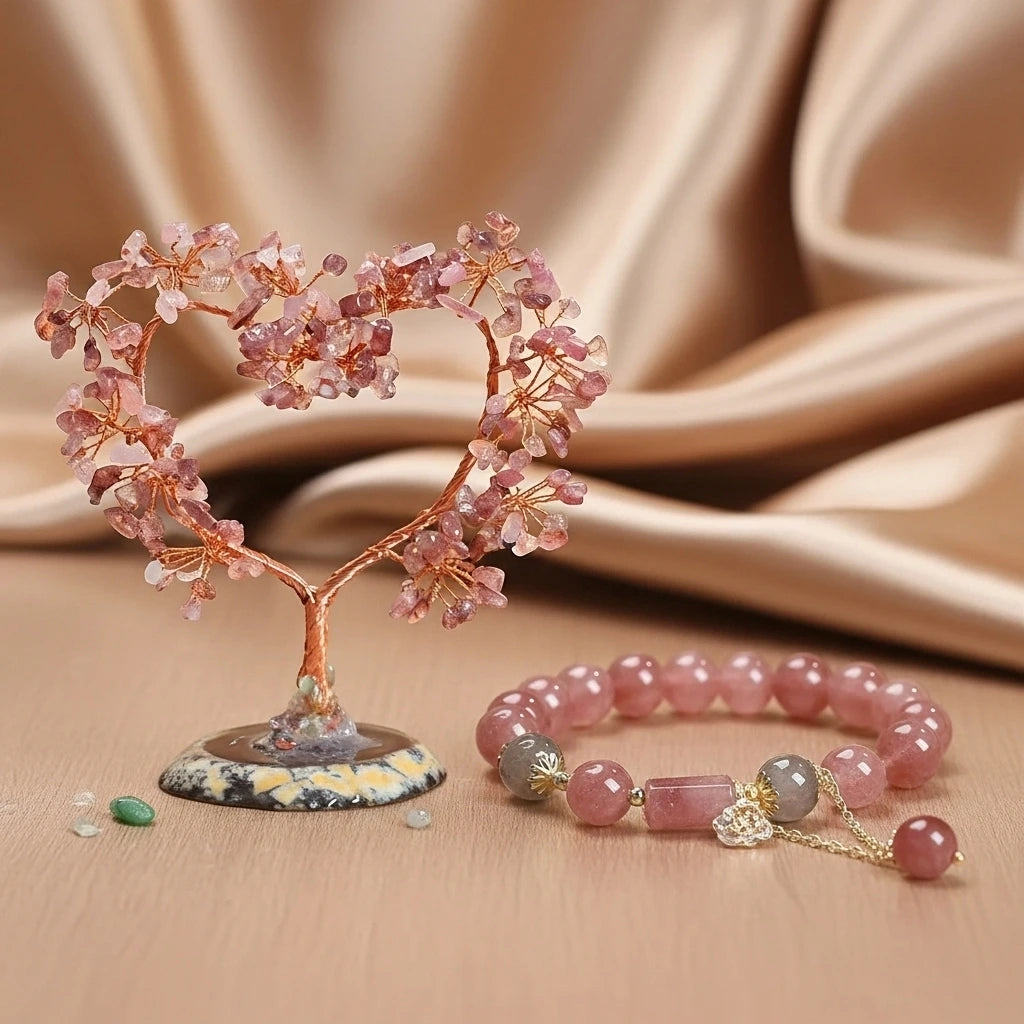
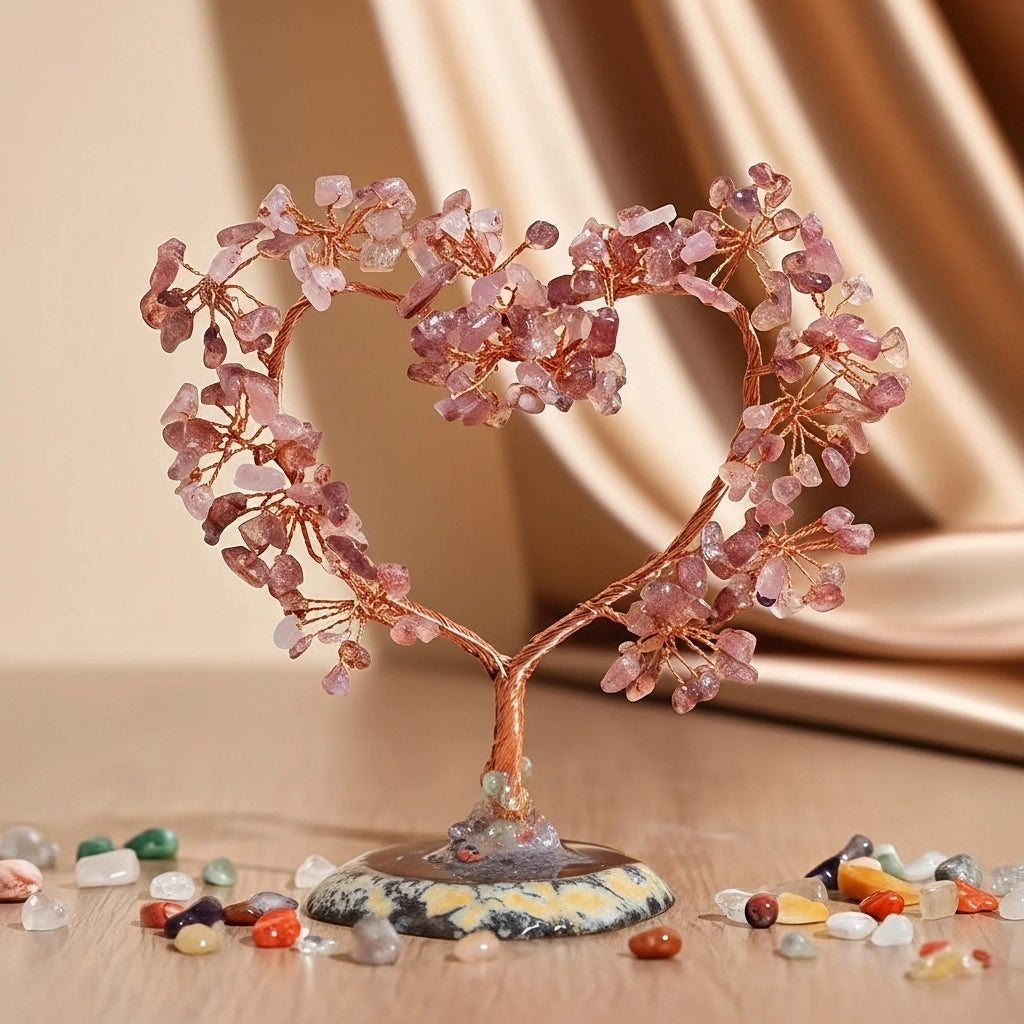
Handcrafted Healing Crystal Creations & Tree of Life Collection




Islamic Botanical Symbolism: A Tapestry of Metaphor
Across classical Islamic prose and poetry, flora and arboriculture carry profound symbolic resonance. They articulate the nuances of faith, intellect, wisdom, and the sacred bond between the Divine and creation.
Among Sufi luminaries, the tree embodies the human being striving for sacred unity. Rooted in the humble ground of worldly existence, it reaches upward into the radiance of transcendental knowledge. The deeper its roots descend, the higher and more majestic its canopy blooms.
This poetic imagery mirrors the overarching essence of the Tree of Life found across ancient civilizations, as we discover below.
The Tree of Life Across World Cultures and Traditions
To truly appreciate the symbol’s place in Islamic thought, it is inspiring to see how it echoes across civilizations. While distinct in expression, traditions converge on one timeless archetype: a central, sacred axis of life, wisdom, and eternity.
In Christianity
The Tree of Life is revered in Genesis at the heart of the Garden of Eden, symbolizing immortality and grace. It re-emerges in the Book of Revelation as a beacon of healing and eternal salvation.
This profound motif has inspired timeless sacred art and mysticism, which we explore in depth in our article Significance of the Tree of Life in Christianity.
In Jewish Kabbalah
The Tree of Life (Etz Chaim) is a sacred cosmological map charting the universe and the human soul. It features ten divine emanations (sefirot) connected by 22 pathways, serving as a contemplative framework for spiritual elevation.
In Eastern Philosophies
Sacred trees hold revered places in Hinduism (the celestial Ashvattha tree), Buddhism (the sacred Bodhi Tree where the Buddha attained Enlightenment), and Taoism, where the tree embodies the eternal dance and balance of Yin and Yang energies.
For a deeper exploration, discover: Meaning of the Tree of Life Across Different Cultures and The Tree of Life in World Religions: Symbols and Interpretations.

Sufism and the Tree: Mystical Ascent
Sufism—the esoteric, contemplative dimension of Islam—draws richly upon poetic metaphors. Here, the tree reflects the inward path of self-realization, purification, and intimate divine communion.
In the writings of master Ibn Arabi, the tree symbolizes the realized human being (al-insan al-kamil), deeply grounded in divine gnosis and blossoming with unconditional love. It simultaneously mirrors the multidimensional fabric of existence itself.
In Rumi's mystical poetry, the tree is celebrated as the mirror of the human soul: sometimes tender, sometimes majestic, resting in winter dormancy, then joyously erupting in spring blossom—an ode to the soul’s transformative journey.
The Tree of Life in Feng Shui and Contemporary Living
While Islam and Feng Shui originate from different roots, many modern Muslims appreciate holistic living, positive energy, and beautiful symbolic decor. Within modern interiors, the Tree of Life is embraced as an instrument of harmony and serenity.
In Feng Shui practices, displaying a gemstone Tree of Life invites auspicious energy to:
- Attract abundance, success, and prosperity
- Nurture vibrant health, vitality, and renewal
- Strengthen familial harmony and spiritual affinity
Delve further into this art in our dedicated article: Tree of Life and Feng Shui: Meaning, Placement, and Traditions.
Why Does the Tree of Life Resonate So Deeply Today?
The enduring contemporary love for this emblem is no coincidence. It answers an innate longing for purpose, authenticity, and grounding in our fast-paced era.
In a modern world that often feels hurried, it gently inspires:
- A return to mindful essentials
- Conscious connection between self and cosmos
- Spirituality rooted in peace and inner freedom
- Steadfast balance and personal evolution
This explains why many individuals of Islamic faith choose to wear or display the Tree of Life—not as an object of devotion, but as a graceful visual reminder of their personal spiritual journey.

The Tree of Life in Home Decor & Fine Jewelry: Elegance Meets Intention
At Luuckk, the Tree of Life comes alive through artisanal creations:
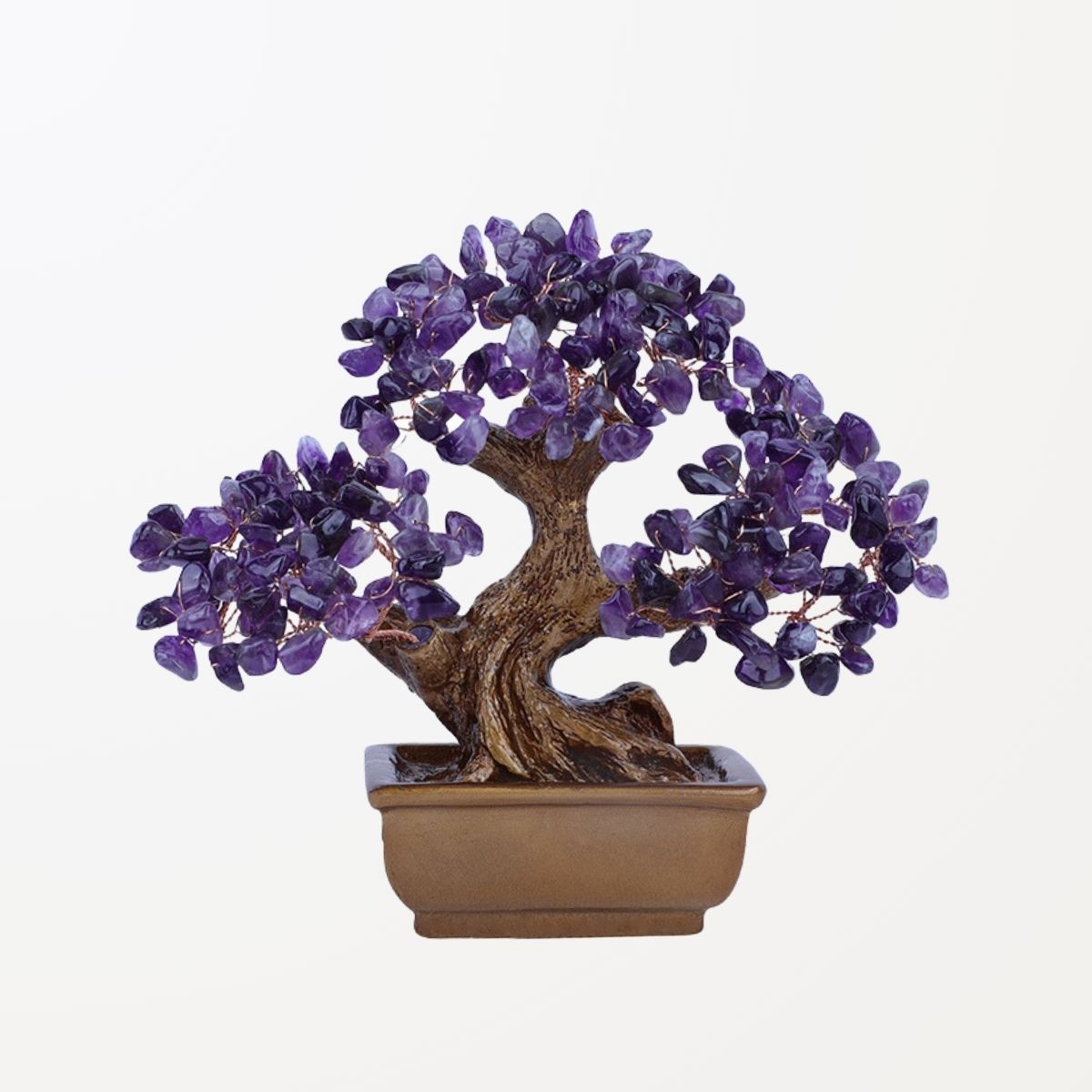
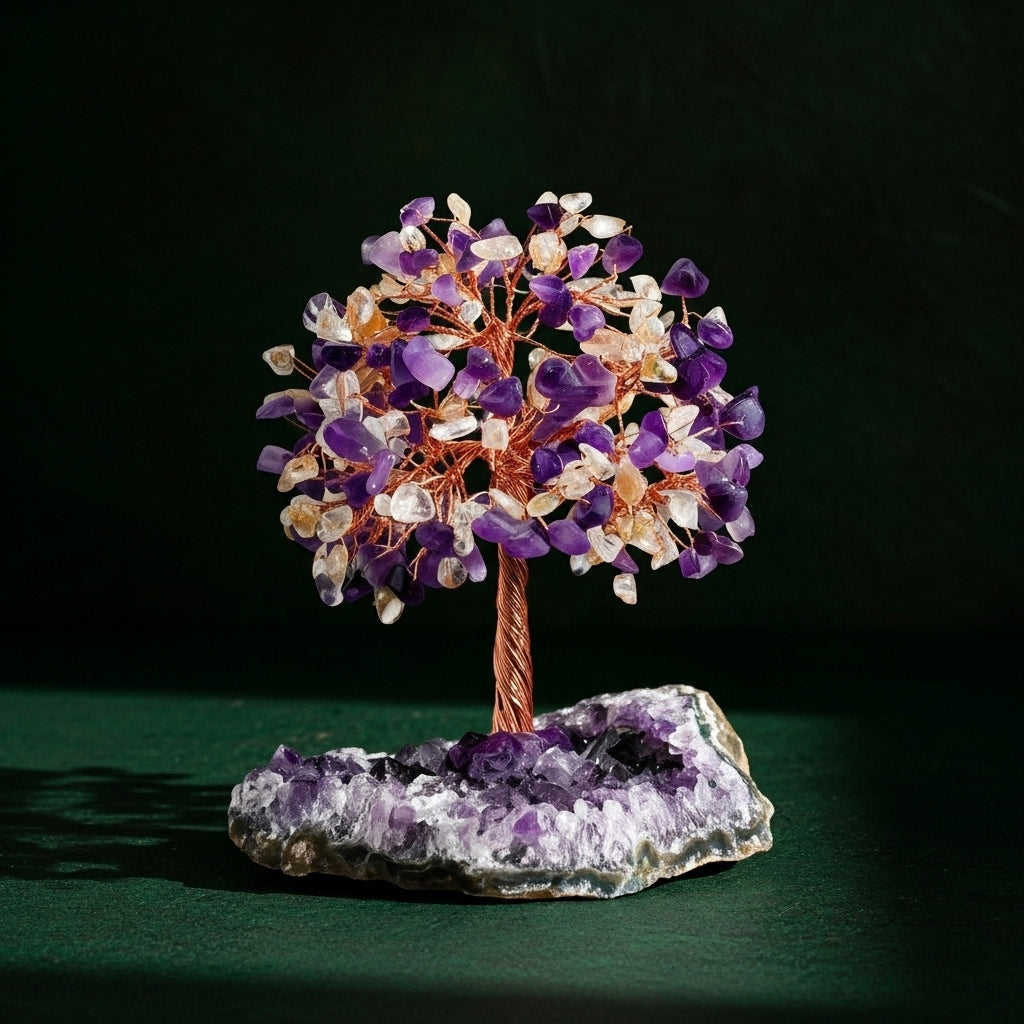
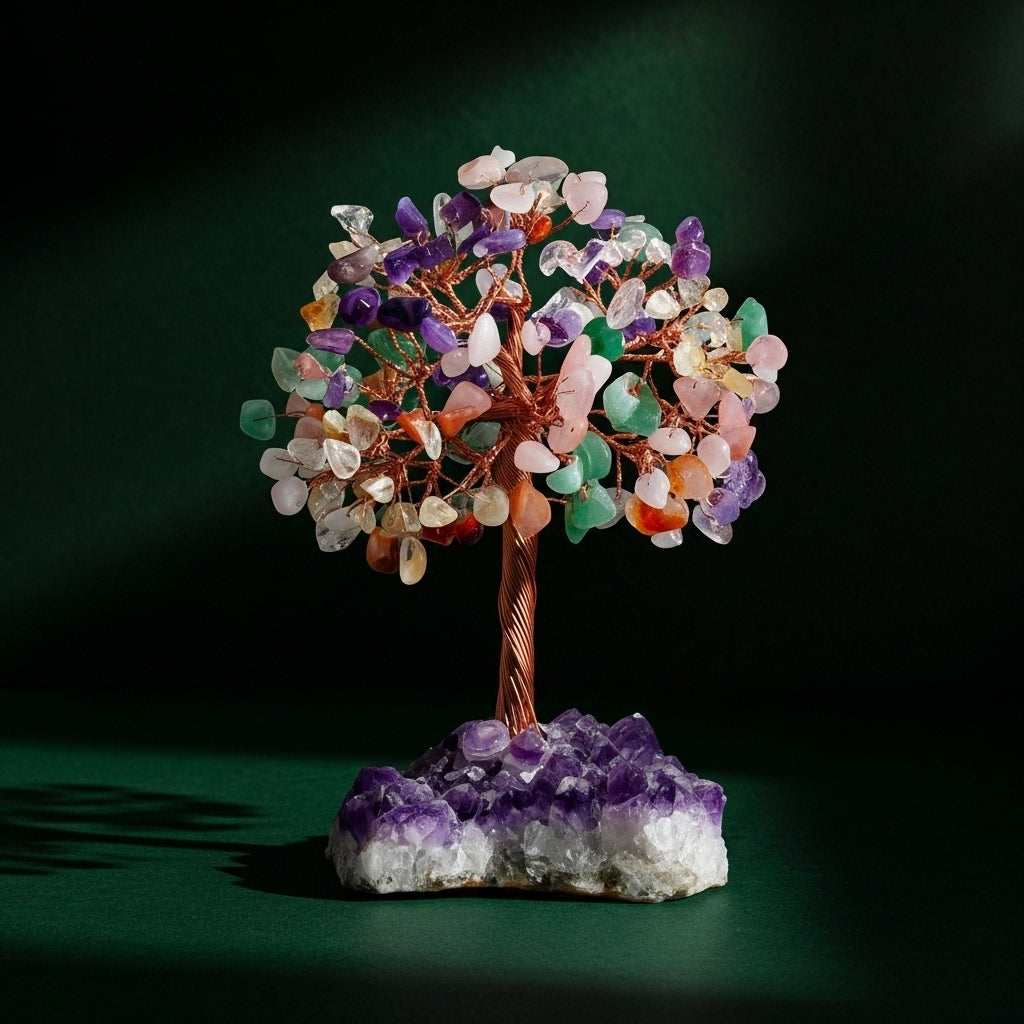
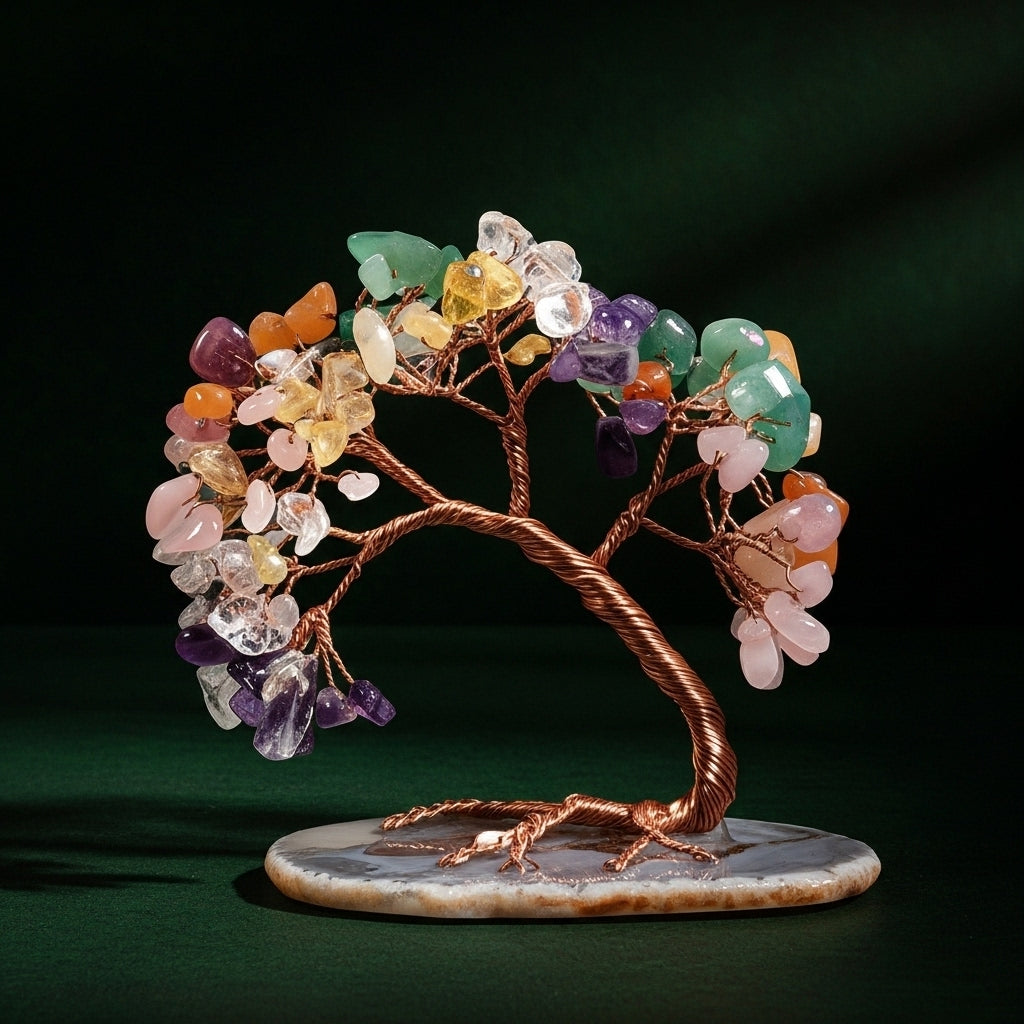
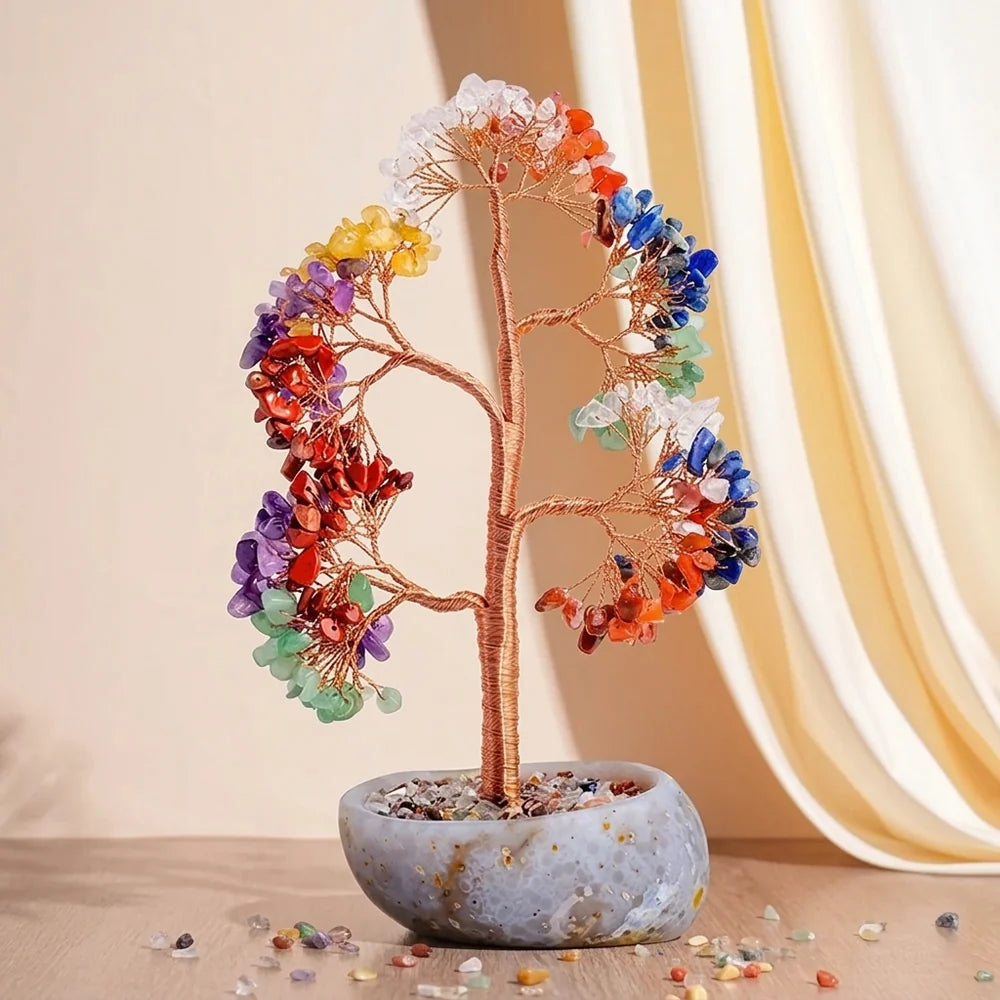
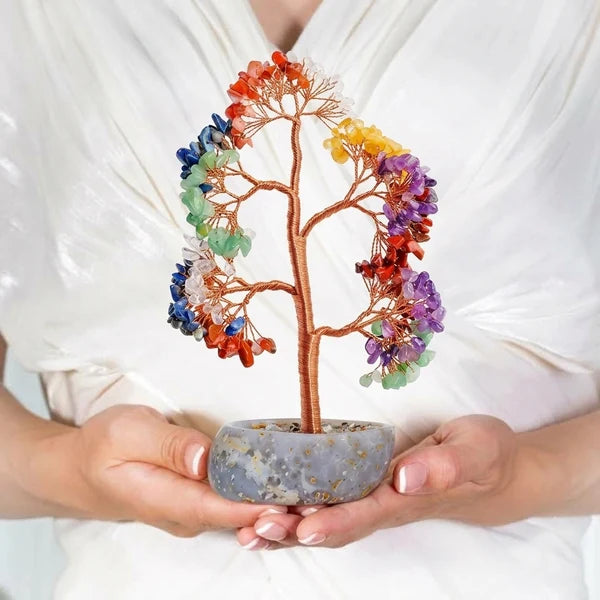
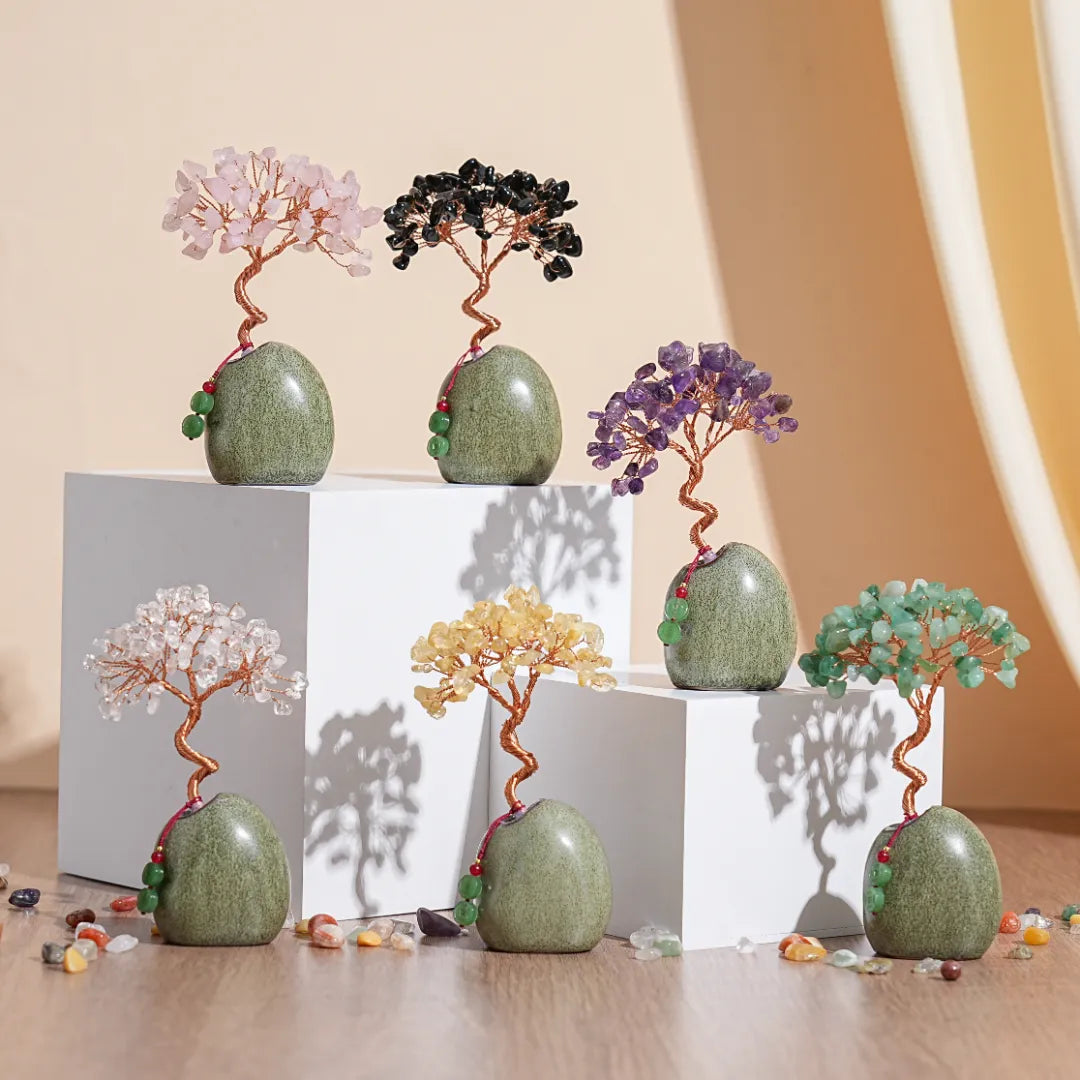
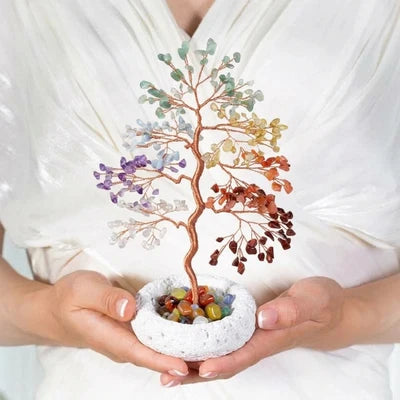
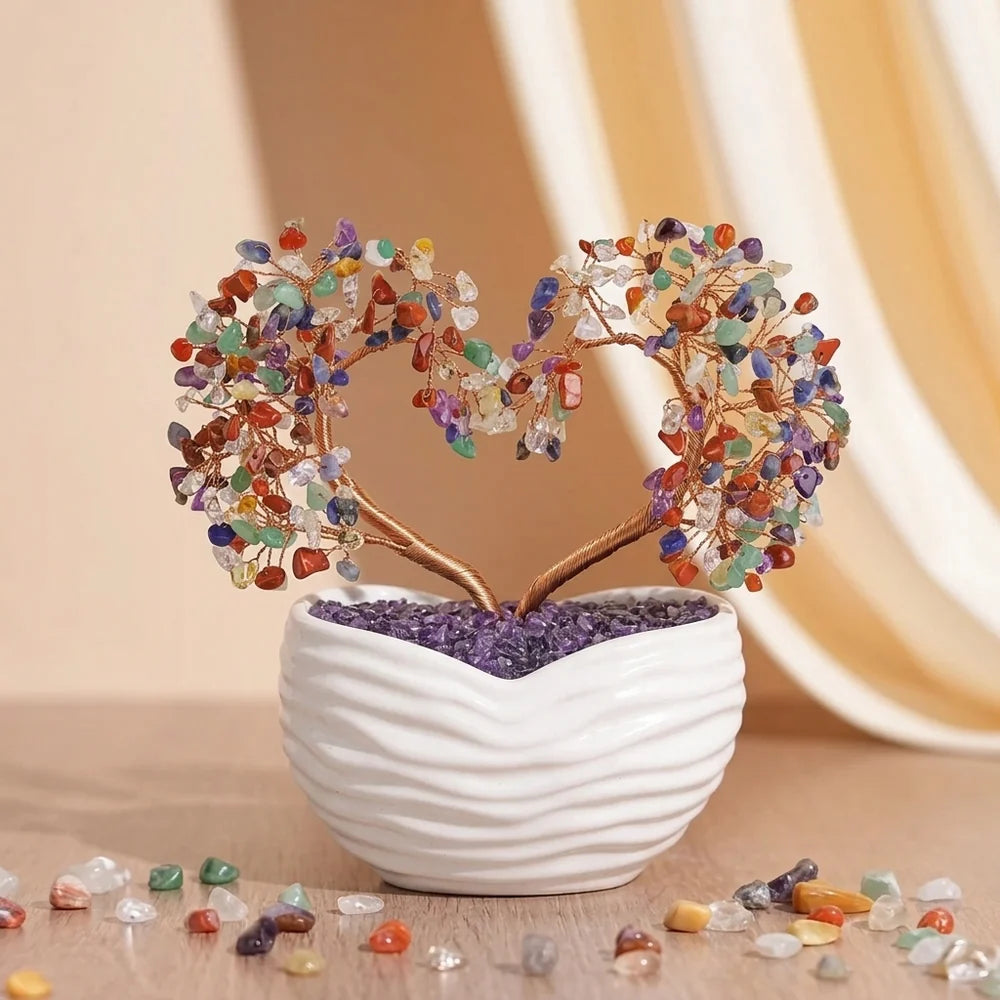
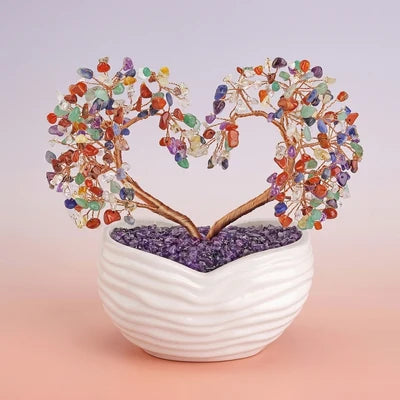
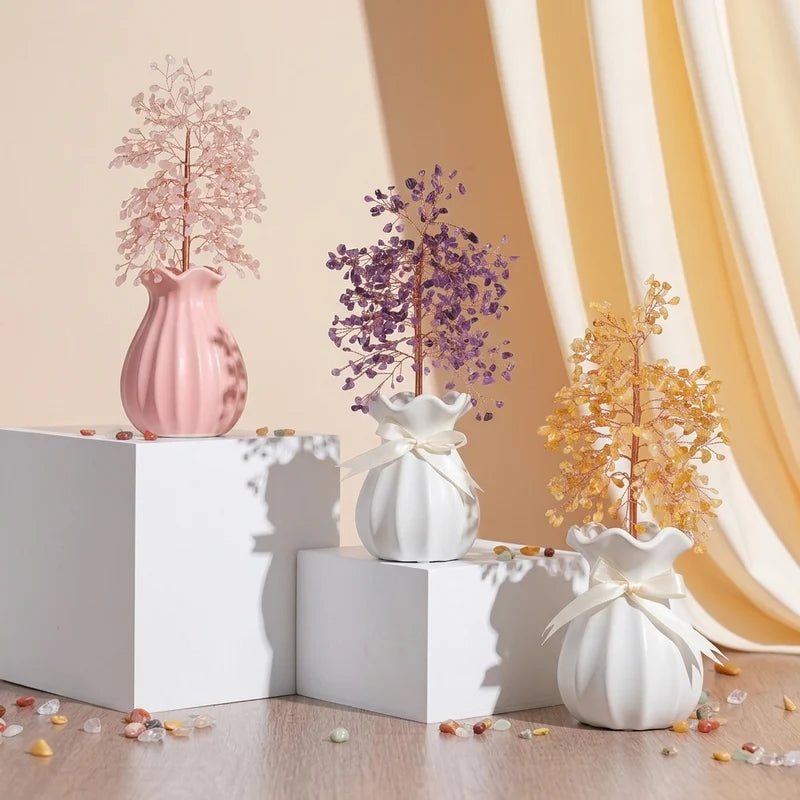
- Handcrafted natural gemstone crystal trees, perfect for infusing spaces with refined serenity
- Fine pendants, bracelets, and keychains, sculpted from authentic Healing Crystals and precious metals
- Mindful symbolic accents designed to bring gentle grace to your daily sanctuary
Every artisan design is crafted to unite luxurious aesthetics with uplifting vibrations. Learn more in our guide: Origin and Spiritual Meaning of the Tree of Life Across Beliefs.
Crystal Healing Comparison Table: Properties, Chakras & Care Guide
This comparison chart summarizes the key crystal properties, Mohs hardness ratings, chakra alignments, and cleansing rituals recommended by Lina.
Crystal Family & Intention | Chakra Alignment & Mohs Hardness | Cleansing, Charging & Feng Shui Placement |
Love, Compassion & Emotional Harmony | Heart Chakra (Anahata) — Mohs hardness 6 to 7/10; nurtures inner peace and emotional balance. | Place in the Southwest Bagua sector or bedroom; cleanse with white sage smudge and recharge under full moonlight. |
Grounding, Shielding & Confidence | Root & Solar Plexus Chakras — Mohs hardness 7/10; anchors energy and wards off negativity. | Position near the front entryway or workspace; smudge weekly with Palo Santo and recharge on a Clear Quartz cluster. |
Abundance, Clarity & 7-Chakra Balance | Crown, Third Eye & Full 7 Chakras — Mohs hardness 7/10; elevates focus and spiritual vitality. | Ideal for the living room or meditation corner (Southeast wealth sector); recharge on an Amethyst geode or Selenite plate. |
Conclusion: What Does the Tree of Life Represent in Islam?
Within Islam, the Tree of Life is not a rigid theological doctrine. Rather, through the evocative language of symbol, mysticism, and contemplative wisdom, it flourishes naturally as an emblem of living faith, personal elevation, and the sacred communion between humanity and the Divine.
It stands as:
- A radiant metaphor for the soul in evolution
- A luminous guidepost along the inner journey toward enlightenment
- A poetic reflection of the profound harmony uniting heaven, earth, and the human heart
Far from being alien to Islamic thought, this emblem can be cherished, worn, and welcomed into the home as an inspiring vessel of intention, aligned with every sincere seeker's quest for inner peace, knowledge, and elevation.
If you wish to weave the energy of the Tree of Life into your daily rituals—whether through refined gemstone jewelry, a handmade crystal bonsai tree, or a harmonious decor talisman—explore our curated collection inspired by the world’s ancient sacred traditions.
Each piece is an invitation to center your mind, elevate your spirit, and cultivate lasting harmony.
Discover our Tree of Life Collection
Daily Energy, Protection & Harmony: Lina’s Favorites


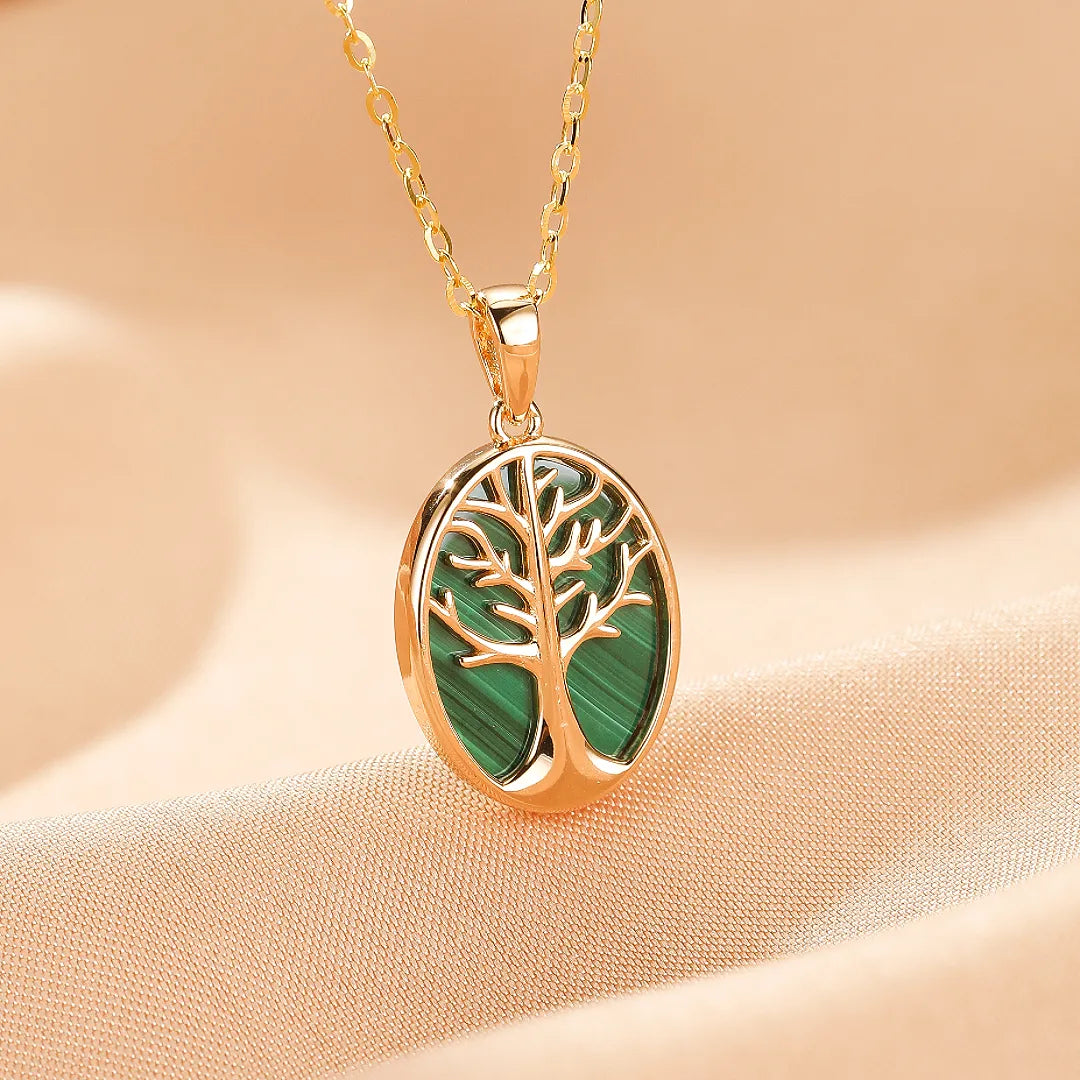
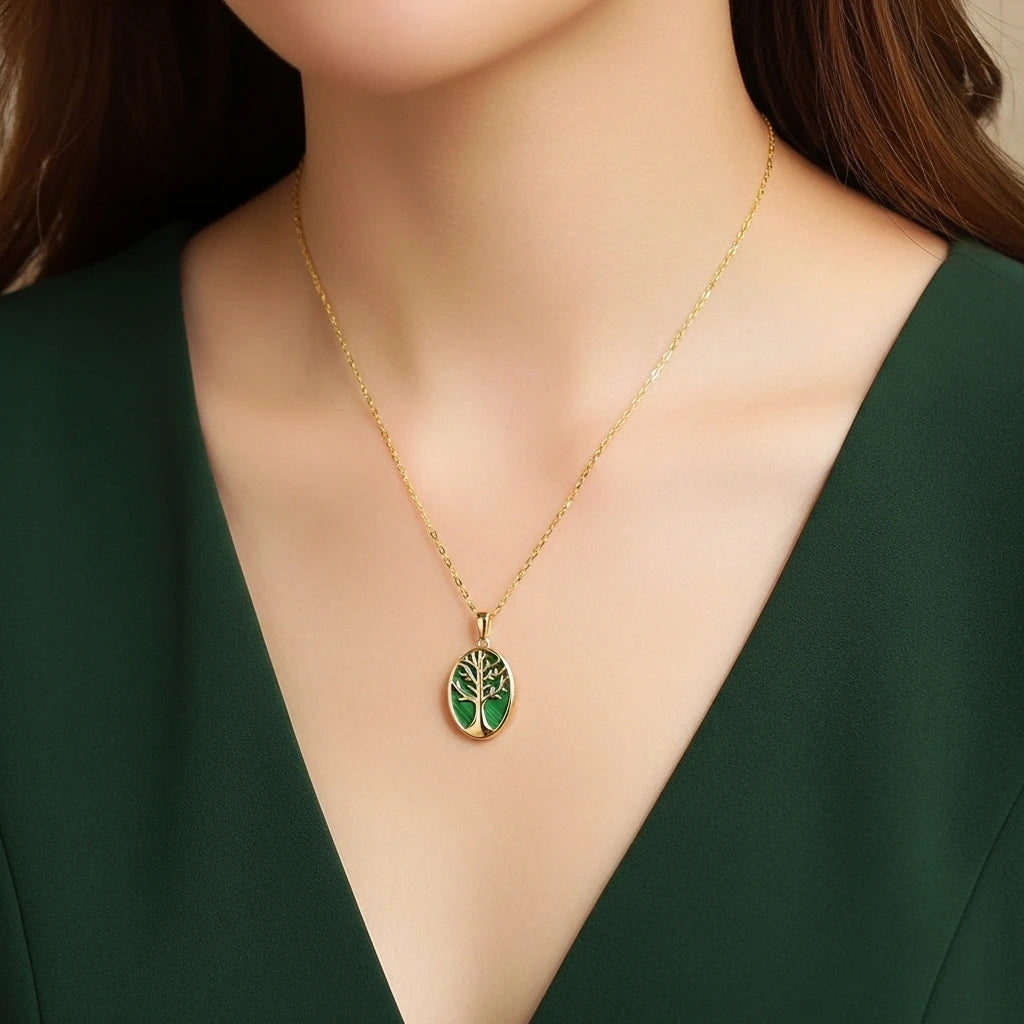
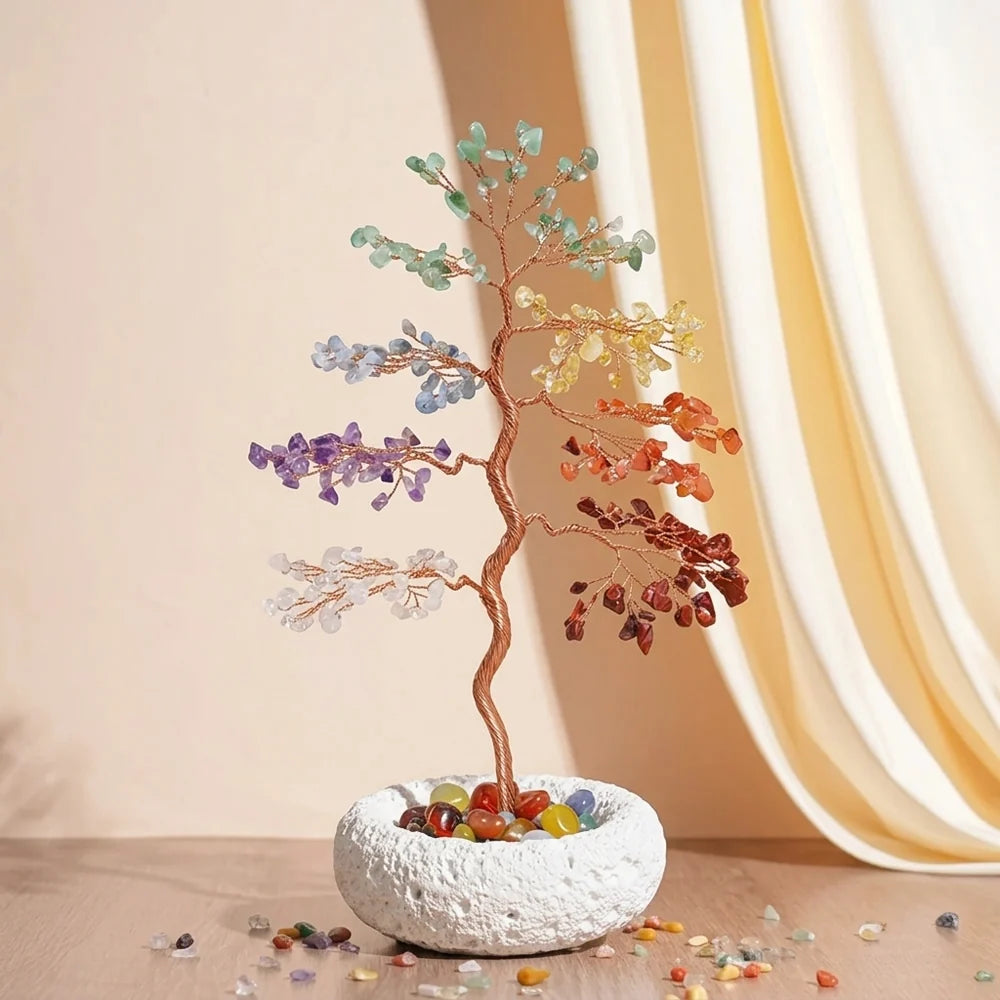
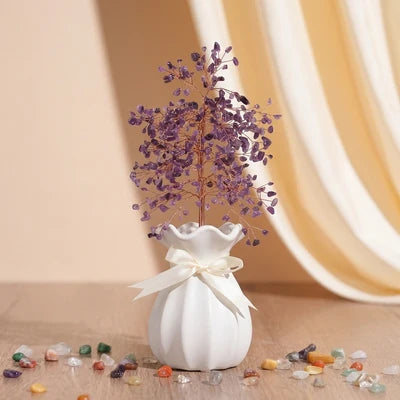
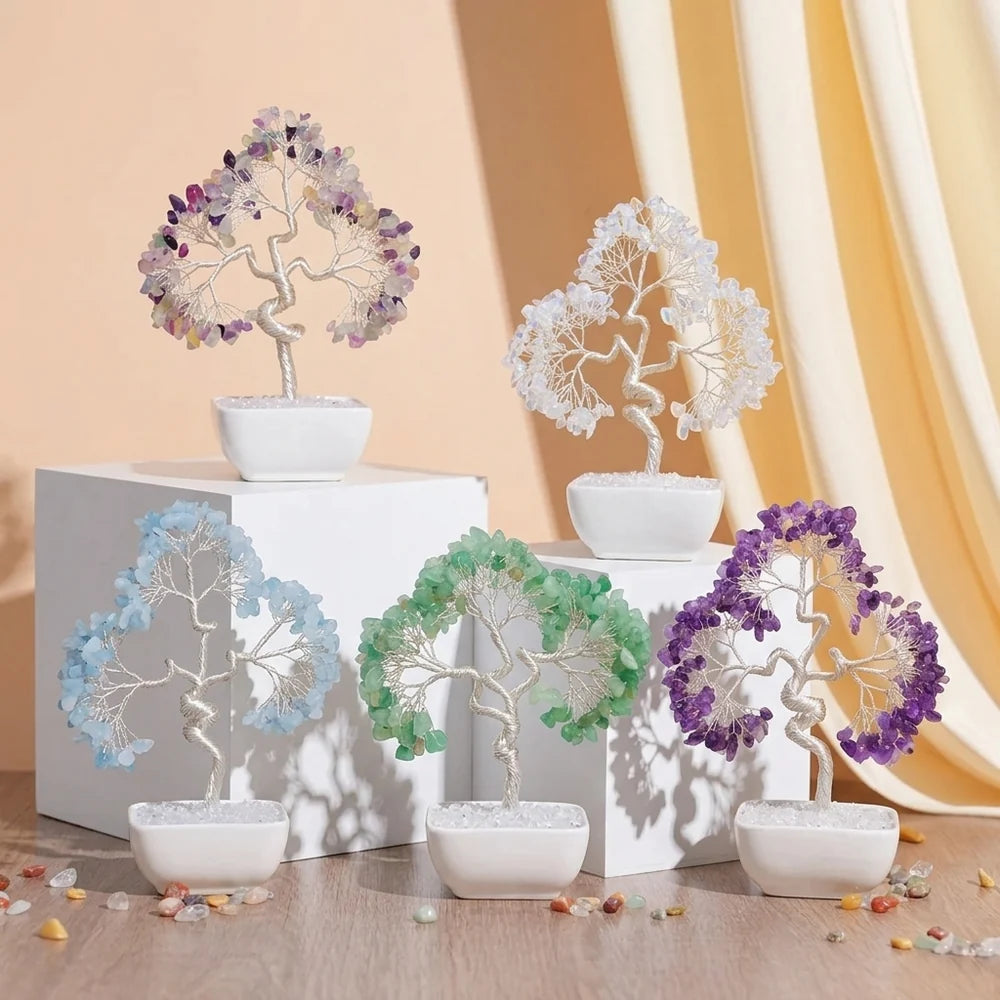
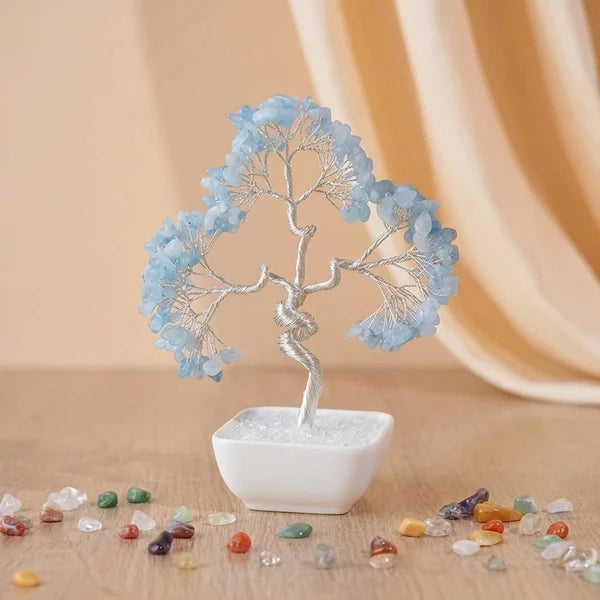
Explore our handcrafted crystal collections: Tree of Life Crystal Collection, Healing Crystal Jewelry, and Natural Crystal Bracelets. Read our related crystal guides: Significance And Benefits Of The Tree Of Life, The Tree Of Life In Natural Stone The Perfect Gift For Every Occasion, and Which Natural Stone To Choose For Your Tree Of Life.
Frequently Asked Questions: What Does the Tree of Life Mean in Islam?
1. Is the Tree of Life mentioned directly in Islam?
No, the exact title "Tree of Life" is not explicitly formulated as a dogma in Islamic scripture. However, the tree is frequently celebrated as an evocative spiritual symbol throughout Islamic literature and Sufi mysticism.
2. Is wearing a Tree of Life compatible with Islam?
Yes. Wearing a Tree of Life carries no conflicting religious dogma. Many Muslims appreciate it as a universal emblem of peace, grounded wisdom, and holistic spirituality.
3. What does the Tree of Life symbolize for a Muslim?
For a Muslim, the Tree of Life can represent the unfolding of the soul, divine connection, and the graceful balance between deep roots of faith and soaring spiritual elevation.
4. Is the Tree of Life a religious or spiritual symbol?
The Tree of Life is primarily a universal spiritual archetype. Across world traditions, it conveys vitality, sacred wisdom, cosmic interconnectivity, and personal expansion.
5. Is there a connection between the Tree of Life and fitra in Islam?
Yes, symbolically. Fitra—humanity’s pure, innate primordial nature—is like a tree naturally oriented toward divine light while anchored securely in truth.
6. Can you display the Tree of Life in a Muslim home?
Yes, provided it is enjoyed in harmony with personal values. The Tree of Life is widely embraced as an elegant, harmonizing decor piece that invites tranquility and natural beauty into the home.
Read more
Harmony. It is a word we hear constantly, yet so rarely embody in our modern daily lives. For millennia, sacred traditions like Feng Shui have guided us in the art of cultivating profound energetic...

Since the dawn of time, trees have captivated humanity. Rooted deep within the earth while reaching gracefully toward the heavens, they offer shelter, nourishment, and inspiration. Among them, the ...

Perfect for Gifting
Gift meaningful creations that bring joy and harmony.

Secure Payment
Payments are securely processed via Shopify & PayPal.

Money-Back Guarantee
Easy returns within 14 days of receiving your order.
Rated Excellent by our customers on Trustpilot
