

Benefits and Properties of Carnelian
- Introduction
- Carnelian: ID card of a natural stone with a sunny temperament
- Carnelian benefits in lithotherapy: what it is supposed to support
- Carnelian and chakras: what does its energy correspond to?
- Who is Carnelian for? The profiles who often appreciate it
- How to use Carnelian every day: simple, effective, realistic
- Genuine or imitation Carnelian: how to recognize a real stone
- Purifying and recharging Carnelian: hassle-free care
- Pairing Carnelian with other natural stones: interesting synergies
- Carnelian as jewelry: style, symbolism and practicality
- Conclusion: Carnelian, a natural stone to move forward with more momentum
- Additional resources on Carnelian
- FAQ – Carnelian: frequently asked questions in lithotherapy
Introduction
Have you ever had that strange feeling: the desire to move forward is there, but the engine refuses to start. Not a spectacular “big crash,” rather a diffuse inertia. You put things off, you hesitate, you wait for “the right moment.” What if, instead of looking for a complicated solution, you started with something simple, concrete, almost tactile?
In lithotherapy, Carnelian is often described as a stone of movement. One of those Natural Stones that don’t promise to fix everything with a snap of the fingers, but that accompany periods when you need to get going again: creativity to rekindle, confidence to rebuild, motivation to regain. In this article, we explore in depth the benefits of Carnelian, its everyday uses, how to choose it (genuine or imitation), how to care for it, and how to combine it with other stones.
Before we begin, a useful clarification: lithotherapy is part of a wellness approach and does not replace medical advice. The goal here is to share practical reference points, a more nuanced understanding of Carnelian, and reasonable ways to use it.
Our Carnelian Jewelry
Carnelian: ID card of a natural stone with a sunny temperament
Carnelian belongs to the large chalcedony family (a variety of microcrystalline quartz). Its visual signature is easy to recognize: a palette ranging from light orange to orange-red, sometimes with honey tones, milkier areas, or subtle bands. Some specimens are translucent and let light pass through, others are denser and opaque.
Where does this vivid color come from?
Carnelian’s hue is mainly linked to the presence of iron oxides. That’s what gives it that “soft ember” look, often symbolically associated with energy and vitality. Depending on the treatment (natural or heat-treated), the color can also be enhanced. This is important to understand because a Carnelian that is too uniformly red can sometimes indicate a pronounced treatment… or an imitation.
A stone that’s “easy” to live with
This is one of the points that explains its popularity: Carnelian is generally robust (hardness around 6.5–7 on the Mohs scale, like many quartzes), so it’s suitable for being worn as jewelry. It works just as well for bracelets as for pendants, for tumbled stones as for meditation pebbles.
In lithotherapy, its symbolism is often linked to action, vital impulse, creativity, and courage. A stone that doesn’t try to “put you on standby,” but rather helps you feel more present, more engaged, more determined.
Carnelian benefits in lithotherapy: what it is supposed to support
When we talk about the benefits of Carnelian, we often mix several levels: emotional, mental, and energetic. To be useful, it’s better to clarify: Carnelian is not a “magic button.” It is rather used as an intention support, a sensory reminder, or an anchor in a routine (breathing, meditation, a concrete goal). That’s the logic in which it makes sense.
On the emotional level: confidence, courage, inner stability
Carnelian is often associated with the idea of calm confidence. Not an arrogant confidence, but the ability to tell yourself: “I can go for it, even if it’s not perfect.”
- Support for self-esteem : useful when you doubt your worth, your legitimacy, or your skills.
- Emotional courage : helping you face a discussion, a decision, a new stage, a change of pace.
- Getting out of apathy : in lithotherapy, it is sometimes chosen when you feel “switched off,” as if the world were moving in slow motion.
What’s interesting is how it can be integrated into micro-rituals: wearing it during a stressful meeting, holding it in your hand for a few minutes before speaking up, or pairing it with a simple mantra.
On the mental level: motivation, clarity, and taking action
If you’re looking for an “organization” stone, you might think of others. But Carnelian has a specific reputation: helping you take the first step. And that’s often the hardest part.
- Motivation : supporting the starting momentum, especially when you procrastinate.
- Concentration : some people use it to stay more focused on a task.
- Creativity : it is often associated with “creative fire,” inspiration, and the pleasure of producing (writing, creating, building, starting).
A simple idea: Carnelian works well with concrete goals. Instead of “I want to be motivated,” you can set a precise intention: “Today I write 300 words,” “I walk for 20 minutes,” “I make that call I’ve been putting off.”
On the energetic level: tone, dynamism, and grounding in the present
In lithotherapy, Carnelian is often linked to an energy of vitality. Not necessarily “hyperactivity,” but rather a feeling of being more alive, more embodied. Some traditions connect it to the sacral chakra, linked to creativity, pleasure, self-expression, and relational energy.
This “embodied” dimension is interesting: Carnelian is frequently chosen by those who feel too much in their head, too much in analysis, not enough in action.

Carnelian and chakras: what does its energy correspond to?
In lithotherapy, Carnelian is most often associated with the sacral chakra (Svadhisthana), located in the lower abdomen area. This chakra is traditionally linked to:
- creativity and inspiration,
- life drive,
- pleasure, sensuality,
- emotional movement,
- the ability to “let things flow.”
Some approaches also associate it with the root chakra (grounding, security), especially when Carnelian leans toward darker orange-red tones and is used to stabilize energy.
How do you feel this concretely?
Not everyone “feels” stones the same way. A pragmatic approach is to observe:
- your mood (more enthusiasm or not),
- your behavior (do you take action more easily or not),
- your consistency (do you keep a routine better),
- your relationship to your body (more presence, more grounding).
The idea isn’t to look for a spectacular effect, but for subtle, regular signals that align with your intention.

Who is Carnelian for? The profiles who often appreciate it
Carnelian is a popular stone because it is versatile. But it is especially mentioned in certain contexts.
People in a restart phase
- new year, new habit, getting back into sports,
- returning to a project left on pause,
- a post-fatigue period when you want to regain your rhythm.
Creatives and those who “produce”
Writing, design, music, crafts, entrepreneurship… All areas where you need a mix of discipline and inspiration.
People who lack confidence
Carnelian is often associated with courage and self-assertion. It can serve as a reminder: “I express myself, I decide, I move forward.”
Students and workers under pressure
When you need to organize yourself, keep up a pace, show up for an oral exam, or get through an intense phase.
How to use Carnelian every day: simple, effective, realistic
You can love stones and still stay very down-to-earth. The best way to use Carnelian is the one that fits into your life, without requiring a complicated routine.
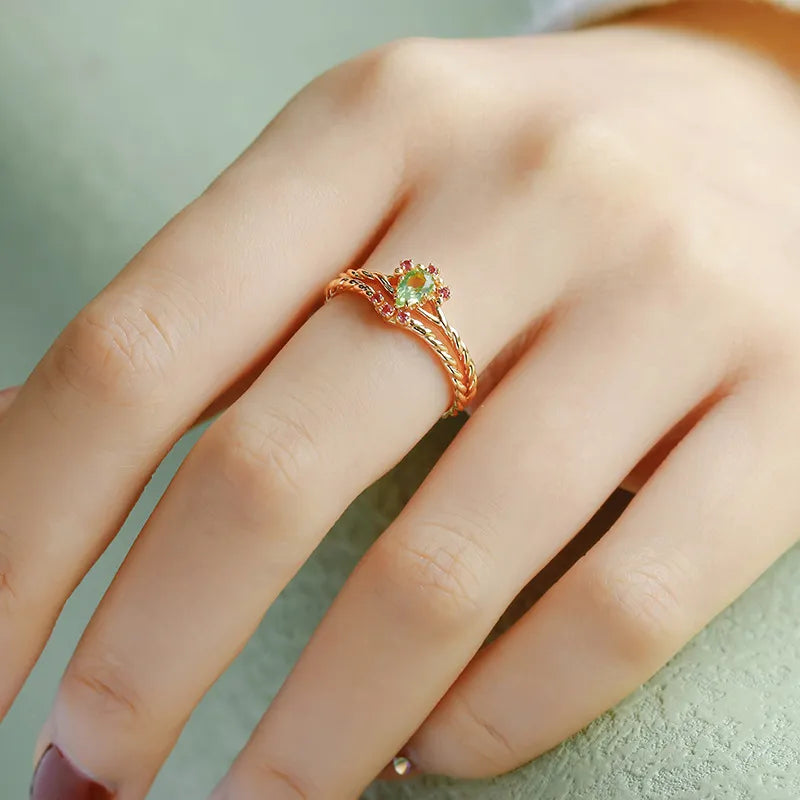
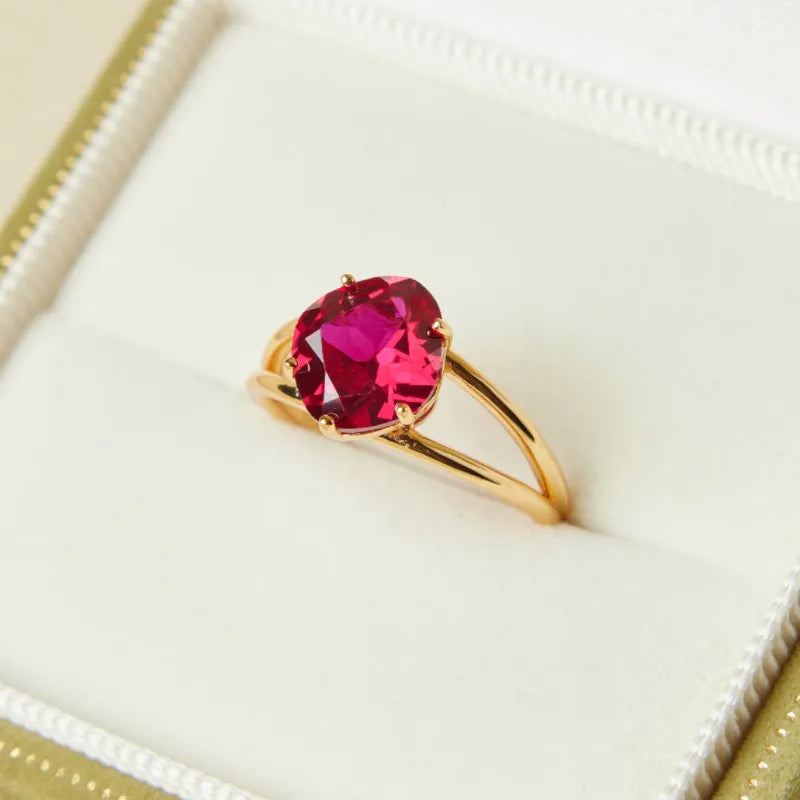
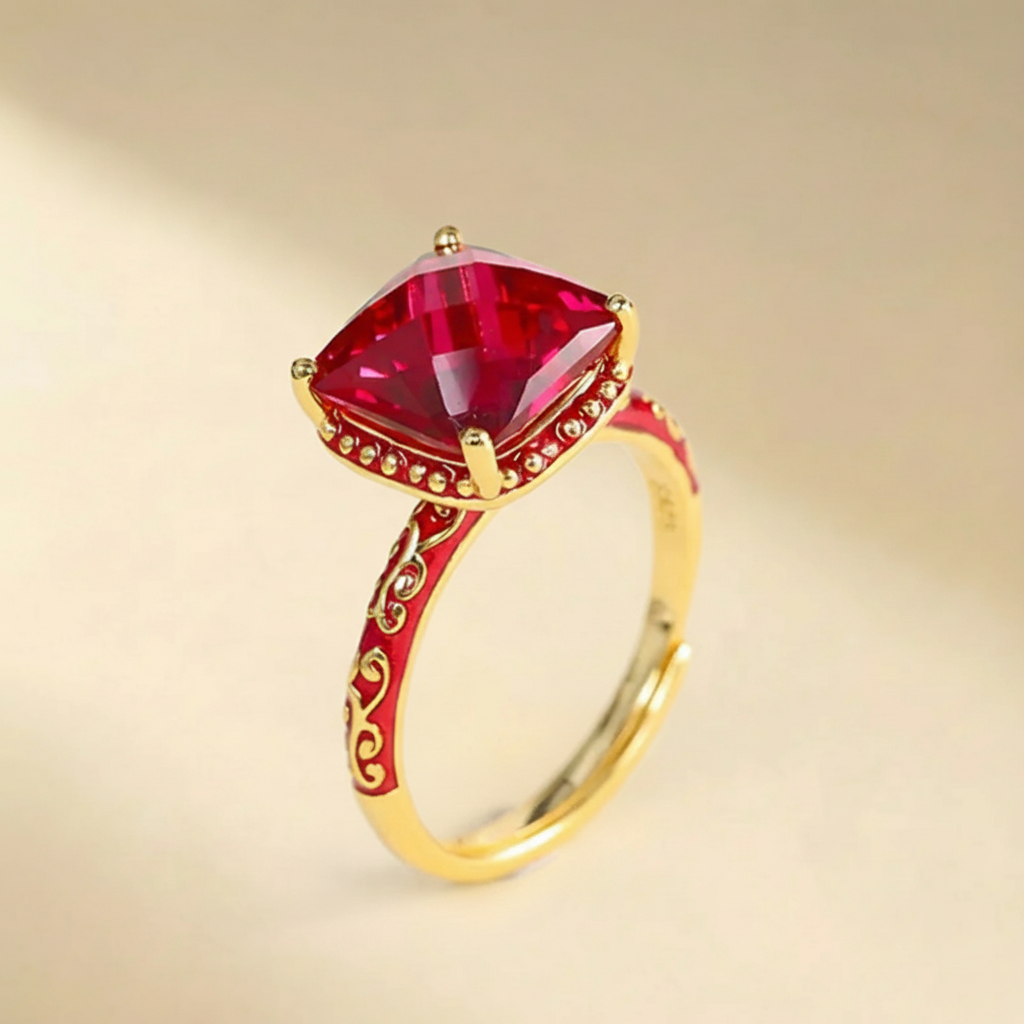
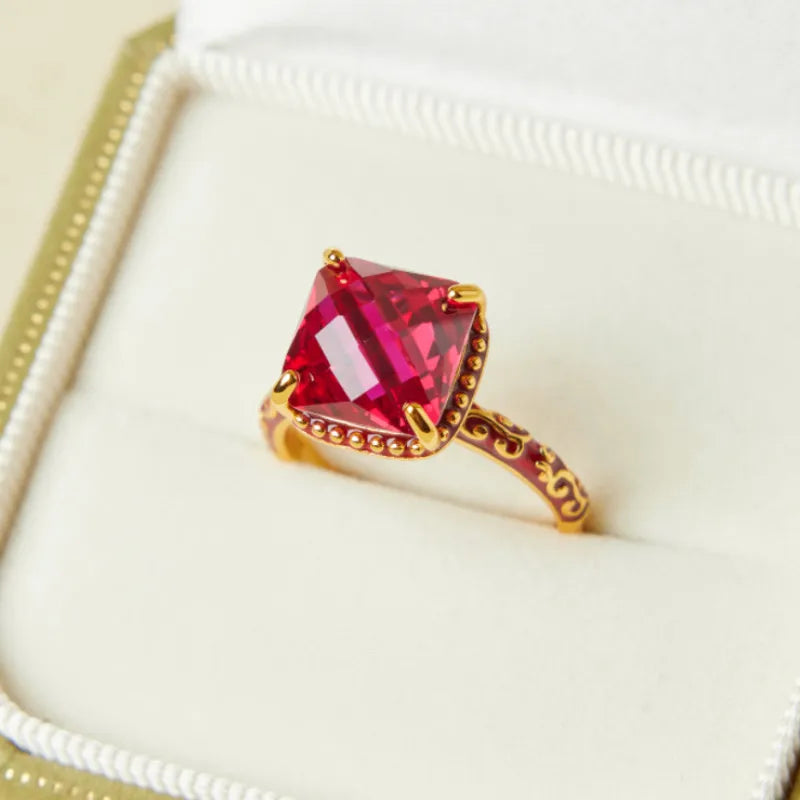
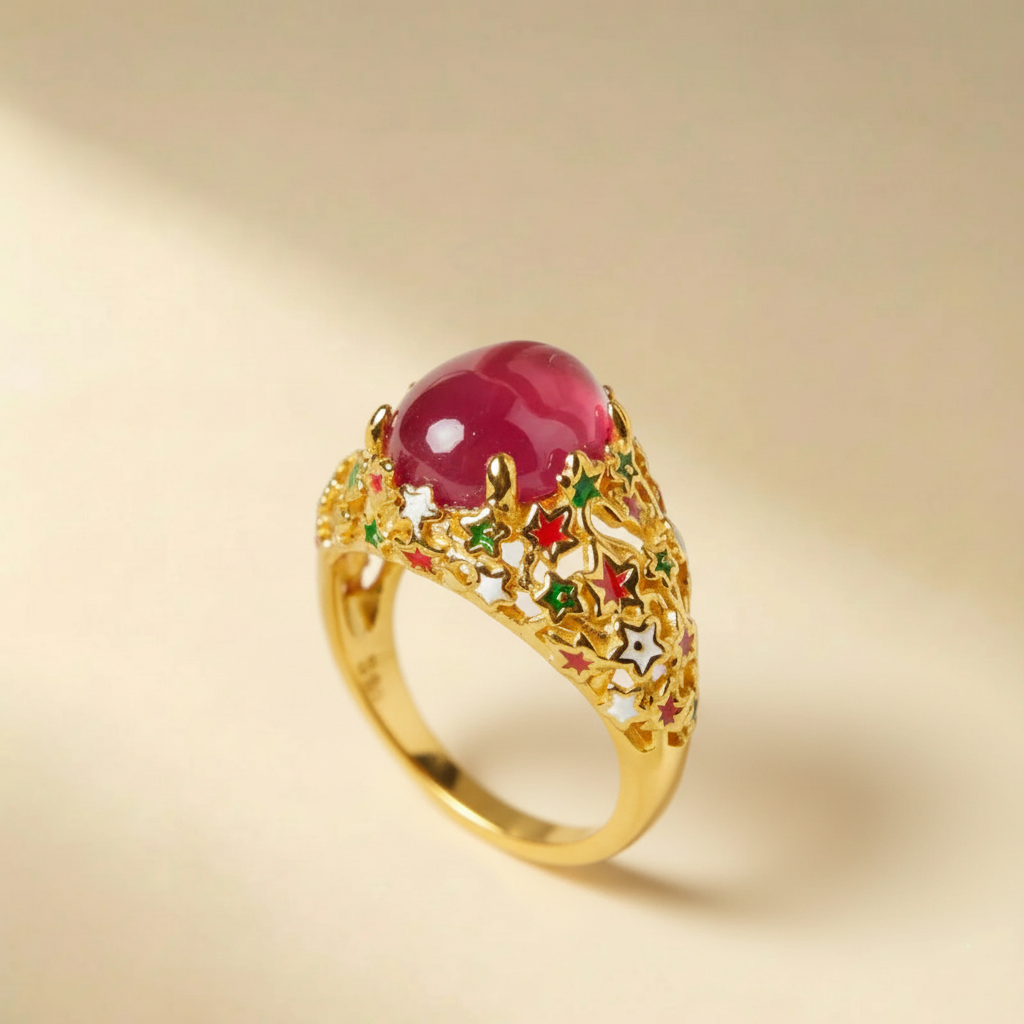
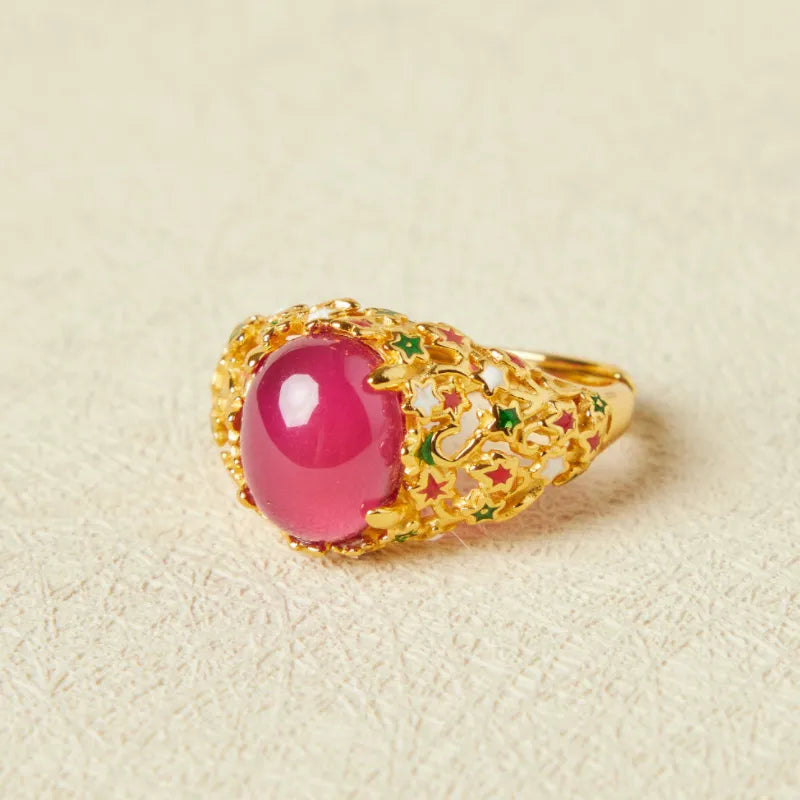
Wearing Carnelian jewelry
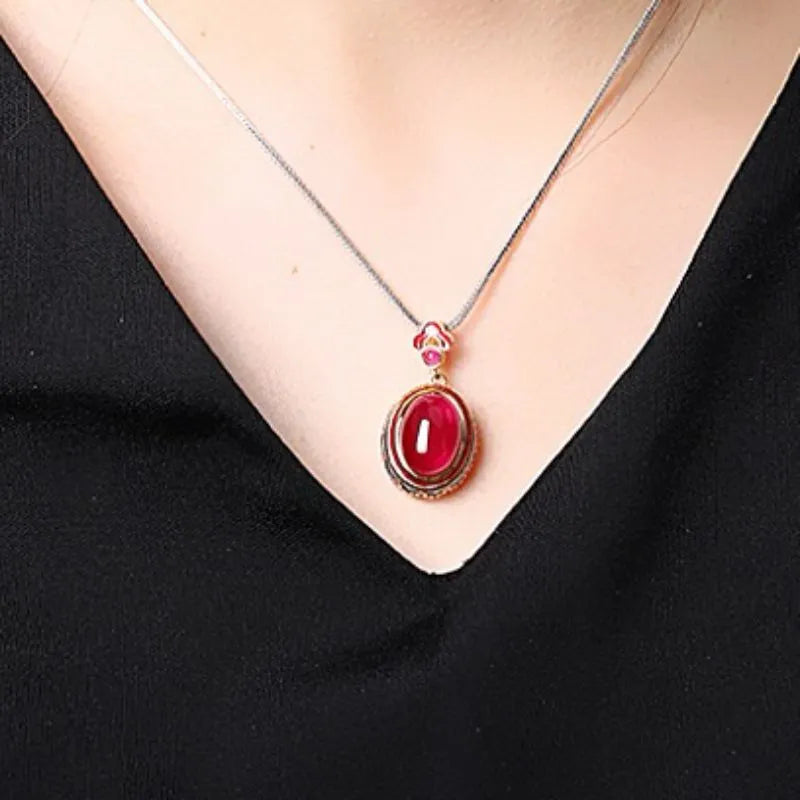
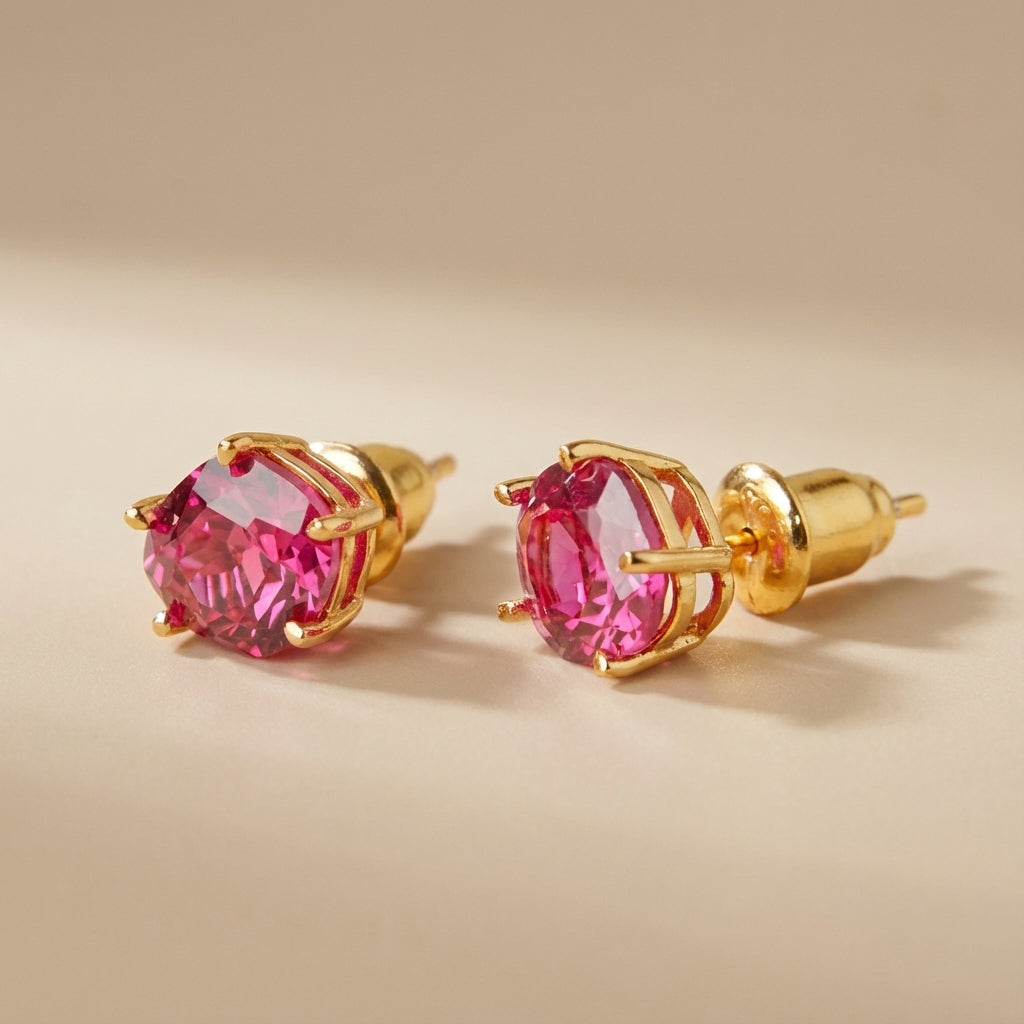
This is the most common use: bracelet, necklace, pendant, earrings… Wearing Carnelian every day provides a regular presence, effortlessly.
Why is it interesting in lithotherapy?
- The stone becomes a sensory marker (you see it, you touch it).
- It accompanies key moments: work, travel, interactions, sports, appointments.
Practical tip: if you work a lot at the keyboard, a bracelet can be very visually present. A pendant, on the other hand, stays discreet and close to the center of the body.



Carnelian in meditation or breathing
Even 3 minutes are enough.
- Sit down and place the stone in your hand.
- Breathe in deeply, then breathe out slowly.
- Repeat a concrete intention: “I begin,” “I finish,” “I assert myself,” “I create.”
The key: a short, clear, achievable intention.
Carnelian on your desk or in your workspace
If your focus is concentration and taking action, place it near the screen, on a notebook, or next to your cup. The goal is for it to become a trigger: you see it, you get back into motion.
Carnelian before sports or a performance
Some people like to wear it before training or an event (presentation, stage, exam). Here again, it’s often a mental anchor: the stone “marks” the transition to action.
Carnelian in a morning routine
A minimalist ritual:
- take it in your hand,
- decide on one priority action (just one),
- start immediately (even 5 minutes).
In practice, it’s this simplicity that makes the object useful.

Genuine or imitation Carnelian: how to recognize a real stone
If you like Natural Stones, this part is essential. Carnelian is a fairly common stone, so it is often imitated. The goal isn’t to become a gemologist, but to know the warning signs.
Visual and tactile clues
- Color too uniform : nature rarely makes “perfect.” A Carnelian that is completely homogeneous, bright red, and identical across the whole surface can be suspicious.
- Plastic or glassy look : some imitations have an artificial shine.
- Internal bubbles : typical of some colored glasses.
- Scratches easily : a real Carnelian is fairly hard. If it scratches very easily, be cautious.
- Temperature : a natural stone is often cool to the touch at first, then warms up. Plastic warms up faster.
Watch out for treatments
Some Carnelians may be heat-treated to intensify the color. That isn’t necessarily “bad” in itself, but it’s useful to know—especially if you’re looking for a stone that is as natural as possible.
The right reflex: buy from a specialized shop
A serious seller:
- describes the stone clearly,
- offers faithful photos,
- knows the origin and specifics,
- answers questions without dodging.
Purifying and recharging Carnelian: hassle-free care
In lithotherapy, it’s often recommended to purify and recharge stones. Even if you’re skeptical, maintenance has at least one benefit: taking care of the object, cleaning it, keeping it beautiful, and ritualizing your intention.
Purifying Carnelian
Simple and common methods:
- Clear water (short time) : rinse and then dry carefully.
- Smudging : incense, sage, palo santo (if that fits your habits).
- Singing bowl or sound** : for those who like the vibrational approach.
Avoid: anything aggressive (chemicals, prolonged direct salt if you’re not sure, exposure to extreme conditions).
Recharging Carnelian
- Soft light : morning light or late afternoon light.
- Quartz cluster : placed nearby.
- Intention : hold it and “reactivate” the associated goal.
How often?
A simple rule: when you feel the stone seems “less present” symbolically, or after an emotionally charged period. Otherwise, once every 2 to 4 weeks is more than enough for daily use.
Pairing Carnelian with other natural stones: interesting synergies
Combining Natural Stones can help guide an intention. The idea isn’t to pile up stones at random, but to build a coherent “equation.”
Carnelian + Rose Quartz: gentle courage and emotional confidence
Useful if you want to act without harshness, with a kinder energy focused on self-esteem and soothing.
Carnelian + Citrine: motivation and creative abundance
Often used to support optimism, confidence, and project momentum (especially in a professional or entrepreneurial setting).
Carnelian + Hematite: action + grounding
Interesting if you feel scattered. Hematite is often associated with structure, stability, and rooting. Carnelian brings momentum.
Carnelian + Amethyst: energy + clarity
When you want to act, but with discernment. Amethyst is often linked to mental soothing, which can balance Carnelian’s “fire” side.
Tip: test one pairing for a week. Observe. Adjust. What matters is your feeling and your real-life use.
Carnelian as jewelry: style, symbolism and practicality
Wearing Carnelian as jewelry brings together two dimensions: aesthetics and intention. It’s also the simplest way to integrate it into your everyday life.
Why does jewelry work well in lithotherapy?
- regular presence,
- frequent contact,
- visual reminder,
- mental association: you link the stone to a routine, to a mindset.
Which jewelry should you choose?
- Bracelet : practical, visible, ideal if you like touching the stone.
- Necklace/pendant : discreet, close to the center of the body, good for those who want a constant presence without thinking about it.
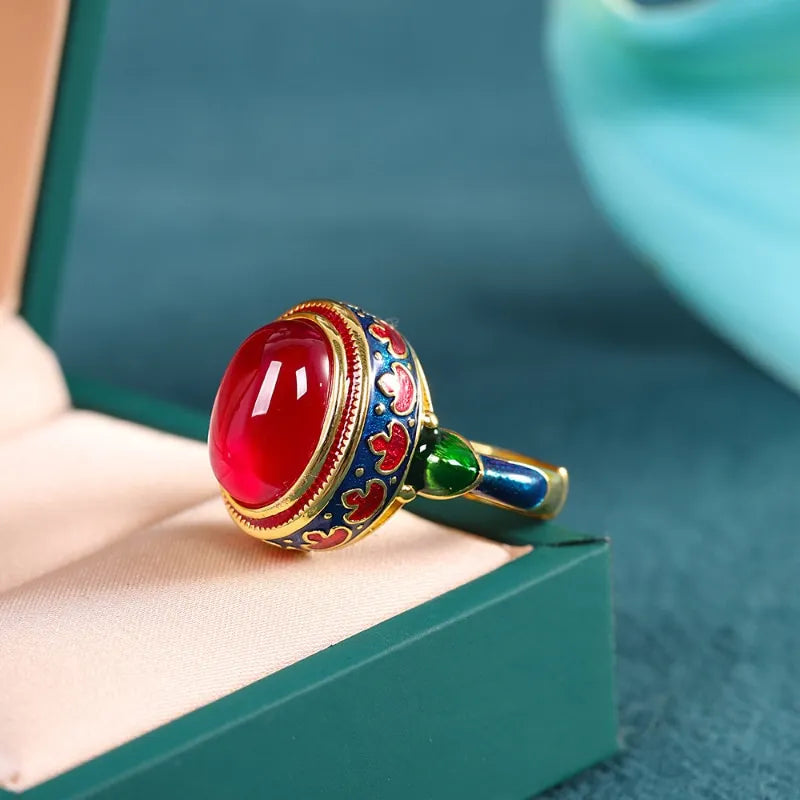
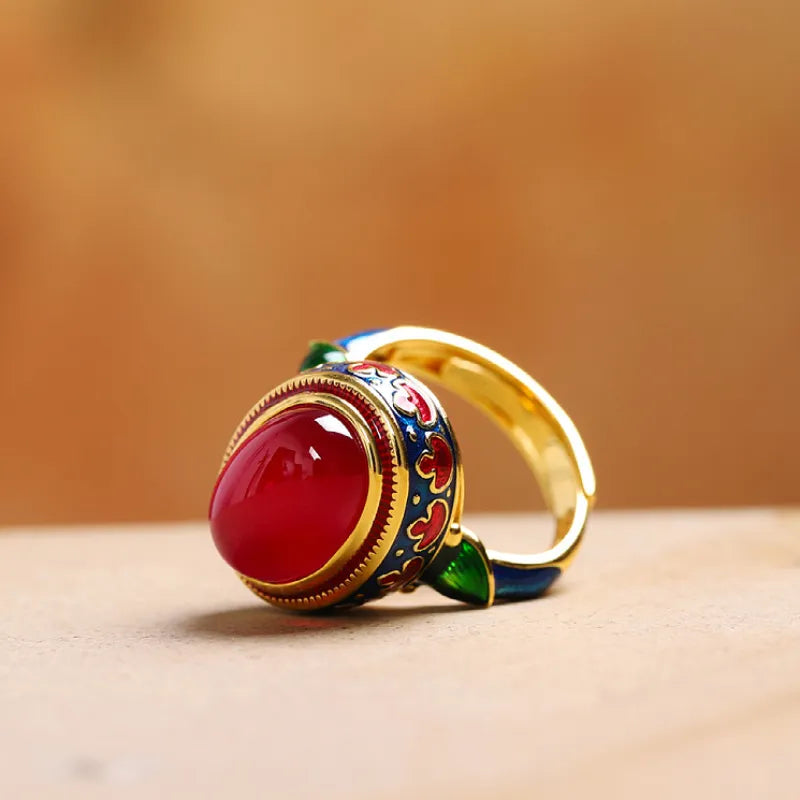
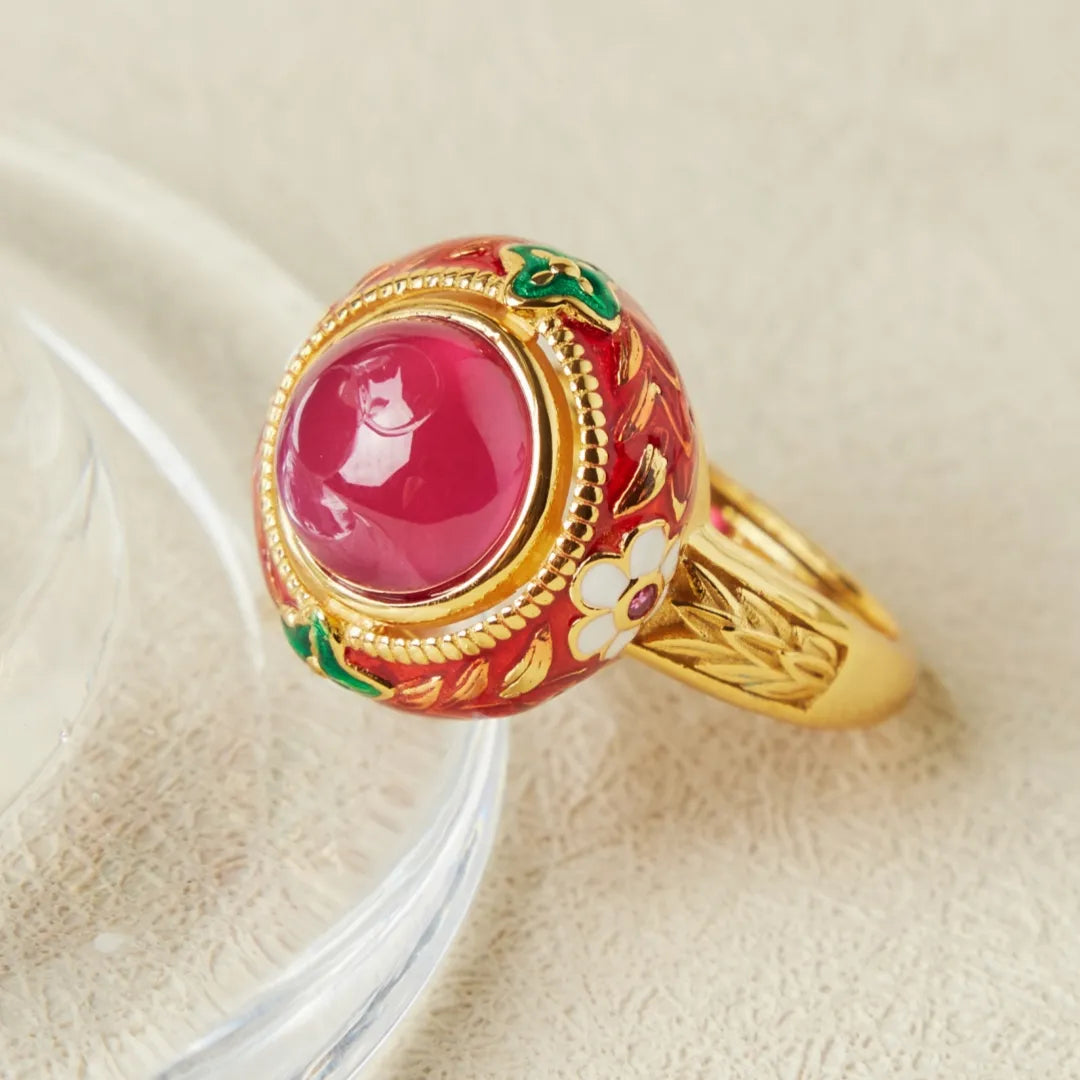
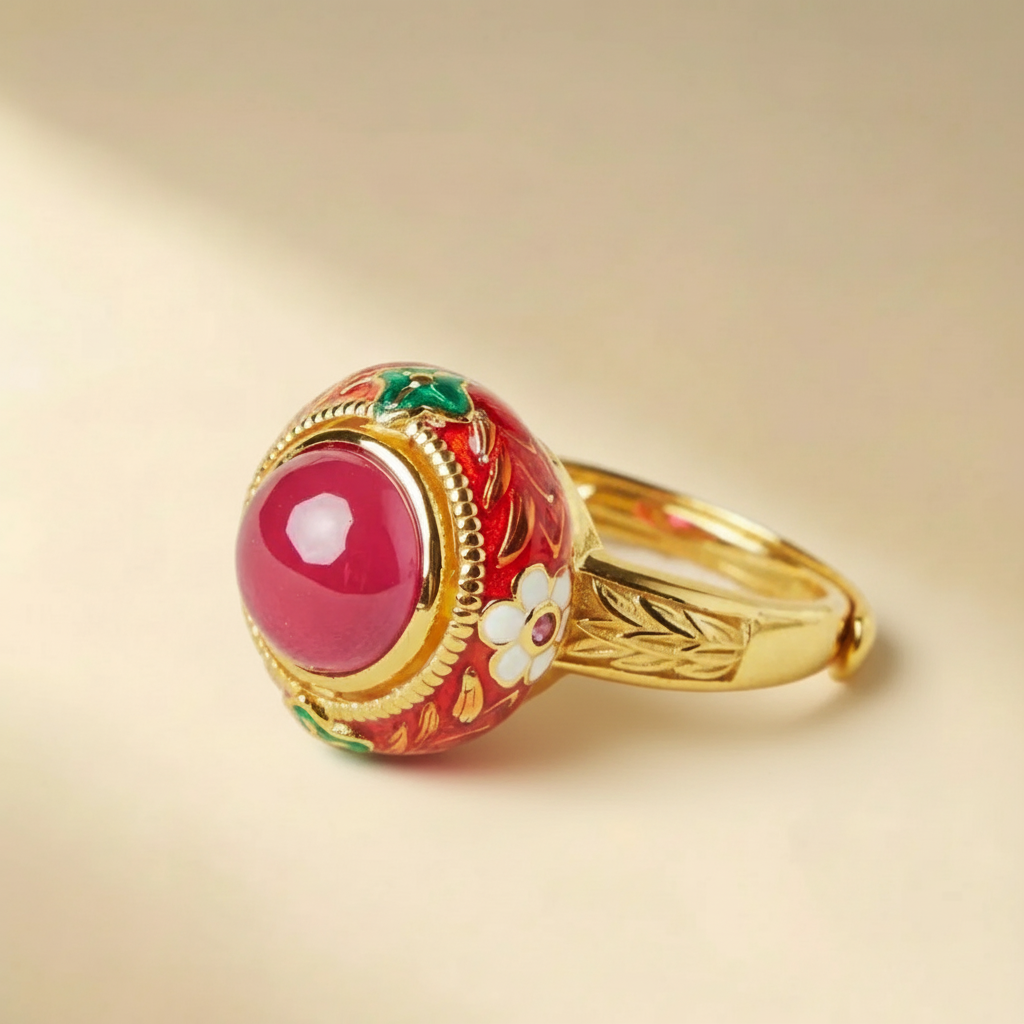
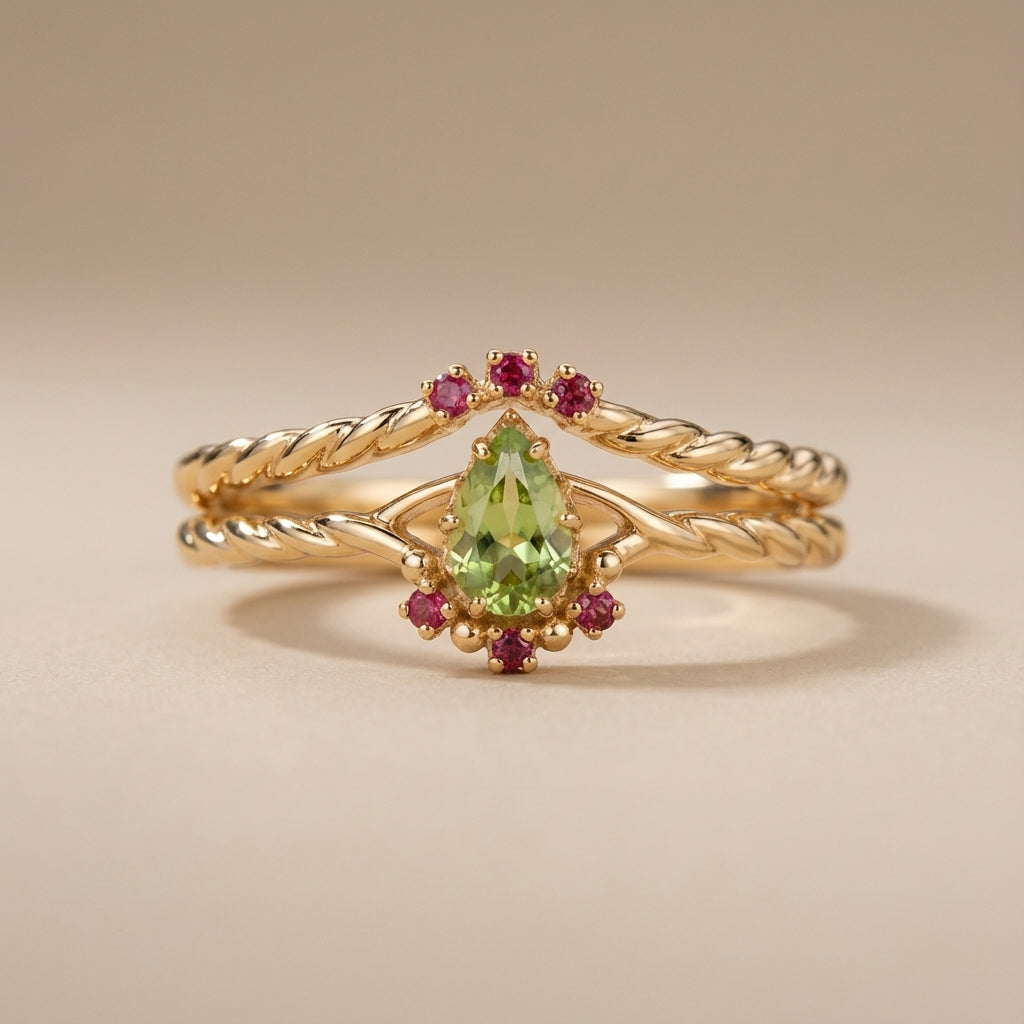
- Ring : very present, but watch out for knocks and friction depending on your activity.
- Earrings : more “style,” less tactile.
The key idea to keep in mind
Choosing jewelry also means choosing a relationship with the stone. If you want “motivation” support, a bracelet is often more interactive. If you want a gentle, continuous presence, a pendant can be perfect.
Conclusion: Carnelian, a natural stone to move forward with more momentum
Carnelian is a stone that speaks to those who want to regain momentum: motivation, creativity, confidence, presence. Its benefits of Carnelian in lithotherapy are often described as sunny, dynamic, and embodied. It is easy to wear, can be used without complex rituals, and fits very well into a realistic routine.
If you’re looking for a “companion” stone to restart a project, rebuild confidence, or simply bring more energy into your everyday life, Carnelian deserves its place in your collection of Natural Stones.
Additional resources on Carnelian
- Carnelian: Stone of Vitality and Motivation
- Genuine or Imitation Carnelian: Tips to Identify a Real Energy Stone
- Carnelian Jewelry: Elegance and Energy
- Carnelian Jewelry Collections
What are the main benefits of Carnelian in lithotherapy?
Carnelian is mainly appreciated for supporting energy, motivation, self-confidence, and creativity. It is a good companion in periods when you need to take action.
Who is Carnelian recommended for?
It often suits people who lack momentum, creatives, students, entrepreneurs, and those going through a phase of change or new projects.
How to use Carnelian daily?
The simplest way is to wear it as jewelry (bracelet, necklace) or keep it with you. You can also place it on a desk or hold it for a few minutes in meditation with a clear intention.
How do you know if a Carnelian is real?
A real Carnelian often shows nuances and internal variations. A color that is too uniform, a “plastic” look, or bubbles may indicate an imitation.
How to recharge Carnelian?
It is generally recharged with soft light (morning/late afternoon) or in contact with a quartz cluster. Setting an intention for a few minutes can complement the recharge.
Read more
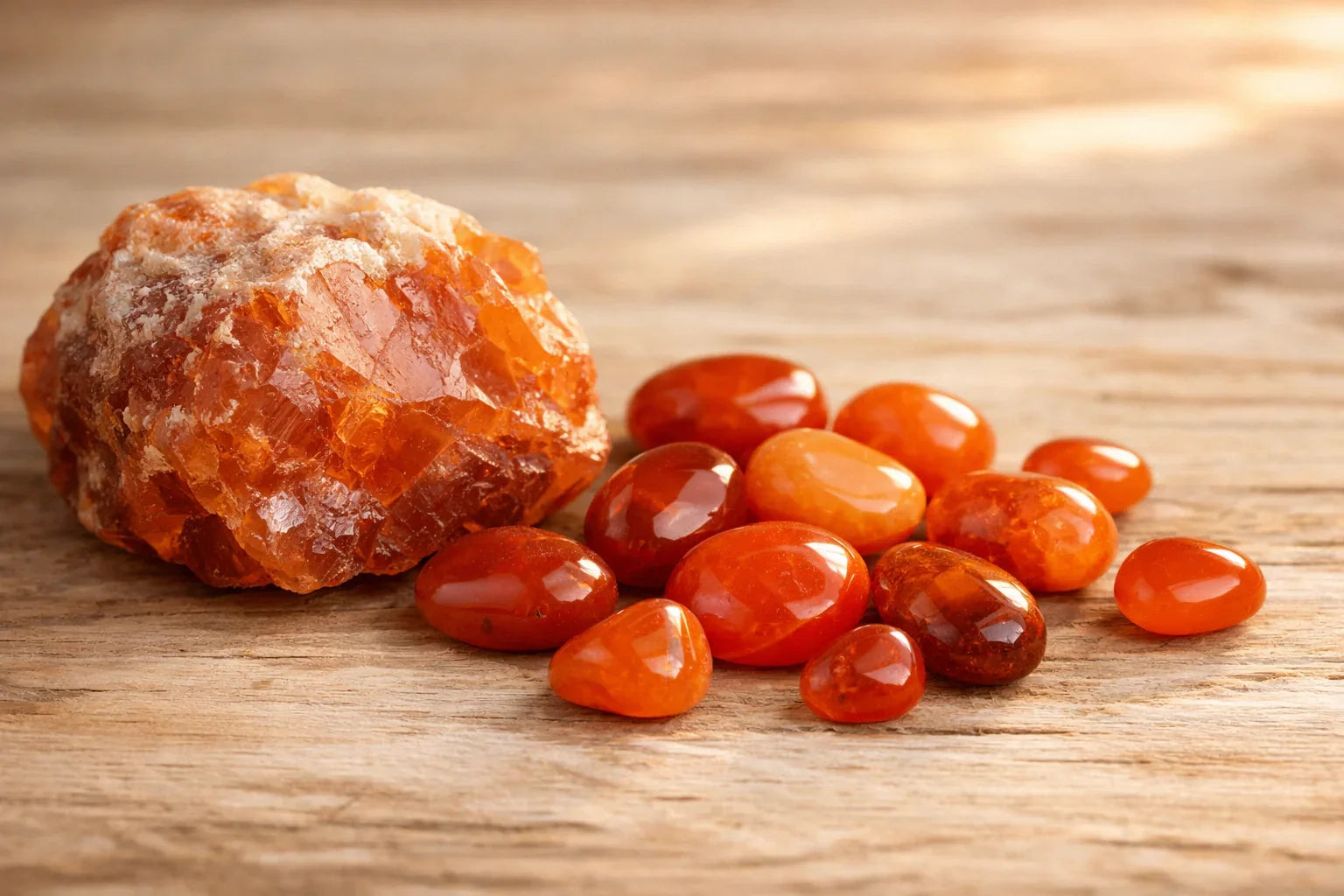
Dive into the world of Carnelian, the stone of vitality and motivation, and discover how it can support your energy, confidence, and daily projects. The article explores in detail the properties of...

How can you recognize a genuine carnelian among imitations and treated stones?This article guides you with practical tips: observing it in the light, spotting bubbles, simple tests, and the signs o...


