









Real Carnelian vs Fake: Tips to Identify an Authentic Healing Crystal
Table of Contents
- Carnelian: Why Is This Gemstone Imitated So Often?
- The Visual Profile of Genuine Carnelian
- Real vs. Fake Carnelian: The Foolproof Step-by-Step Method
- Reliable Tips to Spot Genuine Carnelian (Without Pro Equipment)
- Natural Daylight Is Your Greatest Ally
- Search for Bubbles: The Decisive Tell for Glass
- Beware of "Too-Perfect" Bead Uniformity
- Inspect the Drill Holes Closely
- Thermal Sensation: Practical, but Interpret with Care
- Luster: Soft Vitreous Shine vs. Plastic Glaze
- Edge Translucency (Smartphone Light Test)
- Acoustic Resonance (Gentle Sound Test)
- Specific Gravity Check (Water & Scale Method)
- Beware of "Candy-Orange" Saturation
- Banding and Inclusions: Natural Rather Than "Printed"
- Price & Market Coherence
- Natural, Heated, or Dyed Carnelian: Real or Fake?
- Carnelian vs. Similar Stones: Avoiding Common Confusions
- Identifying Genuine Carnelian in Jewelry: A Practical Guide
- Carnelian & Crystal Healing: Balancing Pragmatism with Passion
- Where to Buy Genuine Carnelian with Complete Confidence
- Care Guide: Preserving Your Carnelian’s Luster (and Avoiding Pitfalls)
- Crystal Healing Comparison Table: Properties, Chakras & Care Guide
- Further Reading
- Frequently Asked Questions: Real Carnelian vs Fake
Buying carnelian should be a simple pleasure: a stone that is warm to the eye, delightful to wear, and cherished in crystal healing for its energizing symbolism. Yet between overly uniform beads, "carnelians" resembling neon-orange candy, and vague product descriptions, one question constantly arises: how do you distinguish genuine carnelian from imitations and treated stones?
In this guide, we go far beyond generic advice like "just look at the color." You will discover how to identify the telltale signs of authenticity in carnelian from Natural Gemstones, understand various treatments (heating, dyeing, stabilization), and test your stone reliably without turning your living room into a laboratory. Our objective is straightforward: to give you a dependable, progressive, and hype-free method to select and wear authentic carnelian with complete peace of mind.
Carnelian: Why Is This Gemstone Imitated So Often?
Carnelian checks every box: captivating warm shades, decent availability, an accessible price point, and a cherished place in fine jewelry and crystal healing. Consequently, its popularity also makes it a prime target for imitators.
A Highly Sought-After Jewelry Gemstone
Carnelian belongs to the microcrystalline chalcedony family, alongside agate. It displays hues ranging from soft apricot orange to deep reddish-brown, sometimes featuring lighter banding or subtle smoky undertones. It lends itself beautifully to lapidary artistry: polished into beads, luminous cabochons, pendants, and statement bracelets. Yet this high demand has fostered an extensive market where varying qualities and mislabeled stones frequently intermingle with genuine pieces.
A Frequent Confusion: Imitations, Treated Stones, and Lookalikes
When people talk about "fake carnelian," they often lump several different categories together:
- Pure imitations: tinted glass, resin, plastic, or composite materials.
- Treated Healing Crystals: natural chalcedony that has been heat-treated or dyed to artificially enhance its saturation.
- Lookalike gemstones: orange agate, orange jasper, or dyed quartz, marketed (intentionally or not) under the name carnelian.
The core issue is not merely separating true from false, but complete transparency: understanding precisely what you are acquiring and paying a fair, coherent price for genuine carnelian (or for an openly disclosed, ethically treated natural mineral).
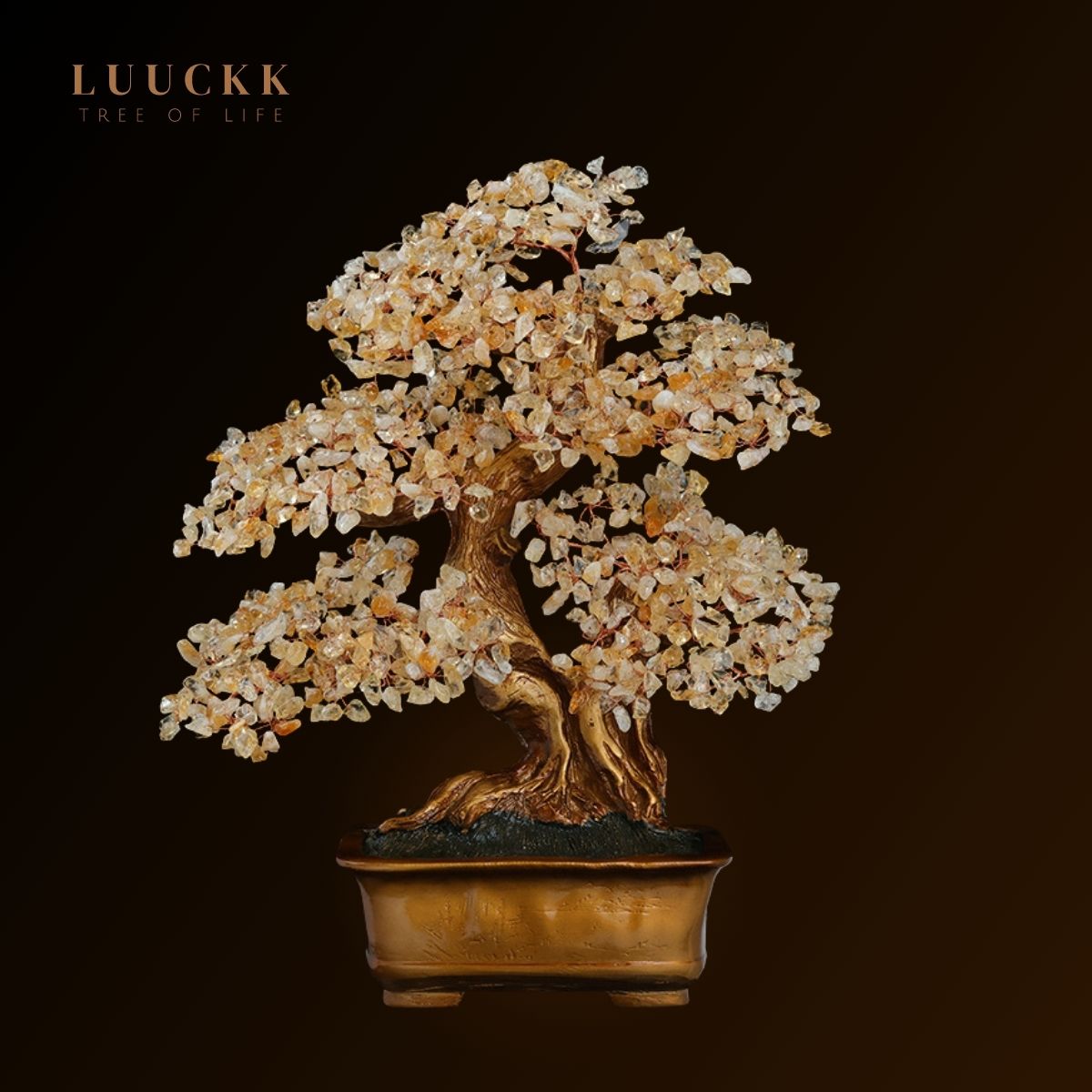
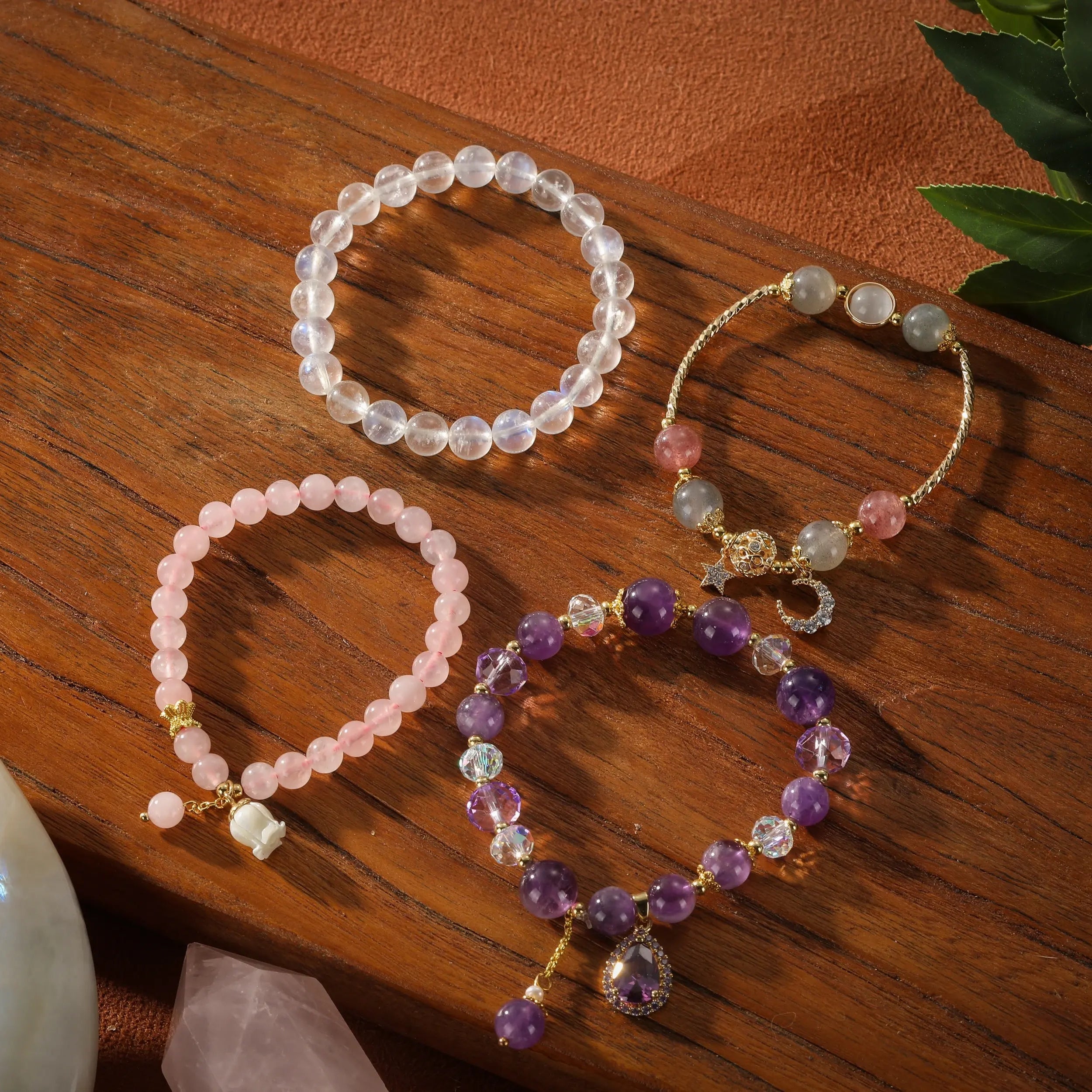
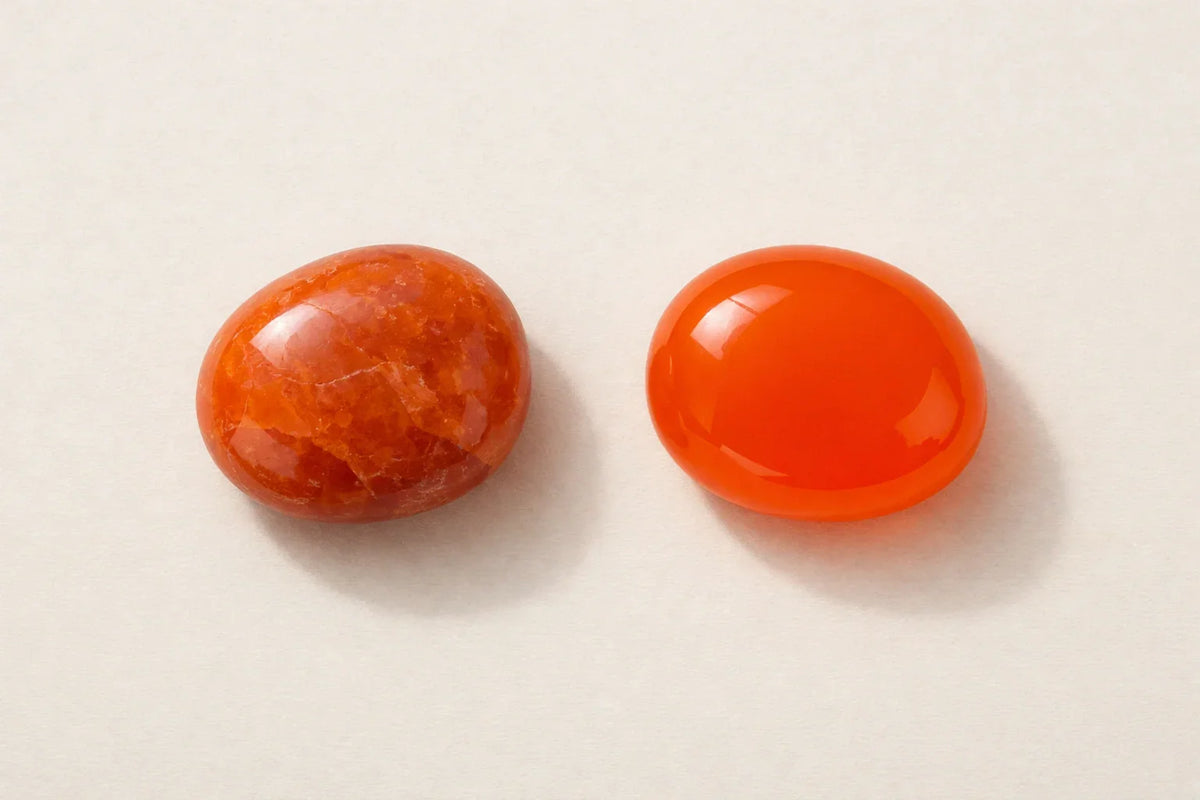
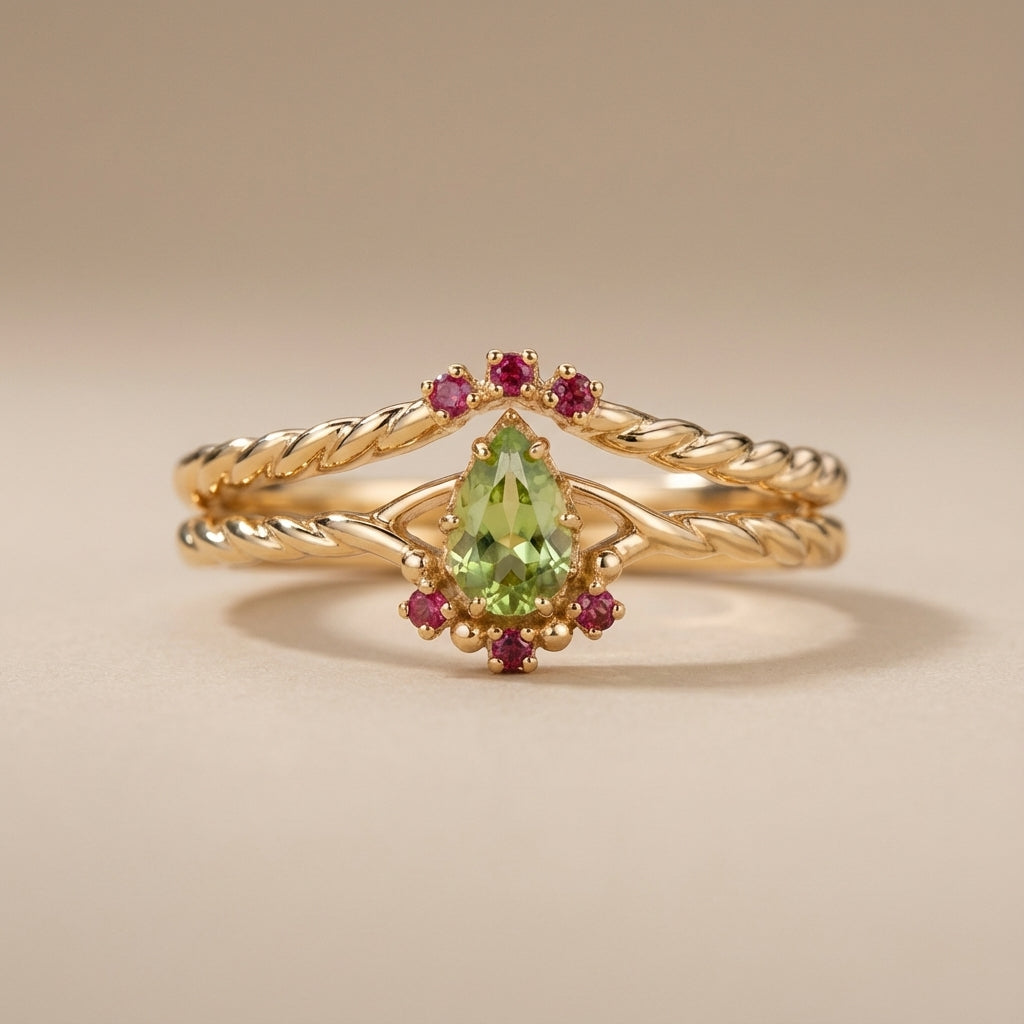
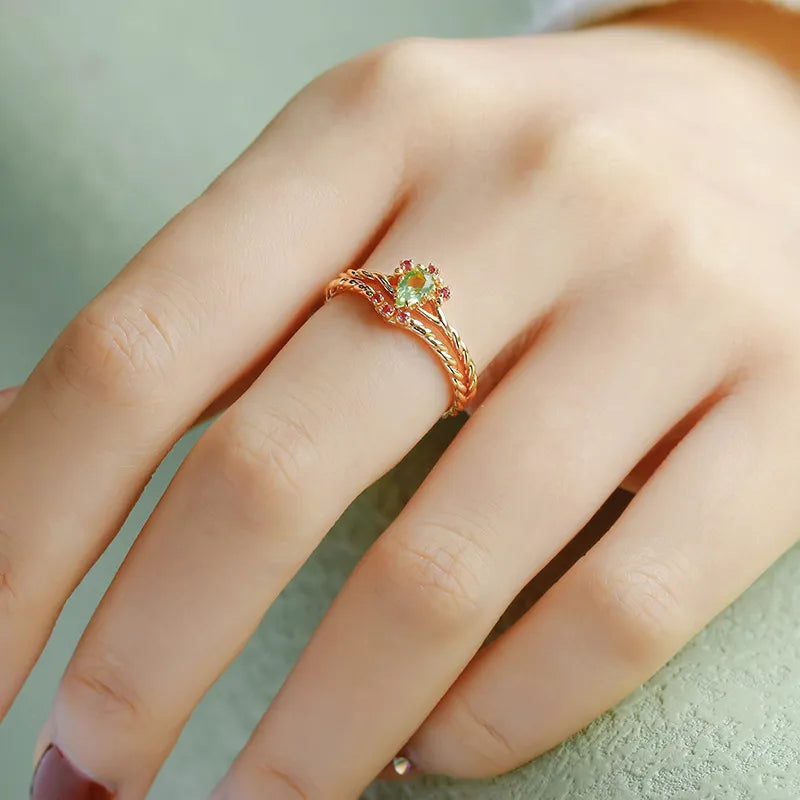
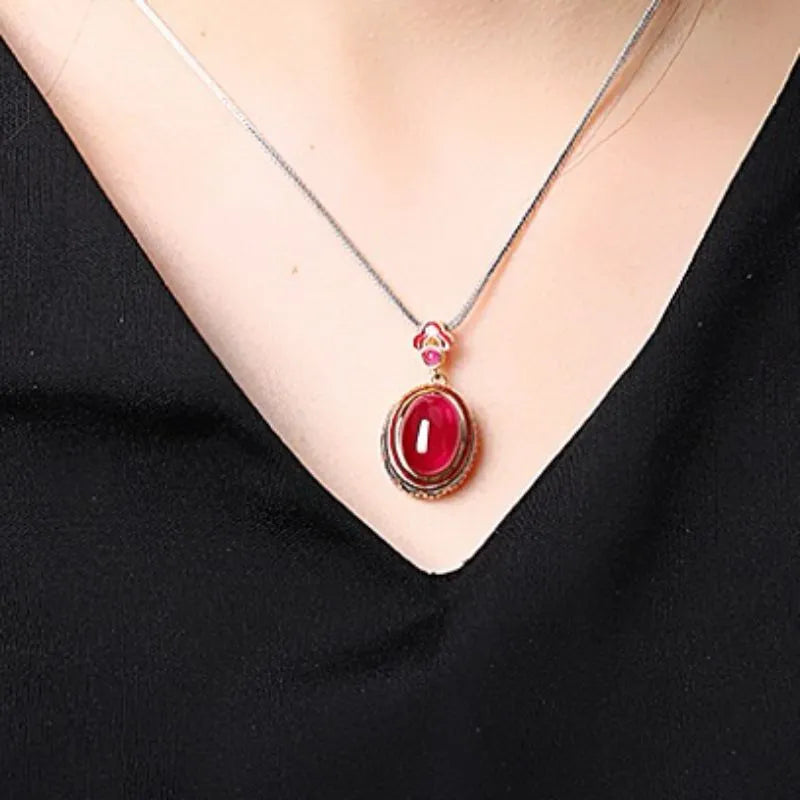
Luuckk Crystal Selection: Real Carnelian vs Fake





The Visual Profile of Genuine Carnelian
Before reaching for your loupe, let us look at the essentials: what does real carnelian actually look like in real life?
Color: Warm, Natural, and Rarely Uniform
Natural carnelian offers a rich palette that transitions from:
- soft apricot and light amber,
- to vibrant, warm sunset orange,
- down to deep reddish-brown or earthy terracotta shades.
What should raise an immediate red flag: an overly saturated neon-orange tint or an entirely flat, lacquered solid red. In Natural Gemstones, color has depth and life. It is almost never completely homogenous, particularly across larger cabochons.
Transparency: From Translucent to Semi-Opaque
Most carnelians are translucent: they allow light to filter gently through, especially near the tapered edges, without ever being crystal-clear like window glass. Certain specimens may appear more opaque depending on cutting and mineral density, but a completely flawless, glass-like clarity is highly suspect.
Inclusions & Subtle Variations: The Reassurance of Natural Imperfection
Natural carnelian commonly reveals:
- softly clouded or milky veils,
- delicate gradients in tone,
- and subtle, asymmetrical internal structures.
Keep in mind: we are not seeking a dirty or heavily flawed stone, but a living mineral formed by nature, not an industrialized synthetic.
Touch and Texture: Cool Mineral vs. Plastic
At room temperature, Crystal feels distinctly cooler to the touch upon first contact than resin or plastic, which rapidly absorb skin warmth. While not definitive on its own, thermal touch is a very practical clue.

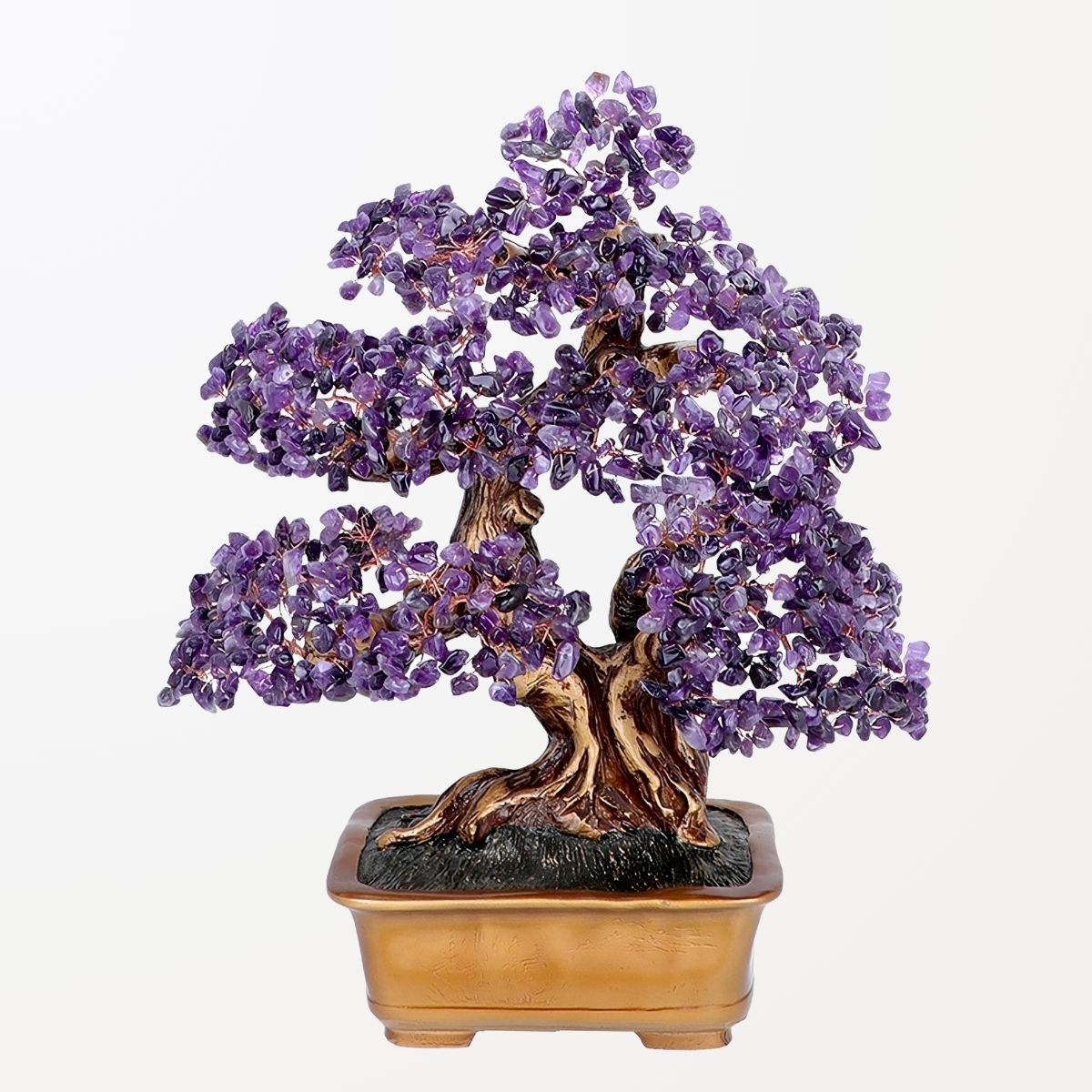
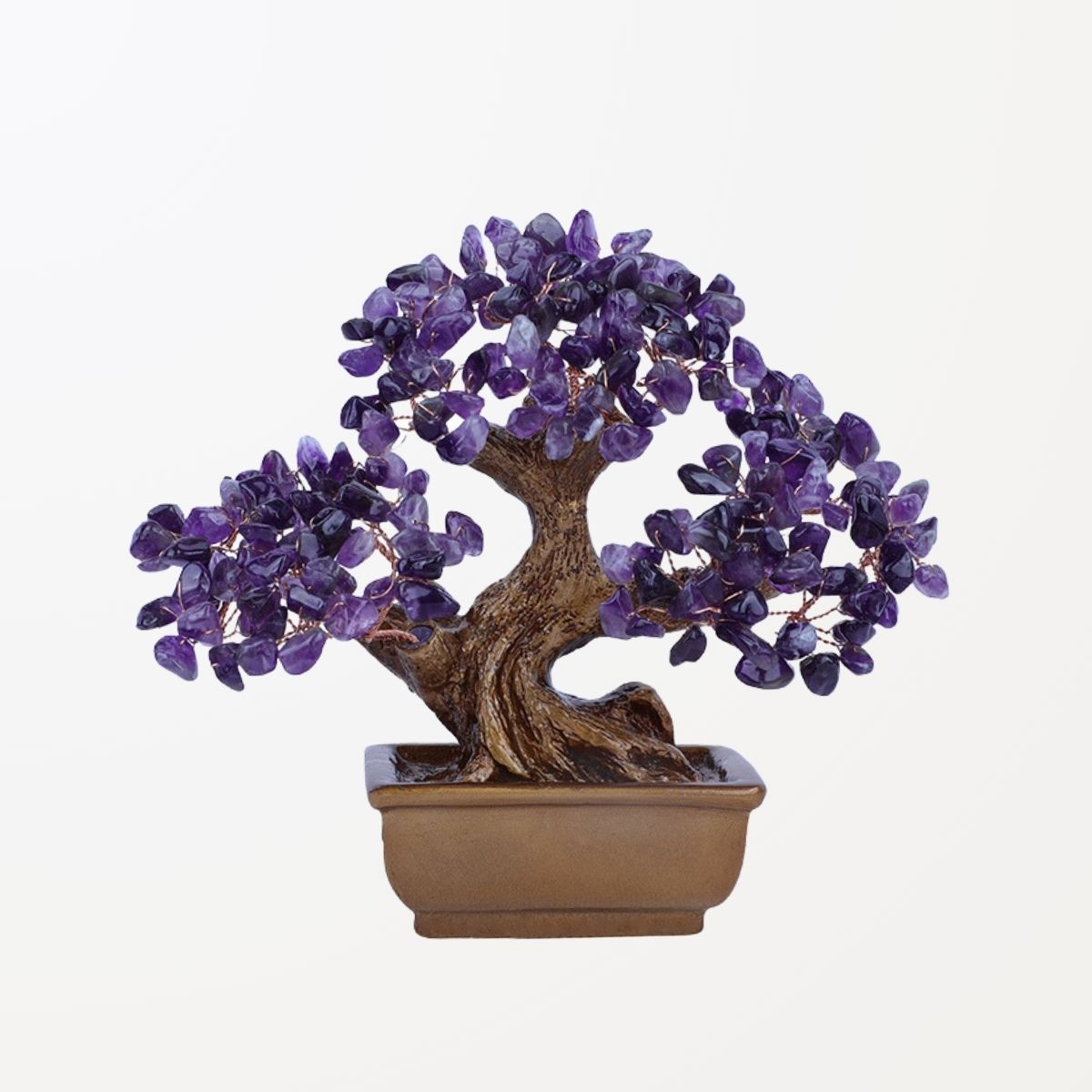
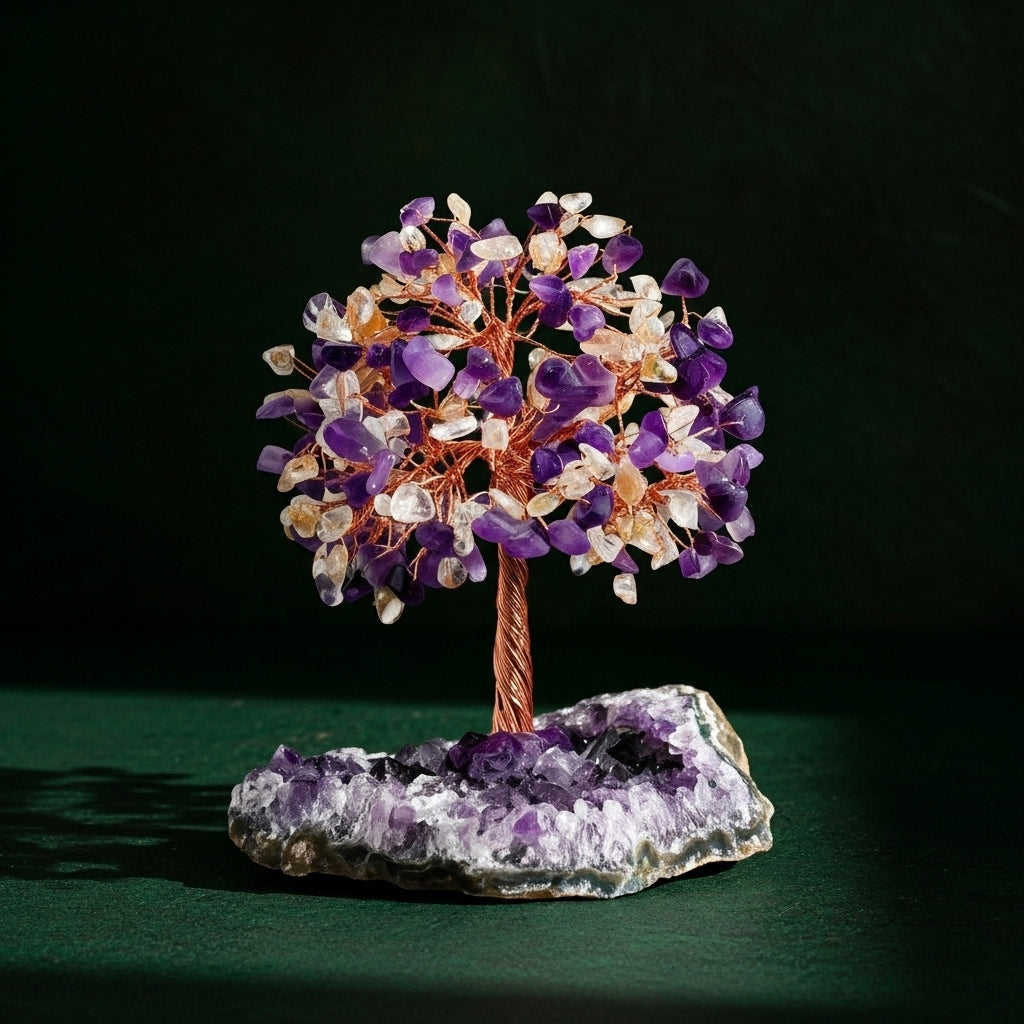
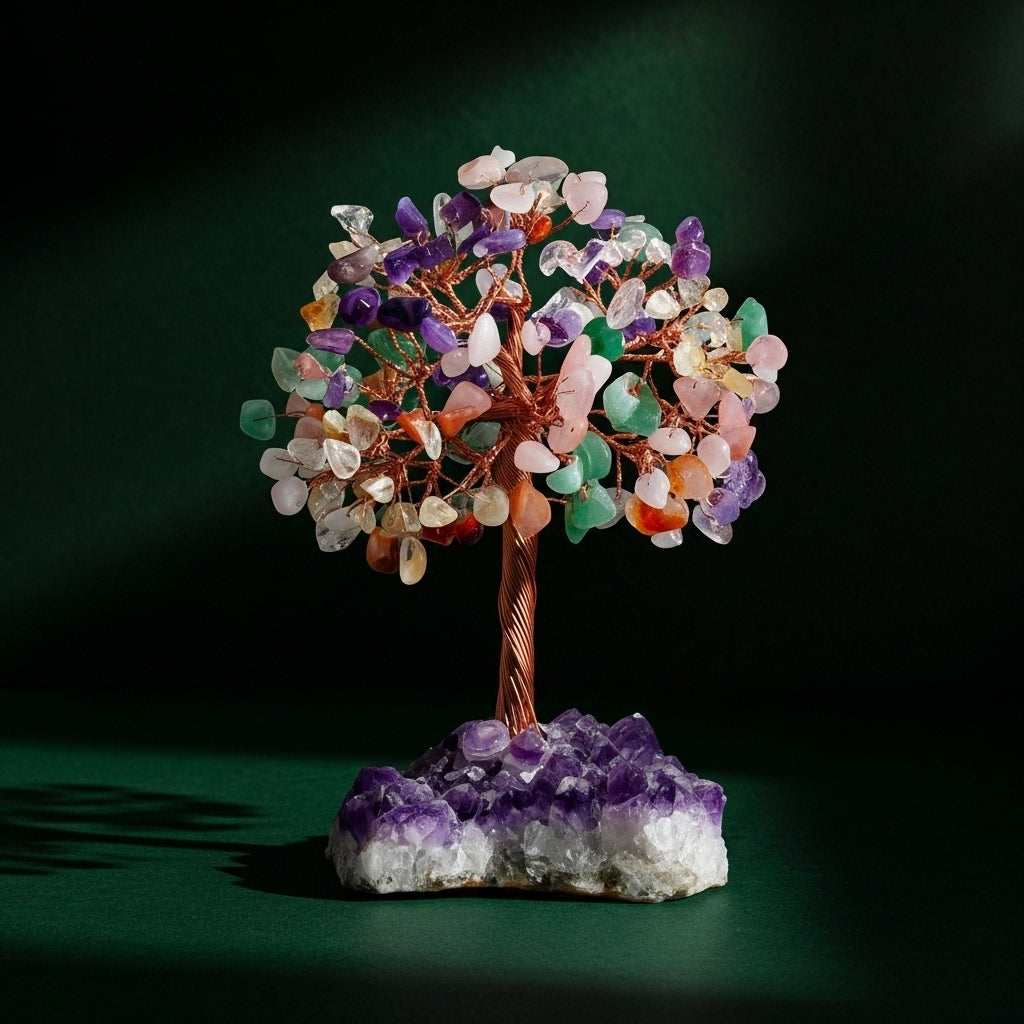
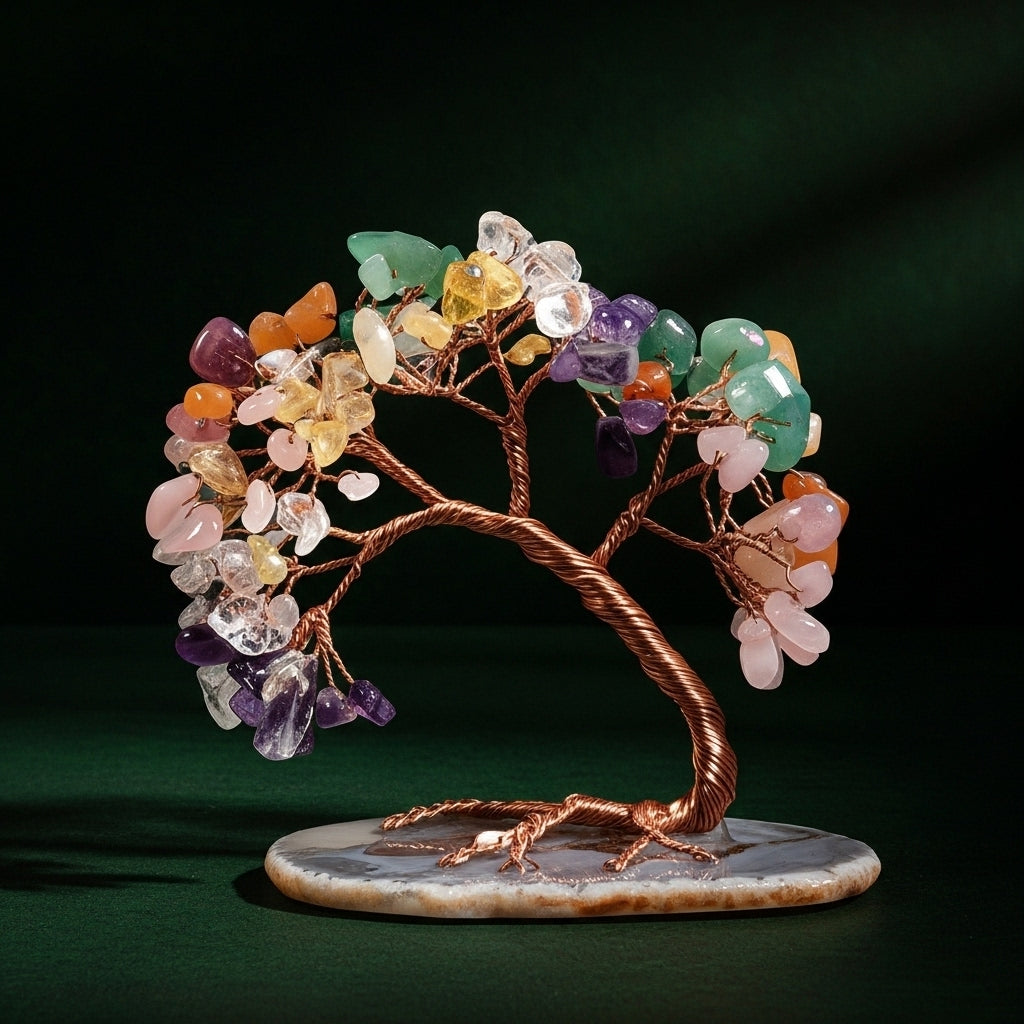
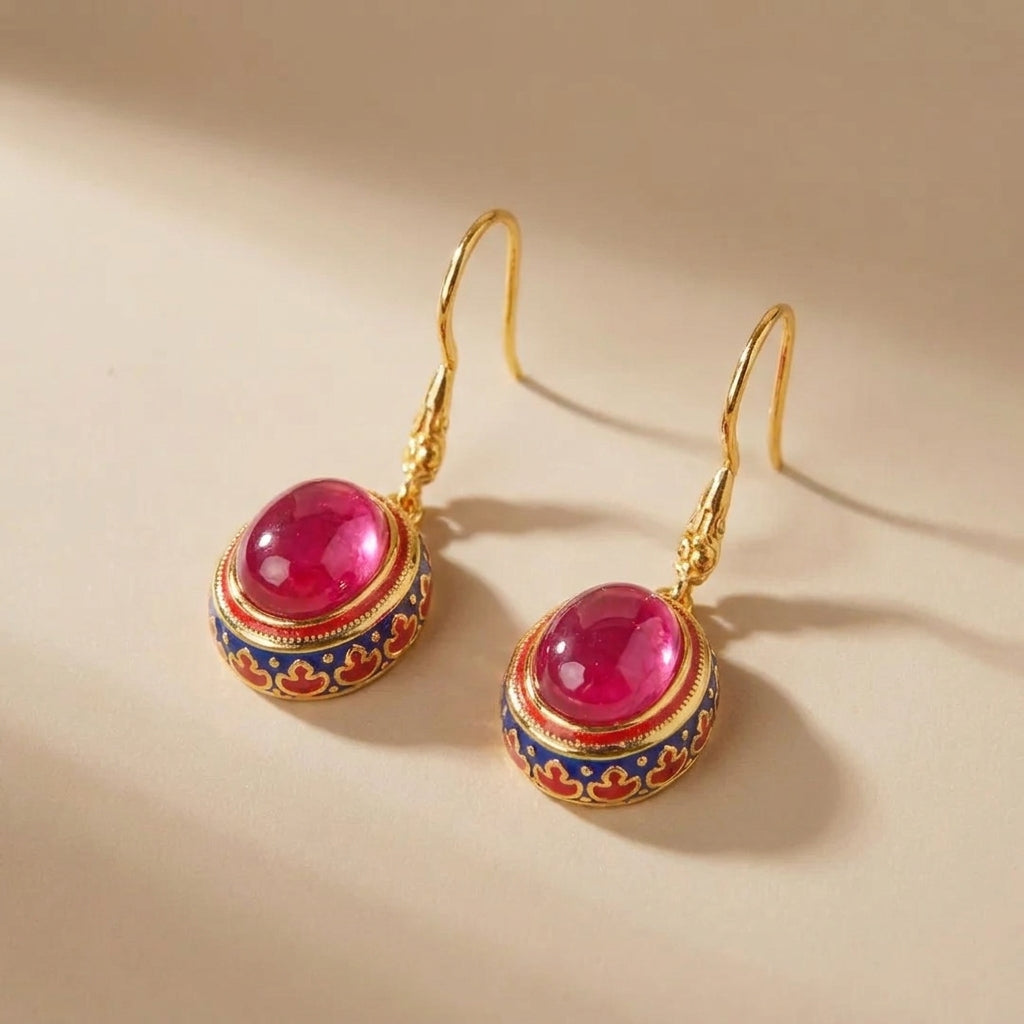
Handcrafted Healing Crystal Creations & Tree of Life Collection




Real vs. Fake Carnelian: The Foolproof Step-by-Step Method
Here is our tiered three-step authentication framework. Start with gentle, non-destructive visual checks, then refine your evaluation as needed.
- Visual Observation: color zoning, depth, transparency, bubbles, and luster.
- Everyday Tool Inspection: 10x jeweler’s loupe, smartphone torchlight, precision scale.
- Prudent Testing: specific gravity, acoustic resonance (sound), and hardness checks (only for unmounted rough or loose stones).

Reliable Tips to Spot Genuine Carnelian (Without Pro Equipment)
Natural Daylight Is Your Greatest Ally
Examine the gemstone near a bright window in indirect daylight rather than under harsh fluorescent or yellowish artificial lights. An authentic carnelian exhibits nuanced depth, glowing inner reflections, and delicate tone gradations.
In contrast, dyed glass appears completely "flat" or overly uniform. Synthetic resins may achieve an impeccably smooth shade, yet they lack all mineral depth and life.
Search for Bubbles: The Decisive Tell for Glass
Using a jeweler’s loupe or magnifying closely with your phone camera, inspect the stone’s interior:
- Spherical air bubbles are a definitive hallmark of manufactured glass.
- Evenly suspended "swirl" patterns also point directly to artificial origins.
While Natural Gemstones display various natural inclusions, perfectly round micro-bubbles never form naturally in chalcedony.
Beware of "Too-Perfect" Bead Uniformity
A bead bracelet where every single stone shares identical color saturation, opacity, and surface reflection is not guaranteed to be fake—but it is statistically very improbable for untreated stones.
Even within meticulously sorted premium lots, natural beads show subtle individuality:
- slight shifts in warmth,
- a bead with a softer, paler glow,
- another displaying richer, rust-red undertones.
Absolute, flawless consistency across dozens of beads strongly suggests synthetic manufacturing or heavy chemical dyeing.
Inspect the Drill Holes Closely
Drill holes provide an extraordinary window into a gemstone’s authenticity:
- On artificially dyed stones, dye often pools around the edges of the drill hole, showing noticeably darker pigmentation.
- On resin or molded beads, the drill hole edges often look overly smooth, melted, or slightly flashed.
Check also for unusual residue, chipping, or unnatural glossy accumulation around the borehole opening.
Thermal Sensation: Practical, but Interpret with Care
Rest the stone against your cheek or the inside of your wrist:
- A genuine mineral feels noticeably cold to the touch initially.
- Plastics and resins feel neutral or warm almost immediately upon skin contact.
Keep in mind that ambient room temperature, stone dimensions, and precious metal settings influence this. Treat it as a helpful clue rather than an indisputable verdict.
Luster: Soft Vitreous Shine vs. Plastic Glaze
Fine polished carnelian exhibits a soft, waxy-to-vitreous sheen rather than an artificial mirror polish. If the surface looks coated in a glassy varnish or resin topcoat, remain cautious.
Pro Tip: Observe surface reflections. Glass generates sharp, razor-thin specular highlights that look almost unnaturally pristine.
Edge Translucency (Smartphone Light Test)
Turn on your smartphone's flashlight and hold the gemstone directly over the beam:
- Genuine carnelian transmits a rich, warm, softly diffused inner glow.
- Glass transmits light transparently and starkly, frequently revealing a starkly illuminated core.
- Resin creates an unnaturally flat or milky diffusion.
On polished cabochons, examine the edges closely: that is where the natural microcrystalline nature of the stone shines through.

Acoustic Resonance (Gentle Sound Test)
If you have two loose gemstones or bead strands gently tapping together:
- Natural minerals emit a sharp, crystalline "clink."
- Plastic and resin generate a muffled, hollow, muted thud.
While auditory checks are subjective, they offer valuable supplementary confirmation alongside other observations.
Specific Gravity Check (Water & Scale Method)
Carnelian (chalcedony) features a specific gravity around ~2.60. Lightweight plastics and resins sit far below this density, while glass can vary considerably.
Simple home method (for unmounted, water-safe stones):
- Weigh the dry stone on a precision scale (Weight A).
- Tare a water-filled container on the scale, submerge the stone suspended by fine thread without touching the sides or bottom (Submerged Weight B).
- Approximate Density = A / B.
Even if slightly imprecise without lab gear, this decisively rules out featherweight plastics. Ensure you dry the stone thoroughly afterwards.
Beware of "Candy-Orange" Saturation
This is among the most widespread pitfalls. Modern imitations aim to catch the eye with electric, oversaturated colors engineered for social feeds. In authentic Natural Gemstones, carnelian radiates an earthy, organic beauty: honey amber, warm ginger, or deep terracotta red.
Banding and Inclusions: Natural Rather Than "Printed"
Certain resin composites feature artificial, mechanically repeating band patterns that mimic stone layers. In real carnelian, color zoning flows irregularly, naturally, and never with machine-like symmetry.
Price & Market Coherence
While genuine carnelian is accessible compared to rare precious gems, an oversized statement piece offered for mere pennies should trigger healthy skepticism. Consider essential quality criteria:
- Is the origin or mining source indicated?
- Are gemstone enhancements or heat treatments clearly disclosed?
- Are the product photographs unedited, without heavy saturation filters?
- Is there a transparent, customer-first return guarantee?
Natural, Heated, or Dyed Carnelian: Real or Fake?
This distinction is where many jewelry enthusiasts feel confused. A gemstone can be natural yet treated—remaining genuine mineral in composition, while no longer entirely unenhanced.
Heat Treatment: A Traditional Practice in Chalcedony
Controlled heat treatment oxidizes trace iron impurities within the stone, deepening lighter chalcedonies into warm carnelian tones. In gemology, gentle heating is an ancient, universally accepted enhancement. Issues only arise when:
- heating is used deceptively to mimic ultra-rare natural grades,
- or when sellers fail to disclose treatments while charging premium prices.
Dyeing: The Critical Boundary
Dyeing involves soaking porous, pale chalcedony in chemical dyes to produce a bright orange hue. Such pieces are no longer carnelian as nature shaped it, even though their foundation is natural rock.
Common signs of dyed chalcedony include:
- an unnaturally flat, monochromatic hue across the whole piece,
- concentrated pigment rings inside drill holes,
- color pockets trapped strictly along surface fractures.
Stabilization & Composites: Mind the Gap
Some commercial pieces are polymer-stabilized (infused with clear resin) or reconstituted from powdered mineral bonded with industrial resin. These diverge significantly from the standards of fine jewelry made from pure Natural Gemstones. While permissible in budget crafts, this must always be openly disclosed.
Carnelian vs. Similar Stones: Avoiding Common Confusions
To confidently identify genuine carnelian, it helps to distinguish it from frequent natural lookalikes.
Carnelian vs. Orange Agate
Carnelian and agate are close chalcedony relatives. Agate typically features prominent concentric or parallel banding lines. Visual distinction: carnelian displays a richer, more uniform saturation with deeper warm glow, rather than sharp, contrasting white or translucent stripes.
Carnelian vs. Orange Jasper
Jasper is consistently opaque and displays an earthy, solid appearance with visible grainy patterns and zero edge translucency under backlighting.
Carnelian vs. Tinted Glass
Glass can easily be spotted through:
- internal microscopic round air bubbles,
- unnatural, sterile color uniformity,
- sterile transparency lacking silky mineral textures,
- an overly glossy, mirror-like surface bounce.
Carnelian vs. Resin and Plastic
Noticeably lightweight, immediately warm to the touch, and often characterized by an unnatural, slippery or overly slick tactile feel.

Identifying Genuine Carnelian in Jewelry: A Practical Guide
When a gemstone is mounted into a fine ring, pendant, or earrings, destructive testing is completely off-limits. Fortunately, mindful visual appraisal is exceptionally effective.
Key Elements to Scrutinize First
- Color Coherence: vibrant yet organic, avoiding neon tones.
- Surface Reflections: soft waxy/vitreous mineral glow rather than plastic varnish.
- Stone Edges: subtle translucency when illuminated by direct light.
- Setting & Underside: check hidden edges and boreholes for dye residue or resin pooling.
Frequent Pitfalls with Beaded Bracelets
- Every single bead displaying identical millimeter dimensions and uniform coloration.
- A lightweight, synthetic plasticky clinking feel.
- Unnatural paint pooling inside drill openings.
Essential Questions to Ask Before Purchasing
A trustworthy jeweler will gladly clarify details. Inquire about:
- Is the stone authentic natural carnelian, and has it undergone dyeing or stabilization?
- What is the gemstone’s origin (if known)?
- Can I view unedited photos under natural daylight?
- What is your return and authenticity guarantee?
Reputable artisans provide straightforward details. Ambiguous sellers rely on generic buzzwords ("mystical premium stone," "grade AAA quality") without verifying mineral authenticity.
Carnelian & Crystal Healing: Balancing Pragmatism with Passion
In crystal healing, carnelian is celebrated as an emblem of passion, vitality, motivation, and creative drive. Whether you connect deeply with vibrational metaphysics or value stones for mindful intention, having genuine carnelian ensures a true energetic connection with the earth's natural resonance.
For an enriching mindful experience, select a stone that is:
- transparently described,
- responsibly and ethically sourced,
- free from artificial synthetic dyeing,
- and intuitively resonant with your style.
The most empowering crystal in your daily ritual is always the piece you genuinely fall in love with wearing.
Where to Buy Genuine Carnelian with Complete Confidence
While there is no secret marketplace, there are distinct hallmarks of reliability.
Qualities of a Reputable Jeweler
- Detailed material descriptions disclosing all treatments.
- Natural daylight photography highlighting authentic inclusions.
- Transparent specifications on cut, dimensions, and origin.
- Hassle-free return policy and quality commitments.
- Knowledgeable, responsive client care.
Do You Need an Authenticity Certificate?
For accessible everyday jewelry, full laboratory certificates are rarely provided because testing fees would exceed the jewel's price. However, for significant heirloom cabochons or bespoke creations, certified gemological documentation is valuable.
What matters most: absolute brand integrity, fair pricing, and clear return assurances.
Care Guide: Preserving Your Carnelian’s Luster (and Avoiding Pitfalls)
Carnelian boasts good durability with a Mohs hardness of 6.5 to 7, but it deserves mindful care.
- Avoid exposing your jewelry to perfumes, household detergents, and harsh cosmetics.
- Store individually in soft pouches to avoid friction scratches against harder gemstones.
- Cleanse gently using lukewarm water, mild soap, and a soft microfiber cloth.
- Avoid prolonged immersion in water if your stone has undisclosed dyes.
Gentle, mindful maintenance preserves its radiant polish and rich sunset color for years of daily enjoyment.
Crystal Healing Comparison Table: Properties, Chakras & Care Guide
This comparison chart summarizes the key crystal properties, Mohs hardness ratings, chakra alignments, and cleansing rituals recommended by Lina.
Crystal Family & Intention | Chakra Alignment & Mohs Hardness | Cleansing, Charging & Feng Shui Placement |
Love, Compassion & Emotional Harmony | Heart Chakra (Anahata) — Mohs hardness 6 to 7/10; nurtures inner peace and emotional balance. | Place in the Southwest Bagua sector or bedroom; cleanse with white sage smudge and recharge under full moonlight. |
Grounding, Shielding & Confidence | Root & Solar Plexus Chakras — Mohs hardness 7/10; anchors energy and wards off negativity. | Position near the front entryway or workspace; smudge weekly with Palo Santo and recharge on a Clear Quartz cluster. |
Abundance, Clarity & 7-Chakra Balance | Crown, Third Eye & Full 7 Chakras — Mohs hardness 7/10; elevates focus and spiritual vitality. | Ideal for the living room or meditation corner (Southeast wealth sector); recharge on an Amethyst geode or Selenite plate. |
Further Reading
Explore more guides to deepen your knowledge of carnelian, jewelry styling, and crystal lore:
- Carnelian: Stone of Vitality and Motivation
- Benefits & Meaning of Carnelian
-
Carnelian Jewelry: Elegance and Energy
Identifying genuine carnelian does not require complicated equipment, but rather an observant eye: admiring color depth, checking for round bubbles, noting natural internal variations, utilizing light, and evaluating the trustworthiness of the jeweler. Equipped with these insights, you can effortlessly navigate past artificial imitations and choose genuine Natural Gemstones that bring radiant elegance and inspiration to your collection and crystal healing practices.
Daily Energy, Protection & Harmony: Lina’s Favorites
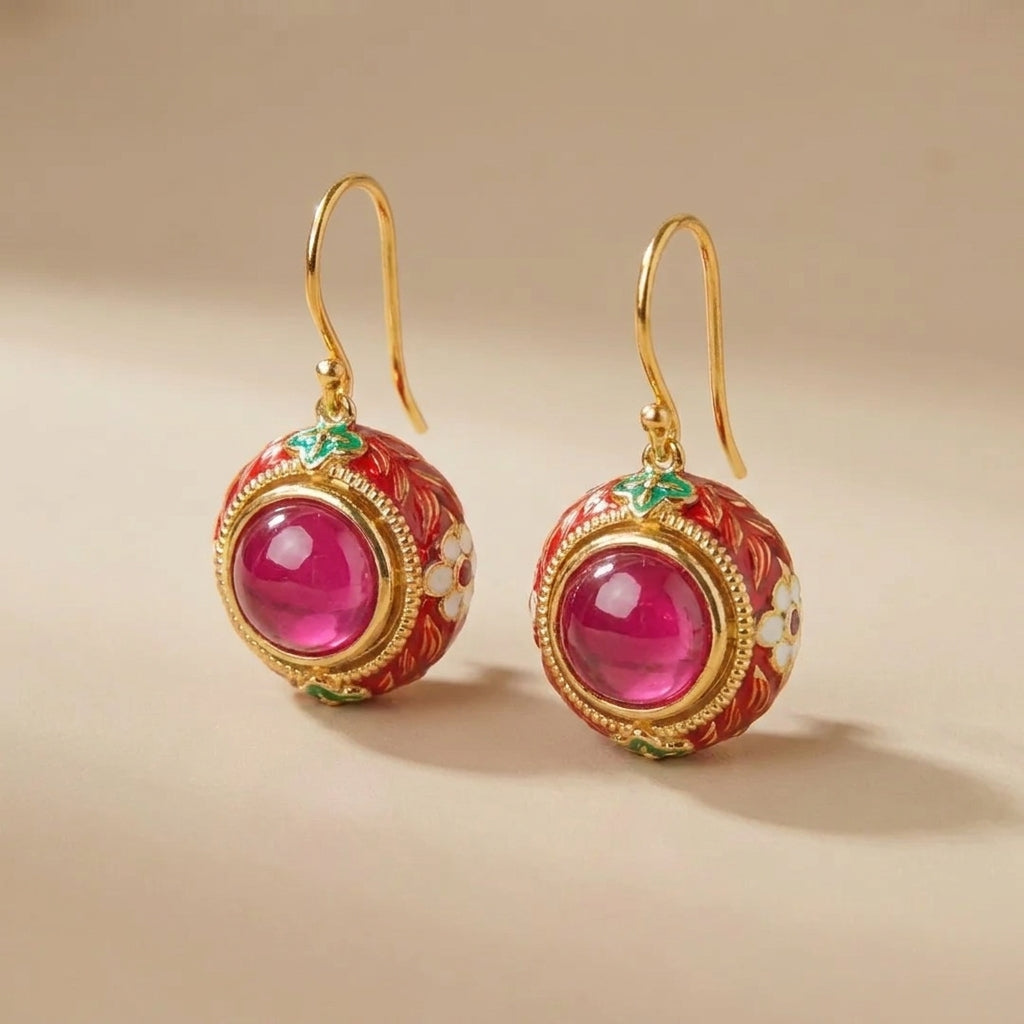

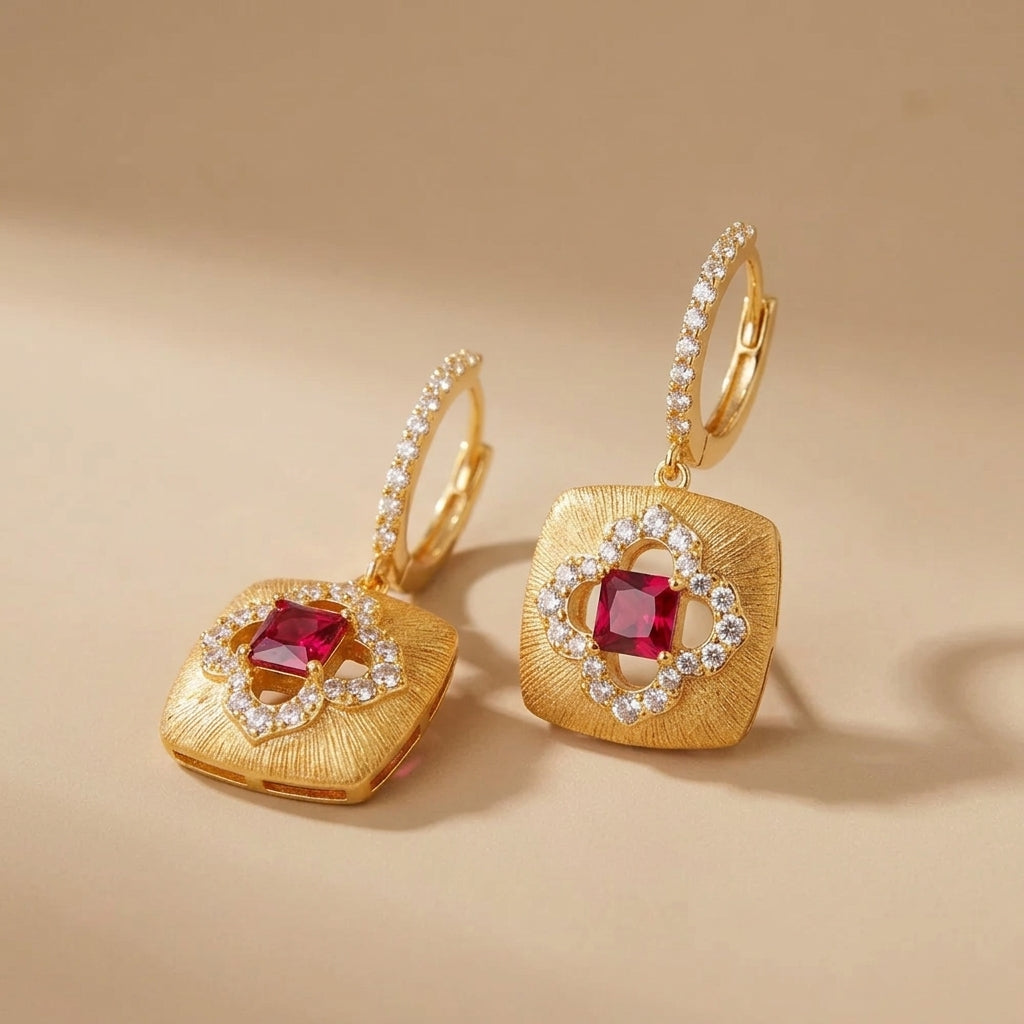

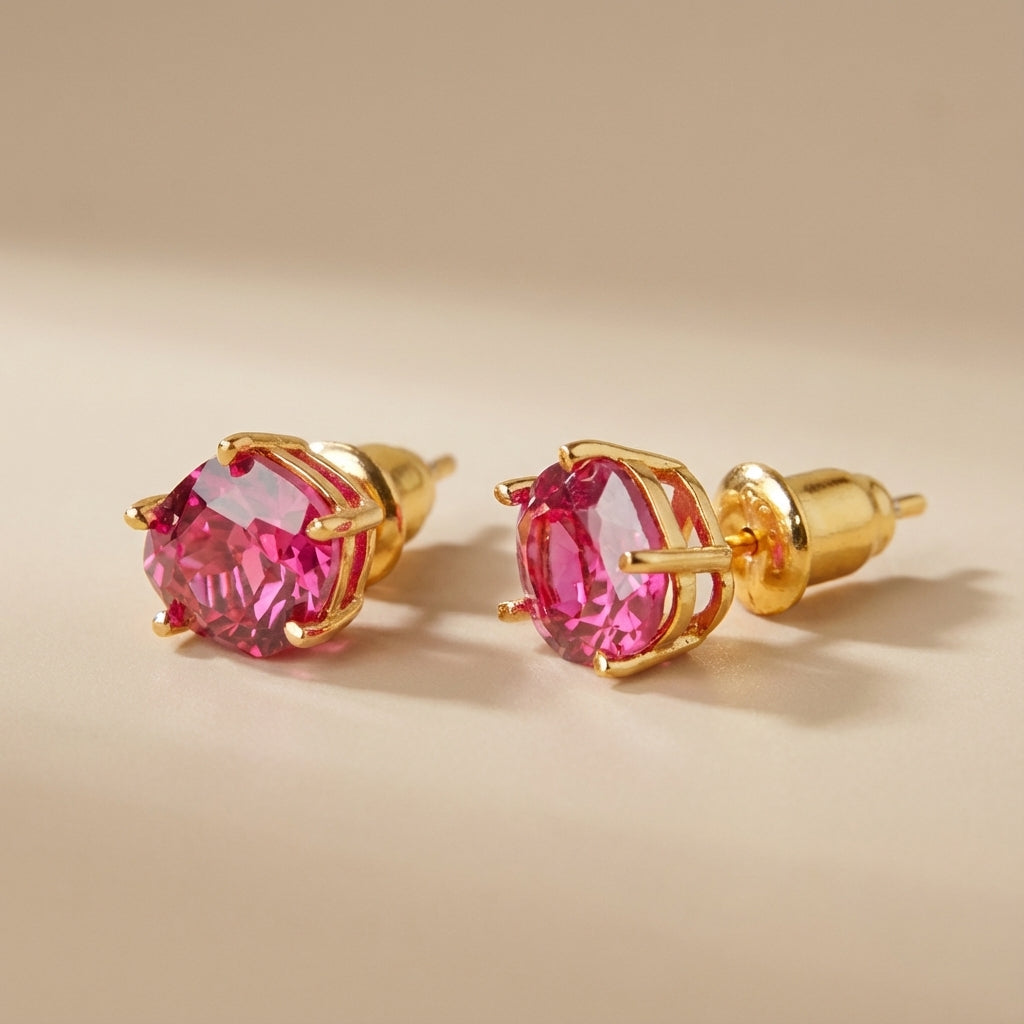

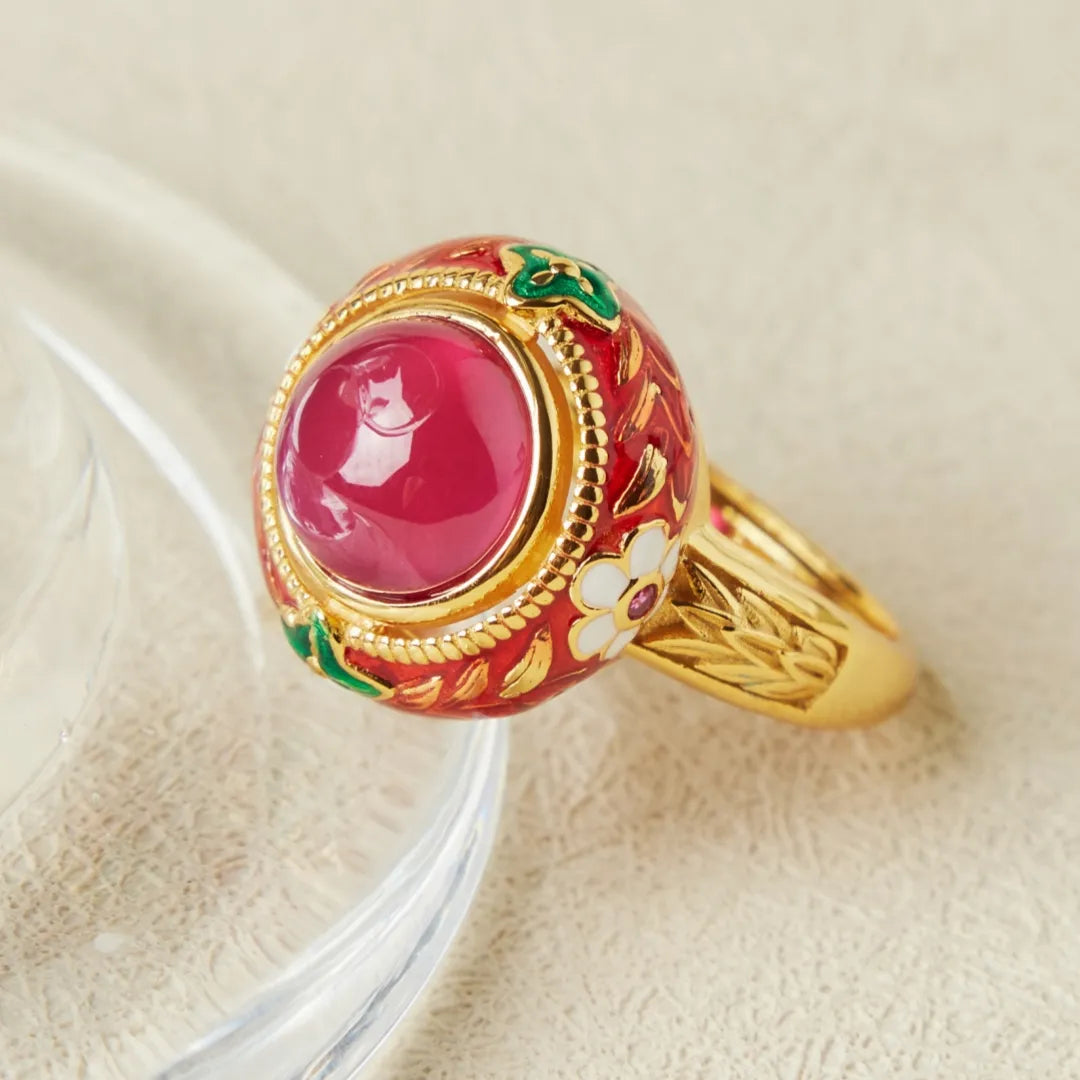
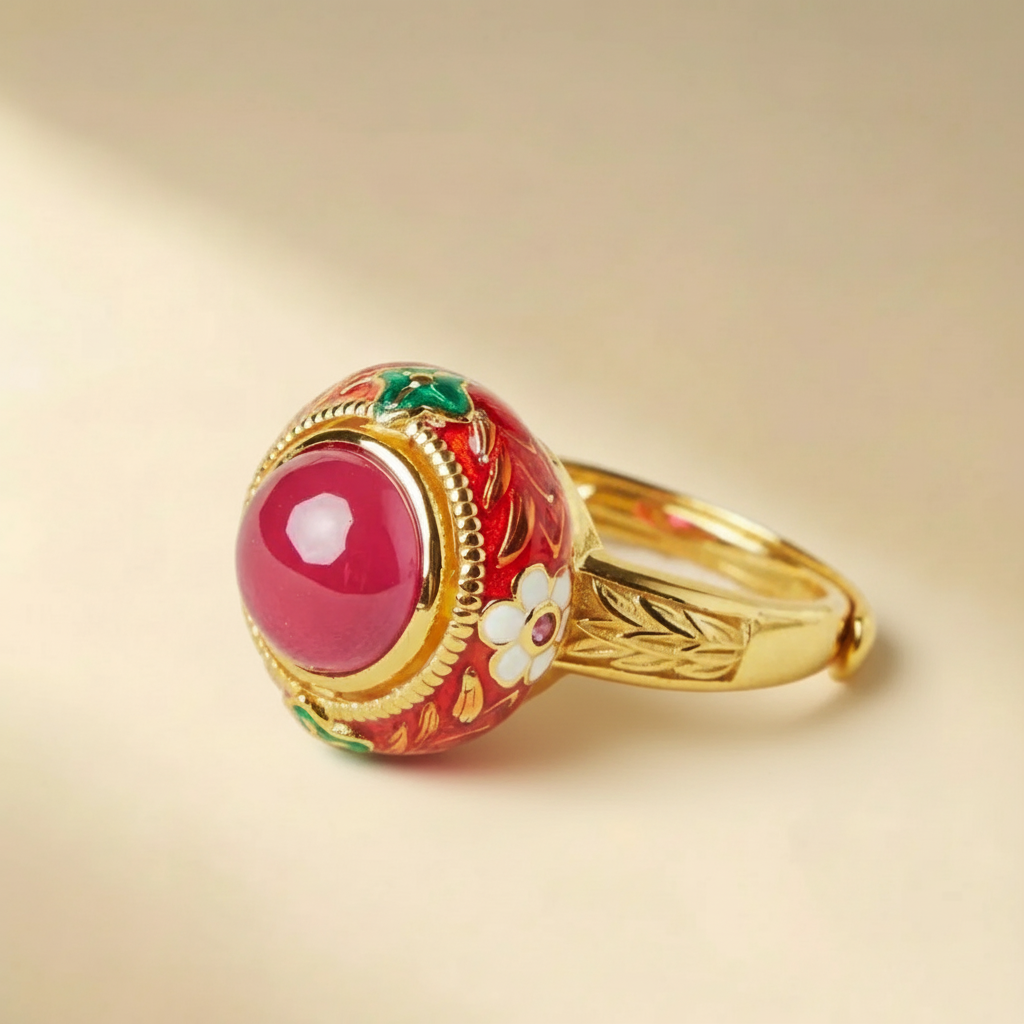


Explore our handcrafted crystal collections: Tree of Life Crystal Collection, Healing Crystal Jewelry, and Natural Crystal Bracelets. Read our related crystal guides: Significance And Benefits Of The Tree Of Life, The Tree Of Life In Natural Stone The Perfect Gift For Every Occasion, and Which Natural Stone To Choose For Your Tree Of Life.
Frequently Asked Questions: Real Carnelian vs Fake
How can I tell if the healing crystals in Real Carnelian vs Fake are 100% genuine?
Genuine healing crystals stay naturally cool to the touch, exhibit subtle internal mineral inclusions, and match their gemological Mohs hardness (7/10 for quartz varieties like amethyst, rose quartz, and citrine), unlike dyed glass or synthetic resins.
Where should I place a crystal Tree of Life or wear crystal jewelry for the best energy?
In Feng Shui, place your crystal Tree of Life at eye level in the room aligned with your intention: the bedroom (Southwest) with Rose Quartz for love, the entryway with Tiger’s Eye for protection, or the living room with Citrine and 7-Chakra crystals for abundance.
How do I safely cleanse and recharge my healing crystals without damaging them?
Smoke cleansing with white sage or Palo Santo for two minutes is the safest universal method, especially for softer or porous crystals like Selenite, Malachite, and Lapis Lazuli. Recharge your crystals overnight under moonlight or on an Amethyst geode.
Can I combine multiple healing crystals together in the same space or on my wrist?
Yes—crystals that share complementary chakra frequencies harmonize effortlessly. Clear Quartz amplifies all surrounding crystals, while Rose Quartz and Amethyst pair beautifully for emotional calm and restful sleep.
How often should I cleanse my Luuckk crystal jewelry or Tree of Life?
We recommend a gentle energetic smudging every two weeks for decorative crystal trees and once a week for crystal bracelets, rings, or necklaces worn directly against the skin.
Read more
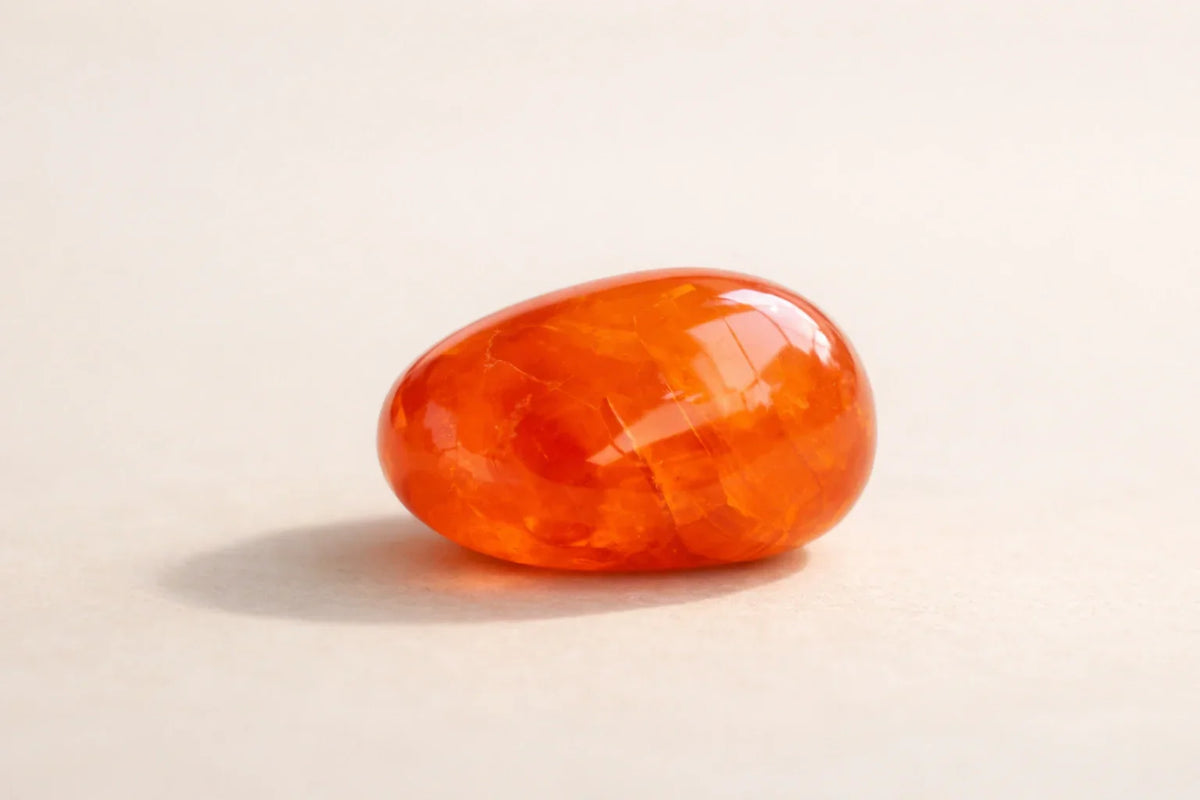
Have you ever felt that strange sensation: the desire to move forward is there, but the engine simply refuses to start? Not a sudden "major wave of exhaustion," but rather a lingering sense of iner...
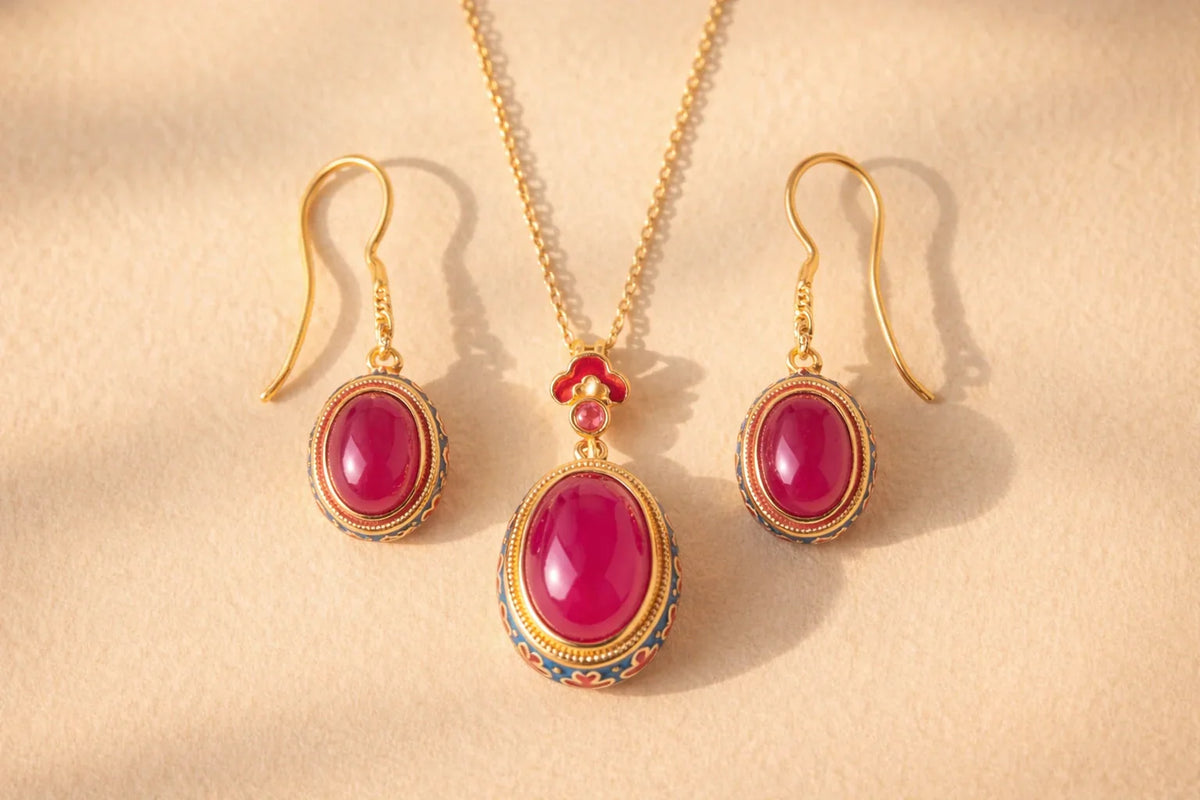
Are you looking for a piece of jewelry that catches the eye effortlessly, telling a richer story than just a simple “pretty accessory”? Carnelian possesses a rare gift: it captures the light with r...

Perfect for Gifting
Gift meaningful creations that bring joy and harmony.

Secure Payment
Payments are securely processed via Shopify & PayPal.

Money-Back Guarantee
Easy returns within 14 days of receiving your order.
Rated Excellent by our customers on Trustpilot
