
Genuine or Fake Amethyst: Secrets to Identify the Authentic Stone
- Introduction
- Amethyst: much more than a purple stone
- Why are so many counterfeits circulating on the market?
- The distinguishing signs of an authentic amethyst
- Natural, heated, or dyed amethyst: what are the differences?
- The fundamental role of amethyst in lithotherapy
- Which jewelry to choose to be sure it’s authentic?
- How to buy an amethyst with confidence?
- Conclusion: true beauty is always natural
- FAQ – Everything you need to know to recognize a genuine amethyst
Introduction
For several years, natural stones have enjoyed unprecedented popularity, both for their energetic virtues and for their mineral beauty. At the heart of this trend, amethyst shines with its captivating violet hue, its spiritual symbolism, and its benefits in lithotherapy. But as its popularity grows, counterfeits become increasingly common, creating confusion among enthusiasts and newcomers alike.
So how can you tell the difference between a genuine amethyst and an imitation? What are the unmistakable signs? This article gives you all the keys to recognize an authentic amethyst, understand its origins, and make informed choices when shopping.
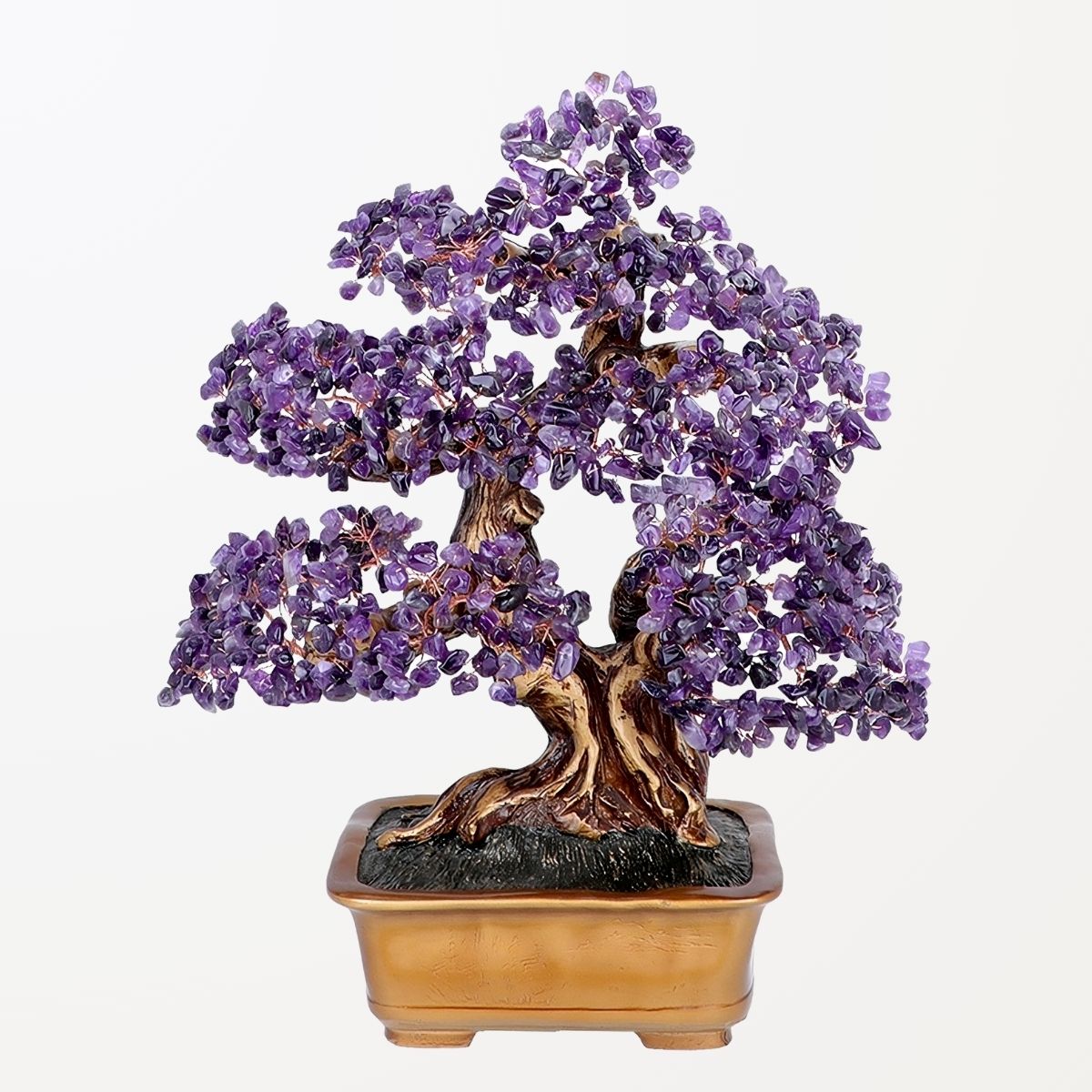
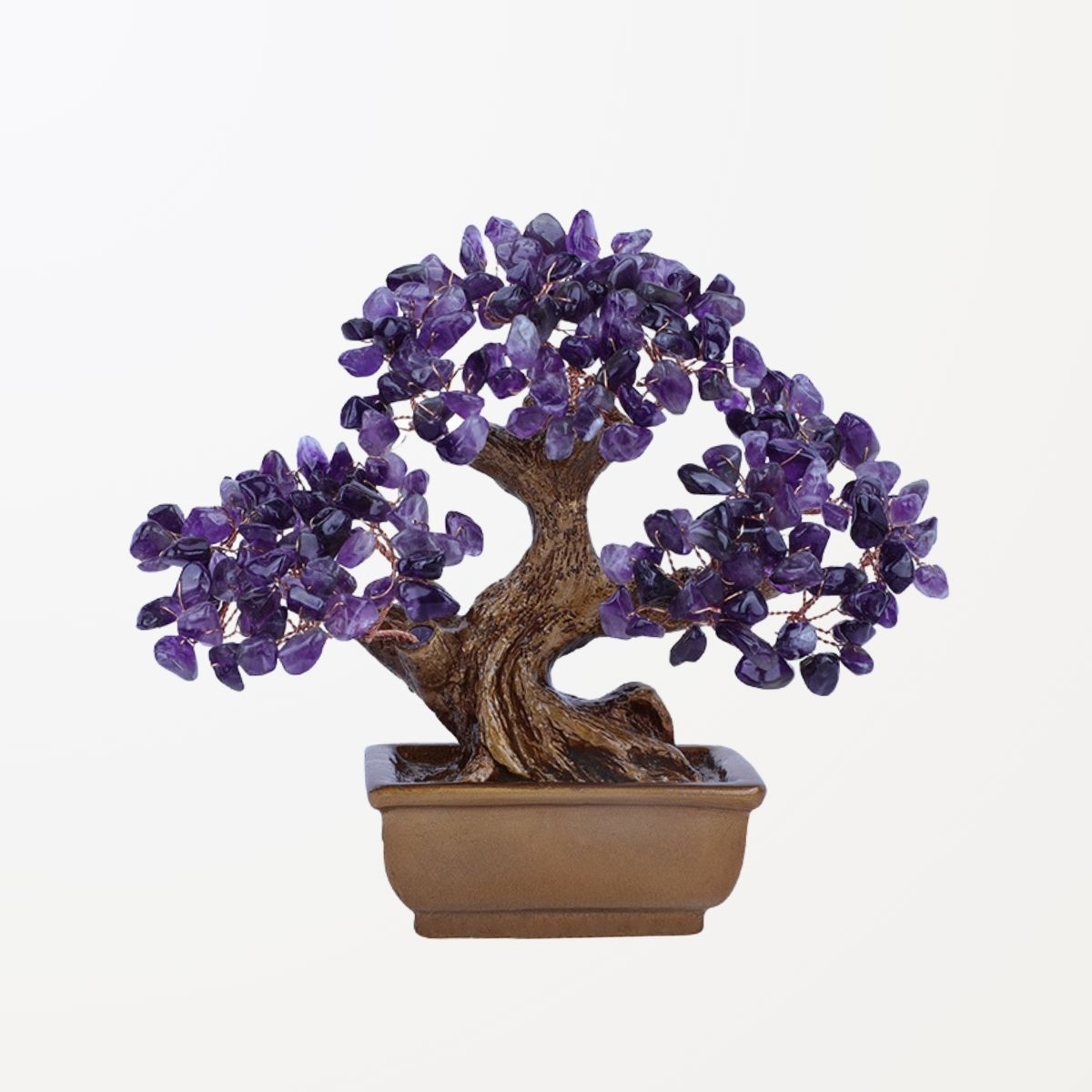
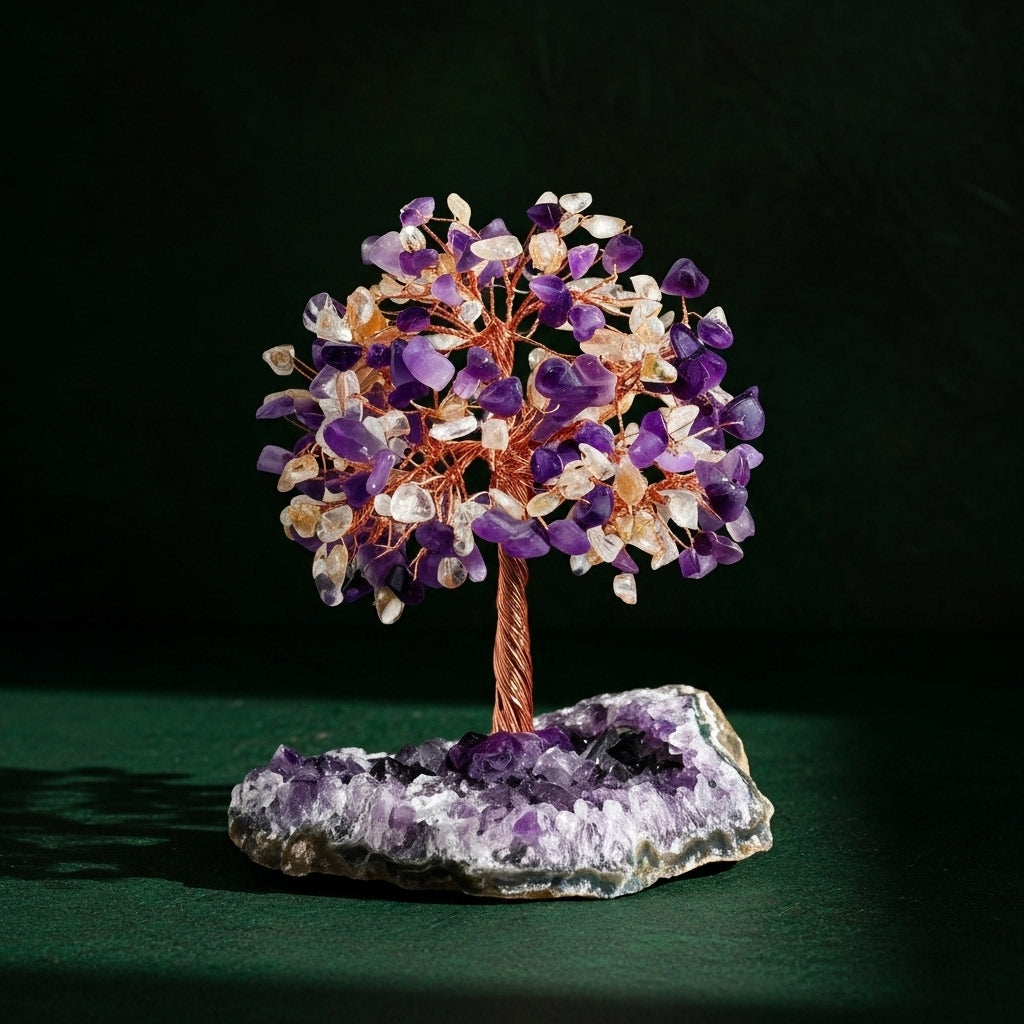
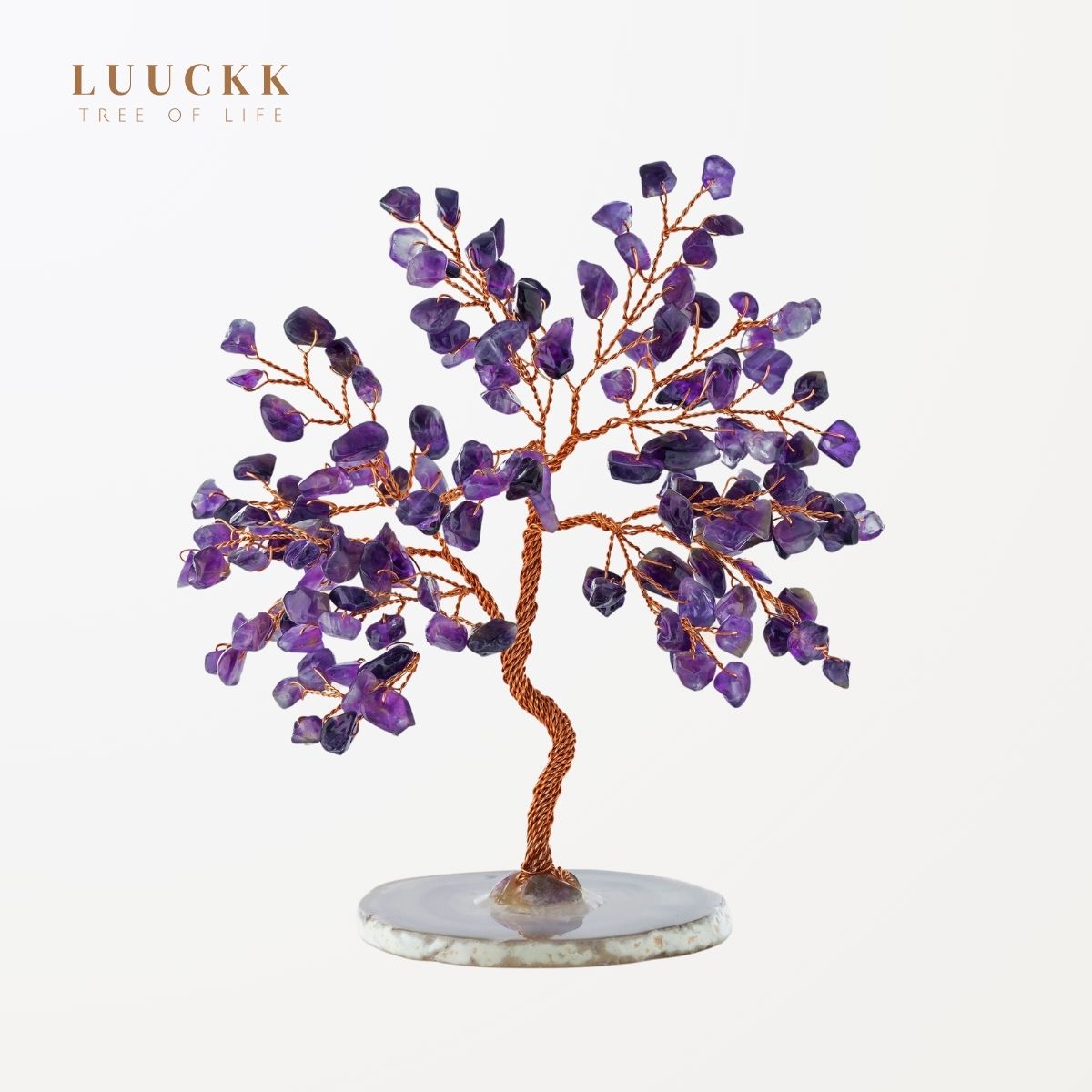
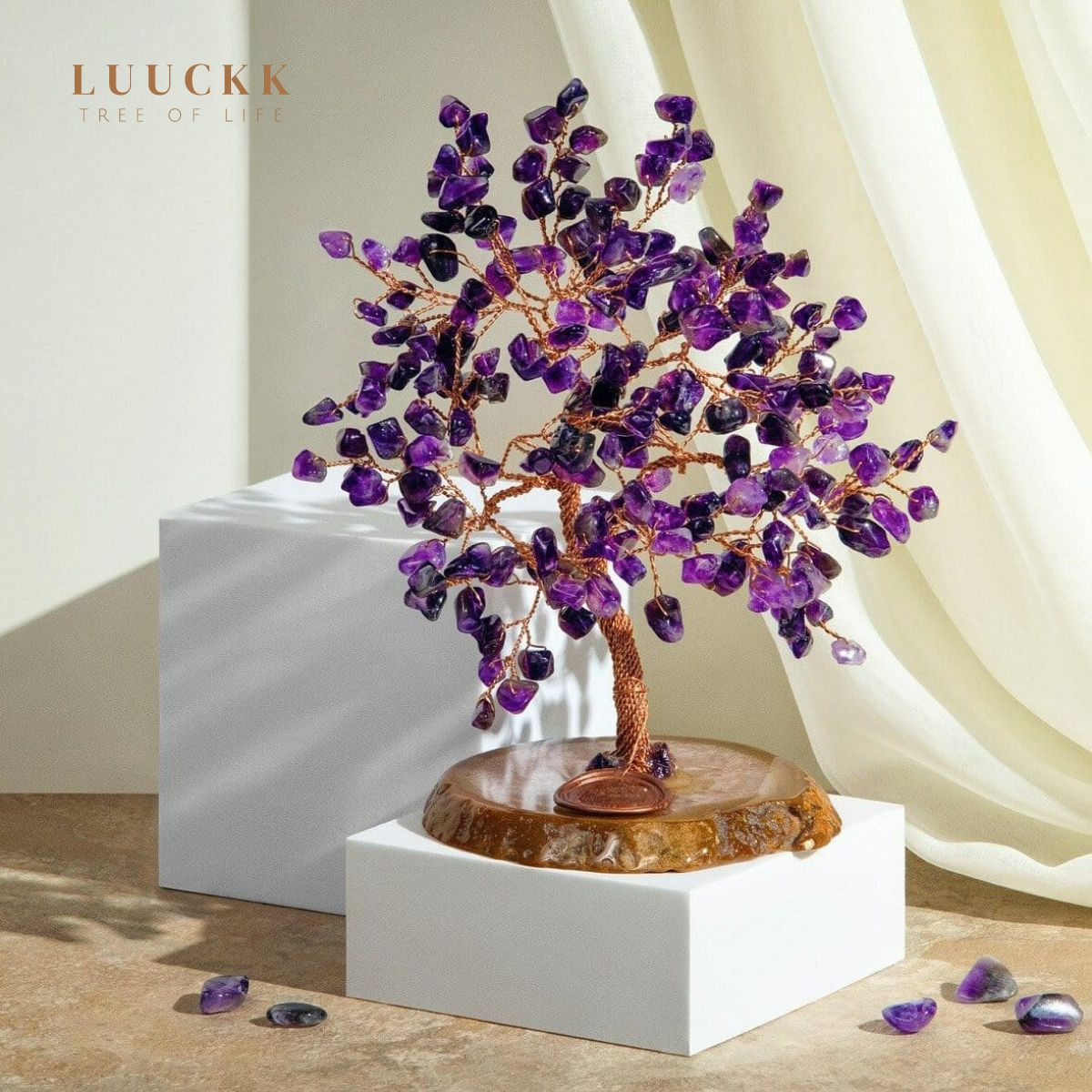
Our Amethyst Tree of Life
Amethyst: much more than a purple stone
Amethyst is not just a semi-precious stone with an appealing color. It is a quartz that owes its violet hue to the presence of iron oxide, often combined with aluminum and naturally irradiated by the Earth. Used since Antiquity, it was believed to protect against drunkenness, calm the mind, and encourage meditation.
In the field of lithotherapy, amethyst is recognized for its many virtues: mental soothing, energy purification, stimulation of concentration, support for intuition... It is often recommended for people who are stressed or seeking inner clarity.
This stone is also widely used in the creation of jewelry, decorative objects, and spiritual talismans. It appeals as much for its aesthetic qualities as for its deep symbolic dimension.
For a more spiritual exploration of this stone, you can read the article Amethyst: Stone of Wisdom and Spiritual Harmony.

Why are so many counterfeits circulating on the market?
The growing interest in natural stones has attracted unscrupulous manufacturers eager to capitalize on this trend by flooding the market with synthetic or treated stones. Amethyst, with its unique color, is one of the most copied.
Some “amethysts” are actually colored glass, dyed quartz, or even stones artificially heated to alter their color. You can also find stones called “synthetic amethysts,” created in laboratories through complex chemical processes.
Why are these counterfeits problematic? Because beyond commercial deception, they have no energetic effectiveness. In lithotherapy, an artificial stone emits no natural vibration and therefore cannot fulfill its role.
Understanding the different forms of falsification is essential to avoid mistakes when buying. And to fully appreciate the value of this stone, it is worth tracing back to its origins, as presented in the article The Fascinating Origin of Amethyst: From Nature to Your Jewelry.
The distinguishing signs of an authentic amethyst
Fortunately, there are several concrete criteria to recognize a genuine amethyst. Here are the five things to look at before buying:
1. Color
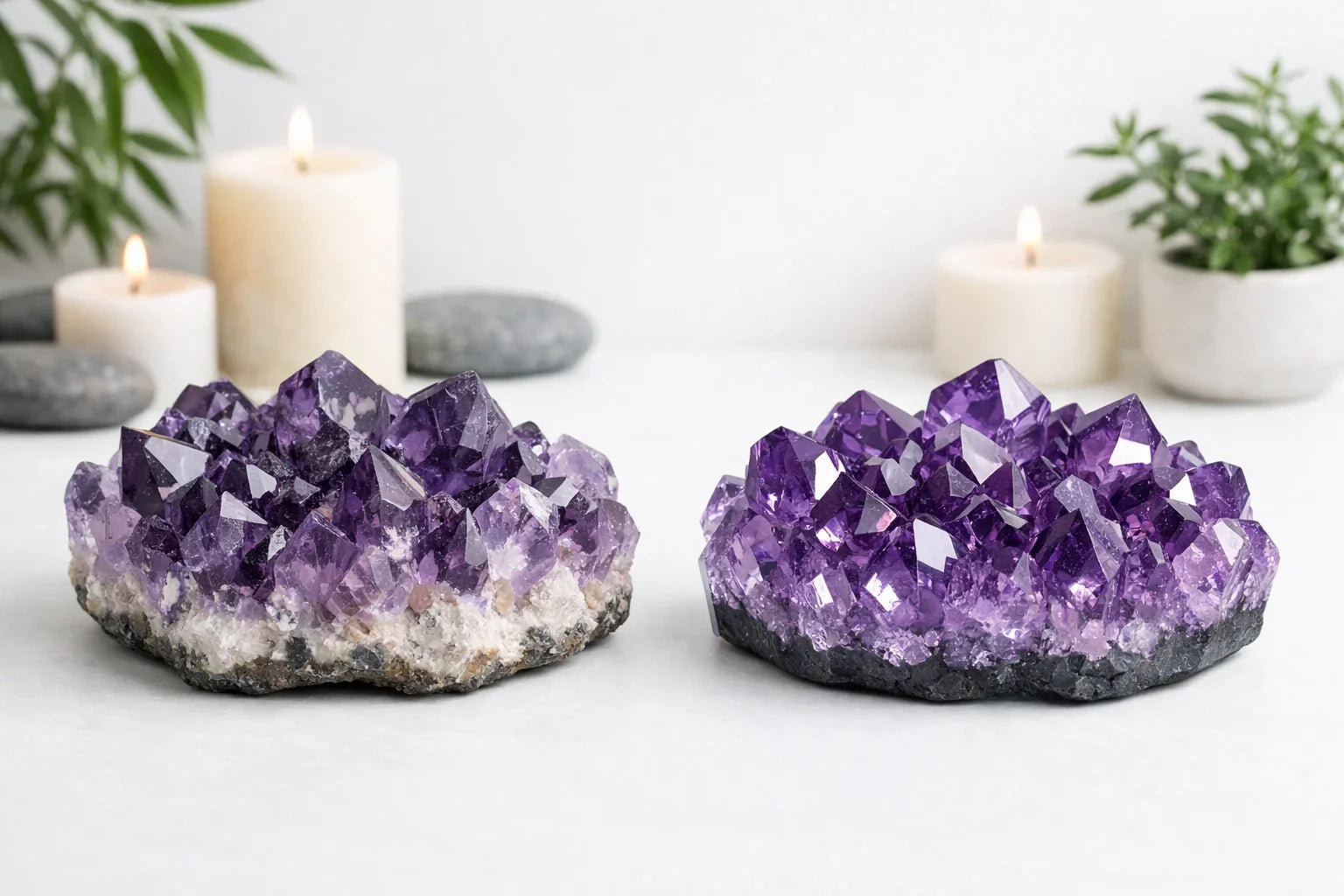
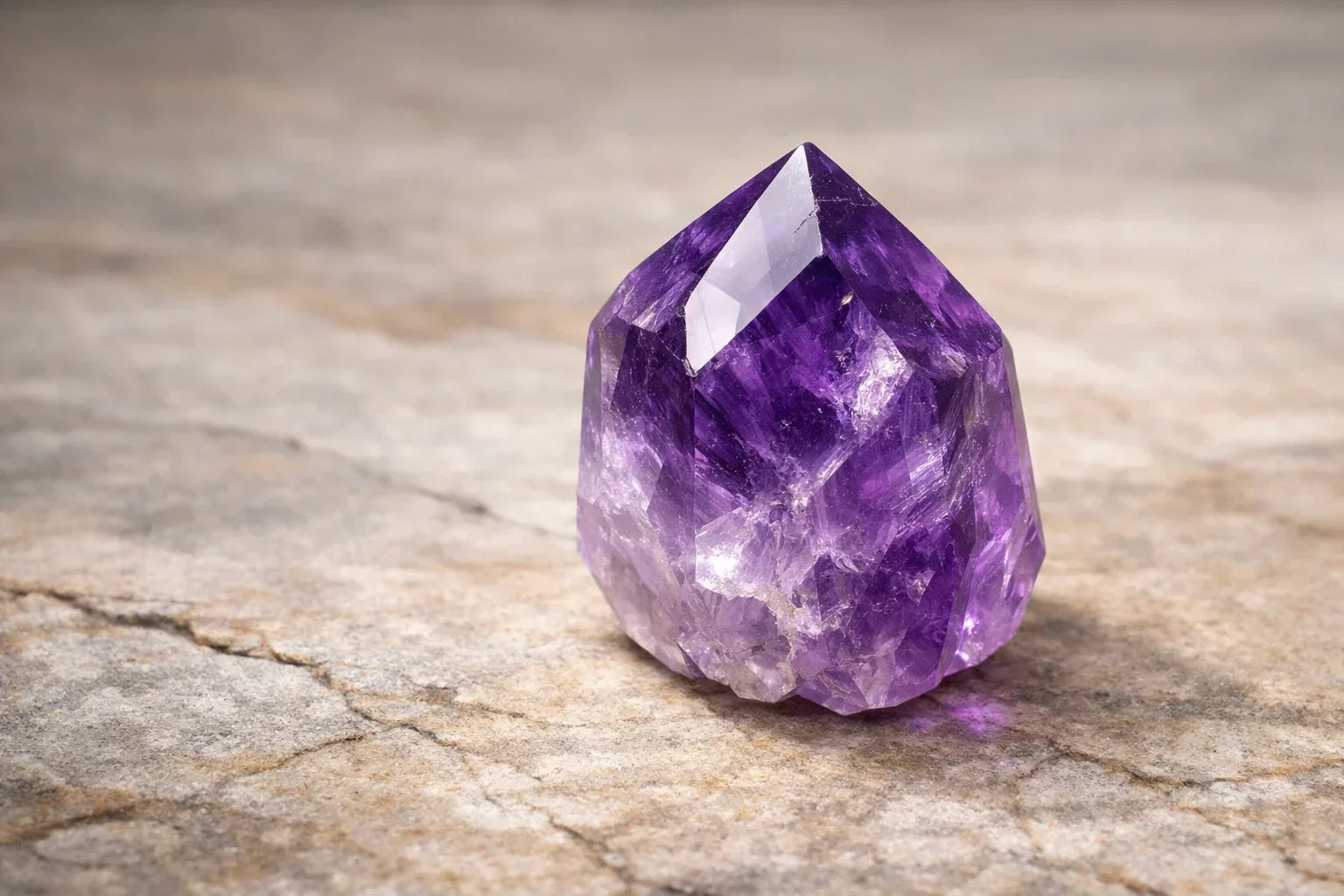
A natural amethyst shows a violet color that can range from pale lilac to deep purple. It is rarely uniform: lighter or darker shades are often visible. A stone with a perfectly homogeneous purple tone can be suspicious, especially if it looks too vivid.
2. Transparency
Natural amethysts often have small internal inclusions or slightly cloudy areas. A stone that is completely transparent, without any imperfection, could very well be glass or a synthetic stone.
3. Temperature
A genuine amethyst stays cool to the touch, even when worn. Plastic or glass imitations warm up quickly and feel lighter.
4. Price
A genuine amethyst, especially of high quality, has a cost. If the price seems too good to be true, it might be. Be wary of jewelry sold for just a few euros, often made with synthetic stones.
5. Origin and guarantees
A reliable seller should be able to provide you with the geographical origin of the stone, or even an certificate of authenticity. The main amethyst deposits are found in Brazil, Uruguay, Madagascar, and Zambia.
These elements are fundamental for verifying the quality of your jewelry or your amethyst objects.



Natural, heated, or dyed amethyst: what are the differences?
There is a middle ground between natural stones and pure counterfeits: treated stones. In the case of amethyst, some can be heated at high temperature to change their color, making them lighter or even orange (this produces citrine).
This heat treatment is not necessarily a sign of counterfeit, but it alters the stone’s energetic properties. In lithotherapy, only an unmodified stone is considered fully active.
As for dyed stones, they are often low quality and hold no interest, either aesthetically or vibrationally. Learning to recognize these alterations helps you make fairer choices depending on your goals: beauty or energy.

The fundamental role of amethyst in lithotherapy
Lithotherapy is based on the idea that minerals emit vibrations that can influence our physical, emotional, and spiritual well-being. In this discipline, amethyst holds a central place.
Among the most widely recognized benefits of amethyst:
- It promotes mental serenity and deep sleep.
- It helps with concentration and mental clarity.
- It supports meditation and introspection practices.
- It protects against negative energies and purifies spaces.
Placed in a bedroom or worn as jewelry, it acts as a true energy shield. It is also often used in spiritual rituals to support transitions or phases of inner transformation.
An excellent complement to this topic is the article Benefits and Properties of Amethyst.

Which jewelry to choose to be sure it’s authentic?
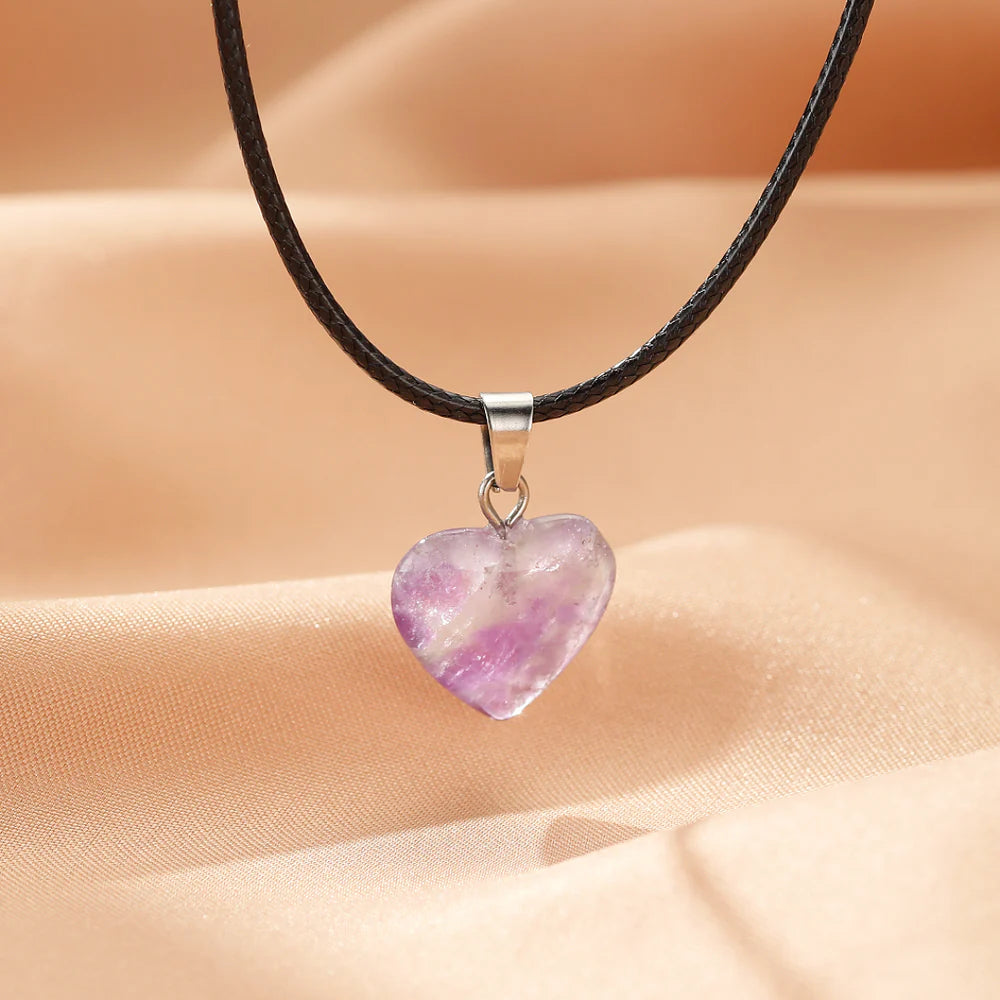
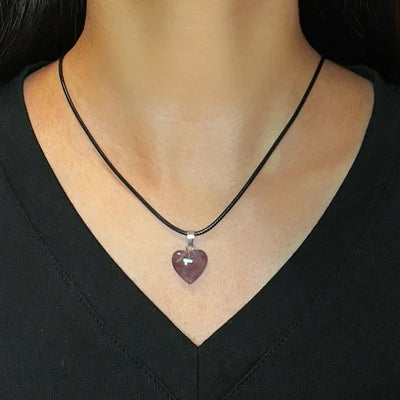
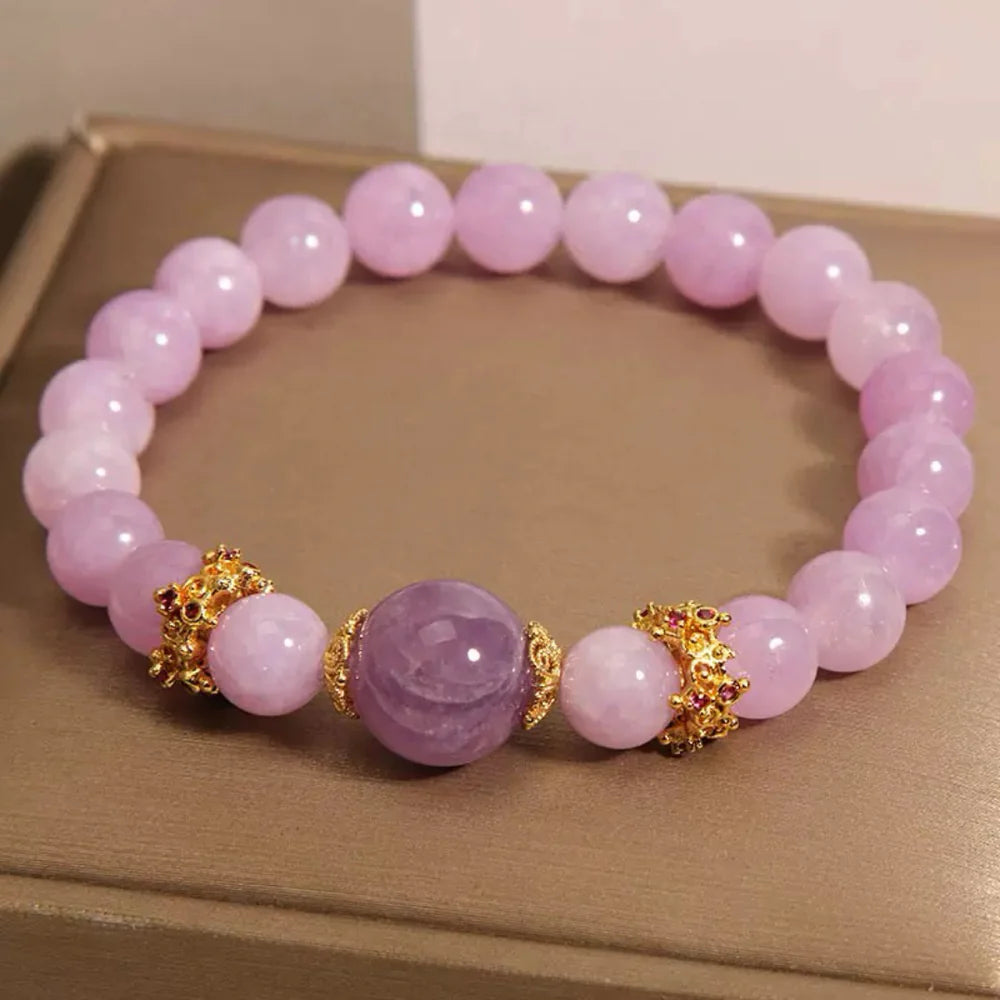
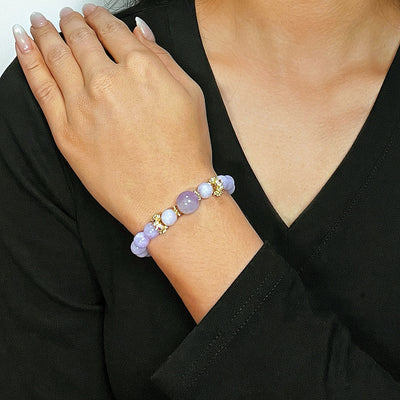
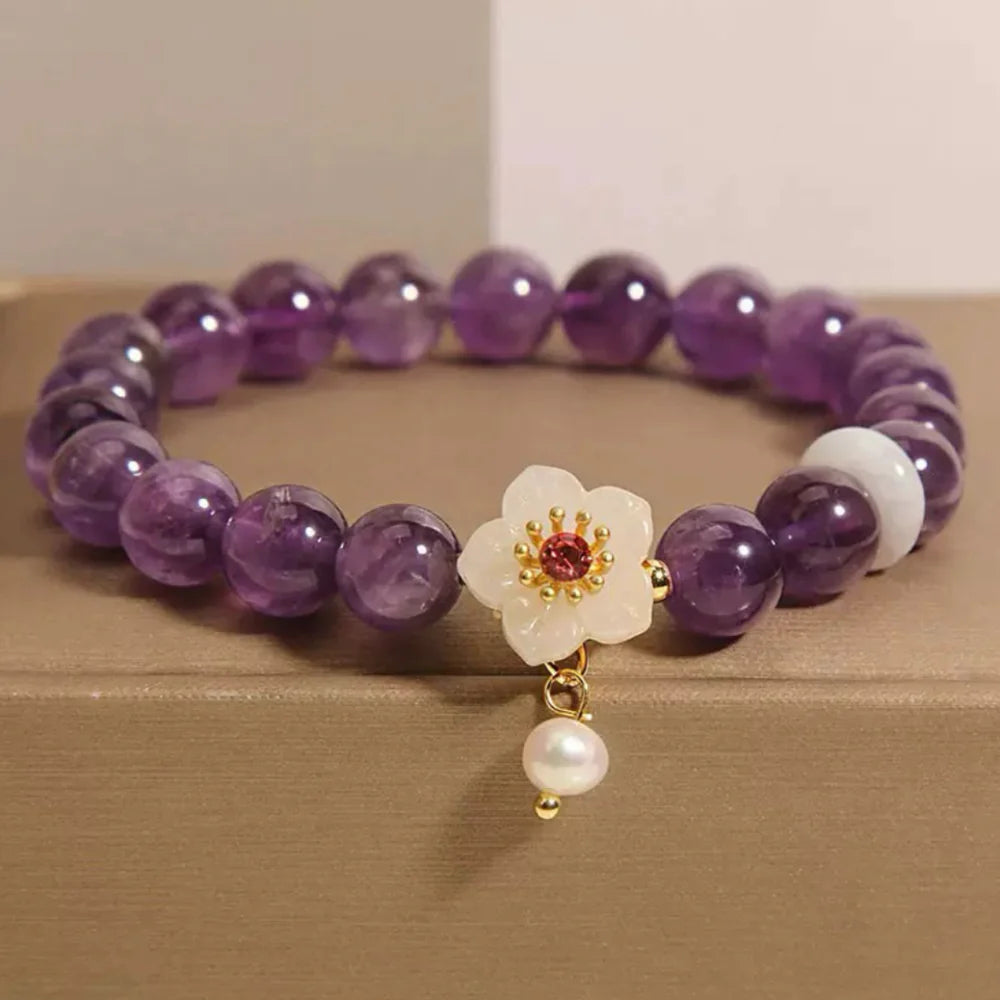
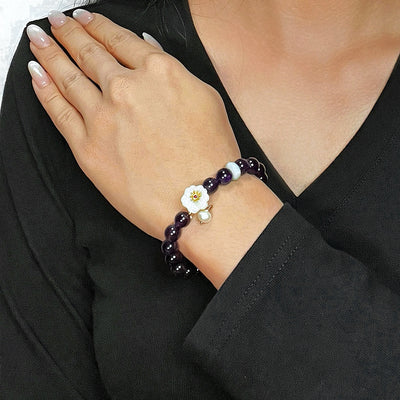
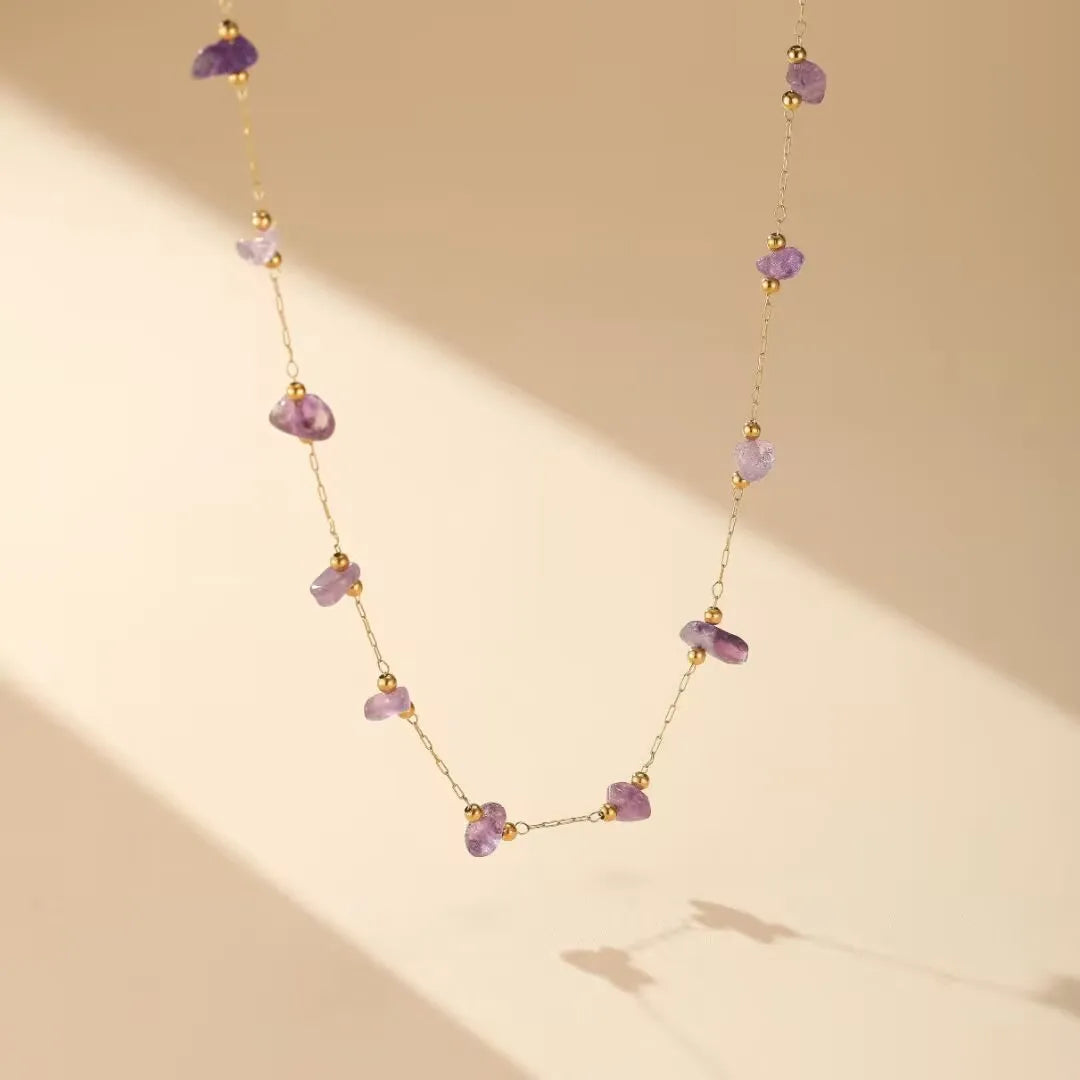
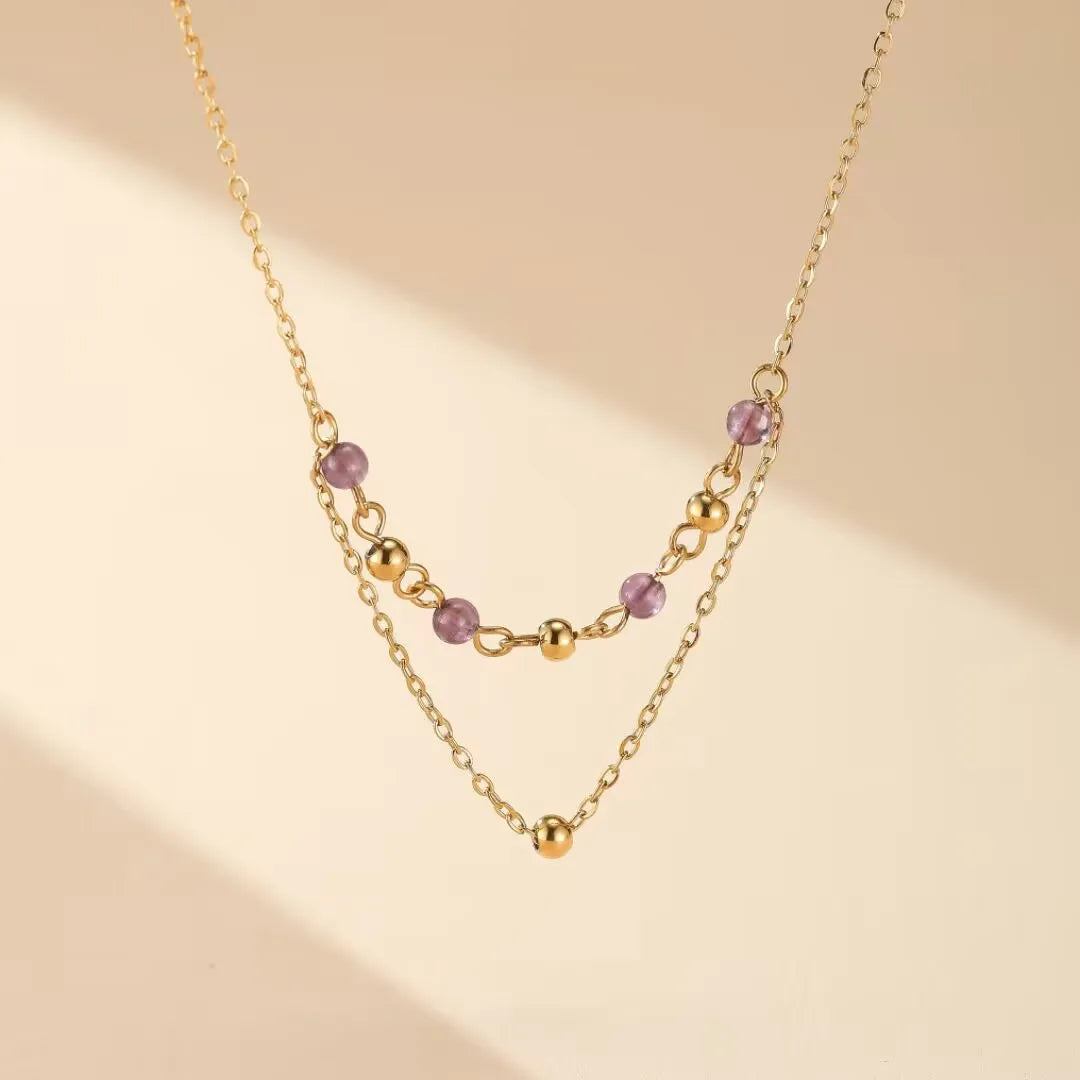
When it comes to wearing amethyst, it’s best to prioritize handcrafted creations or brands specialized in natural stones. These pieces are often designed with traceability and respect for the stones’ energetic properties in mind.
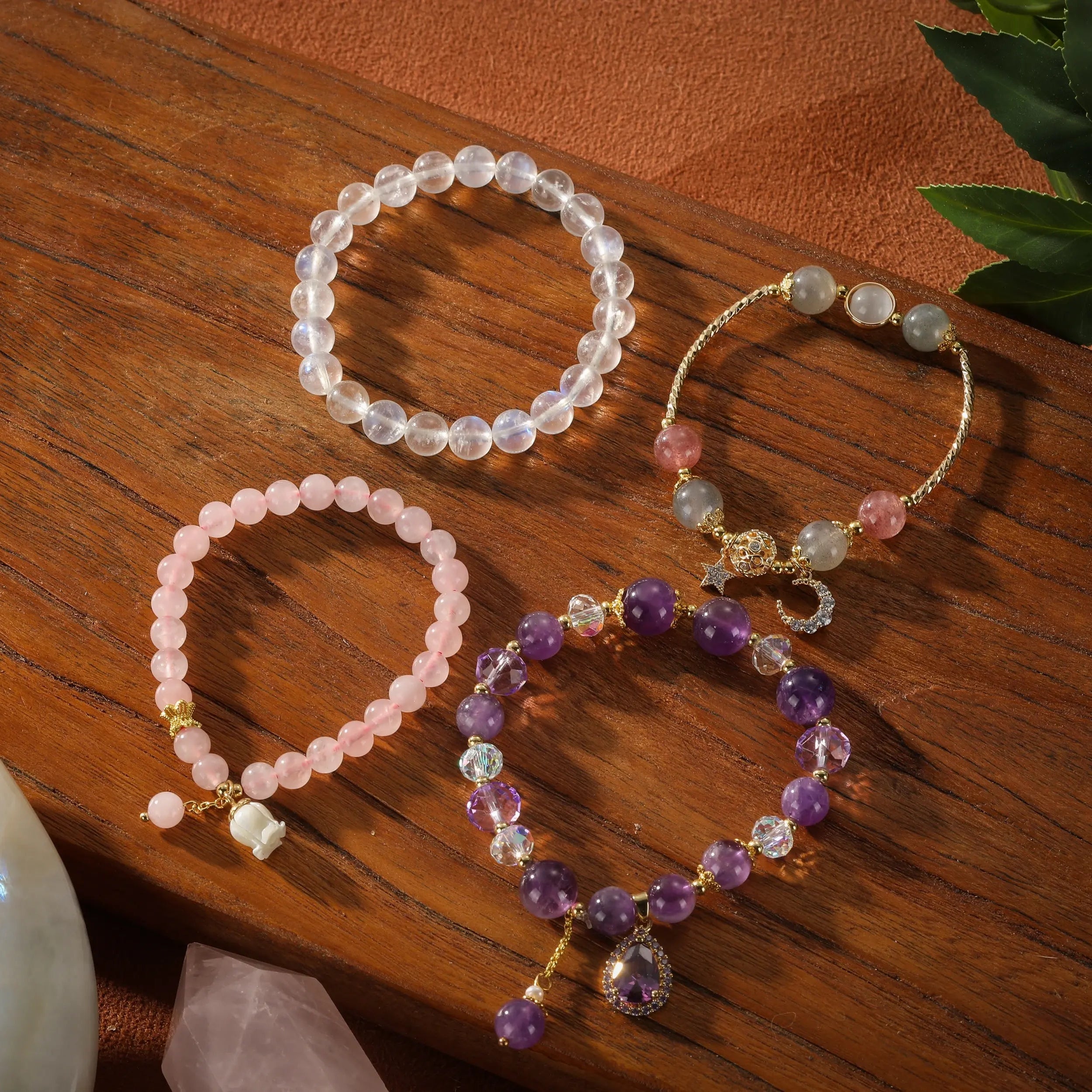
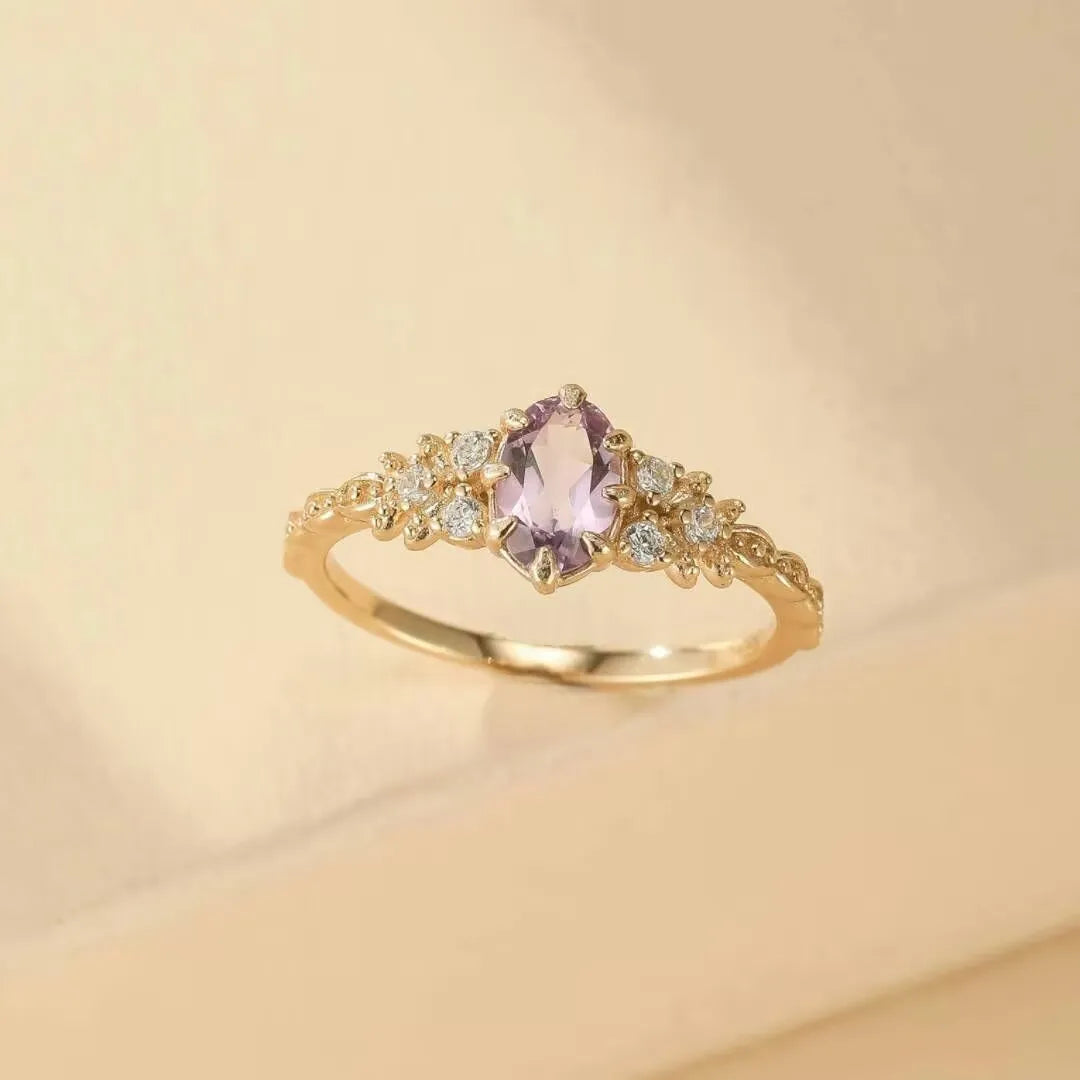
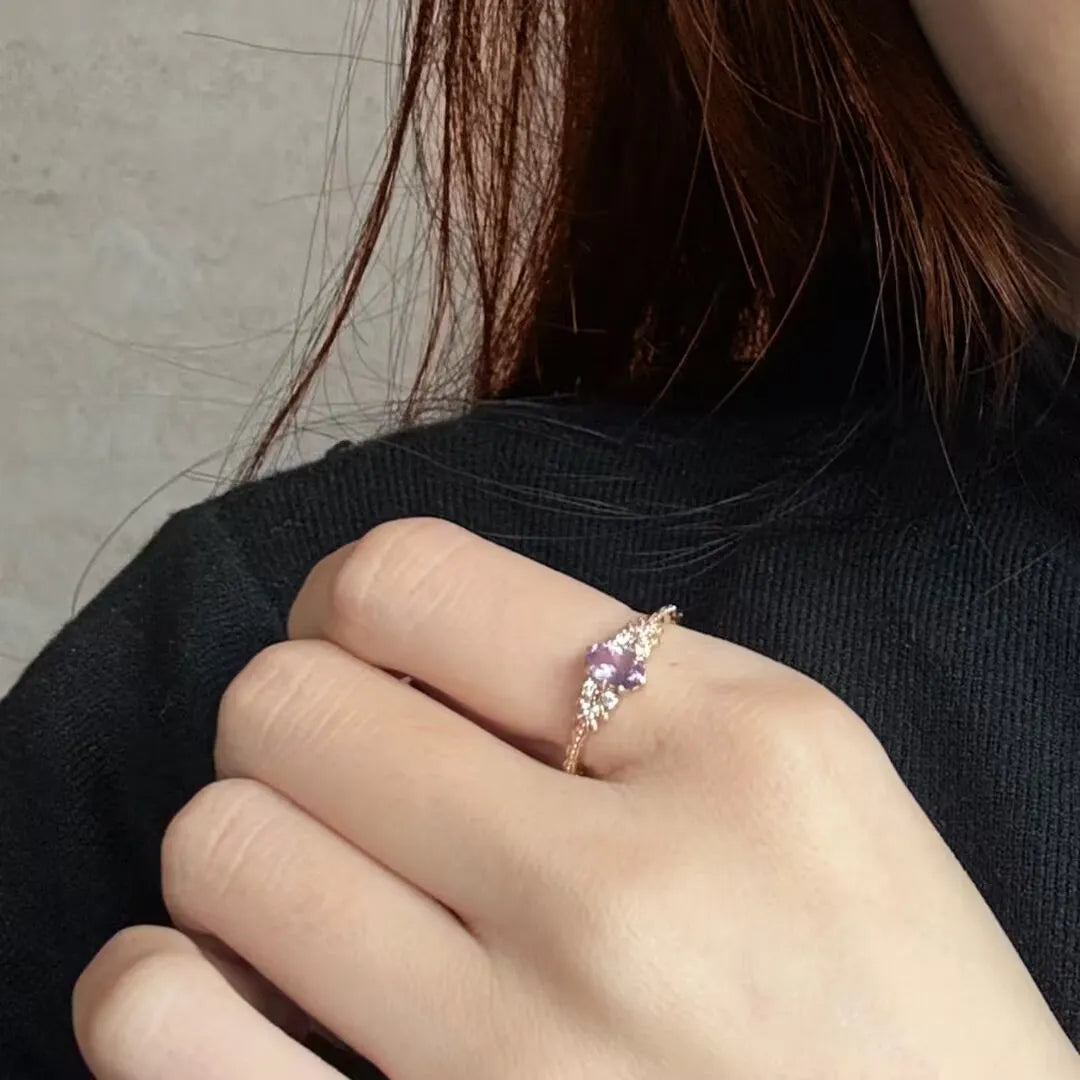
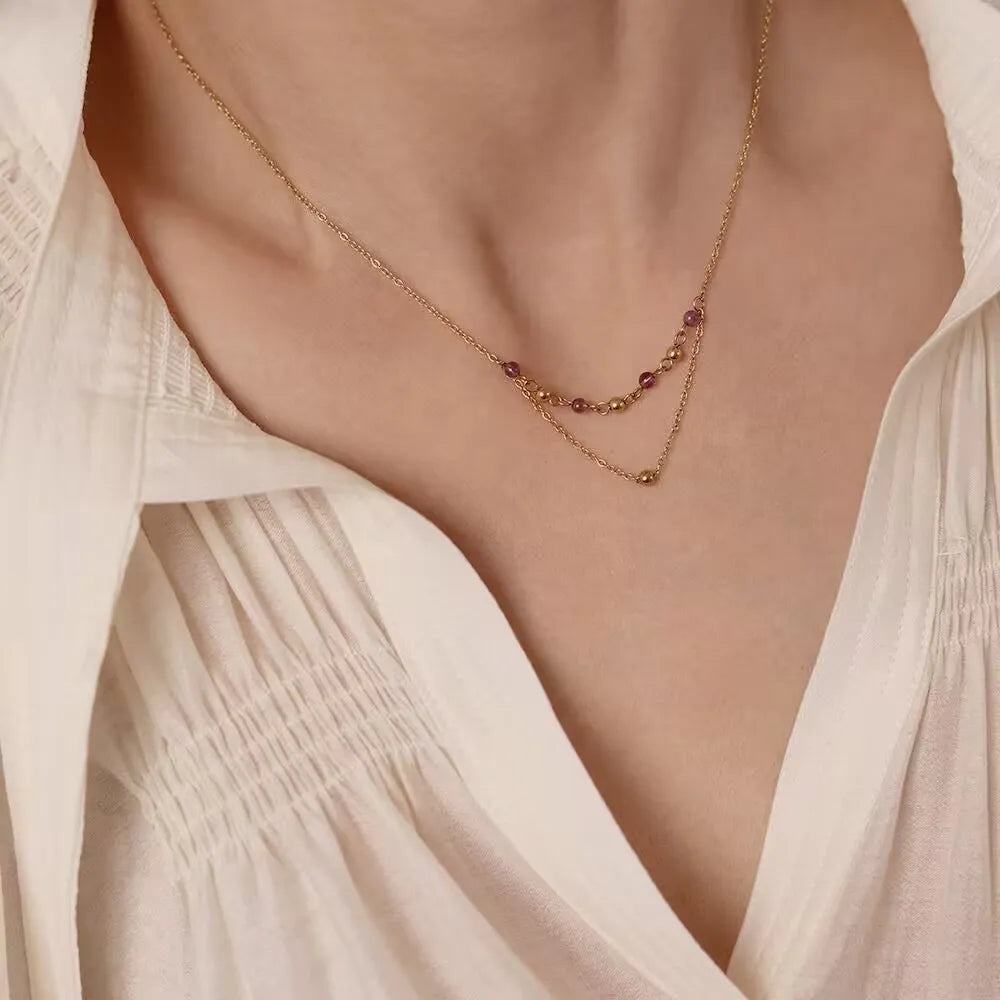
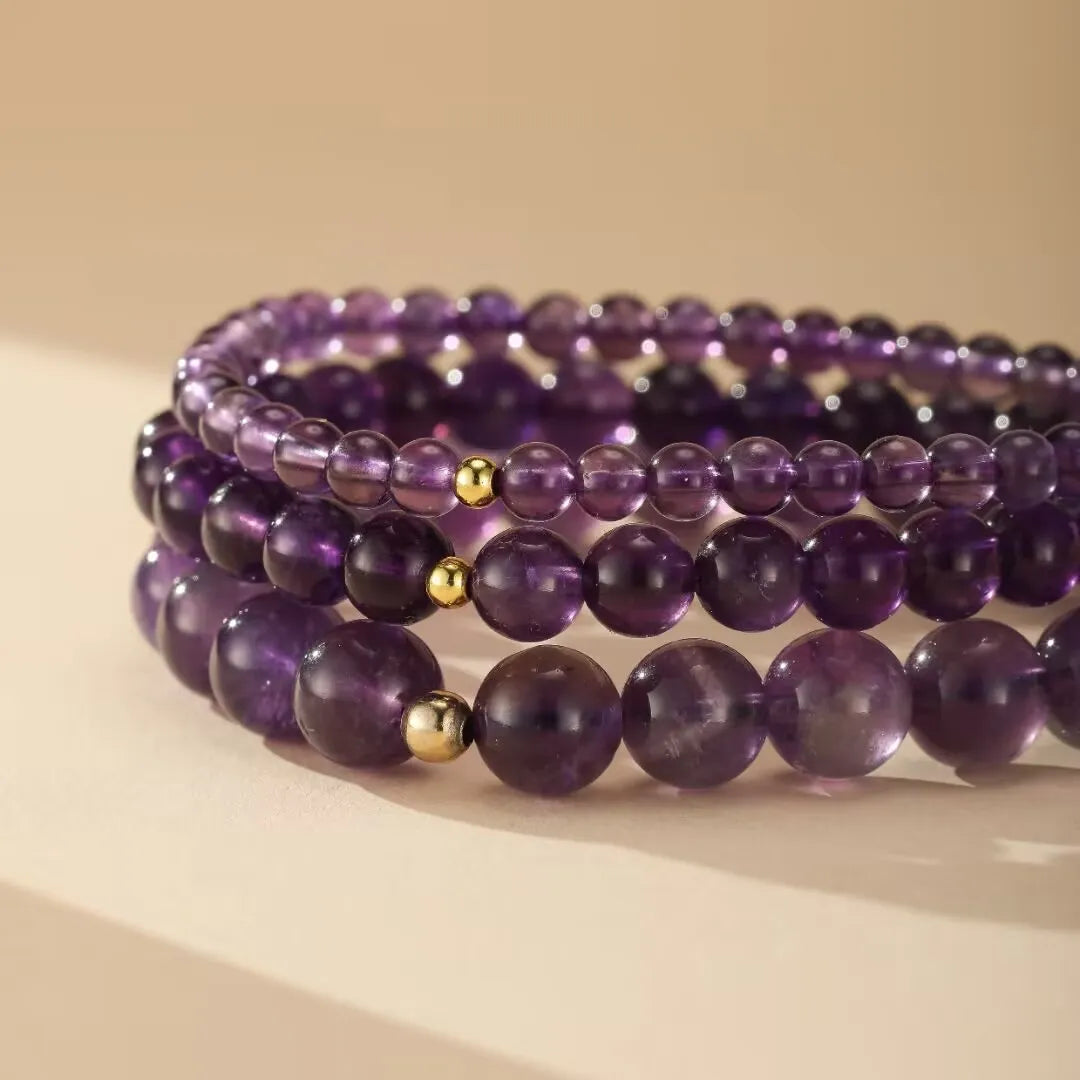
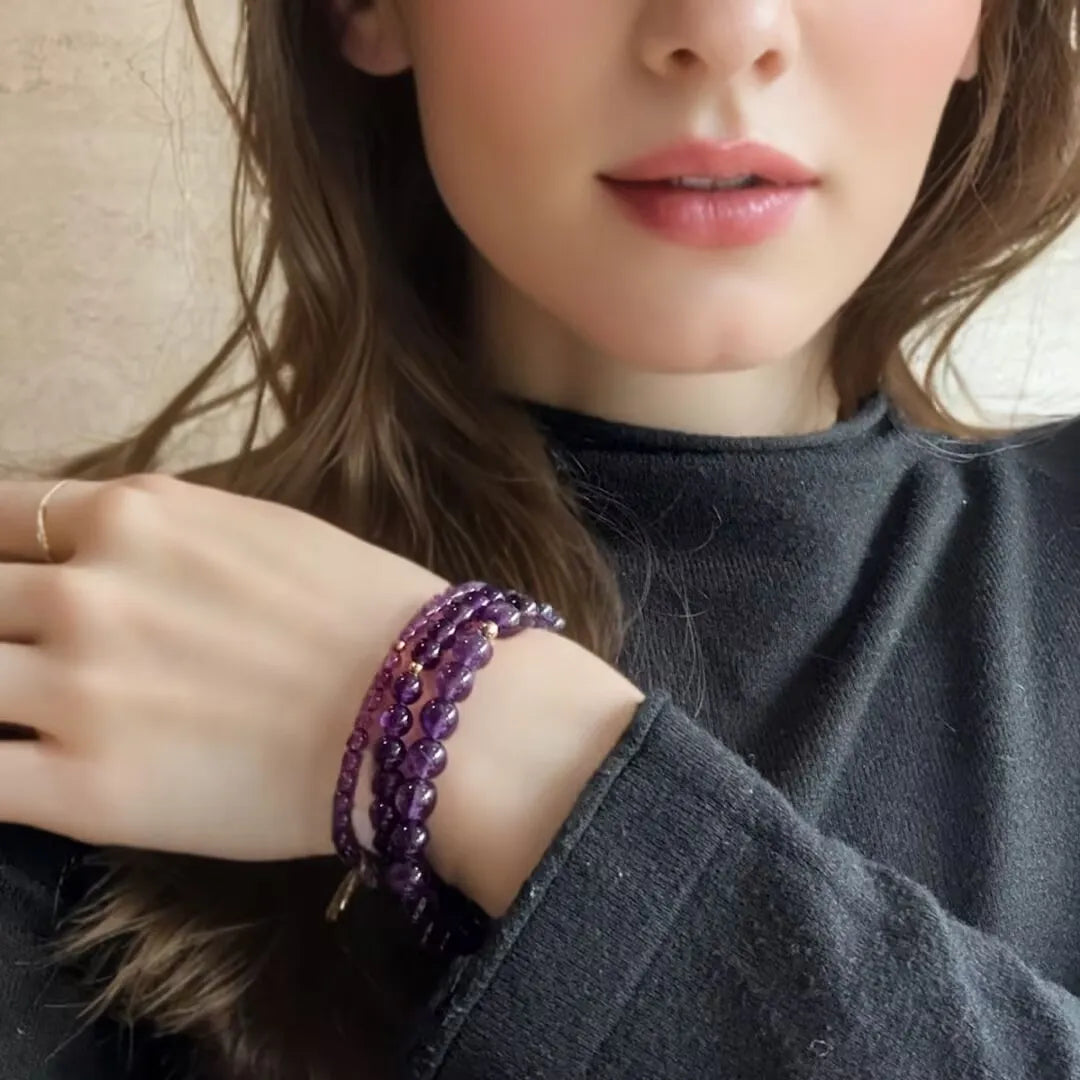
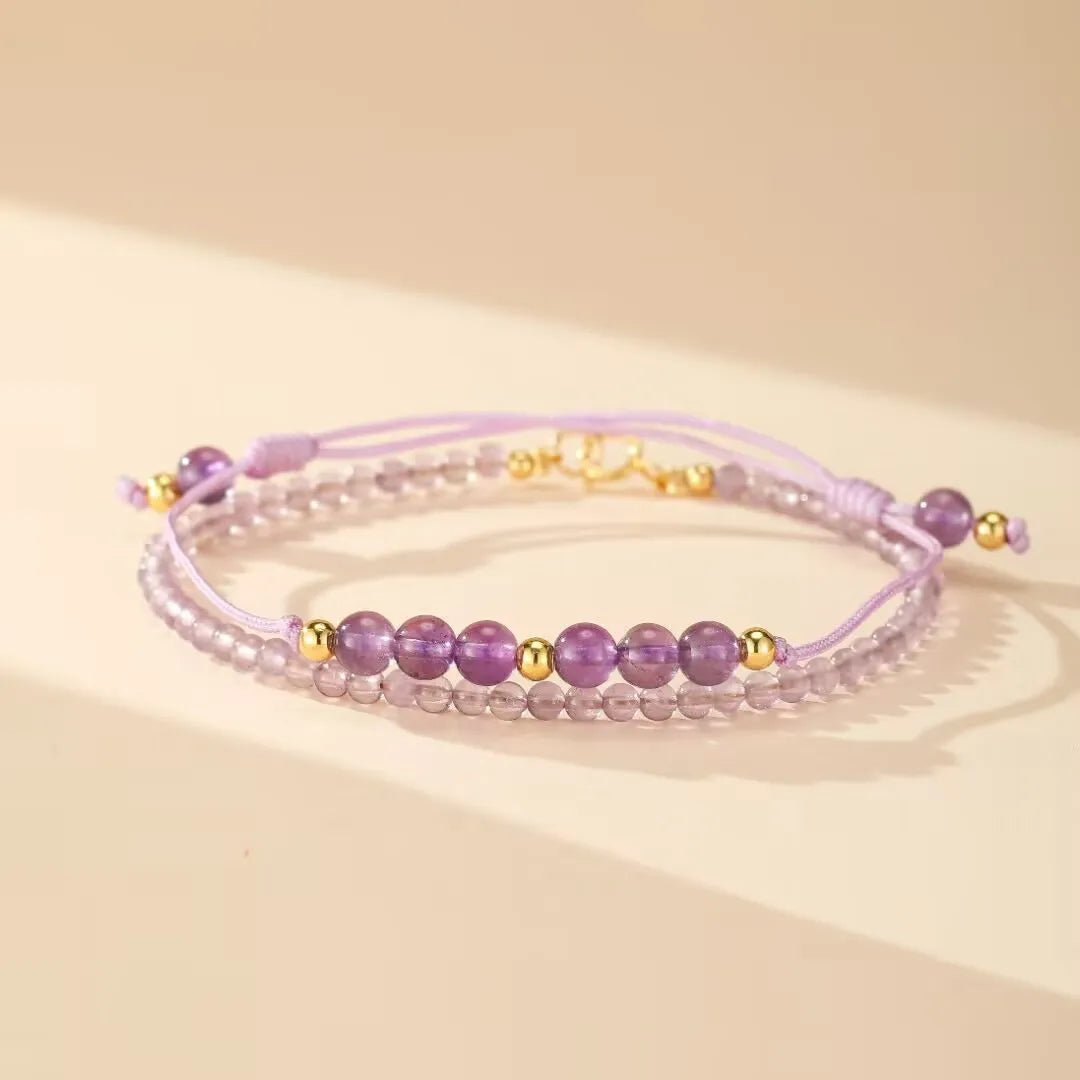
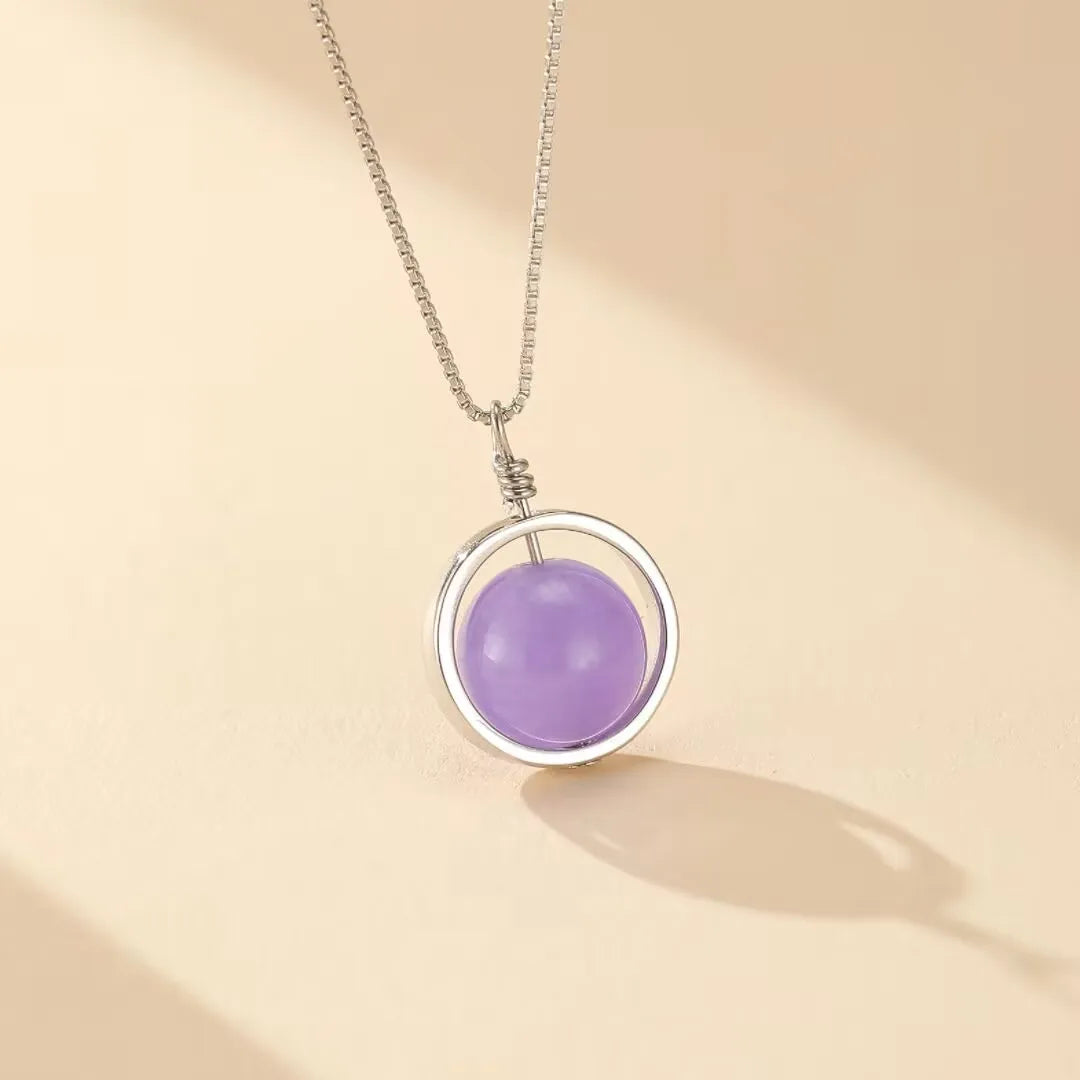
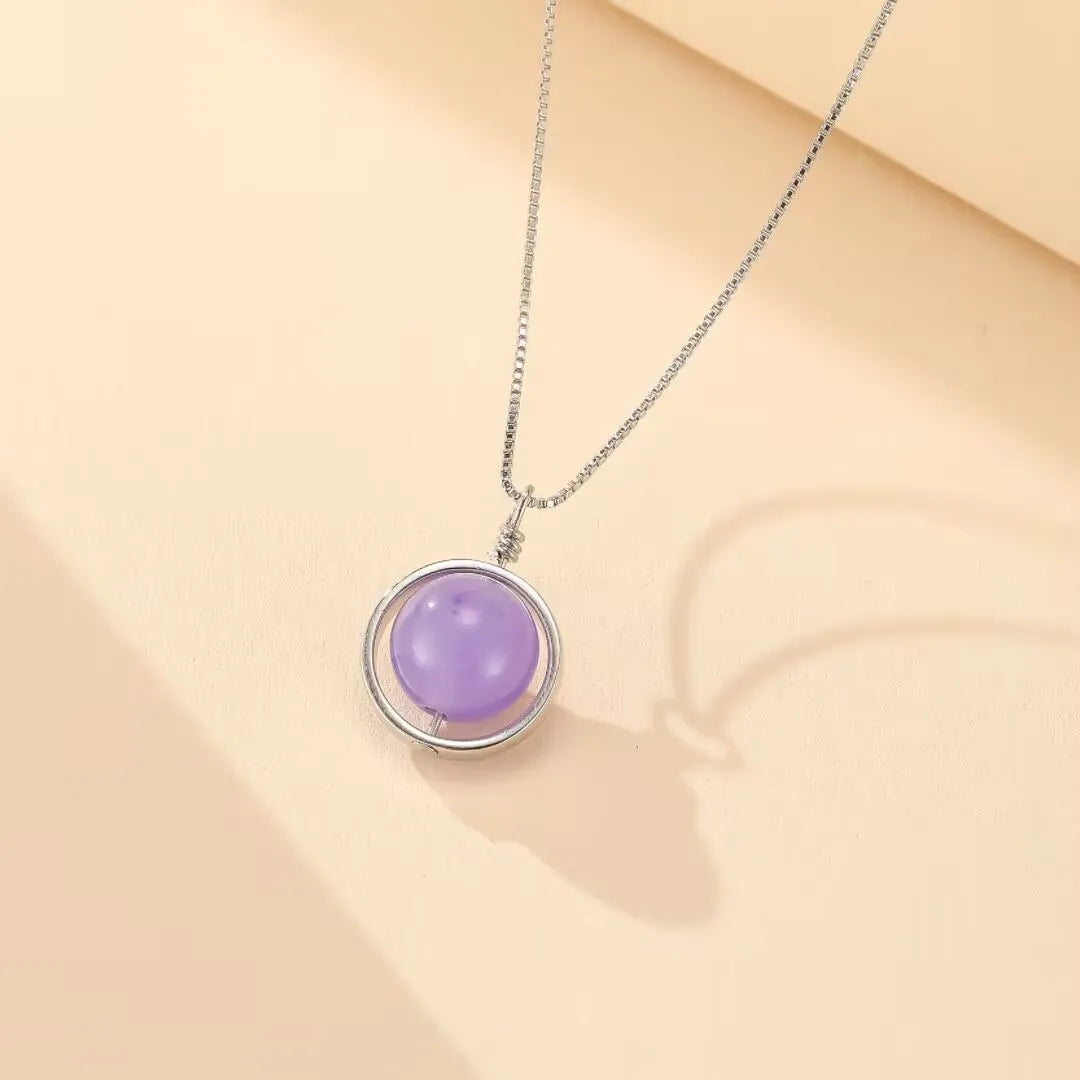
At Luuckk, the amethyst jewelry collection offers a refined selection of rings, necklaces, and bracelets made with authentic stones, carefully chosen. Each piece combines aesthetics and energy to accompany everyday life with elegance.
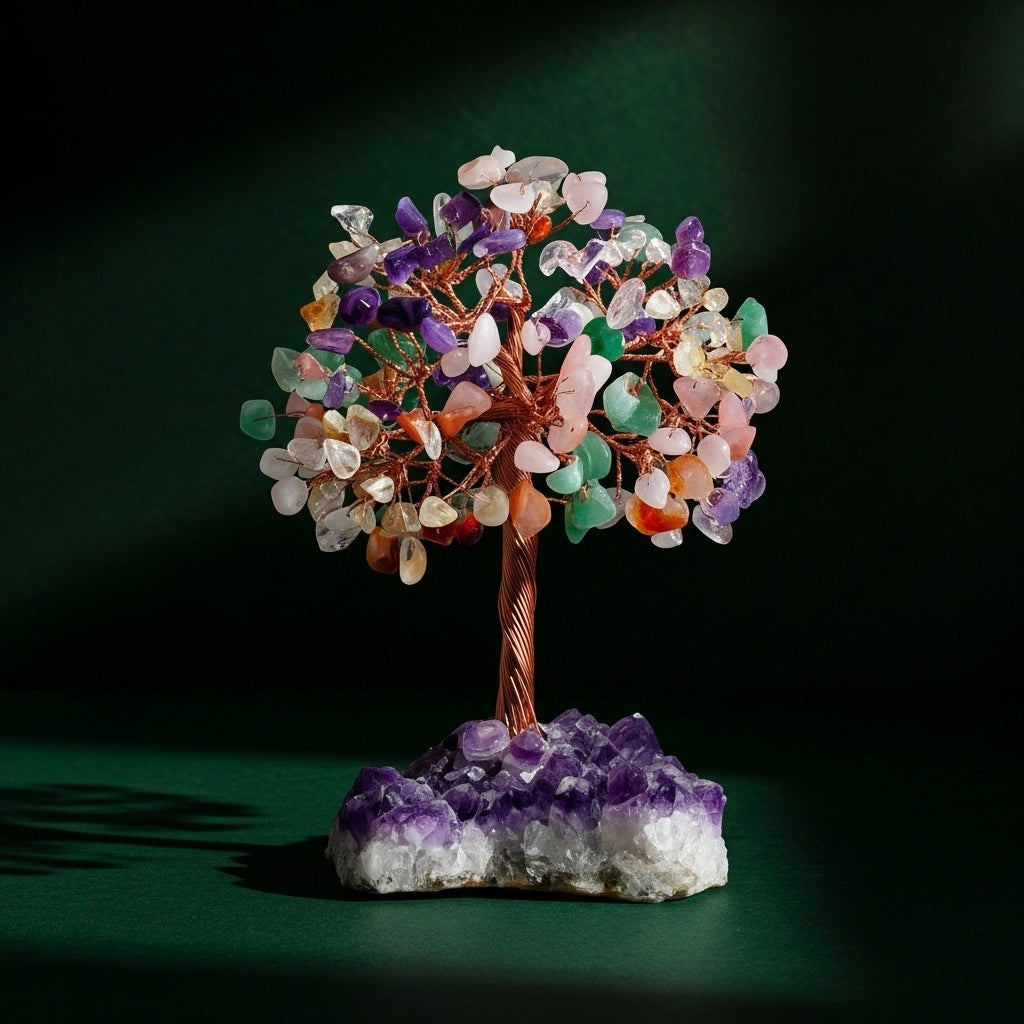
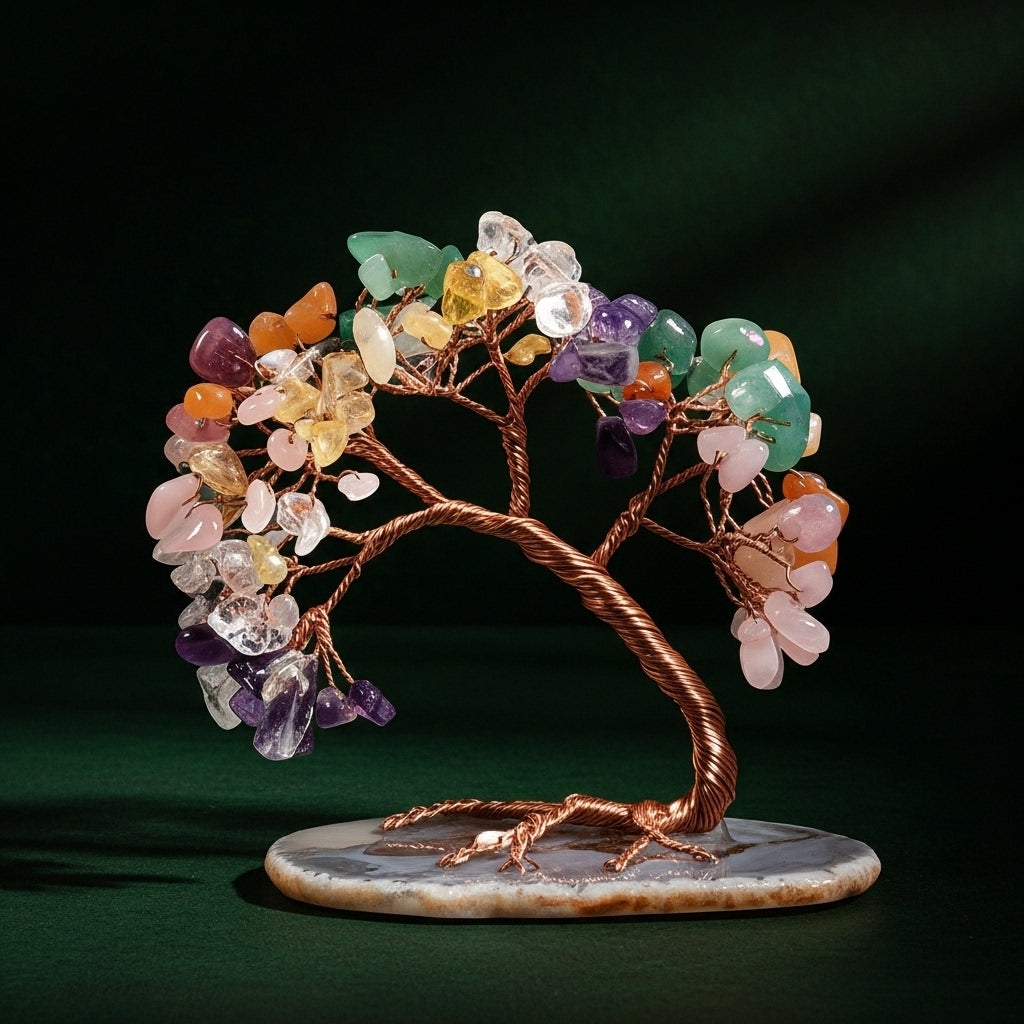
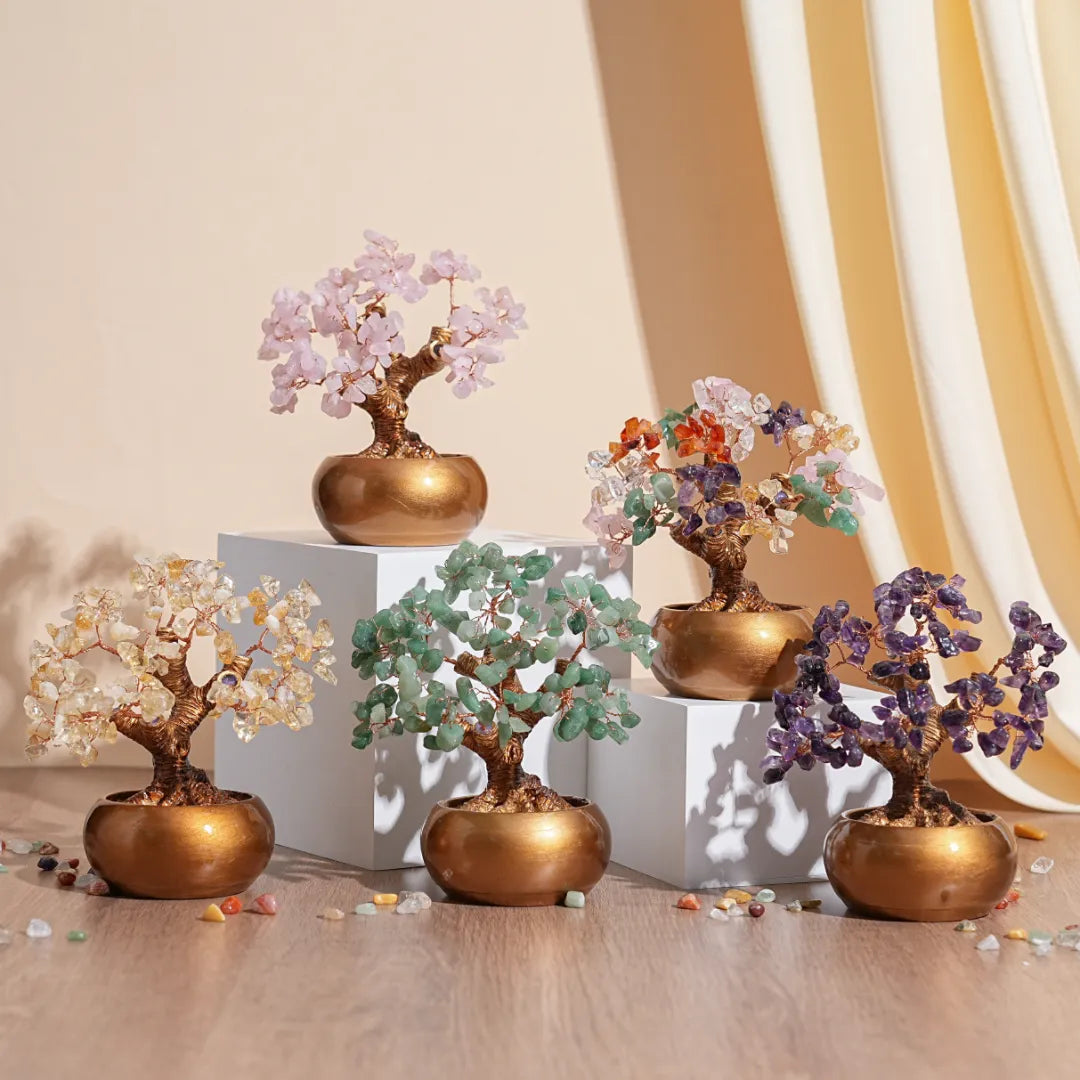
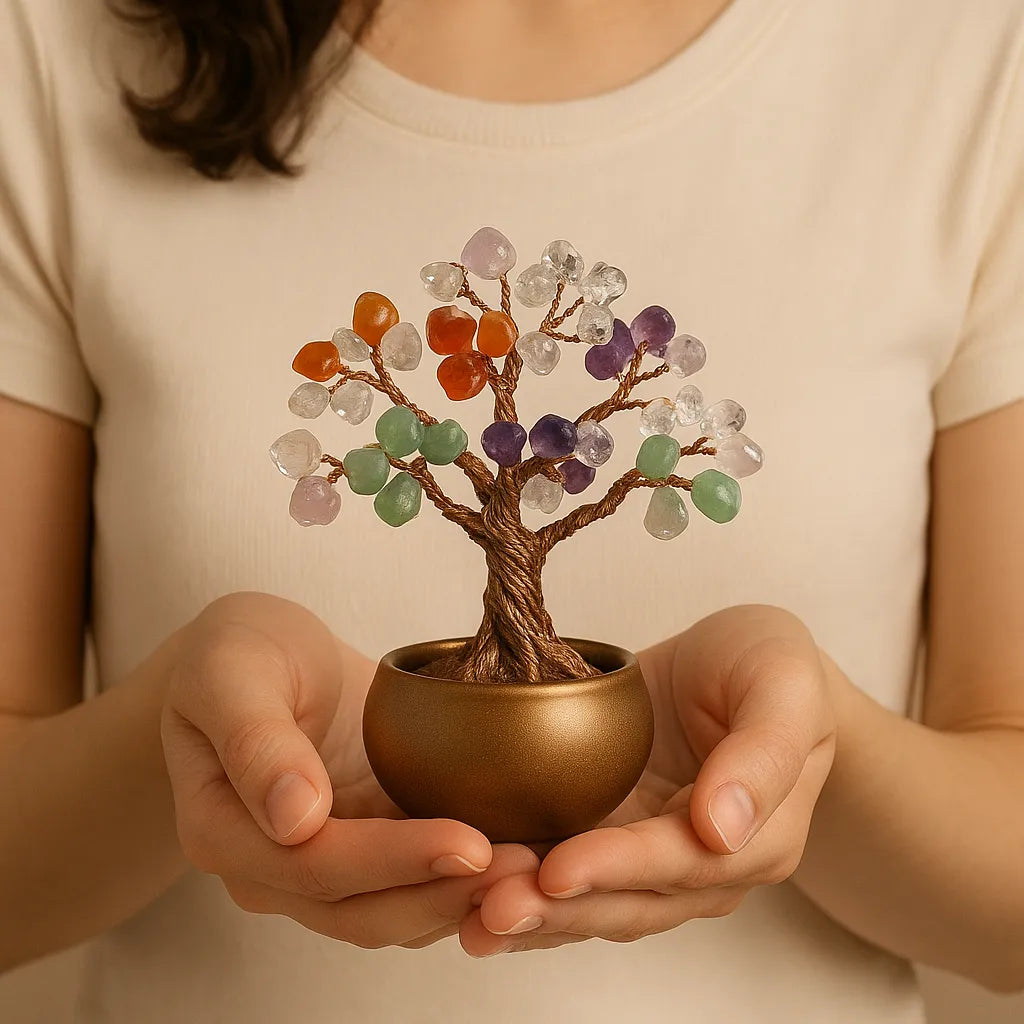
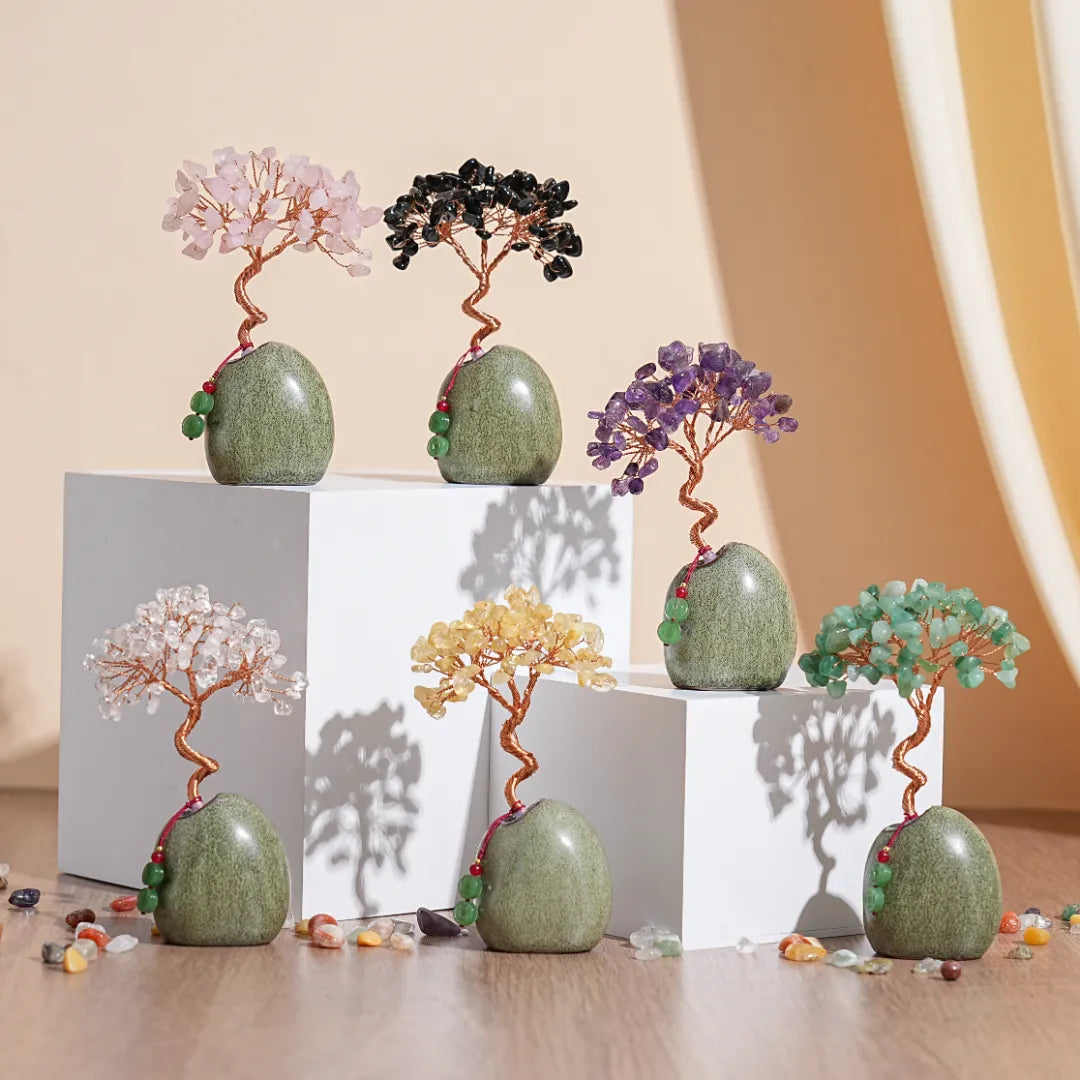
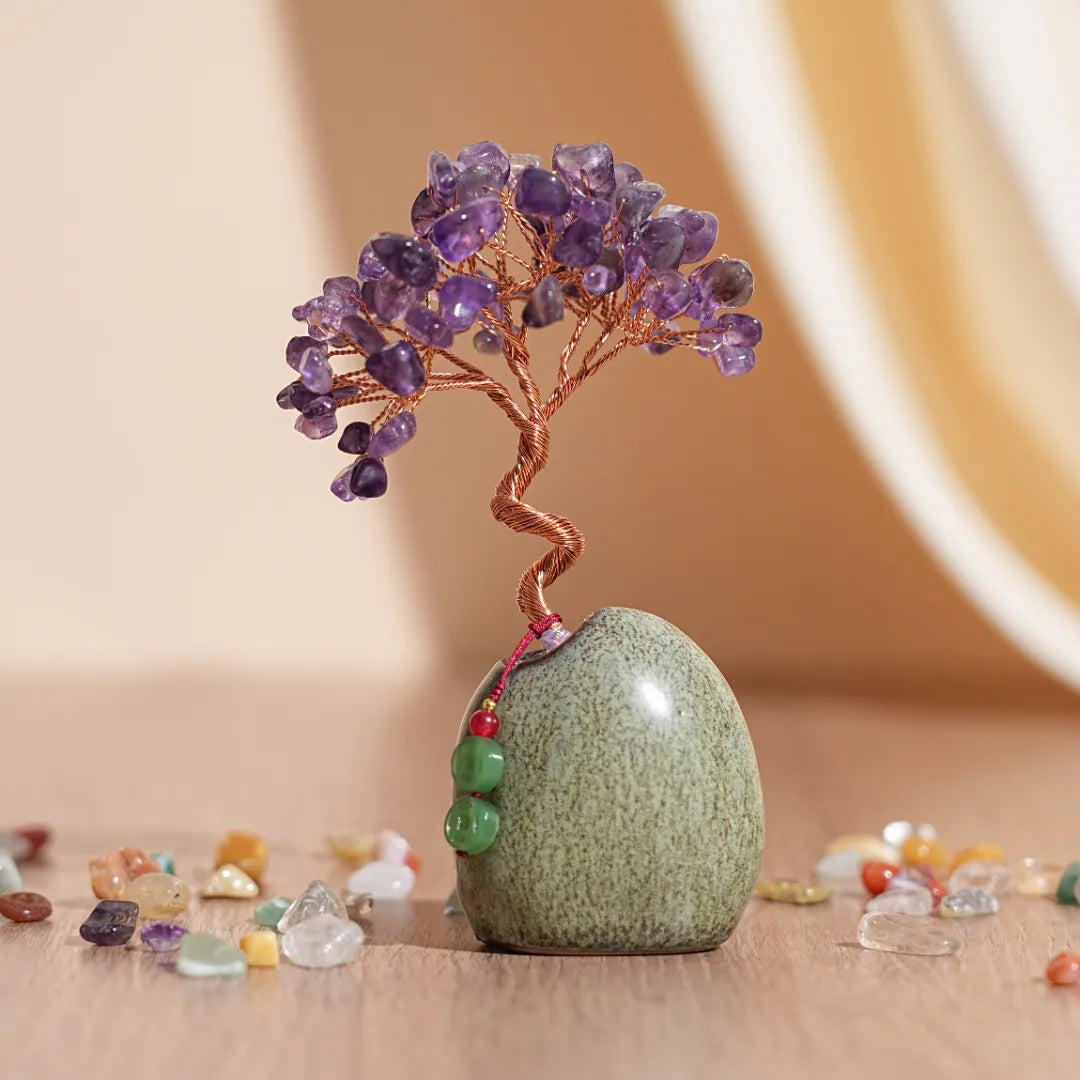
The Tree of Life Amethyst collection is also a popular choice, both for its symbolism of spiritual growth and for the beauty of the stones used.
To learn more, explore the selections:


How to buy an amethyst with confidence?
Here are some practical tips before making a purchase:
- Choose specialized sellers of natural stones.
- Ask about the origin: a serious seller will be able to tell you where the stone comes from.
- Look for customer reviews and the guarantees provided by the store.
- Be cautious with marketplaces offering jewelry at very low prices.
- Prefer carefully set jewelry, without excessive glue or questionable materials.
If you’re looking for pieces that are both beautiful and authentic, the article Amethyst Jewelry: Elegance and Energy will give you interesting leads to help you choose the creations that suit you.
Conclusion: true beauty is always natural
A genuine amethyst doesn’t just charm with its color: it radiates through its energies, its history, and its authenticity. Learning to recognize an authentic amethyst is also a step toward more conscious consumption that respects the Earth’s resources.
In a world saturated with imitations, choosing a natural stone means choosing truth. The truth of a stone that took millennia to form, and that, once in your hands, continues to vibrate with gentleness, calm, and power.
To go further:
Here is a selection of articles to read to deepen your knowledge about amethyst and its world:
- Amethyst: Stone of Wisdom and Spiritual Harmony
- The Fascinating Origin of Amethyst: From Nature to Your Jewelry
- Benefits and Properties of Amethyst
- Amethyst Jewelry: Elegance and Energy
How can you tell if an amethyst is real?
Observe the color (natural, non-uniform purple), the presence of inclusions, the cool feel to the touch, and verify the origin. A real amethyst often has imperfections visible to the naked eye.
What is the difference between natural and synthetic amethyst?
Natural amethyst comes from the Earth and contains natural inclusions. Synthetic amethyst is created in a laboratory: it is often too perfect, without flaws, and may have an abnormally intense color.
What color is an authentic amethyst?
It ranges from pale purple to deep violet, sometimes with pinkish or bluish hues. A perfectly uniform or fluorescent color is often a sign of imitation.
Where do the best amethysts come from?
The most renowned deposits are found in Brazil, Uruguay, Madagascar, and Zambia. These countries produce high-quality natural amethysts.
Can an amethyst lose its benefits?
Yes, if it is overly exposed to negative energies or poorly maintained. It is recommended to purify it regularly so that it retains its properties.
Read more
Dive into the spiritual world of amethyst, a natural stone renowned for its calming and protective properties. Discover its history, its benefits in lithotherapy, and how to incorporate it into you...

Discover the benefits and virtues of amethyst, an essential natural stone in lithotherapy. From its calming properties to its spiritual power, explore how amethyst can enhance your daily well-being.


