








Real or Synthetic Peridot: How to Identify an Authentic Natural Gemstone?
Table of Contents
- Introduction:
- What Exactly Is Peridot?
- Natural, Synthetic, or Imitation Peridot: What’s the Difference?
- How to Recognize a Genuine Peridot Stone?
- Common Mistakes When Buying Peridot Jewelry
- Why Choose Natural Peridot Over a Synthetic Stone?
- Crystal Healing Comparison Table: Properties, Chakras & Care Guide
- Practical Tips for Choosing the Perfect Peridot Jewelry
- Frequently Asked Questions: Real or Synthetic Peridot
Introduction:
Peridot captivates with its luminous green hue—fresh, sun-drenched, and inherently elegant. Yet when shopping for a piece of jewelry, a common question arises: how can you be certain you are acquiring a genuine natural peridot stone rather than an imitation or a synthetic version? It is a completely legitimate question. To the untrained eye, many green gemstones appear strikingly similar, and not every jewelry enthusiast has the trained eye of a gemologist to tell them apart.
Fortunately, there are several reliable hallmarks to help you recognize genuine peridot. Color, transparency, inclusions, price, origin, and setting craftsmanship: every detail counts. This guide is designed to illuminate your journey with simple, practical, and dependable insights—whether you are drawn to the stone for its aesthetic allure, fine jewelry styling, or the celebrated peridot benefits treasured in the realm of natural crystals.
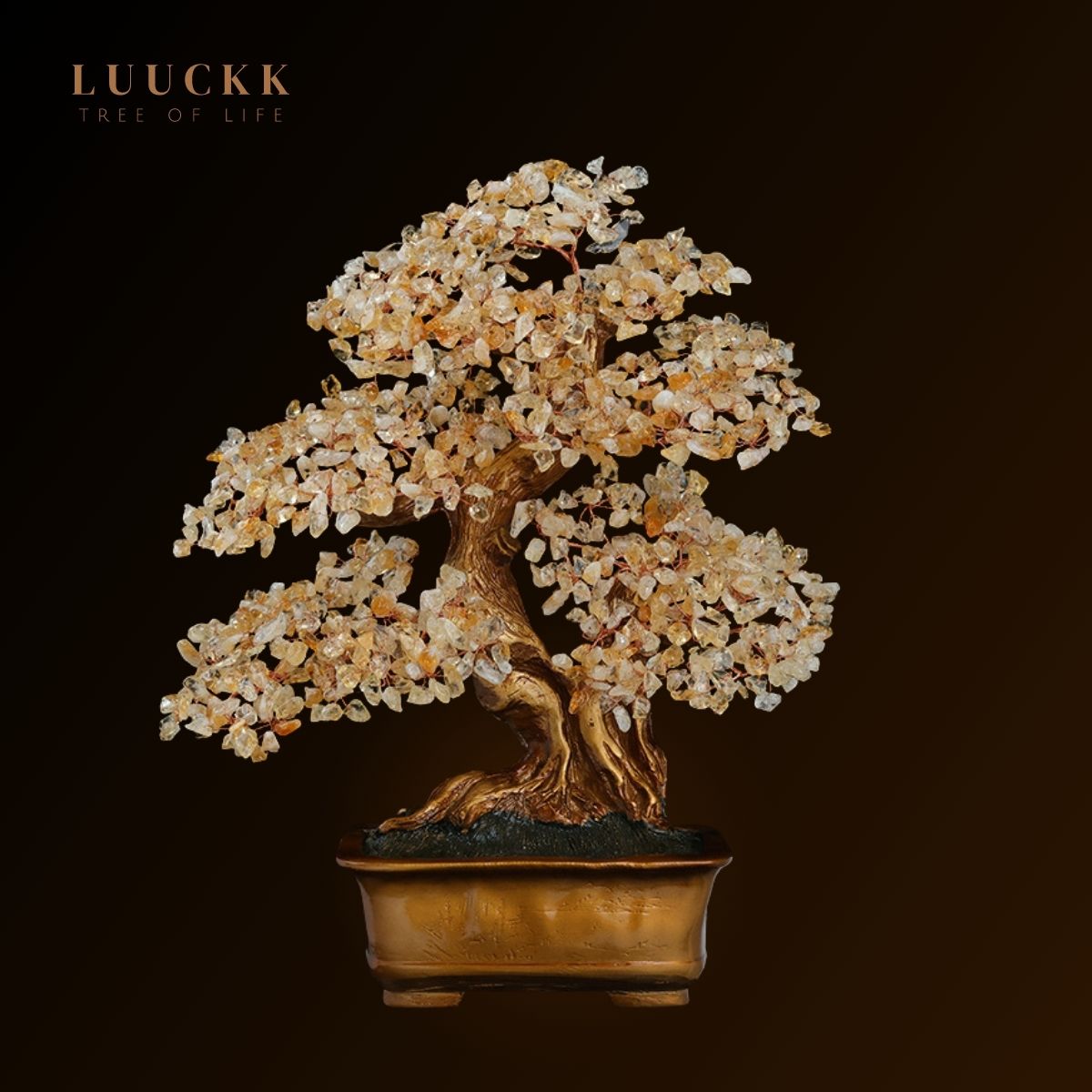
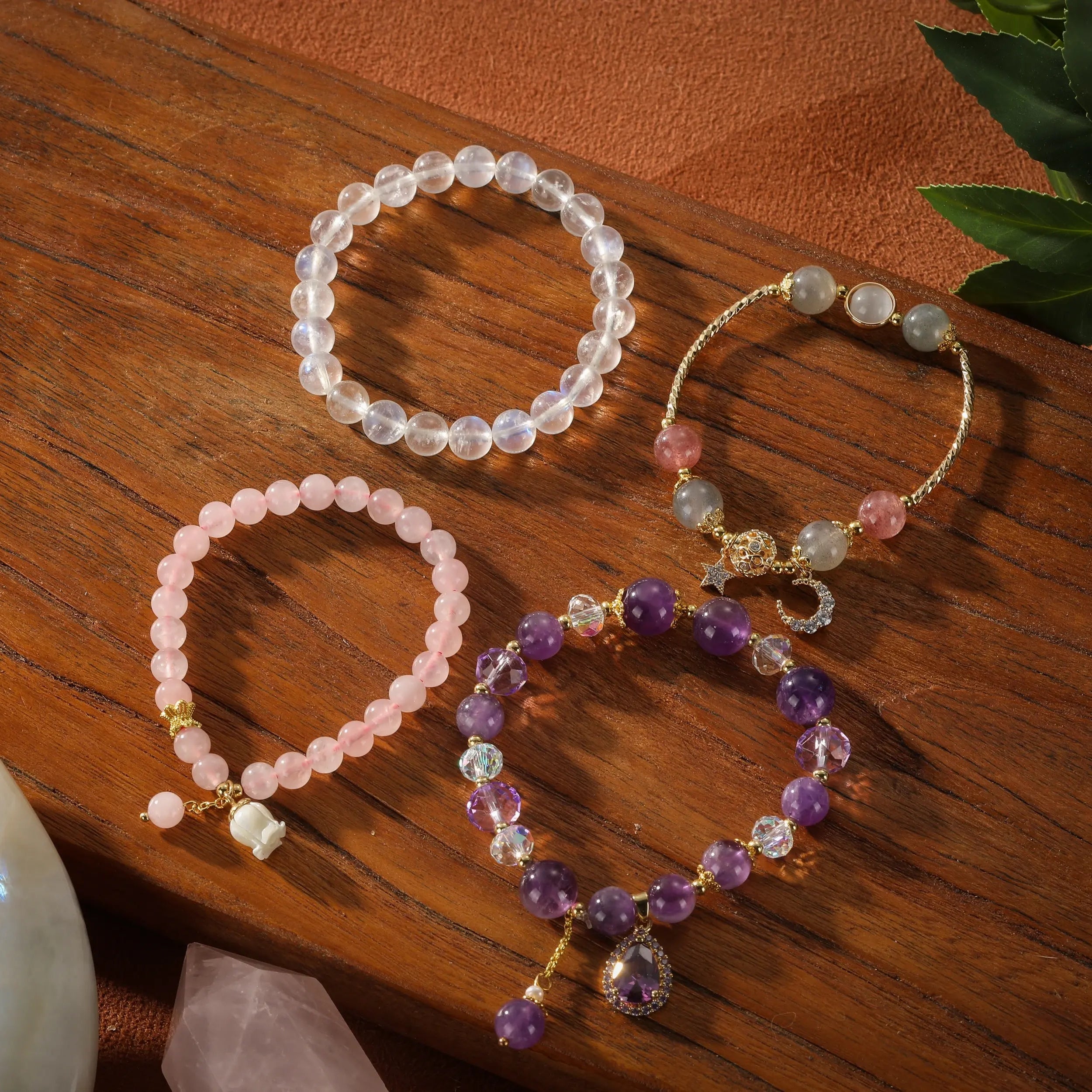
Luuckk Crystal Selection: Real or Synthetic Peridot



What Exactly Is Peridot?
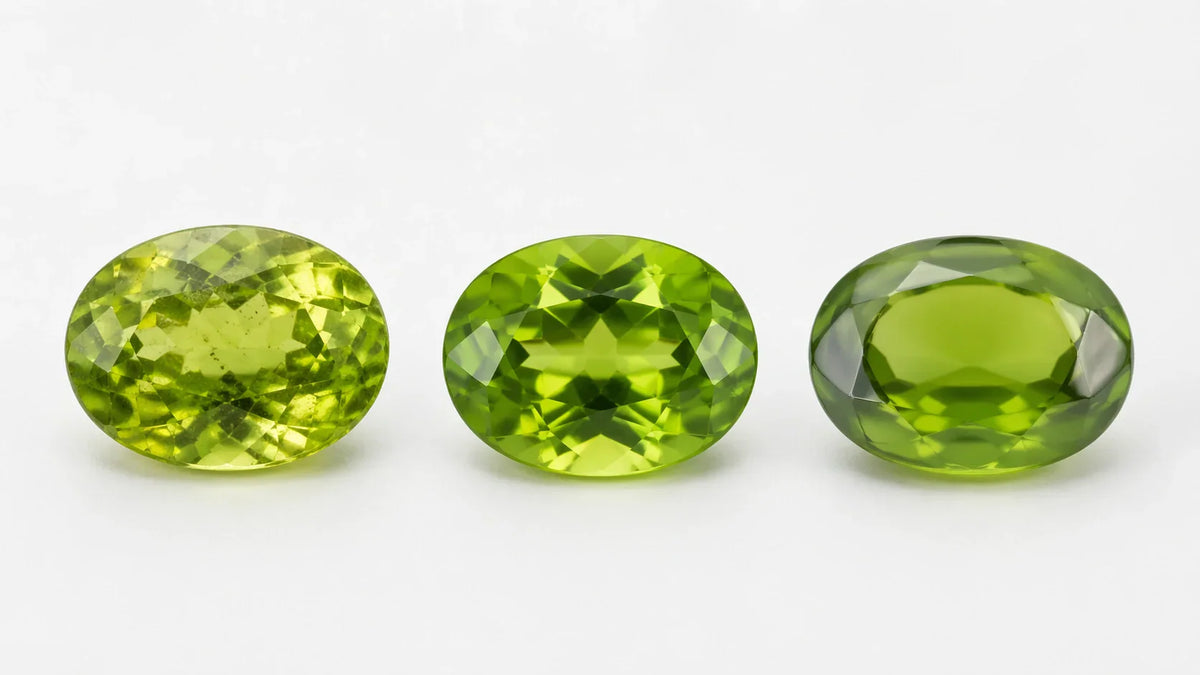
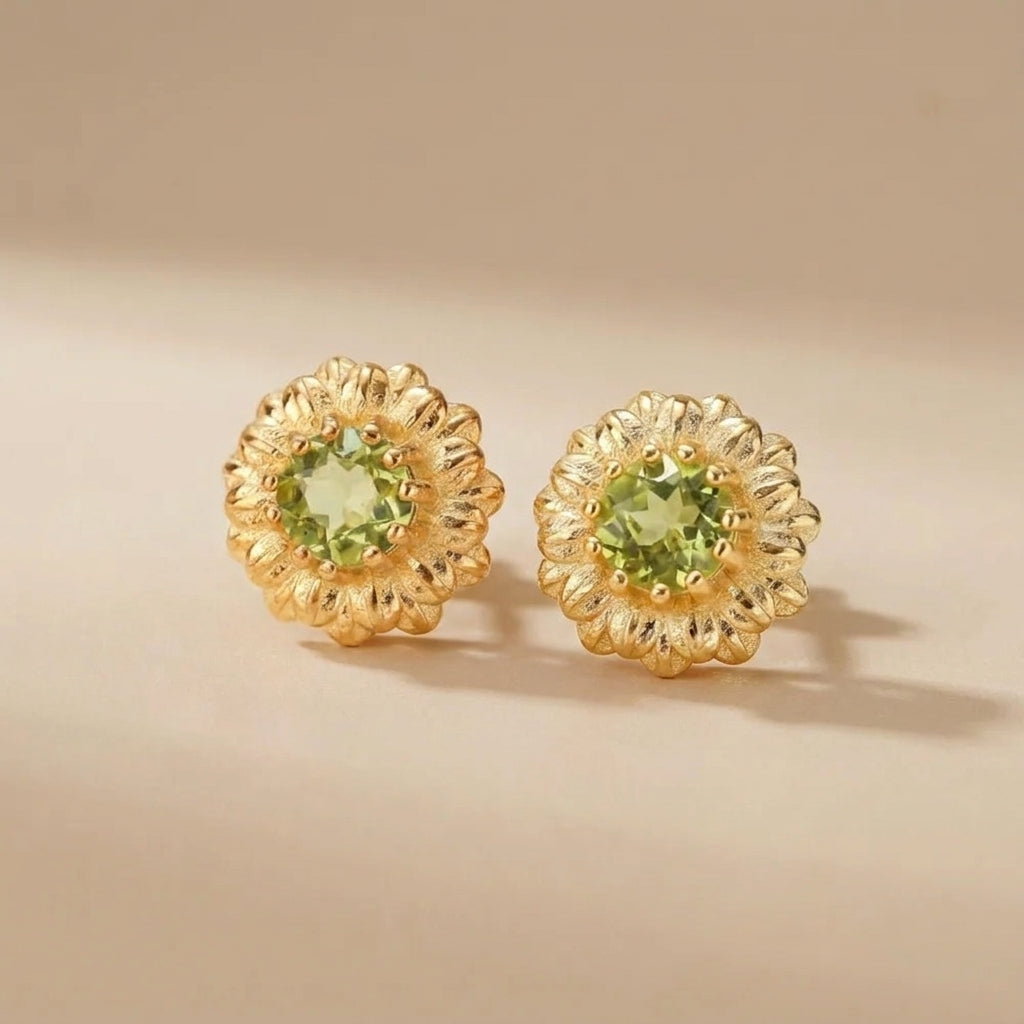
Peridot is the gem-quality variety of olivine, a mineral naturally formed in deep volcanic and magmatic rocks. Its signature vibrant green glow originates primarily from its iron-rich chemical composition. Unlike other gemstones that occur in a rainbow of shades, peridot is idiochromatic, remaining within a distinct, refined chromatic spectrum: yellow-green, olive green, golden-green, or vivid pure green.
This singular visual identity is precisely what lends peridot its magnetic appeal. It commands attention effortlessly without being overpowering, endowed with a natural inner brilliance that feels truly alive. In fine jewelry, it graces both delicate everyday designs and bold statement creations. Connoisseurs of Peridot Jewelry cherish its remarkable gift for elevating any silhouette with radiant, understated luxury.
Peridot also holds a revered place among soulful gemstones. It is chosen not only for its sparkling nuance, but for what it embodies: renewal, clarity, and vital energy. This explains why it remains a timeless centerpiece across peridot jewelry collections and authentic gemstone explorations alike.
To delve deeper into the rich universe of this gemstone, explore our dedicated article Peridot: Stone of Light and Renewal.

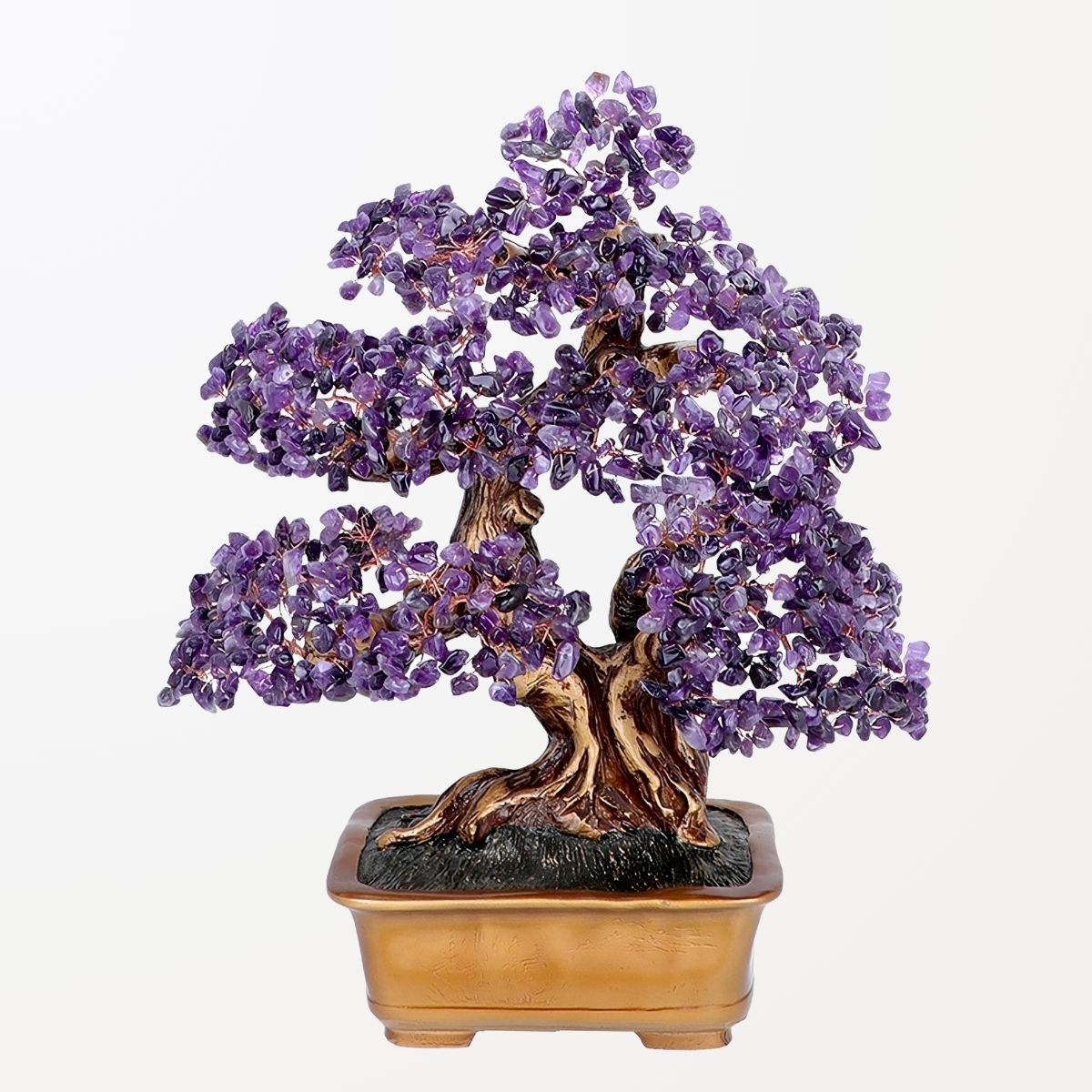
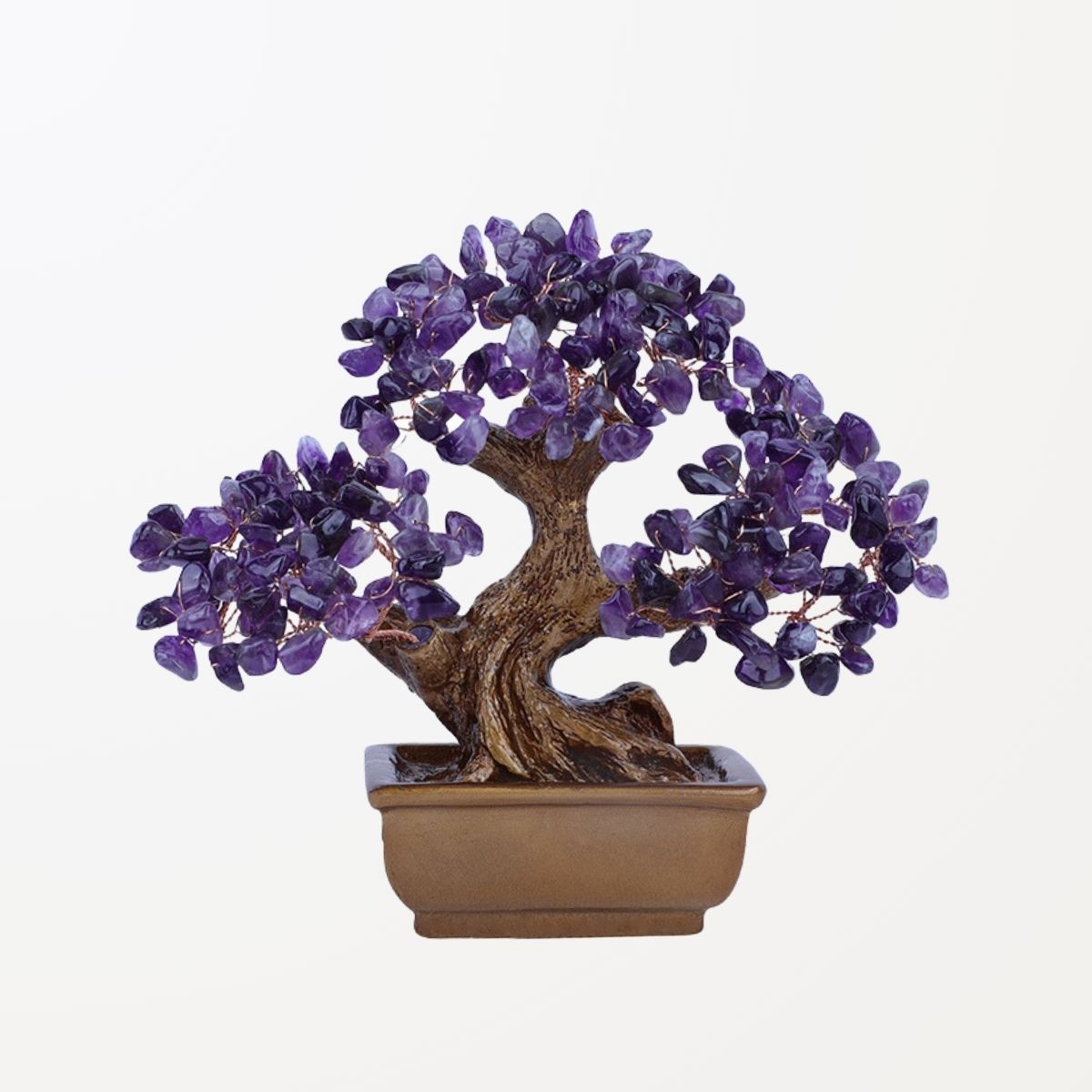
Handcrafted Healing Crystal Creations & Tree of Life Collection






Natural, Synthetic, or Imitation Peridot: What’s the Difference?
Before seeking to authenticate a stone, it is essential to understand what is truly being compared.
Natural Peridot
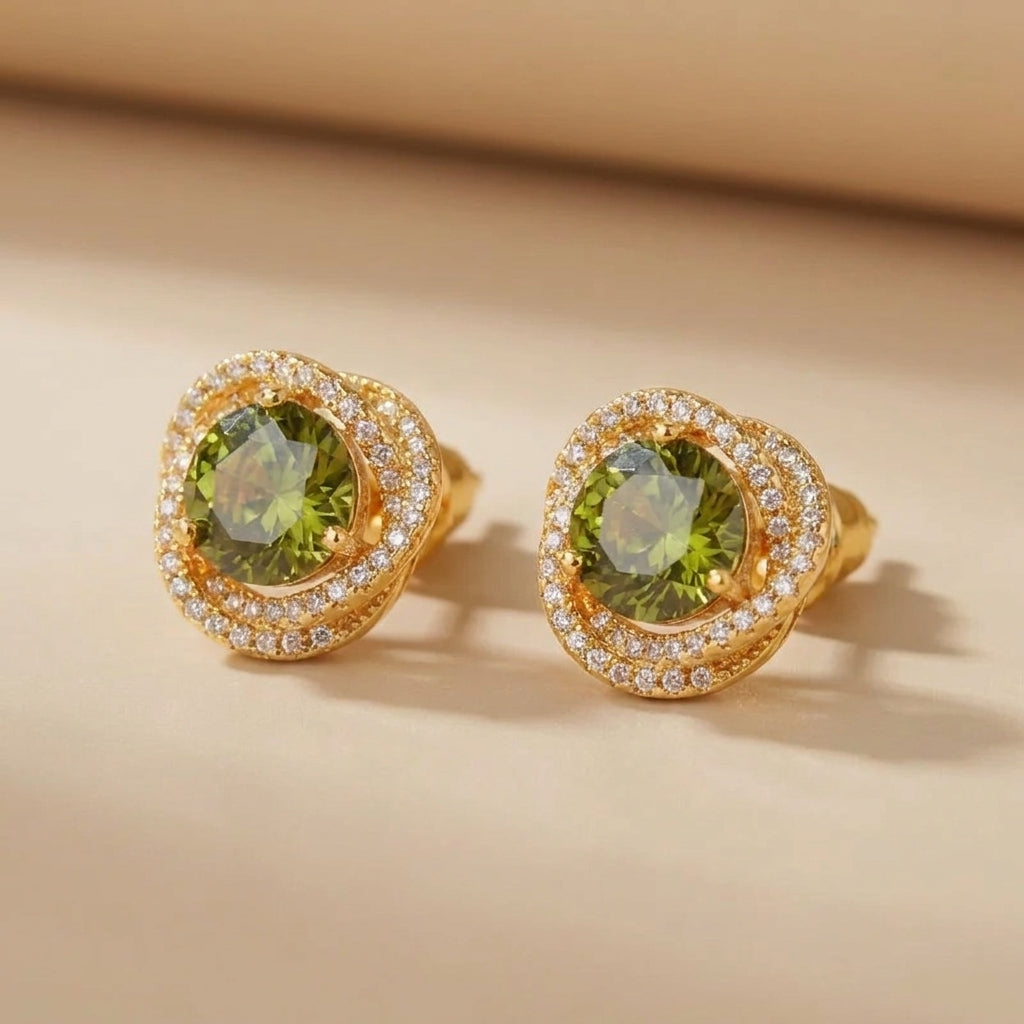
A natural peridot stone is a pure creation of the Earth. It forms over millions of years through complex, unique geological phenomena deep within the mantle. This means that no two Healing Crystals are ever completely identical. Even when two gems appear remarkably similar, they almost always reveal subtle internal characteristics or distinctive undertones that make each piece one of a kind.
Synthetic Peridot
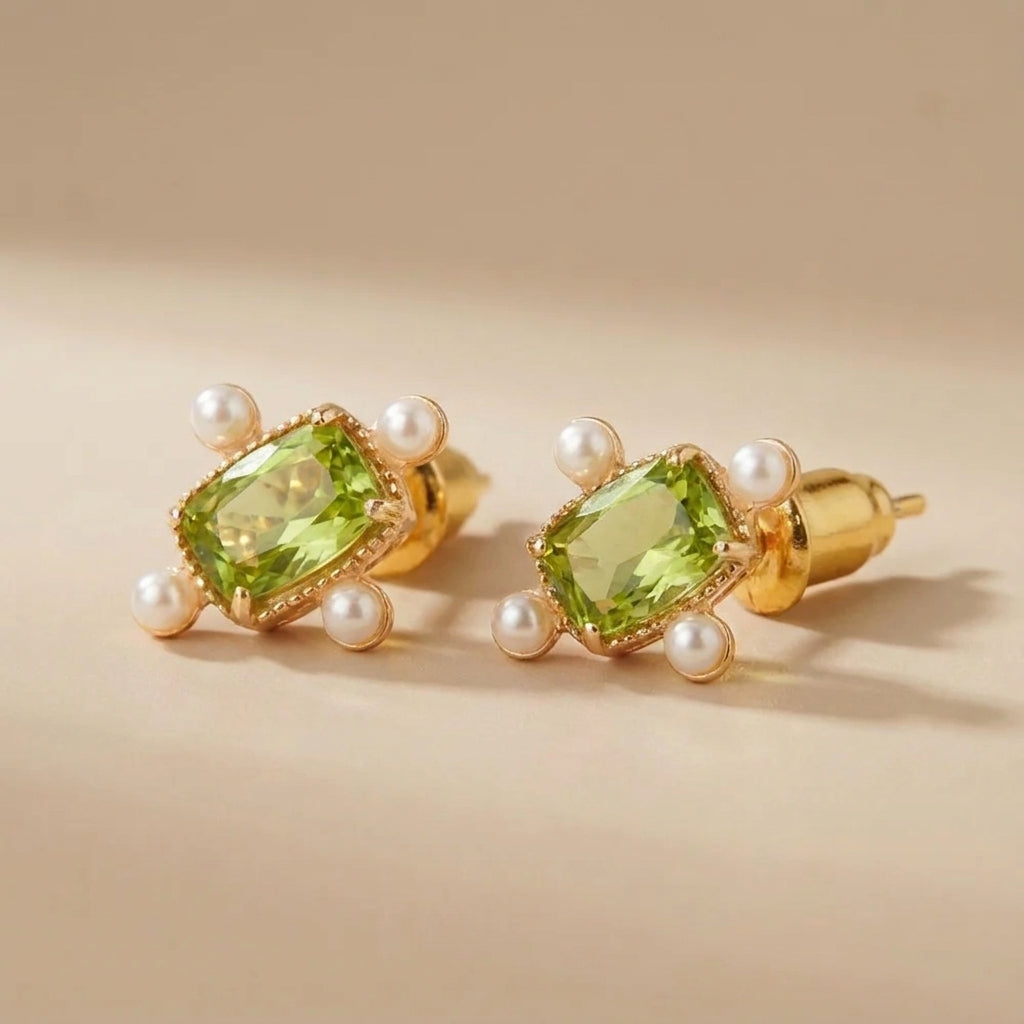
A synthetic gem is grown in a laboratory to replicate the chemical and optical properties of a Crystal. While it may mimic the appearance, color, and certain physical attributes of genuine peridot, the primary issue lies in transparency—especially when it is marketed as natural. A laboratory-created stone simply lacks the rarity, soul, and profound geological heritage of the real thing.
Peridot Simulants and Imitations
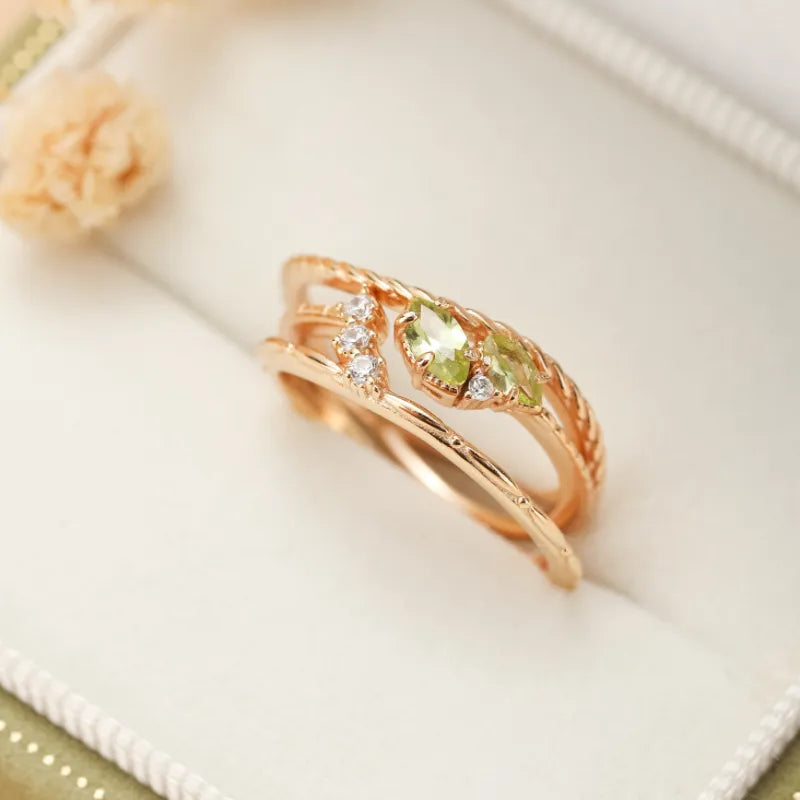
Then there are outright imitations that contain no peridot at all. These are often composed of colored glass, tinted crystal, or less valuable green minerals sold under deceptive trade names. This is where uninformed purchases happen most often: an appealing green sparkle is never, by itself, a guarantee of authenticity.
For the discerning collector, the true question is not simply “is it pretty?”, but rather: is it truly an authentic natural peridot?
How to Recognize a Genuine Peridot Stone?
To successfully identify genuine peridot, you do not need a gemological laboratory at home. You simply need to know how to observe key diagnostic details.
Observe the Color with Care
Natural peridot showcases a radiant, warm green hue infused with delicate golden or yellow undertones. It does not possess the deep, cool green of emeralds, nor the flat, monochromatic tone typical of synthetic glass.
Key visual clues to keep in mind:
- An olive-green to golden-green tone is typical of a natural gemstone
- An overly flat or unnaturally uniform hue can be a red flag
- An overly saturated, almost neon or fluorescent glow is not characteristic of natural peridot
- The gem should exhibit optical depth and warmth, rather than a simplistic colored-glass look
Authentic peridot possesses this extraordinary quality: it catches and refracts light with organic subtlety and vibrant life.
Examine the Inclusions
Inclusions are tiny internal mineral crystals or growth signatures visible under a jeweler's loupe, and occasionally with the naked eye depending on clarity. Many buyers mistakenly assume that a flawless stone is inherently superior. In reality, in the world of natural gemstones, subtle internal inclusions are often nature’s authentic fingerprint.
A stone that looks completely immaculate, overly glassy, and suspiciously flawless—particularly at an accessible price point—warrants careful scrutiny. A natural peridot stone often displays delicate natural inclusions (such as disc-like "lily pad" inclusions), whereas glass imitations tend to look either artificially blank or exhibit spherical air bubbles.
Assess Transparency and Brilliance
Peridot exhibits a vitreous, radiant luster characterized by strong natural double refraction (birefringence), which often gives its pavilion facets a gentle, softened doubling effect. It lacks the cold, synthetic glare of cheap imitations. An authentic stone allows light to pass through gracefully while preserving a rich, lively visual texture. If the reflection feels sterile, overly glassy, or dull, caution is advised.
Evaluate Price with Discretion
Fine-grade natural peridot—expertly cut and set in quality jewelry—commands a fair and consistent market value. An unusually cheap offer should always raise questions. While pricing naturally varies, a stone advertised as large, exceptionally pure, rare, and yet offered at a bargain basement price is almost certainly synthetic or imitation.
Verify Origin and Transparency of Information
A trustworthy jeweler should always provide:
- A clear, precise description of the gemstone
- Unambiguous details regarding its natural origin
- Exact specifications of the precious metal setting
- High-definition, true-to-life photography
- A commitment to ethical sourcing and transparency
When a product page is vague or evasive, skepticism is justified. In contrast, a brand that openly explains the origin and craftsmanship of its gems inspires genuine confidence.
To expand your appreciation of this stone's symbolic qualities, read our feature on Benefits and Virtues of Peridot.

Common Mistakes When Buying Peridot Jewelry
Acquiring natural gemstone jewelry requires thoughtful discernment. Several missteps are common, especially when purchasing online.
Relying Solely on Photographs
A stunning photograph does not guarantee authenticity. Studio lighting, digital retouching, and specific camera angles can dramatically alter the appearance of a stone. Always read the full product specifications and verify the exact materials detailed by the seller.
Confusing Peridot with Other Green Gems
Peridot can easily be mistaken for green tourmaline, prasiolite, or colored glass. This is why a commercial product title alone is not enough. You must ensure total harmony between the visual aesthetic, material description, and the brand's expertise.
Overlooking the Overall Quality of the Jewelry
An authentic Crystal set in a poorly made mounting loses much of its grace. When choosing Peridot Jewelry, examine the entire creation: gemstone quality, mounting resilience, precision finishes, timeless design, and brand reputation.
Rushing a Purchase Due to Flash Discounts
A steep discount may be tempting, but it should never replace careful consideration. When it comes to fine peridot jewelry, the best investment is rarely the cheapest—it is always the most transparent and authentic.
To explore handcrafted pieces celebrating the brilliance of this gem, browse our curated Peridot Jewelry Collection.

Why Choose Natural Peridot Over a Synthetic Stone?
Choosing a natural gemstone is an investment in authenticity. This holds true for the physical material as well as the emotional resonance it conveys. A natural peridot holds an ancient geological journey within its crystalline matrix, having crystallized under elemental forces that no laboratory can ever replicate.
This individuality speaks deeply to those seeking more than a passing accessory. A fine peridot jewel becomes a deeply meaningful talisman. You are no longer merely selecting a color—you are embracing a gemstone with genuine soul and presence.
This connection also explains why interest in peridot benefits remains so enduring. Many seek to understand the symbolism, protective aura, and vitality this stone has inspired across cultures. Beyond metaphysical attributes, the visual distinction is unmistakable: a natural gem exudes an organic, nuanced depth that feels infinitely richer and more alive than uniform synthetic glass.
To delve further into the intersection of elegance and positive energy, our feature on Peridot Jewelry: Elegance and Energy provides an inspiring continuation.
Crystal Healing Comparison Table: Properties, Chakras & Care Guide
This comparison chart summarizes the key crystal properties, Mohs hardness ratings, chakra alignments, and cleansing rituals recommended by Lina.
Crystal Family & Intention | Chakra Alignment & Mohs Hardness | Cleansing, Charging & Feng Shui Placement |
Love, Compassion & Emotional Harmony | Heart Chakra (Anahata) — Mohs hardness 6 to 7/10; nurtures inner peace and emotional balance. | Place in the Southwest Bagua sector or bedroom; cleanse with white sage smudge and recharge under full moonlight. |
Grounding, Shielding & Confidence | Root & Solar Plexus Chakras — Mohs hardness 7/10; anchors energy and wards off negativity. | Position near the front entryway or workspace; smudge weekly with Palo Santo and recharge on a Clear Quartz cluster. |
Abundance, Clarity & 7-Chakra Balance | Crown, Third Eye & Full 7 Chakras — Mohs hardness 7/10; elevates focus and spiritual vitality. | Ideal for the living room or meditation corner (Southeast wealth sector); recharge on an Amethyst geode or Selenite plate. |
Practical Tips for Choosing the Perfect Peridot Jewelry
Before making your purchase, keep these essential benchmarks in mind. They will protect you from imitations and guide you toward an authentic stone of superior beauty and craftsmanship.
Essential Quality Checklist
- The color should be radiant, lively, and natural
- The product description must explicitly state the natural origin of the gem
- The price should align with the quality and precious metals used
- The jeweler must provide comprehensive, reassuring specifications
- The mounting must protect and accentuate the stone with refined craftsmanship
- Photography should showcase the jewelry from multiple transparent angles
Most Sought-After Peridot Jewelry Styles
Peridot lends itself beautifully to an array of elegant jewelry pieces:
- Refined rings designed to showcase the gemstone's golden-green radiance
- Luminous pendants and necklaces effortlessly suited for daily elegance
- Delicate bracelets offering a whisper of organic color
- Sophisticated earrings, ranging from subtle studs to graceful dangles
Your choice ultimately depends on your personal aesthetic, as well as gemstone cut and clarity. A modest, finely cut natural gem will always radiate far greater luxury than an oversized, dubious imitation.
To review all essential insights on this topic, you can also revisit Real or Synthetic Peridot: How to Identify an Authentic Natural Gemstone?.
Knowing how to recognize genuine peridot comes down to keen observation and thoughtful standards. An authentic natural peridot stone distinguishes itself through its vibrant olive-golden green color, organic luster, characteristic internal inclusions, and transparent seller documentation. In contrast, an unnaturally uniform, glassy, or unrealistically cheap stone should always urge caution.
When choosing authentic Peridot Jewelry, prioritize jeweler integrity, comprehensive descriptions, and harmonic balance between gemstone quality, precious metal setting, and value. It is this discerning eye for detail that safeguards you against imitations and allows you to savor the enchanting beauty of real peridot.
Ultimately, a fine piece of jewelry is far more than its visual shine. It carries the story of the Earth's natural treasures. And when it comes to peridot, that authenticity makes all the difference.
Daily Energy, Protection & Harmony: Lina’s Favorites


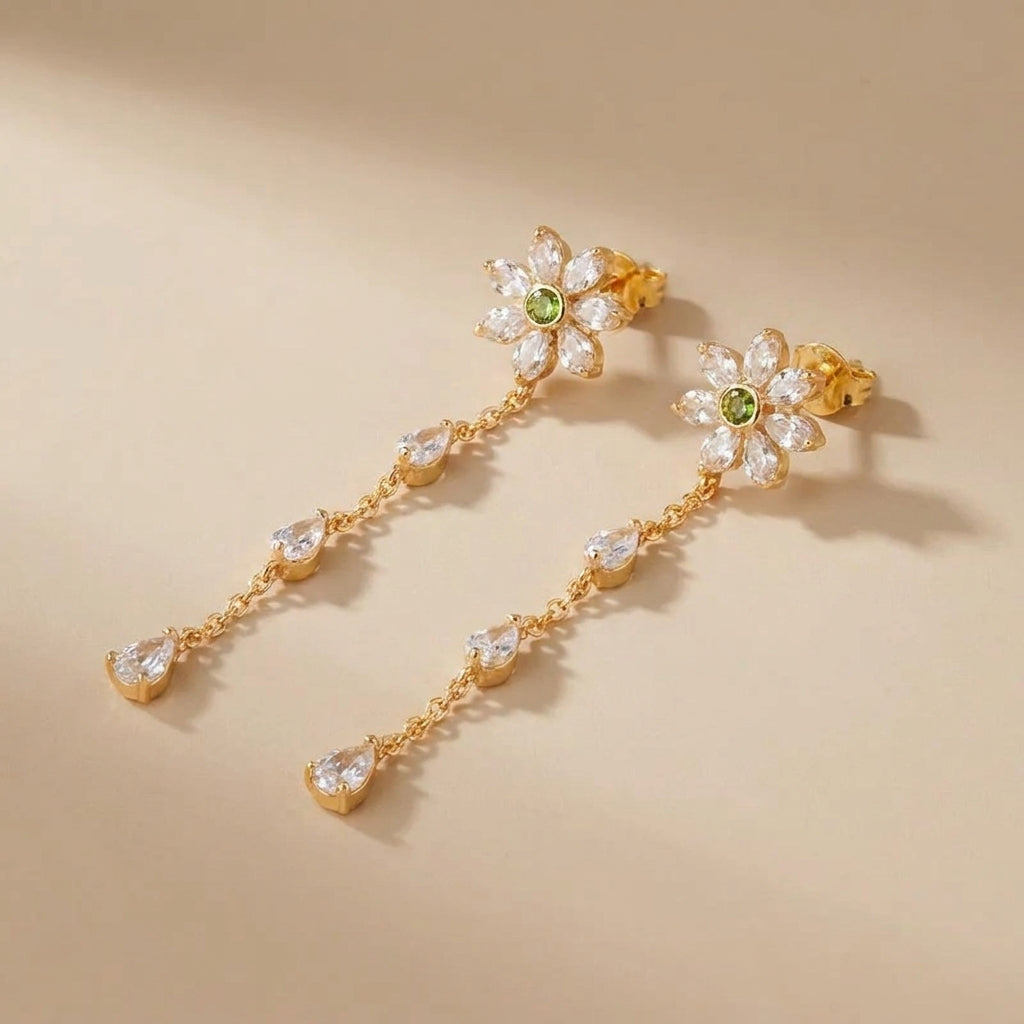


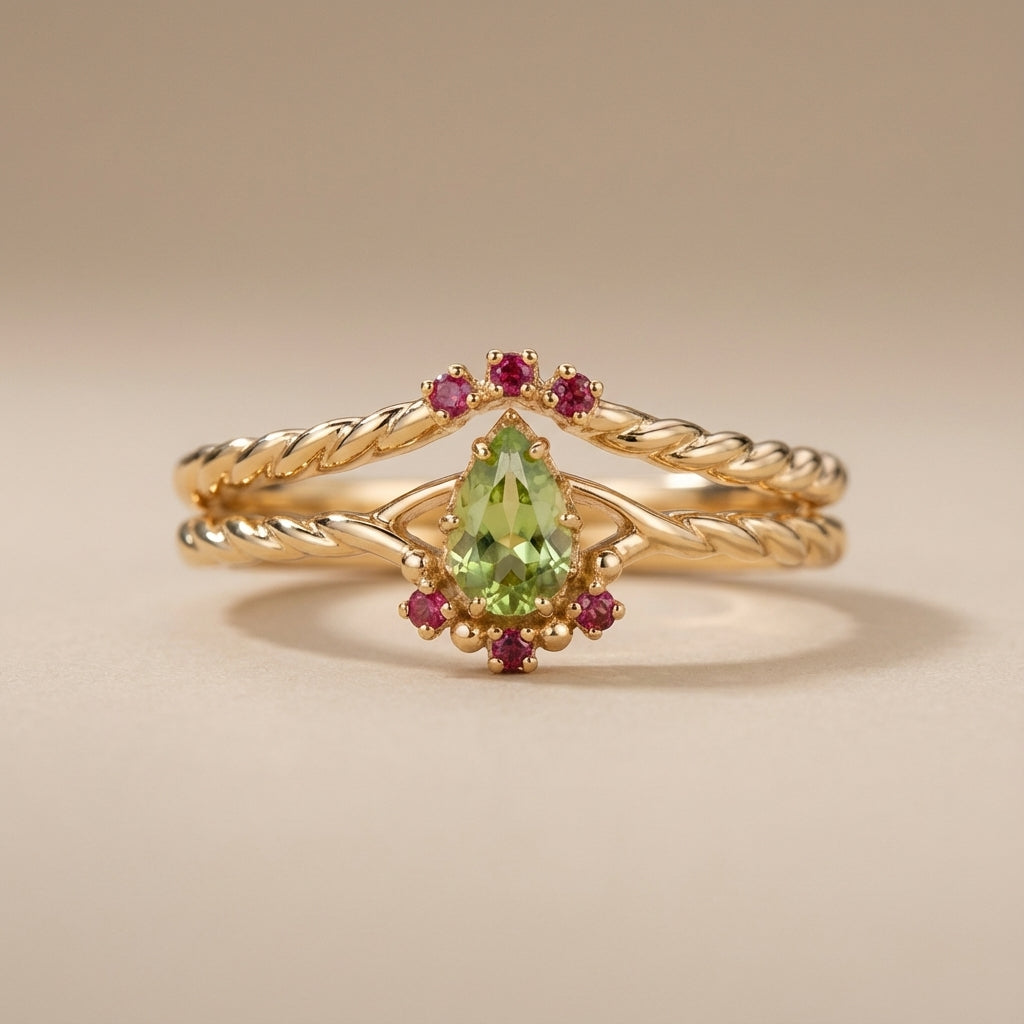
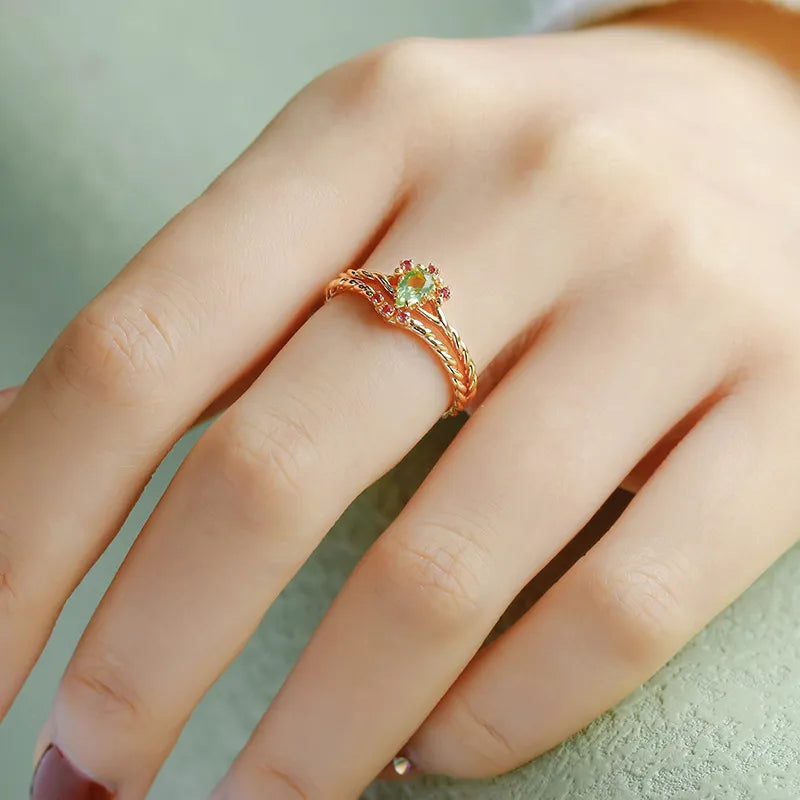


Explore our handcrafted crystal collections: Tree of Life Crystal Collection, Healing Crystal Jewelry, and Natural Crystal Bracelets. Read our related crystal guides: Significance And Benefits Of The Tree Of Life, The Tree Of Life In Natural Stone The Perfect Gift For Every Occasion, and Which Natural Stone To Choose For Your Tree Of Life.
Frequently Asked Questions: Real or Synthetic Peridot
How to recognize a genuine peridot stone?
Genuine peridot is recognized by its luminous warm green color, natural vitreous luster, double refraction, and typical subtle internal inclusions. A stone that is overly glassy, flawless, or completely uniform is often synthetic or glass imitation.
Does natural peridot always have inclusions?
Not always, but delicate internal inclusions are very common in natural peridot. Far from being flaws, they often serve as natural proof of authentic origin.
What is the color of authentic peridot?
Authentic peridot typically displays a luminous green color with olive, golden, or warm yellow undertones. An overly dark green, flat color, or neon artificial hue should be viewed with skepticism.
Can you wear peridot jewelry every day?
Yes, peridot can be worn every day, especially in necklaces, pendants, bracelets, and earrings. As with all fine gemstones, mindful care will preserve its radiant brilliance for years to come.
What are the most well-known peridot benefits?
Peridot is traditionally associated with mental clarity, renewal, and positive uplifting energy. In the world of natural gemstones, it is celebrated for its sunlit, harmonizing symbolism.
Read more

The natural peridot stone captivates with its vibrant, almost sun-drenched green glow. Perfectly balancing botanical freshness and golden light, it allures both crystal enthusiasts and lovers of re...

The world of fine gemstones never ceases to enchant lovers of authentic jewelry, yet certain gems hold a charm entirely their own. Such is the case with peridot, a luminous Crystal whose green hue ...

Perfect for Gifting
Gift meaningful creations that bring joy and harmony.

Secure Payment
Payments are securely processed via Shopify & PayPal.

Money-Back Guarantee
Easy returns within 14 days of receiving your order.
Rated Excellent by our customers on Trustpilot
