








History and Legends of the Ginkgo: From Antiquity to Today
Table of Contents
- Introduction: The Ginkgo, a Tree Like No Other
- At the Origins: The Ginkgo, Survivor of Ancient Times
- The Ginkgo in Ancient Civilizations: Medicine and Spirituality
- Myths and Legends: When the Ginkgo Becomes a Symbol
- The Ginkgo in Europe: A Late Yet Intense Fascination
- The Ginkgo in Modern Decor: Aesthetics and Serenity
- The Ginkgo in Jewelry: From the Leaf to a Personal Talisman
- The Ginkgo Symbol: Between Tradition and Modernity
- Crystal Healing Comparison Table: Properties, Chakras & Care Guide
- Conclusion: One Leaf, A Thousand Stories
- Frequently Asked Questions: History and Legends of the Ginkgo
Introduction: The Ginkgo, a Tree Like No Other
What if there existed a tree capable of transcending the ages, withstanding catastrophes, and continuing to flourish peacefully where everything else was destroyed? This is no fairy tale opening, but the true story of the Ginkgo, a fascinating botanical marvel that has inspired admiration, reverence, and wonder for thousands of years.
Celebrated for its delicate fan-shaped leaf and remarkable longevity, the Ginkgo is far more than a botanical wonder. It also embodies a profound symbol—one of resilience, inner peace, memory, and the connection between worlds. Today, it still graces Asian temples, urban avenues, serene zen sanctuaries, and exquisite jewelry designs alike.
Where does this powerful symbol originate? What is the history of the Ginkgo, and how did its symbolism evolve through the centuries? Join us on a captivating journey across the ages, weaving together historical facts and mythical lore.
Luuckk Crystal Selection: History and Legends of the Ginkgo





At the Origins: The Ginkgo, Survivor of Ancient Times
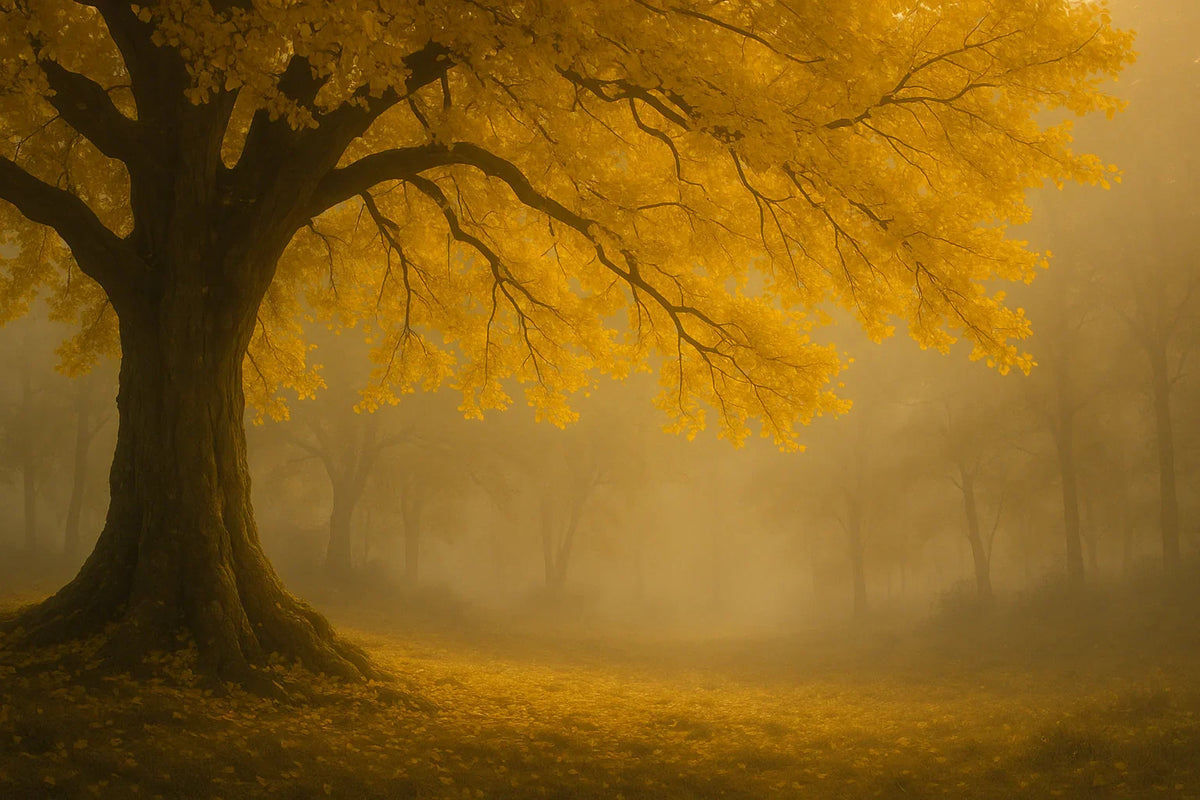
Ginkgo biloba is often referred to as “the living fossil”. And with good reason: its direct ancestors appeared more than 270 million years ago, long before the dinosaurs. It is one of the oldest known tree species on Earth and, remarkably, the sole survivor of its ancient lineage. It witnessed ice ages, mass extinctions, and monumental climate shifts… without ever disappearing.
Native to China, the Ginkgo survived in secluded mountain regions, sheltered from dramatic climatic upheavals and human activity. It was later intentionally cultivated, particularly within Buddhist monasteries and sacred temple grounds.
Its longevity is awe-inspiring: some specimens thrive past 1,000 years. The oldest known tree still flourishes today in the Gu Guanyin Buddhist Temple in China’s Shaanxi province, believed to have been planted around the year 1000!
The tree also commands admiration for its extraordinary ability to withstand urban pollution, pests, fire, and even radiation. A poignant testament to this strength occurred after the atomic bomb struck Hiroshima in 1945: while the city was leveled, several Ginkgo trees standing near the epicenter survived and budded fresh green leaves only months later. Today, they stand tall as living symbols of renewal and peace.
To explore the incredible resilience of the Ginkgo, feel free to read our Complete Ginkgo Guide: Tree of Resilience and Symbol of Longevity.
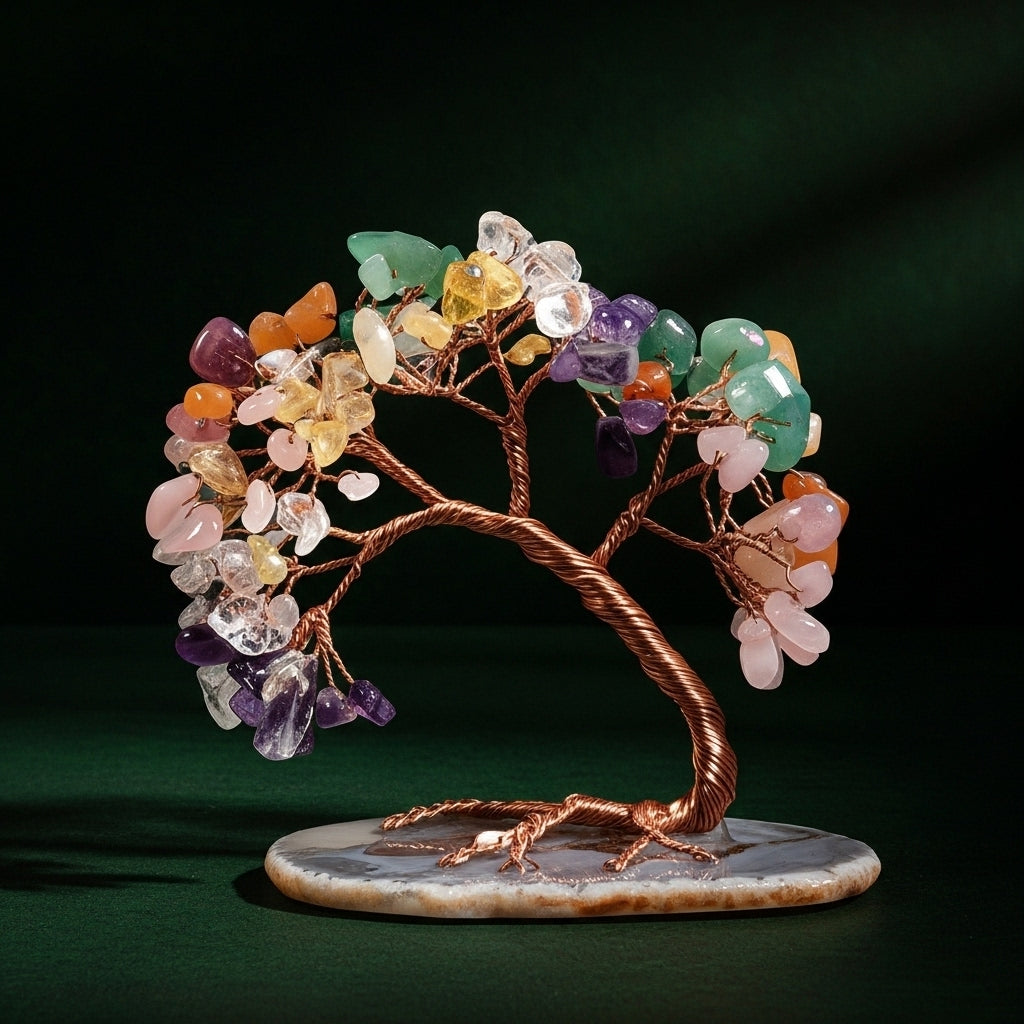
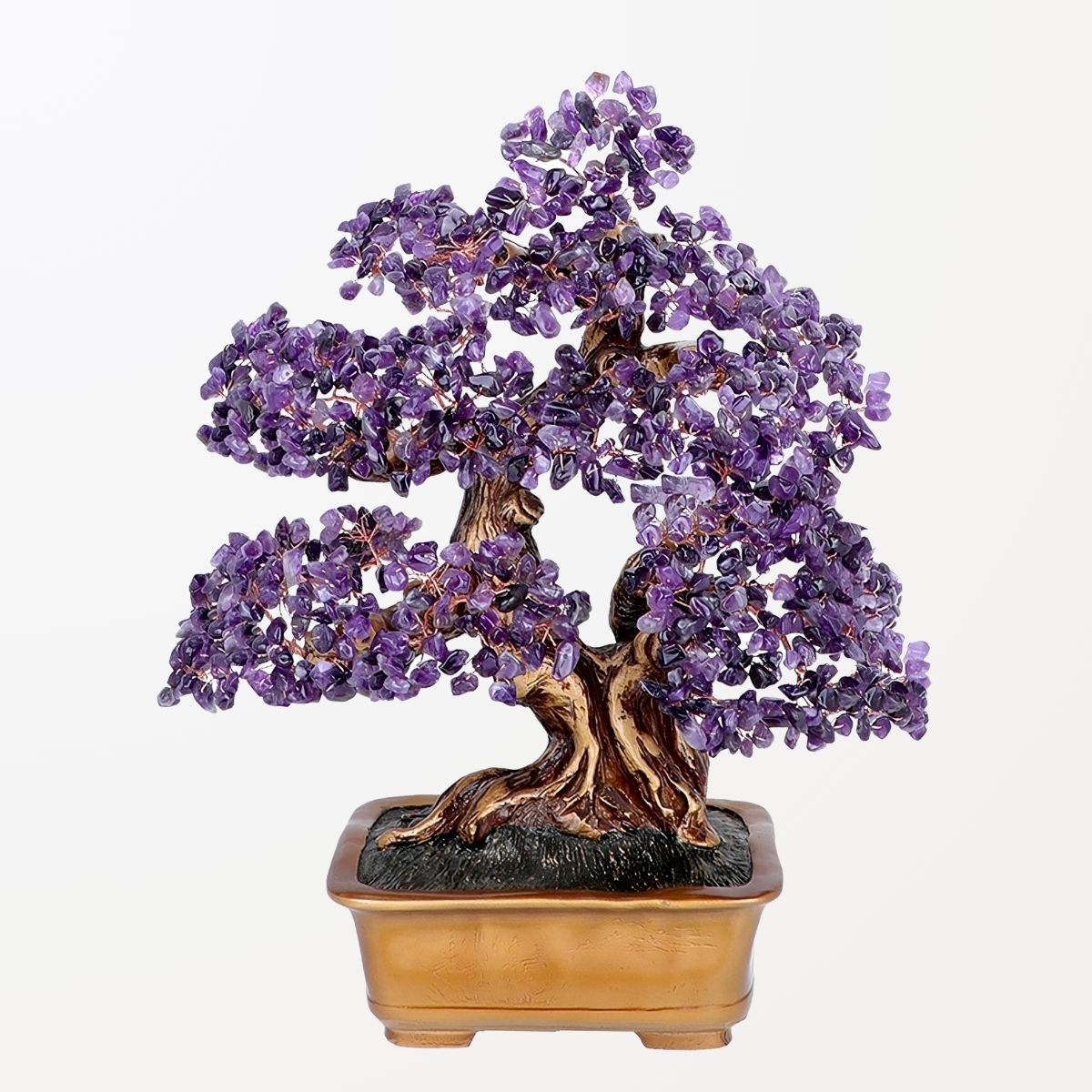
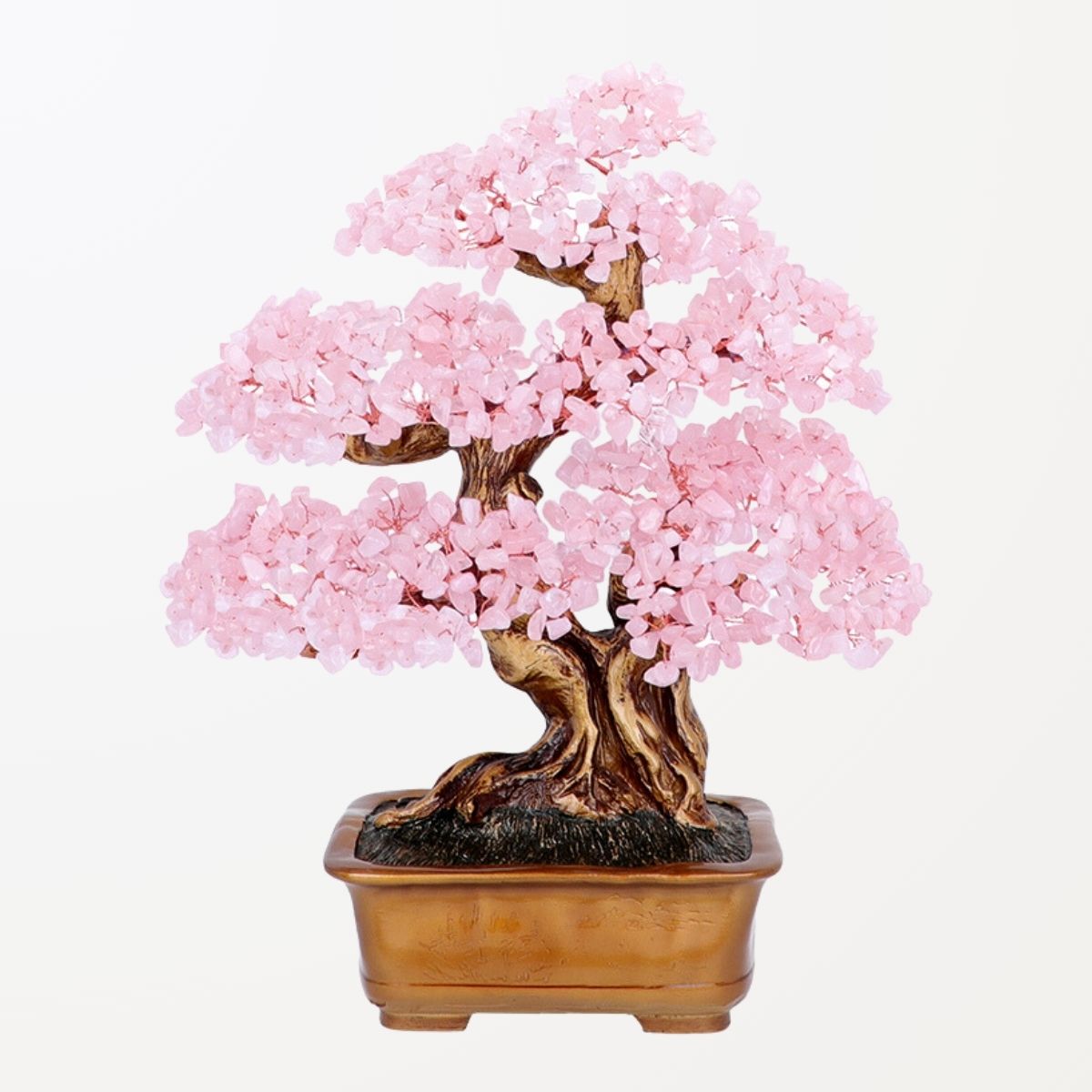
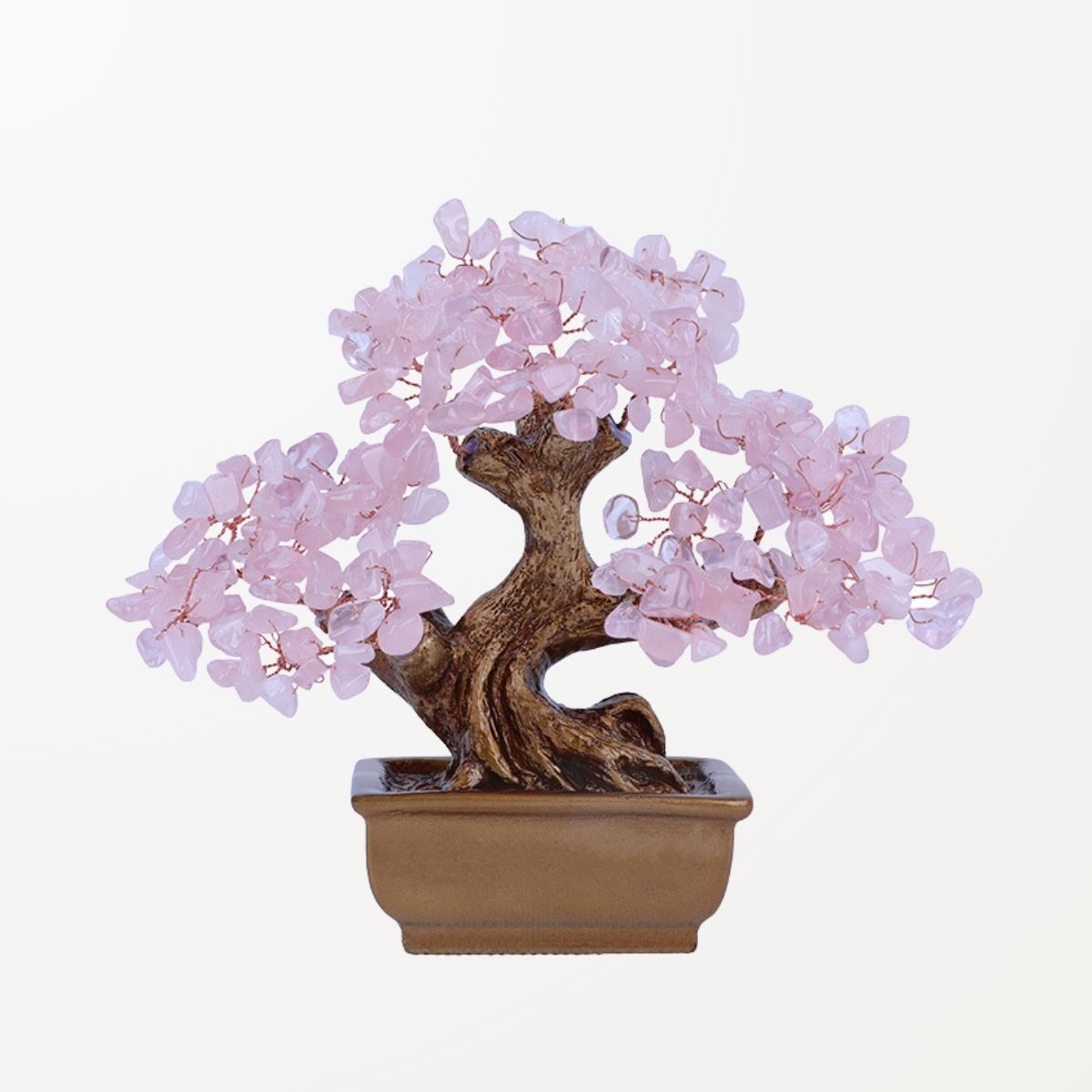
Handcrafted Healing Crystal Creations & Tree of Life Collection




The Ginkgo in Ancient Civilizations: Medicine and Spirituality
In China, Ginkgo has been cultivated for over 2,000 years. The tree holds deep reverence in Taoist culture, which honors it as a vessel of ancient wisdom and longevity. Buddhist monks played an essential role in its preservation and spread, planting it throughout sacred temple gardens.
The Ginkgo fruit (botanically a seed) has been cherished in Traditional Chinese Medicine since antiquity. It is treasured for supporting memory, healthy circulation, and vitality. It is no coincidence that Ginkgo remains one of the most revered wellness supplements worldwide today.
Beyond medicinal uses, the Ginkgo holds a profound spiritual dimension. It is revered as a sacred bridge between heaven and earth, connecting body and spirit. Its distinctive leaf, gently divided into two lobes, is frequently viewed as an emblem of yin and yang—harmonious duality united in oneness.
To deepen your understanding of the Ginkgo's spiritual significance and virtues, our article on Ginkgo Biloba: Spiritual Meanings and Benefits is essential reading.

Myths and Legends: When the Ginkgo Becomes a Symbol
The history of the Ginkgo symbol is steeped in captivating narratives, ranging from ancient mythology to poetic folklore. In China, legends recount that ancient spirits make their dwelling within Ginkgo trees. It is also cherished as a guardian of souls, watching over departed ancestors and gently guiding their transition to the spiritual realm.
In Japan, the Ginkgo ranks among the most sacred trees. It embodies peace and longevity, and its leaves are frequently honored in Shinto rituals. A timeless Japanese proverb says: “He who plants a Ginkgo thinks of his great-grandchildren.”
A renowned legend tells of a Ginkgo planted in front of a Tokyo temple over 800 years ago by a Buddhist monk. Over the centuries, the tree grew so majestic that prayers were whispered into the folds of its bark, with visitors offering heartfelt wishes in the belief that the ancient tree would carry them to the heavens.
The Ginkgo is also deeply tied to rebirth and renewal. In post-war Japan, it became a proud symbol of reconstruction. In fact, the iconic silhouette of the Ginkgo leaf serves as the official emblem of the city of Tokyo.
To discover more fascinating tales and myths surrounding this tree, explore our guide to the History and Legends of the Ginkgo: From Antiquity to Today.
The Ginkgo in Europe: A Late Yet Intense Fascination
The Ginkgo arrived in Europe during the 18th century, introduced by German and French botanists who were utterly captivated by its unique morphology. The earliest recorded European specimen was planted in the Utrecht Botanic Gardens around 1730.
Enlightenment thinkers and scholars admired it for its singular elegance and mysterious provenance. The celebrated German poet Goethe was deeply enchanted by the tree, dedicating a famous poem titled “Ginkgo Biloba” to it, comparing its bifurcated leaf to the harmonious union of two souls in love.
This enthusiasm quickly blossomed across royal courts and botanical gardens. Over time, the Ginkgo became a favored ornamental tree in cities across Europe and America, renowned for its hardiness and breathtaking golden foliage in autumn.
In Western symbolism, it quickly became associated with immortality, memory, and wisdom, as well as devoted love, thanks to its twin-lobed leaf that evokes two hearts beating as one.

The Ginkgo in Modern Decor: Aesthetics and Serenity
Today, the Ginkgo is celebrated far beyond botanical gardens: it has become a defining motif in natural and zen interior decor. Its sculpted, fan-like leaves continue to inspire contemporary designers, stylists, and artisans around the world.
You can find it engraved on elegant interior accents, featured on luxury textiles and artisanal wallpapers, or sculpted into stunning metal wall art. Incorporating Ginkgo decor into your home evokes tranquil harmony, timeless organic elegance, and balance. It is an exquisite complement to feng shui, Scandinavian, and warm minimalist interiors.
The symbolism of Ginkgo in home design extends well beyond visual beauty: it inspires mindfulness, inner stillness, and a serene reconnection to what matters most. It invites the peaceful, timeless wisdom of the East into your sacred sanctuary.
For inspiring ideas on styling Ginkgo pieces in your living space, read our guide on Integrating Ginkgo into Your Decor: Aesthetics and Serenity.
The Ginkgo in Jewelry: From the Leaf to a Personal Talisman
Another realm where the Ginkgo shines brilliantly is fine jewelry. Its immediately recognizable leaf has evolved into an essential, timeless motif in modern designer jewelry.
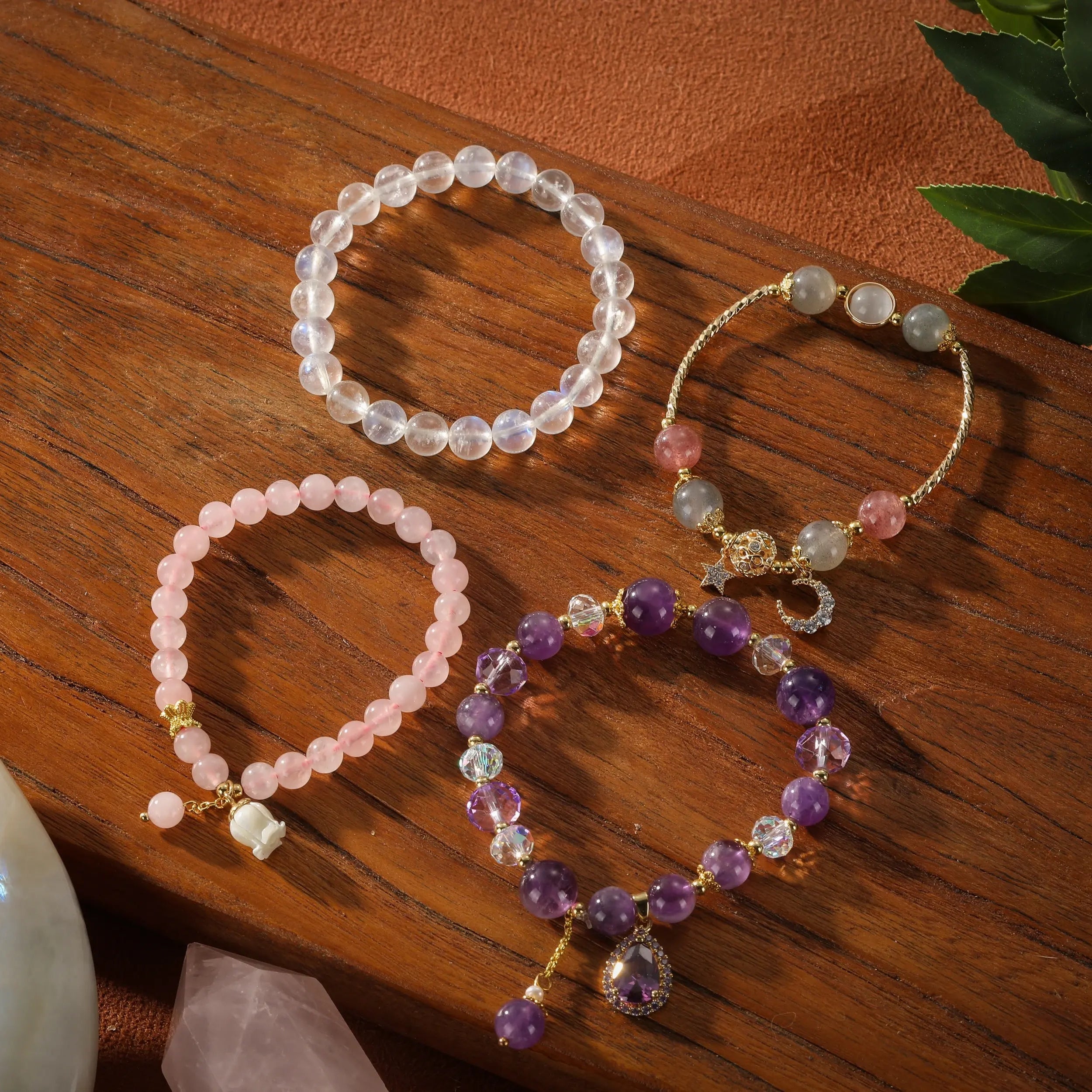
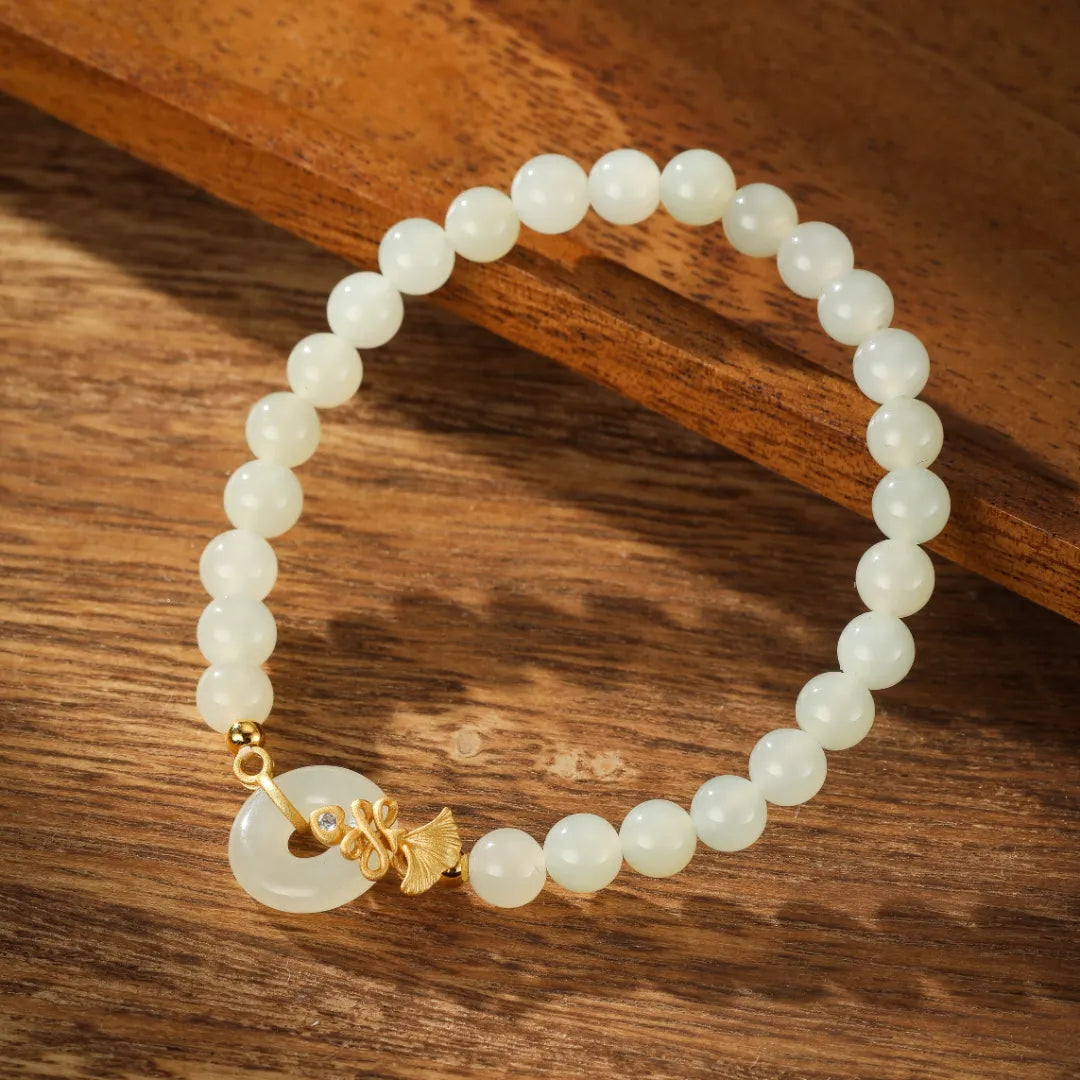
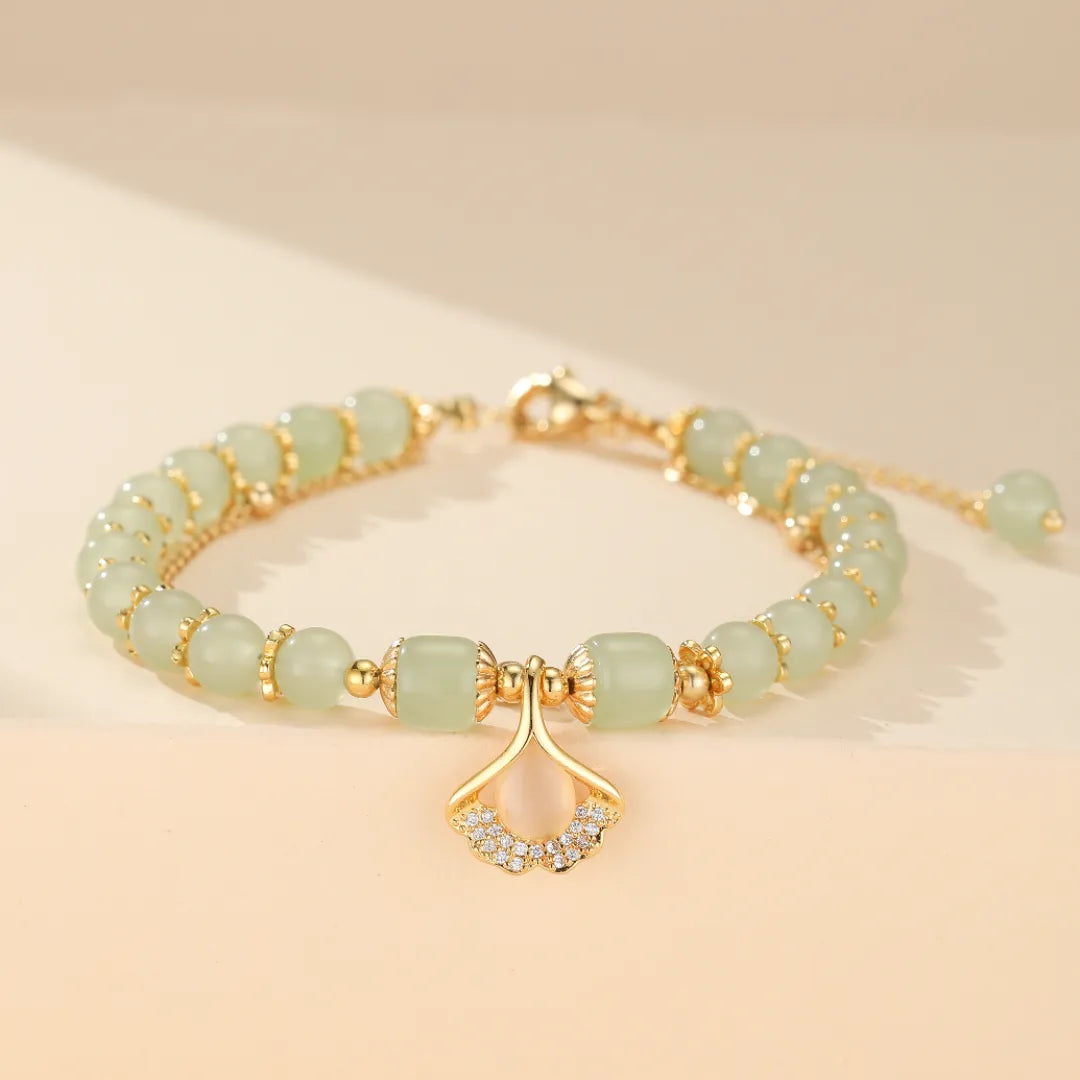
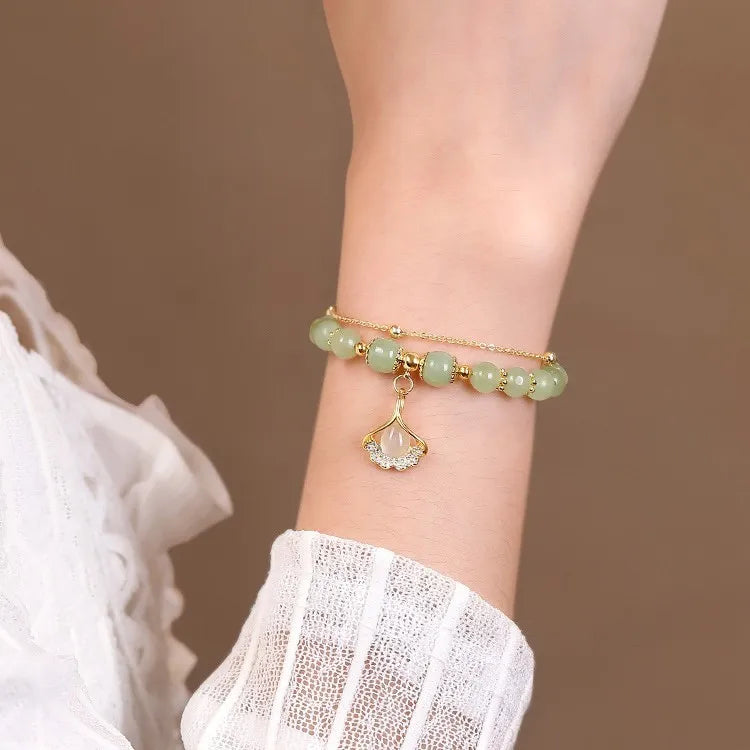
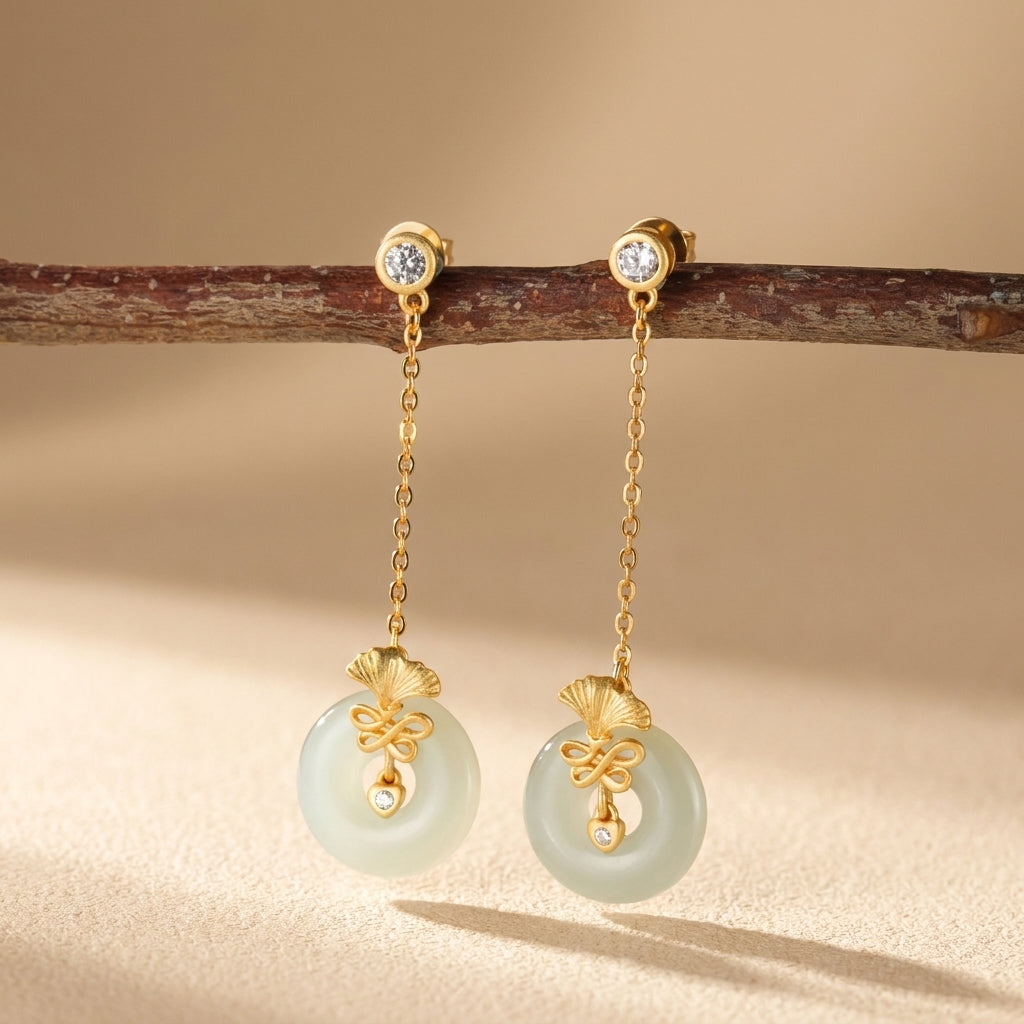
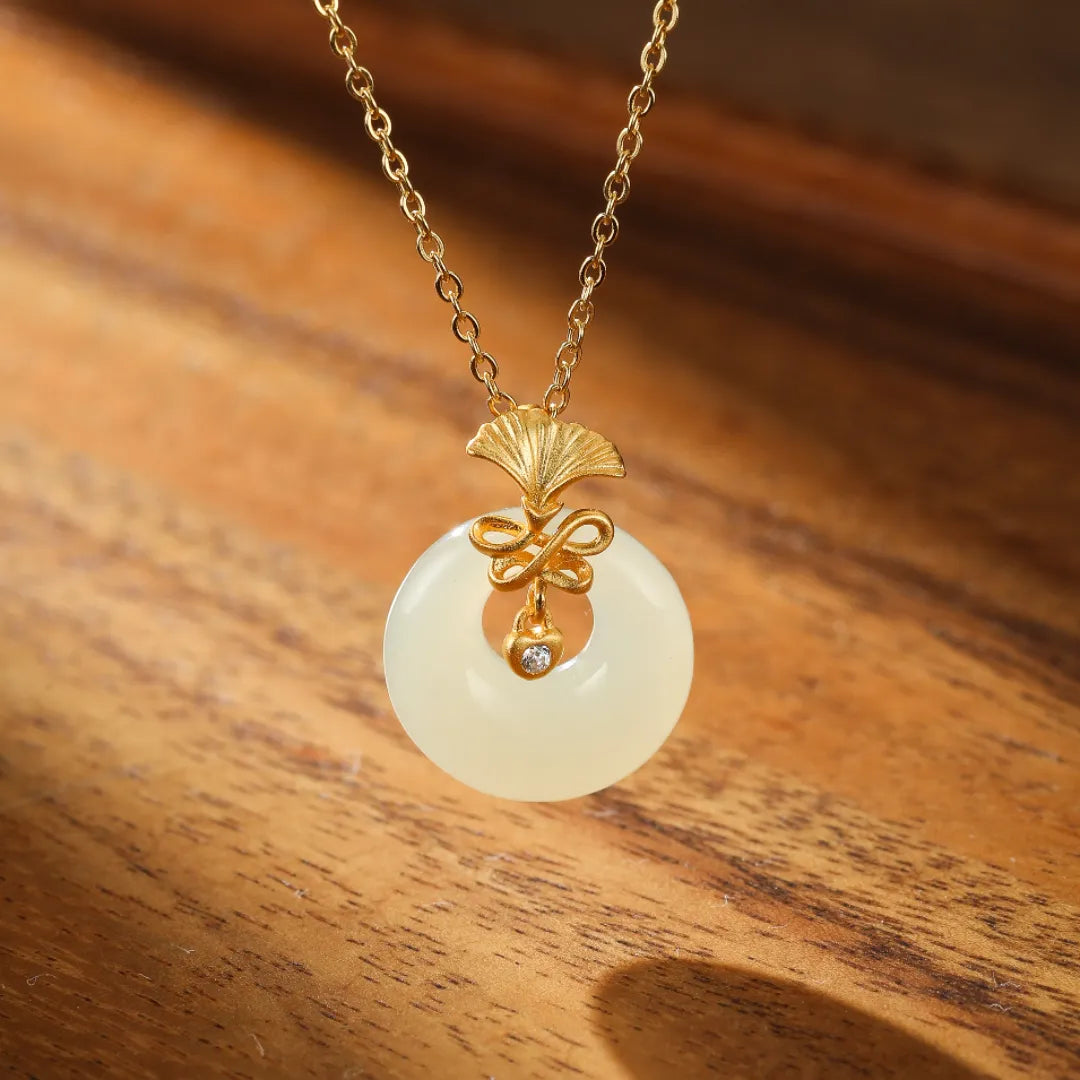
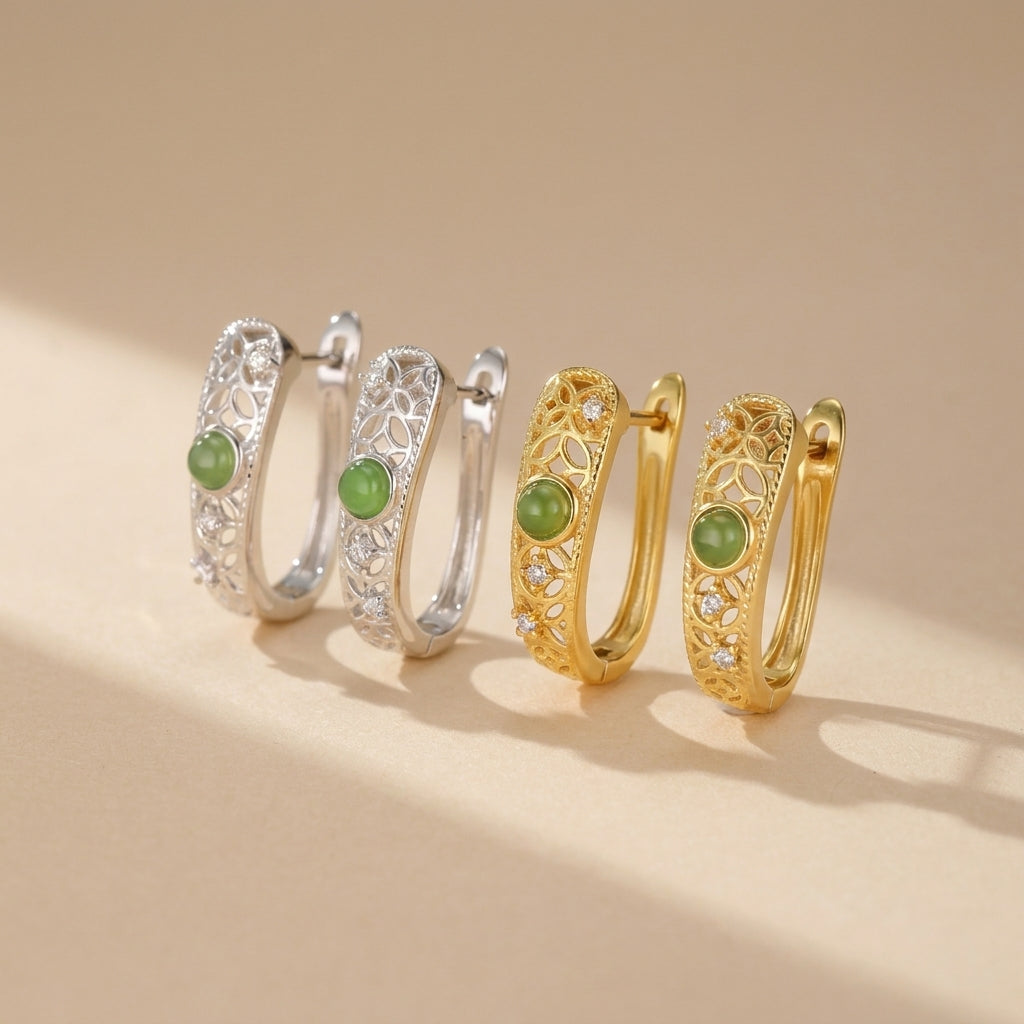
Necklaces, earrings, rings, and bracelets… The Ginkgo leaf is crafted in lustrous gold, sterling silver, warm brass, and paired with natural healing crystals. Beyond its organic sophistication, it carries deep spiritual symbolism: resilience, personal transformation, and tranquil inner peace.
Wearing a piece of Ginkgo jewelry is a meaningful expression of these values—a daily mindful reminder of personal strength and serenity. In many cultures, gifting Ginkgo jewelry serves as a thoughtful blessing of longevity, vitality, and enduring happiness.
To explore this refined, symbolic trend in detail, our feature on Ginkgo Leaf Jewelry: Natural Elegance and Symbolism provides an in-depth look.

The Ginkgo Symbol: Between Tradition and Modernity
The history of the Ginkgo symbol is an enchanting voyage across civilizations, continents, and centuries. From revered sacred tree to universal beacon of resilience, through the arts of healing, philosophy, and jewelry design, the Ginkgo embodies the timeless wisdom of life and our boundless ability to weather life's storms with grace.
Rarely does a single botanical wonder bring together such rich symbolism: longevity, peace, memory, transformation, and harmony. Its presence brings comfort during seasons of transition, contemplation, and personal renewal. It is simultaneously ancient and modern, deeply grounded in heritage while remaining strikingly relevant today.
In a fast-paced world, the Ginkgo symbol reminds us of a comforting truth: even through the greatest trials, life always finds a way to blossom again—slowly, patiently, and gracefully.
Crystal Healing Comparison Table: Properties, Chakras & Care Guide
This comparison chart summarizes the key crystal properties, Mohs hardness ratings, chakra alignments, and cleansing rituals recommended by Lina.
Crystal Family & Intention | Chakra Alignment & Mohs Hardness | Cleansing, Charging & Feng Shui Placement |
Love, Compassion & Emotional Harmony | Heart Chakra (Anahata) — Mohs hardness 6 to 7/10; nurtures inner peace and emotional balance. | Place in the Southwest Bagua sector or bedroom; cleanse with white sage smudge and recharge under full moonlight. |
Grounding, Shielding & Confidence | Root & Solar Plexus Chakras — Mohs hardness 7/10; anchors energy and wards off negativity. | Position near the front entryway or workspace; smudge weekly with Palo Santo and recharge on a Clear Quartz cluster. |
Abundance, Clarity & 7-Chakra Balance | Crown, Third Eye & Full 7 Chakras — Mohs hardness 7/10; elevates focus and spiritual vitality. | Ideal for the living room or meditation corner (Southeast wealth sector); recharge on an Amethyst geode or Selenite plate. |
Conclusion: One Leaf, A Thousand Stories
Whether flourishing in a temple courtyard, immortalized in a work of art, or resting delicately against your skin as a talisman necklace, the Ginkgo speaks directly to the soul. Its extraordinary longevity, refined beauty, and deep spiritual significance make it far more than an ordinary tree: it is a messenger of time, a universal symbol of endurance.
The next time you catch sight of a Ginkgo leaf, pause for a mindful moment. Admire its gentle fan, its lightness, its quiet inner strength. Remember that behind every leaf lies a millennial history—the enduring legacy of a tree that, in silent grace, imparts its timeless wisdom to us all.
Daily Energy, Protection & Harmony: Lina’s Favorites


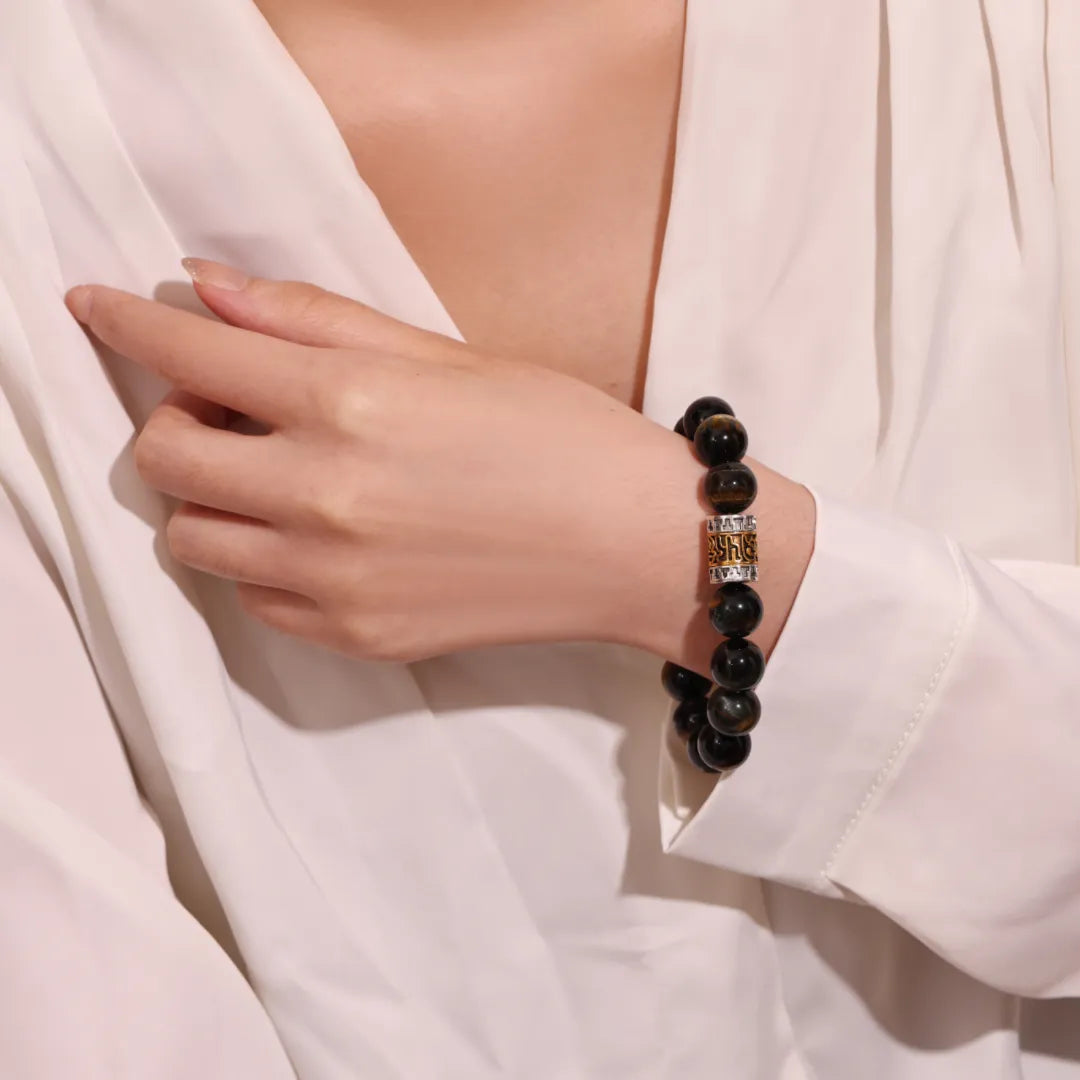
Explore our handcrafted crystal collections: Tree of Life Crystal Collection, Healing Crystal Jewelry, and Natural Crystal Bracelets. Read our related crystal guides: Significance And Benefits Of The Tree Of Life, The Tree Of Life In Natural Stone The Perfect Gift For Every Occasion, and Which Natural Stone To Choose For Your Tree Of Life.
Frequently Asked Questions: History and Legends of the Ginkgo
How can I tell if the healing crystals in History and Legends of the Ginkgo are 100% genuine?
Genuine healing crystals stay naturally cool to the touch, exhibit subtle internal mineral inclusions, and match their gemological Mohs hardness (7/10 for quartz varieties like amethyst, rose quartz, and citrine), unlike dyed glass or synthetic resins.
Where should I place a crystal Tree of Life or wear crystal jewelry for the best energy?
In Feng Shui, place your crystal Tree of Life at eye level in the room aligned with your intention: the bedroom (Southwest) with Rose Quartz for love, the entryway with Tiger’s Eye for protection, or the living room with Citrine and 7-Chakra crystals for abundance.
How do I safely cleanse and recharge my healing crystals without damaging them?
Smoke cleansing with white sage or Palo Santo for two minutes is the safest universal method, especially for softer or porous crystals like Selenite, Malachite, and Lapis Lazuli. Recharge your crystals overnight under moonlight or on an Amethyst geode.
Can I combine multiple healing crystals together in the same space or on my wrist?
Yes—crystals that share complementary chakra frequencies harmonize effortlessly. Clear Quartz amplifies all surrounding crystals, while Rose Quartz and Amethyst pair beautifully for emotional calm and restful sleep.
How often should I cleanse my Luuckk crystal jewelry or Tree of Life?
We recommend a gentle energetic smudging every two weeks for decorative crystal trees and once a week for crystal bracelets, rings, or necklaces worn directly against the skin.
Read more
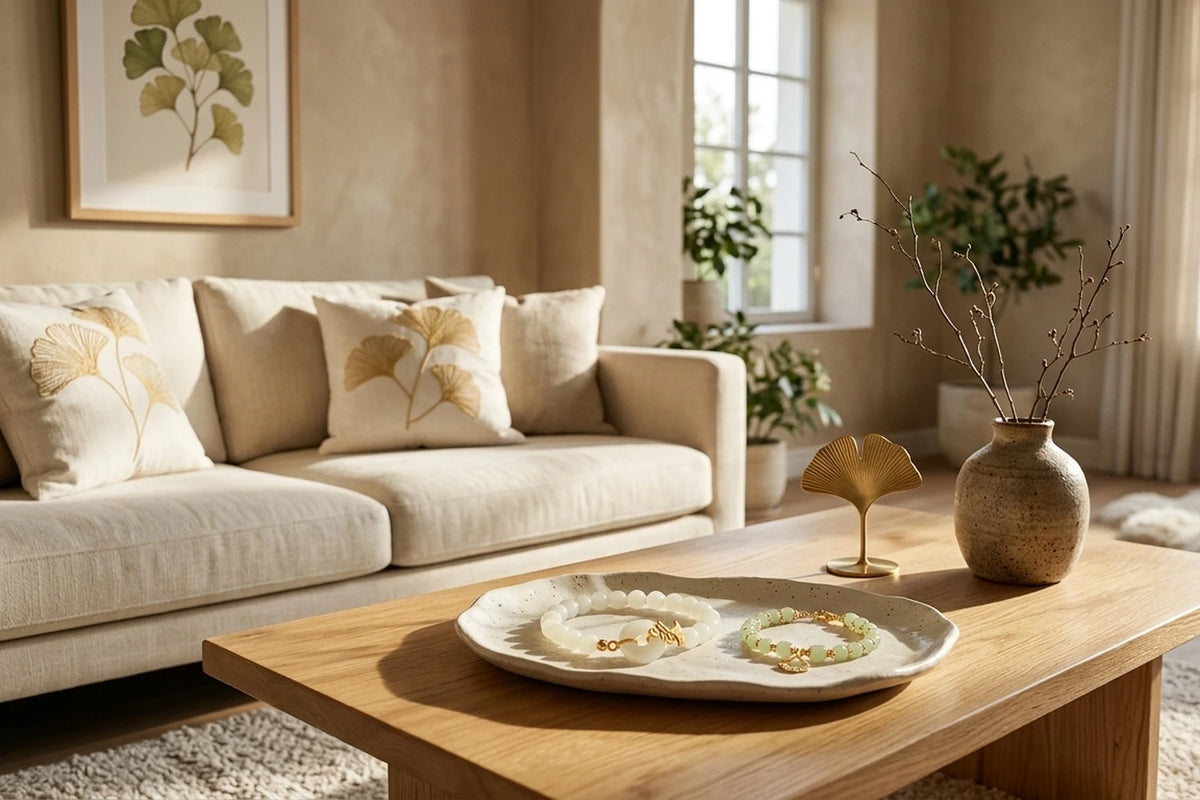
In a world where interior design has become a true reflection of the soul, decor trends are turning toward more mindful, soothing, and meaningful choices. Among these deliberate elements, one name ...
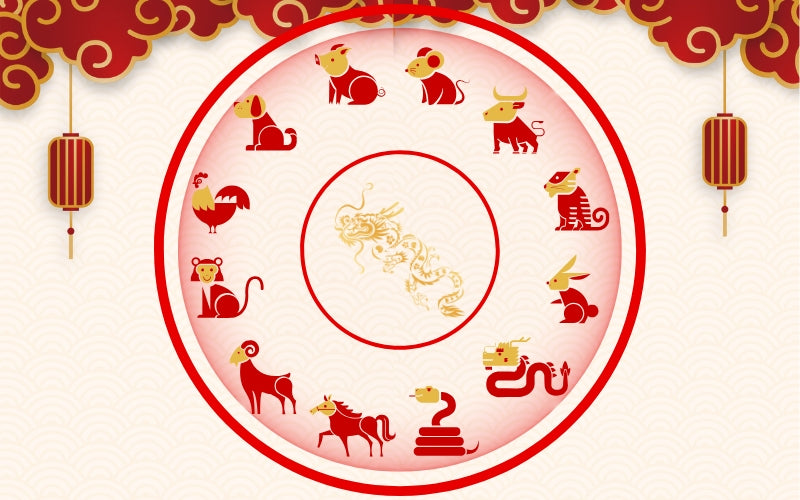
Unlike Western astrology, which is based on the months of the year, the Chinese zodiac follows a twelve-year cycle, where each year is associated with an animal. Rat, dragon, horse… At first glance...

Perfect for Gifting
Gift meaningful creations that bring joy and harmony.

Secure Payment
Payments are securely processed via Shopify & PayPal.

Money-Back Guarantee
Easy returns within 14 days of receiving your order.
Rated Excellent by our customers on Trustpilot
