

Benefits and Properties of Malachite
- Introduction
- What Exactly Is Malachite?
- Why Does Malachite Fascinate So Much in the World of Natural Stones?
- The Symbolic Meaning of Malachite
- The Benefits of Malachite in Lithotherapy
- The Virtues of Malachite on an Emotional and Mental Level
- Malachite and the Heart Chakra: What Is the Connection in Lithotherapy?
- Does Malachite Have Physical Benefits According to Traditional Beliefs?
- How to Use the Natural Malachite Stone in Daily Life?
- How to Recognize Real Malachite?
- How to Care for Malachite?
- Which Stones Can Malachite Be Paired With?
- Why Is Malachite Jewelry So Popular?
- Who Is Malachite Especially Suitable For?
- Conclusion: What to Remember About the Virtues and Benefits of Malachite
- FAQ About Malachite
Introduction
Malachite fascinates at first glance. With its deep green shades, concentric rings, and almost hypnotic appearance, it is one of the natural stones that is easiest to recognize. But beyond its remarkable aesthetics, the natural malachite stone holds an important place in the world of lithotherapy, jewelry, and even the history of civilizations.
Why does it spark so much interest? Is it only because of its beauty, or because of everything it symbolizes? The answer probably lies in its richness. Malachite is at once an ornamental stone, a prized gemstone in jewelry, a fascinating mineral object, and a stone credited with many energetic properties. Searches related to the virtues of malachite and the benefits of malachite also reveal a growing interest in this natural stone with its unique aura.
In this article, we will take an in-depth look at the origin of malachite, its meaning, its traditional uses, the benefits attributed to it in lithotherapy, its possible pairings with other stones, the precautions to keep in mind, and the criteria for choosing it well. The goal is simple: to offer you complete, useful, and enjoyable content to read that truly answers the questions asked by both natural stone enthusiasts and curious readers looking for reliable and clear information.
Our Malachite Jewelry
What Exactly Is Malachite?
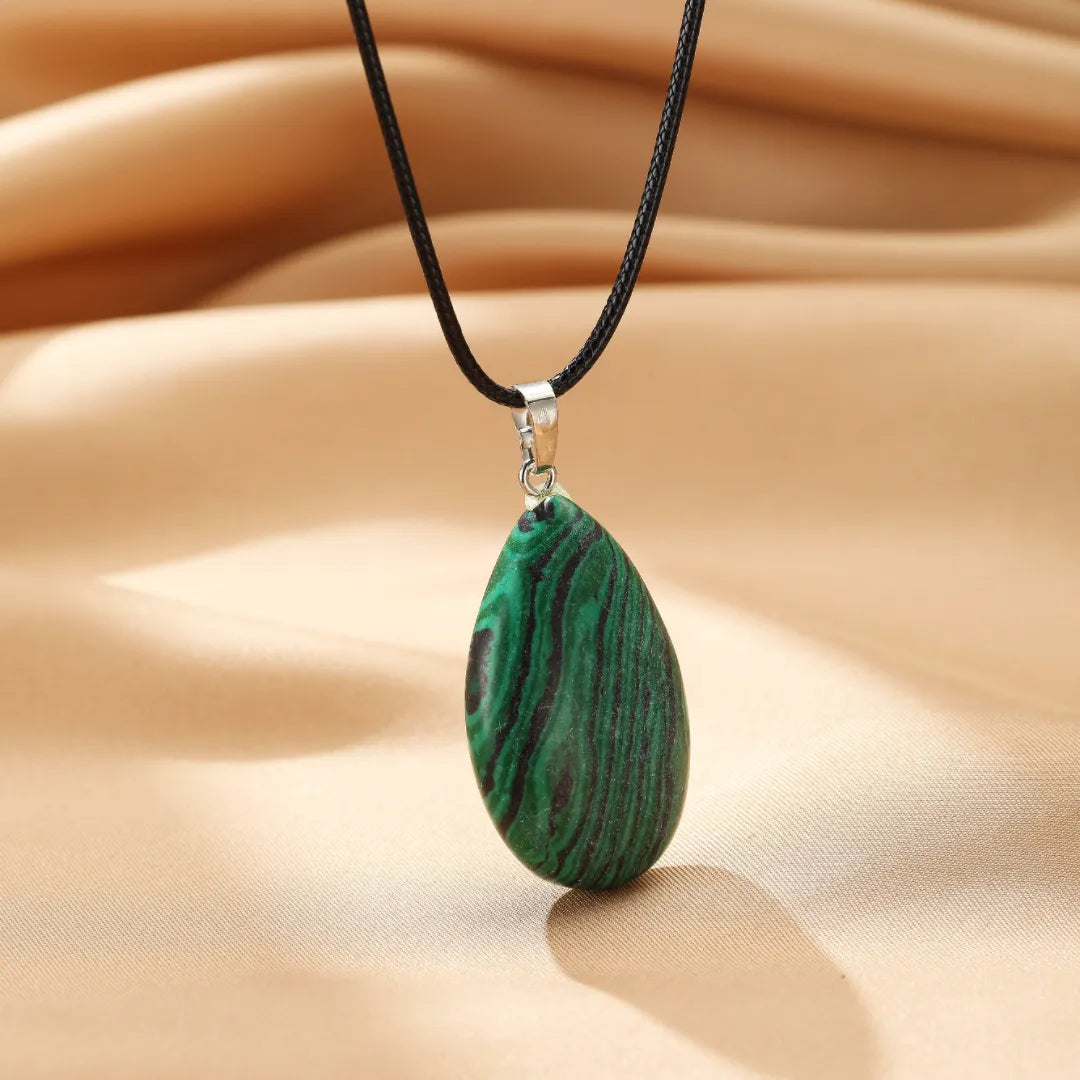
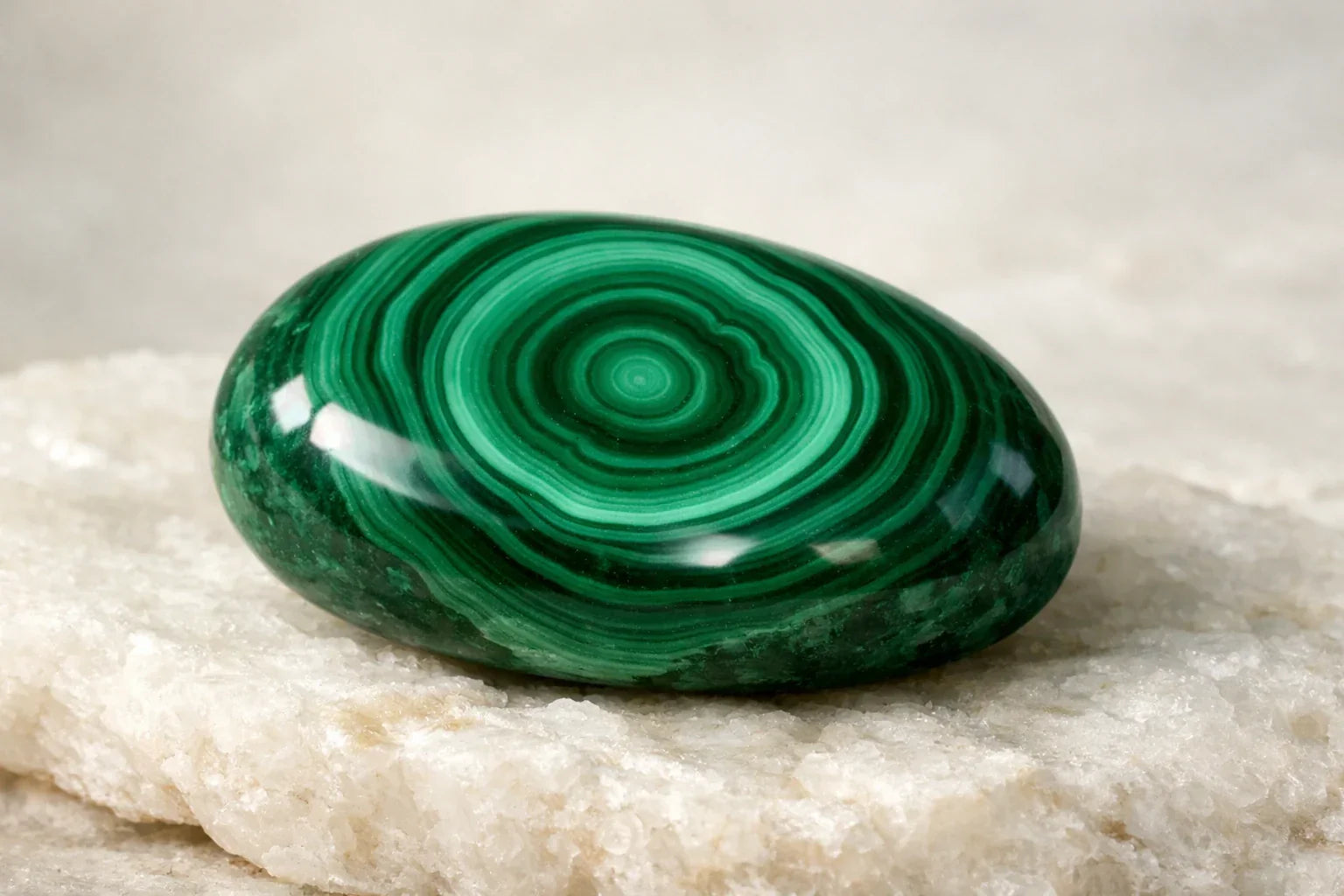
Malachite is a hydrated copper carbonate, known for its intense green color and its natural patterns in circles, waves, or bands. This very distinctive appearance gives it an almost living charm, as if the stone were already telling a story before even being worked.
It is mainly found in copper-rich areas. Historically, famous deposits have been mined in the Democratic Republic of the Congo, Russia, Australia, Namibia, and Zambia. Some malachites display a bright light green, while others show darker, deeper shades, making it highly sought after for both decorative objects and jewelry.
What makes the natural malachite stone stand out is also its visual identity, which is almost impossible to reproduce exactly. Every stone has its own pattern. In a world where so many things end up looking alike, malachite reminds us that nature remains the greatest artist of all.
It was already used in Antiquity as a pigment, ornamental stone, and talisman. The Egyptians in particular attributed strong symbolic value to it very early on. It was associated with protection, regeneration, and certain spiritual dimensions. This long history of use partly explains why malachite still holds an important place today in the culture of natural stones.
To go further at the end of this first introduction, you can explore the article Malachite: Stone of Transformation and Emotional Healing.

Why Does Malachite Fascinate So Much in the World of Natural Stones?
Among all natural stones, malachite holds a special place. It captivates not only because of its color. It also attracts through what it evokes. In many traditions, green is associated with renewal, balance, growth, and connection to life. Malachite seems to naturally embody all of this symbolism.
Its powerful aesthetic makes it a stone that cannot be ignored. Where other minerals rely on transparency or discretion, malachite immediately asserts its presence. It is a stone with character. In decoration, it catches the eye. In jewelry, it often becomes the centerpiece. In lithotherapy, it is frequently chosen by people going through a period of change or seeking emotional support.
Another important point explains its popularity: malachite appeals both to lovers of mineralogy and to those interested in well-being. The former admire its formation and natural patterns, while the latter are drawn to its energetic uses. Few stones so clearly create this bridge between material beauty and symbolic dimension.
Finally, malachite is a stone that gives an impression of depth. You do not simply look at it, you contemplate it. Its patterns invite us to slow down, pay attention, and notice the details. And in an everyday life that is often too fast, this simple visual effect is already a form of experience.
The Symbolic Meaning of Malachite
Malachite is often presented as a stone of transformation. This symbolism appears very regularly in esoteric traditions, in contemporary approaches to lithotherapy, and in discussions about the virtues of malachite. It is said to be linked to movement, inner evolution, the release of hidden emotions, and opening to a new cycle.
This reputation is not accidental. Even its appearance seems to express an idea of flow and change. Its circles and lines evoke waves, passages, and successive layers. Many see in it a mineral metaphor for the personal path: nothing is perfectly straight, but everything leaves a mark.
Malachite is also associated with protection. In some traditions, it was worn as a talisman to ward off negative influences or to accompany vulnerable periods. It then symbolizes a form of calm strength, an energetic shield without excessive rigidity.
On an emotional level, it is often linked in energetic systems inspired by holistic traditions to the heart chakra. In this sense, it would be associated with sincere emotional expression, emotional openness, self-acceptance, and the healing of certain relational wounds. It should nevertheless be remembered that these interpretations belong to systems of belief and well-being practices, and can never replace medical or psychological support when such help is needed.
What makes malachite interesting is that it is not perceived only as a calming stone. It is also considered a stone that encourages people to face things directly. In that sense, it does not promise artificial comfort, but rather a more conscious evolution.

The Benefits of Malachite in Lithotherapy
In the world of lithotherapy, the benefits of malachite are often described as powerful and deep. The stone is said to act on several levels: emotional, energetic, symbolic, and sometimes even relational. Here too, these are beliefs from lithotherapy practices, which are part of a complementary and non-medical well-being approach.
1. A Stone Associated With Personal Transformation
One of the first benefits of malachite mentioned by lithotherapy enthusiasts concerns support during change. Malachite is said to be useful in transition periods: moving house, a new professional stage, separation, questioning, or the need to reinvent oneself.
It would help break out of repetitive patterns, better identify what is blocking progress, and move forward with more clarity. Some people choose it when they feel a need for renewal but struggle to take action. It then symbolizes the courage to cross a threshold.
2. Emotional Support During Intense Times
Malachite is also often associated with emotional release. It is said to help bring certain buried feelings to the surface so they can be better understood and no longer unconsciously control us. This is exactly why it is not always described as a “gentle” stone in the passive sense of the word. Rather, it is said to have a direct energy, oriented toward awareness.
In energetic approaches, it is said that it can help reveal inner tensions, old fears, frustrations, or unexpressed emotions. The goal would not be to intensify them, but to encourage their recognition and transformation.
3. A Stone of Energetic Protection
Among the virtues of malachite, the idea of protection comes up very frequently. The stone would be used as support against stressful environments, energy-draining relationships, or phases of accumulated stress. Some wear it as jewelry to maintain this feeling of protection throughout the day, while others prefer to place it in a living or work space.
This idea of protection is often accompanied by a filtering function. Malachite would not simply be a symbolic shield; it would also help identify more clearly what throws us off balance, drains us, or no longer fits our real needs.
4. Better Grounding in One’s Feelings
Malachite is sometimes used to strengthen self-listening. It would encourage a form of emotional clarity: what do you truly feel, beyond automatisms, external expectations, or daily pressure? That is exactly the kind of question it seems to ask between the lines.
From this perspective, the natural malachite stone can be perceived as a symbolic tool for introspection. It invites us to slow down, observe, and clarify. And sometimes, that is already a great deal.
The Virtues of Malachite on an Emotional and Mental Level
When one takes an interest in the virtues of malachite, one often returns to its relationship with the inner world. This natural stone is considered a companion for people who want to better understand their emotions, overcome certain inner resistances, or break free from patterns that hinder their personal development.
- On an emotional level, malachite is associated with honesty toward oneself. It would encourage a form of inner truth, sometimes uncomfortable but useful. Have you ever known that moment when, deep down, you know change is needed, yet still postpone the realization? Malachite is often linked to exactly that decisive stage.
- On a mental level, it would also be associated with clarity. Not a cold or distant clarity, but the ability to name what is happening. In times of confusion, emotional overload, or difficult decisions, some people appreciate its presence to help rediscover a clearer direction.
Finally, it is linked to self-assertion. Not in a logic of domination, but in a more grounded and fair stance. Daring to say no, recognizing one’s limits, expressing an emotion without minimizing it: all these are dimensions that malachite can symbolically accompany in well-being practices.
Malachite and the Heart Chakra: What Is the Connection in Lithotherapy?
In lithotherapy, malachite is very often associated with the heart chakra. According to holistic traditions, this energy center would be linked to love, compassion, emotional balance, and the relationship with oneself and with others.
The green color of malachite naturally reinforces this connection. But beyond color, it is above all its reputation as a stone of emotional transformation that explains it. It would be used to encourage a more conscious opening of the heart while also helping identify old wounds, emotional fears, or protection mechanisms that have become too rigid.
This relationship with the heart chakra is interesting because it shows that malachite would not only be oriented toward soothing. It would also be linked to deeper work on the quality of connection: connection to oneself, to emotions, to others. In this sense, it can be perceived as a stone of emotional authenticity.
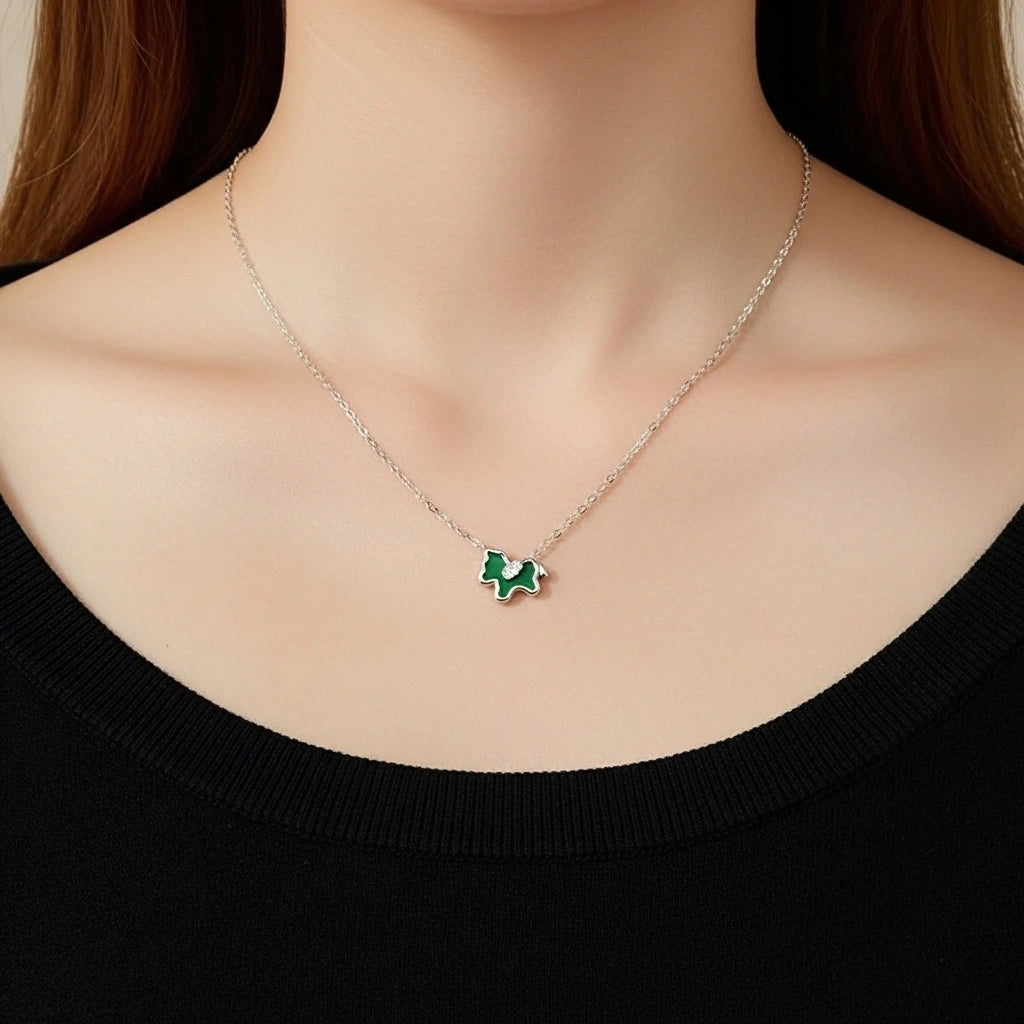
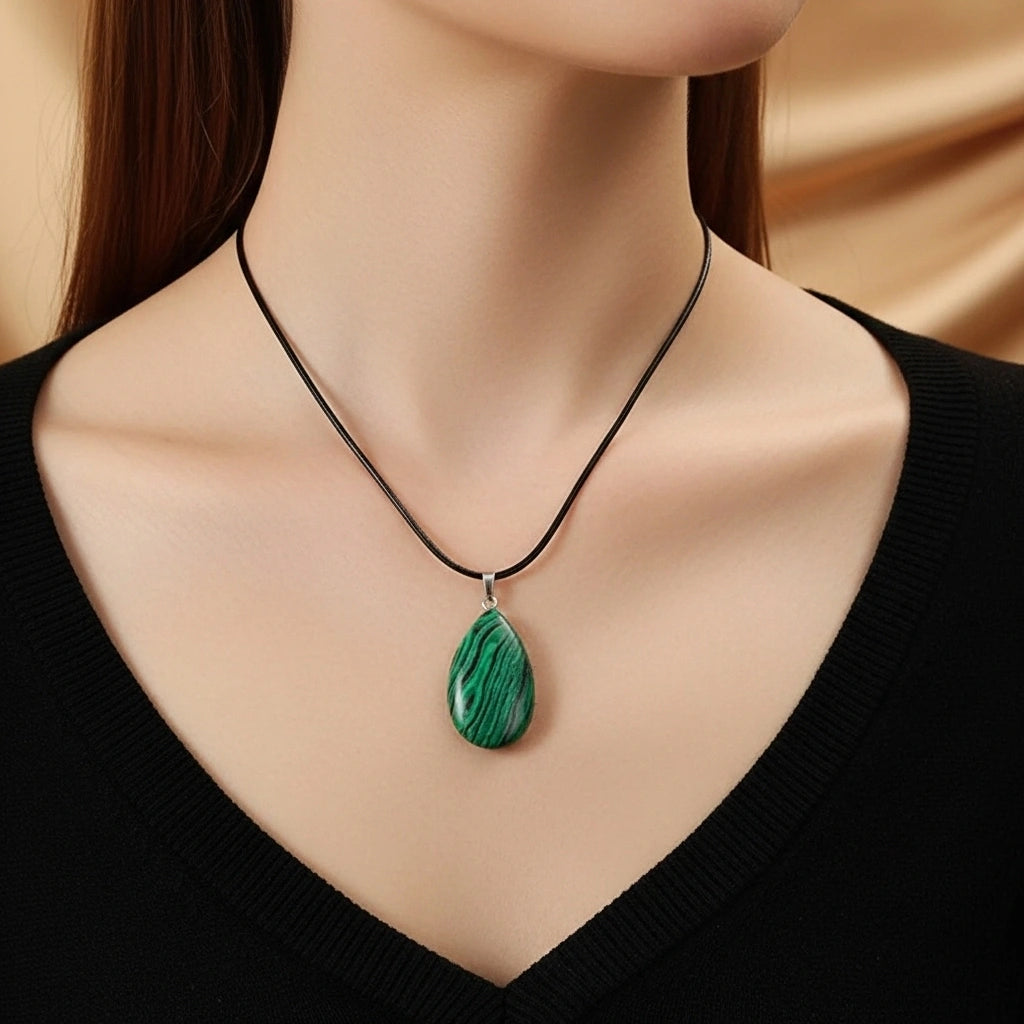
Some people choose to wear a malachite pendant close to the heart to reinforce this symbolic dimension. Others use it during moments of centering, meditation, or introspective writing.

Does Malachite Have Physical Benefits According to Traditional Beliefs?
In the traditions of lithotherapy, some benefits of malachite are sometimes mentioned on a physical level. It is notably credited with a general supportive role during periods of fatigue, tension, or discomfort. In some approaches, it is also mentioned as a stone associated with the body’s emotional release.
However, it is essential to be very clear: these uses are based on traditional beliefs or well-being practices and do not in any way constitute medically proven facts. Malachite does not replace a diagnosis, a treatment, or the opinion of a healthcare professional.
What can nevertheless be said with caution is that many people find in natural stones a symbolic support for recentering themselves. Wearing a stone, introducing a ritual, taking a moment for one’s well-being, allowing oneself time to breathe and reconnect with oneself can already have important subjective value. It is not the stone alone acting like a magical solution, but sometimes the attention it invites us to give to our balance.
How to Use the Natural Malachite Stone in Daily Life?
The natural malachite stone can be integrated into everyday life in different ways depending on each person’s needs, preferences, and sensitivity.
Wearing Malachite as Jewelry
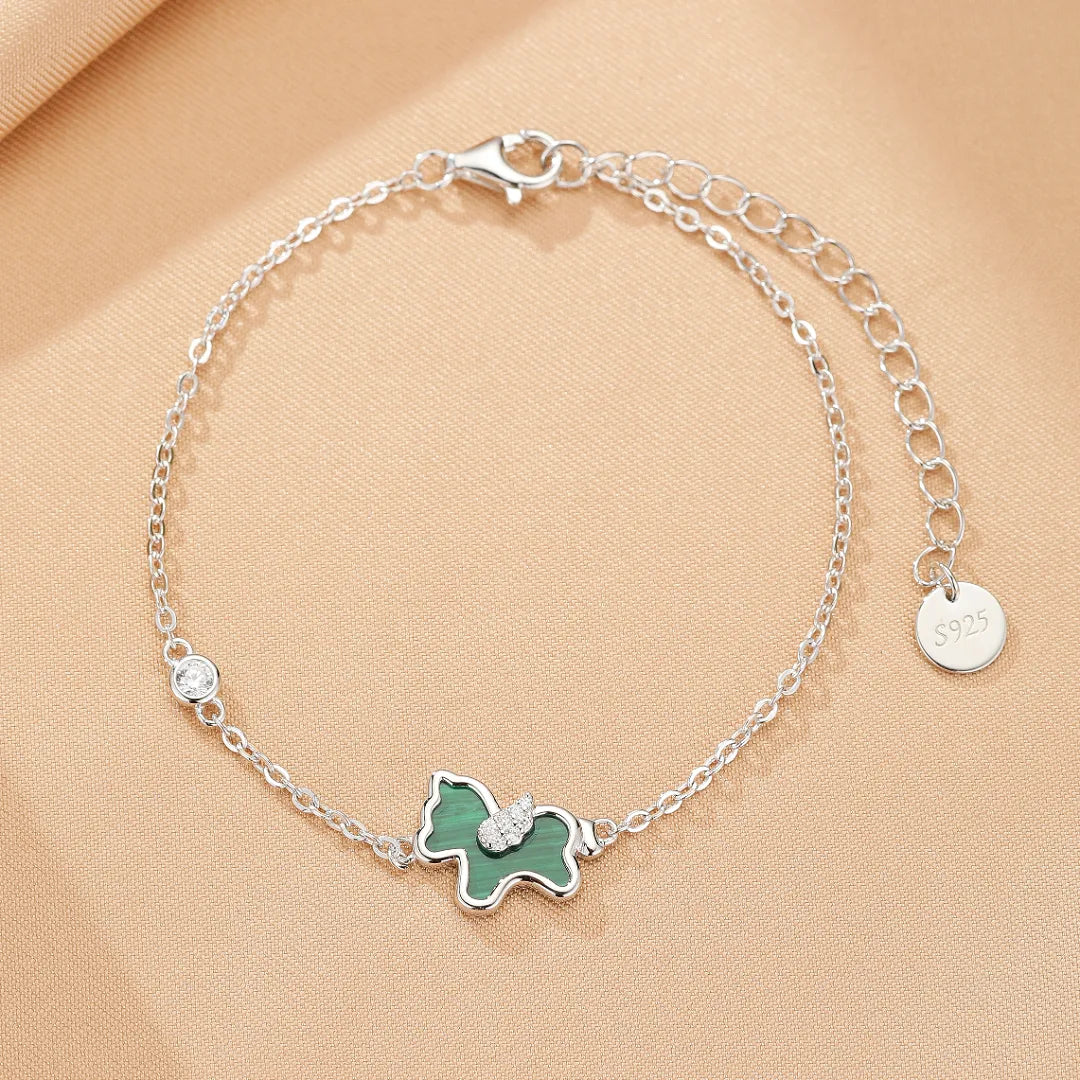
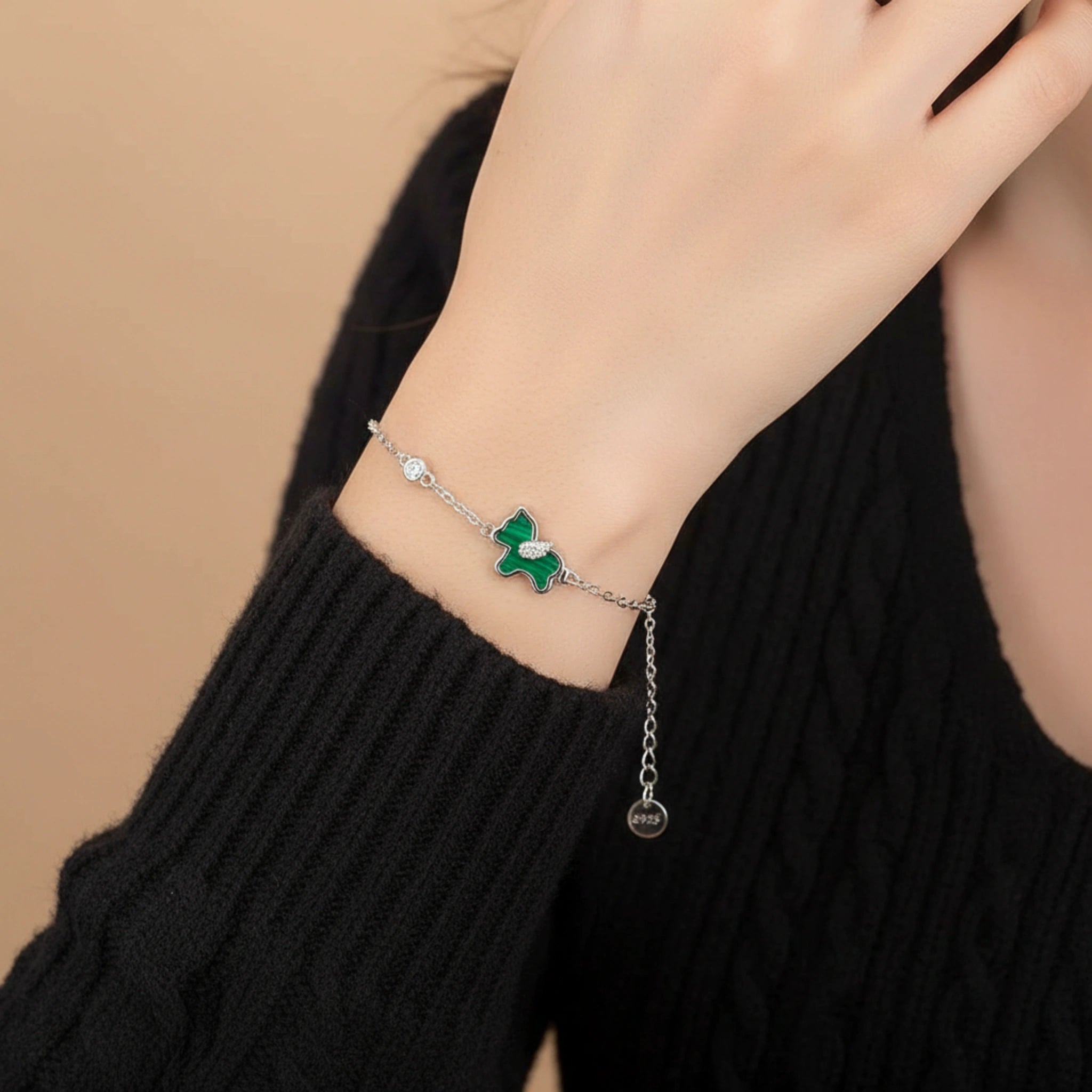
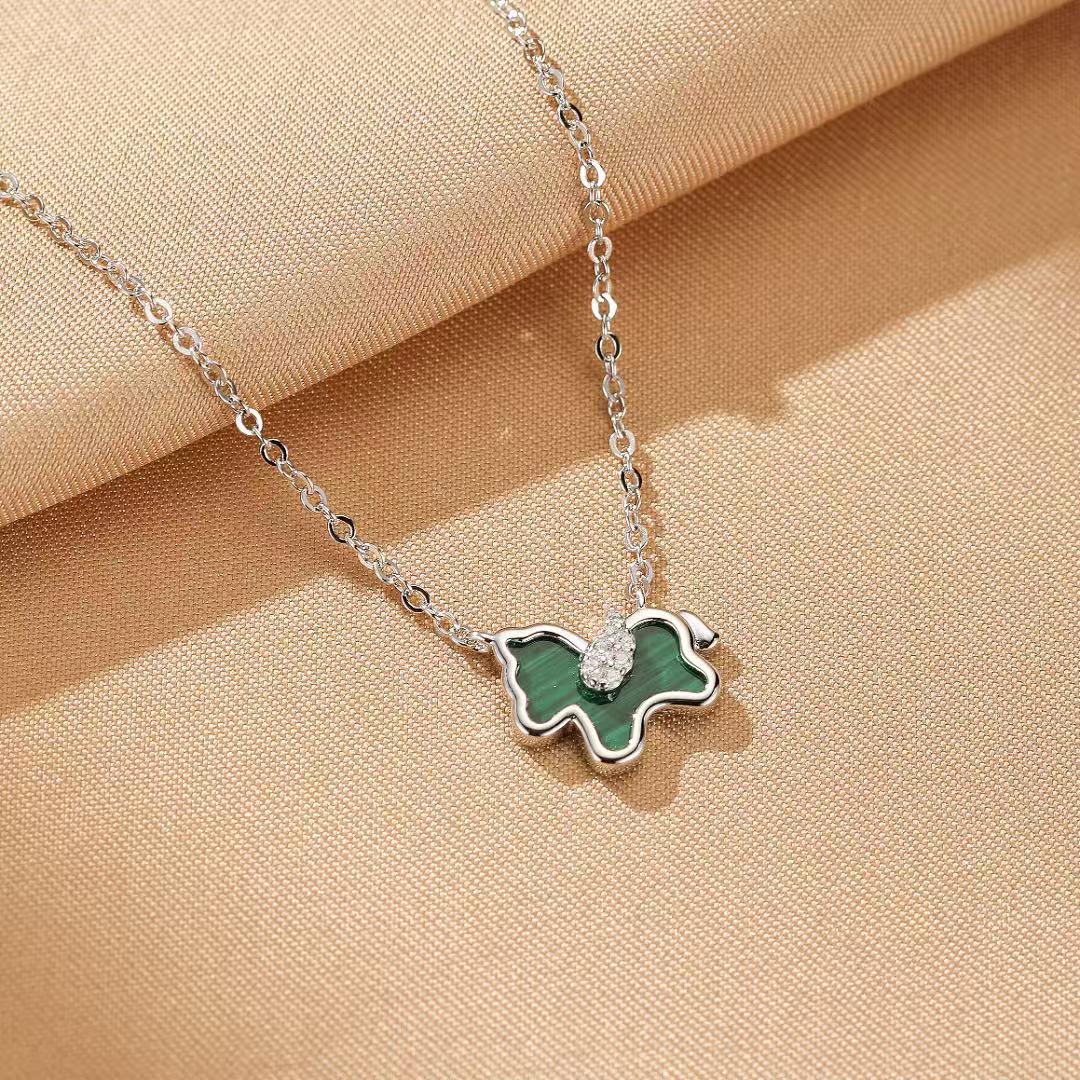
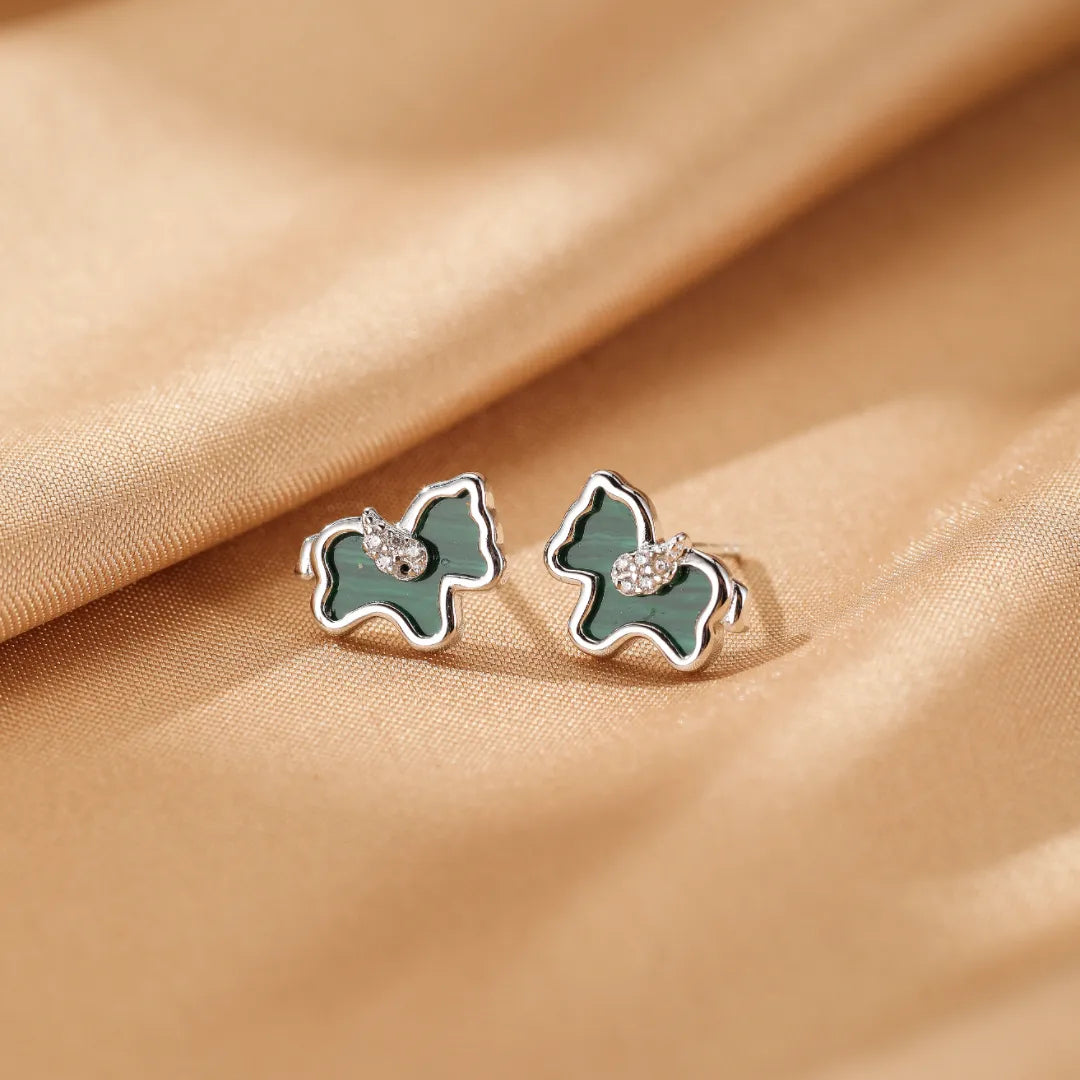
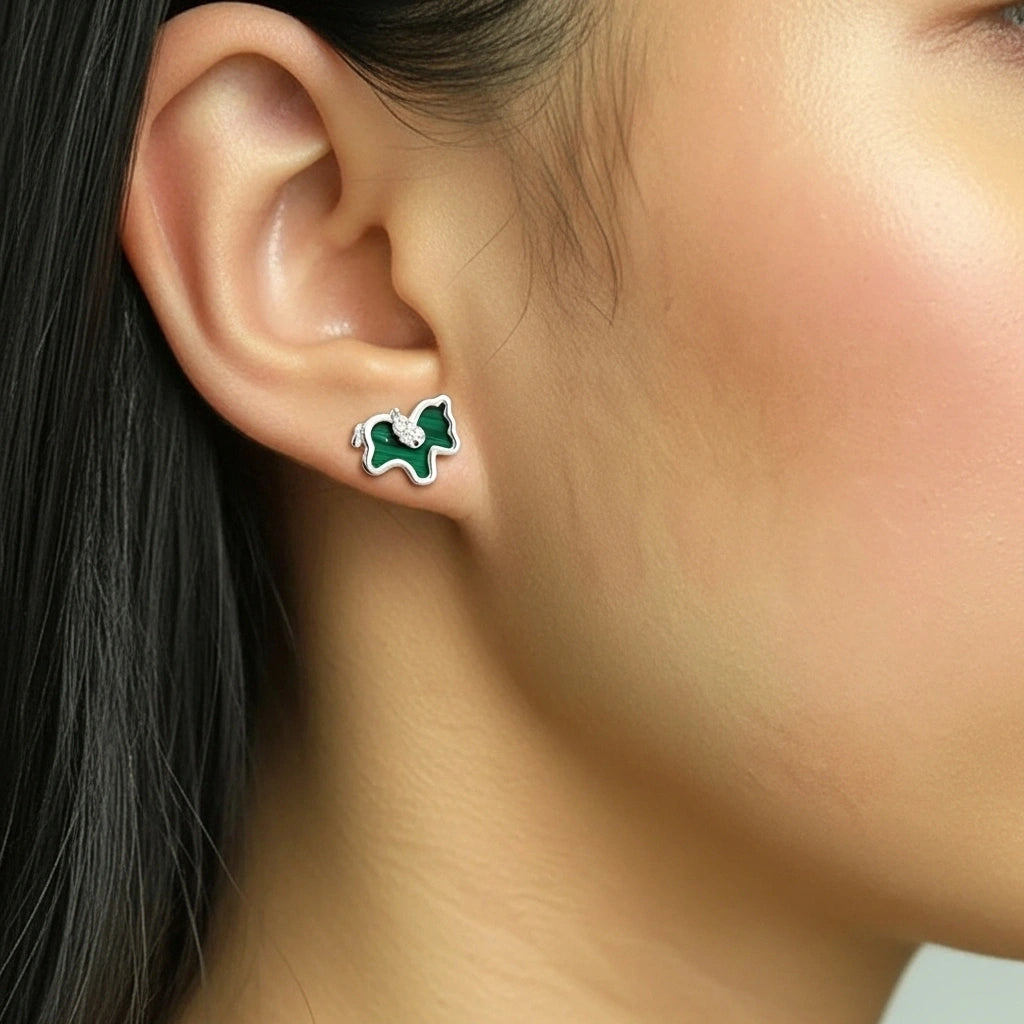
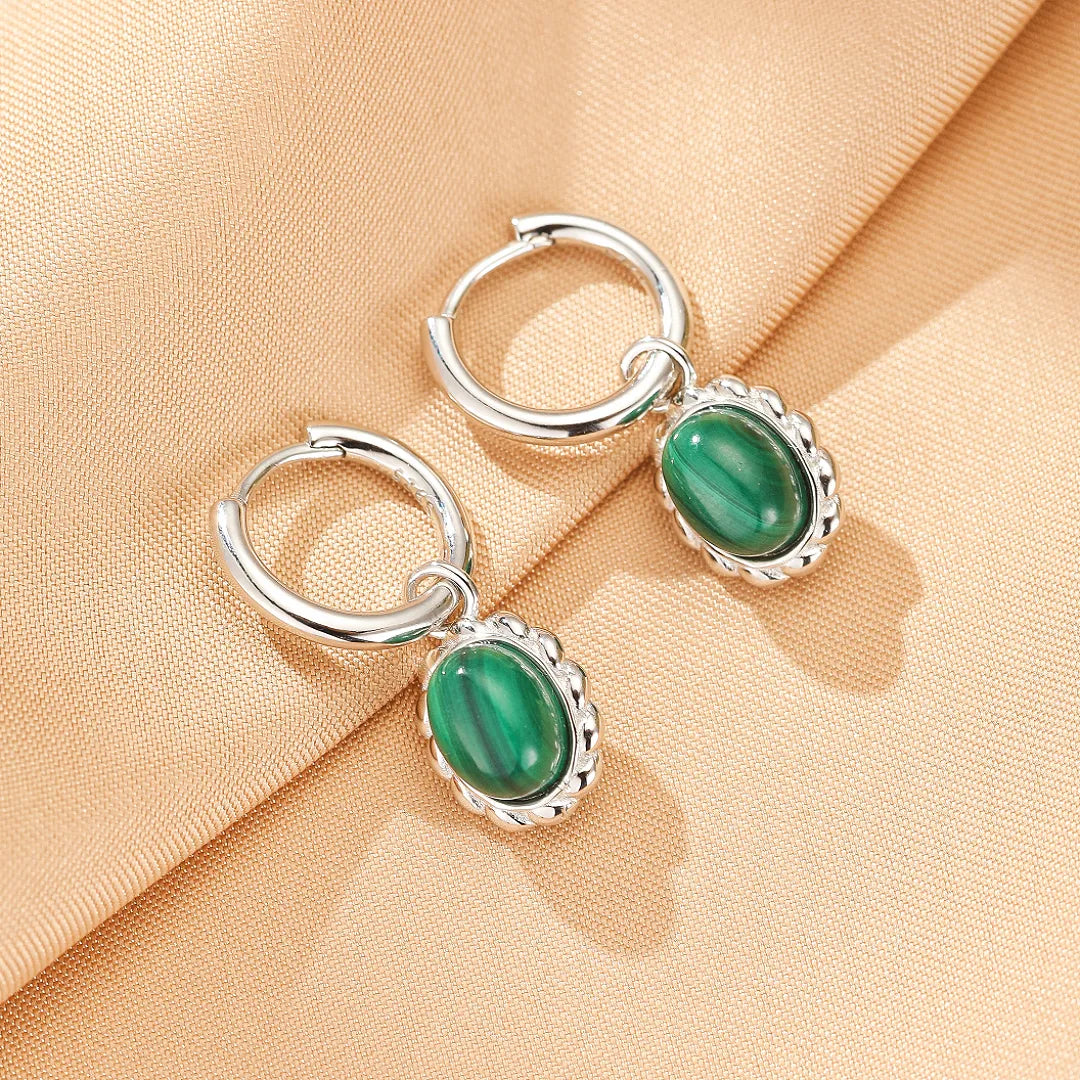
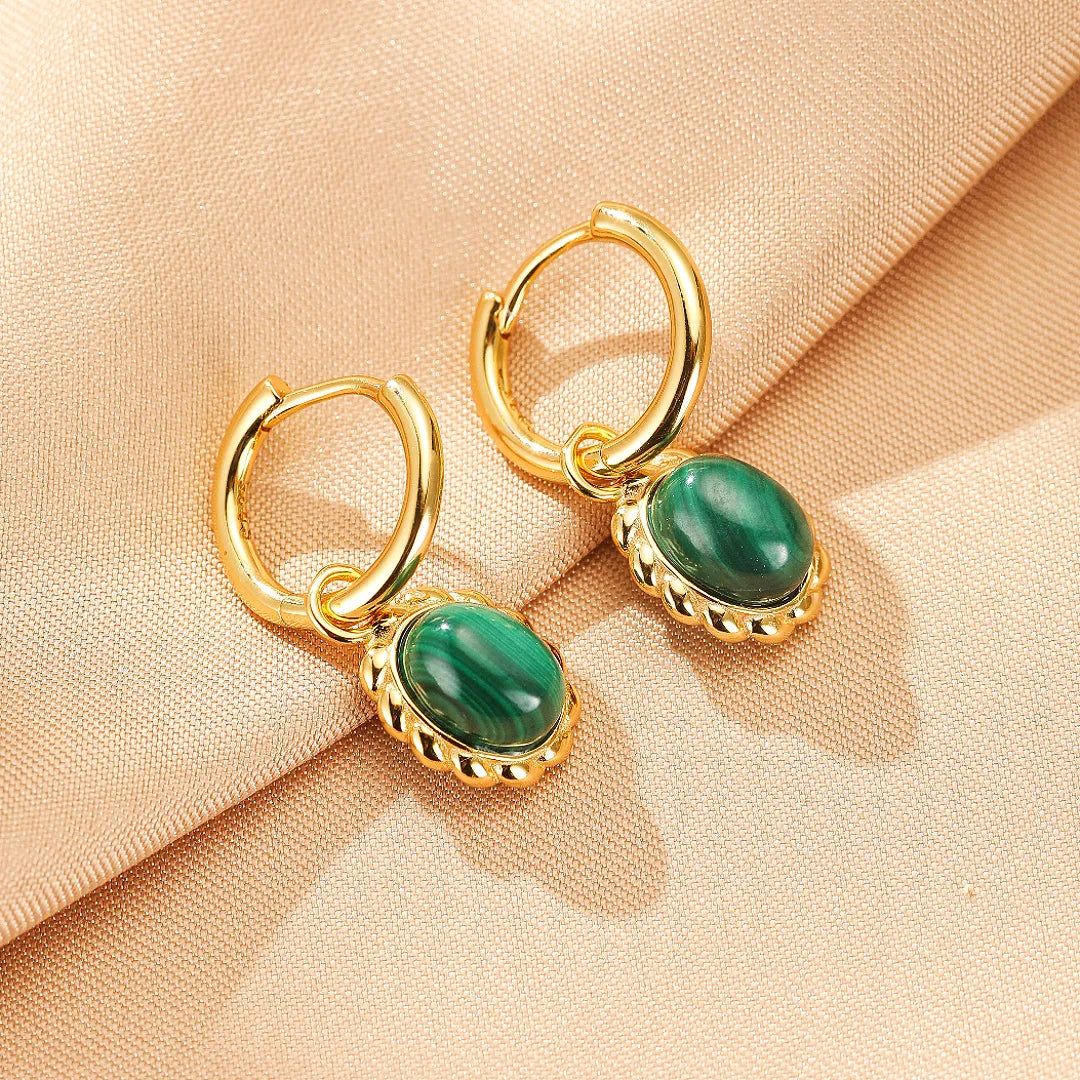
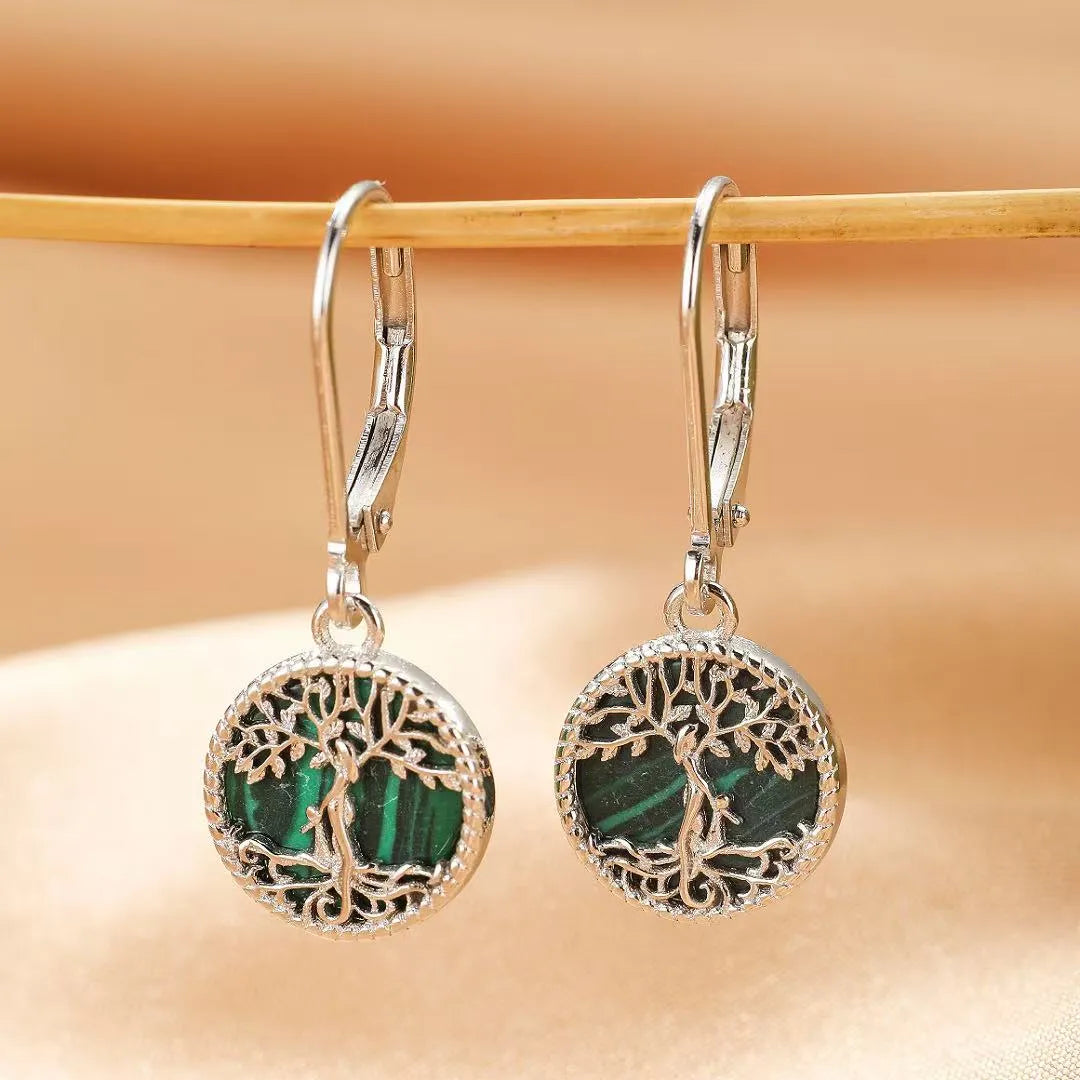
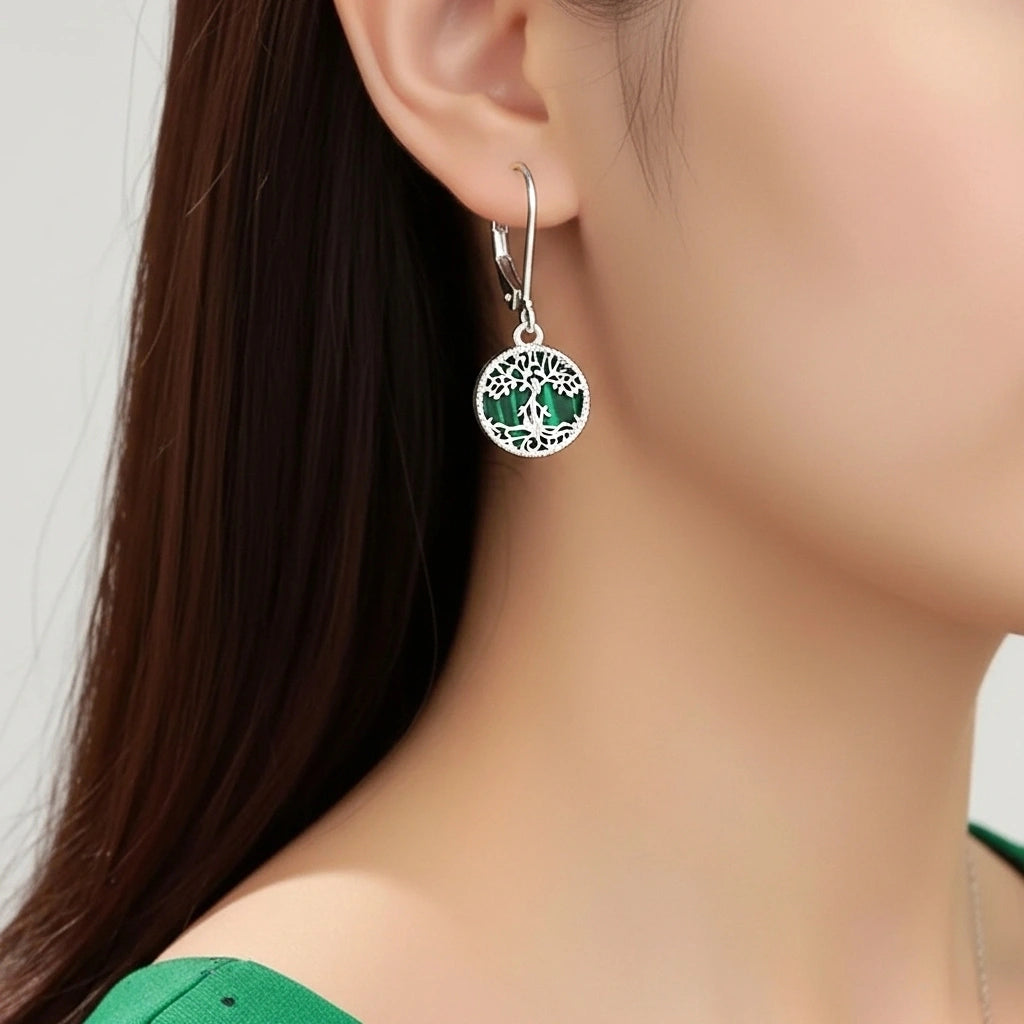
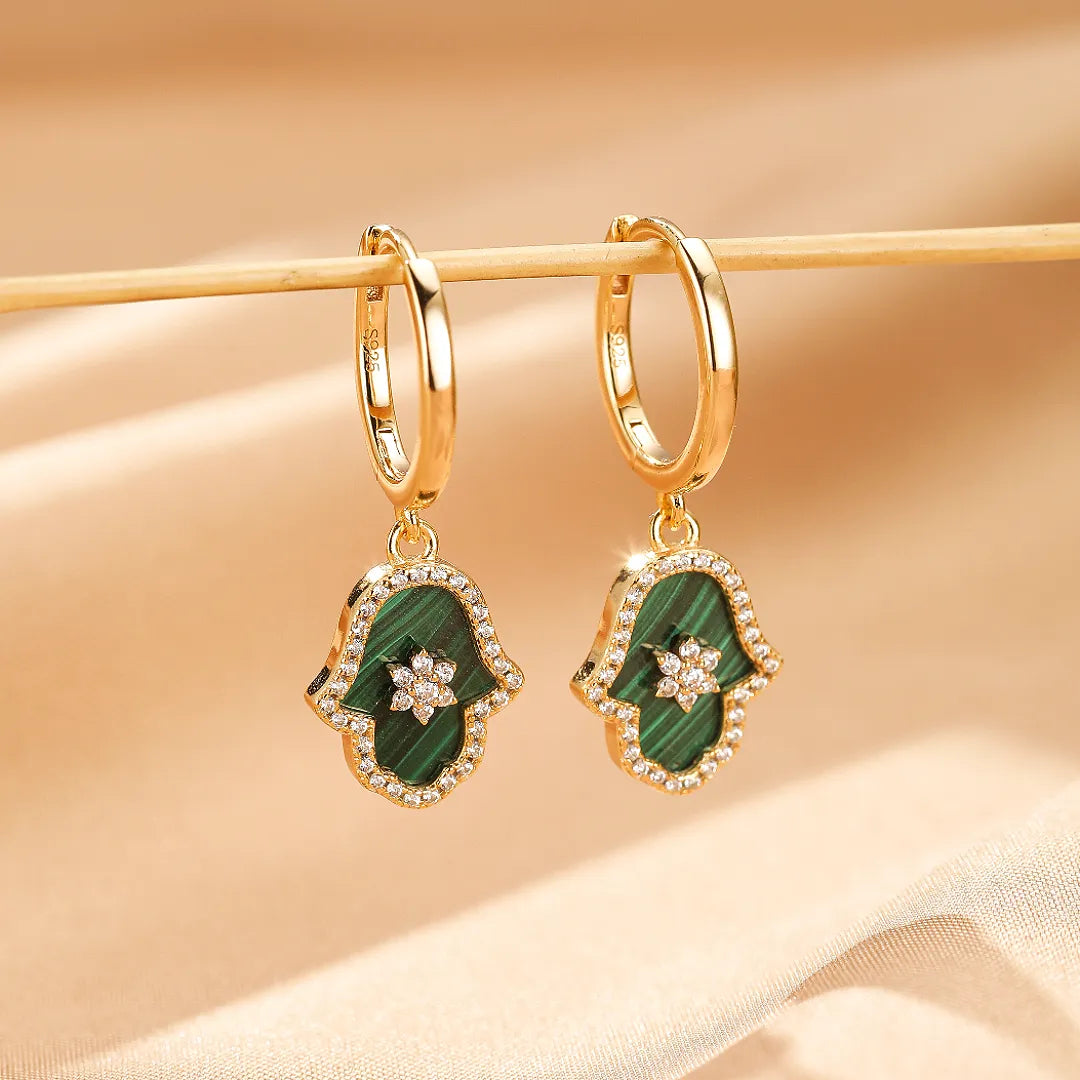
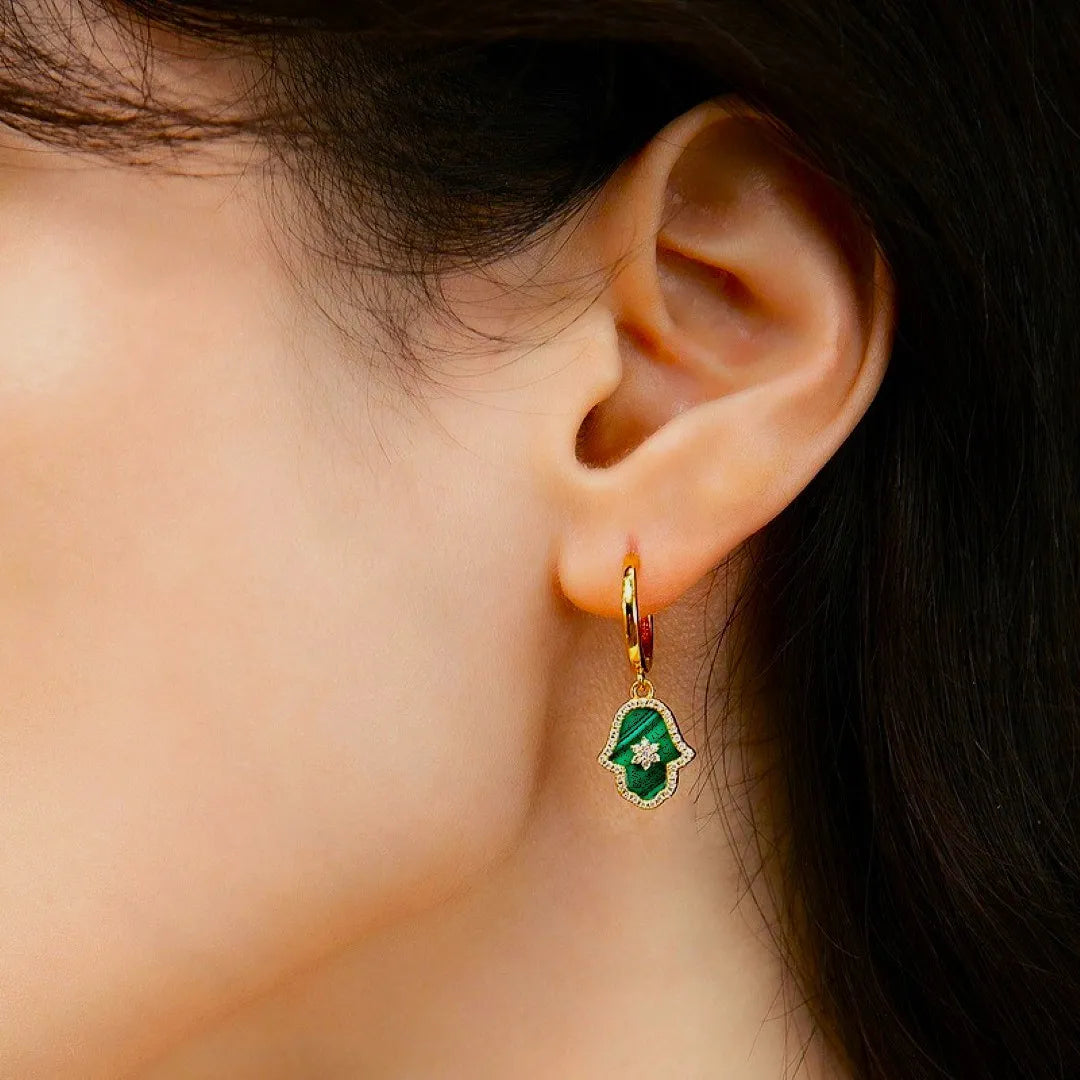
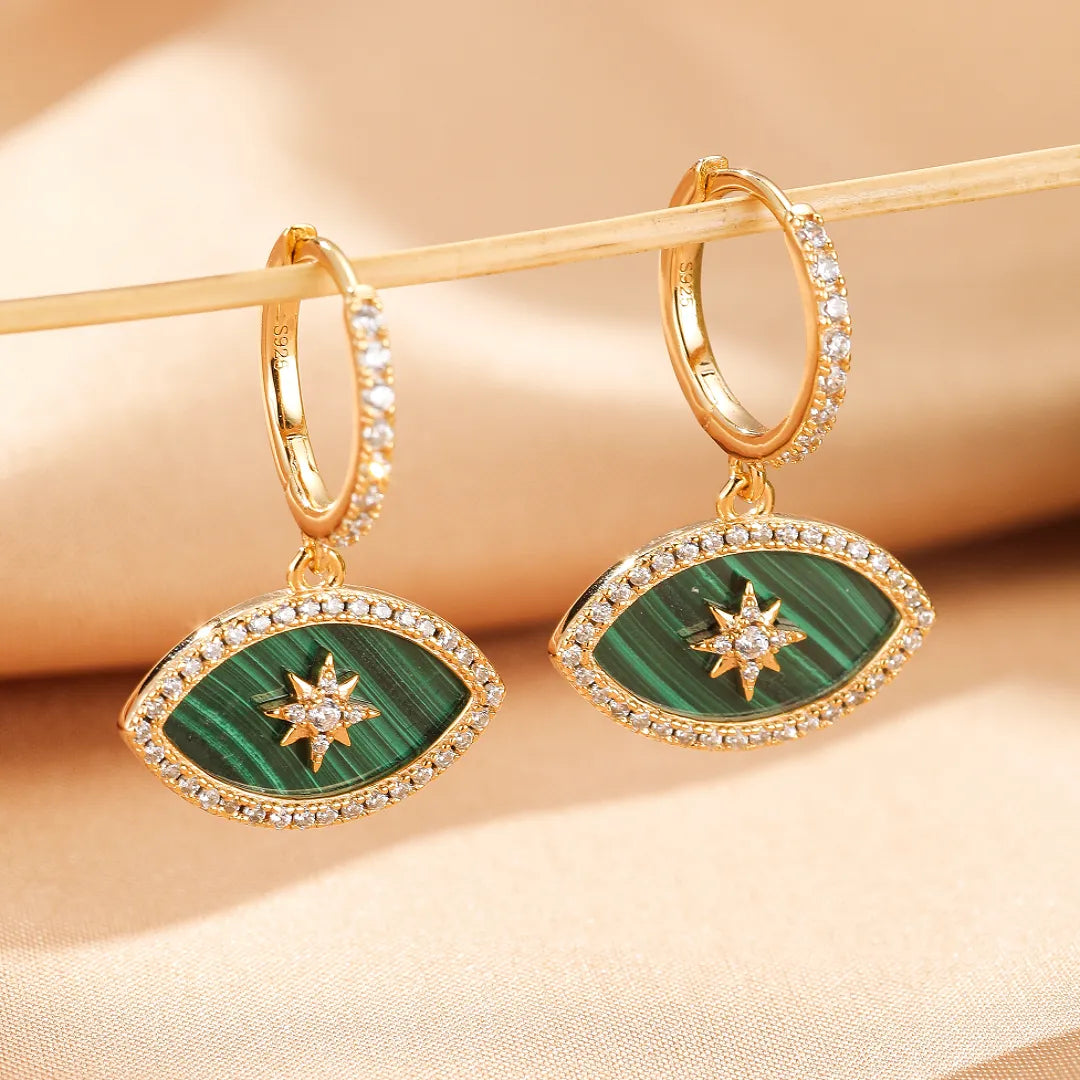
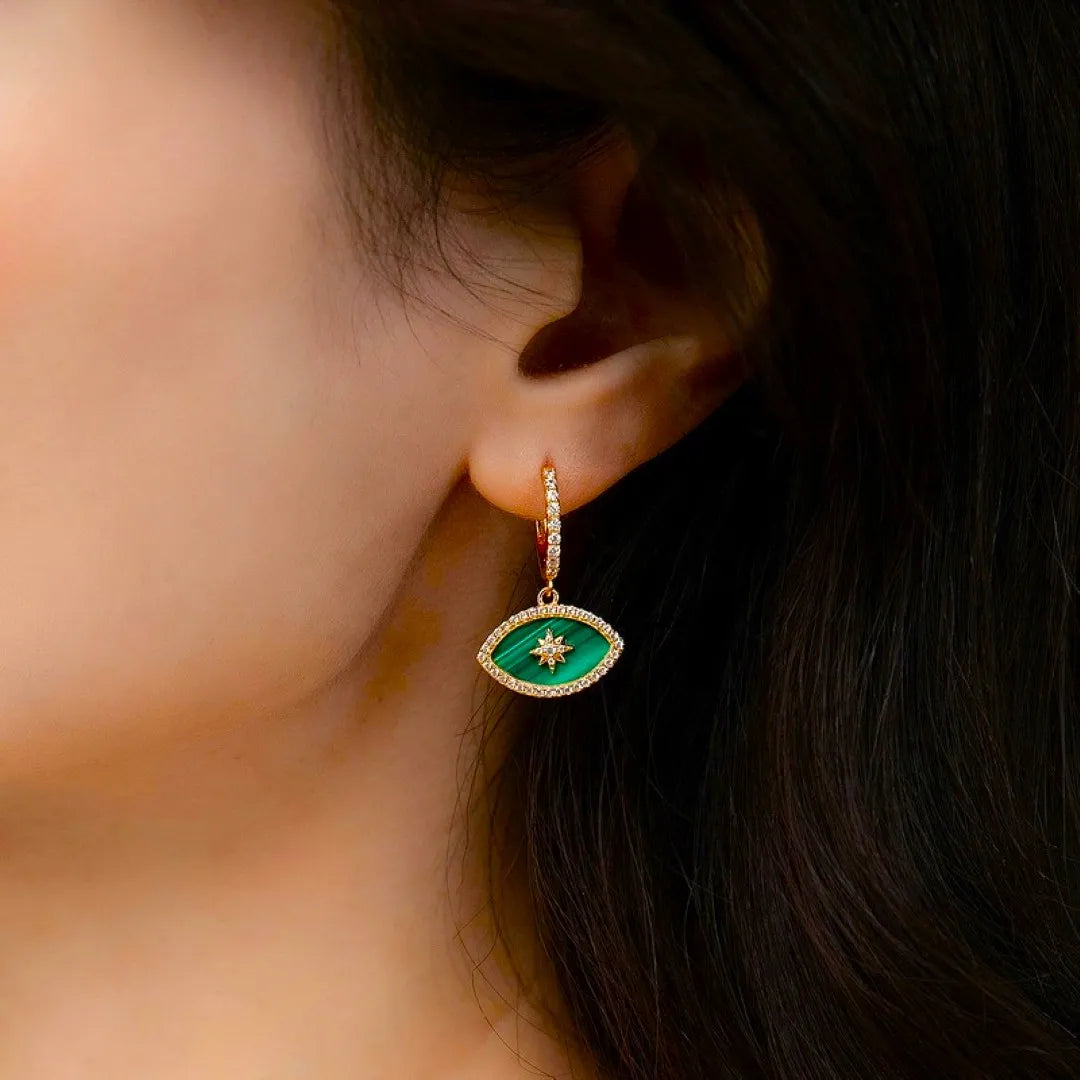
This is one of the most common ways to enjoy its presence. As a bracelet, pendant, ring, or earrings, malachite combines aesthetics and symbolism. It allows the stone to stay close while also letting you enjoy its natural elegance.
Worn as jewelry, it also becomes a visual reminder. A reminder of protection, transformation, centering, or simply beauty. And one thing must be admitted: few natural stones are at once so expressive and so refined.
To discover creations that highlight this stone, you can visit the page Malachite Jewelry Collections.
Placing Malachite in a Living Space
Some people like to place a piece of malachite in their office, living room, or meditation space. In that setting, the stone is often chosen just as much for its aesthetics as for the symbolism attributed to it.
In a work environment, it can represent concentration, adaptability, or the transition into action. In a more intimate space, it is often associated with emotional protection and harmony.
Using It in a Centering Ritual
Journaling, breathing, meditation, a moment of silence, daily intention: malachite can be integrated into a personal ritual. Here, what matters most is not the complexity of the practice, but the coherence of the gesture. The stone then acts as a symbolic anchor.
How to Recognize Real Malachite?
With the growing success of natural stones, it is becoming increasingly important to distinguish authentic malachite from an imitation or a reconstructed version. Because yes, not all green stones with patterns are necessarily real malachite.
Real malachite is generally characterized by irregular natural patterns, nuanced bands, and a visual depth that is difficult to reproduce perfectly. Imitations sometimes show patterns that are too regular, artificial contrasts, or an appearance that seems too “perfect” to be credible. In the world of minerals, perfection itself can be a warning sign.
Texture, weight, polish quality, and origin can also provide clues. It is better to turn to a serious seller who is transparent about the origin of the stone and the exact nature of the product offered. This vigilance is all the more important when malachite is set in jewelry or sold at a high price.
To go even further on this subject, the article Natural or Reconstructed Malachite: How to Know if Your Stone Is Real offers very useful guidance.
How to Care for Malachite?
Malachite is a relatively delicate stone. That is why it deserves appropriate care, both to preserve its beauty and to respect its mineral nature.
From a material point of view, here is what should be avoided:
- Chemical products
- Perfumes
- Sudden temperature changes
- Prolonged contact with water
- Excessive friction
Malachite contains copper, which makes it more sensitive than some harder stones. A simple soft cloth is often enough for routine care.
In lithotherapy practices, some people also like to cleanse or recharge their stones energetically. For malachite, it is generally recommended to favor gentle methods, such as letting it rest on a clean cloth, setting an intention, using light incense, or placing it on a suitable geode, depending on each person’s habits. Here again, practices vary according to individual sensitivity.
Taking care of your malachite also means taking seriously the bond you create with it. A natural stone is not an ordinary accessory. It is often part of a more conscious, attentive, and lasting approach.

Which Stones Can Malachite Be Paired With?
Malachite can be paired with other natural stones depending on the desired intention. These combinations generally follow a symbolic or energetic logic within the framework of lithotherapy.
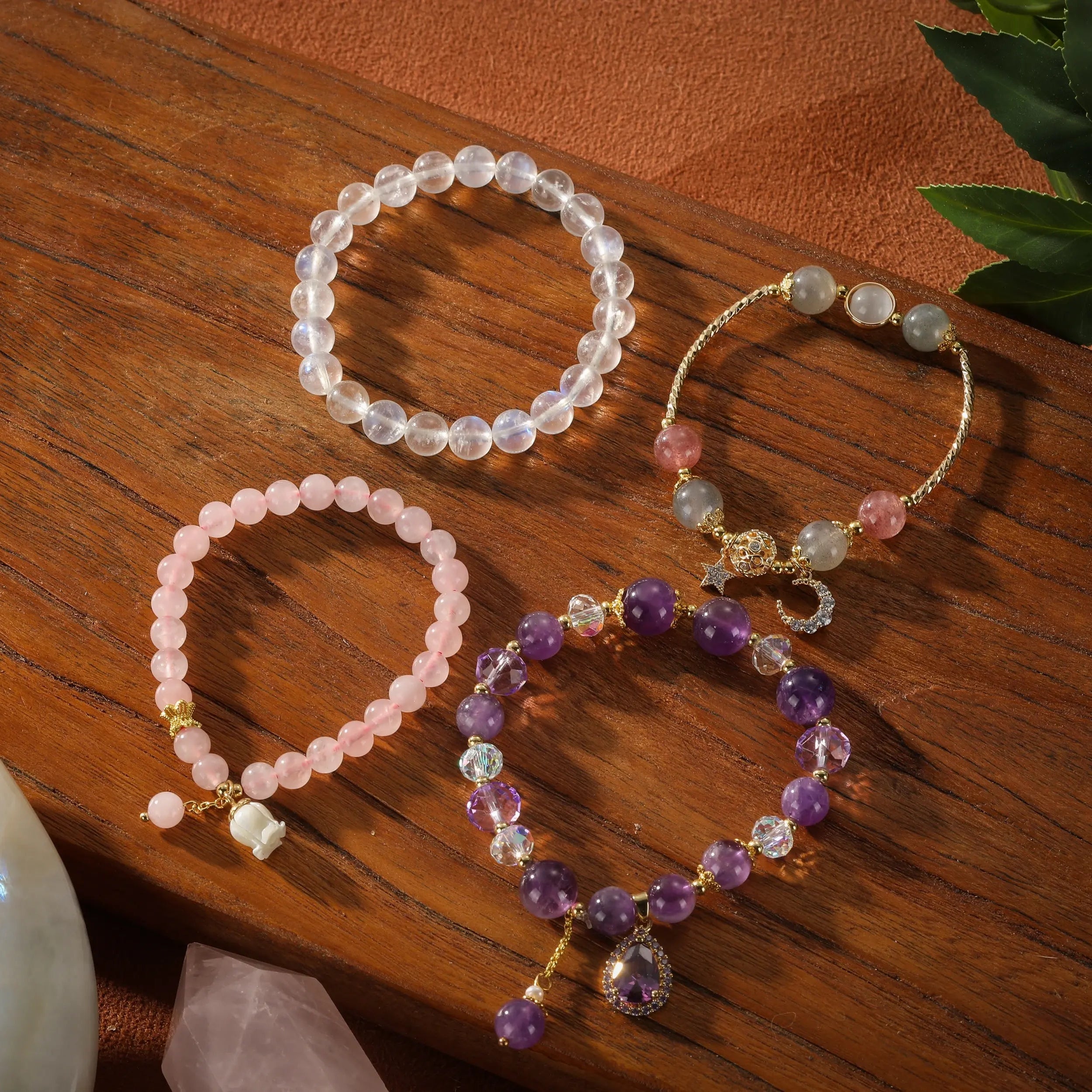
- With rose quartz, malachite can form an interesting duo around the heart, emotional softness, and emotional openness. Rose quartz brings an energy often perceived as gentler, while malachite would be more direct and transformative.
- With amethyst, the combination may suit those who want to combine introspection, mental calm, and inner development. Amethyst would be more oriented toward soothing and perspective, while malachite would help face what calls for concrete change.
- With onyx or black tourmaline, malachite can also be paired to reinforce the idea of grounding and protection. This type of combination often appeals to people who move through stressful environments or wish to set better boundaries.
These combinations do not follow any absolute rule. Personal feeling, intended use, and aesthetics also play an important role. And sometimes, a stone simply speaks to us without the need for any additional theoretical argument.
Why Is Malachite Jewelry So Popular?
The success of malachite jewelry is based on a rare balance between refinement and visual strength. The stone stands out immediately without ever seeming excessive. It draws the eye, but with natural elegance.
In a necklace, bracelet, or ring, malachite adds a touch of character. It can enhance a simple style with a note of depth or, on the contrary, elevate a more assertive outfit. Its intense green works equally well with gold-toned and silver-toned metals, which makes it very versatile in jewelry design.
But its appeal is not limited to design. Many people choose malachite jewelry for what it represents: a stone that accompanies transitions, symbolically protects, and reminds us how important it is to listen to our inner world.
To explore this aesthetic and symbolic dimension, you can read the article Malachite Jewelry: Elegance and Energy.
Who Is Malachite Especially Suitable For?
Malachite can appeal to very different profiles, but it seems to speak especially to certain people.
It first interests those going through a phase of change. When one chapter is closing, when a decision is maturing, or when an inner transformation begins, malachite can become a powerful symbolic companion.
It also appeals to lovers of natural stones looking for a stone with a strong visual identity. In a collection, it immediately brings something unique. It is neither neutral nor discreet. It embraces its personality.
Finally, it suits people who like meaningful jewelry. Wearing malachite does not simply mean choosing a beautiful green stone. It also means choosing a story, a symbol, an energy with which one wants to identify.
Conclusion: What to Remember About the Virtues and Benefits of Malachite
Malachite is one of the most symbolically rich natural stones, and that is no coincidence. Its unique beauty, its ancient history, and the richness of the symbolism attributed to it make it a stone that is at once decorative, expressive, and deeply inspiring.
In the world of lithotherapy, the virtues of malachite are mainly associated with transformation, protection, emotional openness, and awareness. The benefits of malachite are often described as helpful during periods of transition, questioning, or the search for inner balance. Of course, these uses are part of a well-being approach and never replace a medical framework.
The natural malachite stone also captivates through its versatility. It finds its place in jewelry, decorative objects, personal rituals, and mineral collections. It appeals both to lovers of mineralogy and to admirers of gentle symbolism and spirituality.
To sum up, malachite is not just another green stone among many others. It is a stone that leaves an impression, accompanies, sometimes challenges, and continues to attract through its depth. In short: a stone with character. And in the world of natural stones, it is often exactly that character that makes all the difference.
What Are the Virtues of Malachite in Lithotherapy?
In lithotherapy, the virtues of malachite are associated with energetic protection, change, emotional openness, and centering. It is often chosen during times of transition.
How to Use Malachite in Daily Life?
Malachite can be worn as a bracelet, necklace, or ring. It can also be placed in a living space or used during meditation or a centering moment.
Can You Wear Malachite Every Day?
Yes, it is possible to wear malachite every day, especially as jewelry. You simply need to avoid impacts, chemical products, and prolonged contact with water in order to protect the stone.
How to Recognize Real Malachite?
Real malachite generally shows irregular natural patterns with different shades of green. A stone that is too uniform or patterns that seem too perfect may indicate an imitation.
Which Chakra Is Malachite Associated With?
Malachite is mainly associated with the heart chakra. It is linked to emotional balance, emotional openness, and inner transformation.
Read more
Discover malachite, a fascinating natural stone known for its powerful properties in lithotherapy. In this article, explore the origin of this stone, its spiritual meaning, as well as the virtues a...

Learn to distinguish natural malachite from reconstituted malachite with simple, practical advice. Patterns, color, density, price, and use in crystal healing: discover the key signs to identify a ...


