
Jade: Stone of Wisdom, Harmony and Prosperity
- Introduction:
- What is Jade? An ancient natural stone
- The benefits of Jade in lithotherapy
- Jade and spirituality: a stone of inner evolution
- How to incorporate Jade into your daily life?
- Who is Jade for? Portrait of the ideal user
- How to recognize a genuine Jade stone?
- Jade in lithotherapy: a gentle but powerful energy
- Focus: Jade jewelry
- Conclusion: A timeless stone of wisdom
- Articles to explore further:
- FAQ – Jade and Lithotherapy
Introduction:
In the fascinating world of natural stones, Jade stands out for its soothing beauty and millennia-old symbolism. A synonym for purity, inner balance, and prosperity, this stone has crossed centuries and continents while keeping a special place—both in spiritual traditions and in contemporary lithotherapy practices.
This article offers you a complete journey into the world of Jade: its origins, its therapeutic benefits, its role in spirituality, its applications in everyday life, and above all, how to integrate it into a personal well-being approach.
Our Jade Jewelry
What is Jade? An ancient natural stone
Jade, in its mineralogical definition, actually refers to two very distinct stones: jadeite and nephrite. These two stones share a similar appearance—ranging from pale to deep green—but differ in composition and hardness.
Jadeite vs Nephrite: a difference that changes everything
- Jadeite is rarer, harder (6.5 to 7 on the Mohs scale), and more vivid in color. It is mainly found in Burma (Myanmar) and is considered the most precious variety.
- Nephrite, softer (6 to 6.5), is mined in China, Russia, Canada, and New Zealand. It has a silkier texture, and its lithotherapy effects are slightly gentler.
In both cases, Jade is appreciated for its resistance, its translucent appearance, and its pleasant feel on the skin. It is often carved into sculptures, talismans, jewelry, and ritual objects.
Jade across civilizations
Jade is not limited to a simple decorative stone. In ancient China, it symbolized the five cardinal virtues: courage, wisdom, compassion, justice, and modesty. Emperors wore it as a protective amulet, and it was buried with the deceased as an offering to the gods.
Among the Mayans and Aztecs, jade had a religious function and was linked to fertility and the afterlife. In Maori cultures (New Zealand), nephrite was used to make weapons, tools, and symbols of spiritual authority.
To better understand the importance of natural stones in history, I recommend reading Complete Guide to Natural Stones: Properties, Meaning and Use.

The benefits of Jade in lithotherapy
In lithotherapy, Jade is recognized as a stone of purification, balance, and wisdom. It acts on several levels: emotional, physical, and energetic. It is one of the most complete stones in the mineral realm.
Emotional benefits
- Soothing the mind: jade calms intrusive thoughts, reduces mental rumination, and promotes clarity of mind.
- Emotional regulation: it helps release emotional tension and manage anger or anxiety with more perspective.
- Boosts self-confidence: thanks to its stabilizing effect, it helps you make decisions with greater serenity.
It is an ideal stone for sensitive, stressed people or those prone to anxiety. It acts like a kind of “energetic cocoon”.
Physical benefits
- Supports the kidneys: historically, jade is associated with the renal organ (the word “nephrite” comes from “nephros,” Greek for kidney).
- Elimination of toxins: by supporting kidney functions, it contributes to the body’s detoxification.
- Support for the immune system: some users notice an improvement in their overall vitality with regular wear.
Energetic properties
- Jade is an excellent regulator of heart energy, promoting balance between emotions and intuition.
- It is also used as a stone of attraction: wealth, professional success, stability in relationships.
These benefits are explored further in the article Benefits and Properties of Natural Stones in Lithotherapy, an excellent foundation to broaden your knowledge about how stones are used.
Jade and spirituality: a stone of inner evolution
Jade is a deeply spiritual stone. It is often used to support meditative practices, energetic rituals, or simply as an inner guide.
Activation of the heart chakra
Linked to the fourth chakra, Jade harmonizes emotions, helps heal emotional wounds, and opens the way to unconditional love. It is a stone of forgiveness, understanding, and acceptance of oneself and others.
Use in meditation
Holding a polished jade stone in your hand during meditation, or placing it on the heart chakra, makes it easier to reach a state of inner calm. Its energy is gentle, yet constant and protective.
Recommended pairings
- Amethyst: to strengthen spiritual connection and cultivate inner peace (see the article on Amethyst).
- Moonstone: ideal for balancing feminine emotions and intuition (see the article on Moonstone).
- Labradorite: to protect yourself from negative energies while developing intuition (see the article on Labradorite).
For a better understanding of the spiritual symbolism of crystals, I recommend Meaning of Natural Stones and Spiritual Symbolism.

How to incorporate Jade into your daily life?
Using Jade is not limited to meditation or rituals. It is possible—and recommended—to integrate it into your daily life in many ways.
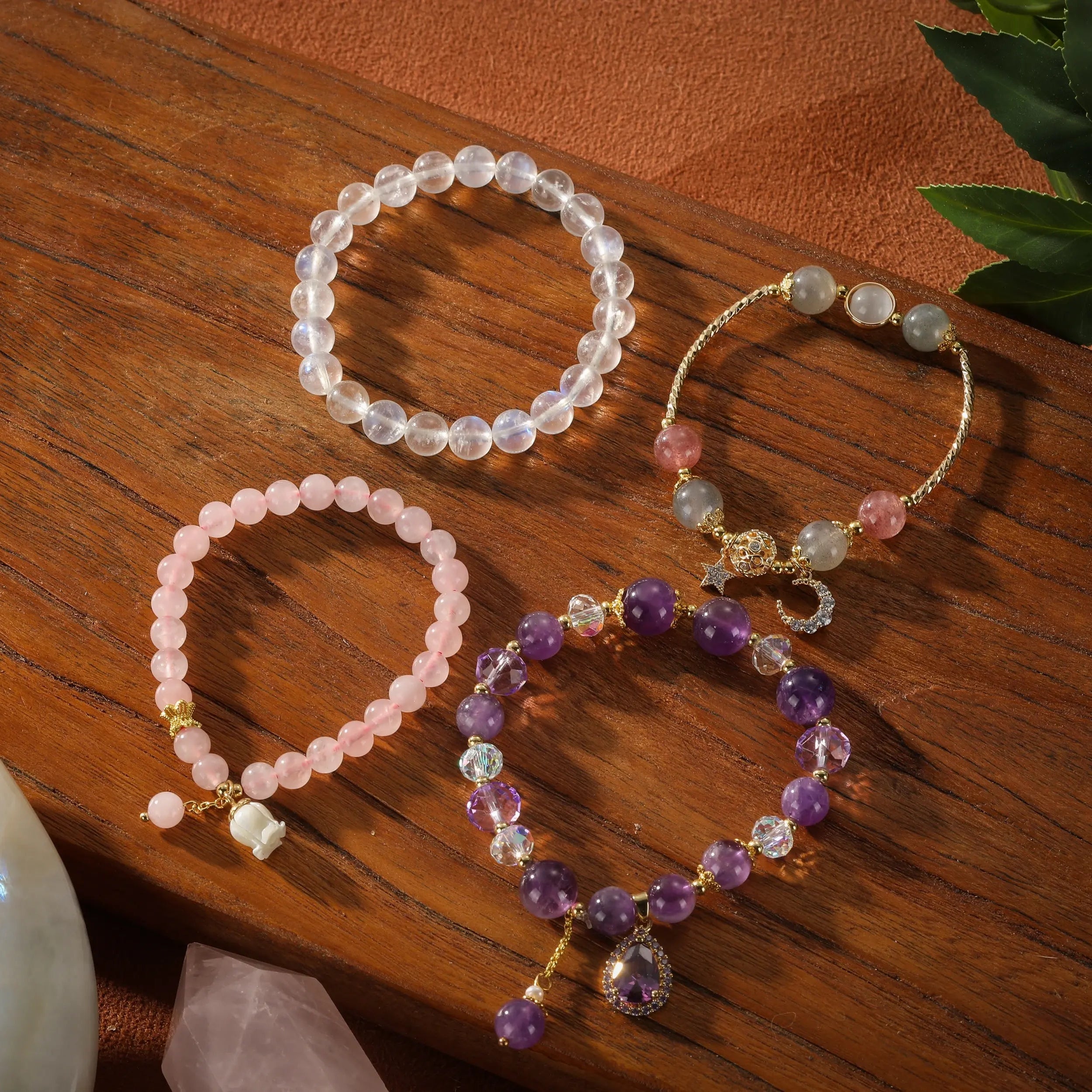
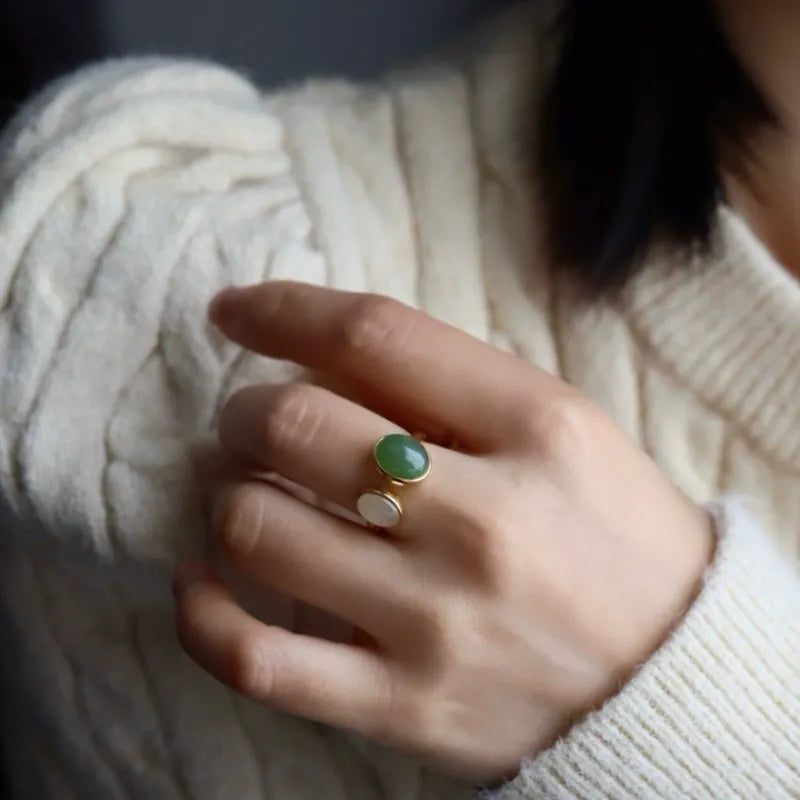
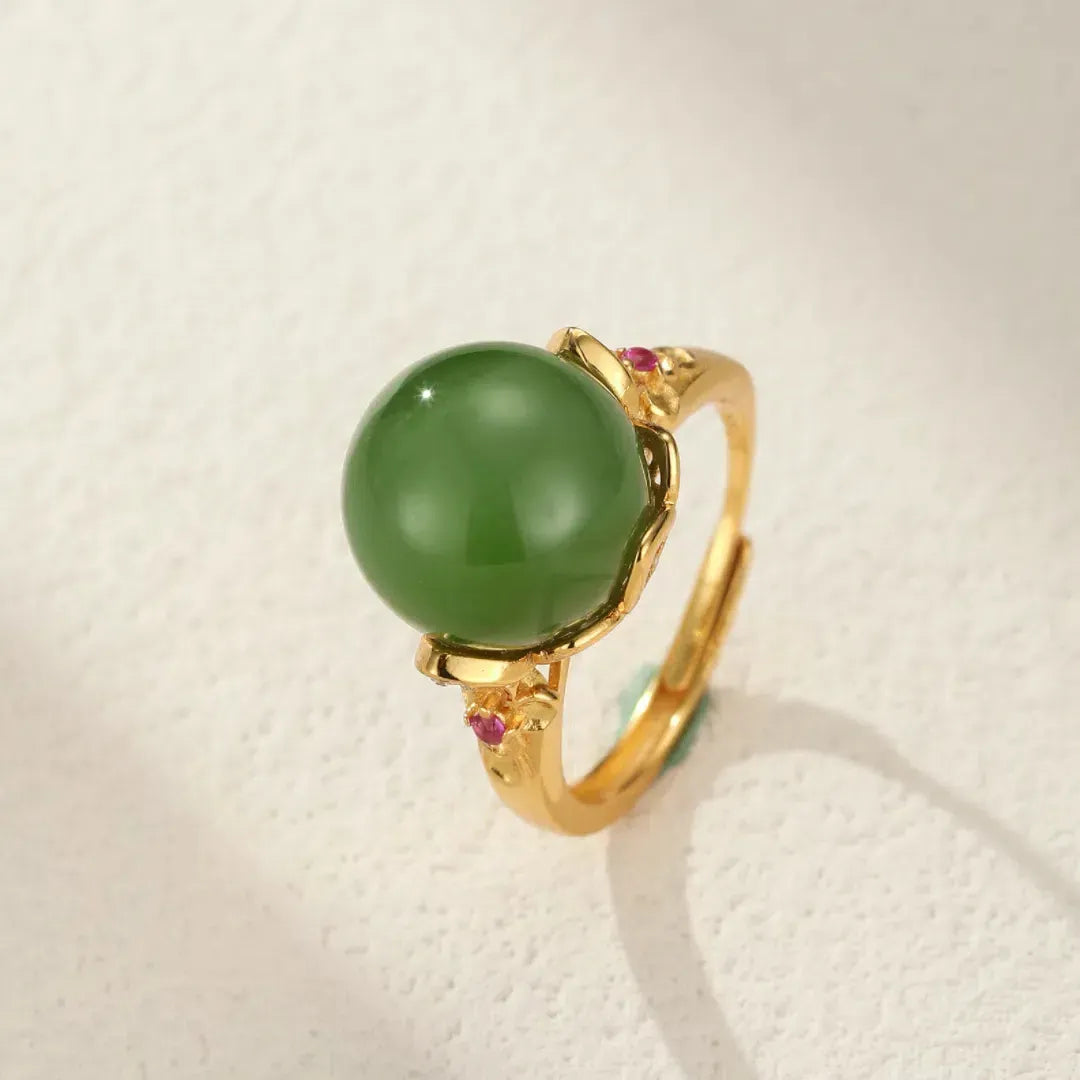
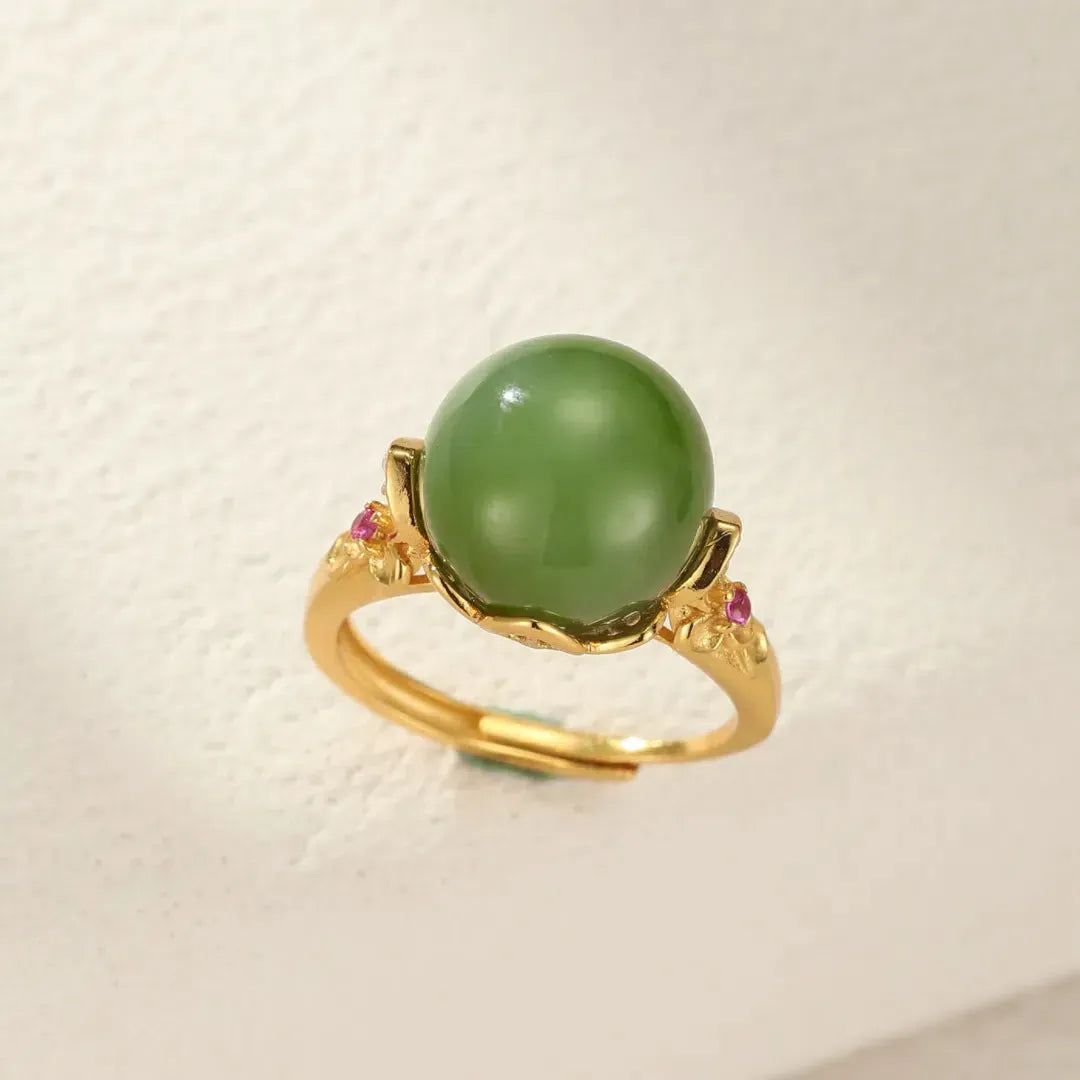
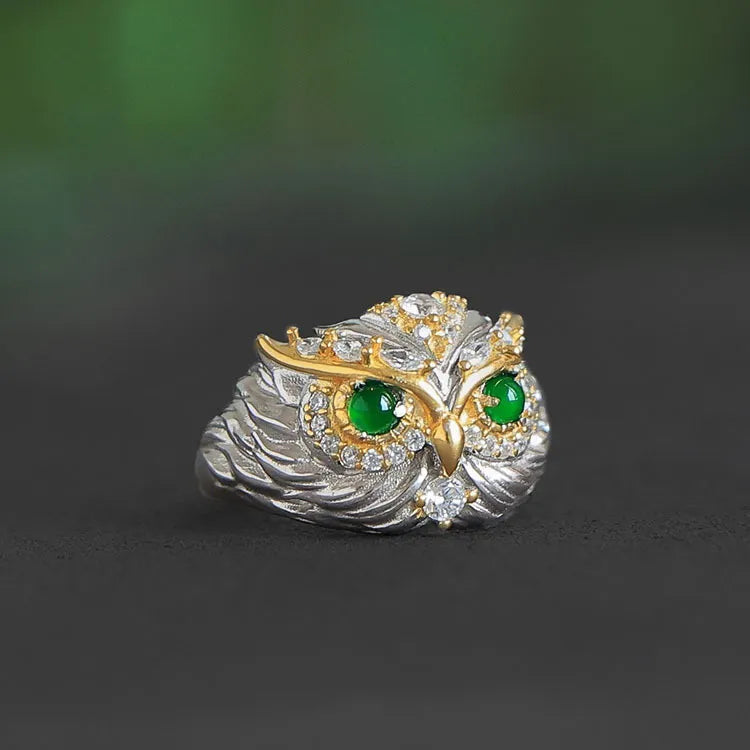
Jade jewelry
- Jade bracelet: worn on the left wrist, it absorbs negative emotions. On the right wrist, it diffuses its energies to others.
- Pendant or necklace: in direct contact with the heart, it balances emotions and strengthens emotional stability.
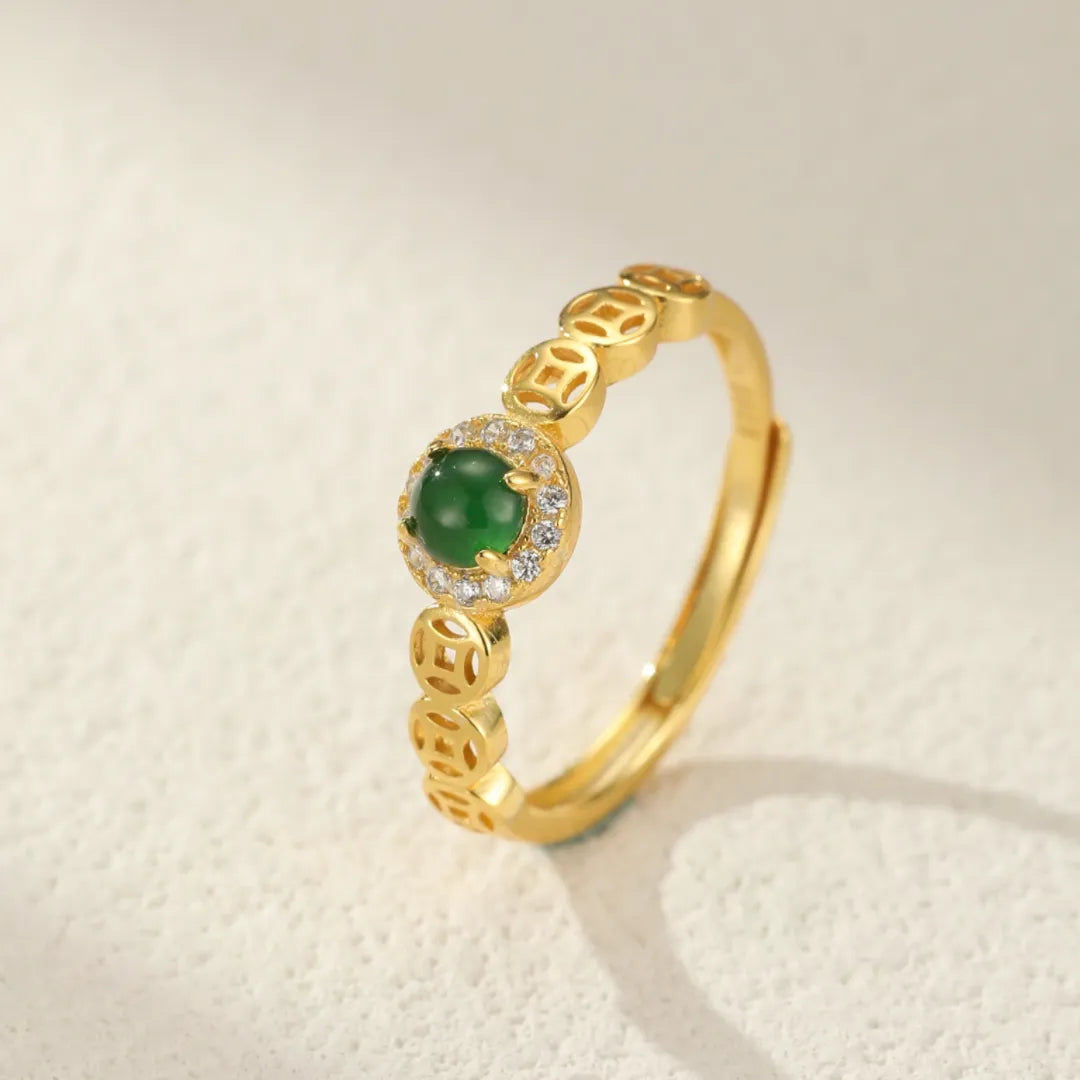
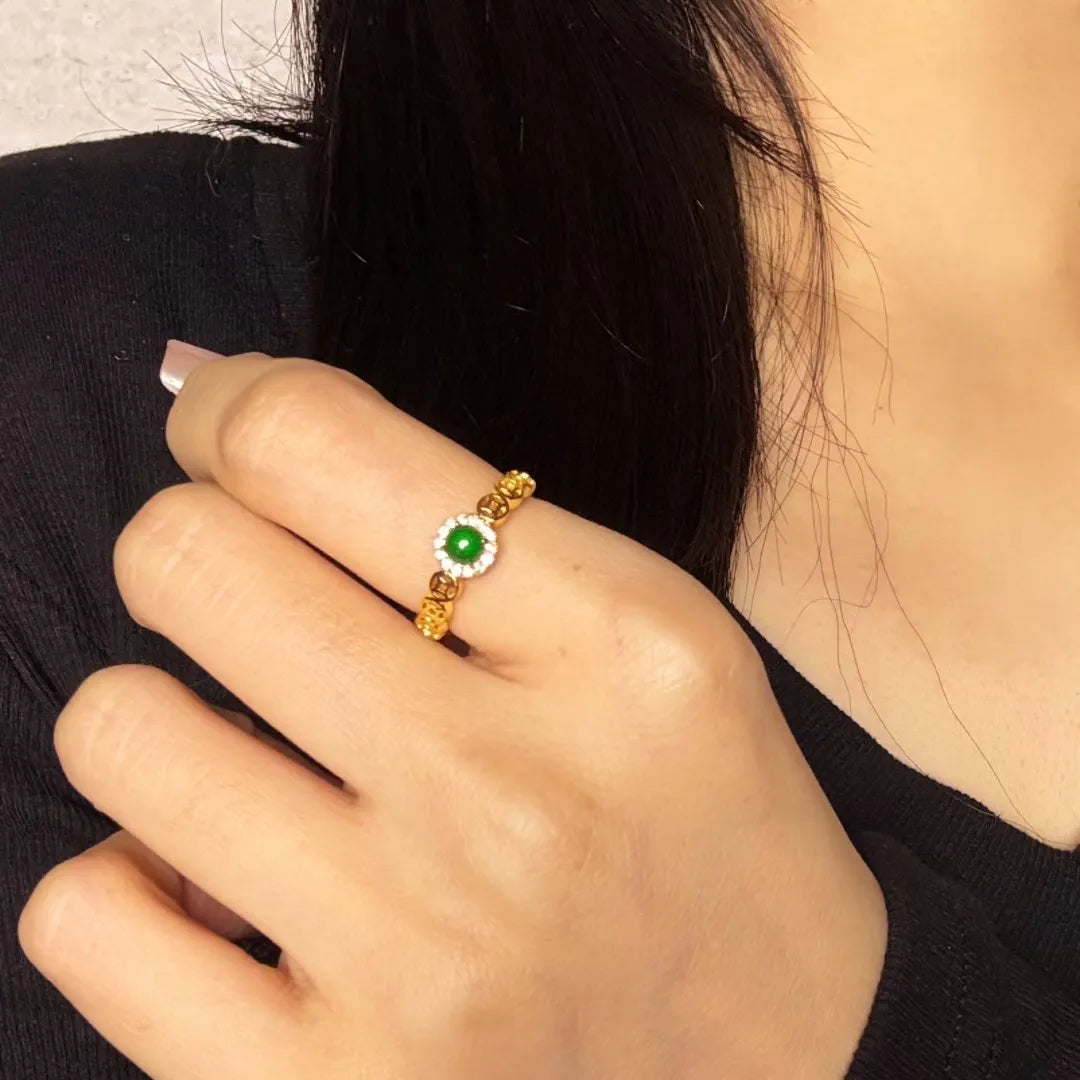
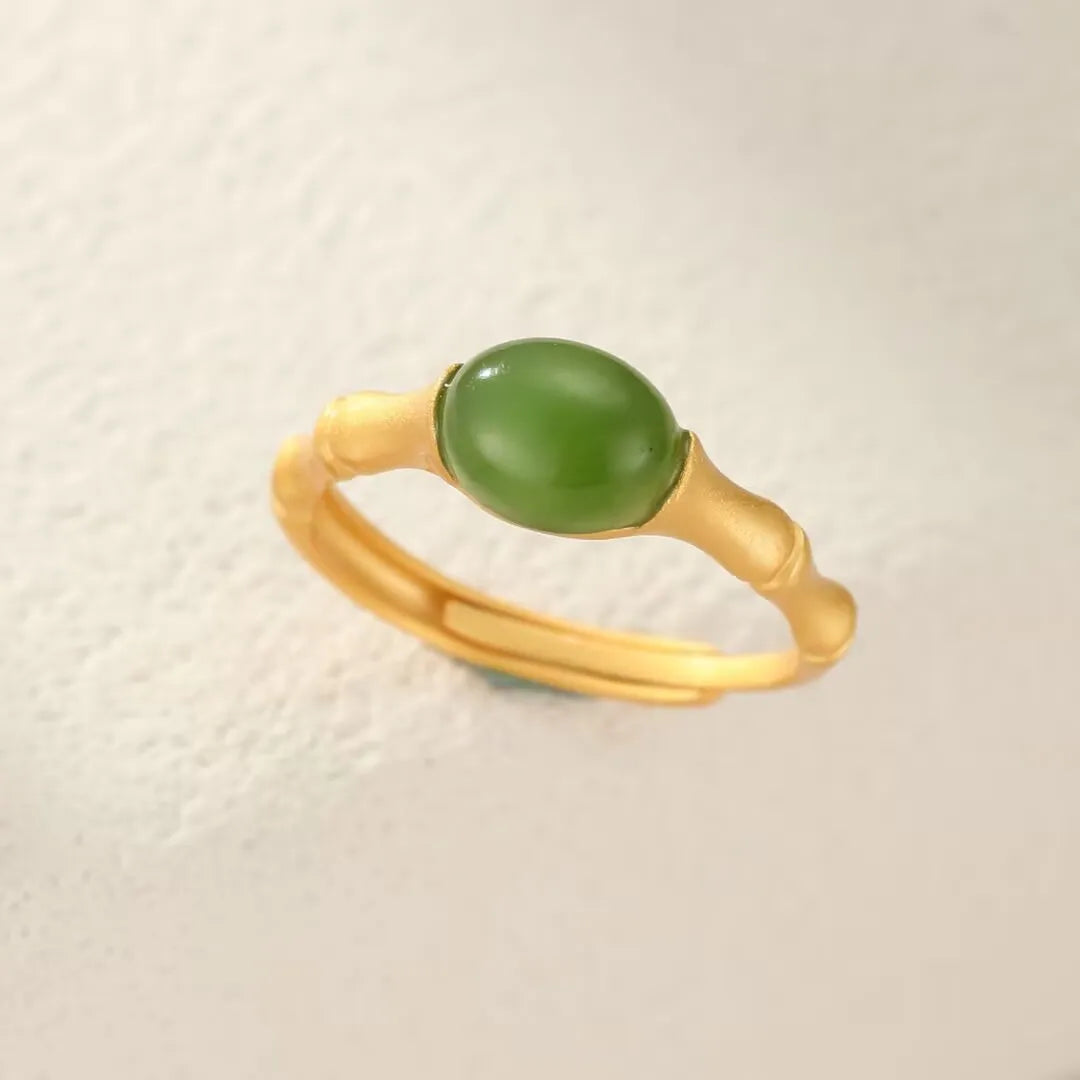
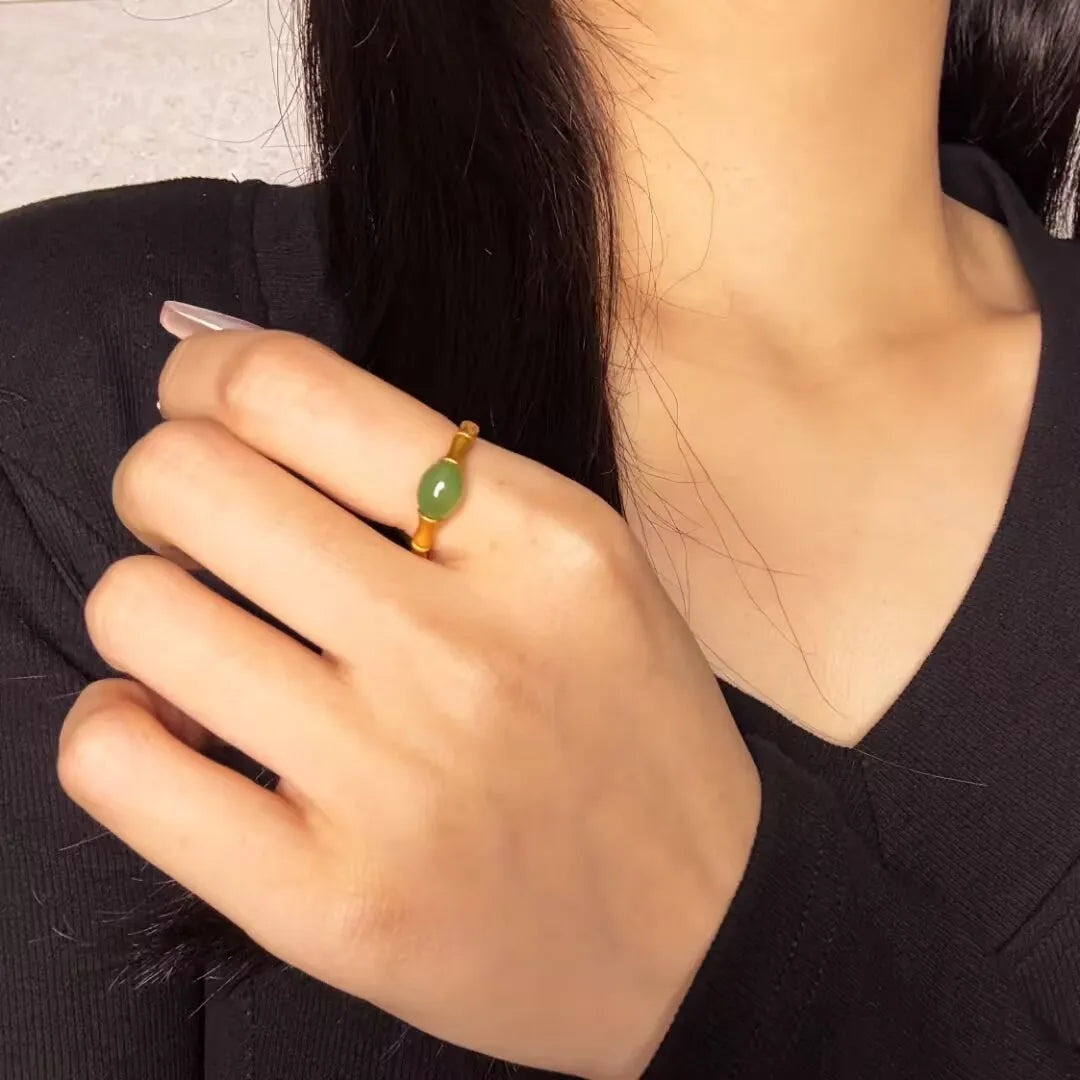
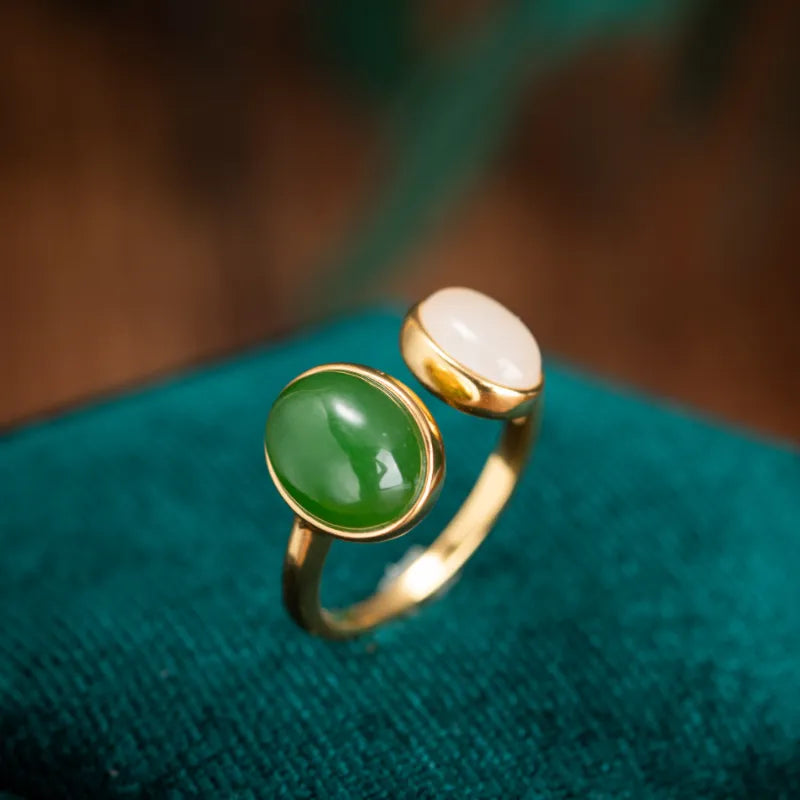
- Rings: useful for strengthening grounding and decision-making.
Wearing energetic Jade jewelry is covered in the article Natural Stone Jewelry: Elegance, Benefits and Symbolism.
Decorative objects
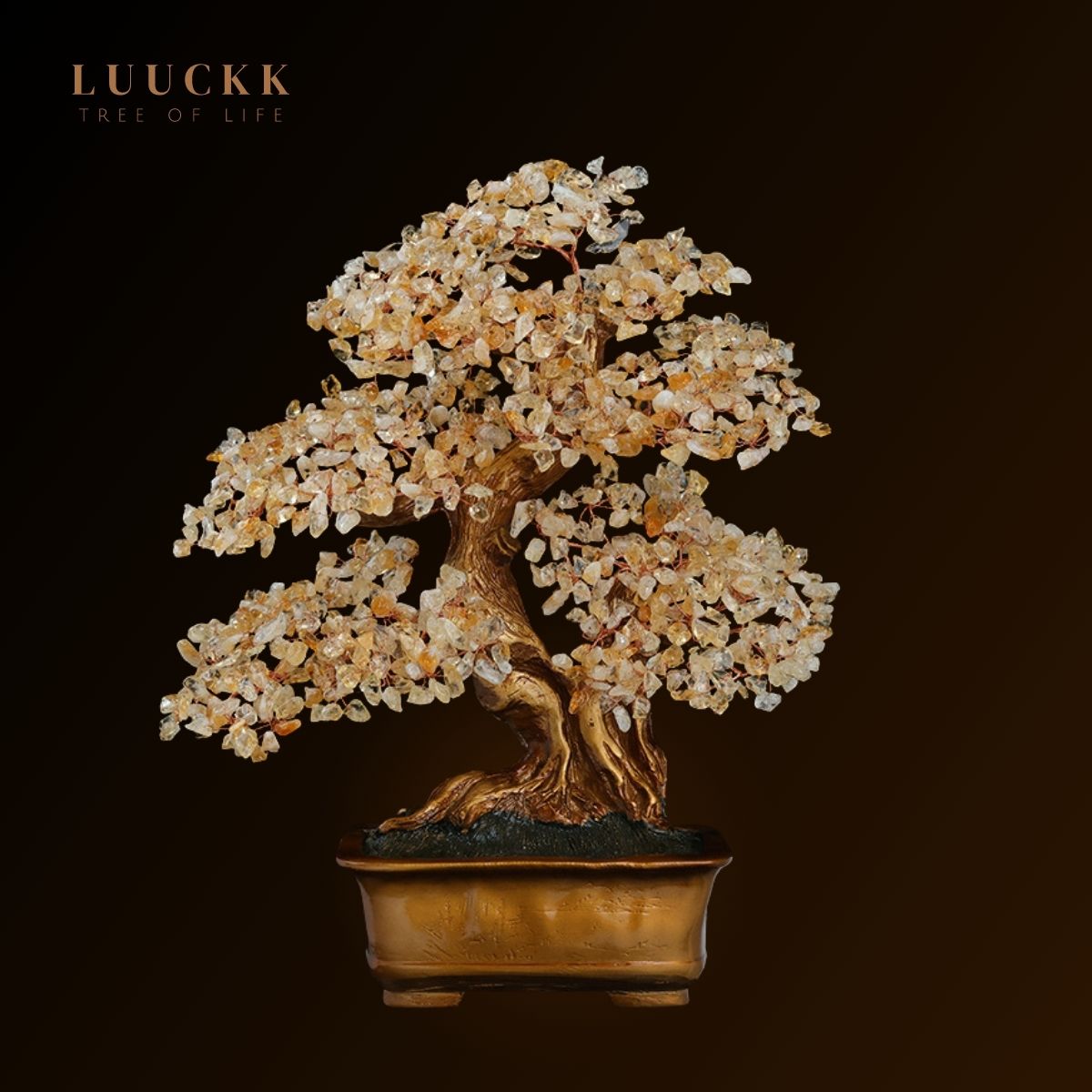
- Jade trees of life: ideal for harmonizing the energy of a space.
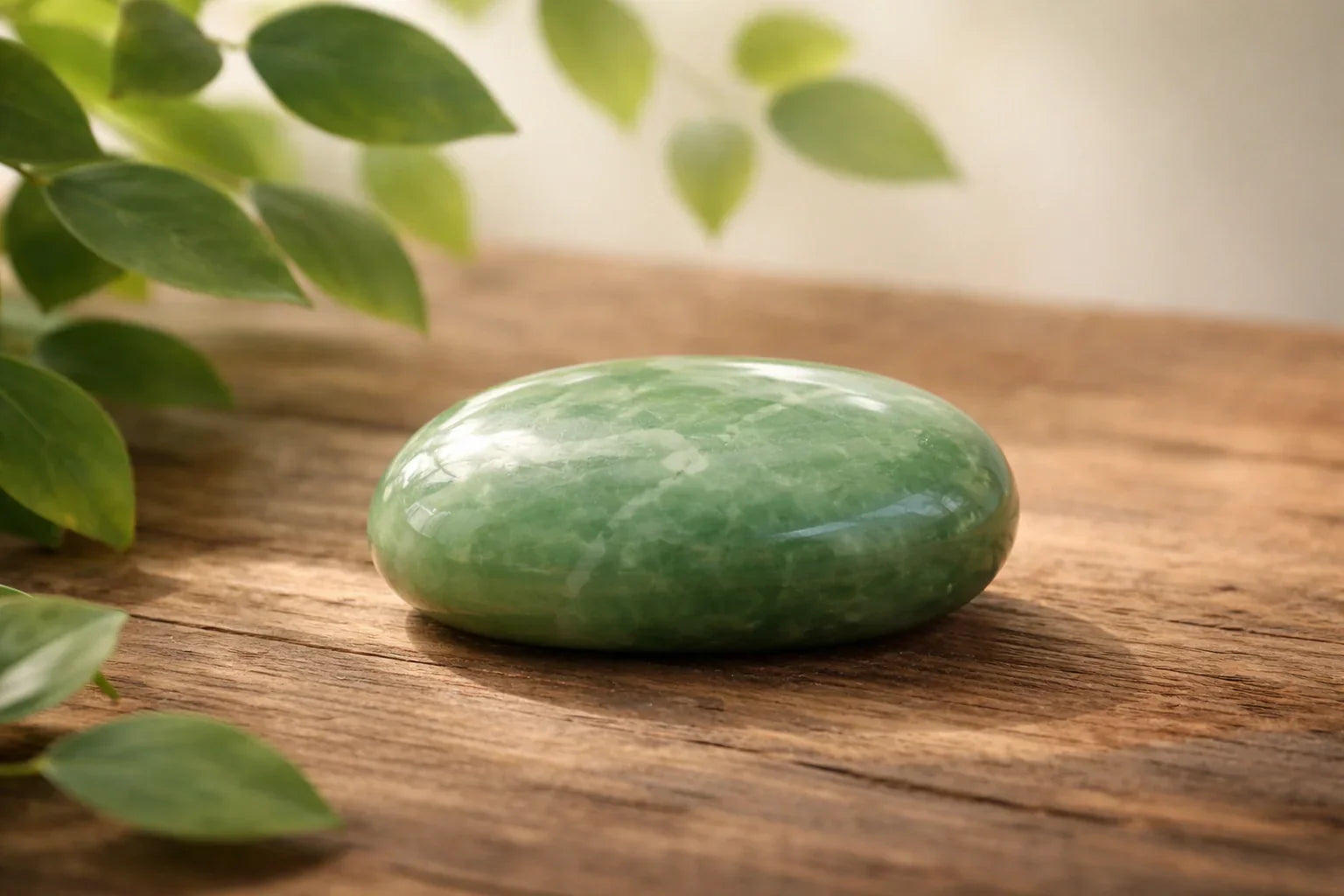
- Jade pebbles: to slip under your pillow or keep in your pocket.
- Feng Shui statues: to place in prosperity areas (according to the Bagua).
To discover how to harmonize your interior using natural stones, I recommend Decoration and Well-being: How to Incorporate Natural Stones into Your Interior.
Who is Jade for? Portrait of the ideal user
Jade is universal. It can suit everyone, but it is especially recommended in certain cases:
- Highly sensitive people or those under stress.
- Students or professionals seeking mental clarity.
- Entrepreneurs or self-employed looking for financial stability.
- Parents, therapists, or caregivers who give a lot to others and need to recenter.
Other stones depending on your needs
- For more luck: Green Aventurine
- To regain energy: Carnelian
- For confidence: Tiger’s Eye
- For truth: Lapis Lazuli
How to recognize a genuine Jade stone?
With Jade’s growing popularity, counterfeits are common. Here are a few tips to tell the real from the fake:
- Weight: genuine jade is heavy and dense.
- Temperature: to the touch, it is naturally cool.
- Appearance: it has slight translucency and a silky texture.
For a complete guide, read Genuine or Imitation Jade: Secrets to Identify a Real Stone.

Jade in lithotherapy: a gentle but powerful energy
Used for millennia in energy healing practices, jade is still a reference today in modern lithotherapy. It is often used to:
- Rebalance energy flows.
- Soothe emotional disturbances.
- Stabilize the chakras.
Jade is also a stone of spiritual grounding, capable of reconnecting you to your own inner wisdom. For a complete exploration, see Jade and Lithotherapy: A Natural Stone to Balance Body and Mind.
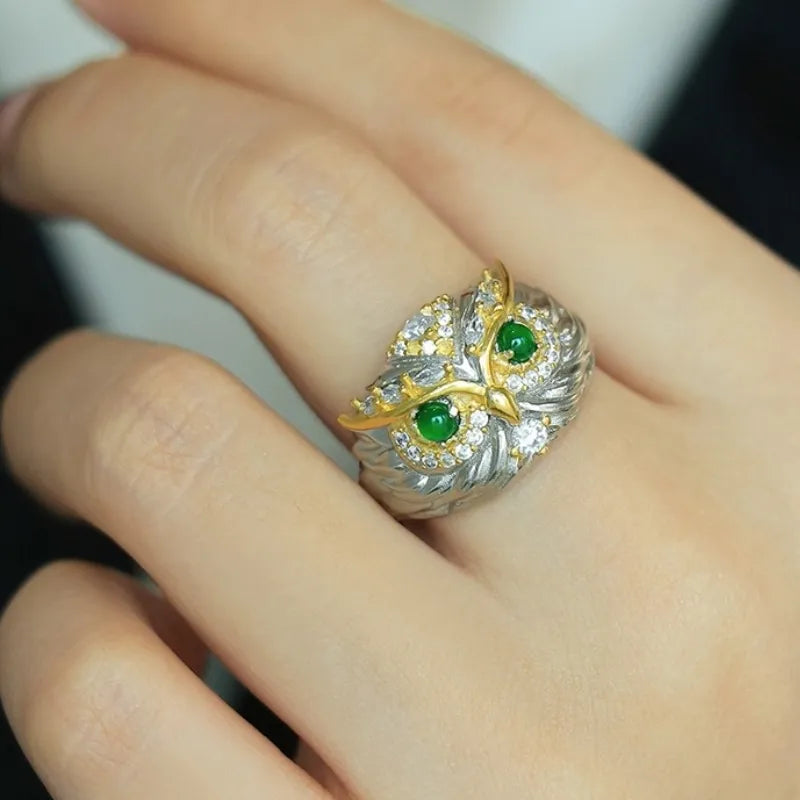
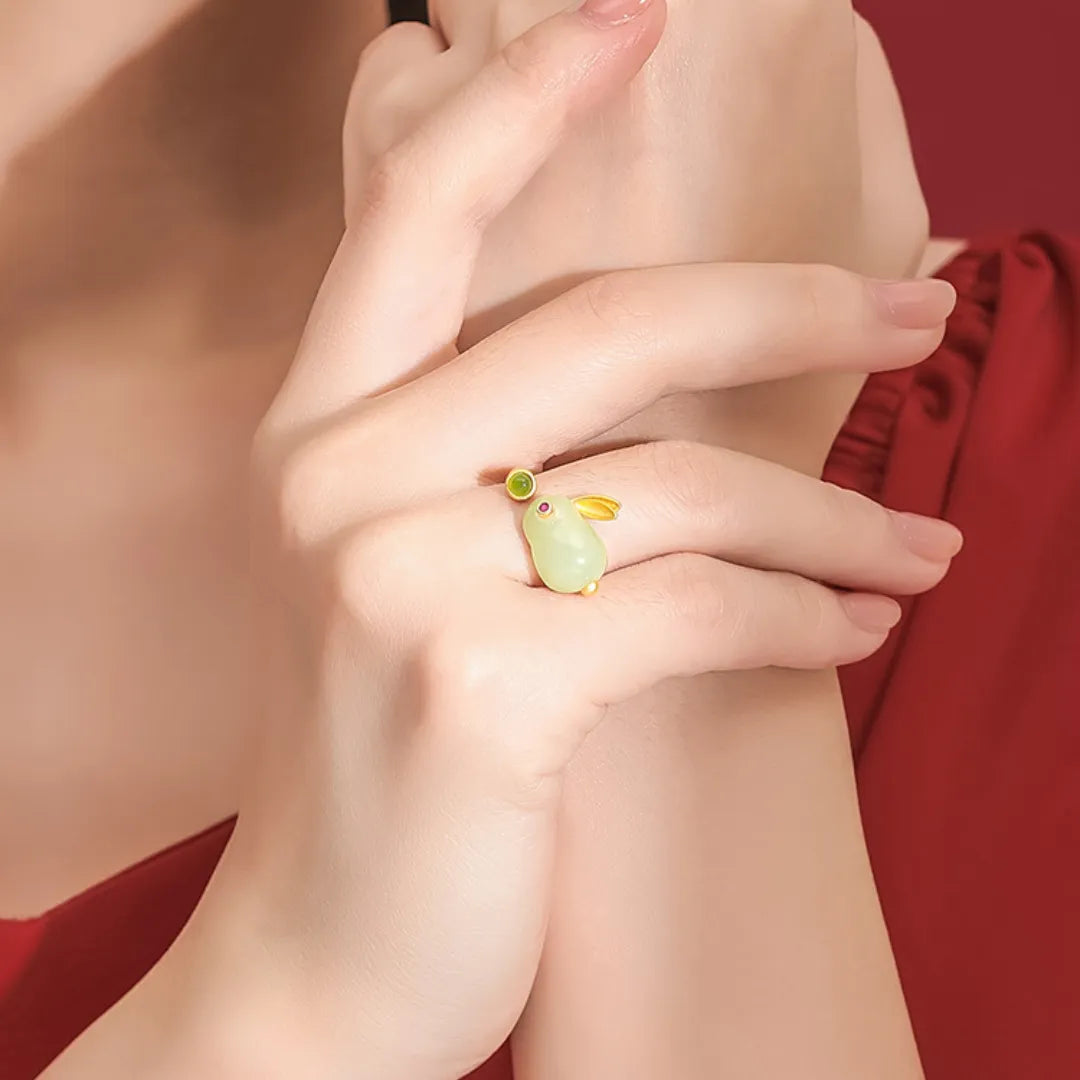
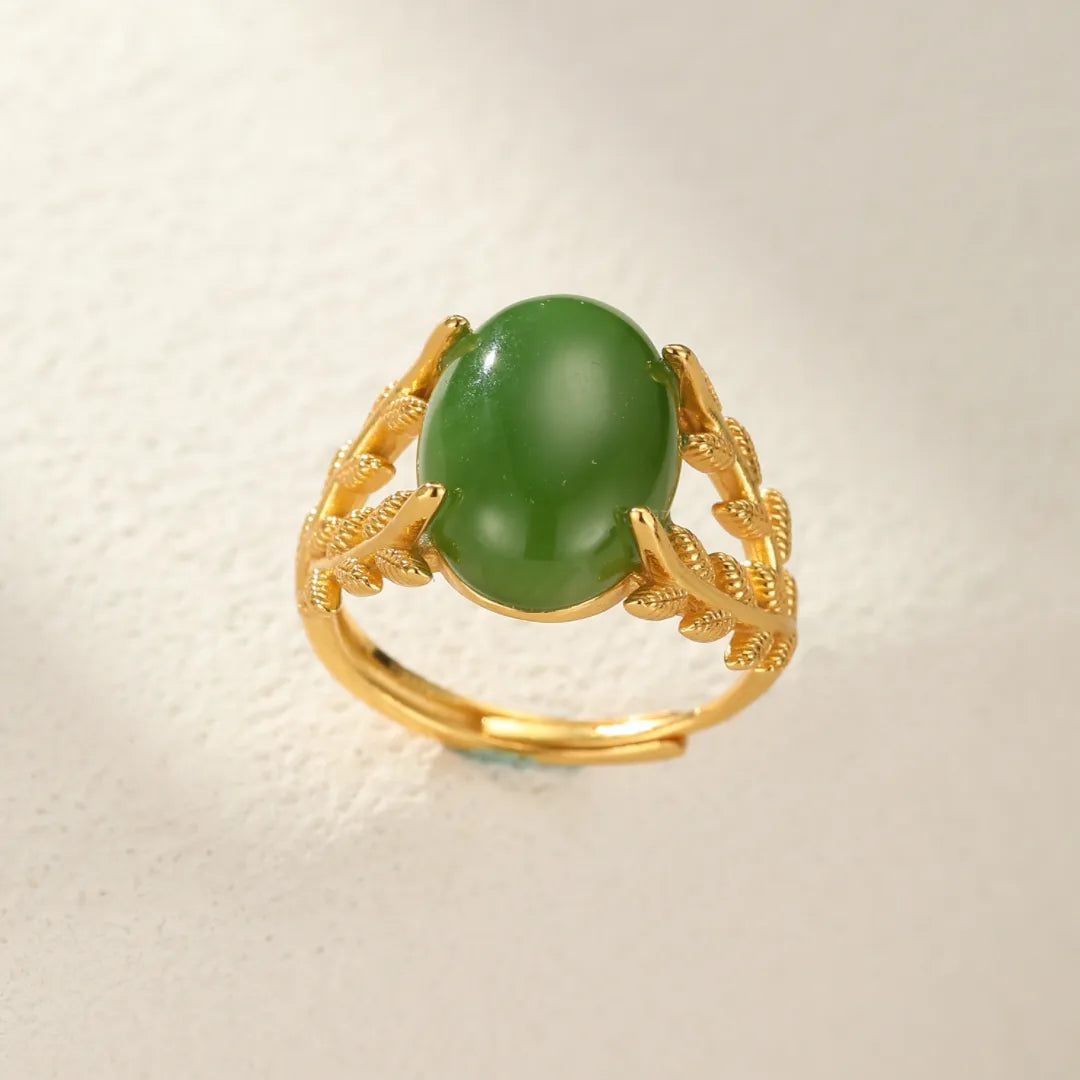
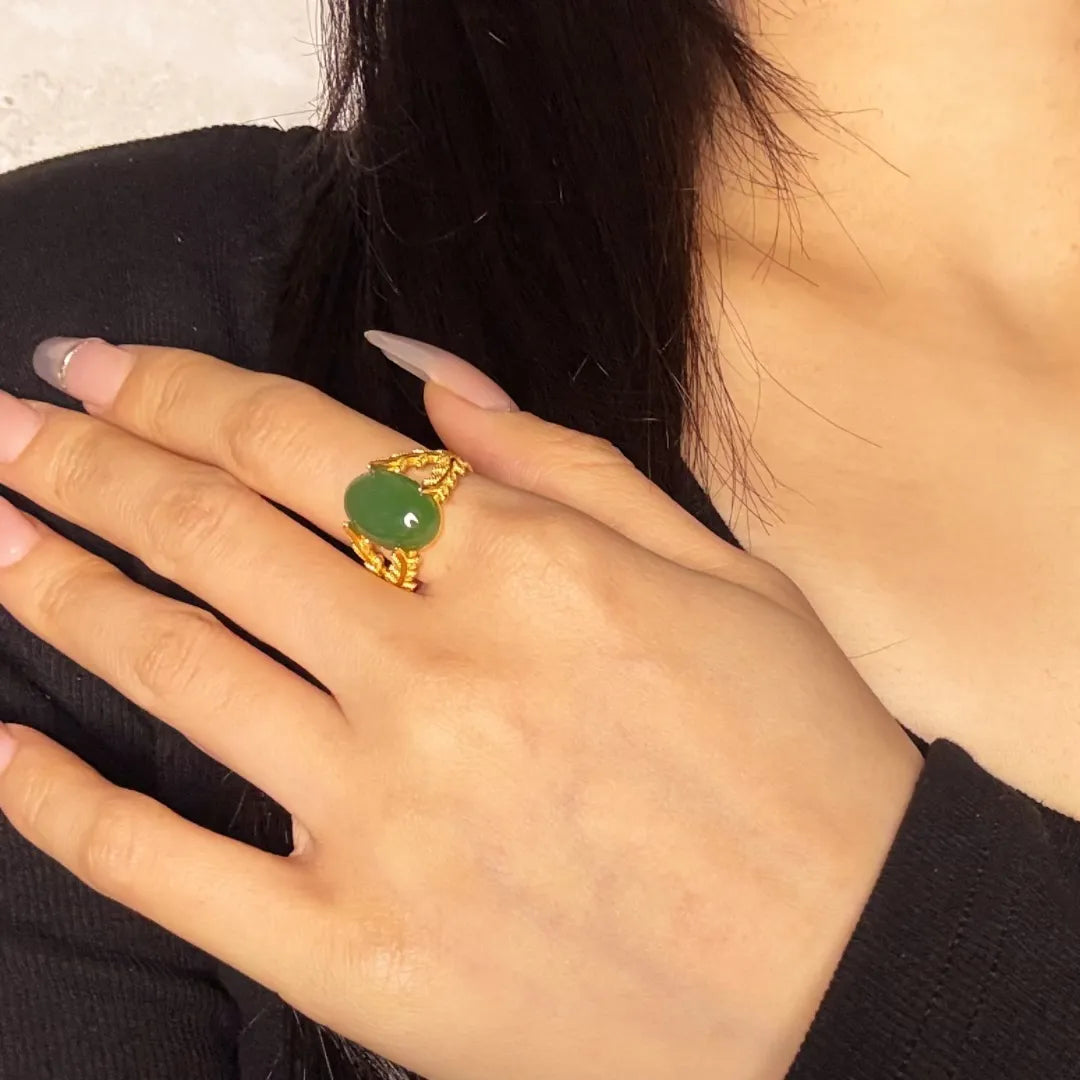
Focus: Jade jewelry
Wearing Jade jewelry is not just an aesthetic choice—it’s an energetic act. Each piece diffuses its own vibrations depending on the part of the body where it is worn.
- Jade bracelet: ideal for very active people.
- Necklace or pendant: useful for emotional harmony.
- Earrings: encourage listening and tolerance.
To discover the different ways to wear this stone and their effects, I invite you to read Jade Jewelry: Elegance and Energy.



Conclusion: A timeless stone of wisdom
Jade embodies the meeting of beauty, energy, and wisdom. It teaches us to slow down, to listen, to observe, and to act with accuracy. Whether through its role in lithotherapy, its impact on our emotions, or its spiritual power, this natural stone fully deserves its place in our daily lives.
By choosing Jade, you choose to reconnect with what matters, surround yourself with peace, and attract prosperity into your life.
Articles to explore further:
- Benefits and Properties of Jade
- Genuine or Imitation Jade: Secrets to Identify a Real Stone
- Jade and Lithotherapy: A Natural Stone to Balance Body and Mind
- Jade Jewelry: Elegance and Energy
- Complete Guide to Natural Stones: Properties, Meaning and Use
- Benefits and Properties of Natural Stones in Lithotherapy
- Meaning of Natural Stones and Spiritual Symbolism
- Decoration and Well-being: How to Incorporate Natural Stones into Your Interior
- Natural Stone Jewelry: Elegance, Benefits and Symbolism
Is jade a natural or synthetic stone?
Jade is a natural stone, but there are many imitations on the market. It is important to verify its authenticity with reliable sources.
What is the difference between jadeite and nephrite?
Jadeite is rarer, harder, and generally more vivid in color. Nephrite is more common, a softer green, and slightly less hard.
What are the main benefits of jade?
Jade promotes inner peace, wisdom, emotional balance, and prosperity. In lithotherapy, it is also recognized for its detoxifying effects.
Which chakra is jade associated with?
Jade is mainly linked to the heart chakra, which it helps balance and harmonize.
Does jade really attract prosperity?
In many traditions (especially Feng Shui), jade is considered a stone of abundance and luck, especially when placed in a living space or worn.
Read more
Discover how natural stones can enhance your meditation and mindfulness practice. This article explores the benefits of natural stones, their connection to the chakras, and their use in lithotherap...
Discover the virtues and benefits of the jade stone, a symbol of balance, wisdom, and protection. This comprehensive article immerses you in the world of lithotherapy and reveals how to use jade in...


