
Complete Guide to Ginkgo: Tree of Resilience and Symbol of Longevity
- Introduction: A tree like no other ```
- Ginkgo through the ages: an ancient survivor
- The ginkgo symbol: between spirituality and inner strength
- Ginkgo at the heart of universal spiritual symbolism
- Medicinal virtues and natural benefits of ginkgo biloba
- Ginkgo in décor: aesthetics, balance, and positive energy
- Ginkgo leaf jewelry: symbolism to wear
- Crossed symbols: ginkgo, clover, infinity, evil eye, and red thread
- Conclusion: a botanical symbol with universal reach
- FAQ – Ginkgo Symbol
Introduction: A tree like no other
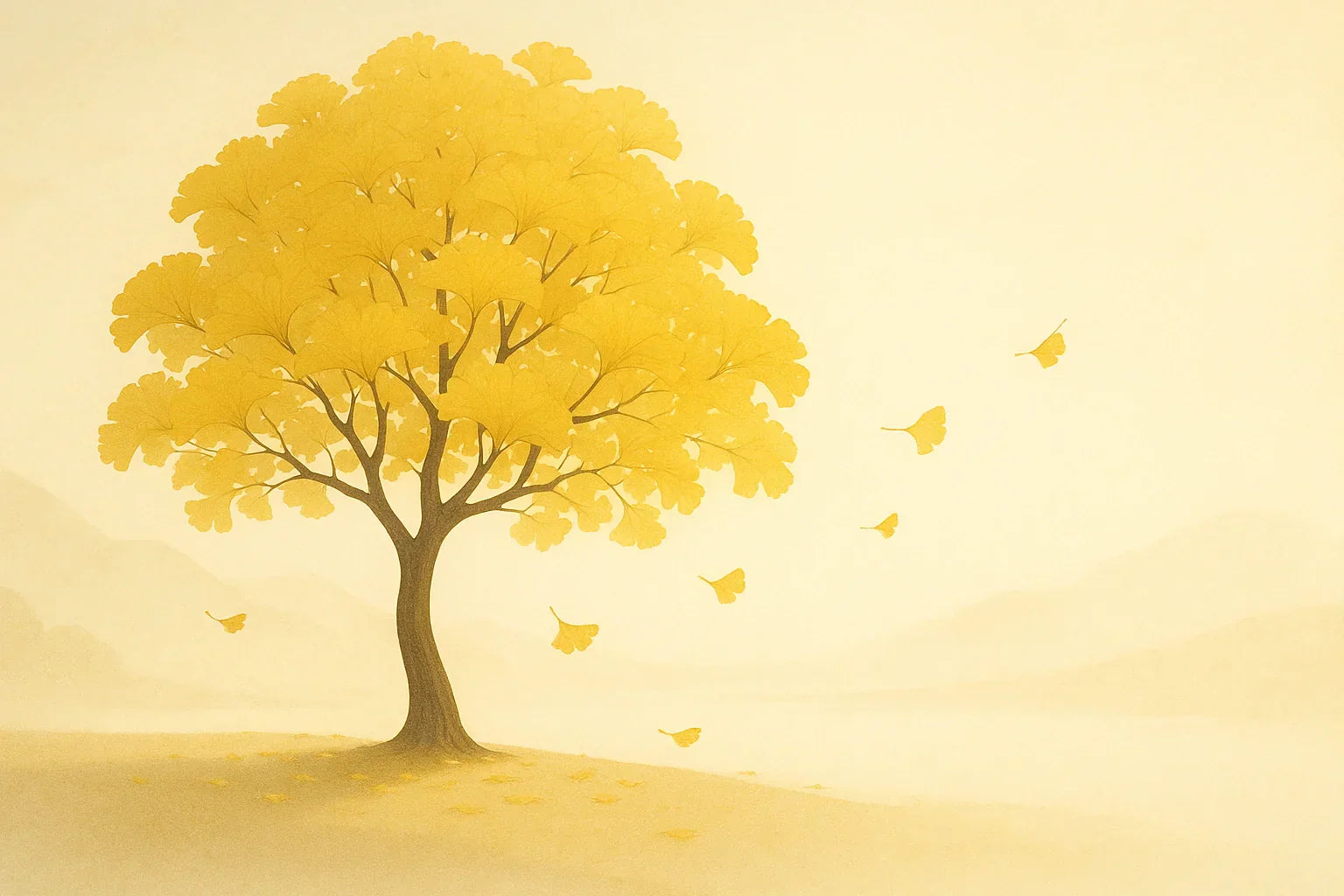
Ginkgo, also known as ginkgo biloba, is much more than just a tree. A silent witness to the world’s history, it embodies quiet strength, exceptional longevity, and the capacity to bounce back from the harshest trials. Native to Asia, this tree with fan-shaped leaves captivates as much for its aesthetics as for its symbolism. Used for millennia in spiritual traditions and natural medicine, ginkgo continues to fascinate with the richness of its meanings.
This complete guide explores ginkgo’s many facets: its history, its spiritual meanings, its applications in décor and jewelry, and its role across cultures and beliefs around the world.
Our Ginkgo Symbol Jewelry
Ginkgo through the ages: an ancient survivor
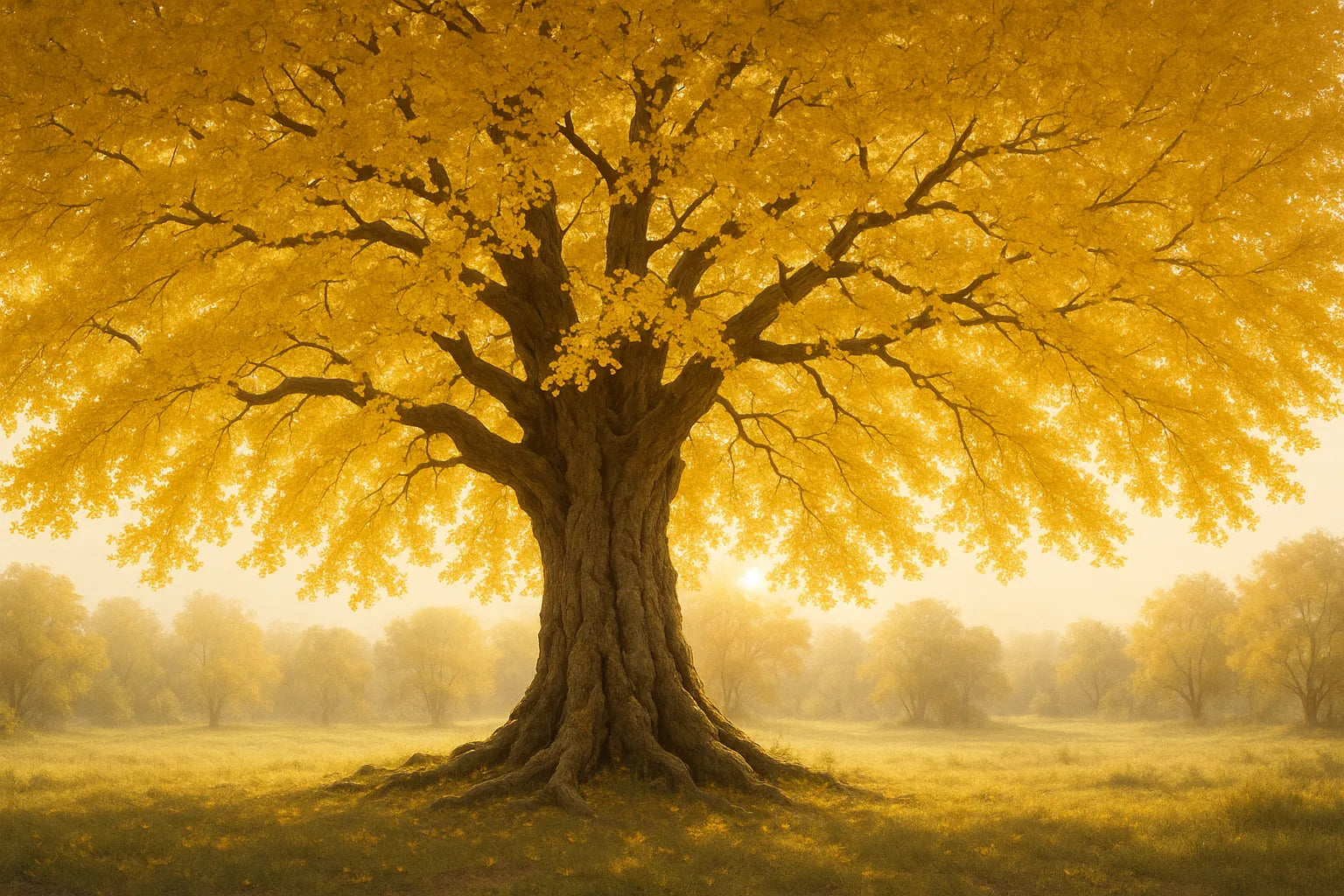
Ginkgo biloba is often described as a “living fossil.” It is the oldest known tree species, appearing around 270 million years ago—long before the dinosaurs. Its ability to span the ages without significant genetic change makes it a true botanical monument.
Native to China, it was long cultivated in Buddhist monasteries, where it symbolized peace and purity. In Japan, it became a sacred tree often planted near temples. One of the most striking chapters in ginkgo’s history is its survival after the atomic bombing of Hiroshima: several specimens sprouted again just months after the explosion—an eloquent testament to its resilience.
This exceptional longevity lies at the heart of the symbolism associated with ginkgo: it embodies memory, immortality, stability, and resistance to change.
To learn more about ginkgo’s origins and its role in legends and ancient traditions, see the article History and Legends of Ginkgo: From Antiquity to Today.

The ginkgo symbol: between spirituality and inner strength
The ginkgo symbol goes far beyond a botanical motif. It conveys deep, universal notions such as longevity, wisdom, endurance, and balance. Its instantly recognizable leaf is often used in art, calligraphy, and jewelry as a representation of peaceful yet indestructible strength.
In Asian traditions, ginkgo is associated with vitality and harmony between body and mind. It also symbolizes harmonious duality: though singular, its leaf is often split into two lobes, echoing the yin–yang concept.
Ginkgo has thus become a spiritual compass for many seeking stability and grounding. It is used in meditation, mindfulness practices, and even as a protective talisman.
A deeper analysis of this symbolism is available in the article Ginkgo Biloba: Spiritual Meanings and Benefits.
Ginkgo at the heart of universal spiritual symbolism
Within the world of spiritual symbols, ginkgo holds a singular place. It fits into a symbolic system in which each natural or geometric element represents a specific force, intention, or energy.
Compared to the infinity symbol, which evokes continuity and eternity, or the serpent symbol, associated with transformation and wisdom, ginkgo represents constancy, quiet endurance, and resilience. Like the red thread, a symbol of destiny and protection in Kabbalistic tradition, ginkgo connects eras, beings, and intentions.
It also resonates with the 7 chakras, particularly the root chakra (grounding) and the heart chakra (peace and openness), fostering a stable connection between body, mind, and nature.
These symbolic correspondences are detailed in the following resources:
- Complete Guide to Spiritual Symbols: Origins, Uses, and Meanings
- Complete Guide to the 7 Chakras: Alignment, Meaning, and Practices
Medicinal virtues and natural benefits of ginkgo biloba
In phytotherapy, ginkgo is one of the most studied plants in the world. Its leaves are rich in flavonoids and terpenes—powerful antioxidants.
Among its most widely recognized benefits:
- Improved memory and cognitive functions,
- Better blood circulation,
- Prevention of cellular aging,
- Positive effects on mild anxiety.
Traditionally used in Chinese medicine to promote mental clarity, it is now found in numerous dietary supplements and natural treatments.
Ginkgo’s symbolism of healing and regeneration finds a meaningful parallel with the serpent symbol, present in shamanic traditions and Kundalini practices.
For further insight, see the article Complete Guide to the Serpent Symbol: Rebirth, Wisdom, and Protection.

Ginkgo in décor: aesthetics, balance, and positive energy
Ginkgo is increasingly finding its way into modern interiors. Its elegant shapes, soothing symbolism, and ability to create a harmonious atmosphere make it a particularly appreciated décor element.
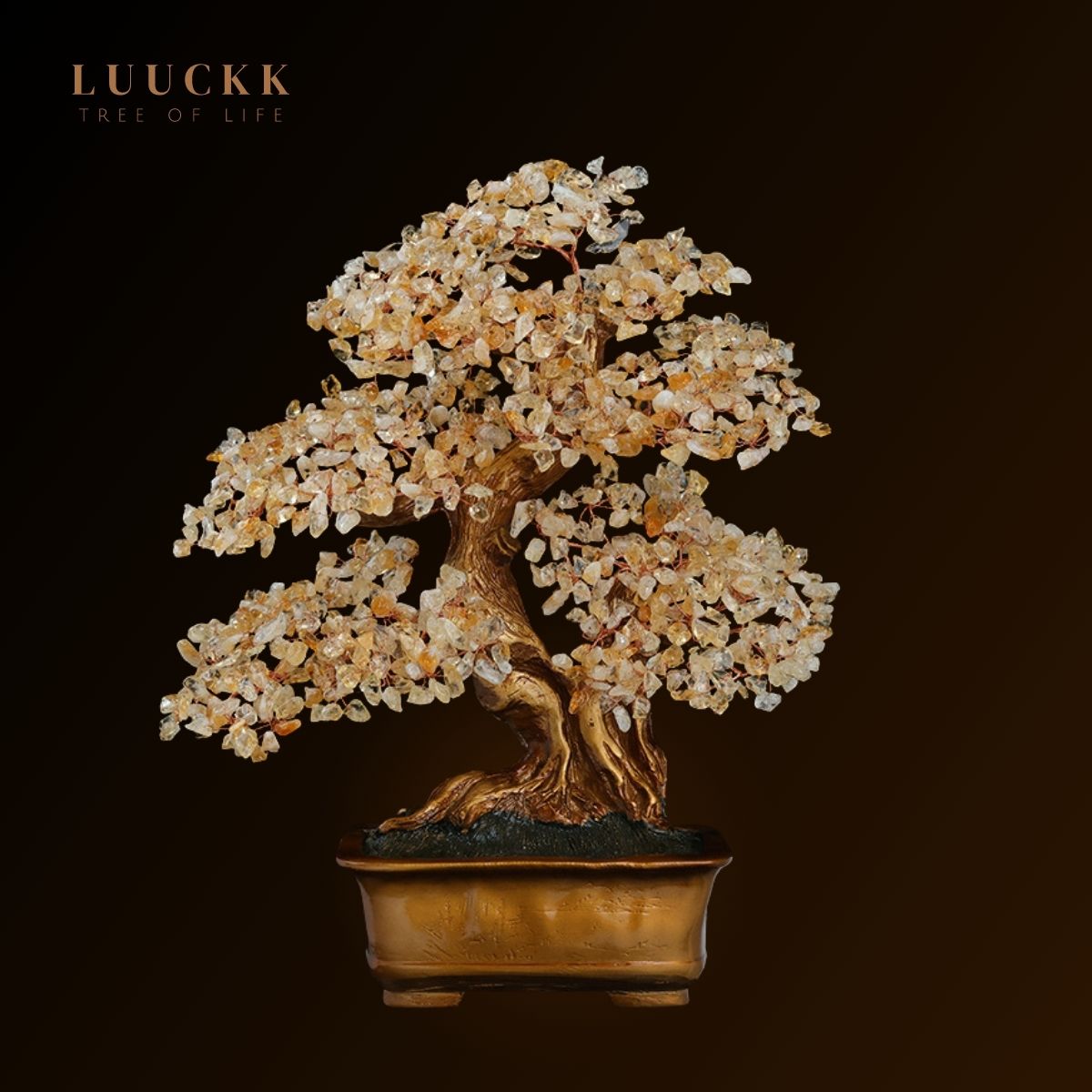
Used as sculptures, trees of life in natural stones, wall art, or textile prints, the ginkgo motif brings a zen, minimalist, and inspiring touch to any space.
Placed in a meditation corner or a resting area, ginkgo becomes a support for centering and inner harmony, in tune with the energy of the environment.
Practical tips for integrating ginkgo into your décor can be found in the article Integrating Ginkgo into Decoration: Aesthetics and Serenity.

Ginkgo leaf jewelry: symbolism to wear
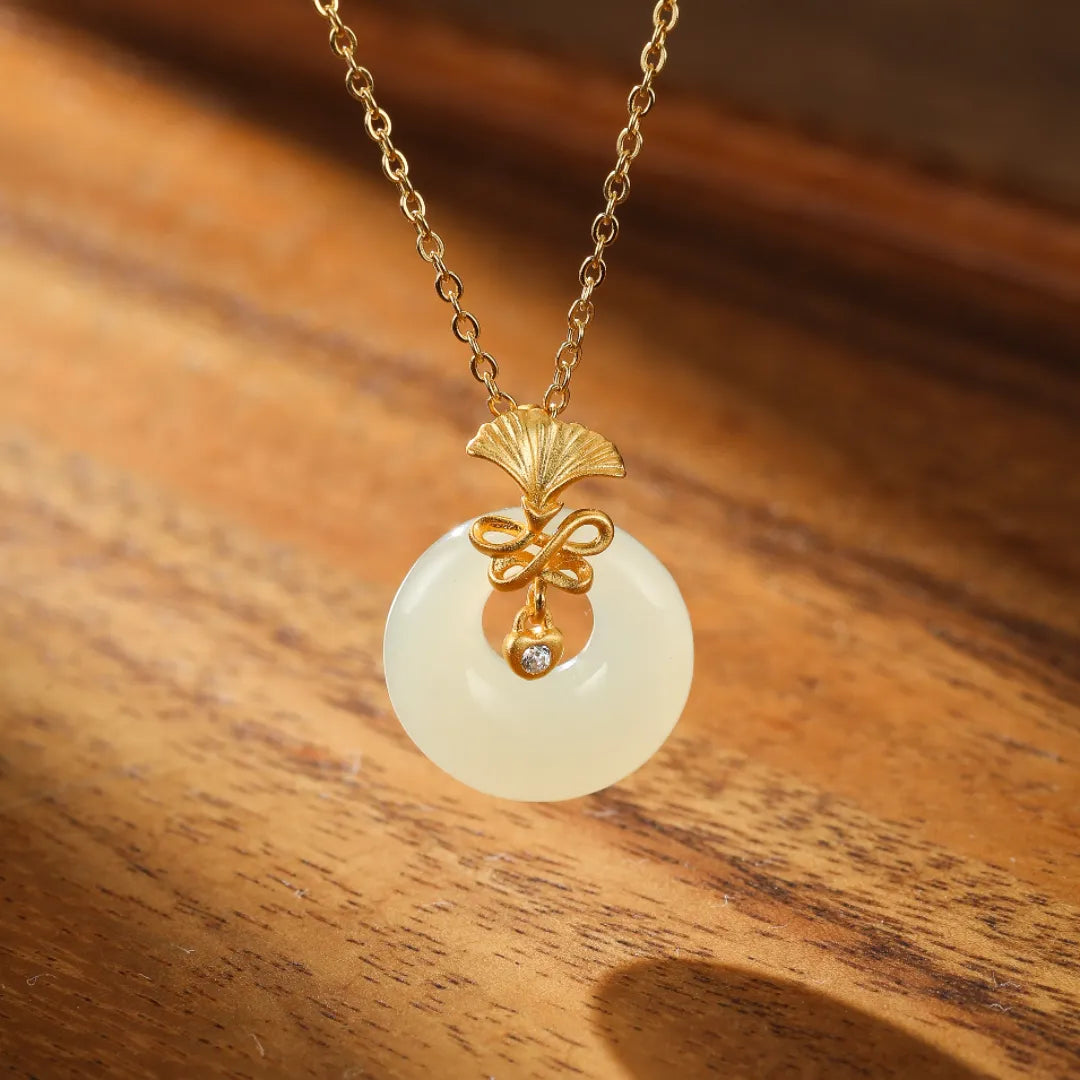
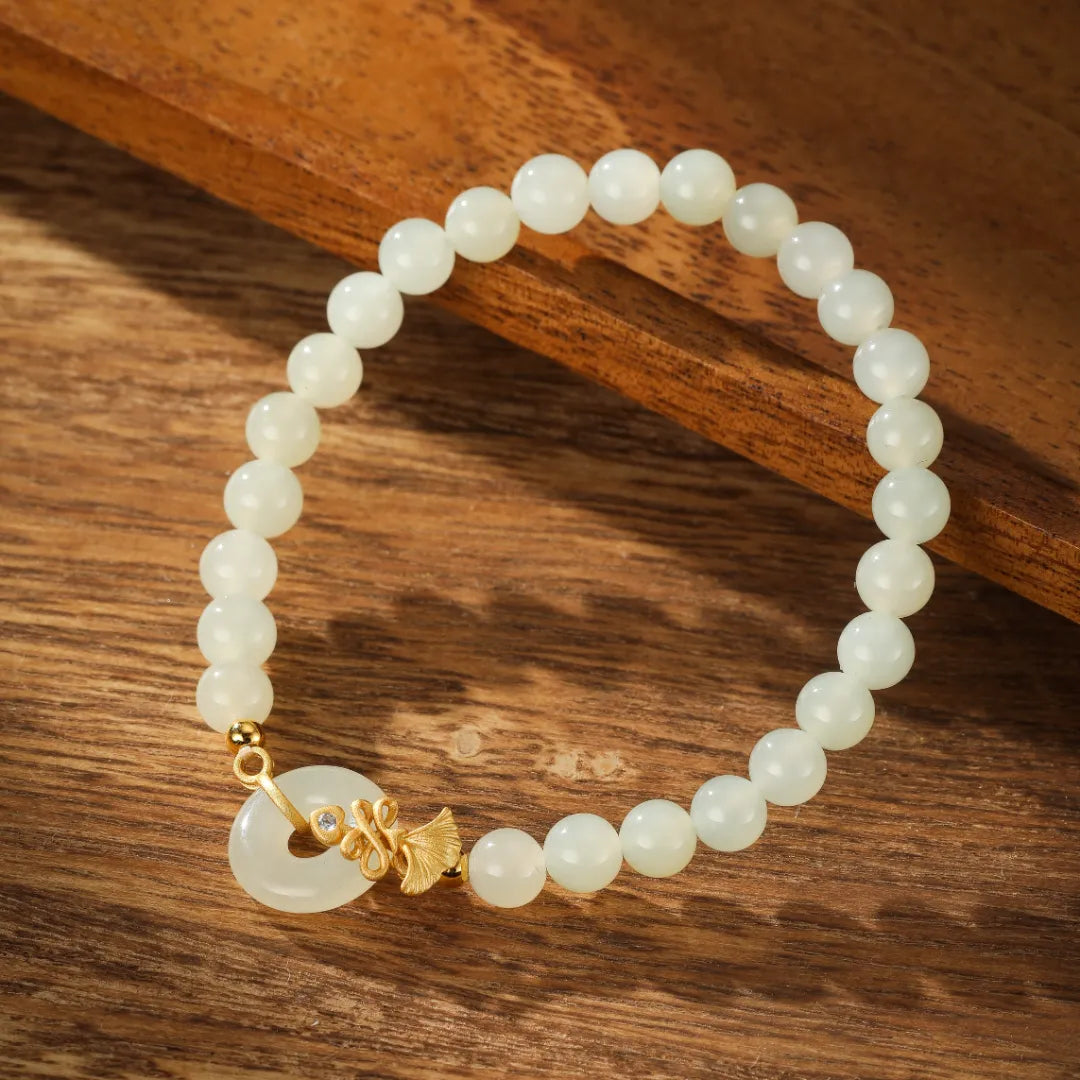
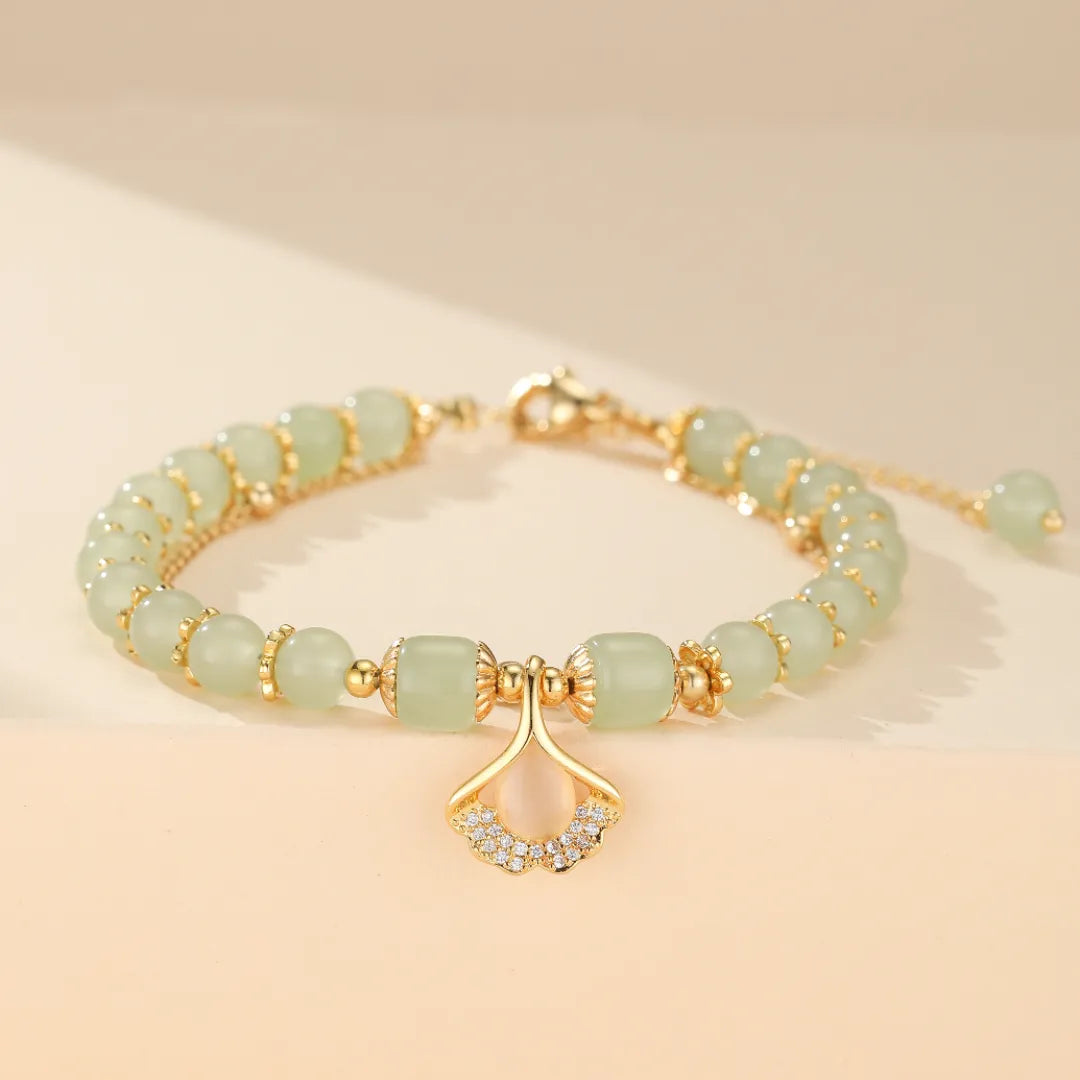
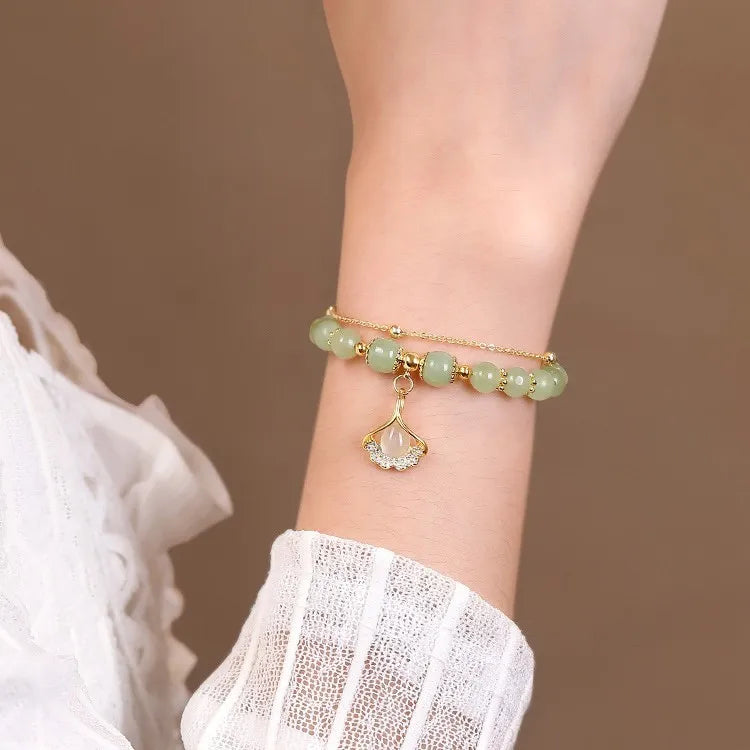
Ginkgo jewelry, especially in leaf form, has become highly sought after. Its success lies as much in its natural elegance as in the message it carries.
Wearing a ginkgo leaf in jewelry is to claim a symbolic universe rooted in nature, inner strength, and peace. These pieces can mark a life transition, offer support to a loved one, or simply align with an energy of resilience.
They are often chosen to:
- Represent personal healing,
- Accompany a new beginning,
- Offer a message of strength and hope.
The article Ginkgo Leaf Jewelry: Natural Elegance and Symbolism explores this meaningful jewelry universe in detail.




Crossed symbols: ginkgo, clover, infinity, evil eye, and red thread
Ginkgo is not the only natural symbol with profound meanings. It coexists with other spiritual figures such as:
- The four-leaf clover, a bearer of luck,
- The infinity symbol, representing love and eternity,
- The evil eye, used as protection against negative energies,
- The red thread, a symbol of spiritual connection and destiny.
These symbols can be combined to reinforce certain intentions: pairing ginkgo with a clover adds a touch of luck to inner strength; associating it with infinity strengthens the notion of spiritual continuity.
To learn more:
- Complete Guide to the Four-Leaf Clover: Luck, Legends, and Uses
- Complete Guide to the Infinity Symbol: History, Meanings, and Uses
- Complete Guide to the Evil Eye: Origins, Symbolism, and Protective Uses
- Complete Guide to the Red Thread: Kabbalistic Origin, Meaning, and Protection
Conclusion: a botanical symbol with universal reach
Ginkgo is not just an ornamental tree. It is a universal symbol of resilience, memory, wisdom, and inner peace. Present for millions of years, it spans eras while preserving its beauty, mystery, and strength.
Whether integrated into a living space, worn as jewelry, or contemplated in meditation, ginkgo invites us to slow down, take root, and find within ourselves the resources to move forward.
This guide is part of a series of articles devoted to spiritual symbols. To continue your exploration, the blog also offers complementary articles on themes of protection, luck, and everyday spirituality.
```


Why is ginkgo considered a symbol of resilience?
Ginkgo is renowned for its remarkable ability to survive natural and human-made disasters, as demonstrated by its regrowth after the atomic bombing of Hiroshima. This resilience, along with its millennial longevity, makes it a universal symbol of inner strength and endurance in the face of adversity.
What health benefits does ginkgo biloba provide?
The leaves of ginkgo biloba are rich in antioxidants and used in phytotherapy. Reported benefits include support for memory, improved blood circulation, prevention of cellular aging, and potential relief of mild anxiety, according to the traditions and uses presented in the blog.
How can I integrate ginkgo symbolism into interior décor?
Ginkgo can be incorporated as sculptures, wall art, textile prints, or trees of life made from natural stones. It brings balance, serenity, and positive energy to a space—especially in meditation corners or rest areas, as suggested in the article.
What is the meaning of ginkgo leaf jewelry?
Wearing ginkgo leaf jewelry symbolizes inner strength, resilience, and peace. Such a piece can accompany healing, mark a new beginning, or convey a message of hope—to oneself or to others. It connects ginkgo’s natural and spiritual dimensions.
Is ginkgo linked to other spiritual symbols?
Yes, ginkgo is often associated with other symbols such as the four-leaf clover (luck), the infinity symbol (eternity), the evil eye (protection), and the red thread (destiny). Combining them can reinforce specific intentions, creating symbolic harmony around strength, luck, and protection.
Read more
Present in all civilizations, the serpent fascinates with its rich and ambivalent symbolism. From Genesis to Kundalini, explore the spiritual, religious, and cultural meanings of this powerful univ...
Discover the profound spiritual meanings of Ginkgo biloba, a millennia-old tree symbolizing resilience, balance, and longevity. This article explores its origins, benefits, its role in décor and je...


