
Genuine or Imitation Jade: Secrets to Identify a Real Stone
Introduction: Jade, between mystery and fascination
Among all the natural stones used in jewelry and in lithotherapy, jade holds a unique place. Used for millennia in Asia as well as in Latin America, this stone symbolizes wisdom, harmony, and prosperity. But this reputation also has a downside: the spread of imitations.
To the naked eye, a stone may look authentic… and yet it’s common to come across low-quality jade, or even something completely fake. Dyed glass, serpentine, colored quartz… the market is flooded with counterfeits that have neither the natural beauty nor the supposed virtues of genuine jade.
So how do you recognize a real jade stone? Which tests are reliable? And how do you avoid the most common traps? That’s exactly what we’ll explore in this complete article, designed to help you make informed choices — whether you’re buying jewelry or practicing lithotherapy.
Our Jade Jewelry
What is jade? A millennia-old and sacred stone
Jade is a gemstone from the large family of natural stones. In fact, what we call “jade” includes two distinctly different minerals: jadeite and nephrite.
- Jadeite, rarer, is the most precious variety. It stands out for its vivid colors, especially the famous emerald green known as “imperial jade”. It is found mainly in Myanmar (formerly Burma).
- Nephrite, more common, offers shades ranging from olive green to off-white. It is mined in China, Canada, Russia, and New Zealand.
Historically, jade has always been more than just a gemstone. In ancient China, it represented purity and immortality. Among the Maya and the Aztecs, it was reserved for the elites and used in sacred rituals.
To better understand the importance of jade in culture and beliefs, I invite you to read the article Jade: Stone of Wisdom, Harmony and Prosperity, which offers a beautiful dive into the history and symbolism of this fascinating stone.
Why is jade so often imitated?
Genuine jade is a precious stone coveted around the world. Its rarity (especially jadeite of gem quality) combined with strong demand makes it a prime target for counterfeiters.
The main reasons for imitations:
- The price of genuine jade: a good-quality jadeite can reach several thousand euros per carat.
- A poorly regulated online market: on some platforms, stones are sold under the name “jade” with no certificate or proof of origin.
- Confusion with other stones: some natural stones like serpentine, green aventurine, or even chalcedony can resemble jade at first glance.
The materials most often used to imitate jade:
- Dyed glass: very common, but it lacks density and scratches easily.
- Serpentine: although natural, it does not have jade’s energetic properties.
- Plastic: rarer, but identifiable by its light weight.
- Colored quartz: some green quartz is sold as jade.
If you’re wondering why these imitations are a problem, it’s because they have no value in lithotherapy. Unlike genuine jade, they don’t carry the energetic vibrations sought by crystal-healing enthusiasts.
To explore jade’s virtues further, read the article Benefits and Properties of Jade, which details the many properties of this stone when it is authentic.
How to recognize genuine jade: the essential criteria
Before pulling out your bank card or buying jewelry on impulse, it’s essential to know the signs of authentic jade. Here are the tests and observations to make, whether you’re an occasional buyer or a seasoned enthusiast.
Color
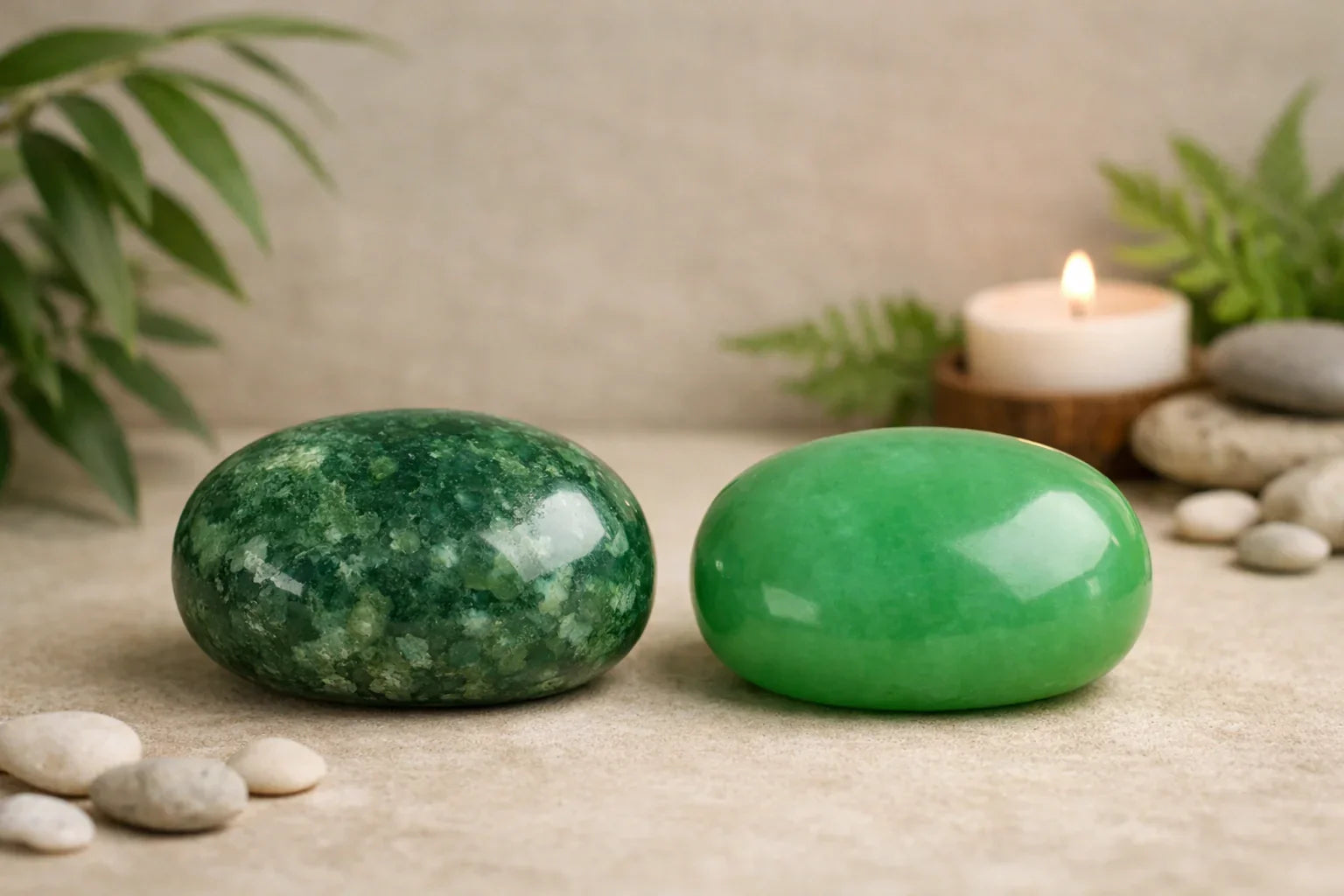
Genuine jade shows subtle, nuanced tones with natural inclusions. The color is never as uniform as plastic or dyed glass. Some high-quality stones display exceptional translucency.
Texture
Jade is dense and smooth to the touch. It gives a very characteristic “dry soapstone” feel. It should not show air bubbles (a sign of glass) or suspicious streaks.
Hardness test
On the Mohs scale, jade ranks between 6 and 7. This means it can scratch glass. If your stone scratches easily, it’s probably not jade.
Temperature test
A natural stone stays cool even after several minutes in your hand. This isn’t the case with plastic or glass, which warm up quickly.
Sound test
When you tap two pieces of genuine jade together, the sound is clear, almost musical. Imitations produce a duller sound.
Light test
Under a strong light or a UV lamp, certain impurities or artificial dyes may appear. Treatments or dyeing can be detected with the naked eye or with a loupe.
Warning: these tests are only indications. For absolute certainty, laboratory analysis remains the most reliable solution.
To go even further with identification, feel free to read the article Genuine or Imitation Jade: Secrets to Identify a Real Stone, which also includes comparison photos.
Why choose genuine jade in lithotherapy?
In lithotherapy, each natural stone is considered an energy reservoir. Jade is especially valued for its balancing virtues, emotional regulation, and protection.
But these effects can only manifest if the stone is authentic. A piece of dyed glass or plastic has no energetic vibration whatsoever. In other words: an imitation is useless, even if it’s pretty.
The benefits of genuine jade in lithotherapy:
- It promotes inner harmony.
- It soothes nervous and emotional tensions.
- It supports decision-making through its wisdom-associated vibration.
- It supports proper kidney function and the immune system (according to lithotherapy practitioners).
As a pendant, bracelet, or simply slipped into your pocket, genuine jade becomes a true daily ally.
To learn more about this stone’s role in overall body-and-mind balance, I recommend reading the article Jade and Lithotherapy: A Natural Stone to Balance Body and Mind.
Our tips for buying jade without getting it wrong
Now that you know the difference between genuine jade and an imitation, here are some practical tips to avoid unpleasant surprises:
Buy from a specialized seller
Choose stores that specialize in natural stones and can give you precise information about the origin of their stones. Avoid websites without legal notices or those selling jewelry at prices that are too tempting.
Ask for a certificate of authenticity
A good seller will have no trouble providing a certificate or a gemological report, especially for valuable pieces.
Beware of vague descriptions
If the seller simply says “jade” without specifying whether it’s nephrite or jadeite, be cautious. Lack of precision is often a sign of a generic or unreliable product.
Watch the prices
Authentic imperial jade does not cost 15 euros. If the offer seems too good to be true, it probably is.
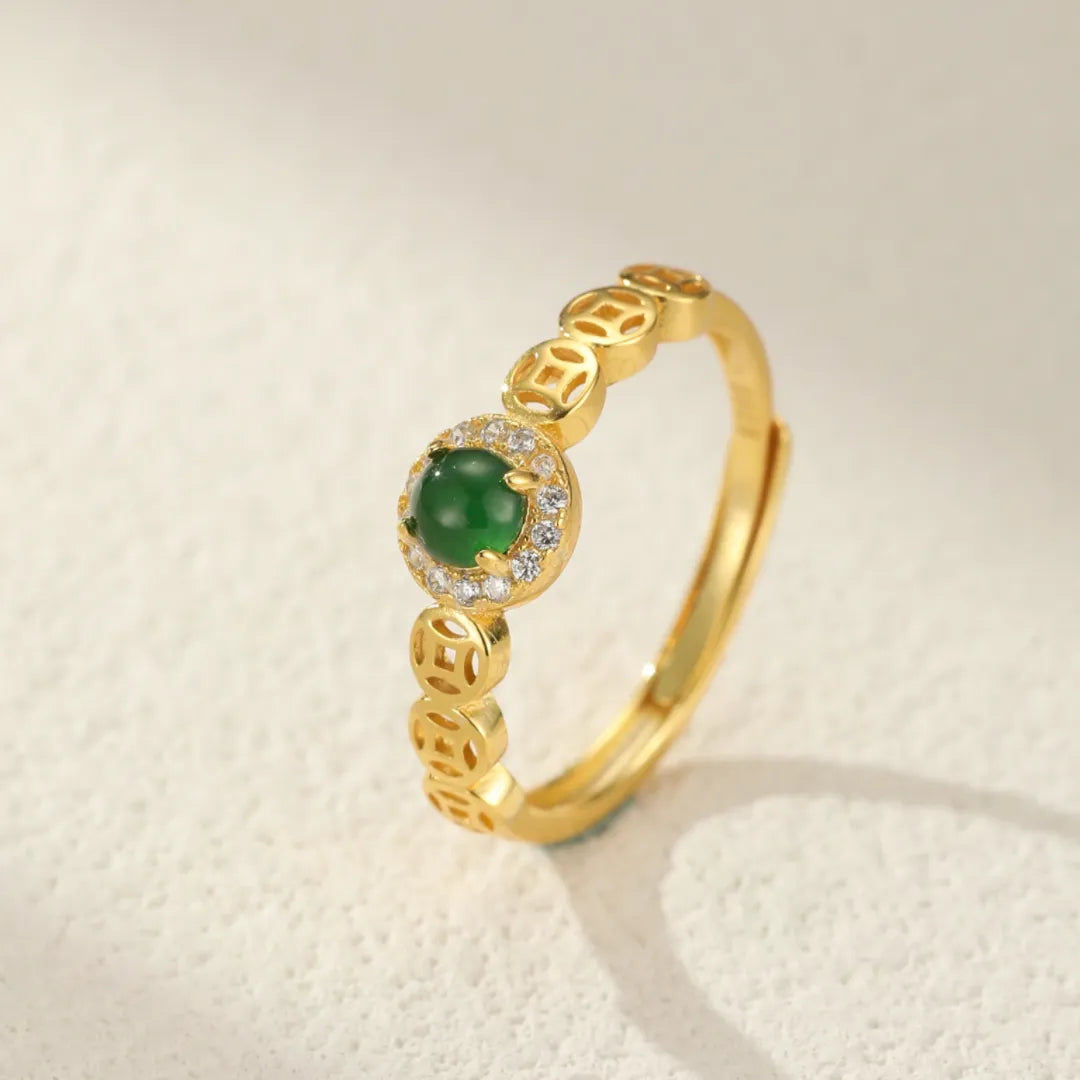
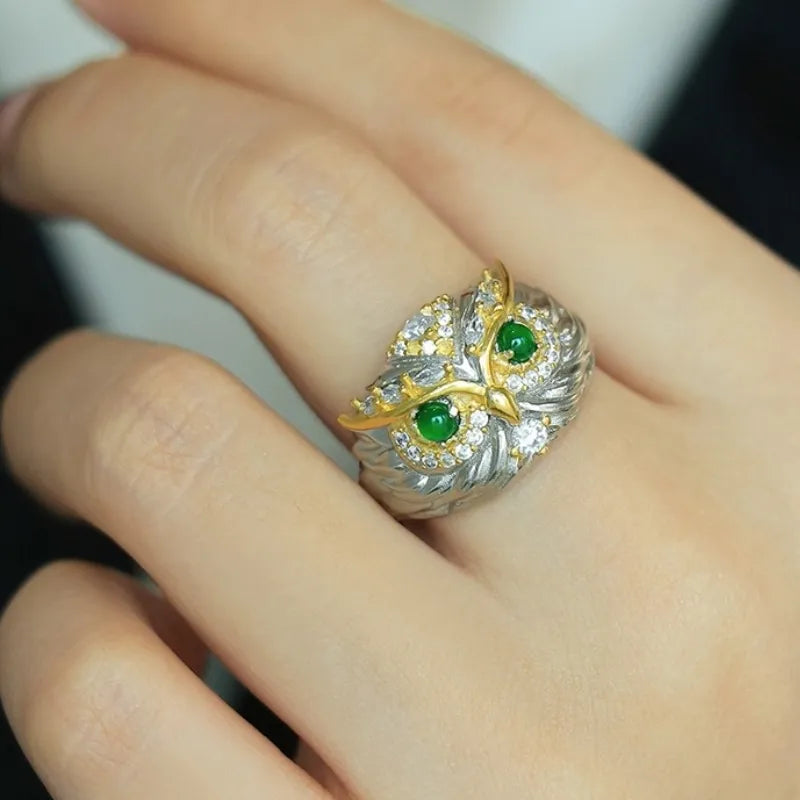
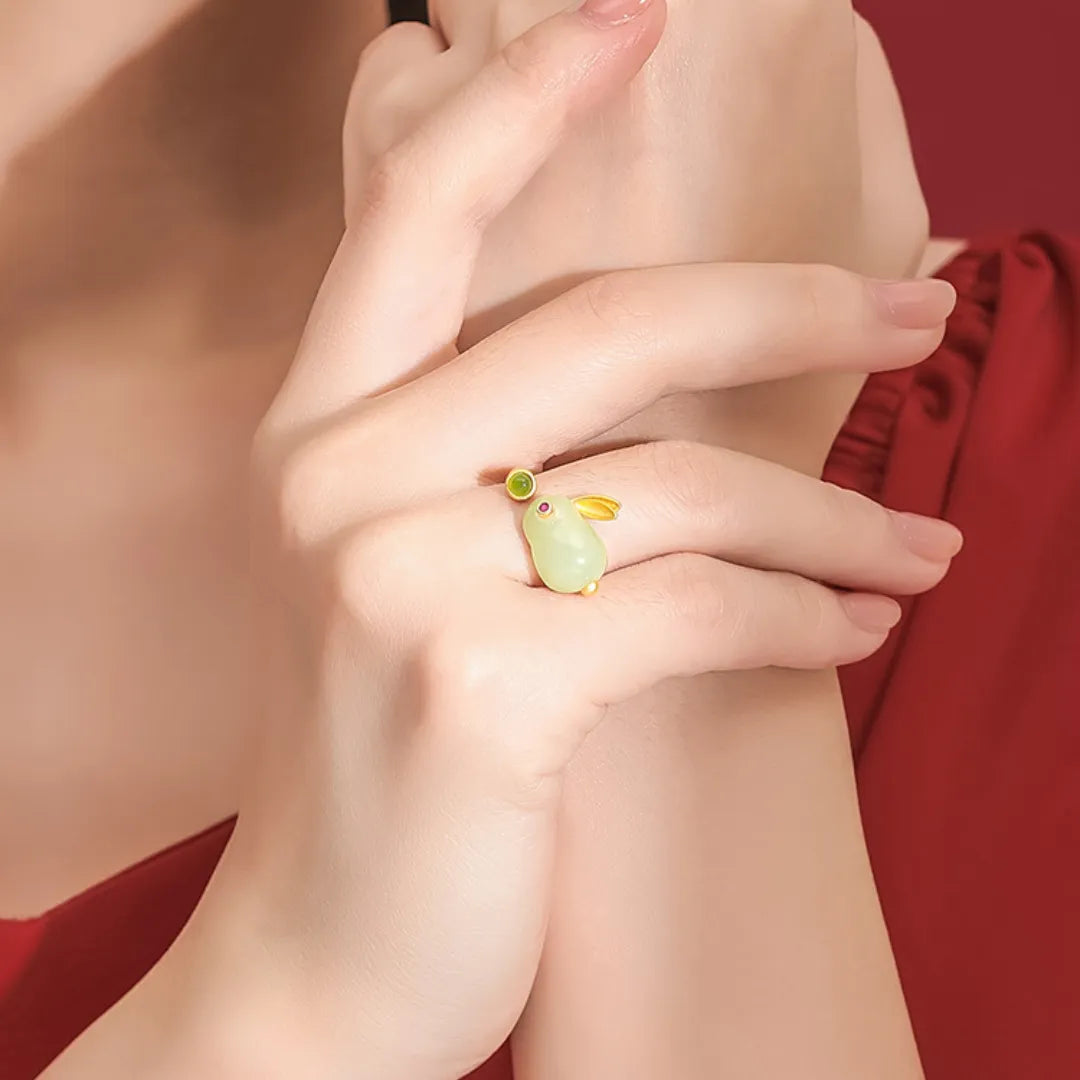
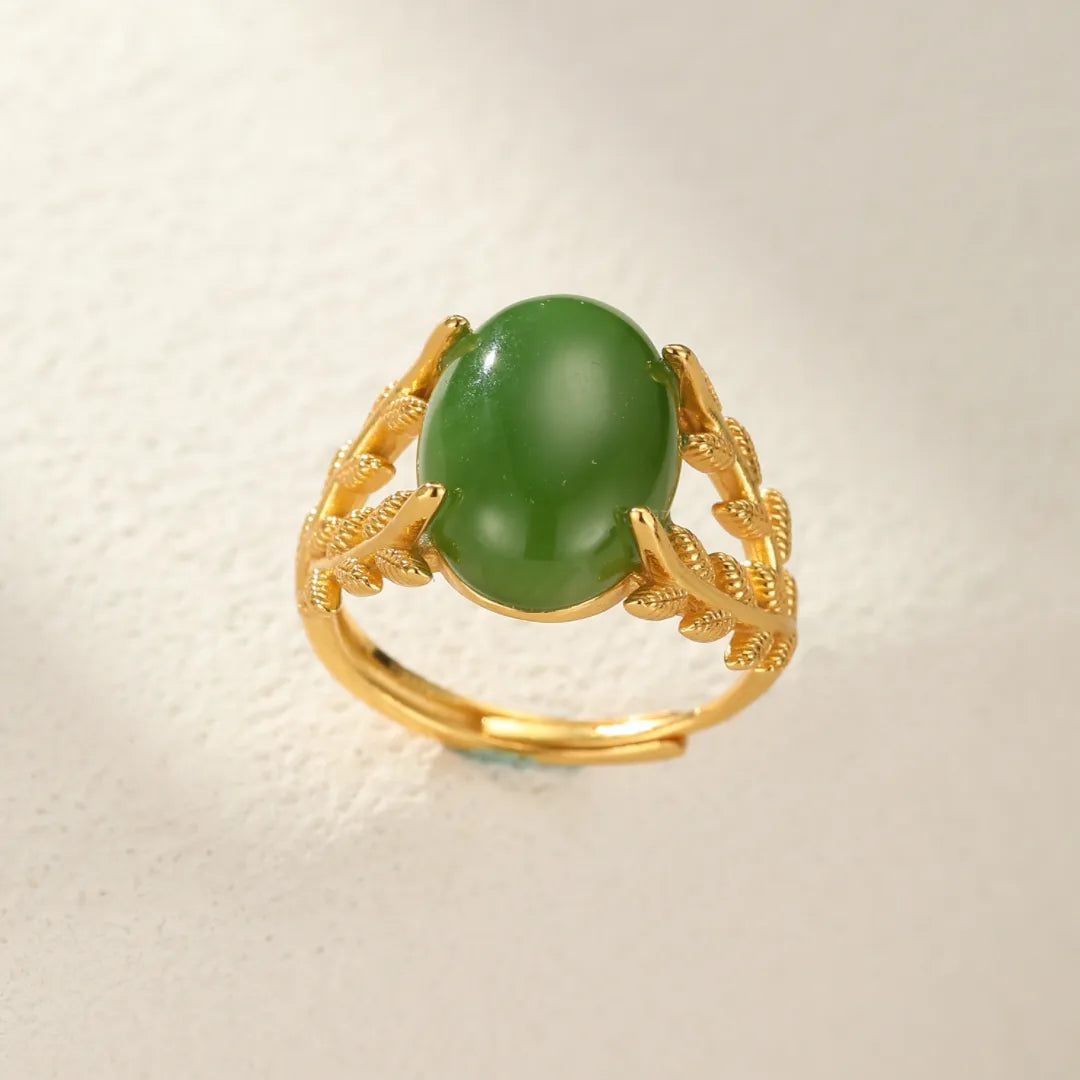
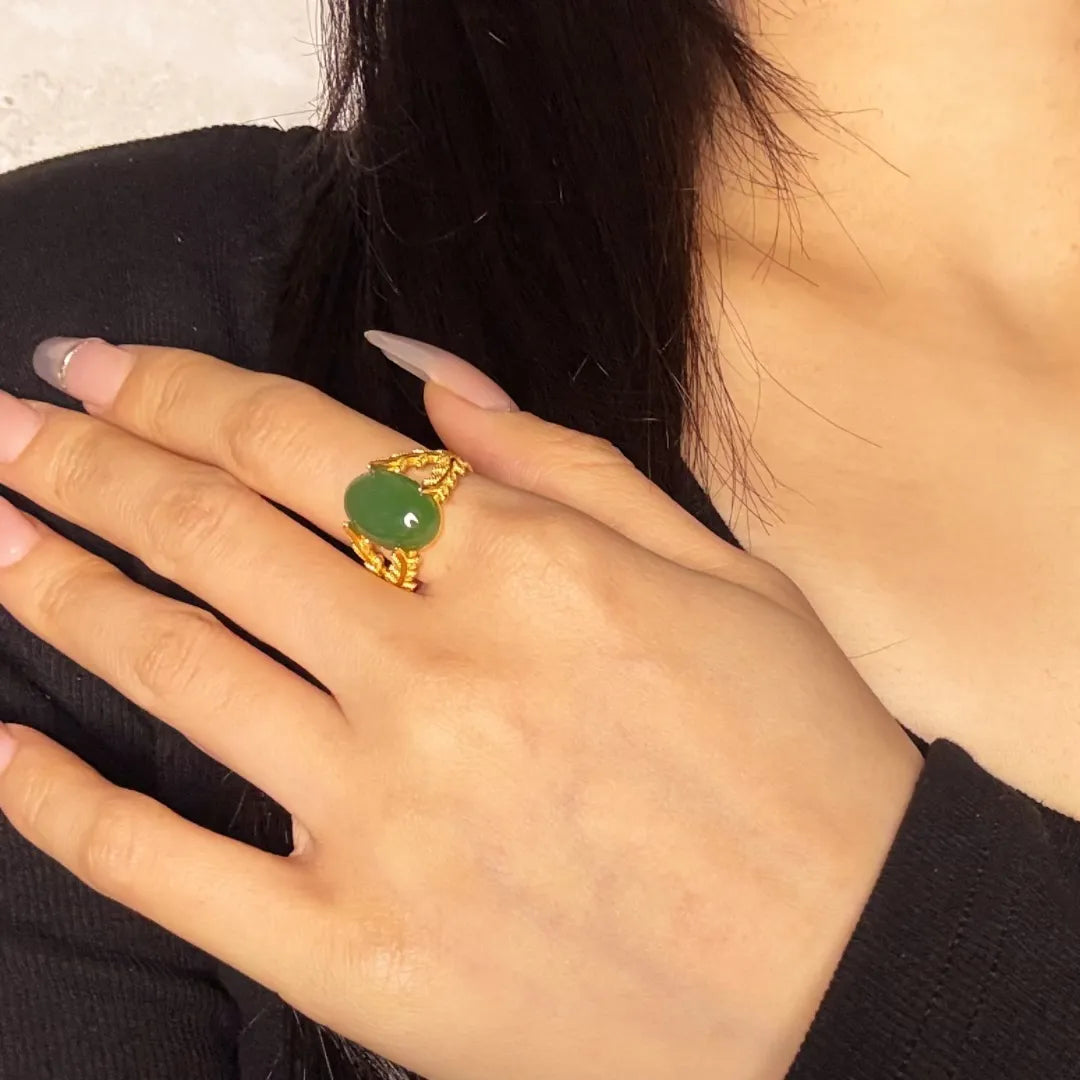
If you’re looking for a piece of genuine jade jewelry, you can browse our selection Jade Jewelry: Elegance and Energy, which combines quality, authenticity, and aesthetics.
Jade jewelry: a choice between aesthetics and energy
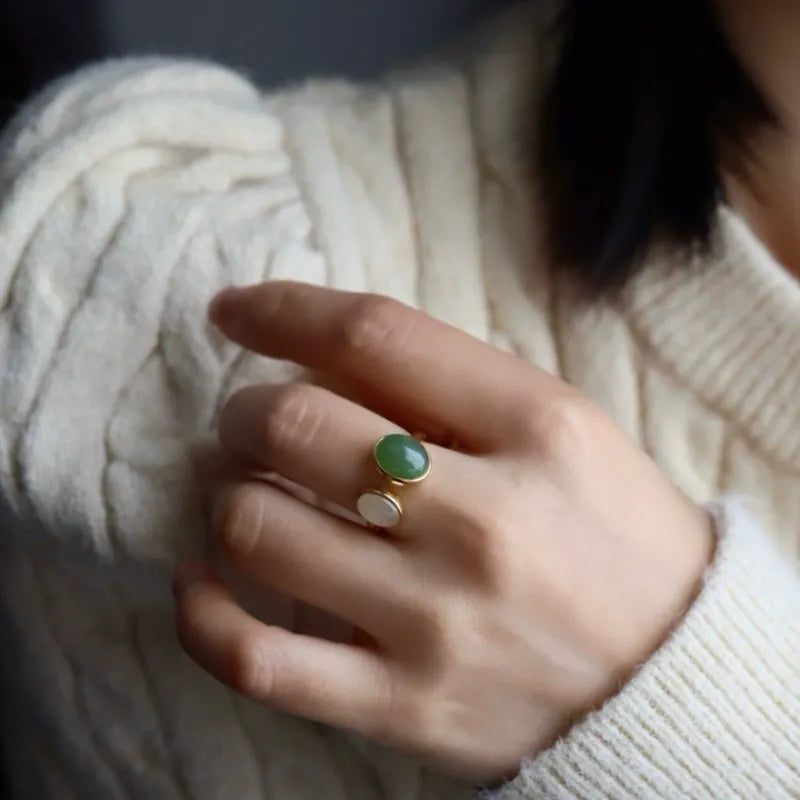
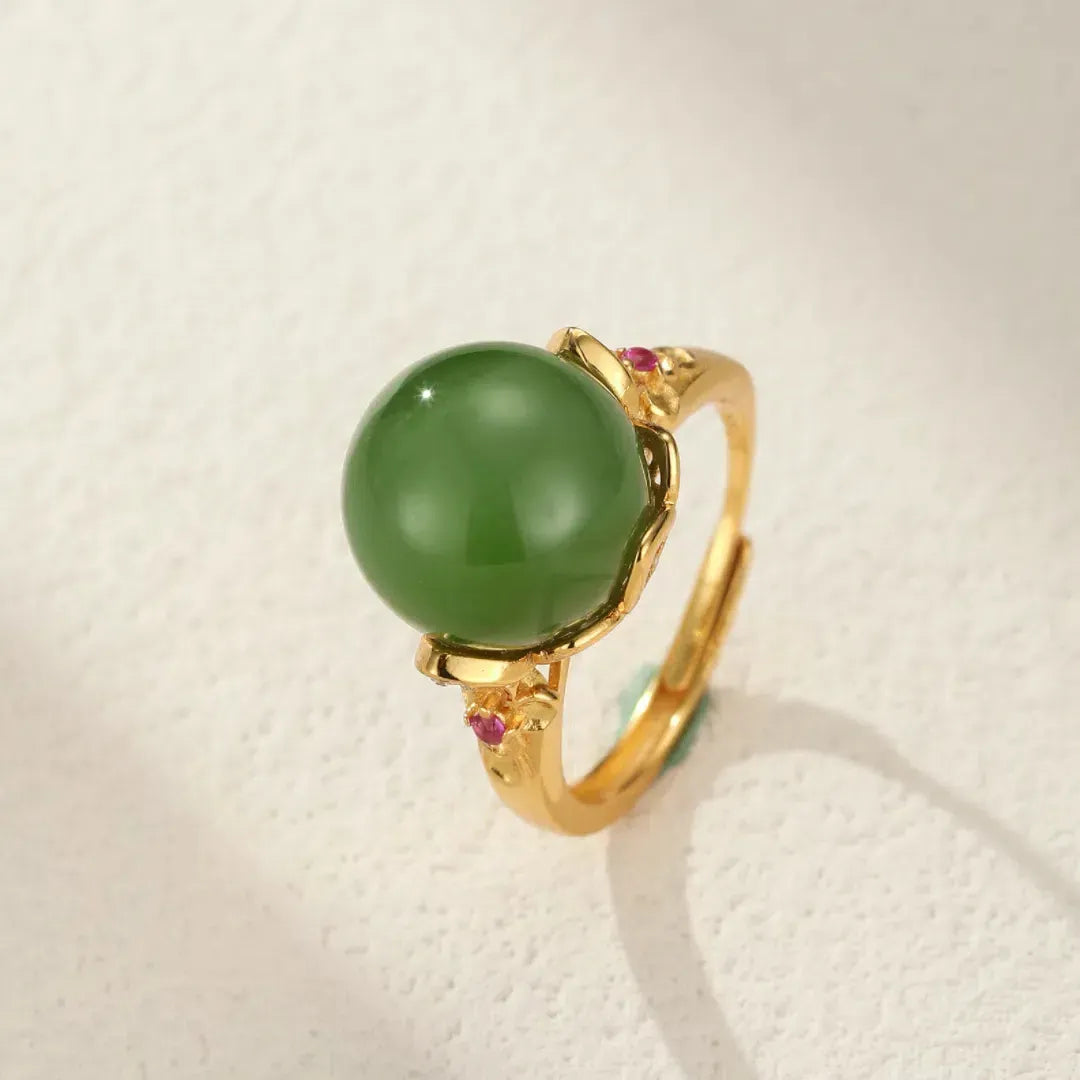
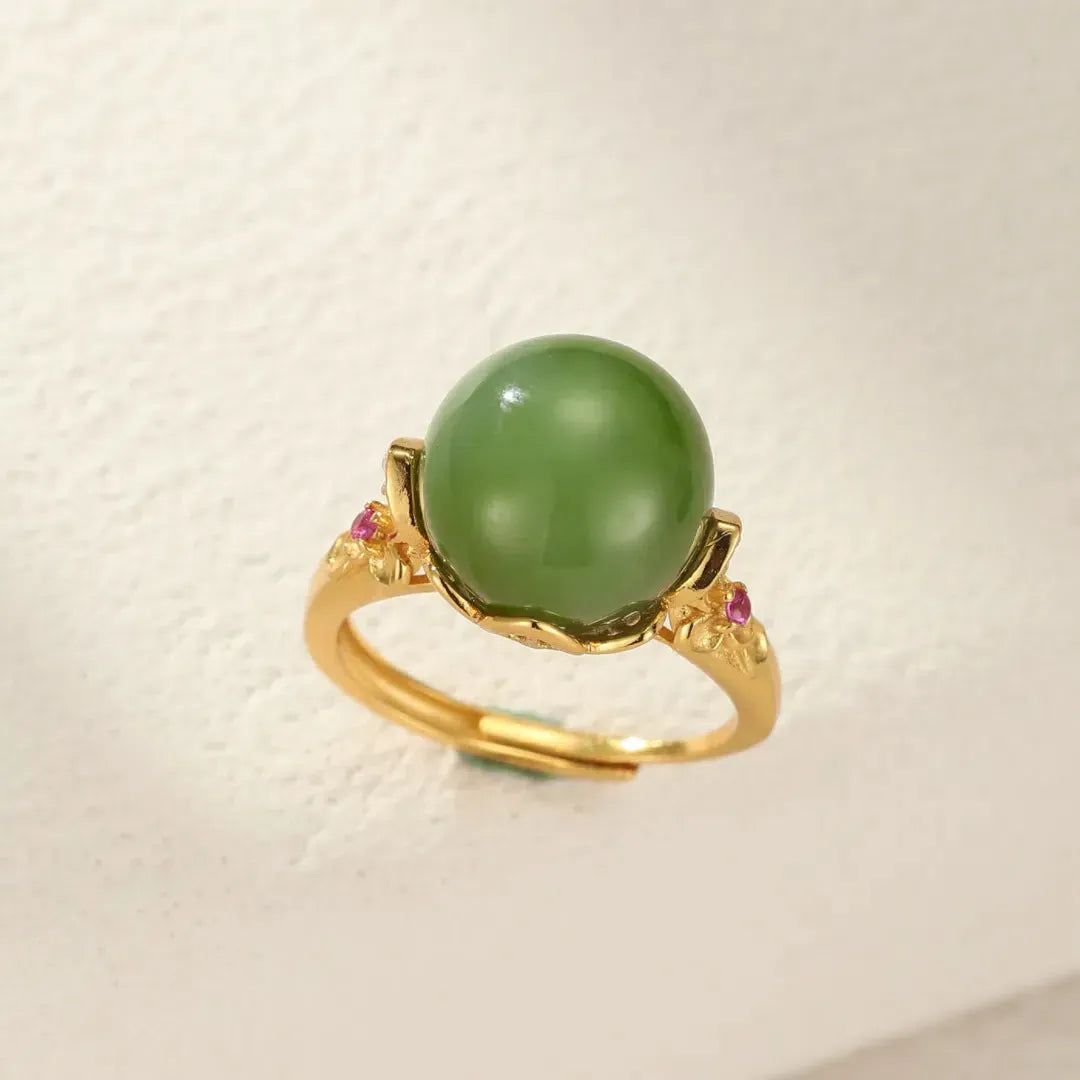
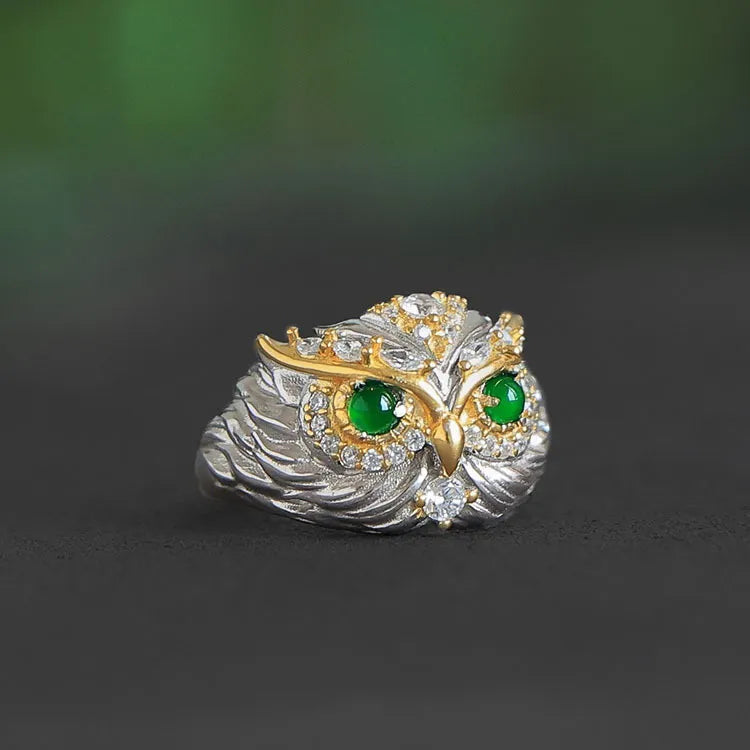
Genuine jade doesn’t captivate only for its virtues in lithotherapy. It’s also a stone of exceptional natural beauty. Its shades of green, white, and even lavender and orange in some rare cases offer a unique palette of expression.
Why is jade so sought-after in jewelry?
- It is a very durable stone: perfect for everyday jewelry.
- Its smooth, satin-like texture creates an elegant result.
- It pairs just as well with gold as with silver.
Bracelets, pendants, rings, necklaces… there are a thousand ways to wear jade. And each time, it’s a double promise: a refined accessory and an energetic stone.
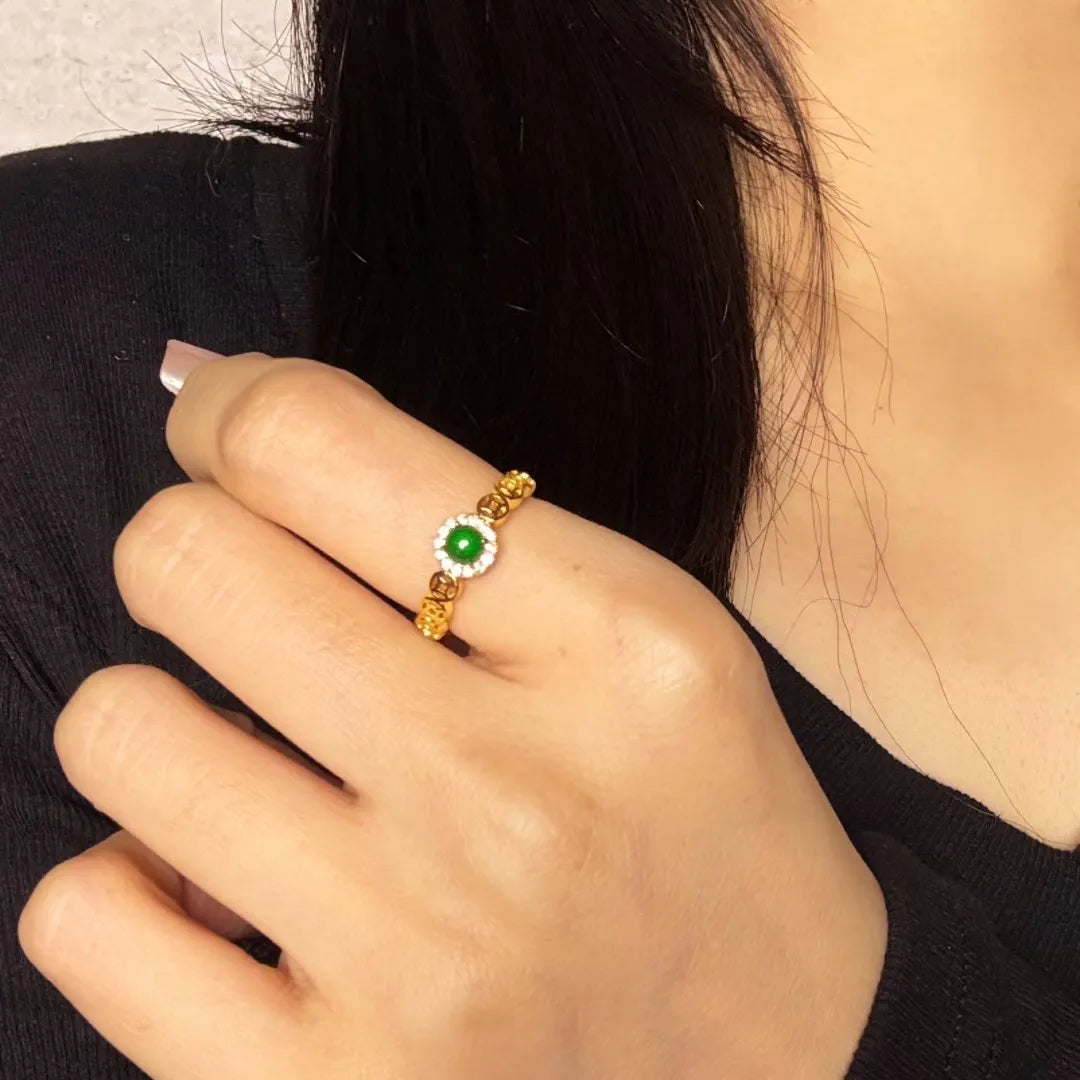
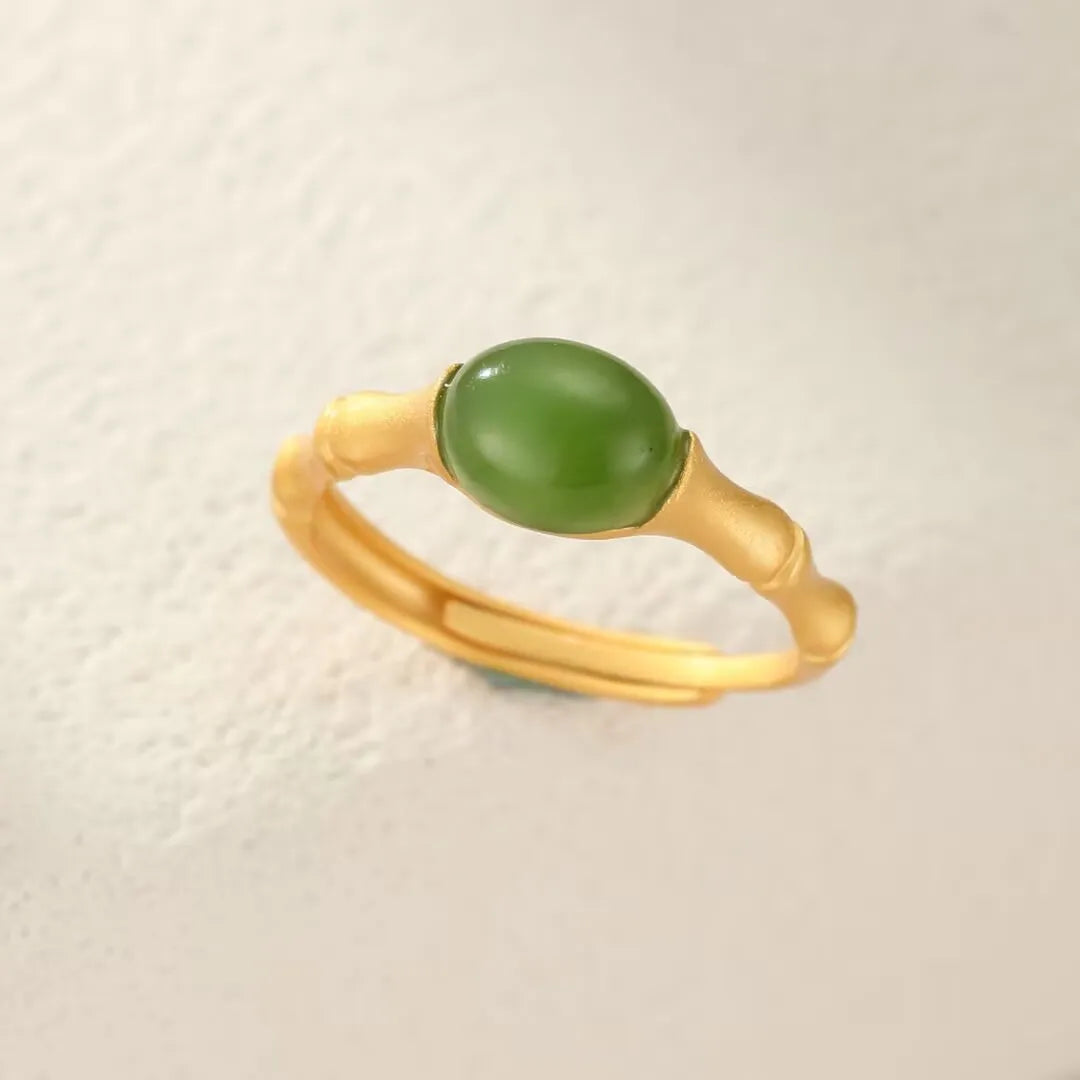
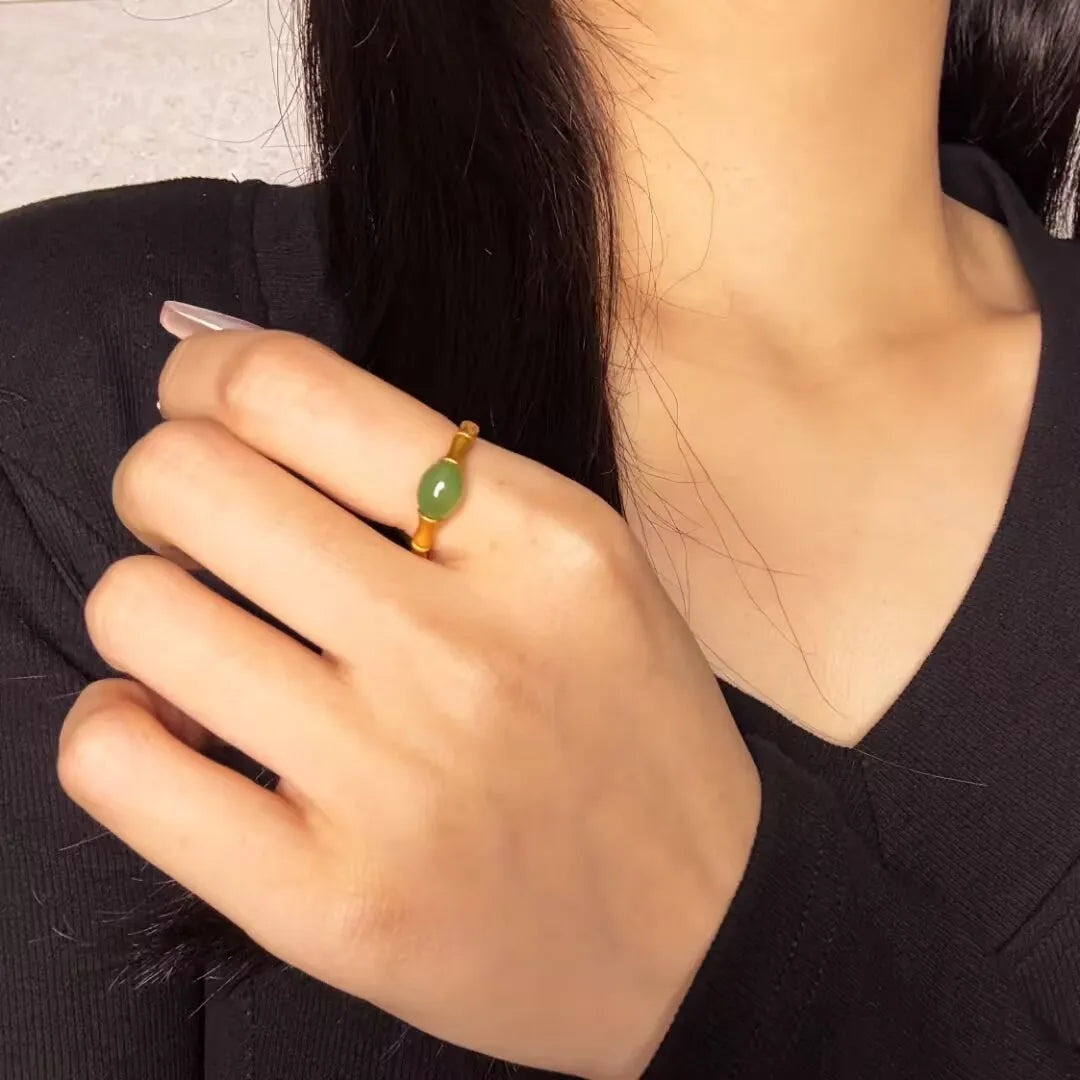
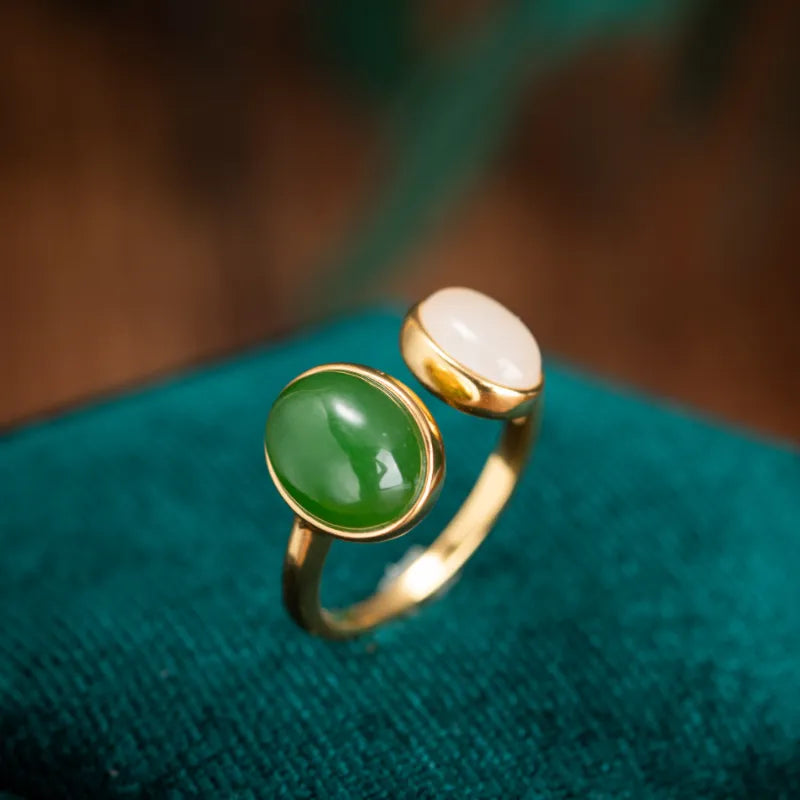
To discover the full richness of jade creations, I invite you to explore the collection Jade Jewelry Collectionson the Luuckk website, a specialist in natural stone jewelry.



Conclusion: Leave no room for doubt
Genuine jade is a fascinating stone—both for its natural beauty and its virtues in lithotherapy. But to benefit from its effects, you must ensure its authenticity. Imitations are numerous, yet with a bit of observation, the right techniques, and the right sources, it’s entirely possible to make informed purchases.
Remember:
- Color, texture, temperature, and density are your best clues.
- Authentic jade can bring you harmony, wisdom, and balance.
- Buying from a reputable seller is the best guarantee.
How can I tell if my jade is real?
Observe the color and texture, test the hardness (jade scratches glass), and check how cool it feels to the touch. For confirmation, laboratory analysis is the most reliable.
What is the difference between jadeite and nephrite?
Jadeite is rarer and more valuable and is often used in high-end jewelry. Nephrite is more common, but it is still genuine jade with beautiful properties.
Where can you buy genuine jade?
Choose specialized natural-stone shops that provide certificates of authenticity. Avoid anonymous sellers or prices that are too low to be credible.
Is jade always green?
No. Depending on its composition, jade can also be white, lavender, orange, or brown. Green remains the most sought-after and symbolic color.
What effects does jade have in lithotherapy?
Jade promotes harmony, wisdom, and inner calm and supports the kidney system. It also helps balance emotions and calm the mind.
Read more
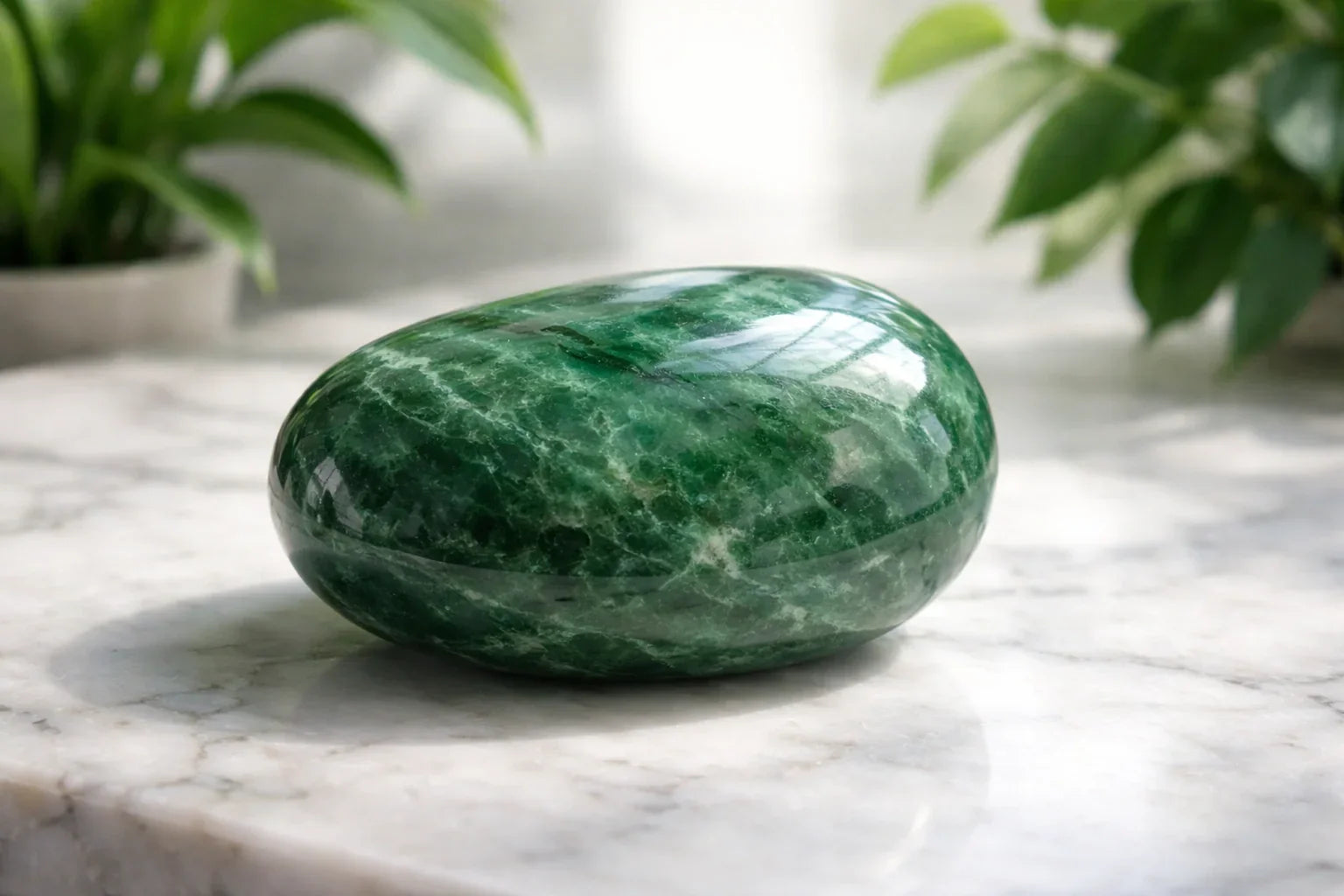
Discover the virtues and benefits of the jade stone, a symbol of balance, wisdom, and protection. This comprehensive article immerses you in the world of lithotherapy and reveals how to use jade in...
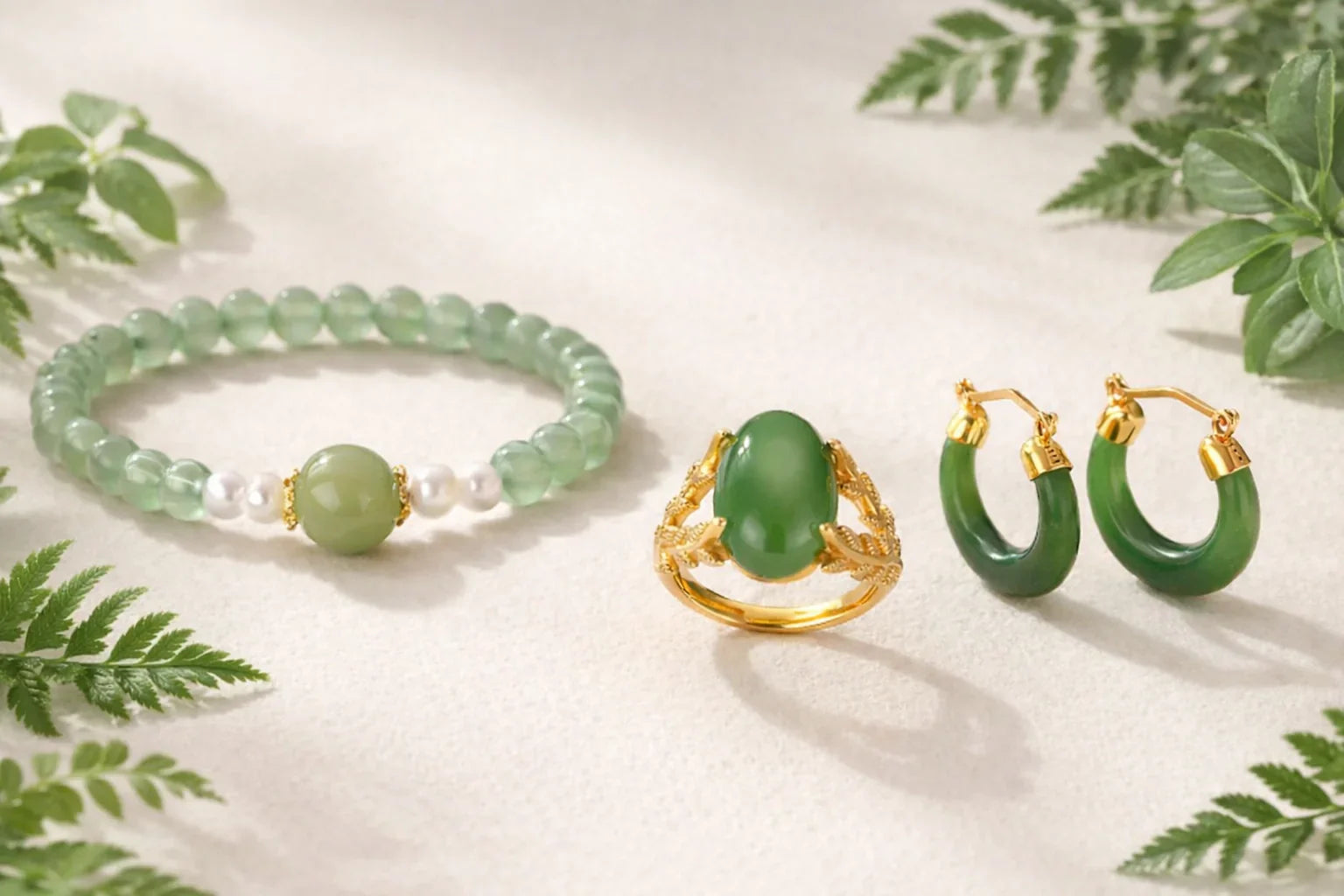
Discover Jade, a natural stone with many virtues, symbolizing harmony, luck, and elegance. Through this article, explore the benefits of Jade in lithotherapy, learn how to recognize genuine Jade je...


