






The Fascinating Origin of Amethyst: From Nature to Your Jewelry
Table of Contents
- A Gem with Mystical and Historic Roots
- The Natural Origin of Amethyst: From the Earth to Fine Jewelry
- Amethyst in Crystal Healing and Spirituality
- From Raw Crystal to Radiant Jewel: The Art of Amethyst Craftsmanship
- Crystal Healing Comparison Table: Properties, Chakras & Care Guide
- Caring for and Cherishing Your Amethyst Jewelry
- Frequently Asked Questions: The Fascinating Origin of Amethyst
Amethyst, a gemstone with mystical purple hues, has captivated lovers of precious and spiritual stones for centuries. From its astonishing geological origins to its cherished role in crystal healing, this timeless stone embodies both elegance and serenity. Whether featured in sumptuous jewelry or used as a sacred meditation tool, amethyst charms as much with its sublime beauty as with its myriad benefits. This article invites you on an enchanting journey through the history, crafting, and care of this exceptional gem, while exploring its unique energetic properties.
A Gem with Mystical and Historic Roots
The Etymology of the Word “Amethyst”
The term “amethyst” originates from the ancient Greek word “amethystos,” which translates to “not intoxicated.” In Antiquity, this name reflected a widespread belief: amethyst was believed to ward off drunkenness and bestow unwavering mental clarity. The Greeks, convinced of its protective powers, carved the stone into symbolic talismans and wore them closely. It was also set into wine goblets to temper excess during lavish banquets.
Among the Romans, amethyst equally symbolized refinement and spiritual protection. Roman nobles set it into elaborate jewelry, such as rings and necklaces, showcasing their sophistication and pursuit of wisdom. This protective and mystical reputation secured its status as an essential gemstone across ancient civilizations.
Amethyst Throughout History
Through the ages, amethyst has held a singular place in the beliefs and rituals of great civilizations. In Ancient Egypt, it was reserved for royalty and elites, frequently placed in pharaohs' tombs to provide safe passage and protection in the afterlife. The Egyptians believed this stone guarded the soul and eased its transition into the realm of the eternal.
During the Middle Ages, amethyst acquired profound religious significance. Catholic bishops wore rings adorned with amethyst as an emblem of piety, humility, and spiritual devotion. Its regal violet tones, associated with royalty and sacred reverence, made it the gemstone of choice for religious vestments and ceremonial adornments.
In Asia, particularly across India and China, amethyst was revered as a sacred stone. It was used to quiet the mind and harmonize vital energies, making it an invaluable companion in meditation and contemplative philosophy. Buddhists in particular treasured the stone for cultivating harmony, peace, and spiritual awakening.

A Royal Gemstone
Until the late 18th century, amethyst stood shoulder to shoulder with the world’s most precious gems, rivaling diamonds, rubies, and emeralds. It graced crowns, scepters, and royal regalia, embodying power, grace, and divine wisdom. Across European royal courts, its intense violet hue was intimately linked with nobility and divinity—virtues deemed essential for ruling monarchs.
Queen Charlotte of Great Britain, celebrated for her love of fine gems, possessed a renowned collection of amethysts that she wore with pride at official state occasions. Catherine the Great of Russia similarly adored the stone, cherishing it not only for its splendor but also for its soothing, protective qualities, incorporating it into exquisite tiaras, necklaces, and opulent interior decor.
Even after being reclassified as a semi-precious stone following the discovery of vast deposits in Brazil, amethyst has never lost its imperial prestige. Its storied heritage and profound symbolism continue to enchant jewelry collectors and spiritual seekers alike.
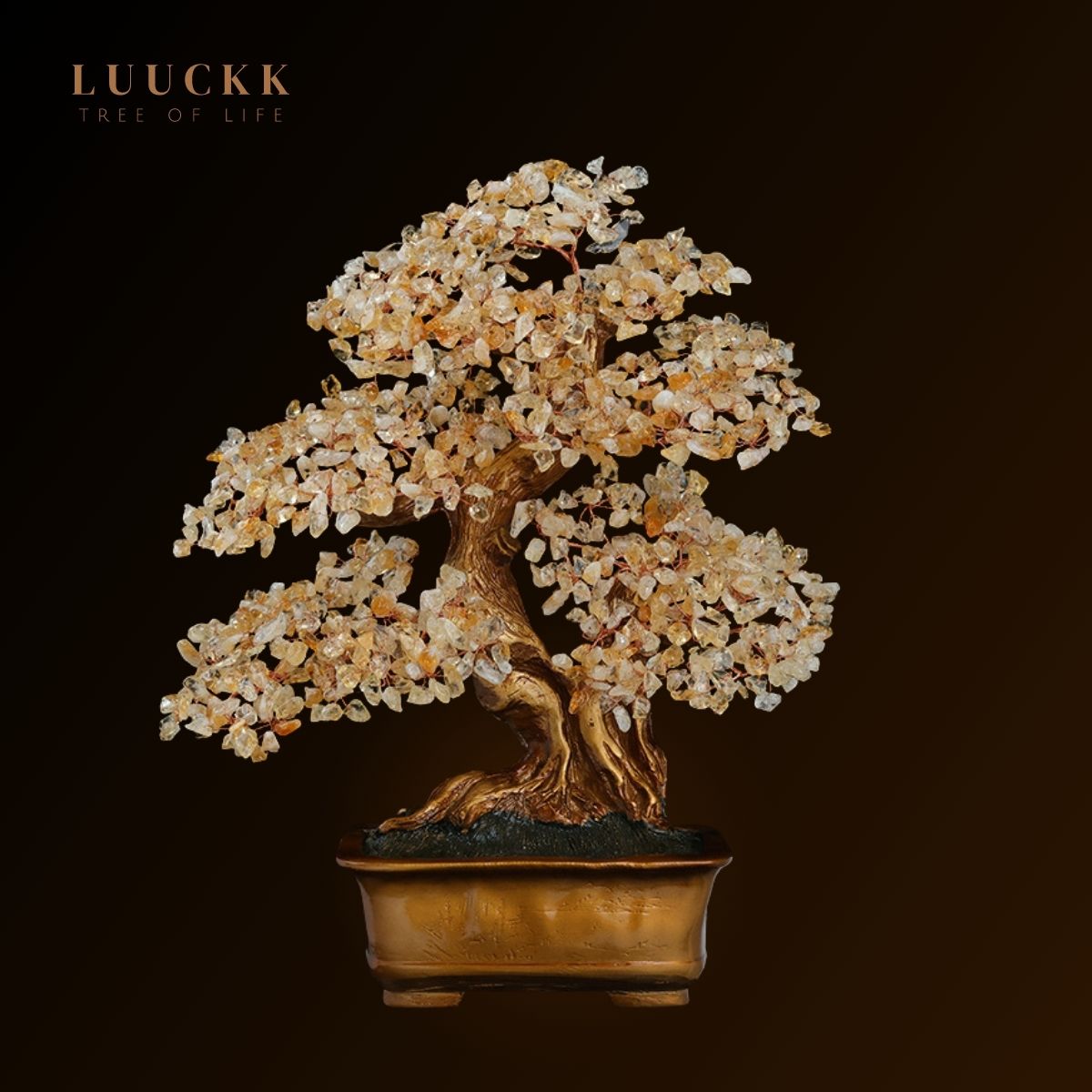
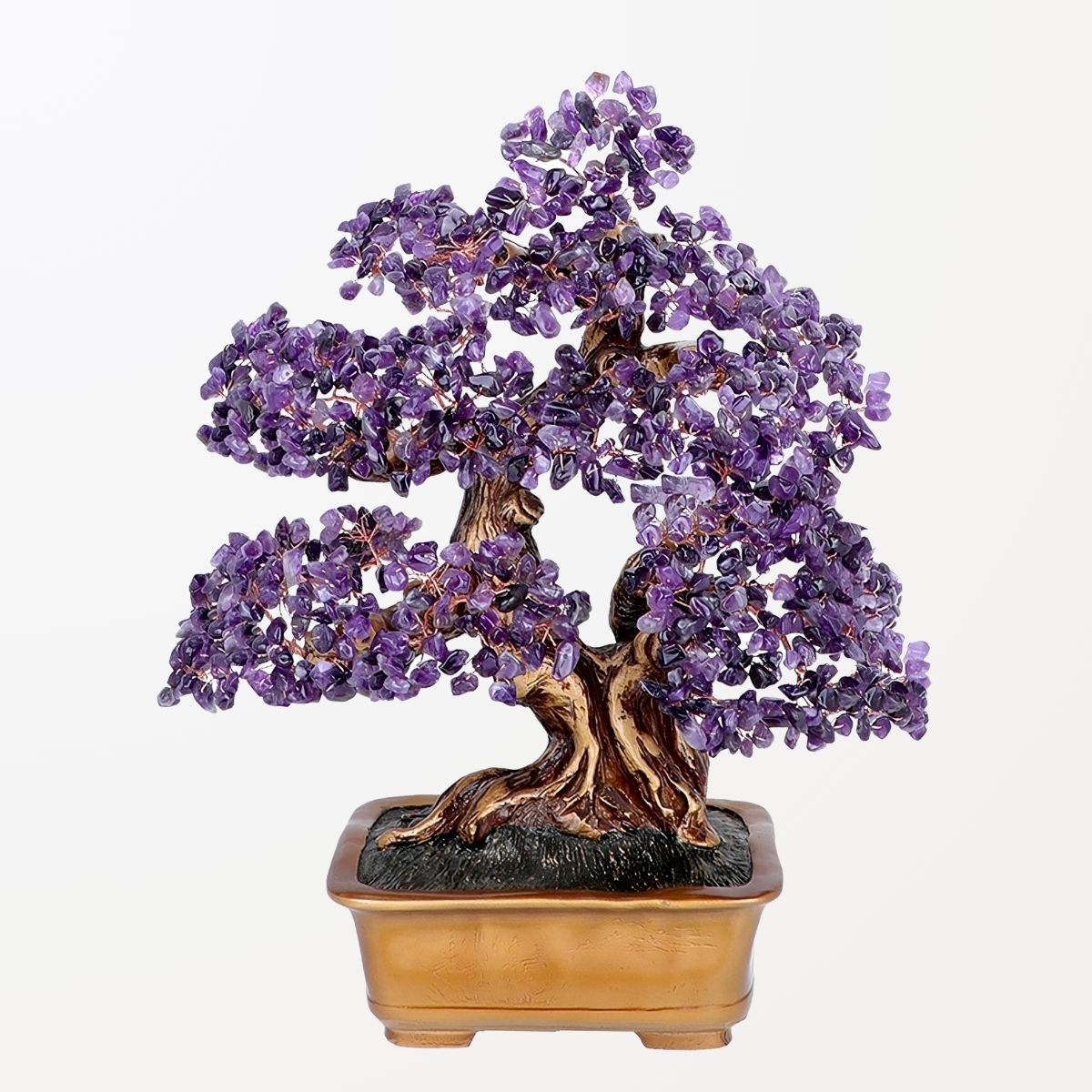
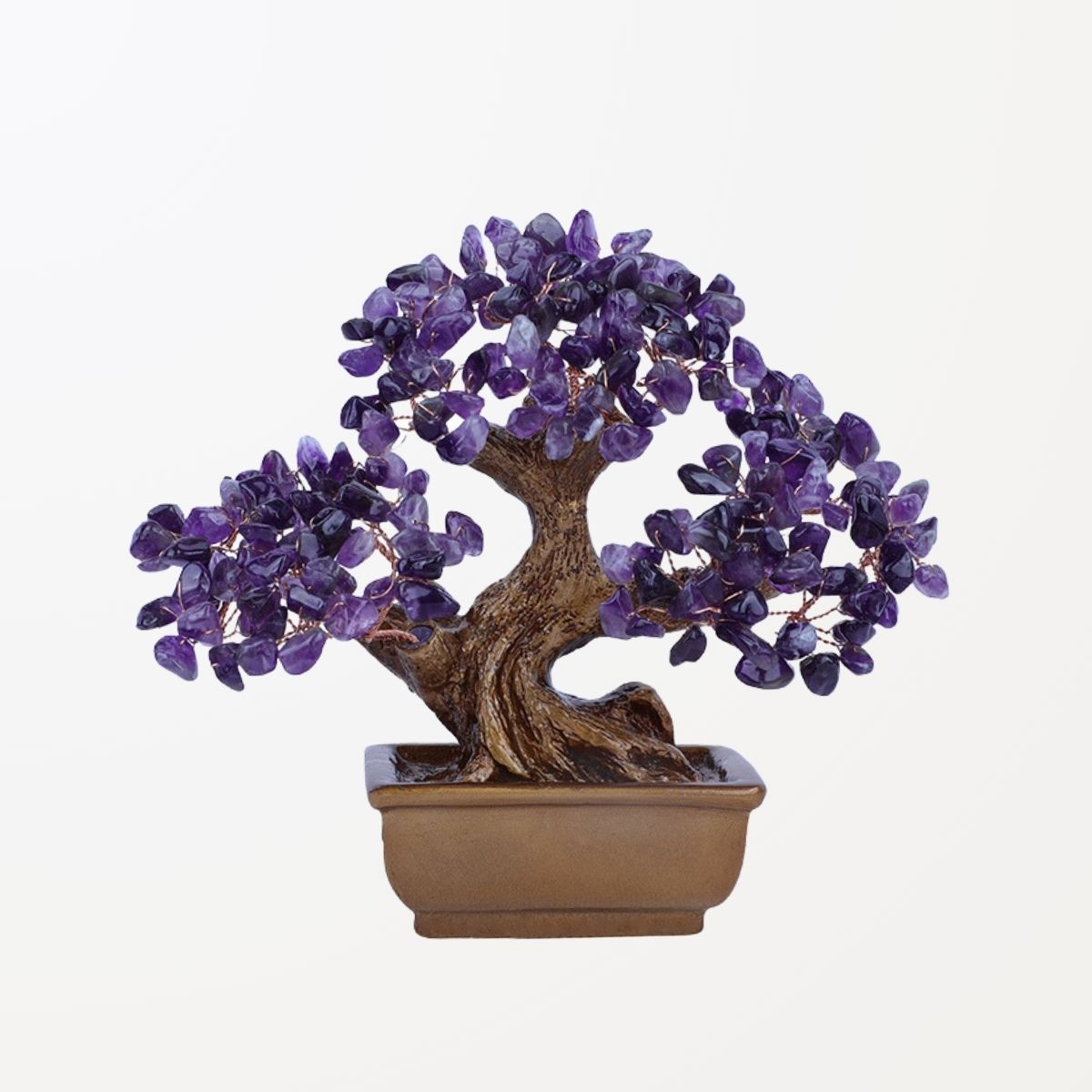
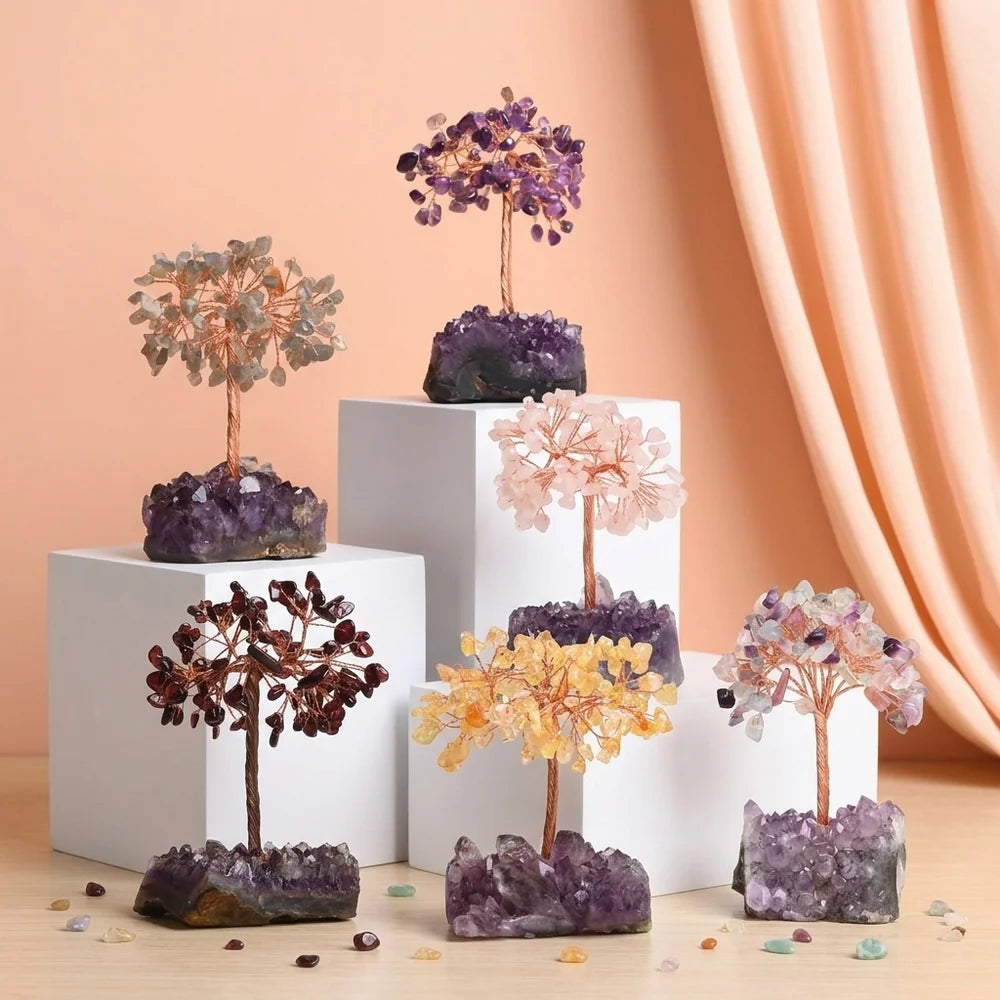
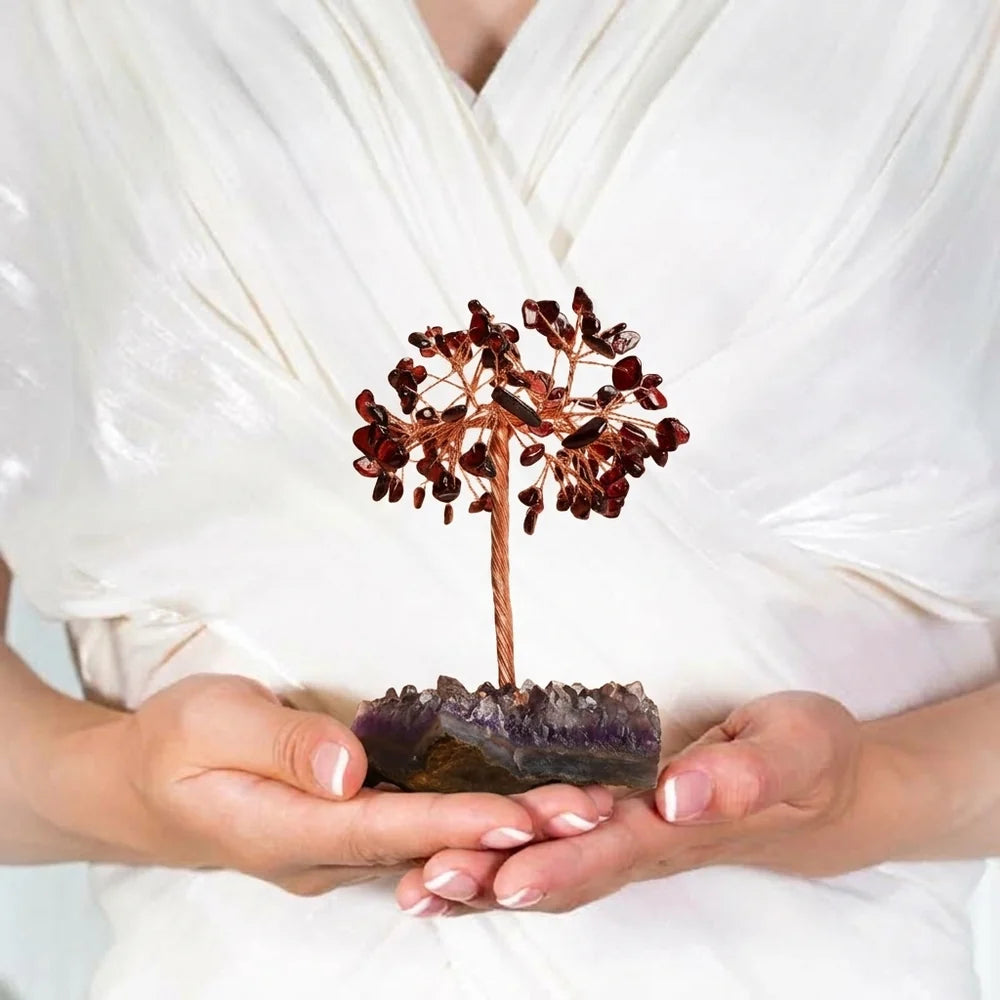
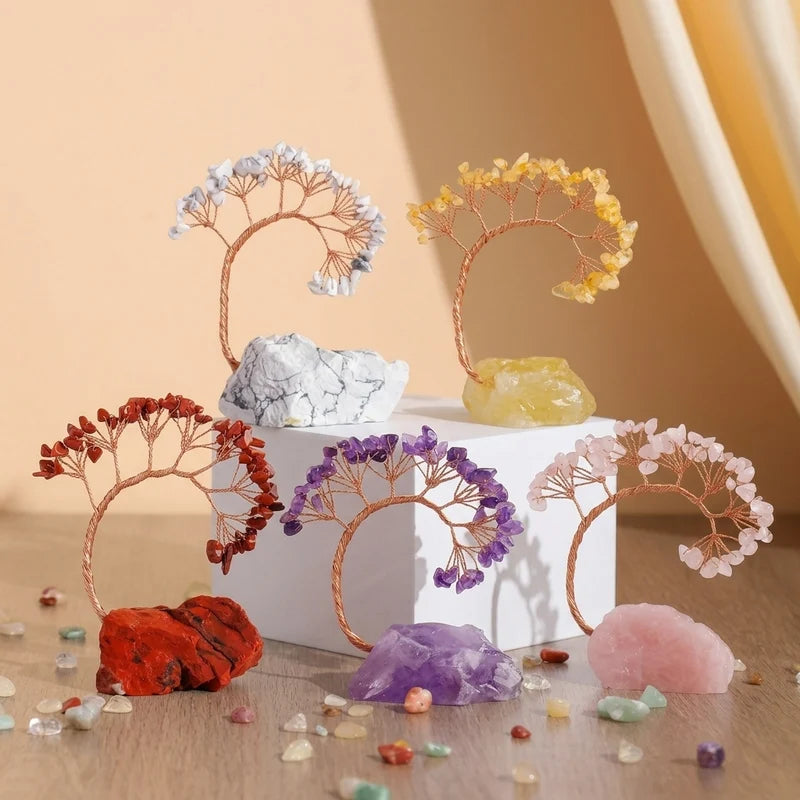
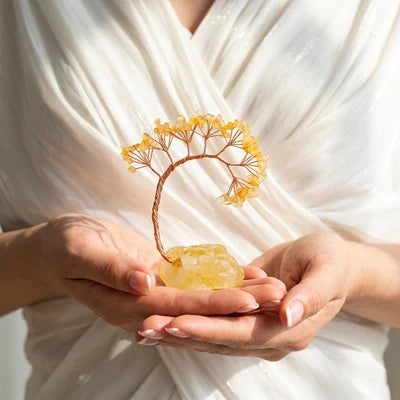
Luuckk Crystal Selection: The Fascinating Origin of Amethyst


The Natural Origin of Amethyst: From the Earth to Fine Jewelry
How Does Amethyst Form in Nature?
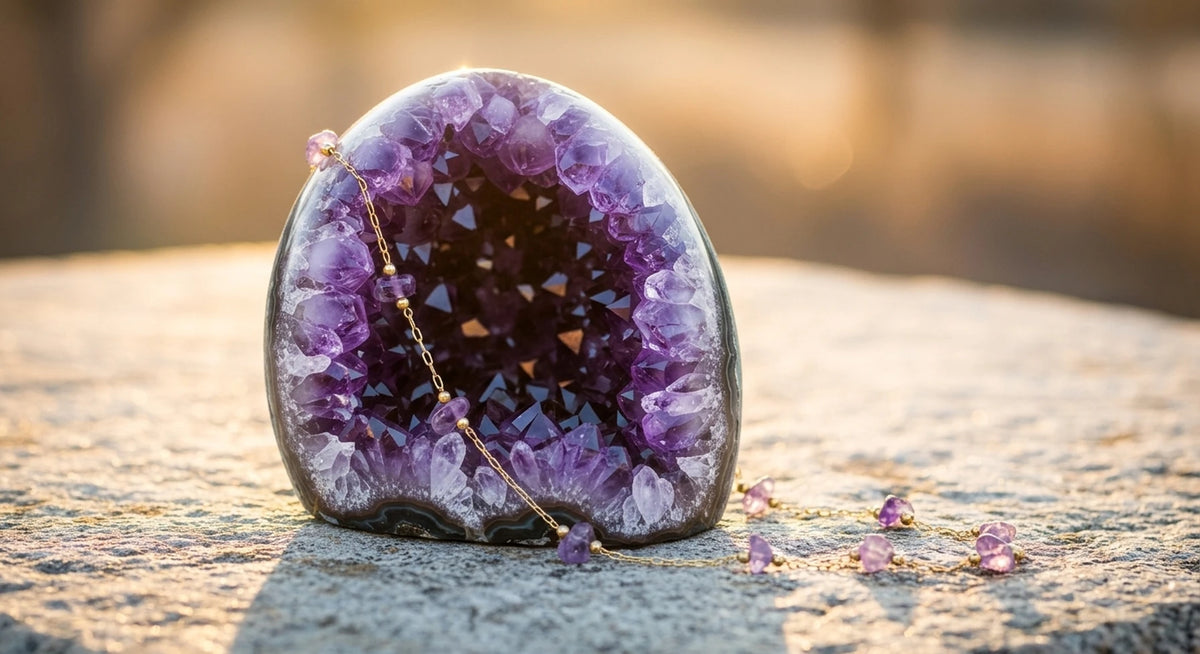
Amethyst is a true geological marvel born within volcanic geodes—hollow rock cavities hidden beneath the Earth’s crust. These formations take shape as lava rich in silicon dioxide slowly cools. Under precise conditions of intense pressure, ambient heat, and the slow percolation of mineral-rich groundwater, silica begins to crystallize, yielding the signature hexagonal prism structures typical of quartz.
What makes amethyst so extraordinary is the presence of trace amounts of iron within its crystalline lattice. These iron inclusions interact with natural ambient radiation from surrounding rocks, producing the unmistakable purple hues that define the stone. Variations in shade depend directly on iron concentration and local geological conditions. This crystallization is an exquisitely slow phenomenon, often taking millions of years to completely line geodes with dazzling, sparkling crystals.
Some geodes reach colossal dimensions, encasing breathtaking amethysts of extraordinary quality, frequently displayed in world-renowned museums or set into fine high-end jewelry.
Major Global Deposits
Amethyst is mined in several parts of the world, yet select regions stand out for their supreme quality and distinct characteristics:
- Brazil: As the world’s leading producer, Brazil yields stones in a rich palette ranging from delicate lavender to soft lilac. Deposits in the state of Rio Grande do Sul are particularly renowned for producing exceptionally symmetrical crystal clusters.
- Uruguay: Renowned for its deeply saturated, velvety violet tones, Uruguayan amethysts captivate with their intense color and striking luster. Although Uruguayan geodes are often more compact, their superior grade makes them highly sought-after by collectors.
- Zambia: Zambian mines produce gems of remarkable clarity, showcasing a deep royal purple often accented with subtle blue undertones. Celebrated for their pure brilliance and rich saturation, Zambian amethysts are regarded among the finest in the world.
- Other Notable Regions: Canada, Madagascar, and the United States (notably Arizona) also host distinguished amethyst deposits, though in more exclusive quantities.
Quality Criteria for Amethyst
When assessing the true beauty and value of an amethyst, gemologists look to three fundamental criteria:
- Color:
Color is the most defining factor. The most coveted amethysts display a deep, uniform, and richly saturated tone. “Royal purple” is the pinnacle of luxury, whereas pale stones or gems with uneven color zoning are considered lower grade. Subtle flashes of blue or red secondary highlights add captivating visual depth. - Clarity:
A fine-quality amethyst is eye-clean, offering high transparency free from visible inclusions. While natural inclusions reflect the gem's authenticity, they can diminish brilliance. Flawlessly transparent stones are reserved for fine jewelry creations. - Cut:
The skill of the lapidary determines the stone's ultimate brilliance and fire. An expert cut maximizes internal light reflection, elevating the gem’s distinctive purple hues. Classic brilliant cuts, emerald cuts, and pear cuts remain favored silhouettes for timeless, elegant designs.
These attributes, combined with geographic origin and rarity, define the market value of every gem. While accessible compared to certain traditional precious gems, amethyst retains an aura of prestige thanks to its innate radiance and historic allure.
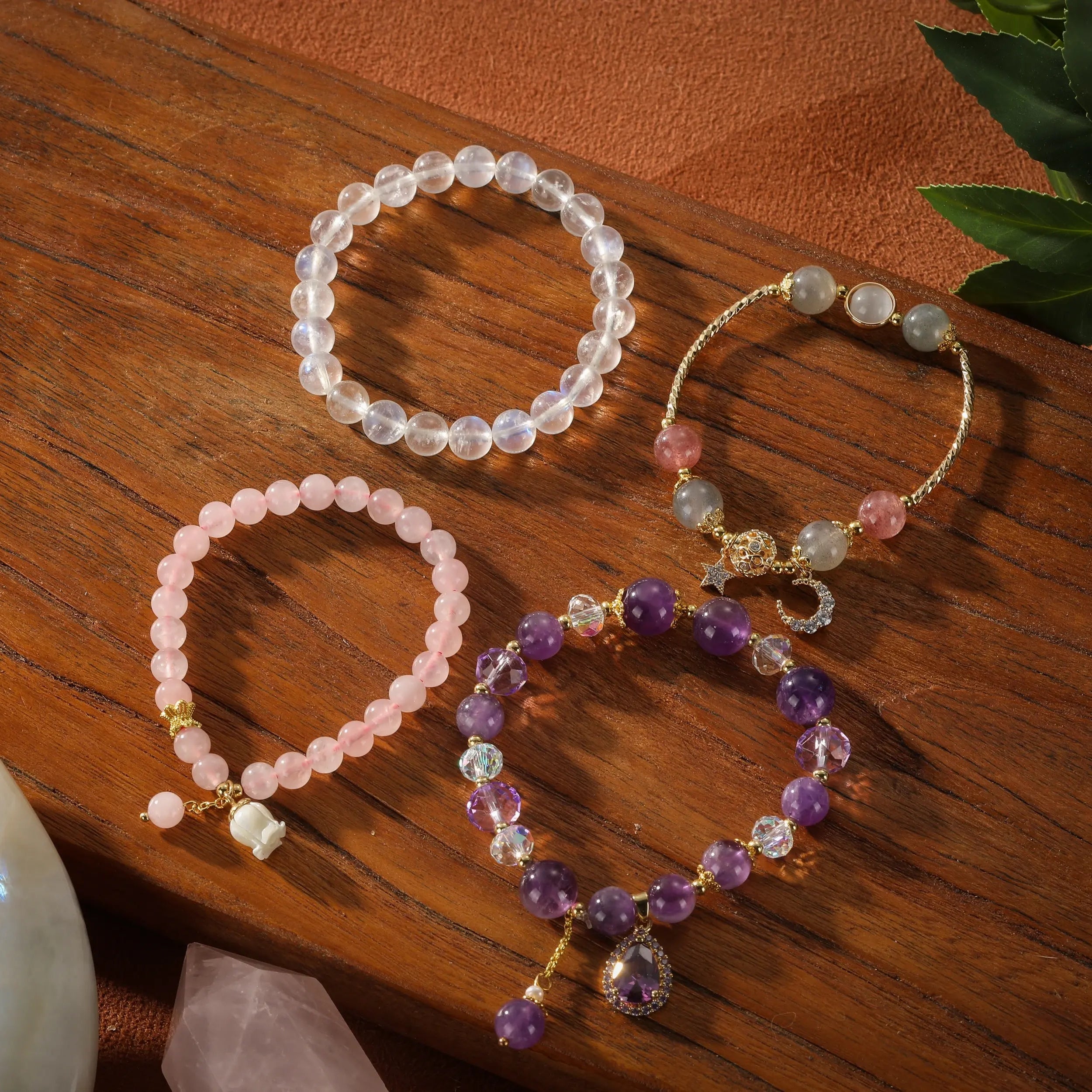
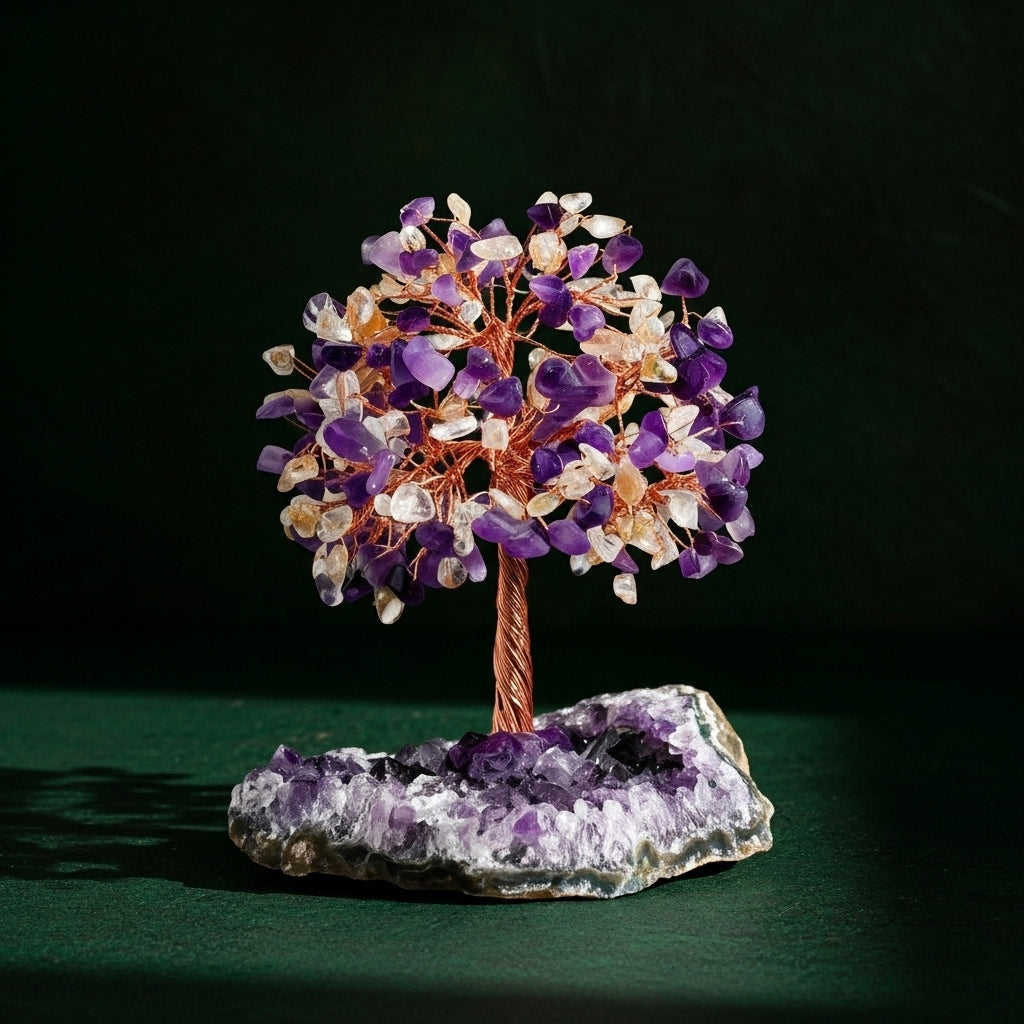
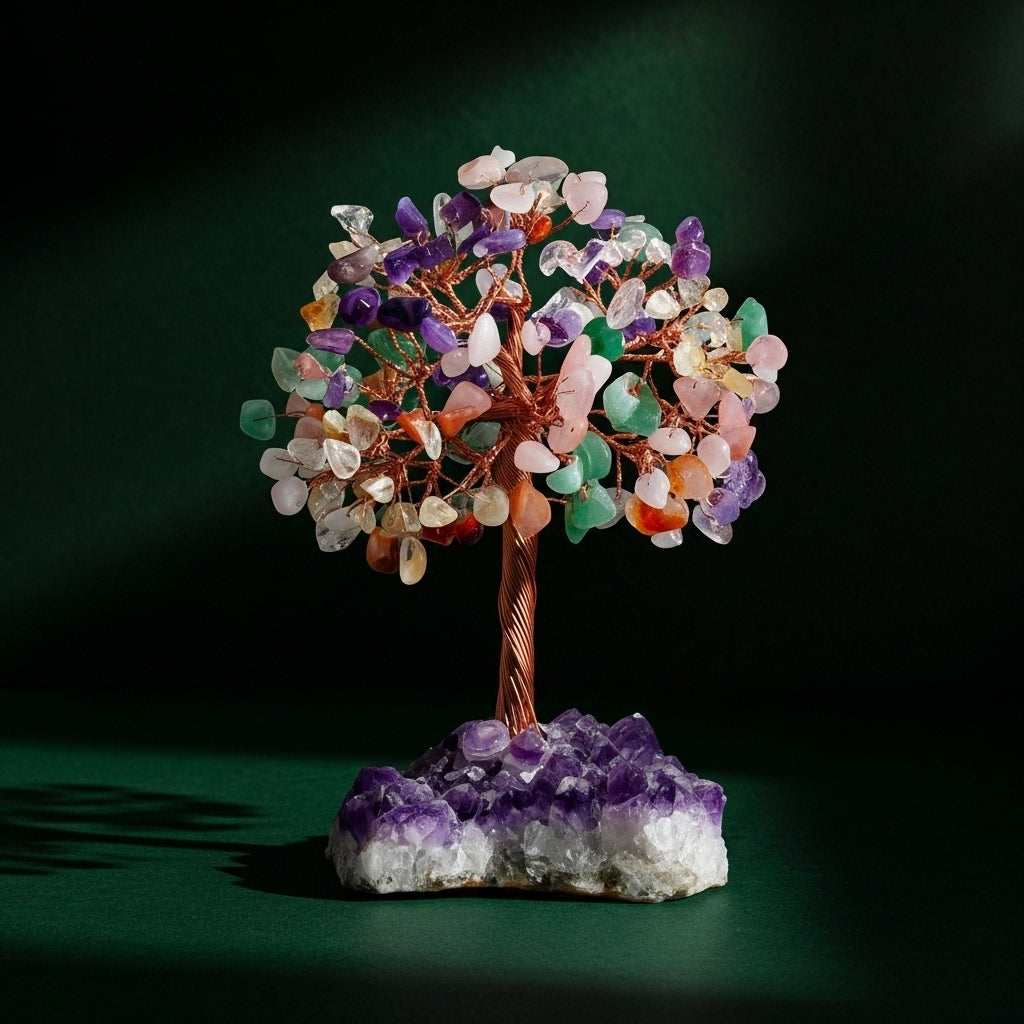
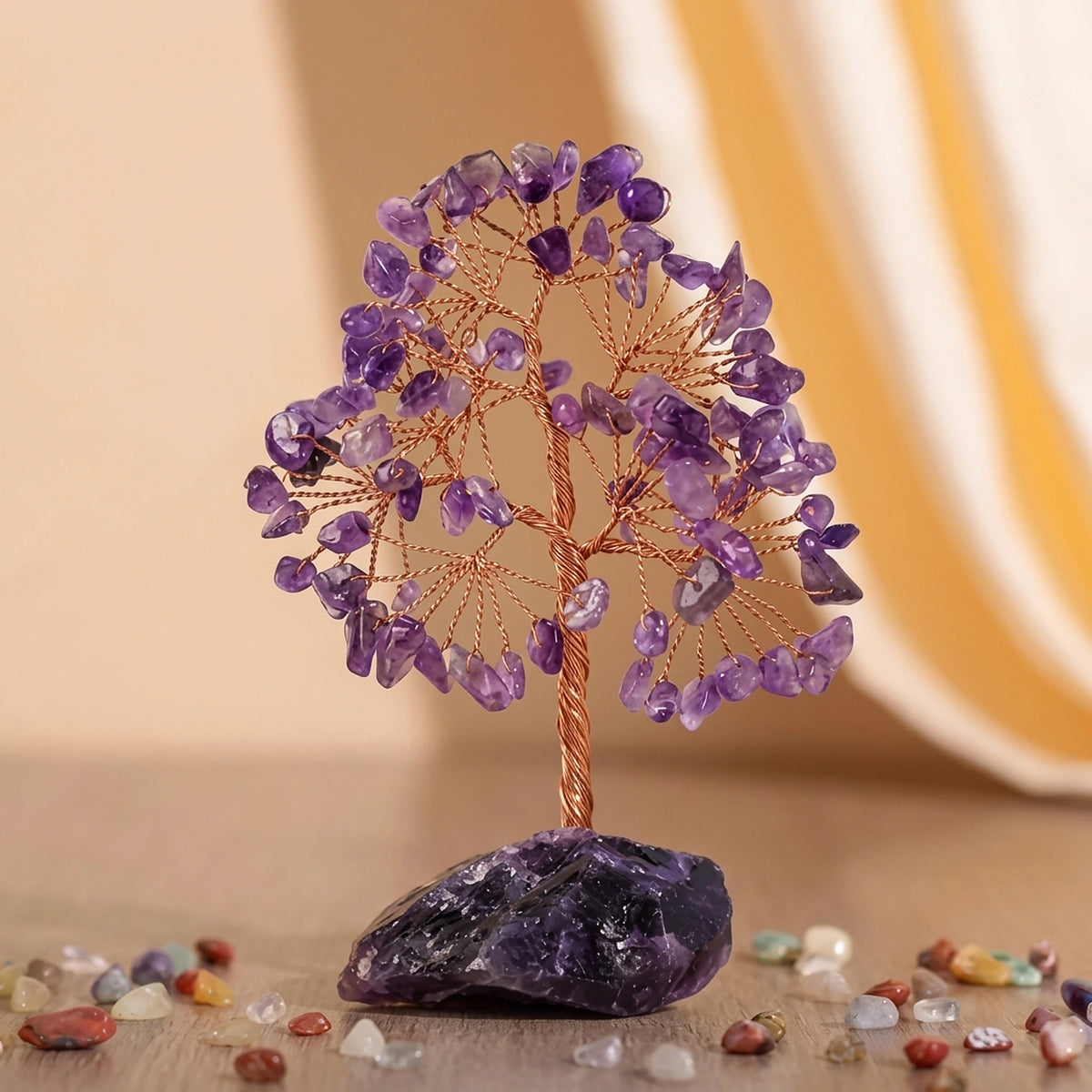
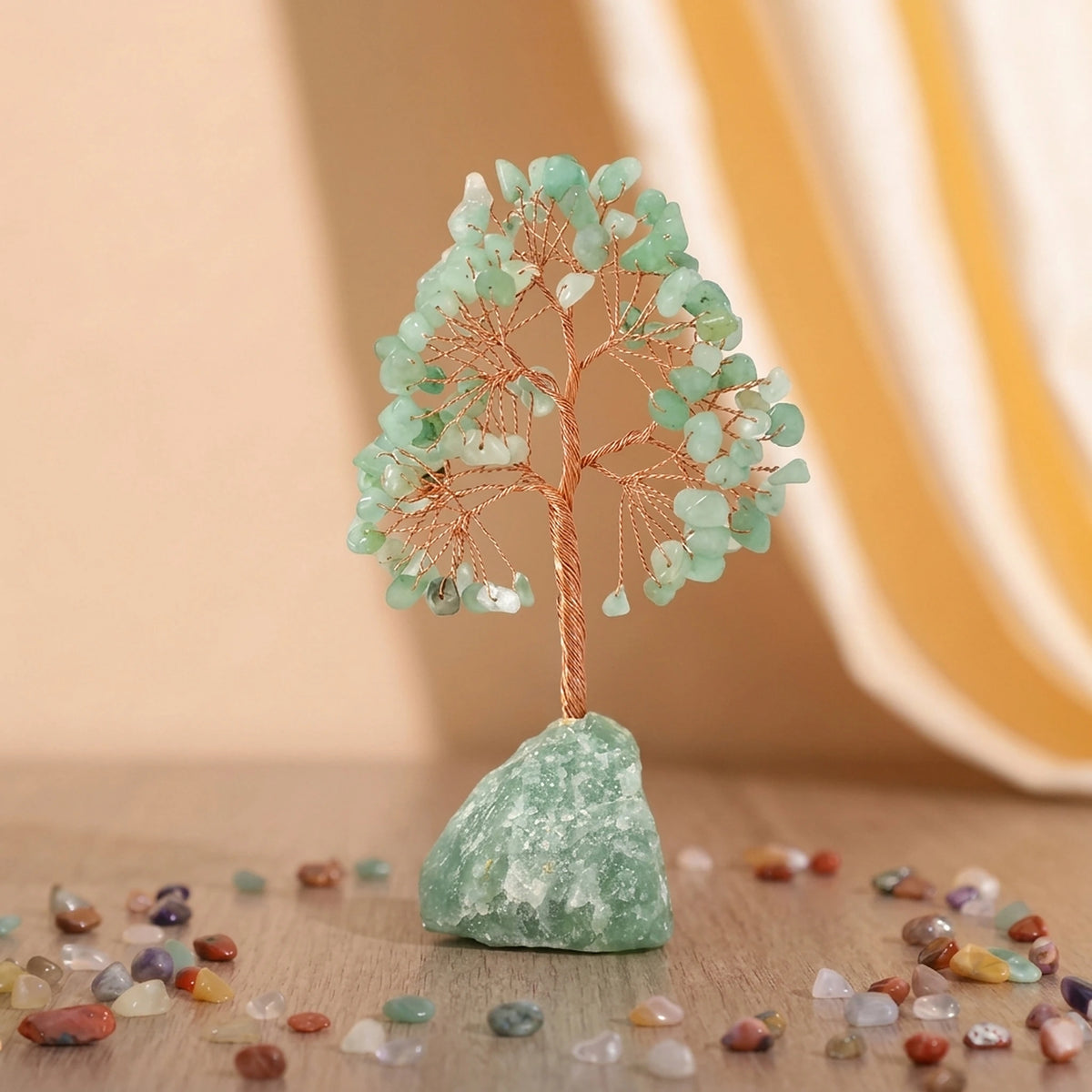
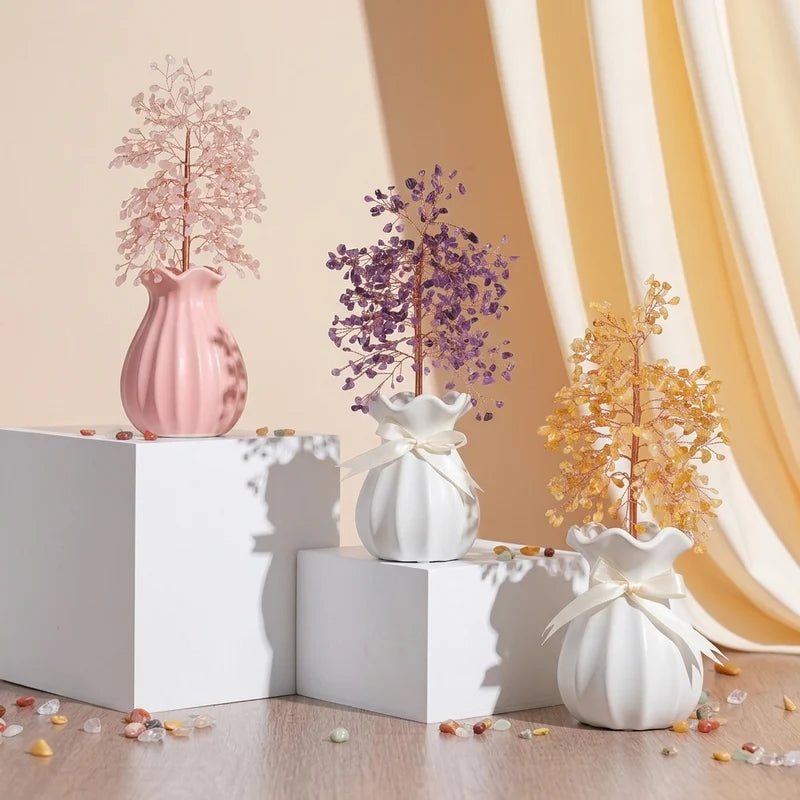
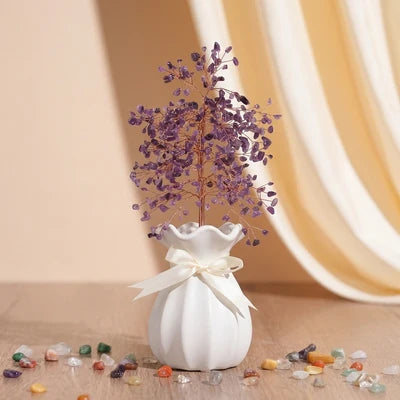
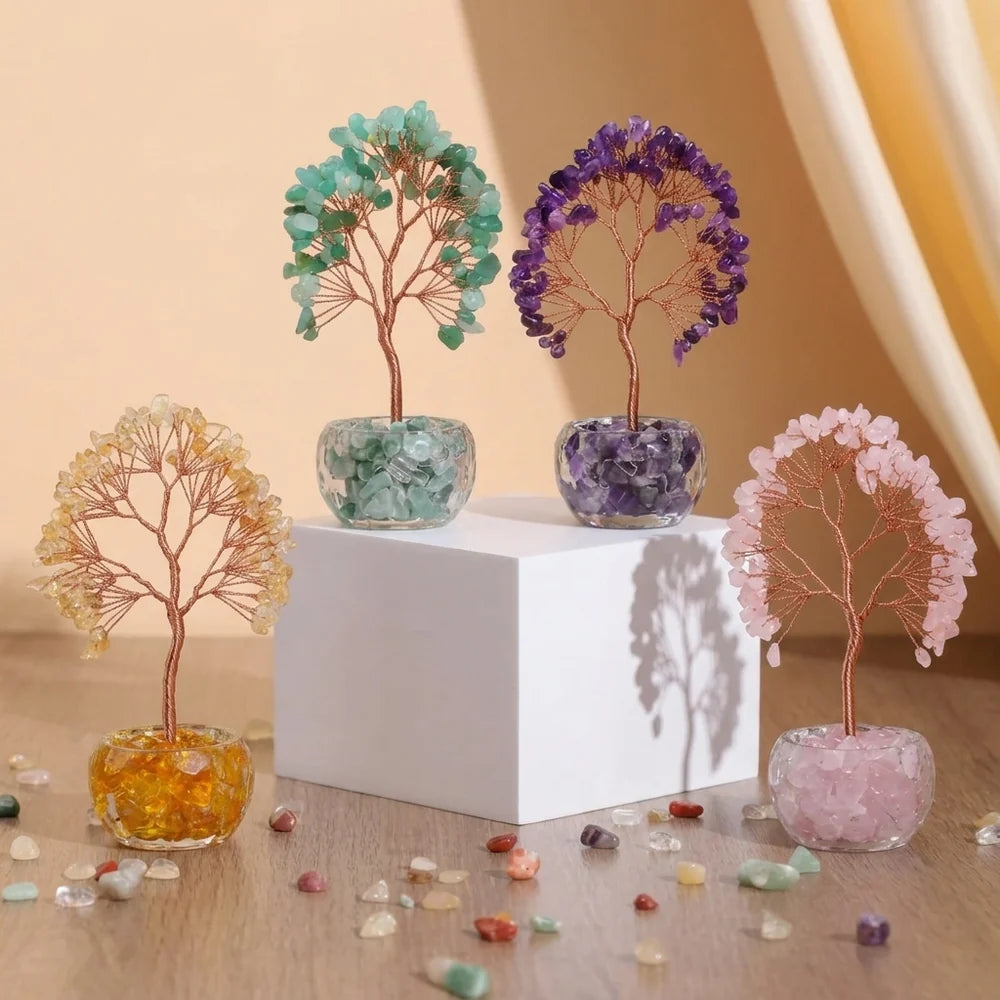
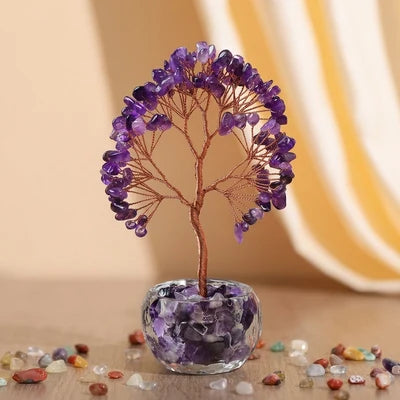
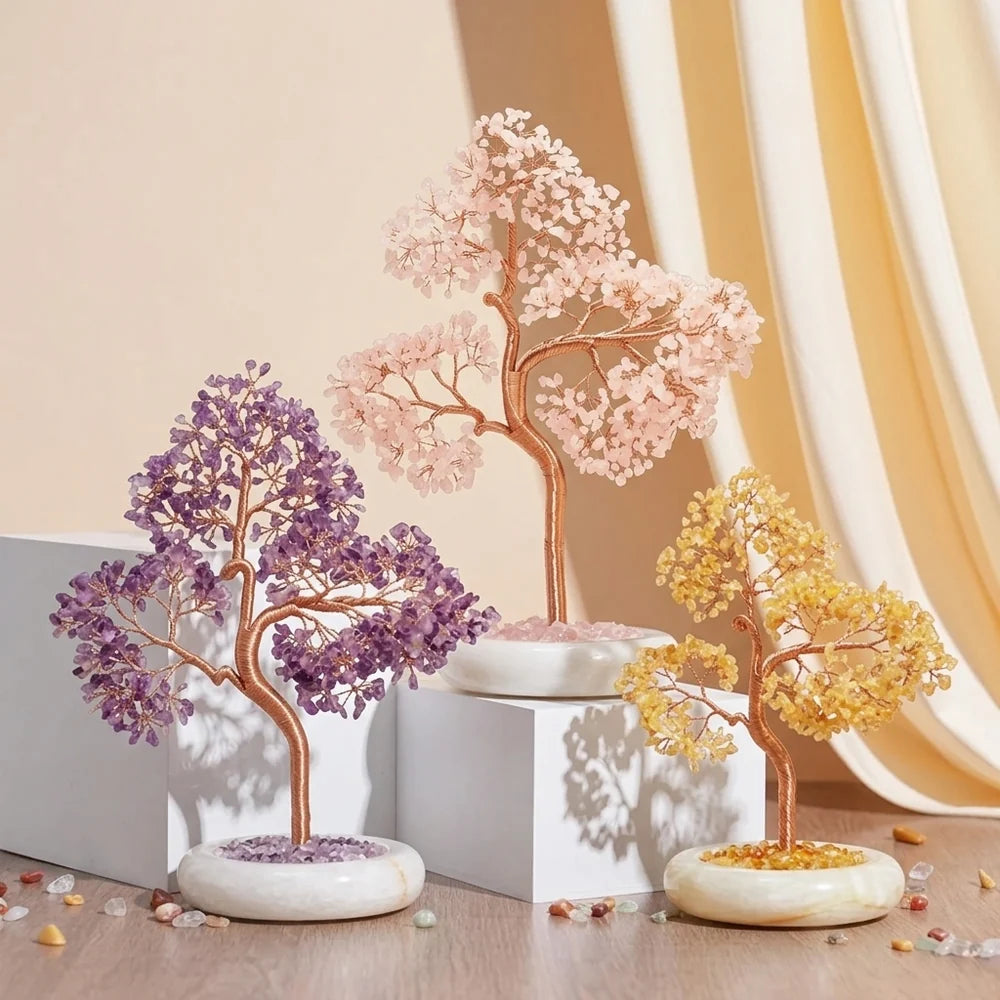
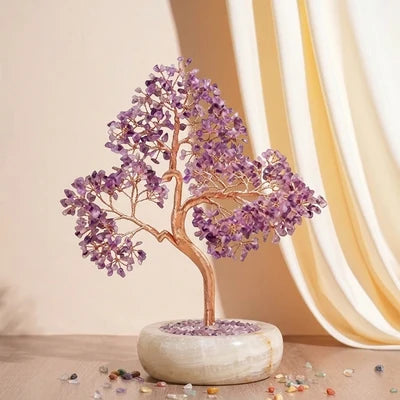
Handcrafted Healing Crystal Creations & Tree of Life Collection
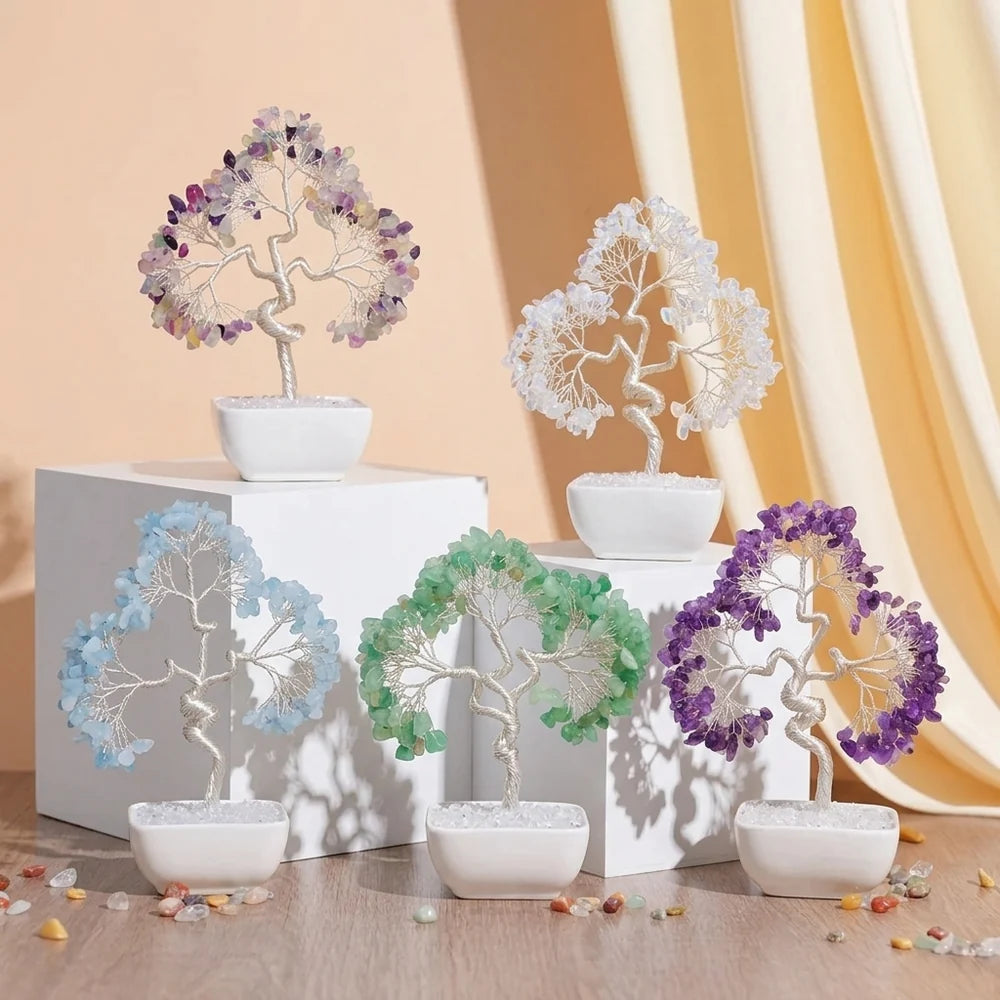
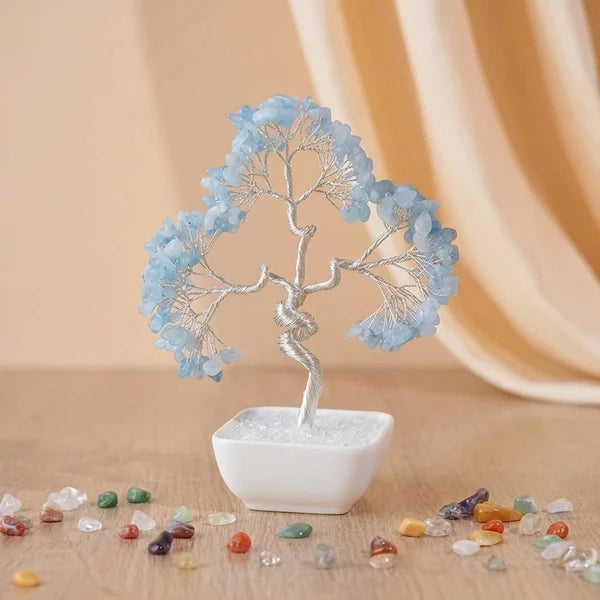
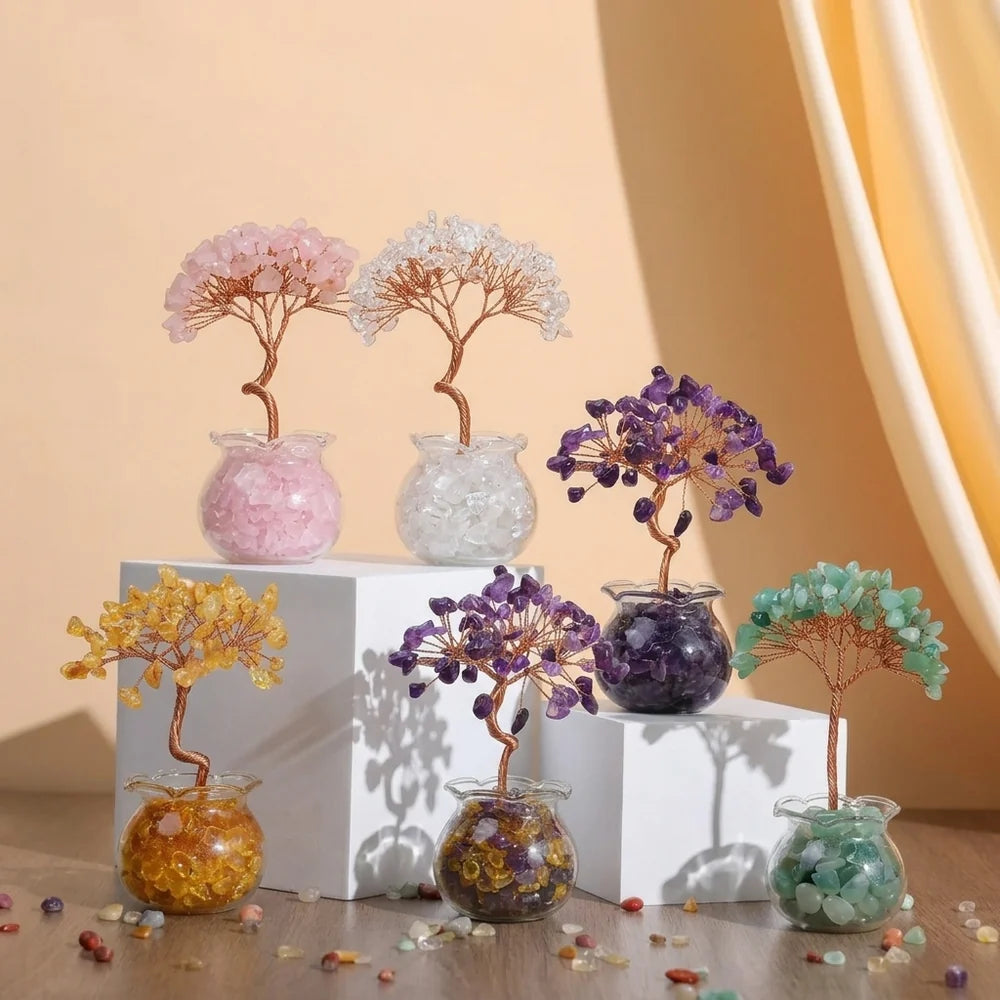
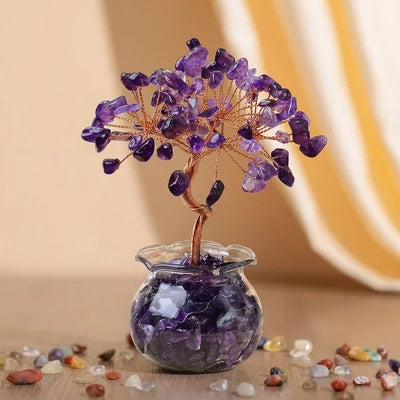
Amethyst in Crystal Healing and Spirituality
Metaphysical Properties and Benefits of Amethyst
Amethyst is a cornerstone of crystal healing, celebrated worldwide for its holistic virtues. Recognized as a stone of serenity and protection, it is widely used to soothe erratic emotions and dissolve everyday stress. By calming nervous tension, it helps restore profound mental and physical balance—ideal for demanding modern lifestyles or times of emotional transition.
Beyond its soothing embrace, amethyst functions as an energetic shield. It deflects negative vibrations that disrupt balance, creating an uplifting aura of peace around the wearer. The stone is also revered for awakening intuition and creative inspiration, making it a beloved companion for artists, writers, and visionaries. Furthermore, by fostering clarity of mind, it supports wise, grounded decision-making in both personal and professional spheres.
See also our article: How to Choose Healing Crystals for a Tree of Life?
Why Is Amethyst the Ultimate Stone for Meditation?
In holistic energy work, amethyst is intimately aligned with the Crown Chakra, situated at the crown of the head. This sacred energy center governs spiritual connection, higher consciousness, and divine insight. By aligning this chakra, amethyst strengthens the bridge between human awareness and universal wisdom.
During meditation, amethyst is prized for quietening mental chatter and fostering effortless concentration. Placed upon the Crown Chakra or near your sacred space, it clears intrusive thoughts, guiding you into a sanctuary of deep relaxation and self-awareness. This contemplative state not only rejuvenates the spirit but expands consciousness toward higher dimensions.
Many practitioners incorporate raw amethysts into their altars or meditation spaces. Its calming vibrations cleanse environmental energy, imbuing the room with peace, balance, and centered presence.
Beliefs and Legends Surrounding Amethyst
Amethyst is steeped in rich myths and legends that underscore its reputation as a mystical gemstone. One of the most famous tales stems from Greek mythology: Dionysus, the god of wine and revelry, in a moment of fury, vowed to unleash his tigers upon the first mortal who crossed his path. That maiden was Amethyst, on her way to pay homage at the shrine of Artemis. To protect the innocent maiden, the goddess transformed her into a pure, crystalline statue. Struck with remorse, Dionysus poured his cup of wine over the statue, blessing the crystal with its signature violet beauty.
Beyond Greece, amethyst has been revered across traditions for its uplifting nature. In ancient India, it was treasured for inspiring inner peace and fostering harmonious relationships. The Romans carried it as a talisman to cultivate virtuous restraint and integrity. In the Middle Ages, warriors bore amethyst onto the battlefield, believing it shielded them from harm and ensured victory.
Though traditions vary, they converge on timeless attributes: amethyst embodies clarity, wisdom, and protection. Today, these virtues continue to inspire all who choose it as a daily talisman or signature jewel.

From Raw Crystal to Radiant Jewel: The Art of Amethyst Craftsmanship
Stages in Transforming Amethyst
The journey of amethyst, from a raw subterranean crystal to a luminous fine jewel, is a meticulous craft combining technical mastery with artisanal flair. Here are the defining stages of its transformation:
- Extraction:
Amethyst is harvested from mineral veins and volcanic geodes in its raw crystalline state. Miners carefully extract the crystals using specialized techniques to protect their natural geometry and structural integrity. - Sorting and Selection:
Once mined, the rough gems undergo rigorous sorting based on color intensity, clarity, and carat size. Stones with deep, uniform violet hues are earmarked for luxury fine jewelry, while more rustic specimens are crafted into decorative pieces or polished tumble stones. - Precision Faceting:
Faceting is where the true transformation unfolds. Master lapidaries cut the crystals with exacting geometric precision to unlock optimal brilliance. Every facet is angled to reflect maximum light, illuminating the rich violet fire within. Popular cuts include brilliant cuts, classic emerald cuts, and elegant teardrop pear shapes. - Polishing:
Following faceting, each stone undergoes high-precision polishing to achieve a mirror-like finish. This crucial step reveals the crystal's natural luster and glass-like brilliance. - Setting and Mounting:
Finally, jewelry artisans set the polished amethyst into precious metals including 925 sterling silver, 14k/18k gold, or gold-plated finishes. From sleek, minimalist silhouettes to intricate vintage-inspired designs, each setting is crafted to showcase the gem at its radiant best.
Styles of Amethyst Jewelry
Amethyst is an exceptionally versatile gemstone that enhances an array of jewelry styles, complementing every wardrobe and occasion:
- Rings:
Amethyst rings offer a sophisticated pop of color and natural beauty. From understated solitaire bands to statement cocktail rings haloed by pavé accents, amethyst rings remain an enduring favorite. - Necklaces:
Amethyst pendants and necklaces range from delicate everyday chokers to dramatic statement pieces. An amethyst necklace instantly refines any look, elevating both casual daywear and formal evening attire. - Bracelets and Earrings:
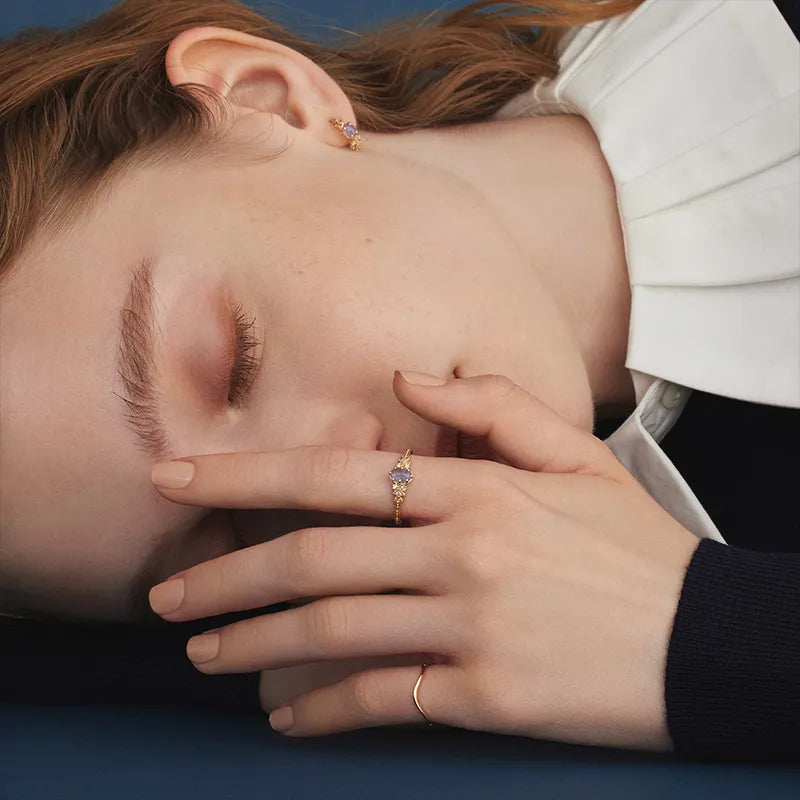
Beaded or gemstone-set amethyst bracelets are perfect for layering. Meanwhile, amethyst earrings—from subtle studs to graceful drop designs—bring a vibrant, flattering glow to the face.

Why Choose Amethyst Jewelry?
Amethyst jewelry offers far more than refined style—it carries timeless symbolism and restorative energy. Here is why it remains a cherished addition to any collection:
- Unique Aesthetic Appeal:
With shades spanning from delicate lilac to velvety royal purple, amethyst brings effortless luxury to any look. It pairs gracefully with warm gold and cool silver tones alike. - Positive Energetic Harmony:
In holistic traditions, wearing amethyst jewelry maintains emotional balance, eases stress, and keeps your mind clear and focused throughout the day—a harmonious blend of beauty and mindful wellness. - Versatility and Meaning:
Amethyst transitions seamlessly from daytime casual to evening elegance. Its regal presence and calming energy make it both a meaningful personal talisman and an unforgettable gift for someone special.
Combining raw natural splendor with rich metaphysical depth, amethyst remains an irreplaceable treasure in jewelry design. Whether chosen for its aesthetic brilliance or soothing spirit, it never fails to enchant.
Crystal Healing Comparison Table: Properties, Chakras & Care Guide
This comparison chart summarizes the key crystal properties, Mohs hardness ratings, chakra alignments, and cleansing rituals recommended by Lina.
Crystal Family & Intention | Chakra Alignment & Mohs Hardness | Cleansing, Charging & Feng Shui Placement |
Love, Compassion & Emotional Harmony | Heart Chakra (Anahata) — Mohs hardness 6 to 7/10; nurtures inner peace and emotional balance. | Place in the Southwest Bagua sector or bedroom; cleanse with white sage smudge and recharge under full moonlight. |
Grounding, Shielding & Confidence | Root & Solar Plexus Chakras — Mohs hardness 7/10; anchors energy and wards off negativity. | Position near the front entryway or workspace; smudge weekly with Palo Santo and recharge on a Clear Quartz cluster. |
Abundance, Clarity & 7-Chakra Balance | Crown, Third Eye & Full 7 Chakras — Mohs hardness 7/10; elevates focus and spiritual vitality. | Ideal for the living room or meditation corner (Southeast wealth sector); recharge on an Amethyst geode or Selenite plate. |
Caring for and Cherishing Your Amethyst Jewelry
Tips for Cleaning and Preserving Amethyst
Like all precious jewelry, amethyst pieces require mindful care to retain their brilliance and vibrant color. Follow these essential care recommendations:
- Avoid Harsh Chemicals:
Household detergents, perfumes, cosmetics, and hairsprays can dull the polished surface of your stone or harm its delicate metal setting. Always put your jewelry on after applying beauty products. - Gentle Cleaning Routine:
Clean your jewelry using lukewarm water, a mild dish soap, and a soft-bristled brush or microfiber cloth. Avoid abrasive sponges, ultrasonic cleaners, or harsh chemicals. Rinse thoroughly in clean water and pat dry with a soft cloth. - Proper Storage:
Store your amethyst jewelry in individual soft pouches or a lined jewelry box to prevent harder gemstones (such as diamonds or sapphires) from scratching its surface. - Protect from Extreme Heat and Direct Sunlight:
While durable, prolonged exposure to intense heat or strong direct sunlight can cause natural amethyst colors to fade over time. Store your pieces away from direct heat and sunny windowsills.

How to Cleanse and Recharge Your Amethyst
In crystal healing, amethyst continually absorbs and harmonizes surrounding energies. Over time, cleansing and re-energizing your crystal revitalizes its natural vibrations. Here are gentle, effective methods:
- Moonlight Cleansing:
The purest and gentlest method is placing your amethyst under the soft glow of the full moon. Moonlight cleanses and charges the crystal naturally without exposing it to the color-fading risks of sunlight. - Clear Quartz Cluster or Amethyst Geode:
Placing your jewelry on a Clear Quartz cluster or inside an amethyst geode acts as a natural energetic amplifier, restoring its subtle vibrations. - Pure Spring Water:
A brief rinse under cool, pure spring water quickly cleanses accumulated energy. Always pat the jewelry completely dry immediately after. Note: Avoid water immersion for jewelry with delicate or porous settings. - Sacred Smoke (Smudging):
Pass your jewelry through the sacred smoke of white sage or palo santo to clear stagnant energies and restore pure vitality.
Pairing Amethyst with Other Gemstones
Amethyst harmonizes beautifully with other healing crystals to create complementary energetic synergies:
- Amethyst and Rose Quartz:
A serene combination fostering universal love, compassion, and emotional healing. Amethyst stills the mind while Rose Quartz opens the heart chakra. - Amethyst and Citrine:
The golden warmth of Citrine unites with the cool tranquility of Amethyst to manifest abundance, joy, and creative clarity while keeping emotions grounded. - Amethyst and Labradorite:
Together, these stones fortify your psychic protection and deepen intuitive insight—a favorite pairing for meditation and spiritual exploration. - Amethyst and Black Onyx:
Amethyst offers calming serenity, while Black Onyx delivers grounding strength against negative vibrations—an ideal duo for inner emotional resilience.
By cherishing your amethyst jewelry and honoring its vibrant energy, you preserve its timeless luster while enjoying its calming, empowering presence every day.
From the heart of the Earth to bespoke jewelry, amethyst offers far more than sparkling elegance: it enriches our lives with deep spiritual significance and restorative harmony. Whether you are drawn to its regal allure or its tranquil virtues, this precious gemstone remains a timeless companion for lovers of beauty and mindfulness. By caring for your pieces and exploring pairings with other gemstones, you can fully embrace both its aesthetic brilliance and calming energy.
Daily Energy, Protection & Harmony: Lina’s Favorites


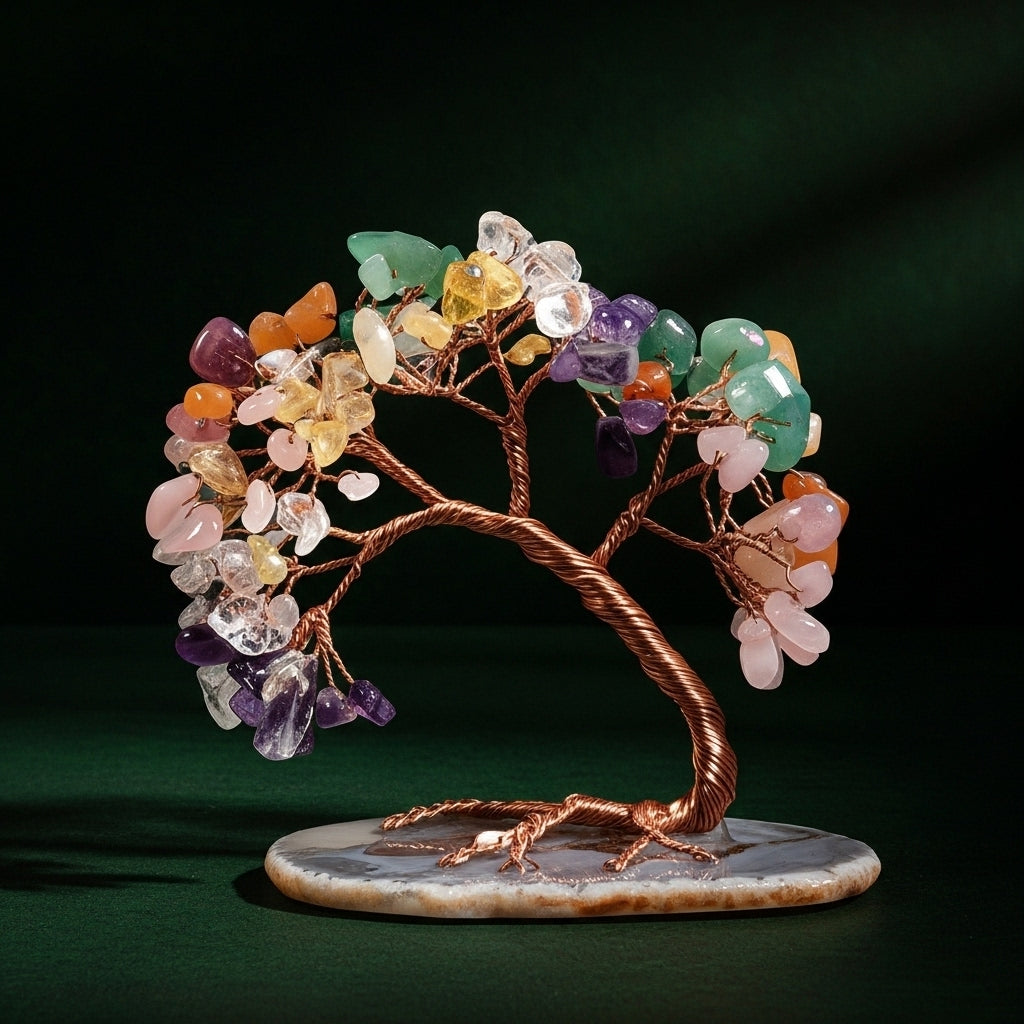


Explore our handcrafted crystal collections: Tree of Life Crystal Collection, Healing Crystal Jewelry, and Natural Crystal Bracelets. Read our related crystal guides: Significance And Benefits Of The Tree Of Life, The Tree Of Life In Natural Stone The Perfect Gift For Every Occasion, and Which Natural Stone To Choose For Your Tree Of Life.
Frequently Asked Questions: The Fascinating Origin of Amethyst
1. What is amethyst?
Amethyst is a violet variety of quartz celebrated for its captivating shades, natural brilliance, and spiritual virtues.
2. What are the healing benefits of amethyst?
In crystal healing, amethyst is renowned for soothing stress, enhancing mental focus, strengthening intuition, and deflecting negative energies.
3. How should I clean my amethyst jewelry?
Clean gently using lukewarm soapy water and a soft cloth or soft-bristled brush. Avoid harsh chemicals and store your pieces separately to prevent scratches.
4. How do I recharge the energy of an amethyst?
Recharge your amethyst under the light of the full moon, place it on a Clear Quartz cluster, or cleanse it with sacred smoke like sage or palo santo.
5. Where are the finest amethyst deposits located?
The most celebrated sources of premium-grade amethyst are located in Brazil, Uruguay, and Zambia.
6. Is amethyst suitable for everyday jewelry?
Yes, boasting a Mohs hardness of 7, amethyst is durable and well-suited for everyday rings, necklaces, bracelets, and earrings when treated with gentle care.
Read more
In a world where gifts are often fleeting and mass-produced, gifting malachite jewelry stands out for its originality and profound symbolism. This natural gemstone, recognizable by its magnificent ...
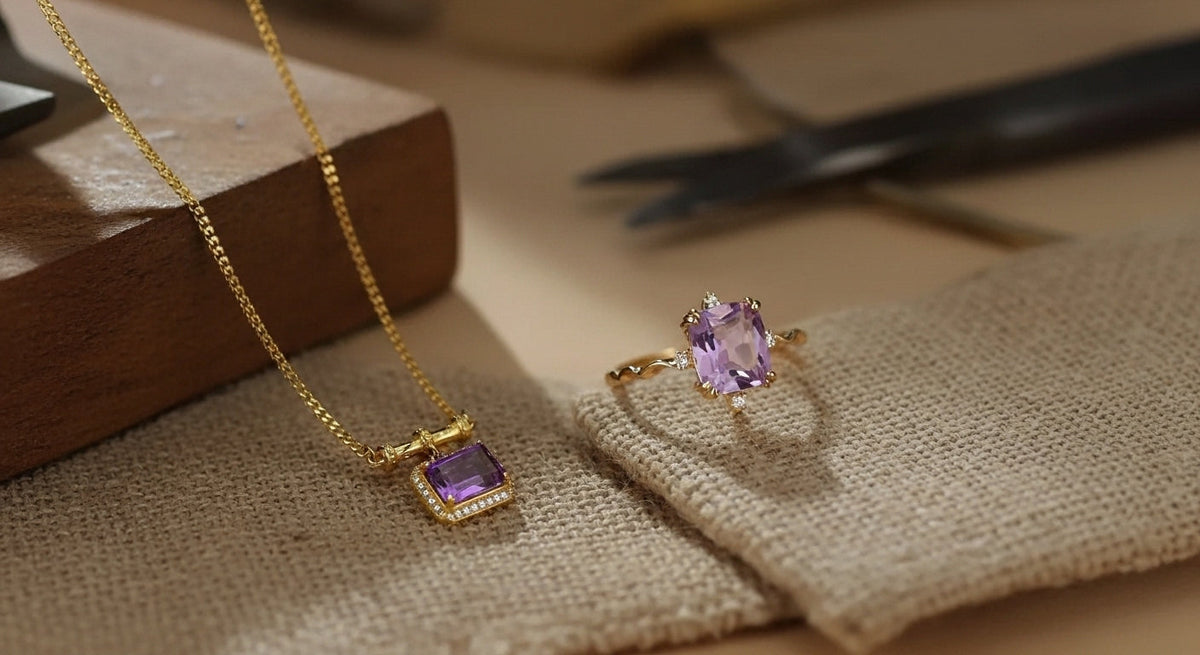
Amethyst, a precious gemstone with a mesmerizing hue, embodies a seamless harmony between aesthetics and spirituality. For centuries, it has captivated with its beauty and fascinated with its virtu...

Perfect for Gifting
Gift meaningful creations that bring joy and harmony.

Secure Payment
Payments are securely processed via Shopify & PayPal.

Money-Back Guarantee
Easy returns within 14 days of receiving your order.
Rated Excellent by our customers on Trustpilot
