
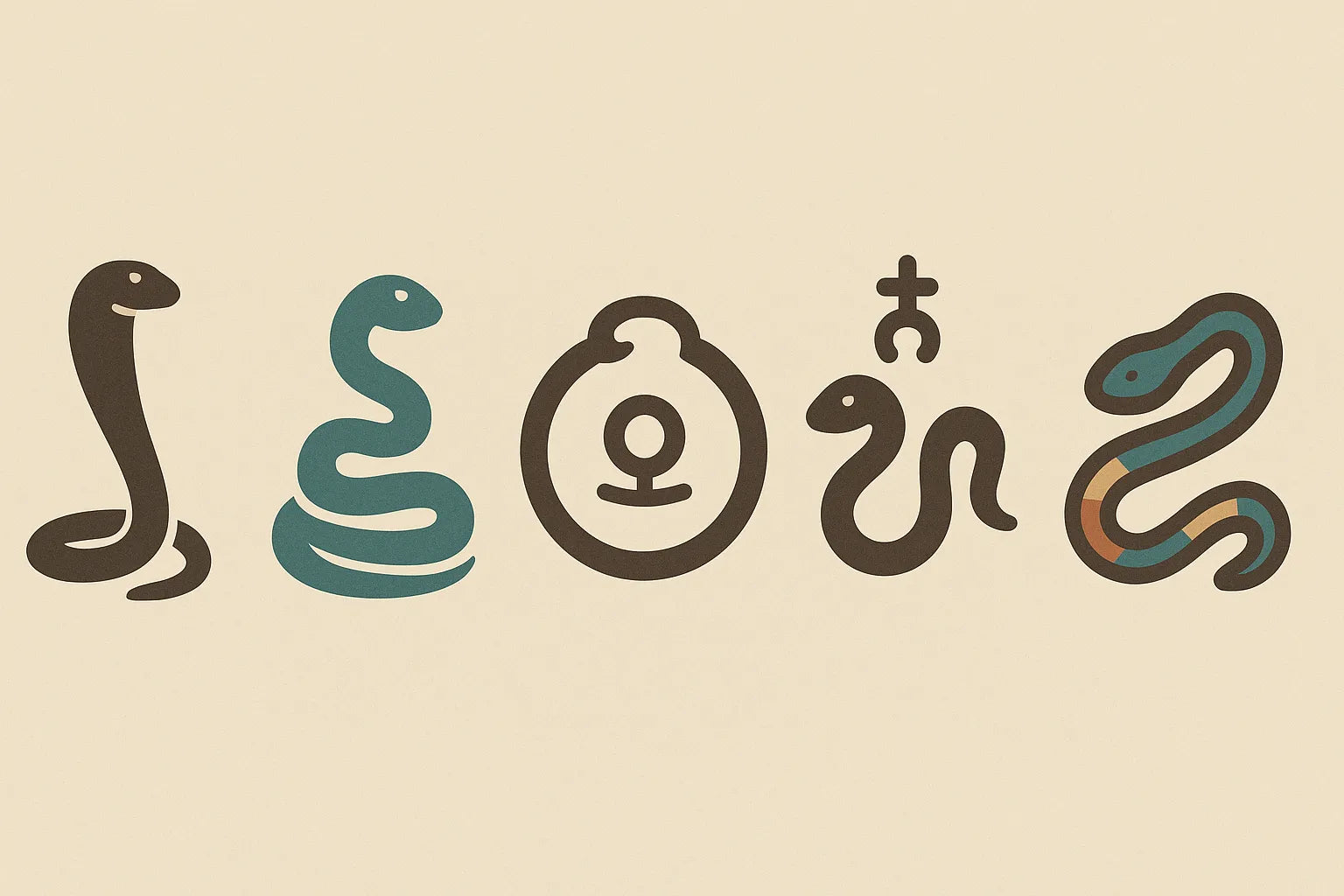
The Serpent in Myths and Religions: A Universal Archetype
- Introduction ```
- A Universal Symbol: Between Light and Darkness
- The Serpent in Monotheistic Religions: Tempter and Healer
- Ancient Mythologies: The Divine, Solar, or Chthonic Serpent
- Indigenous Traditions: The Serpent as a Guide to Transformation
- The Serpent Today: Between Spirituality, Art, and Jewelry
- Conclusion: The Serpent, an Eternally Living Symbol
- Explore the Power of the Serpent in Your Daily Life
Introduction
The serpent. This single word awakens a whole spectrum of emotions: fascination, fear, respect, mystery. It winds through sacred texts, mythological narratives, and spiritual practices around the world. Far more than a mere reptile, the serpent is a universal symbol that spans ages and civilizations. But what does this ancestral symbol truly mean? Why is the serpent so omnipresent in religions and myths?
In this article, we take you on a journey to discover the serpent symbol across cultures, spiritualities, and beliefs worldwide. From Genesis to Kundalini, from Ancient Egypt to Aboriginal culture, explore an archetype that never stops provoking questions.
Our Snake Jewelry
A Universal Symbol: Between Light and Darkness
The Serpent, an Ambivalent Archetype
Since ancient times, the serpent has symbolized both life and death, wisdom and deception, healing and danger. This ambivalence lies at the very heart of its symbolic power. As a creature of the ground, it is linked to the earth and instinct. Yet through its ability to shed its skin, it also becomes a symbol of transformation, renewal, even resurrection.
In our Complete Guide to the Serpent Symbol, we detail how it is both protective and spiritually awakening, used for millennia in rituals of healing and metamorphosis.
A Universal Language in the Human Psyche
Carl Gustav Jung, the renowned psychoanalyst, saw in the serpent an archetype: an ancestral image inscribed in the collective unconscious. It represents the shadow, the primal instinct, but also the opportunity for inner transformation. In short, the serpent is the mirror of our spiritual evolution, an ambivalent figure reflecting our fears and drives as well as our potential for rebirth.

The Serpent in Monotheistic Religions: Tempter and Healer
The Serpent in Genesis: The Origin of Sin?
One of the most famous images of the serpent appears in the Book of Genesis. There it embodies temptation and the fall of humanity:
“Now the serpent was more crafty than any other beast of the field…”
It urges Eve to taste the fruit of the tree of knowledge, which results in expulsion from paradise.
But this purely negative reading reflects only one face of the serpent. In the complete dossier on the symbolism of the serpent, from Eden to indigenous traditions, we analyze different interpretations of this foundational story. In some Gnostic traditions, the serpent is even seen as a liberator, a bearer of knowledge.
Moses and the Bronze Serpent: The Sacred Healer
A lesser-known yet equally symbolic episode is found in the Book of Numbers: on God’s command, Moses raises a bronze serpent to heal the Israelites bitten by snakes in the desert.
A powerful image: poison becomes remedy, and the serpent, often associated with death, becomes a source of healing.
The Serpent in Islam: Discreet yet Symbolic Presence
In Islam, the serpent does not have the same central role as in the Bible, but it appears in certain mystical and popular narratives. In some Sufi interpretations, it can represent the nafs (the ego), which must be tamed to attain spiritual awakening. There are also stories where it protects holy places or punishes the impious.
Ancient Mythologies: The Divine, Solar, or Chthonic Serpent
Ancient Egypt: Between Wisdom and Chaos
In Ancient Egypt, two serpents dominate the mythological stage:
- Wadjet, the cobra goddess, symbol of divine protection. She adorned the pharaohs’ crown and watched over the kingdom.
- Apophis, the great serpent of chaos, whom the sun god Ra had to fight every night before being reborn at dawn.
Here we see the profound dualism of the serpent symbol: protector on the one hand, destroyer on the other.
Ancient Greece: Medicine, Rebirth, and Eternal Return
Greece largely shaped the Western imagination of the serpent. Among the emblematic figures:
- Asclepius, god of medicine, whose rod entwined with a serpent remains a medical symbol today.
- Ouroboros, the serpent that bites its own tail, representing the infinite cycle of life, death, and rebirth.
The latter reinforces the idea of cosmic continuity, where the serpent becomes guardian of universal balance.

India and Kundalini: The Serpent as Spiritual Energy
In India, the serpent is a sacred symbol of spiritual power. It appears notably in two major forms:
- The Nāgas, semi-divine beings, guardians of rivers and spiritual treasures.
- Kundalini, dormant energy coiled at the base of the spine, often depicted as a serpent. When this energy awakens, it rises along the spine, activating the chakras and leading to enlightenment.
To understand this esoteric dimension, explore our article Kundalini Energy: The Fire Serpent and Spiritual Awakening. It’s essential reading for those interested in inner awakening and energetic transformation.
Indigenous Traditions: The Serpent as a Guide to Transformation
Among Native American Peoples
In many Indigenous cultures of North America, the serpent is seen as a spiritual guide. It embodies healing, connection to Mother Earth, and transformation through shedding.
Some shamans invoke the spirit of the serpent during purification or passage rituals. It symbolizes letting go of the old self to be reborn into a new consciousness.
Africa and Australia: The Cosmic Power of the Rainbow Serpent
- In Africa, notably in West African Vodou traditions, the serpent deity Damballah is associated with wisdom and creation. He is considered the father of spirits.
- Among Australia’s Aboriginal peoples, the Rainbow Serpent is a primordial being, creator of the world, rivers, and hills. It is both a divine figure and a cosmic regulator.
These accounts testify to the ancestral presence of the serpent as a vital, regenerative, and cosmic force.
A detailed analysis of these traditions is available in our article The Symbolism of the Serpent: From Eden to Indigenous Traditions.
The Serpent Today: Between Spirituality, Art, and Jewelry
The Serpent in Art and Fashion
Since antiquity, the serpent has inspired artists. From painting to sculpture to tattoos, it represents mysterious beauty, quiet strength, and change.
In contemporary fashion, it stands out as a symbol of power, sensuality, and mystery. Some haute couture houses incorporate it into their collections as a mystical signature.

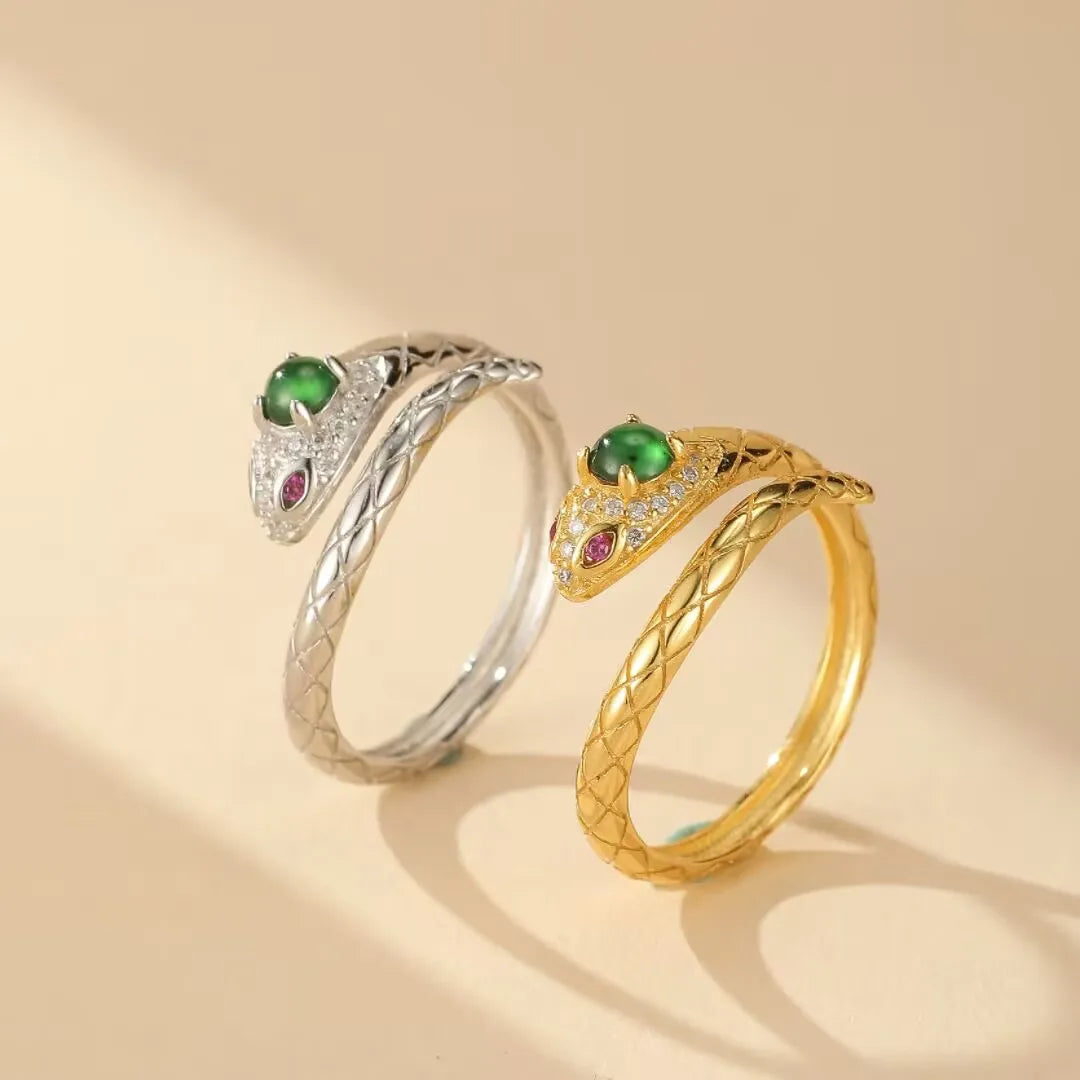
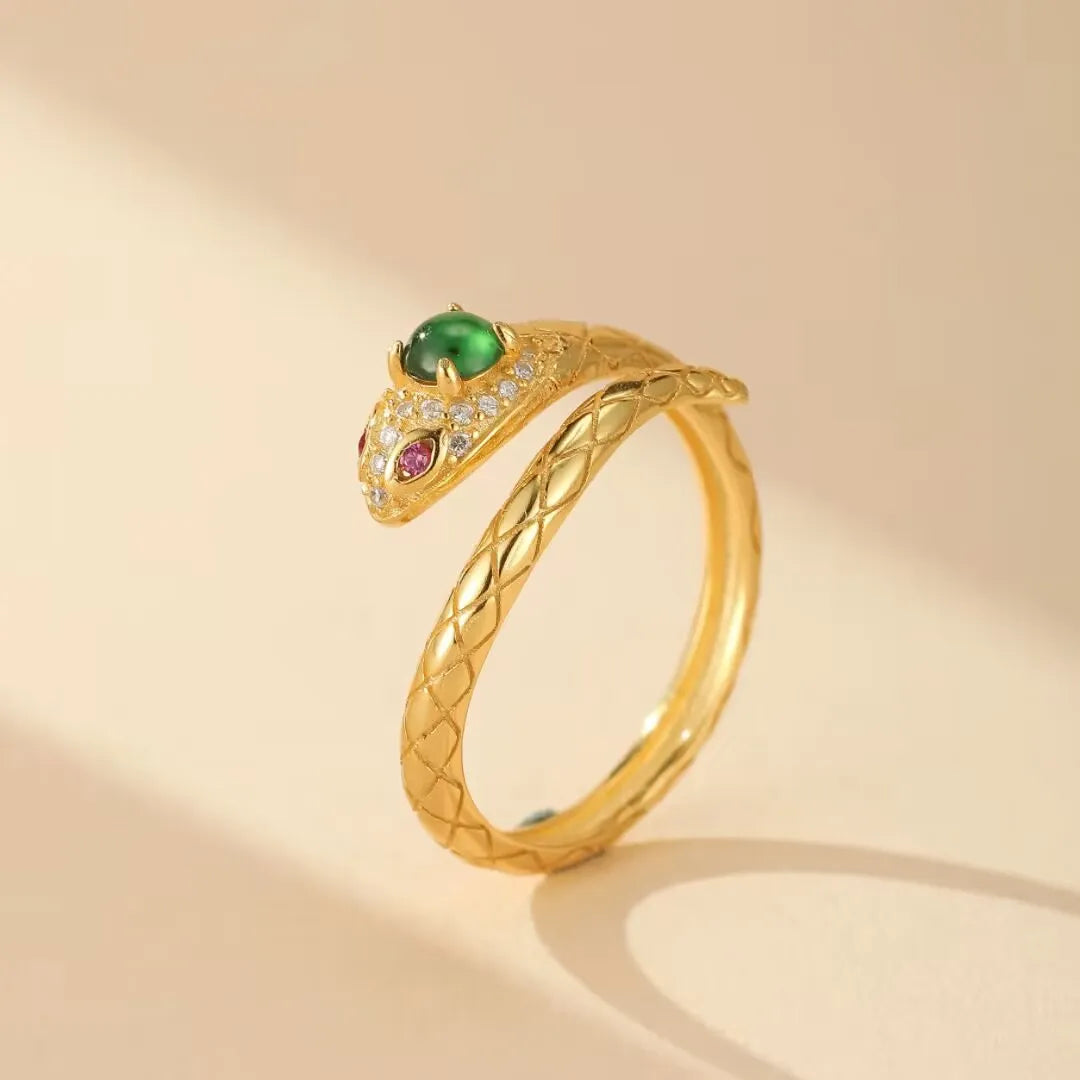
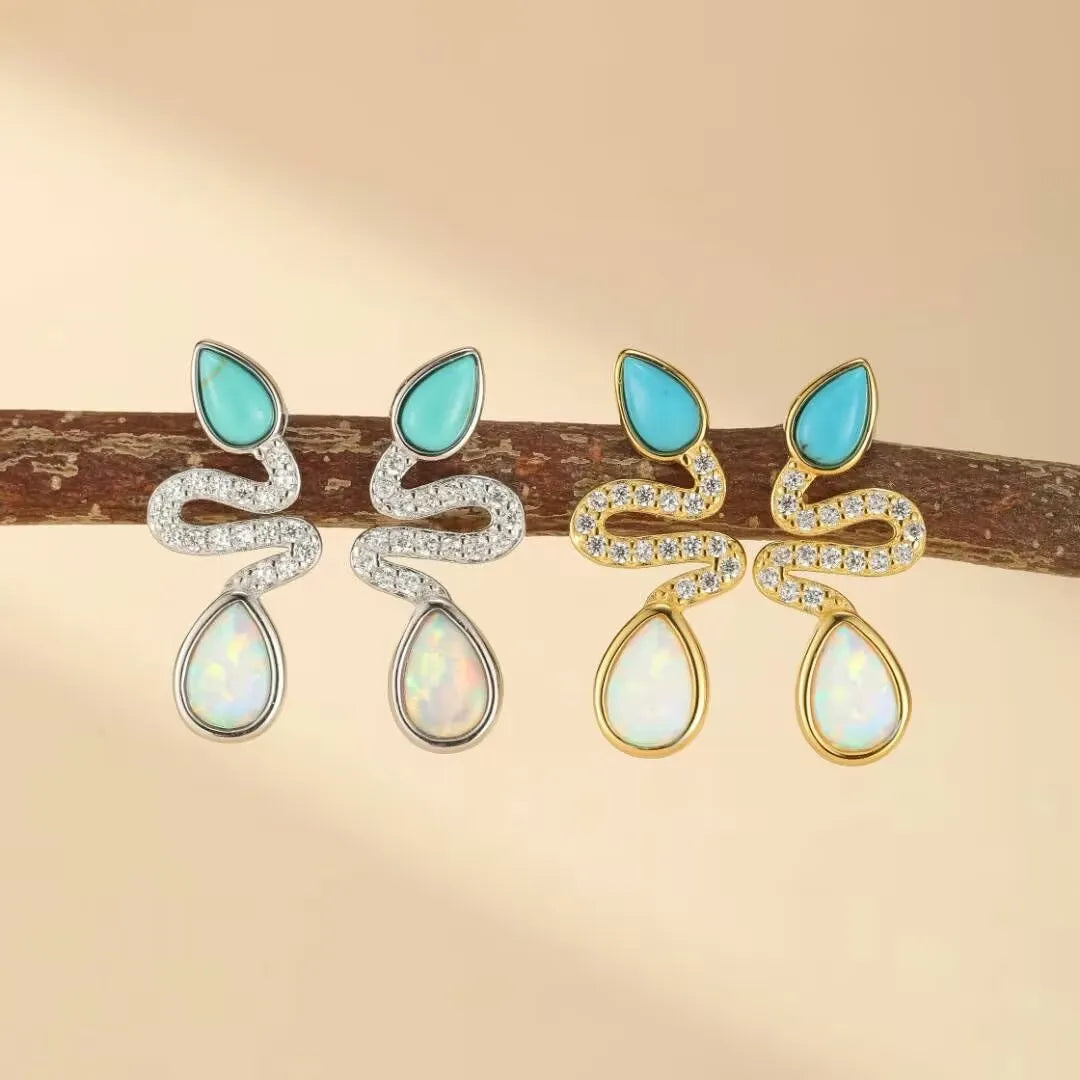
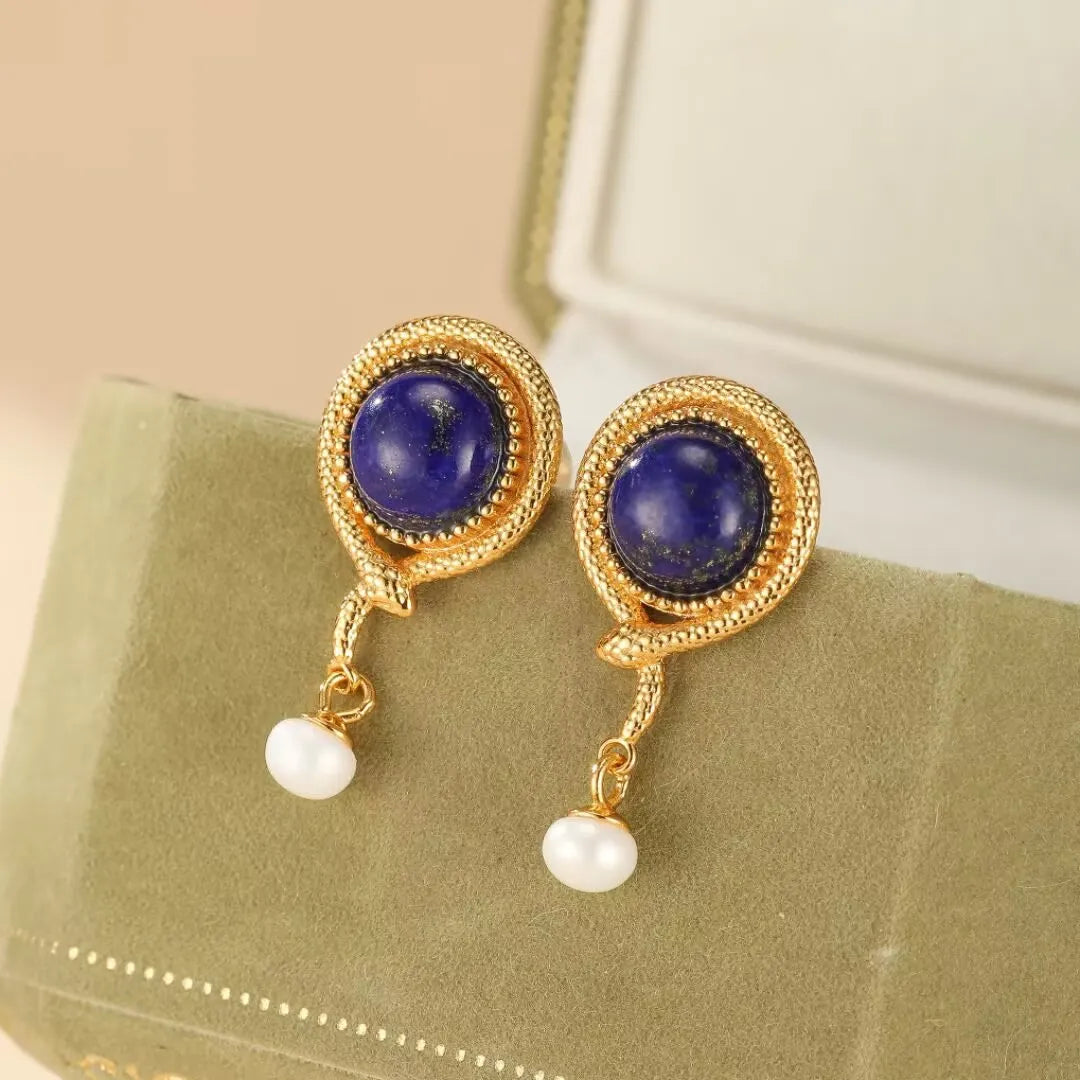
The Serpent in Spiritual Jewelry
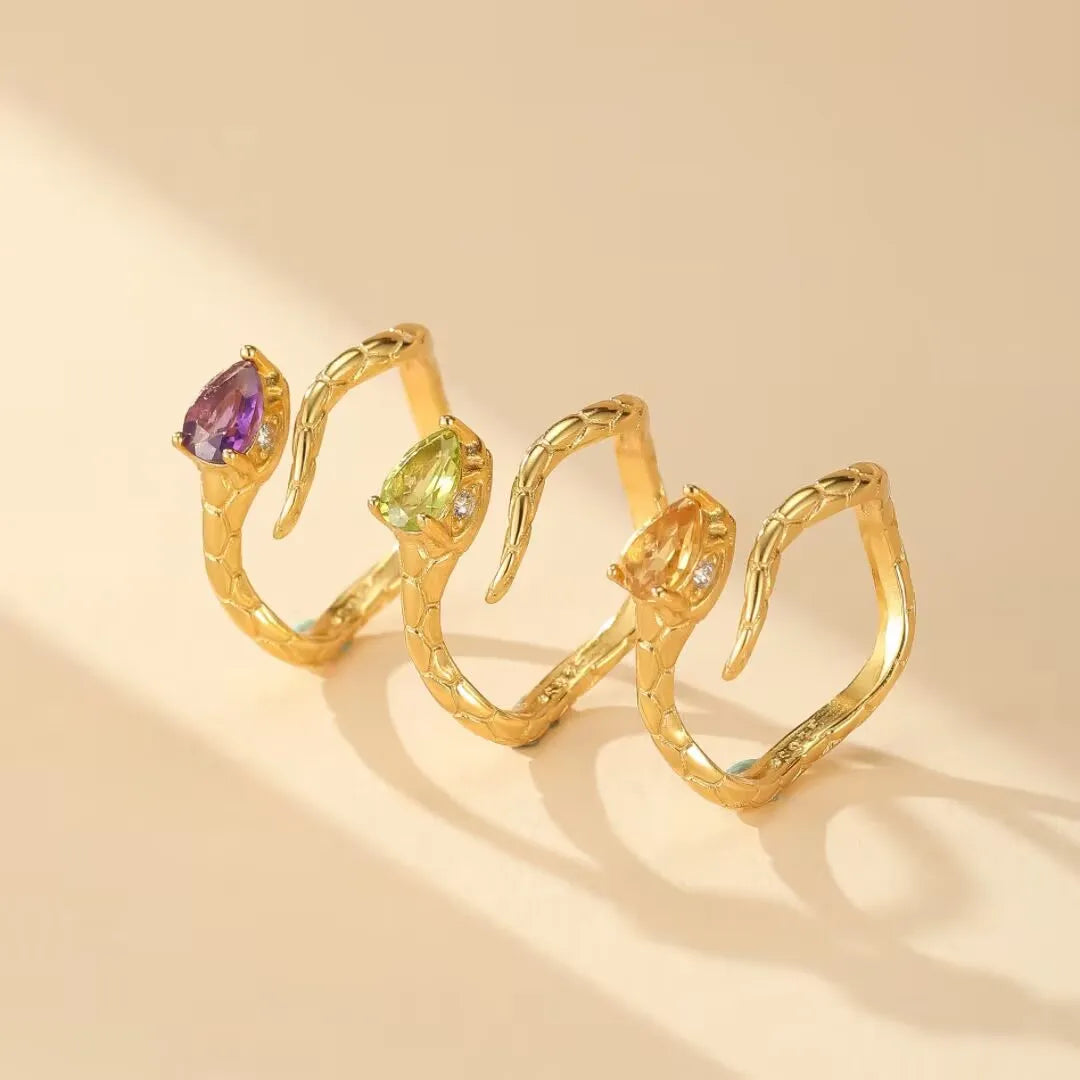
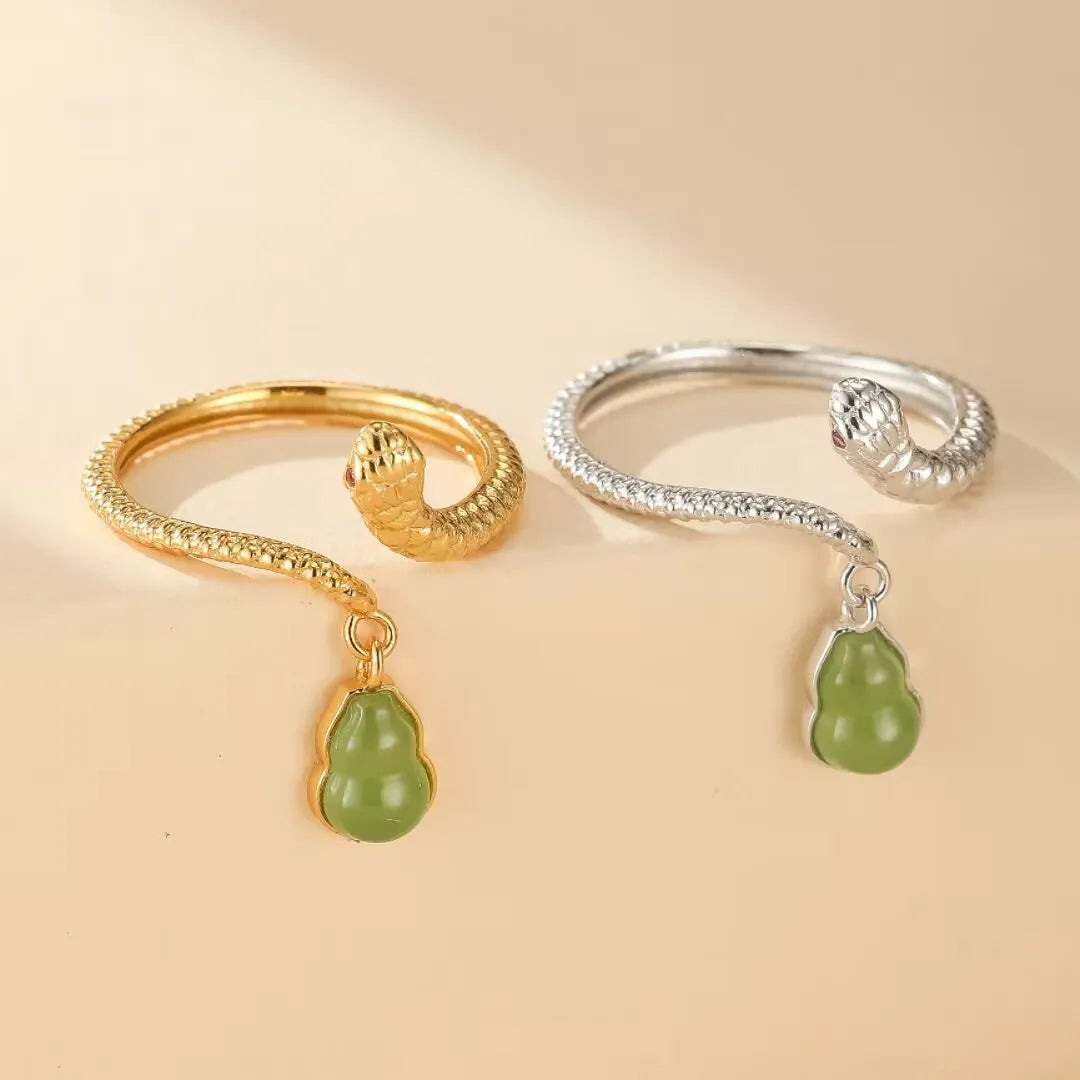
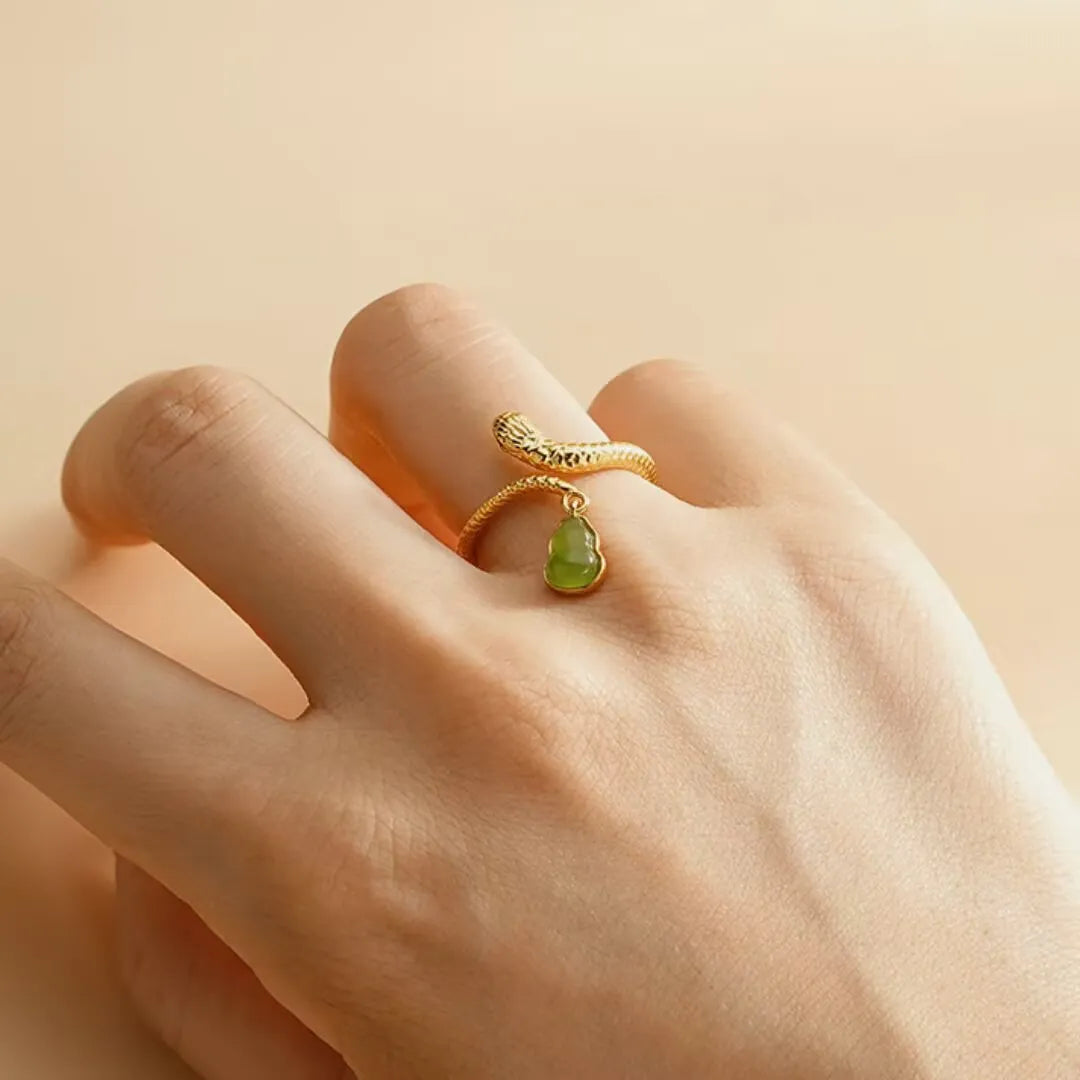
Serpent-shaped jewelry, often crafted from natural stones, is growing in popularity. Why? Because it’s not only aesthetic. It carries deep symbolism:
- Protection against negative energies
- Renewal and inner change
- Connection to ancestral wisdom
To discover creations inspired by this symbolism, visit Serpent Jewelry: Power, Elegance, and Protection. There you’ll find unique pieces that combine spiritual energy with refinement.









Conclusion: The Serpent, an Eternally Living Symbol
Few symbols cross cultures and centuries with as much constancy as the serpent. It is at once sacred and profane, earthly and celestial, destructive and healing. In religions, myths, and spiritual practices, it embodies the deep tensions of the human condition: the need for transformation, fear of the unknown, aspiration to wisdom.
The serpent symbol is not fixed. It continues to live, to transform, and to accompany us in our search for meaning. Whether in an ancient spiritual tradition or in contemporary jewelry, the serpent remains the silent messenger of inner awakening.
For a complete recap and further perspectives, read the original article: The Serpent in Myths and Religions: A Universal Archetype.
Explore the Power of the Serpent in Your Daily Life
Want to wear a powerful symbol of protection, transformation, and wisdom?
Discover our exclusive collection of snake jewelry in natural stones on our online store.
Each piece is designed to combine aesthetics and energy, to accompany you on your personal journey.
What is the main meaning of the serpent as a universal symbol?
The serpent is an ambivalent symbol representing both life and death, wisdom and deception, as well as healing and danger. In many cultures and spiritualities, it is linked to transformation, renewal, and resurrection.
How is the serpent perceived in ancient mythologies?
In ancient mythologies, the serpent embodies opposing forces: it can be divine, solar, or chthonic. In Egypt, it is both protective (Wadjet) and destructive (Apophis). In Greece, it is associated with medicine through Asclepius and with eternal return via the Ouroboros.
What role does the serpent play in Indigenous traditions?
For many Indigenous peoples, especially in North America, the serpent is an important spiritual guide. It symbolizes healing, connection to Mother Earth, and personal transformation, particularly through the shedding of skin as a sign of renewal.
What is the significance of the serpent in monotheistic religions?
In monotheistic religions, the serpent has varied roles. In Genesis, it symbolizes temptation and the fall, but it can also represent healing, as with Moses’ bronze serpent. In Islam, it is linked to the ego and to spiritual transformation.
Why is serpent jewelry popular today?
Serpent jewelry is appreciated not only for its aesthetics but also for its symbolism. It is considered a talisman of protection, renewal, and connection to ancestral wisdom, reflecting the symbol’s depth through the ages.
Read more
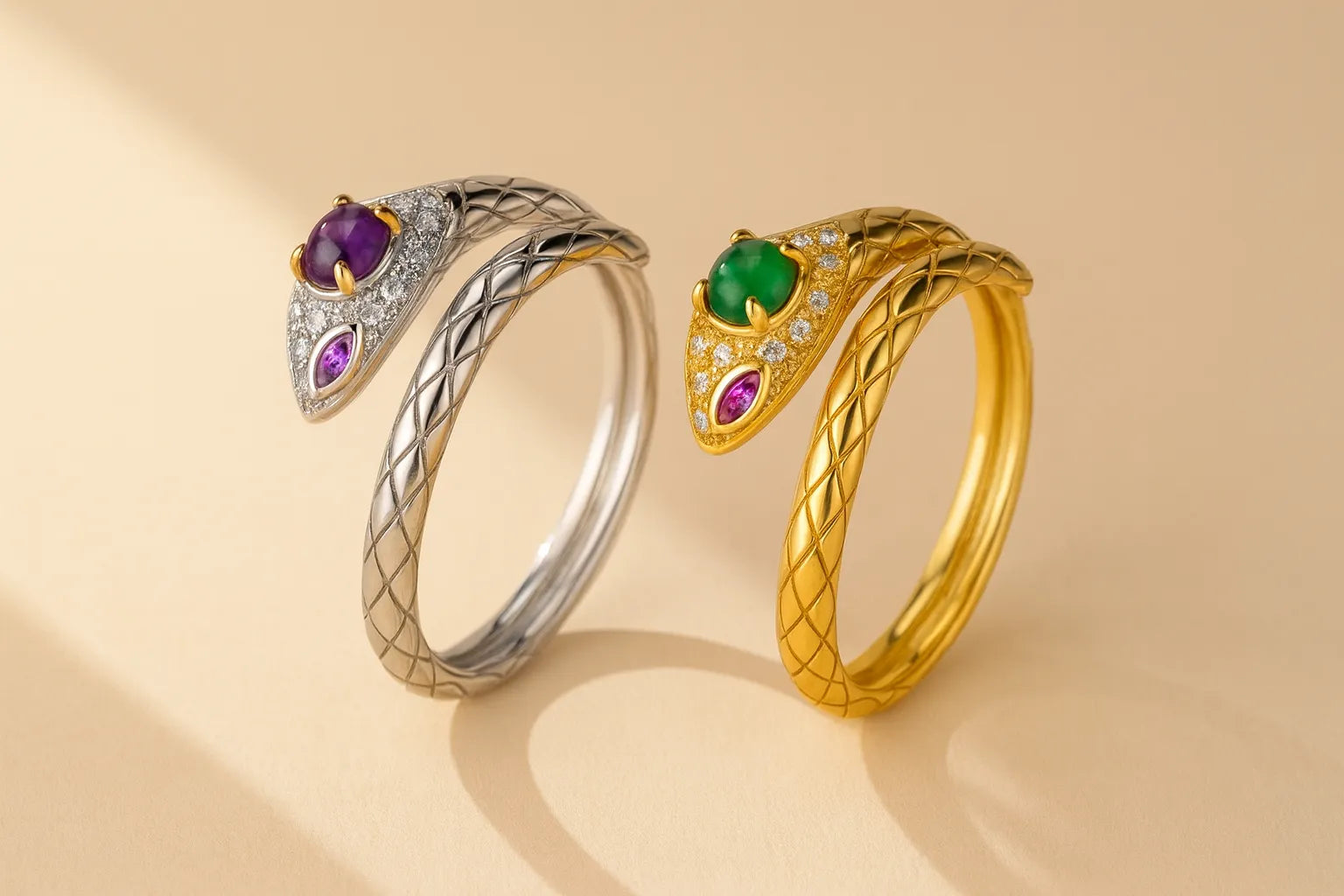
Discover the fascinating symbolism of snake jewelry through history, spirituality, and traditions. More than just an accessory, it embodies transformation, wisdom, and protection. A captivating jou...

Discover the complete guide dedicated to the ginkgo, a legendary tree symbolizing resilience and longevity. From history and spirituality to natural benefits and decoration, explore the many facets...


