







Snake Symbolism: From Eden to Indigenous Traditions
Table of Contents
- Introduction: The Snake, a Universal and Mysterious Symbol
- The Serpent in Genesis: Temptation and the Duality of Good and Evil
- The Snake, a Universal Archetype in Mythology
- The Snake in Indigenous Traditions: Guardian of the Earth and Life
- The Serpent and Inner Energy: Kundalini
- The Snake Today: Power, Elegance, and Protection
- Shadow and Light: The Snake as a Mirror of Humanity
- Crystal Healing Comparison Table: Properties, Chakras & Care Guide
- Conclusion: The Snake, a Hidden Spiritual Guide
- Frequently Asked Questions: Snake Symbolism
Introduction: The Snake, a Universal and Mysterious Symbol
Since the dawn of time, the serpent has fascinated humanity. It weaves through sacred scriptures, ancient mythologies, spiritual traditions, and indigenous lore passed down through generations. Revered by some and feared by others, it embodies a profound duality: life and death, wisdom and temptation, healing and venom.
Why has this subtle, silent creature acquired such immense symbolic power? And above all, why does it continue to captivate contemporary fashion, fine jewelry, and modern spiritual practices today?
To understand its timeless allure, let us journey across time and cultures: from the Garden of Eden to indigenous traditions, exploring ancient civilizations and the sacred energy of Kundalini. A voyage where the snake symbol unveils its every facet.
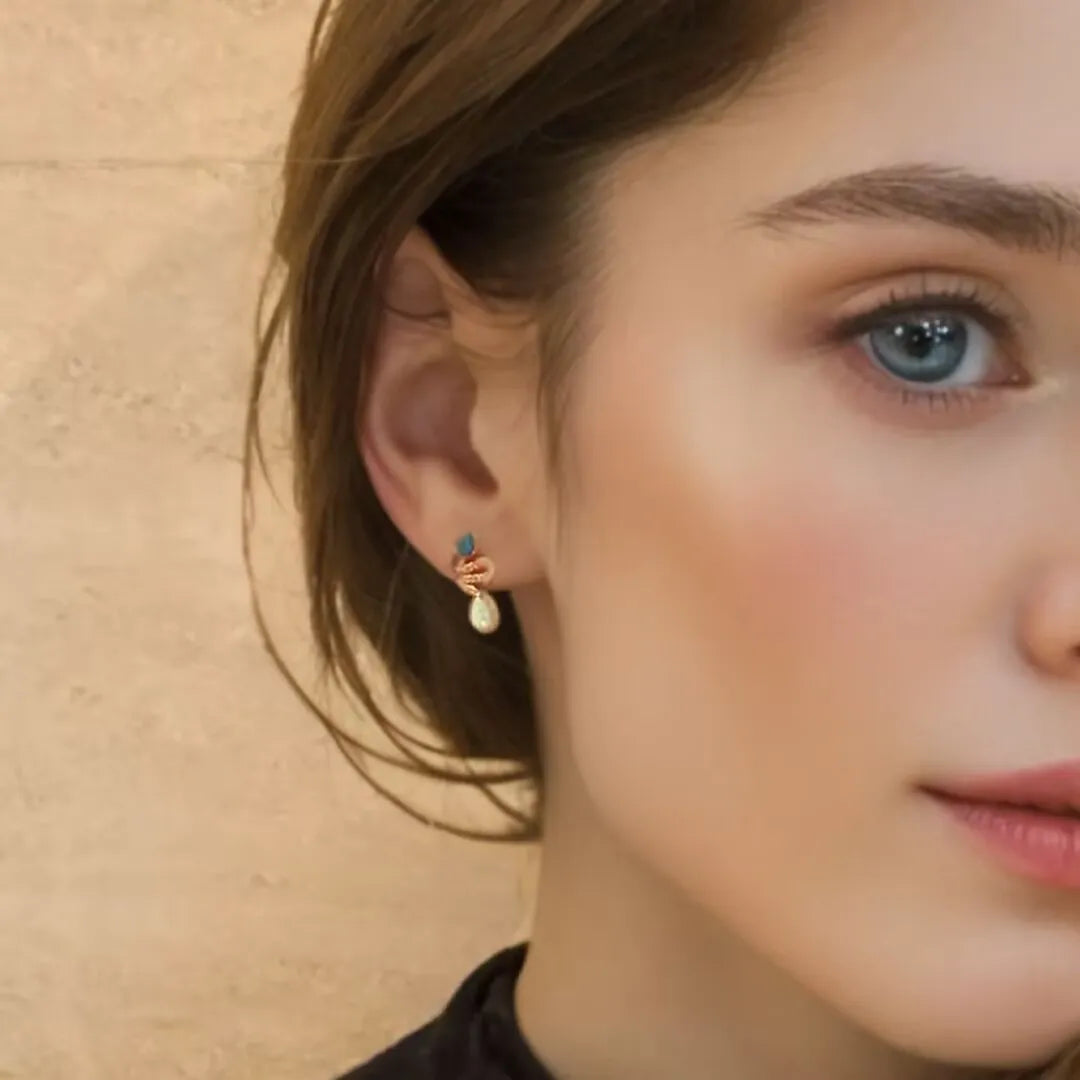
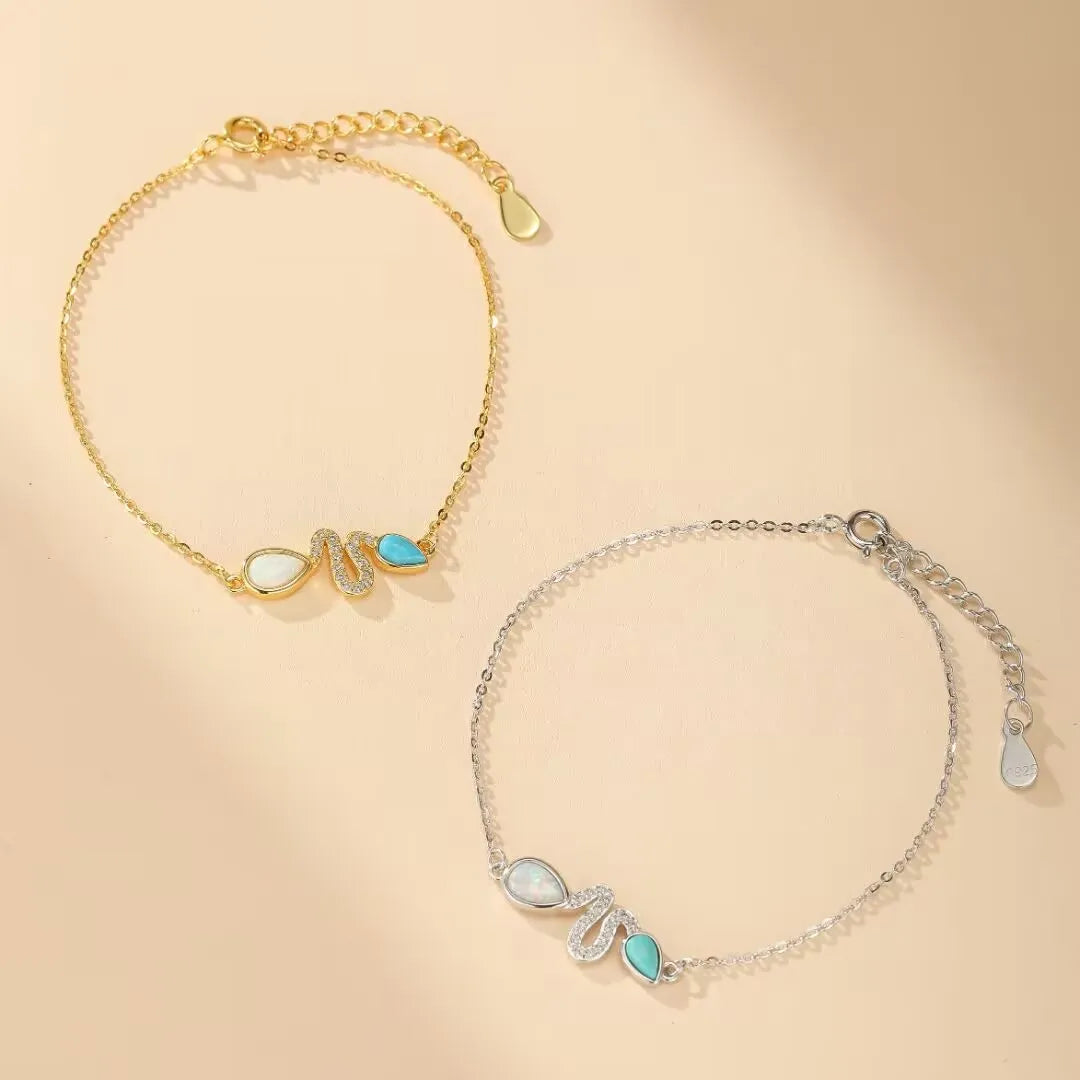
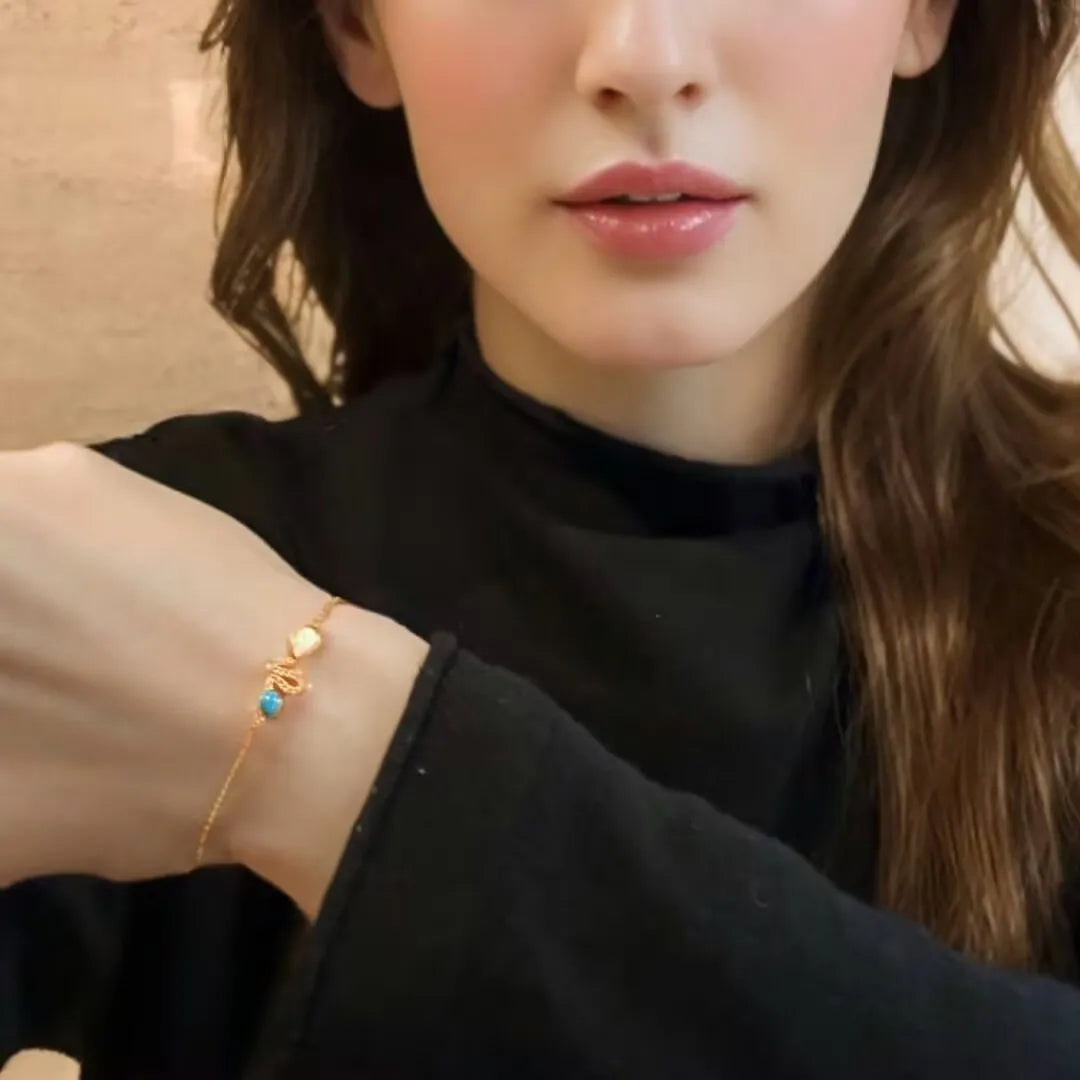
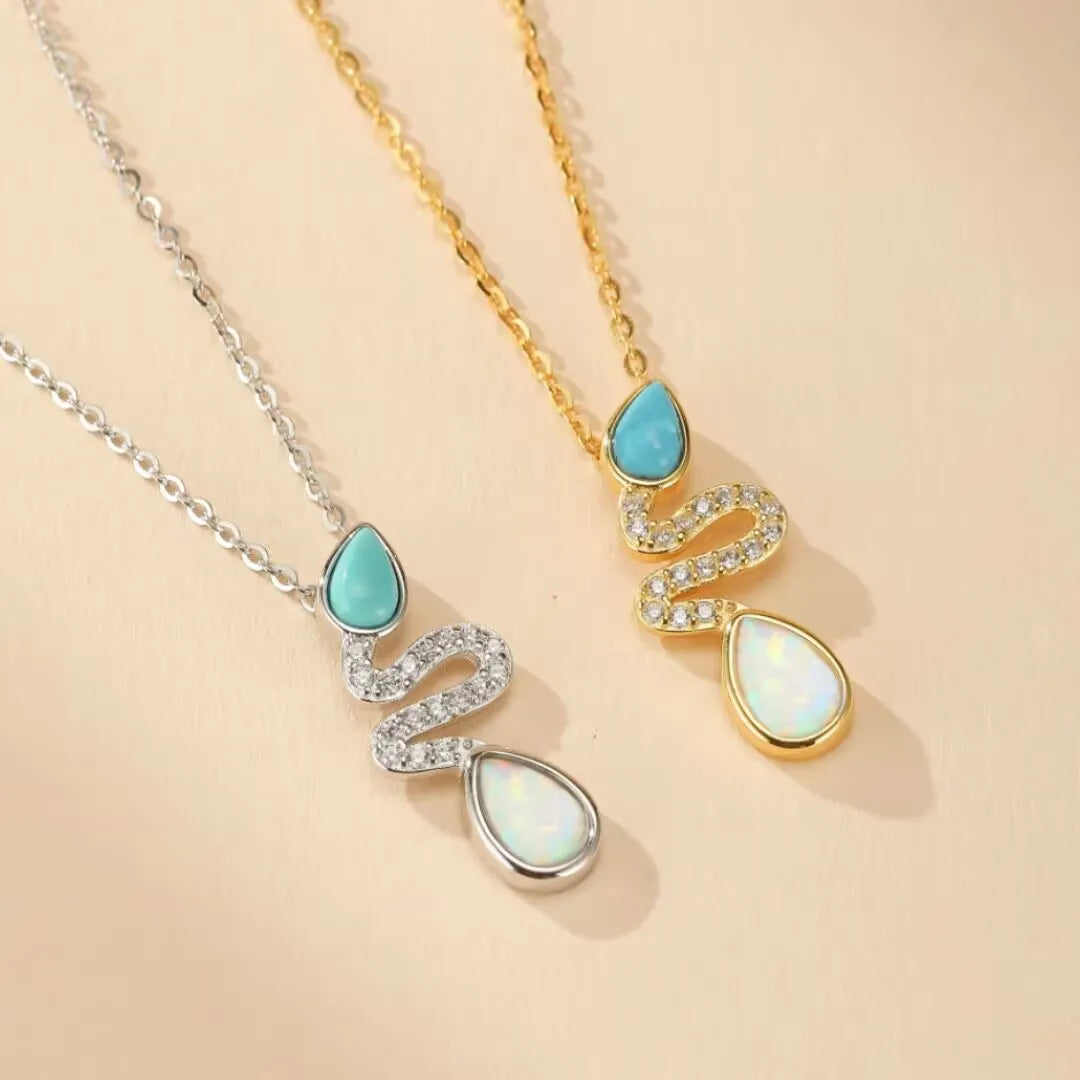
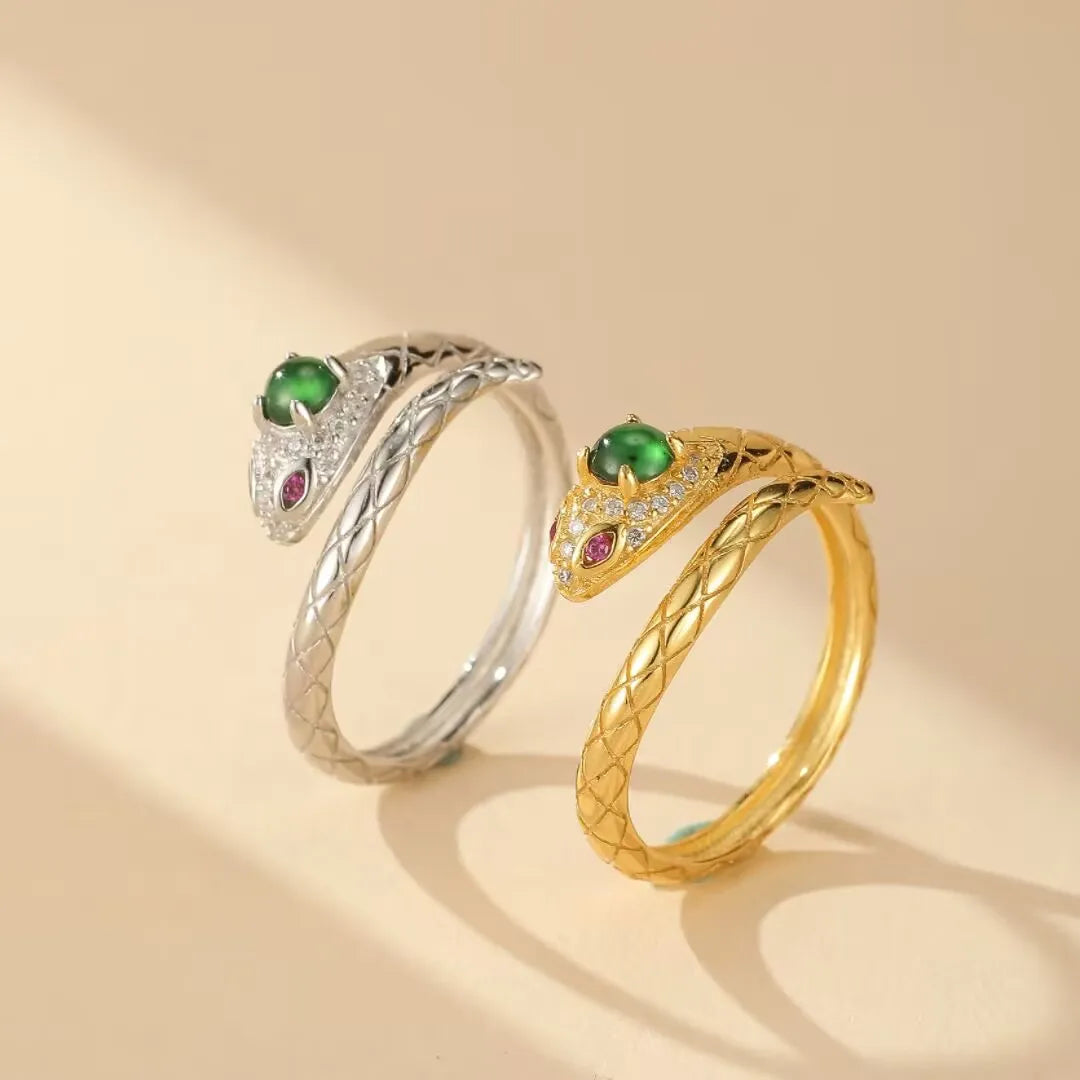
Luuckk Crystal Selection: Snake Symbolism



The Serpent in Genesis: Temptation and the Duality of Good and Evil
The biblical tale of Adam and Eve remains the most famous depiction of the serpent in Western imagination. In the Garden of Eden, the serpent entices Eve to taste the forbidden fruit of the Tree of Knowledge. As a result, humanity discovers good and evil, but loses its innocence and paradise.
In this foundational story, the serpent embodies temptation and disobedience, yet also knowledge and awakening. While the transgression leads to the Fall, it also opens the door to higher consciousness. This dual role explains why the serpent is so often viewed as an ambiguous figure—at once a bringer of peril and a bearer of truth.
This ambivalence is not unique to biblical scripture. Across countless civilizations, the serpent acts as a mediator between the material and spiritual realms. Here too, in Eden, it is not merely a deceiver, but a catalyst of profound revelation.
To explore this emblem within a broader perspective, read our article The Serpent in Myths and Religions: A Universal Archetype, which delves into how the serpent weaves through religious traditions worldwide.

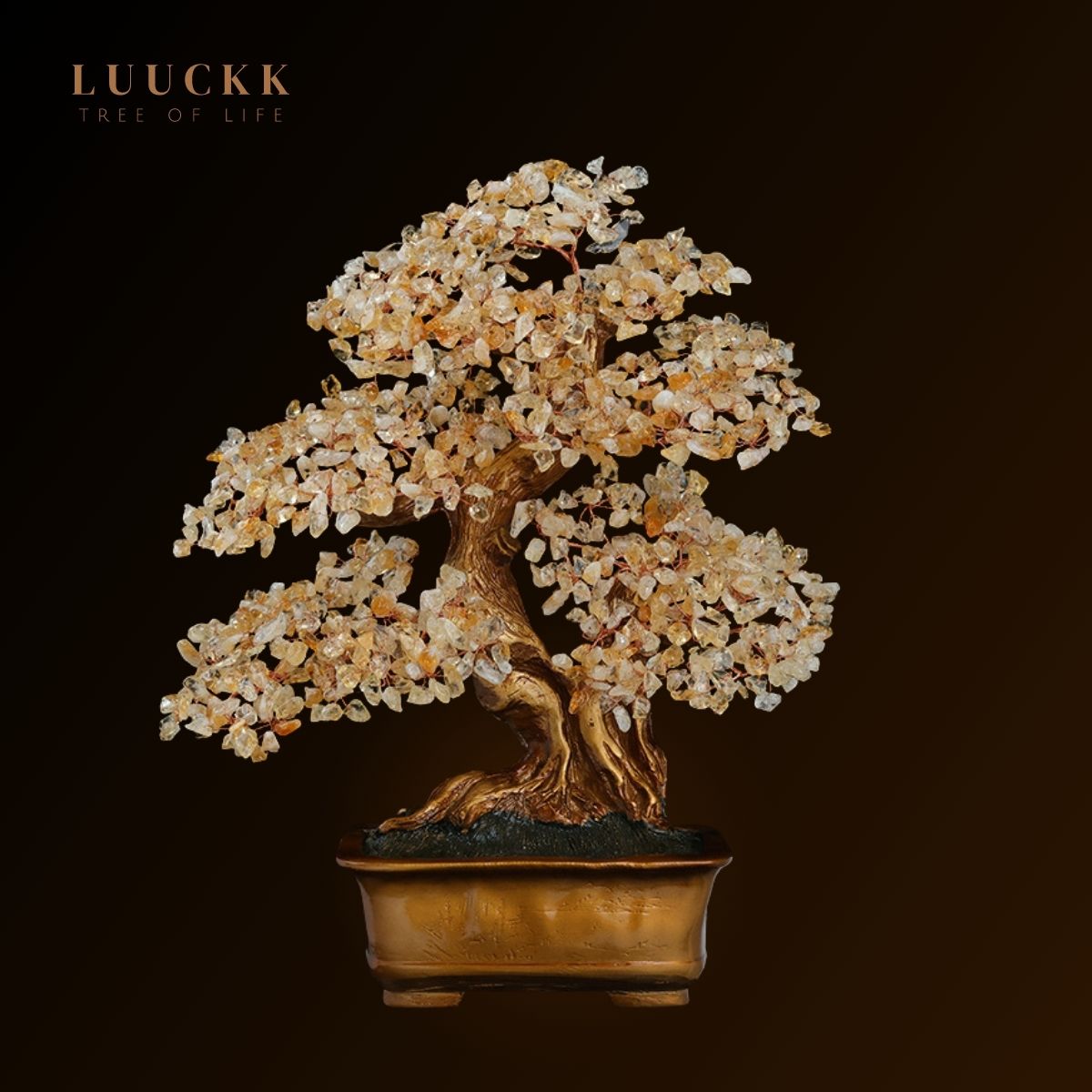
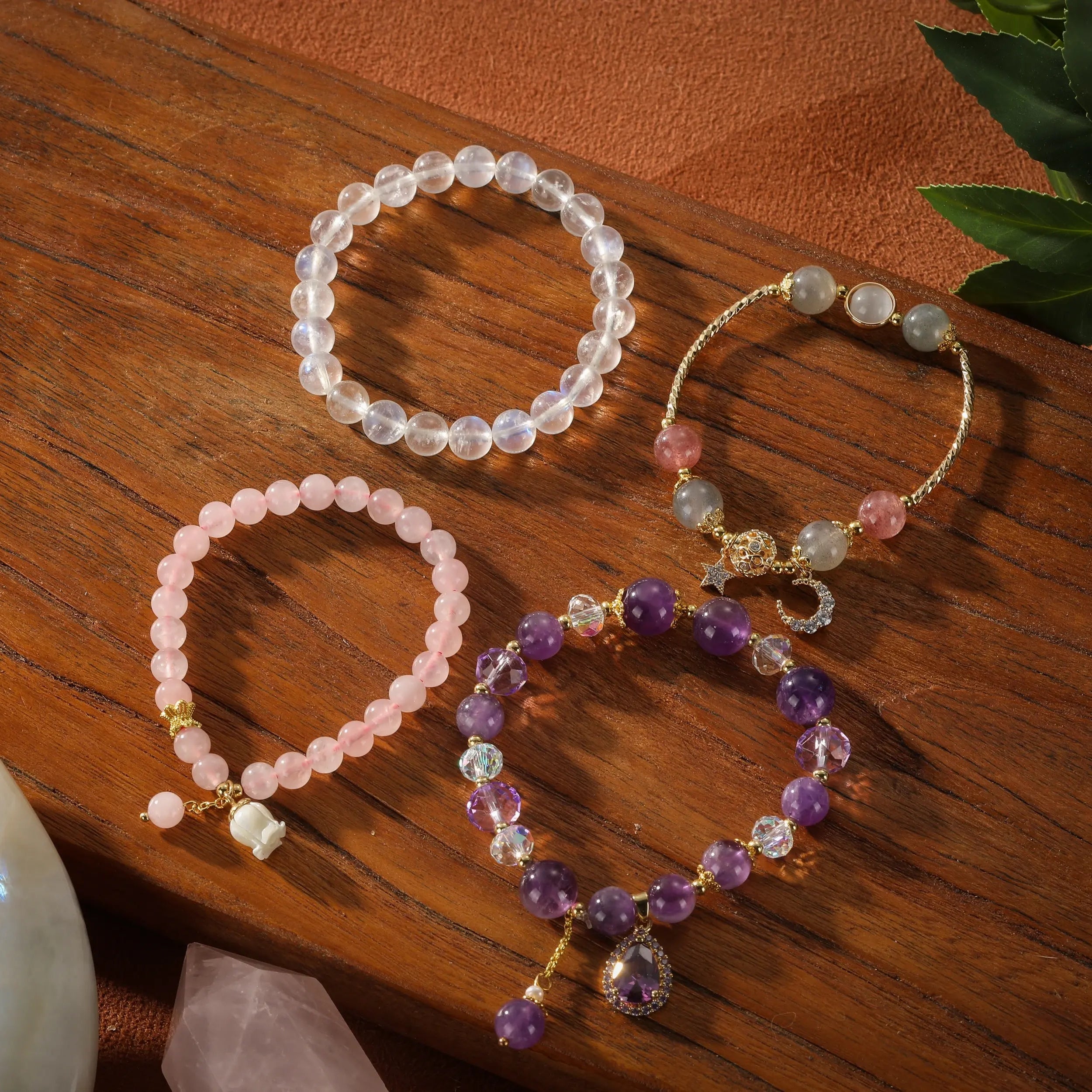
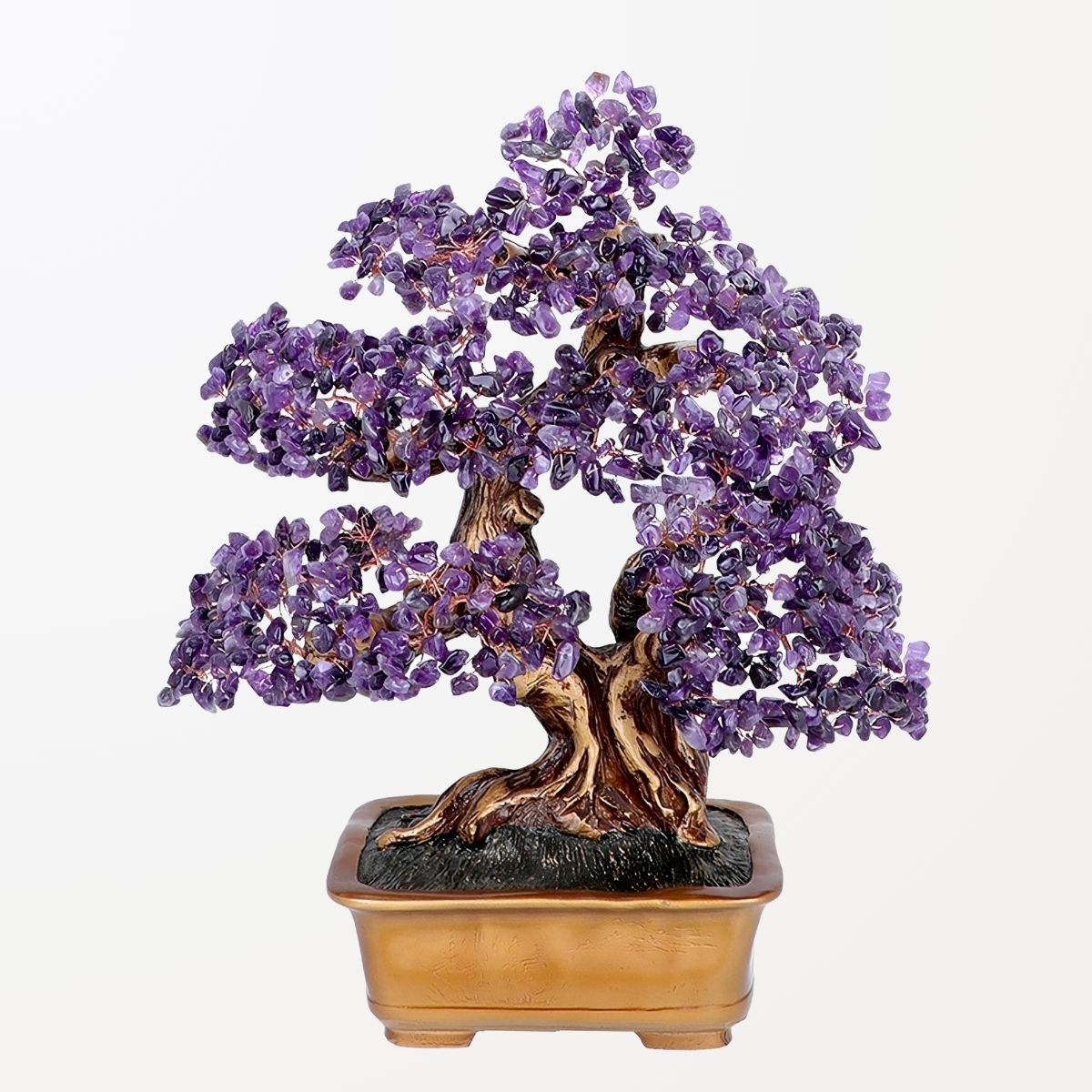
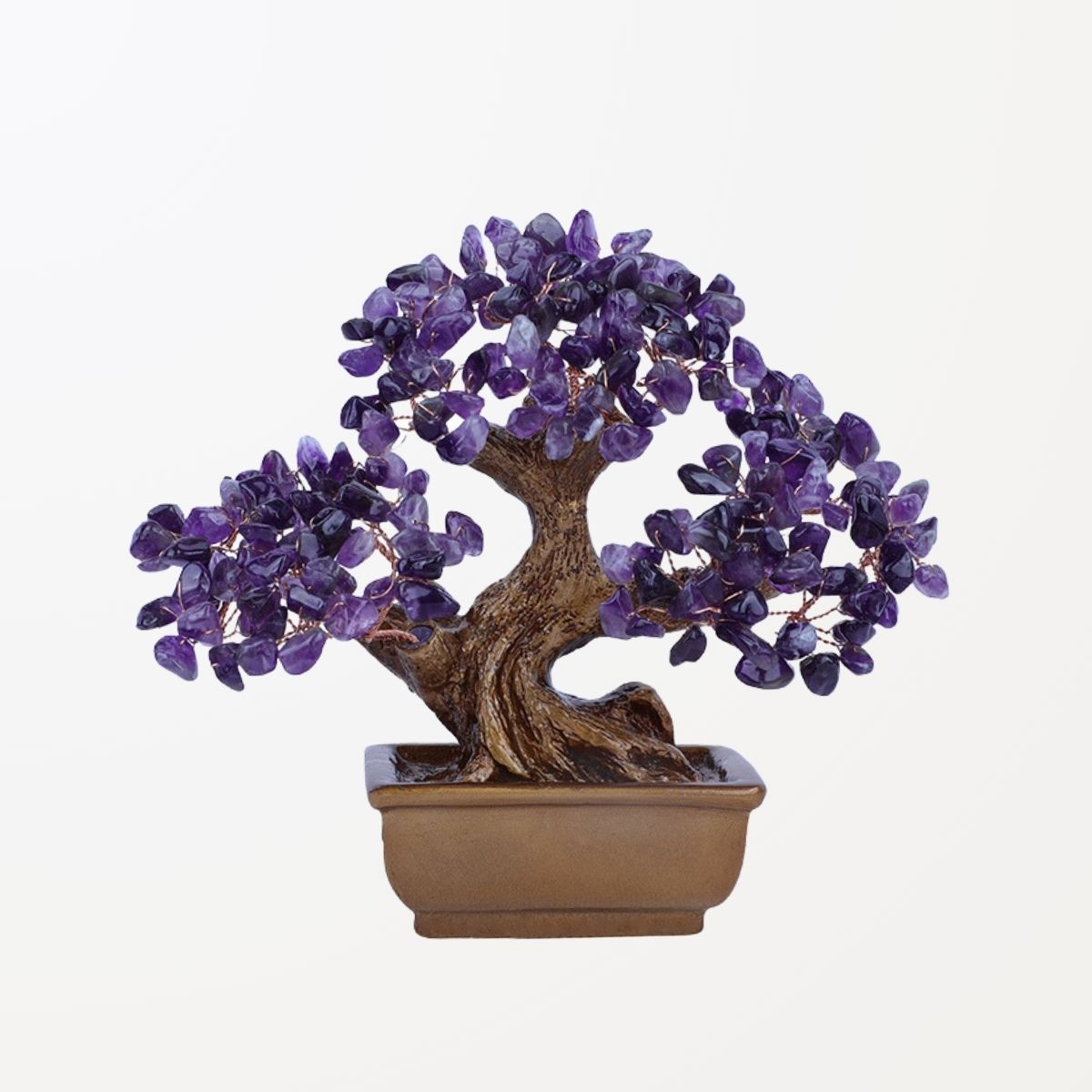
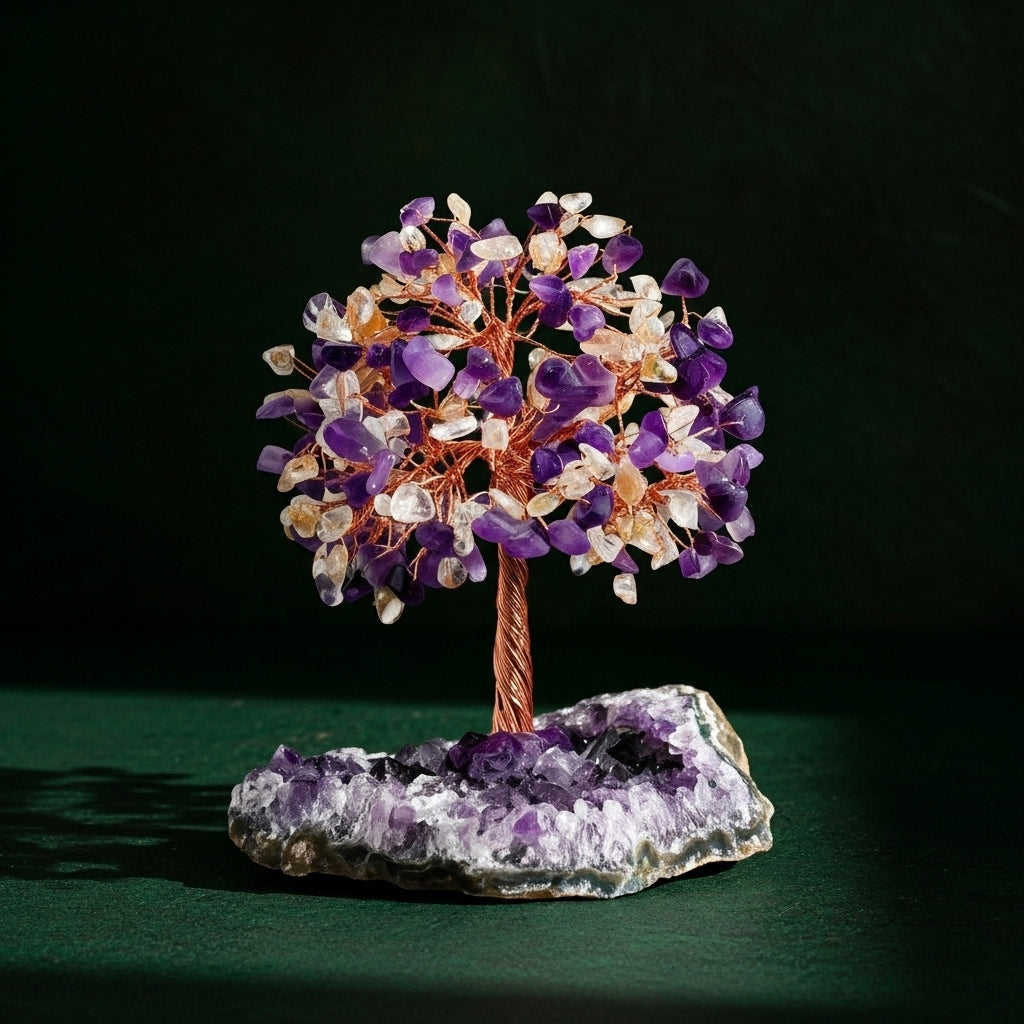
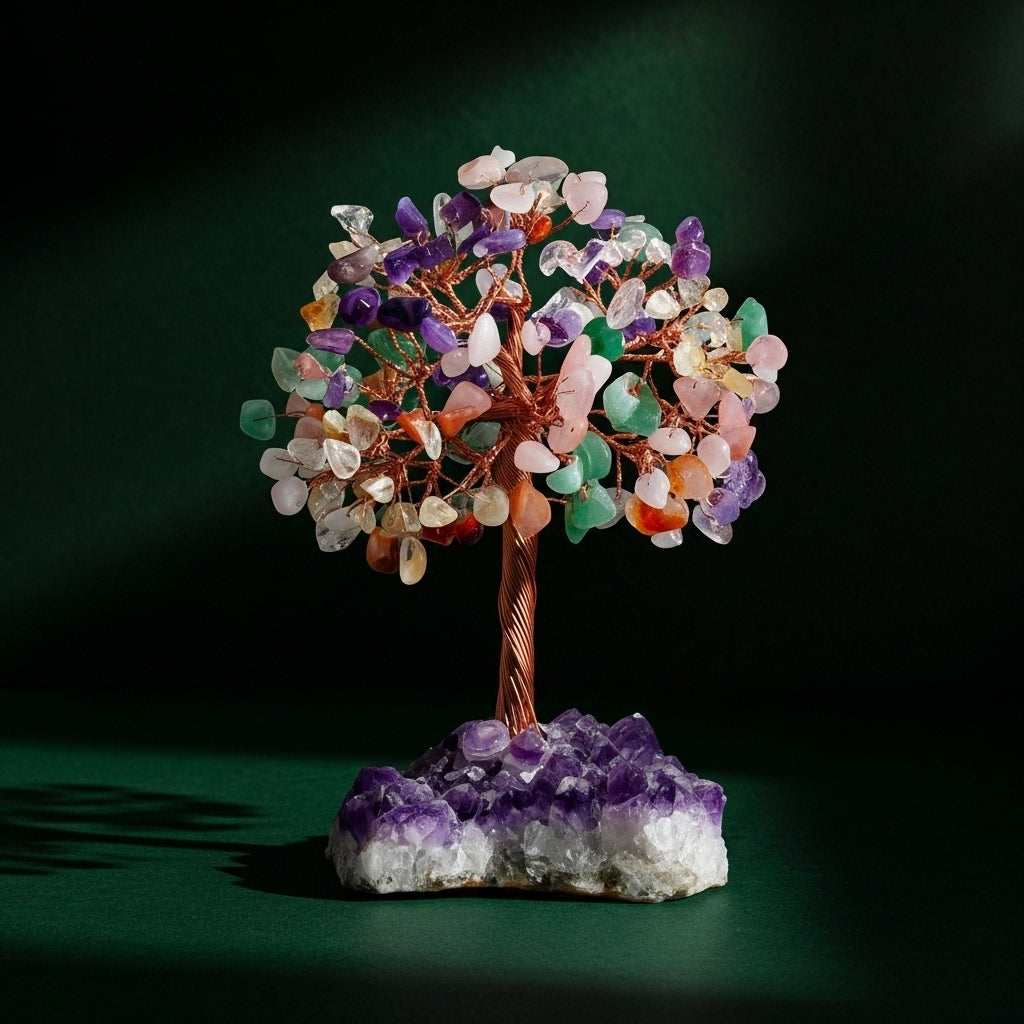
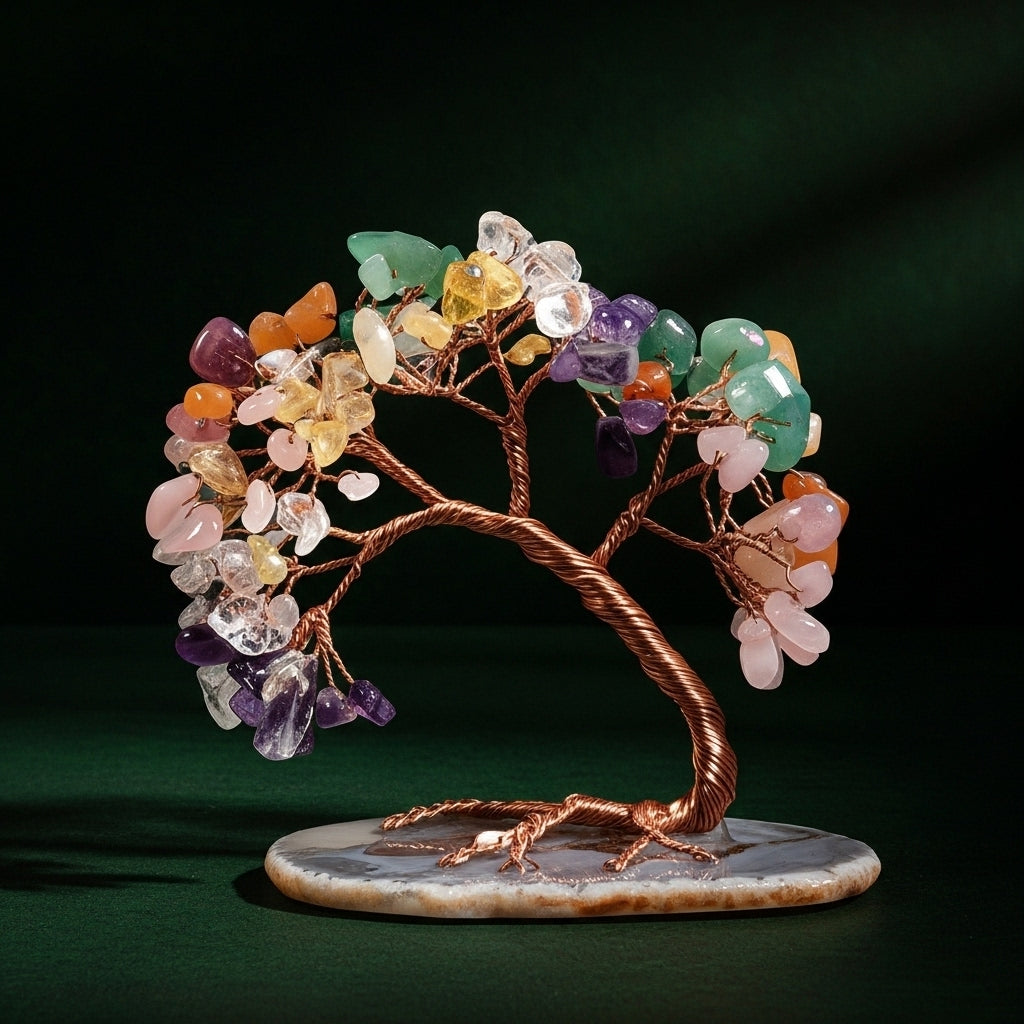
Handcrafted Healing Crystal Creations & Tree of Life Collection


The Snake, a Universal Archetype in Mythology
In Egypt: Protector and Solar Symbol
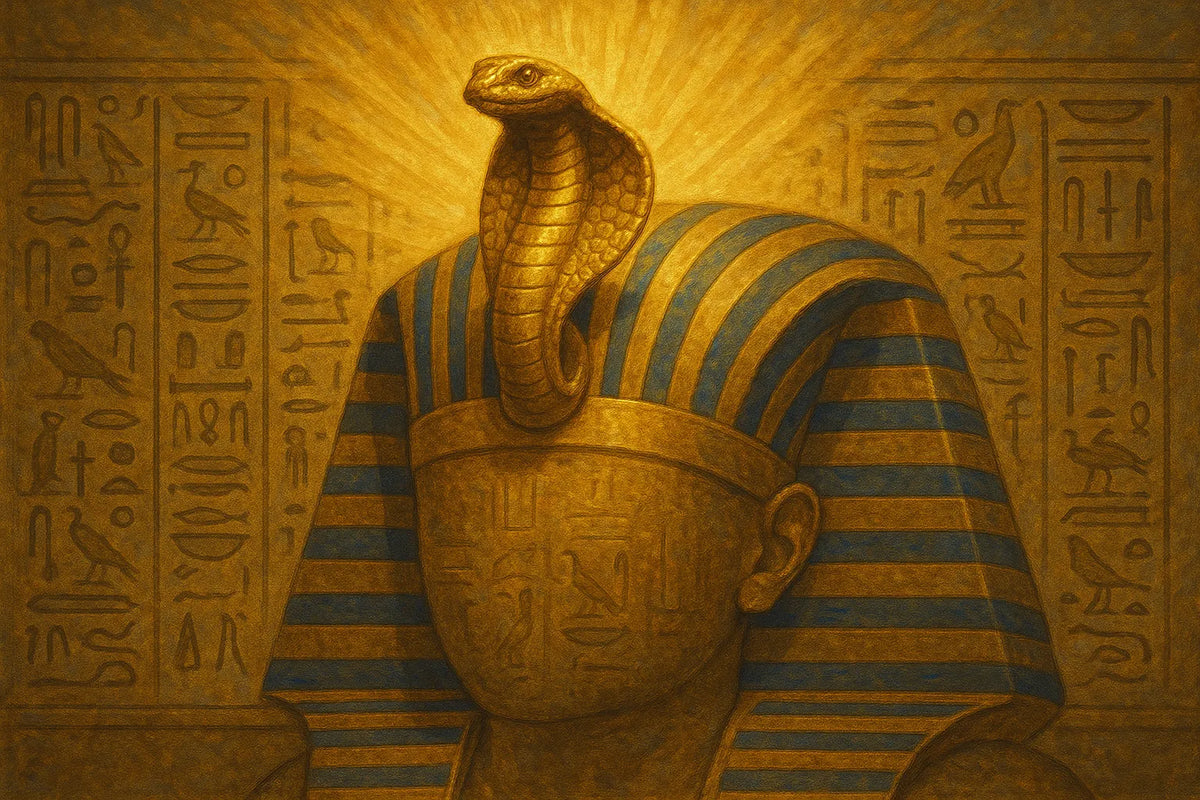
In ancient Egypt, the serpent was not feared but deeply revered. The sacred cobra, known as the uraeus, graced the crowns of pharaohs. Representing the goddess Wadjet, protector of the sovereign, it was believed to spit divine fire upon enemies. Here, the serpent is honored as a supreme guardian and protector, upholding cosmic and royal harmony.
The serpent was also tied to Ra, the sun god, who confronted Apophis—the serpent of primordial chaos—each night. With every dawn, the sun's triumph symbolized the eternal victory of light and life over darkness.
In Greece: Healing and Transformation
In ancient Greece, the serpent was intimately linked to medicine and healing. Asclepius, the god of medicine, was depicted with a serpent-entwined staff. This emblem, which remains the universal symbol of the medical profession today, reflects the serpent's power to regenerate through shedding its skin—a poetic metaphor for renewal, resilience, and restoration.
The serpent also shines in the myth of the Ouroboros—the serpent eating its own tail—symbolizing the eternal cycle of life, death, rebirth, and wholeness.
In Asia: Wisdom and Fertility
Across India and China, the serpent is a sacred symbol of vital energy and wisdom. In Hinduism, Nagas (divine serpents) are venerable guardians of sacred waters, rain, and fertility. In China, the snake is one of the twelve revered zodiac signs, embodying acute intelligence, refinement, and grace.
These rich traditions illustrate how the snake symbol transcends borders, gracefully embodying healing, inner strength, and eternity.
To delve deeper into these interpretations, our Complete Guide to Snake Symbolism: Rebirth, Wisdom, and Protection explores the multifaceted roles of the serpent across history and spirituality.

The Snake in Indigenous Traditions: Guardian of the Earth and Life
In contrast to the Western biblical lens of temptation, the serpent is revered as a sacred spiritual ally among indigenous peoples.
- Among Native American cultures: The Feathered Serpent, Quetzalcoatl, stands as a paramount deity in Mesoamerican civilizations such as the Aztecs and Mayans. Symbolizing knowledge, fertility, and the divine union of sky and earth, he is both creator and civilizer.
- Among Australian Aboriginal peoples: The "Rainbow Serpent" is a magnificent creator deity who carved rivers and molded sacred mountains as it traversed the land. To this day, it is venerated as a benevolent protector of water, life, and natural cycles.
- Among African traditions: The sacred python is honored as a divine spirit associated with life-giving rain, fertility, and abundance. In several cultures, harming a serpent remains a profound spiritual taboo.
These ancestral narratives reveal how intimately the serpent is tied to nature and vital life force. It stands as creator, guardian, and an eternal conduit between humankind and Mother Earth.
The Serpent and Inner Energy: Kundalini
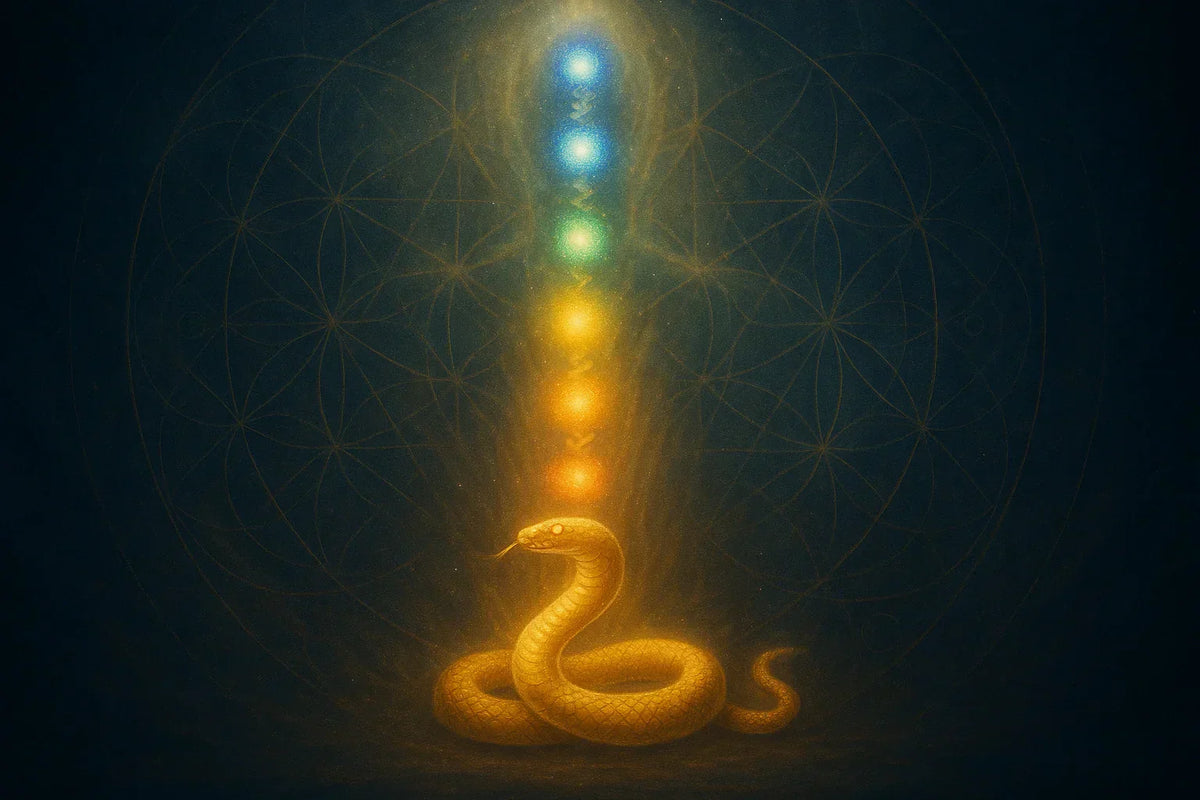
Among the world's spiritual philosophies, few concepts are as captivating as that of Kundalini. In yogic and Hindu traditions, this dormant primal energy is envisioned as a serpent resting coiled at the base of the spine.
When awakened, this sacred energy ascends through the chakras, unleashing an extraordinary wave of heightened awareness, clarity, and vital power. The rise of this inner serpent signifies spiritual illumination, self-realization, and harmonious communion with the divine.
Kundalini illustrates how the serpent serves as the ultimate metaphor for life force: silent yet fiercely potent, ready to awaken and elevate those dedicated to spiritual growth.
To explore this profound journey, discover our feature Kundalini Energy: The Serpent of Fire and Spiritual Awakening, revealing how this transformative force can be awakened and integrated into modern spiritual practice.

The Snake Today: Power, Elegance, and Protection
Far from being confined to ancient myths, the serpent continues to inspire modern culture, leaving its unmistakable imprint on art, haute couture, and fine jewelry design.
In Art and Fashion
The snake has evolved into an emblem of mystery, grace, and magnetism. In painting, sculpture, and cinema, it conveys an intoxicating balance of danger and fascination. In luxury fashion, snake motifs capture fierce empowerment, sensual elegance, and audacious individuality.
In Fine Jewelry
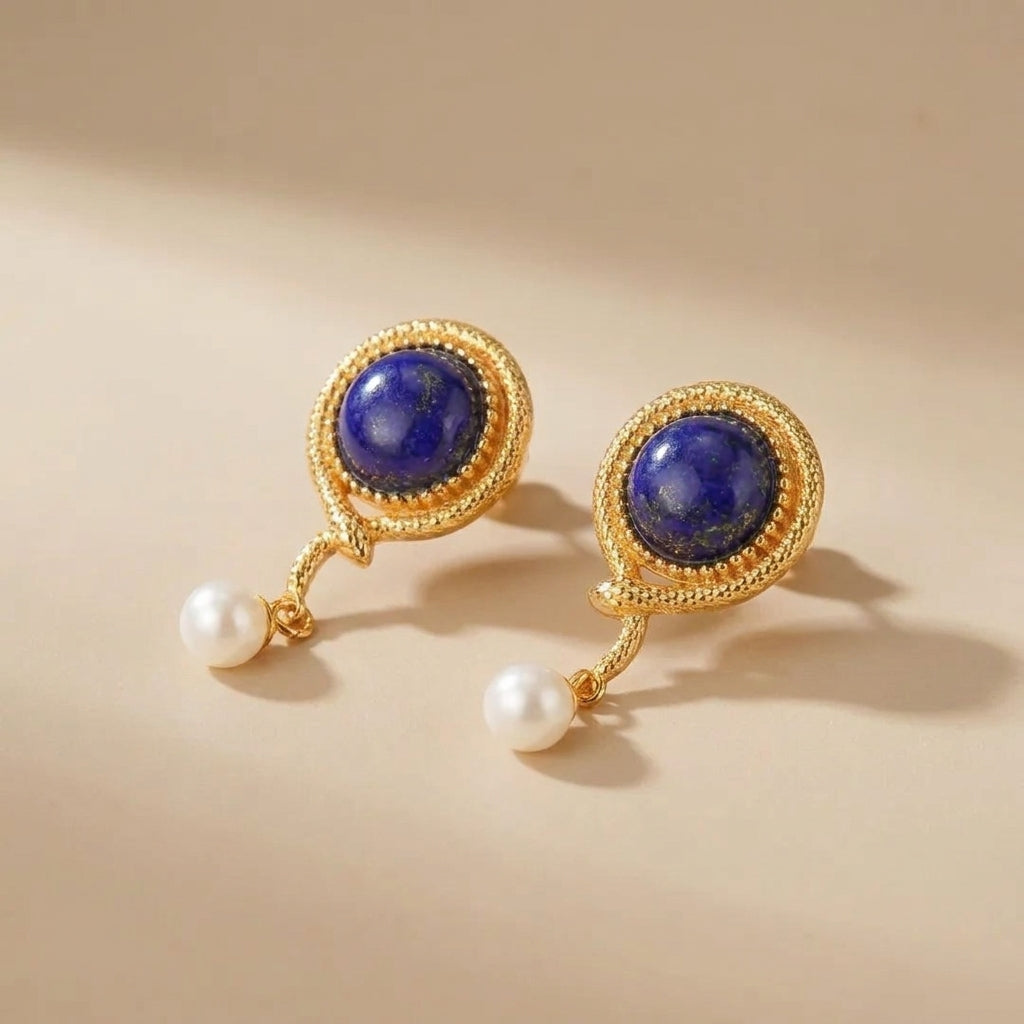
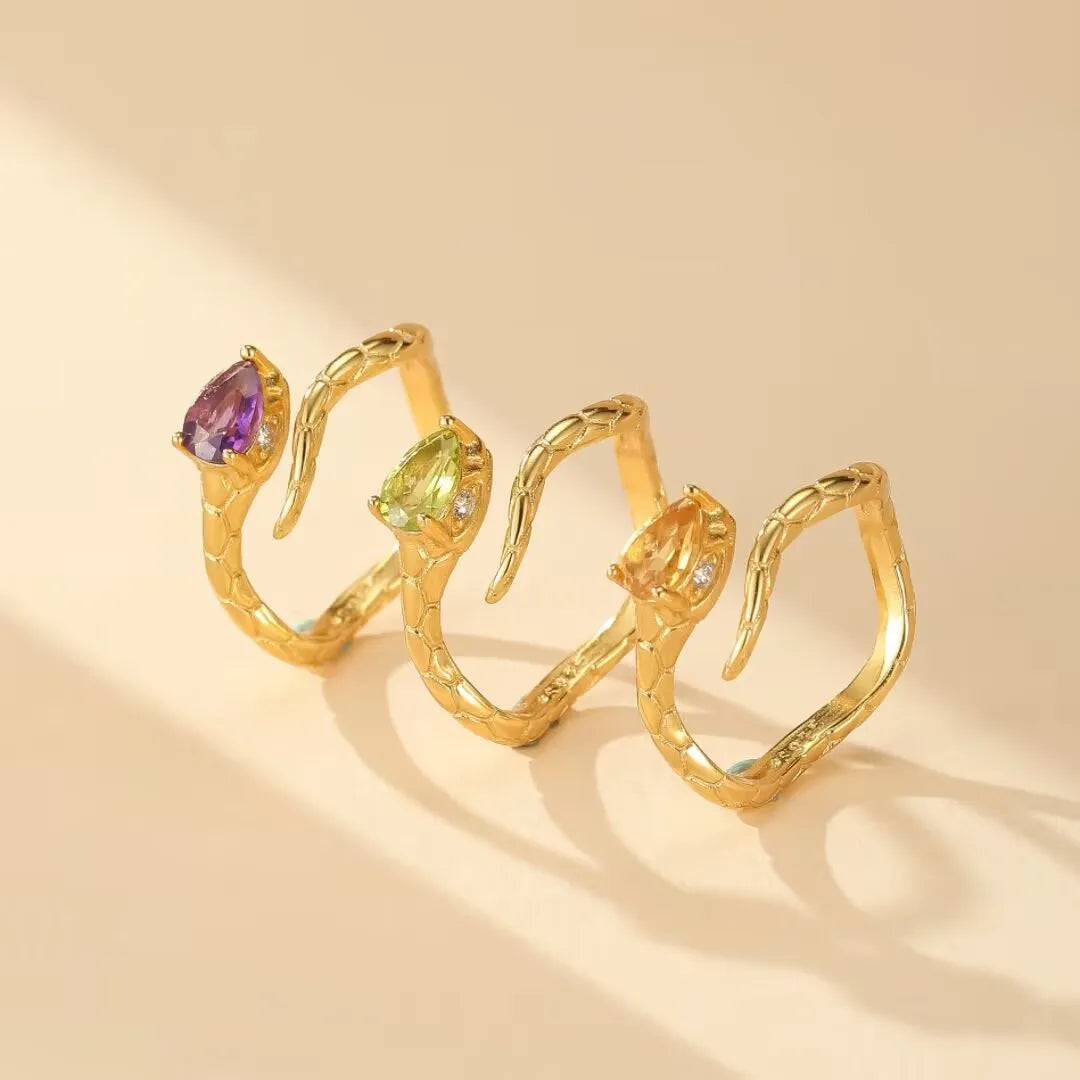
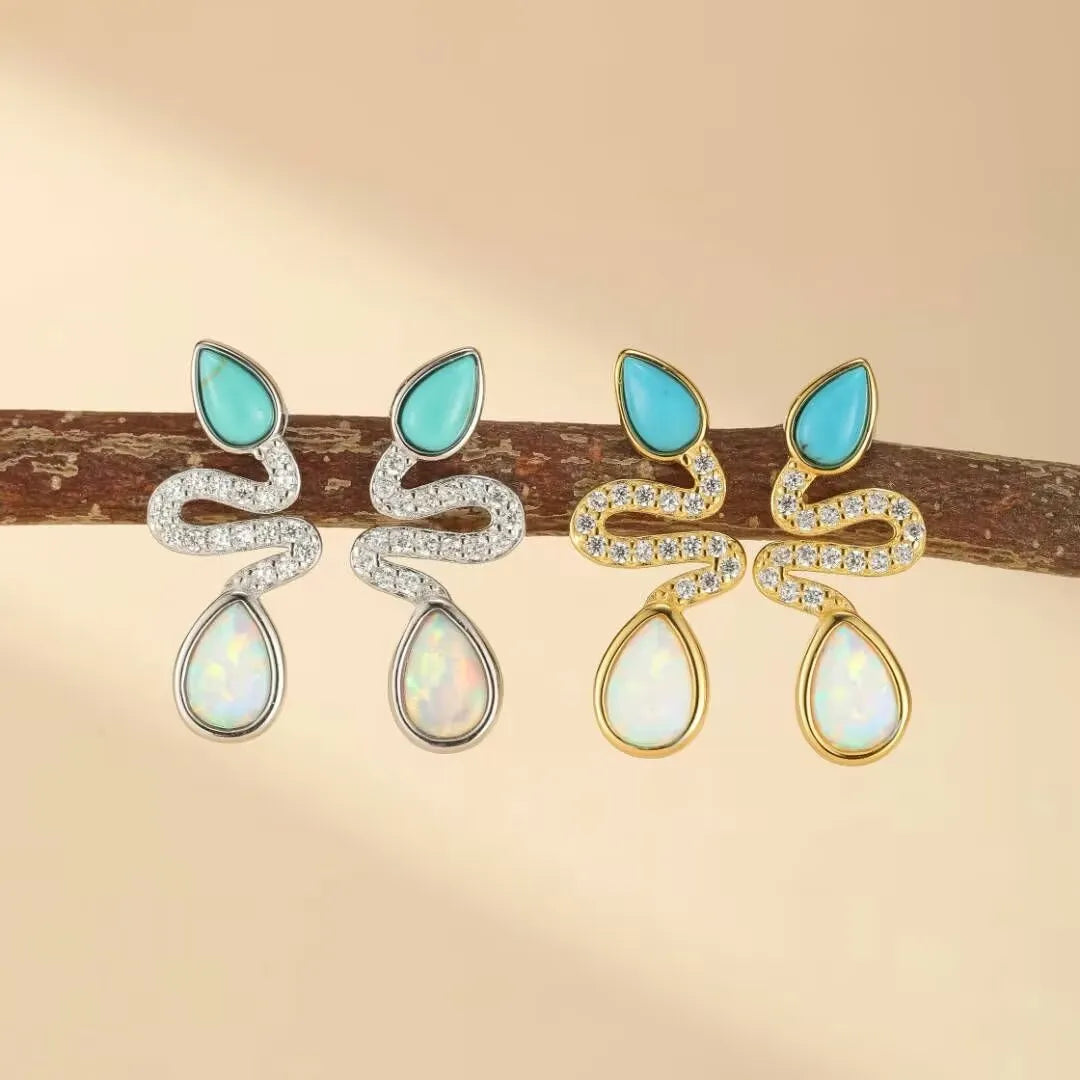
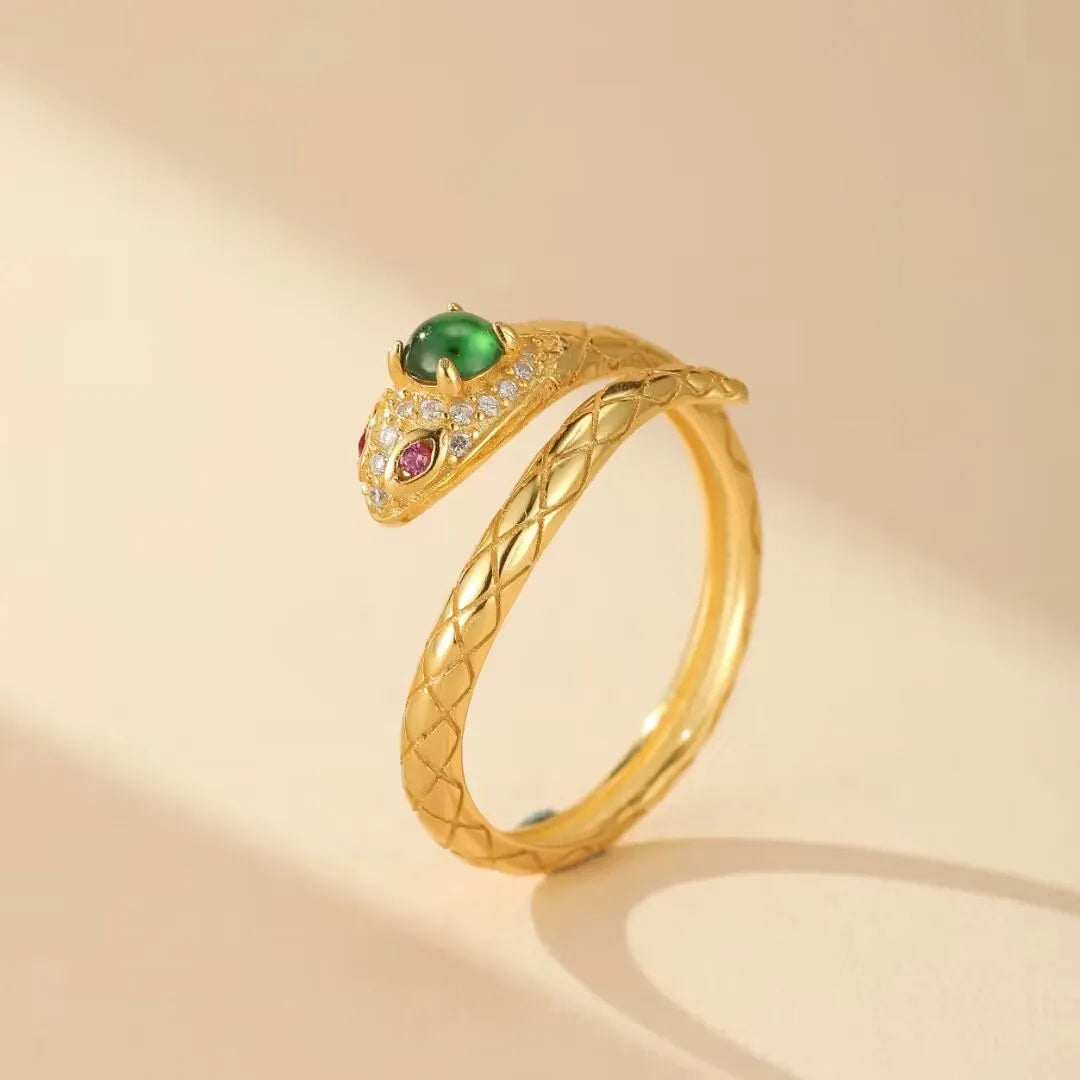
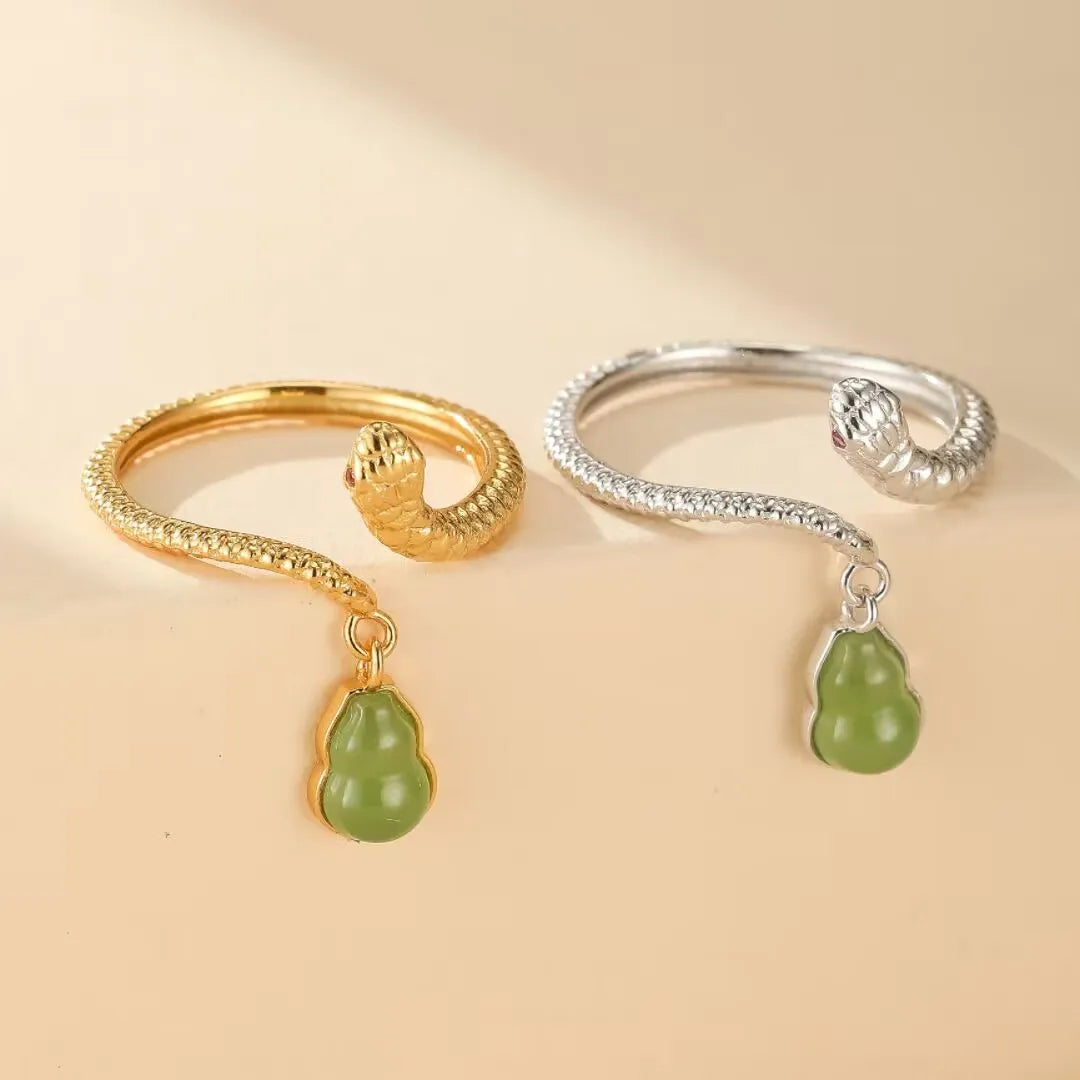
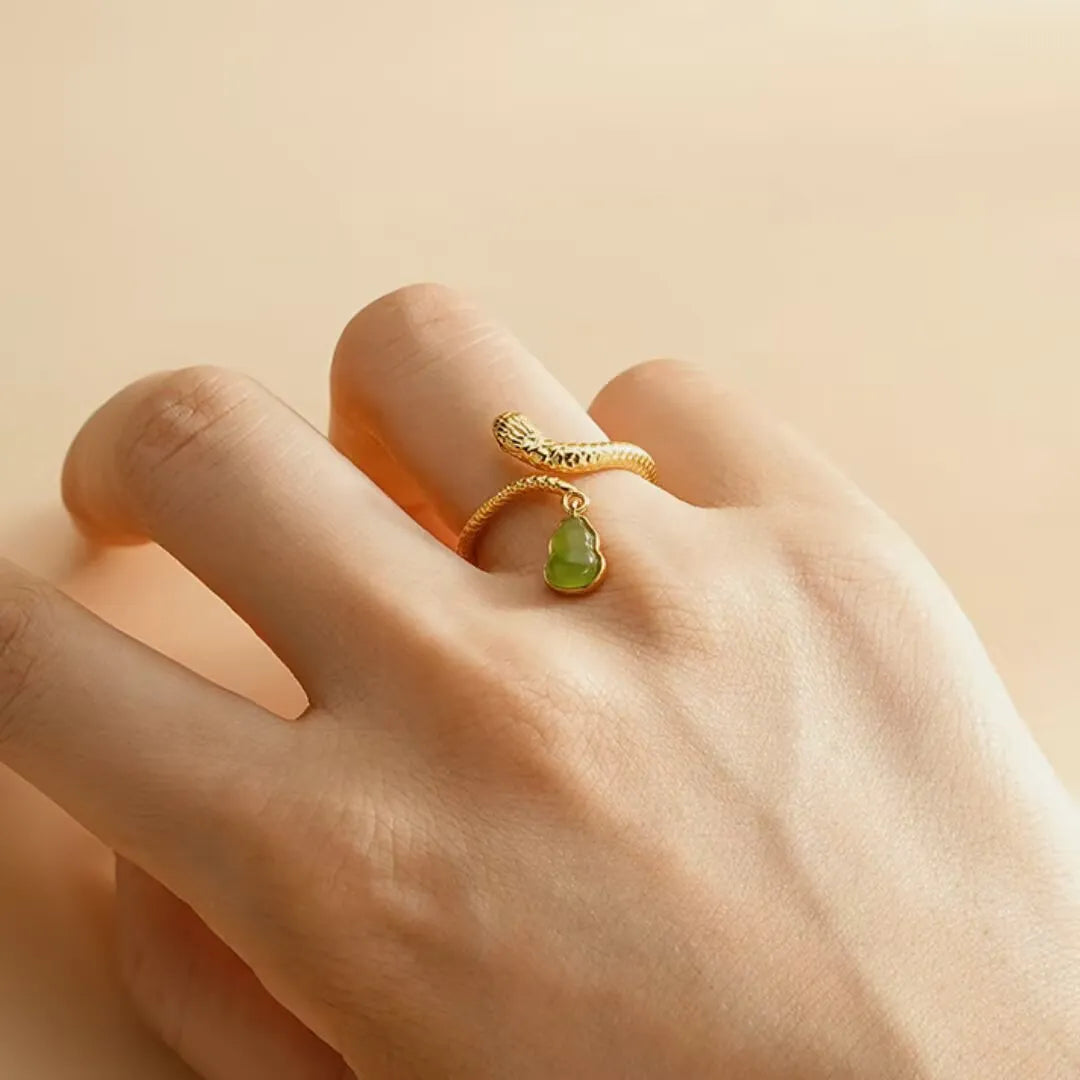
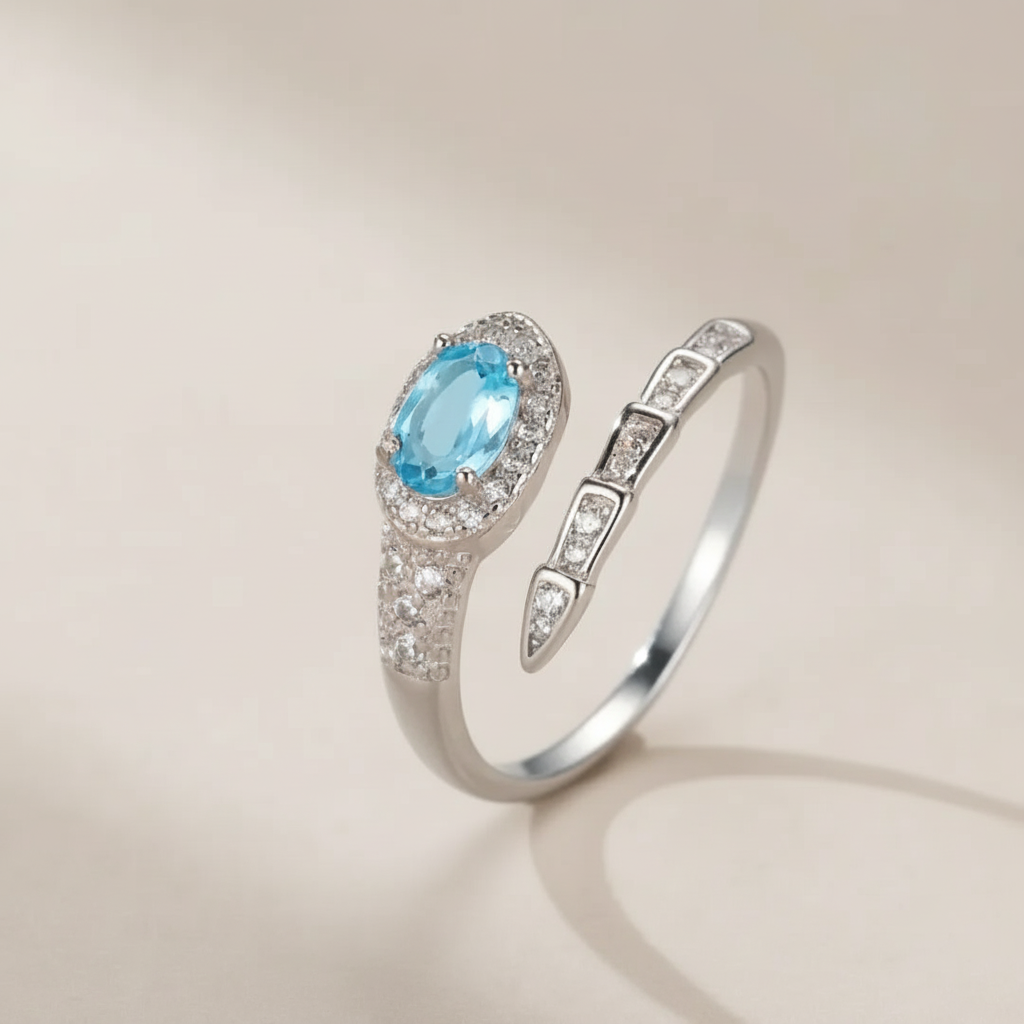
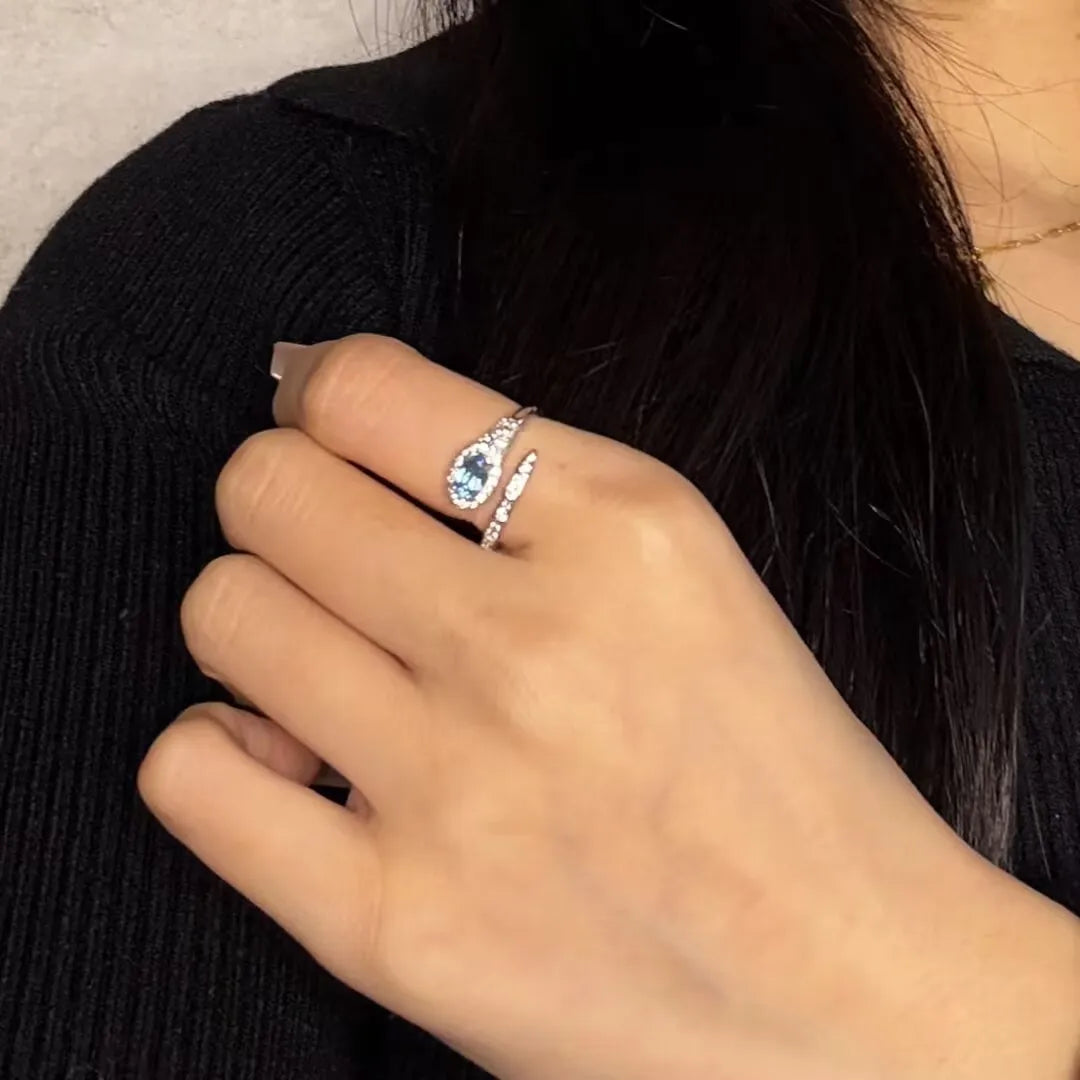
Snake jewelry remains among the most iconic and sought-after creations. Since antiquity, serpent cuffs and coils have been cherished as protective talismans. Today, snake rings, necklaces, and bracelets embody an exquisite harmony of refined luxury and inner resilience.
Wearing a serpent piece is a bold affirmation of self-confidence, magnetism, and connection to a sacred millennia-old legacy.
To learn more, explore Snake Jewelry: Power, Elegance, and Protection, an article dedicated to the enchanting world of these timeless designs.
Shadow and Light: The Snake as a Mirror of Humanity
The true power of the snake symbol lies in its captivating duality. It represents:
- Death, yet also rebirth,
- Danger, yet also protection,
- Venom, yet also the antidote,
- Temptation, yet also supreme wisdom.
In this way, the serpent serves as an authentic mirror to the human soul. Like us, it contains beautiful contradictions, reminding us that existence is an ever-unfolding cycle of transitions, renewal, and spiritual evolution.
Crystal Healing Comparison Table: Properties, Chakras & Care Guide
This comparison chart summarizes the key crystal properties, Mohs hardness ratings, chakra alignments, and cleansing rituals recommended by Lina.
Crystal Family & Intention | Chakra Alignment & Mohs Hardness | Cleansing, Charging & Feng Shui Placement |
Love, Compassion & Emotional Harmony | Heart Chakra (Anahata) — Mohs hardness 6 to 7/10; nurtures inner peace and emotional balance. | Place in the Southwest Bagua sector or bedroom; cleanse with white sage smudge and recharge under full moonlight. |
Grounding, Shielding & Confidence | Root & Solar Plexus Chakras — Mohs hardness 7/10; anchors energy and wards off negativity. | Position near the front entryway or workspace; smudge weekly with Palo Santo and recharge on a Clear Quartz cluster. |
Abundance, Clarity & 7-Chakra Balance | Crown, Third Eye & Full 7 Chakras — Mohs hardness 7/10; elevates focus and spiritual vitality. | Ideal for the living room or meditation corner (Southeast wealth sector); recharge on an Amethyst geode or Selenite plate. |
Conclusion: The Snake, a Hidden Spiritual Guide
From the Genesis narrative of Eden to indigenous wisdom, ancient mythologies, and the sacred rise of Kundalini, the snake reveals itself as infinitely more than a reptile. It is a universal symbol carrying profound spiritual messages.
Daily Energy, Protection & Harmony: Lina’s Favorites


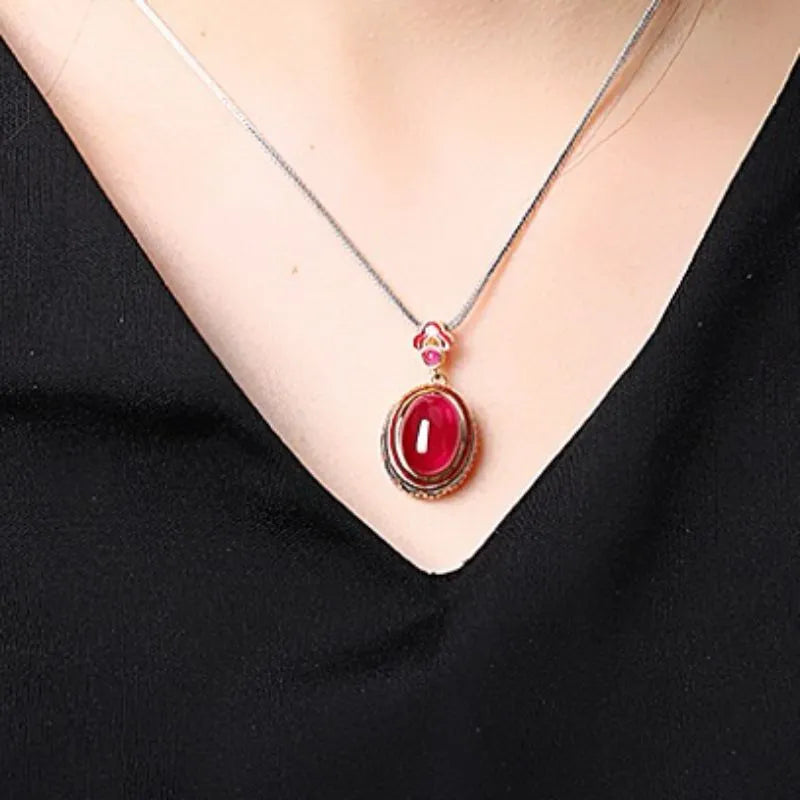
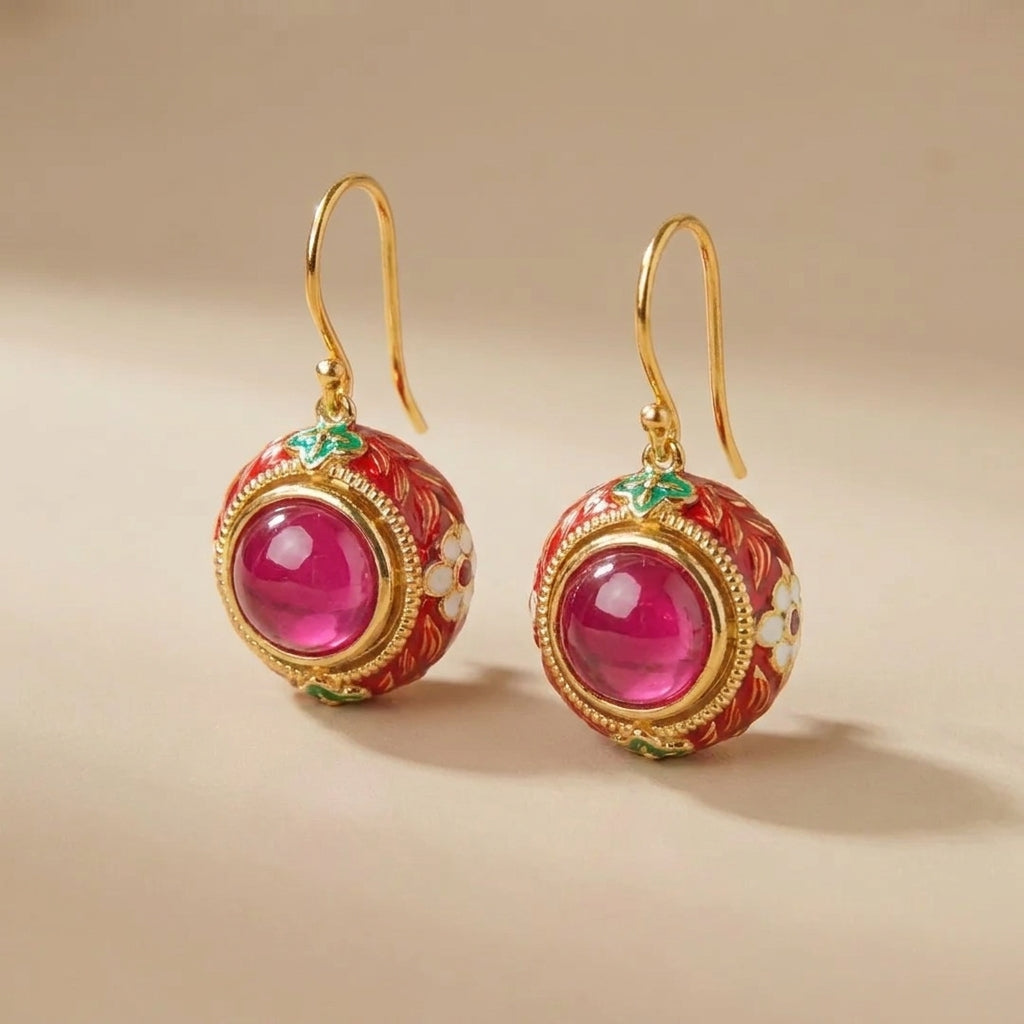

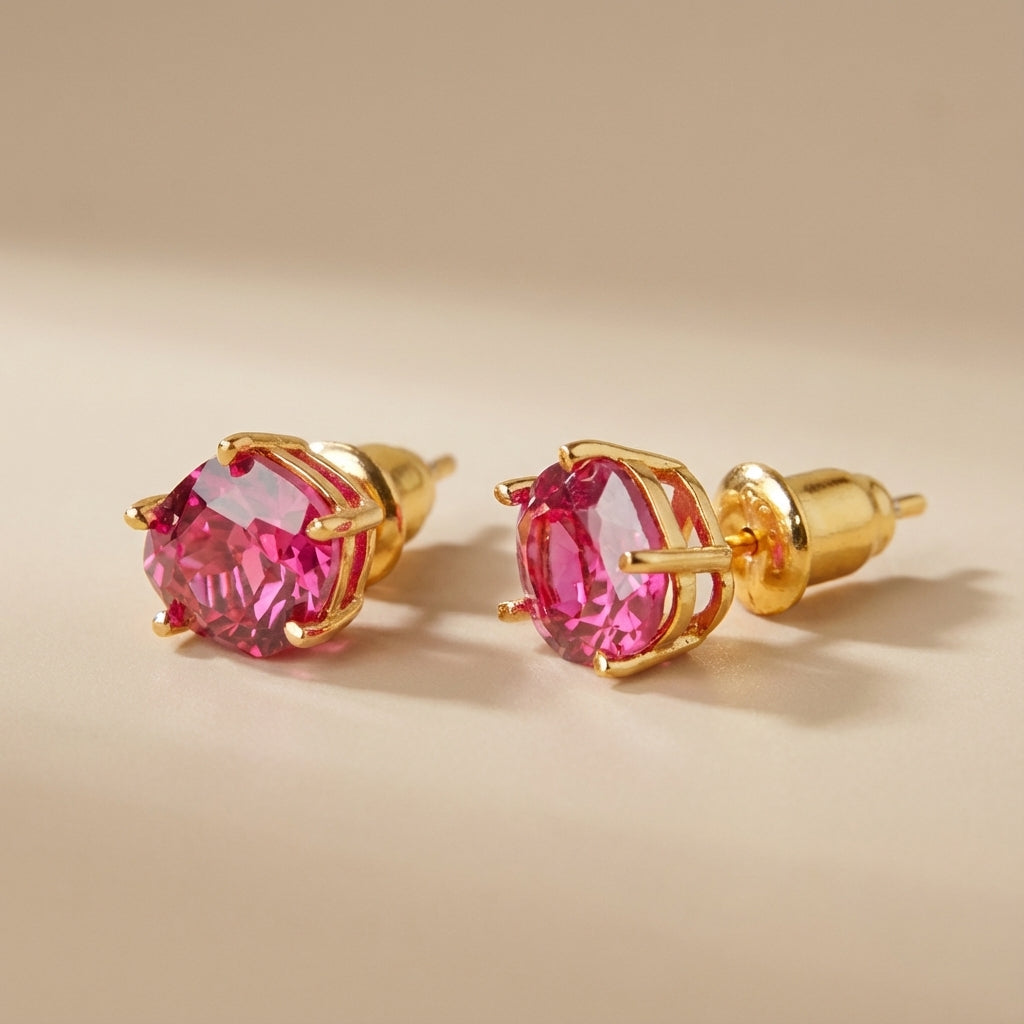


Explore our handcrafted crystal collections: Tree of Life Crystal Collection, Healing Crystal Jewelry, and Natural Crystal Bracelets. Read our related crystal guides: Significance And Benefits Of The Tree Of Life, The Tree Of Life In Natural Stone The Perfect Gift For Every Occasion, and Which Natural Stone To Choose For Your Tree Of Life.
Frequently Asked Questions: Snake Symbolism
How can I tell if the healing crystals in Snake Symbolism are 100% genuine?
Genuine healing crystals stay naturally cool to the touch, exhibit subtle internal mineral inclusions, and match their gemological Mohs hardness (7/10 for quartz varieties like amethyst, rose quartz, and citrine), unlike dyed glass or synthetic resins.
Where should I place a crystal Tree of Life or wear crystal jewelry for the best energy?
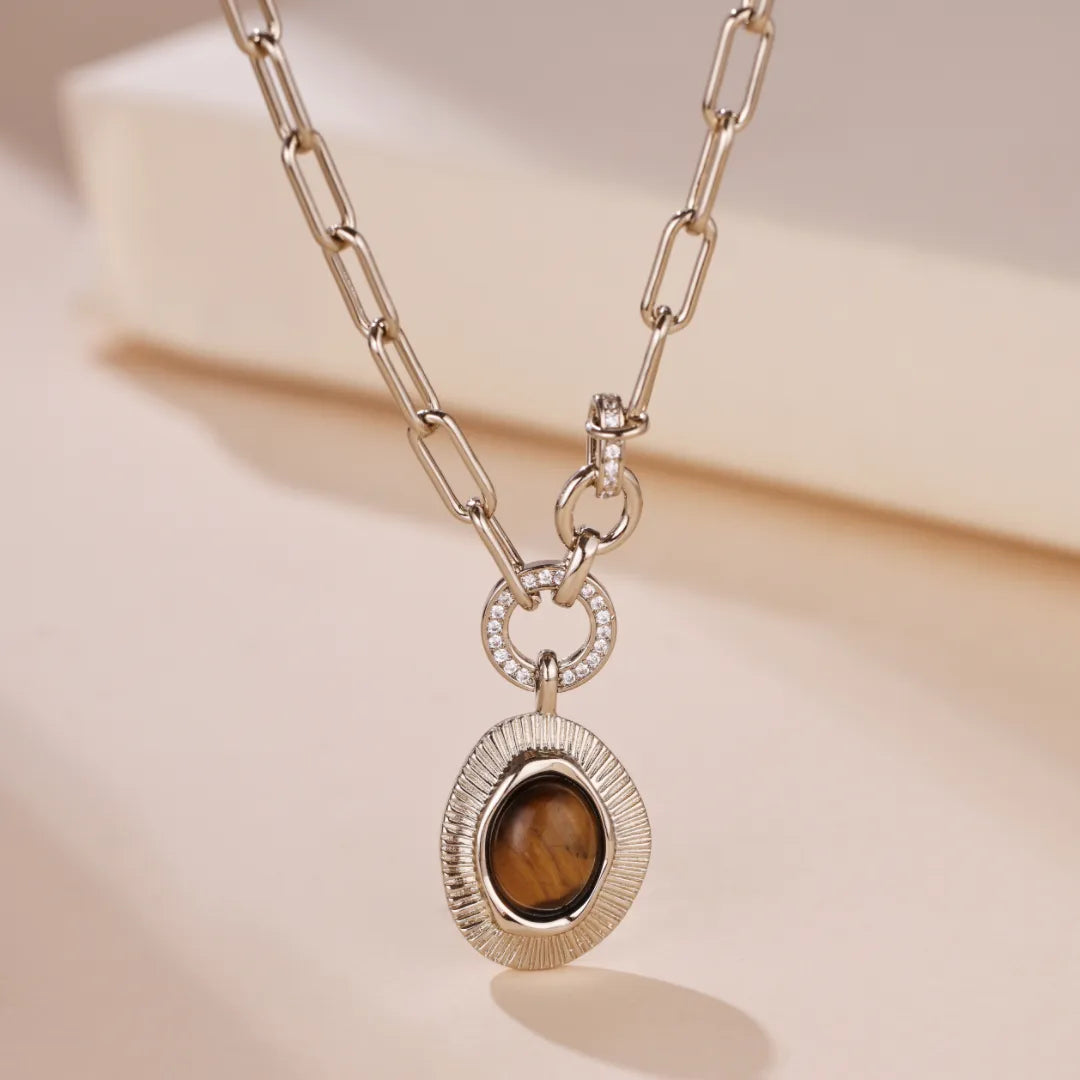
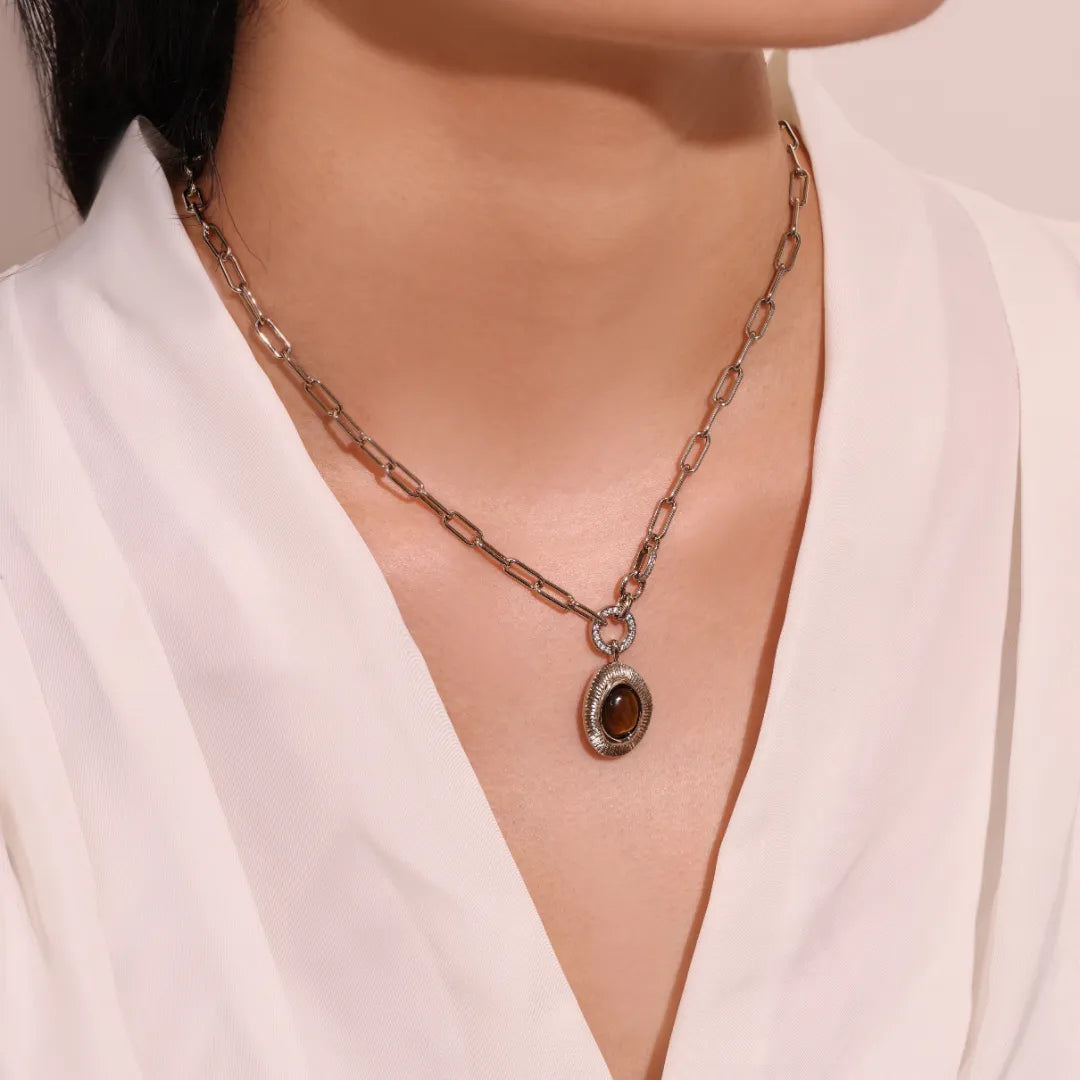
In Feng Shui, place your crystal Tree of Life at eye level in the room aligned with your intention: the bedroom (Southwest) with Rose Quartz for love, the entryway with Tiger’s Eye for protection, or the living room with Citrine and 7-Chakra crystals for abundance.
How do I safely cleanse and recharge my healing crystals without damaging them?
Smoke cleansing with white sage or Palo Santo for two minutes is the safest universal method, especially for softer or porous crystals like Selenite, Malachite, and Lapis Lazuli. Recharge your crystals overnight under moonlight or on an Amethyst geode.
Can I combine multiple healing crystals together in the same space or on my wrist?
Yes—crystals that share complementary chakra frequencies harmonize effortlessly. Clear Quartz amplifies all surrounding crystals, while Rose Quartz and Amethyst pair beautifully for emotional calm and restful sleep.
How often should I cleanse my Luuckk crystal jewelry or Tree of Life?
We recommend a gentle energetic smudging every two weeks for decorative crystal trees and once a week for crystal bracelets, rings, or necklaces worn directly against the skin.
Read more
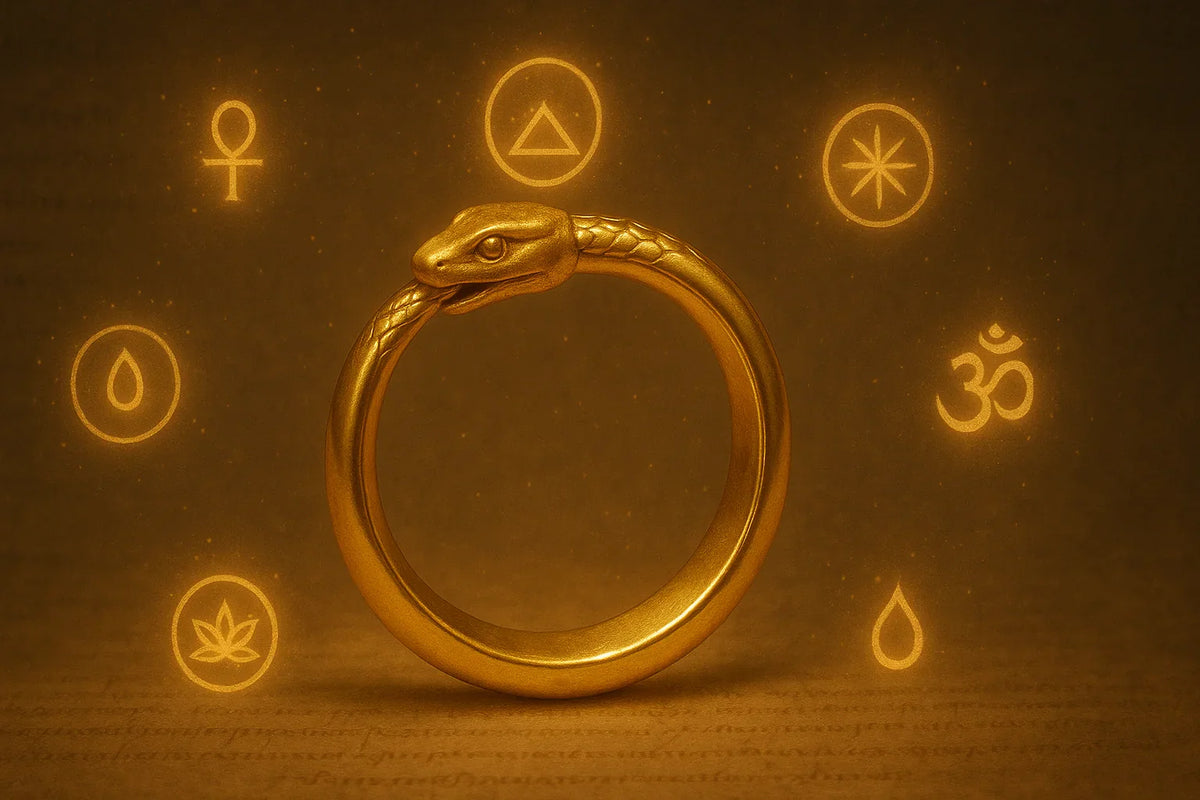
The serpent is one of the oldest and most powerful symbols in human history. Present across religions, mythologies, shamanic rituals, fine jewelry, and even neuroscience, it fascinates as much as i...
What if your deepest potential was simply waiting for a signal to awaken, like a serpent slowly uncoiling in the warmth of the sun? Kundalini energy, sometimes known as the "serpent of fire," has f...

Perfect for Gifting
Gift meaningful creations that bring joy and harmony.

Secure Payment
Payments are securely processed via Shopify & PayPal.

Money-Back Guarantee
Easy returns within 14 days of receiving your order.
Rated Excellent by our customers on Trustpilot
